"A suspect in the slaying of a Georgia nursing student — and his brother — reportedly entered the country illegally from Venezuela.
CBS News, citing a statement from Immigration and Customs Enforcement, reported Jose Ibarra, 26, was arrested by Customs and Border Protection on Sept. 8, 2022, after he unlawfully entered the United States near El Paso, Texas."
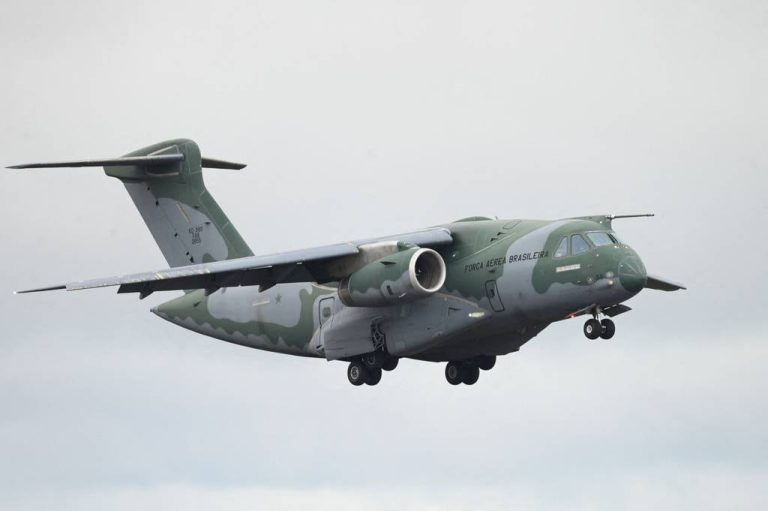
SINGAPORE — After a successful bid in South Korea, Brazil aerospace company Embraer anticipates high market demand in Asia for its C-390 Millennium tactical airlifter.
South Korea’s Defense Acquisition Program Administration selected the C-390 in December under a $544 million Large Transport Tactical Aircraft II program. While the cargo plane had been raking in business from European and Middle Eastern countries in 2023, the order was the company’s first in Asia.
“The Korean decision was very important,” Embraer Chief Commercial Officer for International Business Federico Lemos told reporters during a security and defense briefing at the Singapore Airshow this week. “We are receiving a lot of interest and this is part of a greater opportunity.”
Embraer did not disclose target markets, but officials indicated that new customers may be revealed in the first quarter.
Officials said they plan to take the C-390 plane on display at the Singapore Airshow to other countries in the region before returning to Brazil.
Despite lacking a publicized order in Southeast Asia, the company signed a maintenance, repair and overhaul agreement with ST Engineering this week dedicated solely to the C-390.
Executives also said Embraer intends to leverage an existing partnership with Swedish firm Saab to explore new markets. The companies signed a production line deal for Saab’s Gripen fighters in Embraer’s Gaviao Pexioto plant in Brazil last May and ihave agreed to pitch the C-390 together to the Swedish Air Force.
Apart from the partnership with Saab, Embraer has engaged with domestic firms to offer the C-390.
Earlier this month, the company partnered with India’s Mahindra Defence Systems to offer the C-390 to the Indian Air Force. The IAF sought to replace aging AN32 planes and was reportedly planning to order 40 to 80 medium transport aircraft.
In December, the company signed a memorandum of understanding with state-owned Saudi Arabian Military Industries to pitch the C-390 to the Ministry of Defense and to establish a regional MRO hub and assembly line in the country.
Leilani Chavez is an Asia correspondent for Defense News. Her reporting expertise is in East Asian politics, development projects, environmental issues and security.
Experiencing abduction or detainment at the hands of criminals or terrorists is an inherently perilous and terrifying ordeal. Preparing for such a situation proves challenging by conventional standards, as the element of unpredictability looms large. When faced with a gunpoint scenario, be it during a robbery or orchestrated by political extremists, accessing your survival kit becomes an impractical feat.
In these dire circumstances, your reliance shifts to the resources immediately available—your sharp wits, keen powers of observation, and any foreknowledge you may possess. Despite the absence of a tangible survival kit, these mental tools can become your allies in navigating through the ordeal. Adaptability and quick thinking become your most valuable assets.
Additionally, cultivating situational awareness in your day-to-day life can enhance your ability to respond effectively during unforeseen events. Observing your surroundings, staying informed about potential risks, and developing a general sense of preparedness contribute to a proactive approach.
People are kidnapped every day
Every day, around 2,300 Americans are reported missing. In the year 2022, there were 378,637 missing persons under the age of 21 and 167,324 individuals aged 21 and above. Notably, the number of missing females surpassed that of males in both age categories.
Kidnapping is a common phenomenon in the United States and the numbers are rising from one year to another. For the latest and most accurate statistics, I recommend checking the official reports or databases provided by the Federal Bureau of Investigation (FBI) and the National Crime Victimization Survey (NCVS) or other relevant law enforcement agencies. They typically release annual reports that detail crime rates and trends, including information on kidnapping occurrences in the United States.
So what can one do to stay safe when during a kidnapping situation?
Stay Calm and Stay Aware: Critical Steps in a Kidnapping Situation
In the initial moments of a kidnapping or hostage situation, the risk is highest. The motives of the kidnappers are unknown, and they have little insight into your capabilities or those of your fellow hostages. Panicking, acting unpredictably, or having emotional outbursts can draw unwanted attention and potentially make you a target.
Right from the beginning, it’s crucial to stay calm and observe your surroundings. Pay attention to every detail you can gather. This not only enhances your chances of escaping, should you decide to attempt it, but it also provides valuable information to the police.
This information can be instrumental in apprehending and convicting the kidnappers, ensuring justice and aiding in the resolution of the situation.
Avoid Focusing Only on Certain Things
Stay vigilant about your surroundings and the emotional state of those who have captured you. Constantly assess their intentions by utilizing the three stages of situational awareness: Perception — keenly observe every detail unfolding around you; Comprehension — process and comprehend the immediate and future risks and dangers; Projection — look ahead to potential outcomes and search for defensive opportunities.
Take note of critical information such as the number of attackers, their weaponry, and other specifics like the language they use, their stated or apparent motives, and any demands they make. If possible, gather details about the destination they’re taking you to. In scenarios where blindfolding occurs, some experts recommend tracking turns (both right and left) and estimating time intervals between them. This rough spatial awareness can provide a general idea of your potential destination.
Handle and Monitor Time Effectively
.
If anyone in your captive group possesses a watch, utilize this simple tool to keep track of the passing hours and days. Alternatively, in the absence of a watch, pay attention to the hours of daylight or note changes in temperature indicating day and night cycles. Observe patterns in your captors’ behavior, such as meal delivery times and the individuals involved. Recognizing scheduled activities can provide a potential advantage for escape attempts, allowing you to anticipate events and plan intelligently.
Drawing inspiration from famed racing driver Stirling Moss, who navigated the perilous racing years of the 1950s and ’60s, adapting to unexpected challenges is key. Moss’s survival technique during encounters with oil slicks involved intentionally inducing a controlled slide before reaching the slick. While the car remained out of control, Moss’s proactive approach made the situation less daunting. Similarly, tracking time, schedules, and activities transforms captivity from a passive to a more actively managed state.
Engage in daily mental exercises to keep your mind sharp and maintain perspective. Simple tasks like practicing multiplication tables, recalling quotes from literary works, or reconstructing conversations with loved ones contribute significantly to preserving mental acuity amidst challenging circumstances.
Be Aware of the Ultimate Goal
Consider the likely conclusion of your situation, understanding the motives behind your captors’ decision to take you hostage. In cases involving ransom, remember that your value to them lies in your being alive. Law enforcement and other authorities commonly advise cooperation to minimize harm and patiently wait for the ordeal to conclude.
If your captivity stems from criminal activities, recognize that your survival is directly linked to theirs. The threat of intervention by law enforcement adds a layer of complexity, making your continued existence vital for their own safety.
When dealing with political extremist groups, the dynamics become more intricate. Historical instances, such as the Iranian hostage crisis of 1979-81, exemplify situations where hostages were considered more valuable alive. Unfortunately, in contemporary times, the brutal killing of political hostages is employed as a terror tactic.
Evaluate the likelihood that your captors might resort to lethal measures, regardless of your compliance. This assessment goes beyond threats related to non-compliance. Utilize the third step in the situational awareness methodology: projection.
Once you’ve observed and comprehended the situation, project potential outcomes based on your understanding of captors and their motives. If a genuine belief forms that they intend to harm you irrespective of their demands, consider making every effort to escape, as there’s little to lose.
Monitor your captors’ behavior towards you for indications of heightened risk. If they withhold sustenance, engage in dehumanizing treatment, or no longer conceal their identities, these signs may suggest that the situation is concluding. Be prepared to take any necessary actions to escape if you genuinely believe they intend to inflict harm.
.
Establish Rapport with Captives
In situations where you’re held captive alongside others, forging a sense of solidarity among fellow captives is crucial. Building trust through open communication and sharing relevant information fosters a united front against captors. Identifying common goals, such as enduring captivity resiliently or seeking opportunities for escape, strengthens the bond within the group.
Coordination is key—working together to ration resources, collectively caring for physical and mental health, and strategizing on potential escape opportunities. A unified approach to dealing with captors, along with mutual support during distress, contributes to the group’s emotional well-being.
Leveraging diverse skills within the group and anticipating opportunities for escape as a collective increase the chances of successful execution. Security is paramount, requiring discretion in communication to avoid unnecessary attention. By establishing rapport and solidarity, captives create a support system that not only aids in navigating captivity but also enhances the group’s overall chances of survival and successful escape.
Stay Physically Active
Whether preparing for a potential escape or seeking to navigate the situation with reduced stress and fear, maintaining physical activity plays a pivotal role. Integrate exercises that are feasible within the available space.
Incorporate both cardiovascular (endurance) and strength training into your routine. Engage in activities such as jumping jacks, pushups, and isometrics (squeezing your hands together, pulling them apart), adapting to the space and circumstances.
Physical exercise serves a dual purpose. Firstly, it aids in combating feelings of depression, enhancing your mental well-being and keeping you more alert to your surroundings. Secondly, being in good physical shape could be a critical advantage if an opportunity arises for a strategic move, potentially playing a role in saving your life. Regular exercise not only contributes to mental resilience but also ensures that you are physically prepared to respond effectively when the need arises.
Avoid Drawing Attention
Minimize actions that might catch your captor’s notice. If you’re among fellow captives, strive to blend in seamlessly with the group. Avoid behaviors that could single you out for any reason. Most importantly, refrain from appearing as a troublemaker. Maintaining a low profile increases your chances of success if an escape opportunity arises, as it reduces the likelihood of extra scrutiny.
During interrogations, adopt a cooperative approach. Resist being confrontational or combative, even if it may seem appealing, inspired by scenes from spy movies where clever comebacks are delivered to super-villains. Argumentative behavior could lead to prolonged captivity or potential reprisals. Engage in casual conversation about inconsequential topics, but exercise caution when discussing more critical matters, such as their motives, whether political, criminal, or a combination of both.
Be wary of tactics like the “good cop/bad cop” routine, as criminals and terrorists may employ similar strategies. Staying inconspicuous and cooperative increases your chances of navigating captivity with minimal complications.
Avoid Becoming a Casualty During Rescue
.
The perilous moments of your captivity extend beyond the initial capture to the arrival of rescuers. While it may offer little comfort amid the extreme stress of hostage situations, remember that your value to abductors lies in your being alive. Their interest in preserving your life is undeniable. Experience has shown that, despite the hardships of captivity, the longer you endure, the higher the likelihood of a safe release.
During a rescue, drop to the floor and seek cover if possible. Stay vigilant about the source of any gunfire. Recognize that your captors, facing a dire situation, might resort to using you as a shield or harming you and other victims. Surviving the rescue is as critical as enduring the hostage situation.
Rescuers may not instantly identify you as a hostage. Unlike the movies where rescuers have scripted knowledge, real-life scenarios are dynamic. Understand that rescuers are driven by self-preservation, armed with automatic weapons. If they detain, search, or handcuff you, calmly repeat, preferably in their language, that you are one of the hostages and express gratitude for their rescue efforts. Over time, your identity will become apparent, bringing an end to the nightmare.
Concluding
.
In navigating challenging and perilous kidnapping situations, the collective insights shared here underscore the importance of preparedness, adaptability, and resilience. From strategies to enhance personal safety and survival during kidnappings to fostering solidarity with fellow captives, each suggestion aims to empower individuals facing adversity.
Key takeaways include the significance of maintaining situational awareness, both during captivity and potential rescue scenarios. Whether managing time, staying physically active, or blending in to avoid unnecessary attention, these strategies contribute to a proactive approach in the face of uncertainty.
Furthermore, recognizing the value of collaboration and rapport with fellow captives provides a foundation for collective strength. Sharing experiences, coordinating efforts, and preparing for opportunities collectively amplify the chances of survival and successful escape.
These insights serve as a comprehensive guide for individuals confronted with challenging circumstances. The overarching message emphasizes the importance of adaptability, resourcefulness, and a resilient mindset, offering practical tools for those navigating difficult situations with the goal of increasing their chances of survival and eventual freedom.
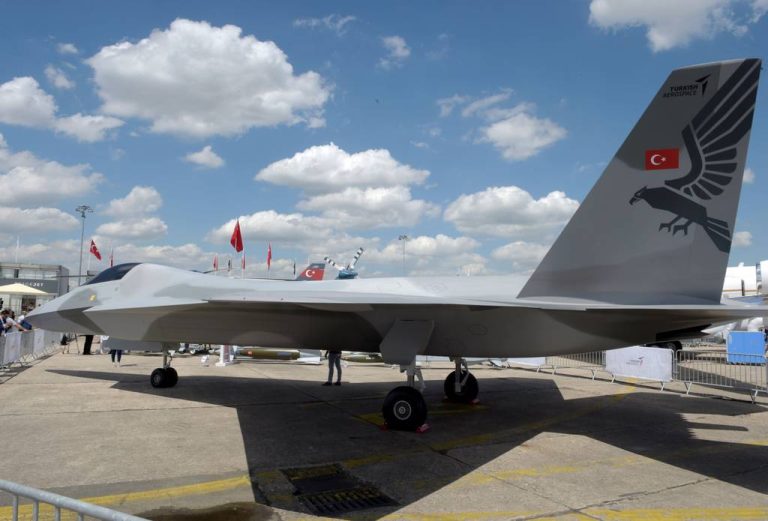
ISTANBUL — Turkey’s first locally made combat aircraft, dubbed Kaan, completed its maiden flight at Akinci Airforce Base near Ankara on Wednesday.
The CEO of manufacturer TUSAŞ, Temel Kotil, tweeted that the first flight took 13 minutes. The aircraft registered a speed of 230 knots and reached an altitude of 8,000 feet, according to Kotil.
Turkey initiated the combat aircraft development program in December 2010. A conceptual design contract was signed between SSM and TUSAŞ in August 2011. A development contract followed in August 2016.
The program aims to field a fifth-generation combat aircraft to meet Turkish Air Force requirements beyond 2030s, replacing the country’s F-16 fleet. Turkey aims to become one of the few countries possessing the entire value chain for making advanced combat aircraft, covering everything from technology, infrastructure, human resources and manufacturing capabilities.
With a wingspan of 14m (46ft) and length of 21m (69ft), Kaan is equipped with two engines. The prototype is powered by two General Electric F110-GE-129 turbofan engines, which are planned to be used in early production batches as well. Turkey is now working on the development of an indigenous turbofan engine for the Kaan by TRMotor.
The fighter program is planned to incorporate most of the characteristics of a standard fifth-generation aircraft, such as low observability, internal weapon bays, sensor fusion, advanced datalinks and communications systems. The aircraft are expected to be in service until the 2070s.
The current contract covers the initial four years of the program, which will be concluded with the completion of the preliminary design phase. Until then, further testing and technology maturation activities are on the schedule.
Cem Devrim Yaylali is a Turkey correspondent for Defense News. He is a keen photographer of military ships and has a passion for writing about naval and defense issues. He was born in Paris, France, and resides in Istanbul, Turkey. He is married with one son.
My old drone took a nose dive a while back. It was a fun toy even if its camera would not take pics or video…it looked forward with a slight down angle and was all RC controlled but it did have a flame thrower with 40 seconds of burn time Anyway one day one sides props stopped working and it managed to land on a concrete pad from 400 feet up…… upside down and broke beyond repair.
So fast forward a couple of years to last Thursday when I saw these DJI Mini 2 SE drones for $300 at SAMS and thought why not. Drone tech is not something I have even began to keep up with. So I first learned that you have to have a smart phone to fly almost all of the drones now days. As the smart phone is your console screen and has the app on it that connects console to drone with wireless.
So I head to the closest Verizon store to get my first smart phone ever and was probably pushing the line between getting one and going to jail. After dealing with a a young man that was well rude and obviously has a strong dislike of anyone over 50…… I Finally said dude can you at least show a basic level of respect to me instead the constant “You older people Don’t and Can’t” Comments and maybe stop acting like you would rather be burning in hell than dealing with a customer over 50? If you can’t maybe you could just pass me off to a sales person that can do those things and before I rip your scrawny head off your pencil neck and shit down the resulting single orifice? He walked away without a word and a much more friendly and helpful sales person materialized.
LOL and the friendlier sales person started out with “Older people that have never owned a smart phone need to start out with the most basic models.” And I said OK lets stop the old people shit right there. Just because I Loathe Smart Phones and how they have turned two generations into Asexual, mindless zombies that are totally incapable and can only function at a basic level only when their smart phone is stuck to their ass or in their hand……. Does not mean that I am not highly intelligent and won’t be able to educate myself on how to operate the most advanced smart phone as a tool in the applications I need it to serve me in. This one though was more fixated on “we need to find a model that you can afford.” At this point I am about to lose my shit on this one as well and whipped out my little tablet and pulled up my online banking and turned it around and said “Look Fucker I can afford to buy this entire Franchise store and everything and everyone in it, so sell me the best phone to meet my needs!” And about 20 minutes later I walked out with a Galaxy A23 5G a lower end phone that only cost a total of $550 + a 6 Month block of Prepay plan that auto pays every 6 months. I am finding myself having almost zero tolerance now days for the vast majority of young peoples lack of just basic respect and and borderline hatred of Gen X and Boomers.
So I spent half of Saturday figuring the Smart Phone out and getting the apps I needed in order to not only make the drone work but to set my new Printer/Scanner/FAX up that requires a smart phone and app to set up……… And my expanded sec cam and sensor system up that also requires a smart phone and app to set up and make fully functional.
So today the Drone was fully charged up and it got a respectable 27 minutes of flight time, My old RC drone had a 6-7 minute flight time. Get up, get hornets paper nest in the cross hairs, ignite flame thrower and incinerate hornets or big wasp nest and fly back and land with a near dead battery with the old one
I have been digging all of my old retired computers out and putting the pics and videos and other relevant files on their hard drives over to 256Gig -1TB SD Cards and have managed to use all of my SD and Micro SD Cards. SO my pic and video taking with the drone was very limited and not great quality since it was storing on the phone.
First pic I took I sent the drone straight up above me to the 300′ flight ceiling I set. If Read the rules correctly 400′ is highest you can legally fly a drone. LOL I look like a little ant way down there.
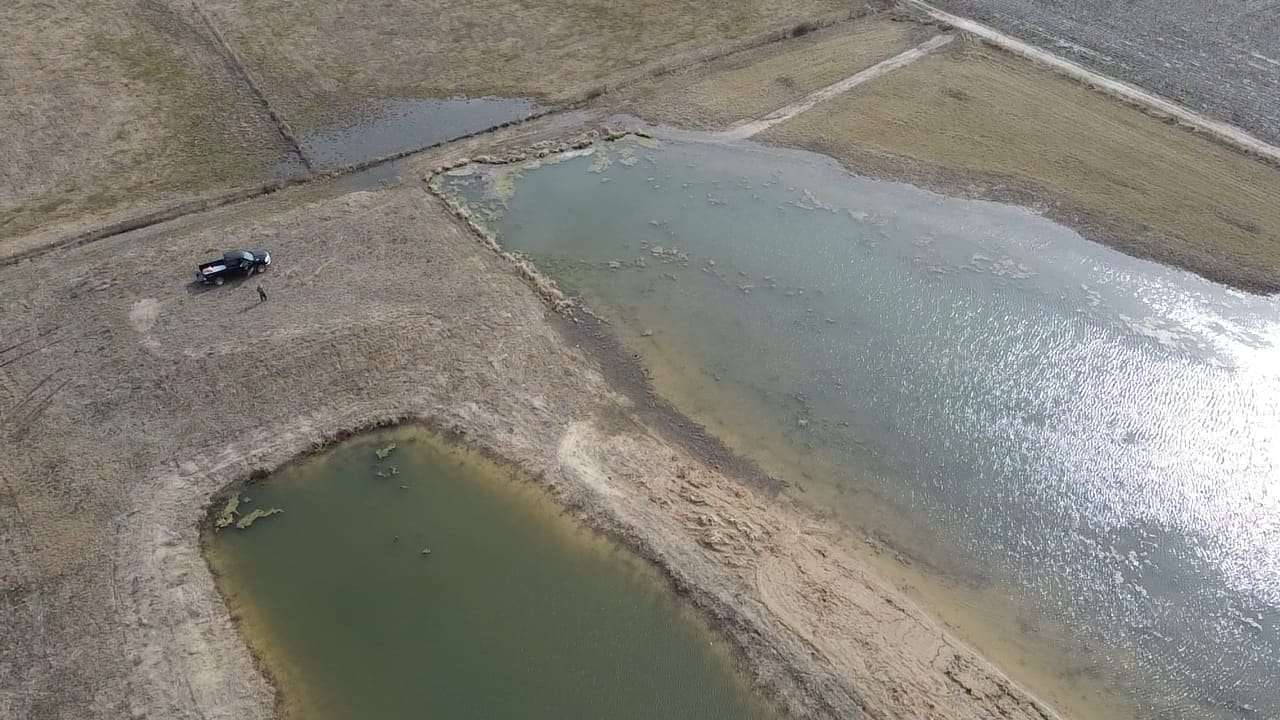
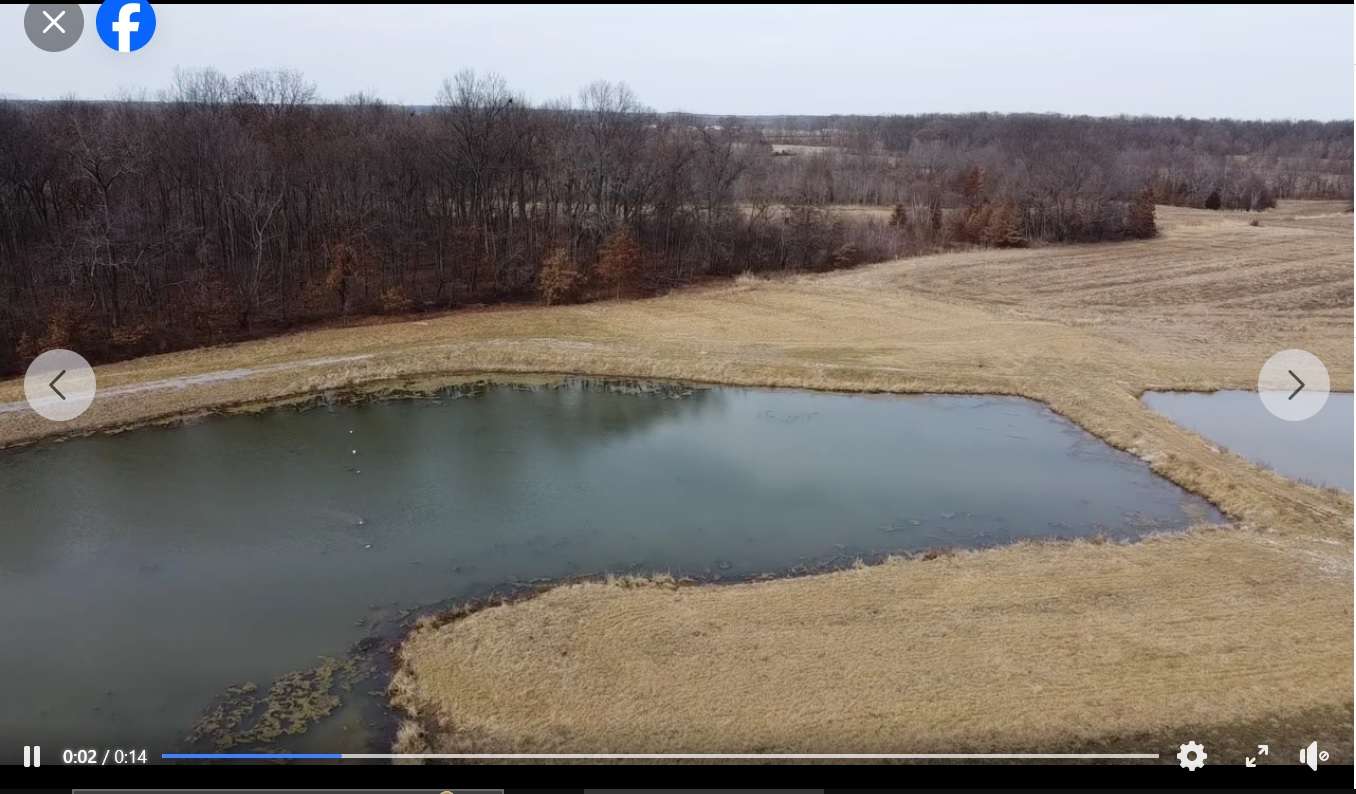
I played around flying and controlling it for its entire flight time today. And taking a few pics and very short videos. This pic was from 150′ up and the camera angled. I am operating it from on top of the Maple Hill site. I may or may not build another big pond in the pasture on the other side of the fence. If I do it will be around 6.5 acres and my land bridge at the end of the South Arm Tail will be the dam. I already dug out and clay packed a future dam Key there
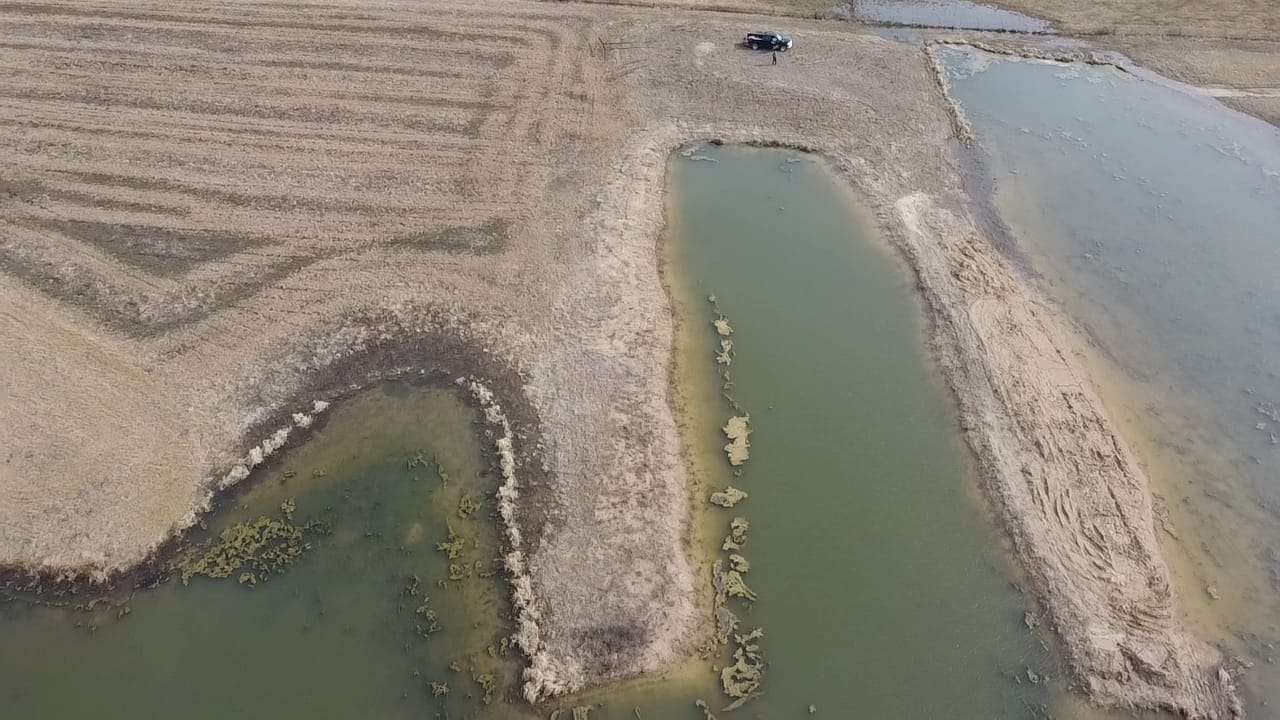
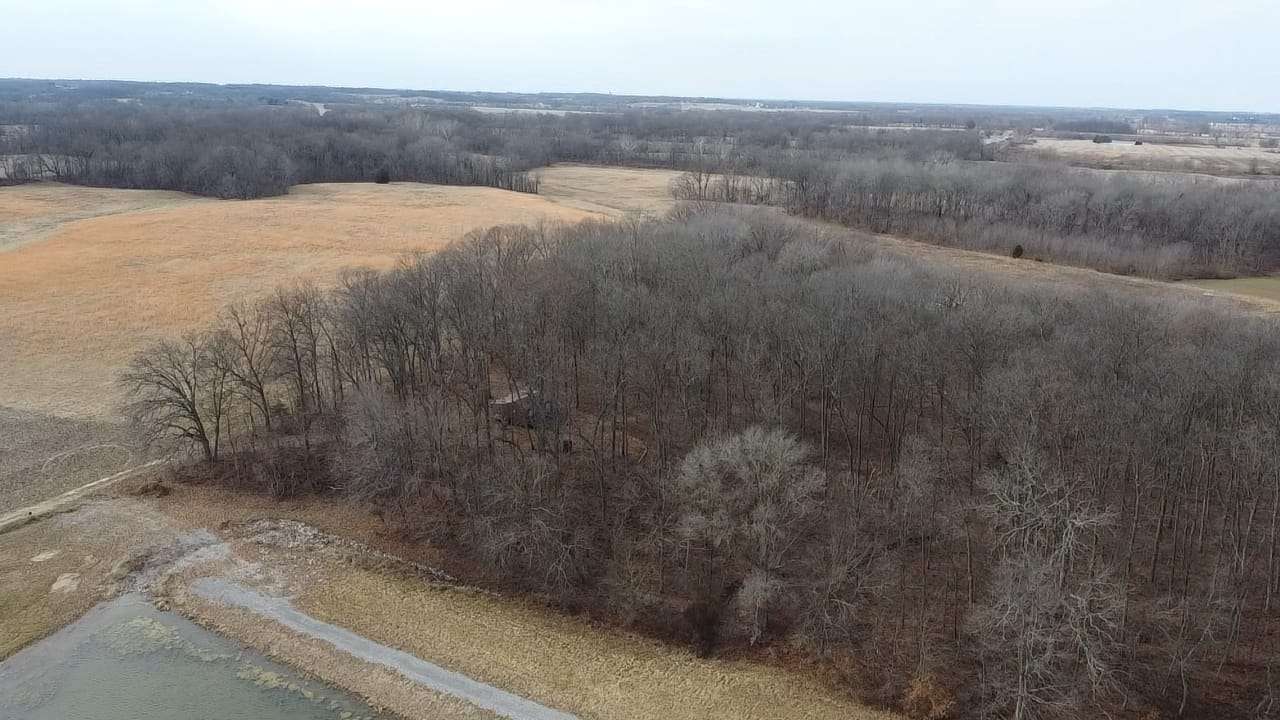
Can’t remember the exact altitude on this pic but was a bit over 200′ and farther back than the previous pic. Maple Hill formerly known as Mount Krap Minor LOL. is 16′ above lake level and I made it in 2022 with the 57hp Kubota and a 6′ box blade……. Not a small task but fun watching it grow one box of clay at a time.
It is a whole different perspective of the farm from up there.
I am hoping the Lake being full again resolves most of the moss/algae problem that began after it lost 4′ of depth over the no rain year that 2023 was. Actually a trickle of water going over the spillway now! I do love my life out here and everything it offers!
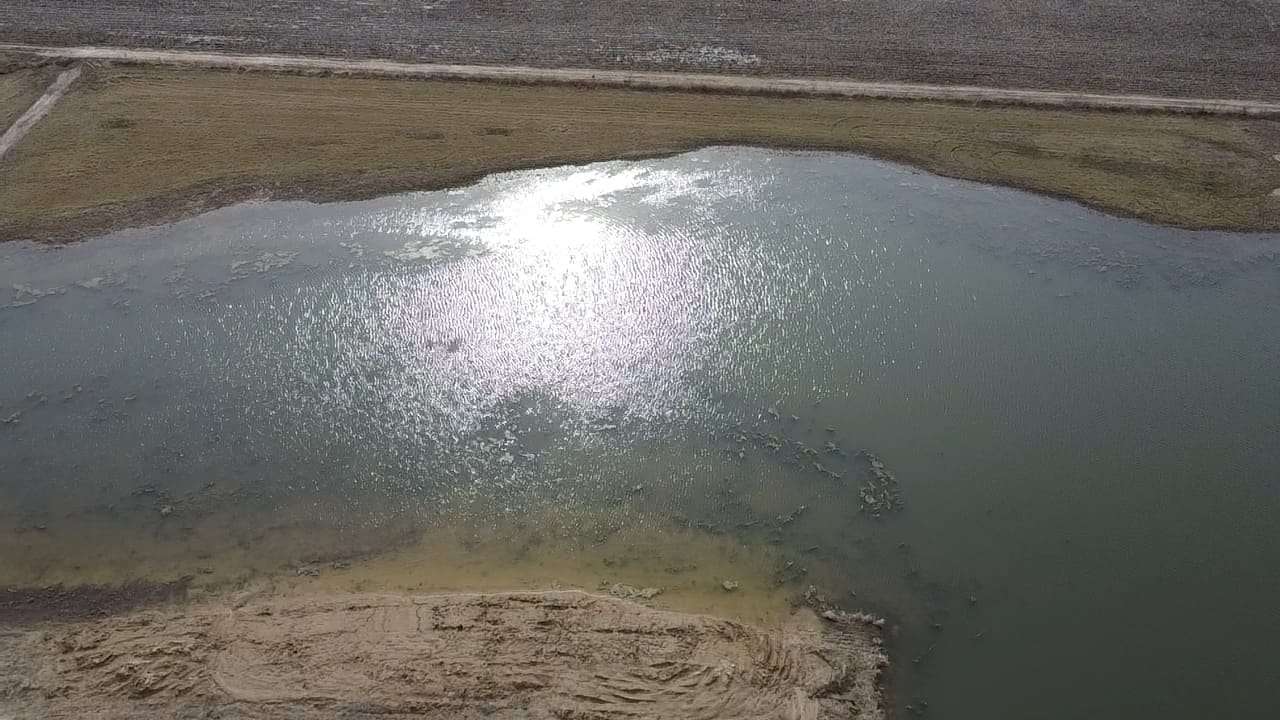
Looking across the South arm to the South dirt road. That bare strip on the left side is a big drainage ditch I cut out last summer. About where it ends by the road is a fairly fast flowing wet weather spring that turned that whole area including the road right there into a bottomless mud pit. The ditch fixed that malfunction and drains it off into the lake as fast as the water comes out of the ground there. I can’t do much about the other two wet weather spring in the field on the other side of the road. I put field tile in both of them and instead of lakes in that part of the field it is just swamps now LOL. Can see where I pulled mud and built the point up and added some depth to the South Arm in that area. Probably going to hit the moss with a dose of copper sulfate to kill it back, go through the hassle of getting 15-20 grass carp and building the waterfall on the ends of both points to oxygenate the whole lake more than it is. The Carp and higher Oxygen content should be the long term solution to future low water moss outbreaks. It is still a very young lake and a long way from being balanced out in everything. Depth where the sun glare is in the center is 8′ and tapers up that moss free channel the length of the South Arm to 3′ Deep at the end. The sides slope in to it from 6″-2-3 feet before dropping off to the deeper water.
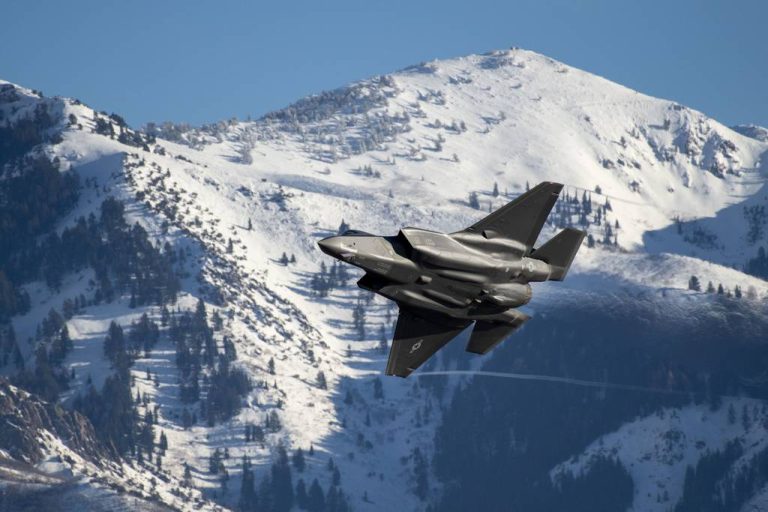
A key design review for the F-35 fighter jet’s engine upgrade will take place several months later than originally predicted, as the government adds another level of review to the process.
An executive for Pratt & Whitney, the RTX-owned company that makes the jet’s F135 engines, told reporters Tuesday that the Engine Core Upgrade program’s preliminary design review is expected to take place in May 2024.
That is later than the company originally predicted last fall, when it said the review was scheduled for January 2024, about a month after the company expected to finish its preliminary design.
In a statement to Defense News on Friday, the F-35 Joint Program Office said the design review is “event driven” and has not been delayed, but that it is taking a closer look at the engine upgrade.
“We have added a senior-level engineering and technical review to the schedule, which will take place in the February/March time frame,” the JPO said. “The JPO, in conjunction with our industry partner [Pratt & Whitney], continues to mitigate risk as we work toward the PDR [preliminary design review].”
Pratt & Whitney spokesperson Heather Uberuaga said the Engine Core Upgrade program, or ECU, is on track, and referred follow-up questions to the JPO.
The program is intended to give the F-35 more power, thrust and cooling ability. That will be necessary for a wide-ranging slate of modernizations planned for the fighter, known as Block 4, which will allow the jet to carry more weapons as well as improve its targeting, electronic warfare capability and sensors.
The Pentagon considered creating an entirely new engine for the jet to provide the necessary thrust, power and cooling ability, but last year decided to instead keep and upgrade the F-35′s current Pratt & Whitney-made F135 engines.
Jen Latka, vice president for Pratt’s F135 program, also told reporters the company is on track to finish designing the engine upgrade in mid-2025 and start testing it the following year. The ECU’s critical design review is expected to take place next year as well.
This will allow the engine upgrade to be delivered in 2029, Latka said.
Pratt & Whitney executives have downplayed the potential danger of an extended continuing resolution on the ECU program’s long-term timeline. The top officer in charge of the F-35 program, Air Force Lt. Gen. Michael Schmidt, warned lawmakers in December that funding could run out for the engine upgrades within months if a 2024 budget isn’t passed.
Latka told reporters that passing a budget is critical for ECU and other programs, and an extended continuing resolution for a longer period of time would affect it. But, she added, it’s unlikely a longer continuing resolution would delay plans to have the engine upgrades fielded in 2029.
“There’s a lot of different pieces of design that are progressing at different rates right now,” Latka said. “We don’t have an exact date when the money runs out and the timer goes off.”
Latka said all versions of the F-35, including the “B” variant that has a tilting version of the engine so the fighter can hover, will use essentially the same core upgrade, although the configuration will differ for the F-35B.
Pratt & Whitney expects the process of swapping out the engine cores for all F-35s in the field will take about 18 months. Once the new engine core is ready, Latka said, the military’s own maintainers would be able to install it at depots or potentially on the flight line in a few shifts.
“It’s not a one-shift job, but it’s a fairly simple exercise,” Latka explained.
Pratt & Whitney is heavily using digital design techniques on the F135 upgrades, Latka added, which she predicted will save time and money as well as and improve the quality of the components going into the engine. The company is designing all parts with a digital model, she said, and once those digital blueprints are done, the firm will send them to suppliers to build.
The complete “digital thread” for each part will also help military services conduct preventive maintenance, Latka said. And Pratt & Whitney’s pitch for a next-generation adaptive propulsion engine will similarly use a fully digital process, she added.
Jill Albertelli, Pratt & Whitney’s president of military engines, also noted the company plans to test prototypes of its next-generation adaptive propulsion engine, which would go in the Air Force’s planned Next Generation Air Dominance fighter, in the late 2020s.
Stephen Losey is the air warfare reporter for Defense News. He previously covered leadership and personnel issues at Air Force Times, and the Pentagon, special operations and air warfare at Military.com. He has traveled to the Middle East to cover U.S. Air Force operations.
Terrain features do not normally stand alone. To better understand these, you need to interpret them from the map. Terrain features are interpreted by using contour lines, the SOSES approach, “ridgelining”, or “streamlining”.
Figure 10-26. Terrain features.
a. Contour Lines. Emphasizing the main contour lines is a technique used to interpret the terrain of an area. By studying these contour lines, you will be able to obtain a better understanding of the layout of the terrain and to decide on the best route.
(1) The following description pertains to Figure 10-27. Running east to west across the complex landmass is a ridgeline. A ridgeline is a line of high ground, usually with changes in elevation along its top and low ground on all sides. The changes in elevation are the three hilltops and two saddles along the ridgeline. From the top of each hill, there is lower ground in all directions. The saddles have lower ground in two directions and high ground in the opposite two directions. The contour lines of each saddle form half an hourglass shape. Because of the difference in size of the higher ground on the two opposite sides of a saddle, a full hourglass shape of a saddle may not be apparent.
Figure 10-27. Ridgelining and streamlining.
(2) There are four prominent ridges. A ridge is on each end of the ridgeline and two ridges extend south from the ridgeline. All of the ridges have lower ground in three directions and higher ground in one direction. The closed ends of the U’s formed by the contour lines point away from higher ground.
(3) To the south lies a valley; the valley slopes downward from east to west. Note that the U of the contour line points to the east, indicating higher ground in that direction and lower ground to the west. Another look at the valley shows high ground to the north and south of the valley.
(4) Just east of the valley is a depression. There is higher ground in all directions when looking from the bottom of the depression.
(5) There are several spurs extending generally south from the ridgeline. They, like ridges, have lower ground in three directions and higher ground in one direction. Their contour line U’s point away from higher ground.
(6) Between the ridges and spurs are draws. They, like valleys, have higher ground in three directions and lower ground in one direction. Their contour line U’s and V’s point toward higher ground.
(7) Two contour lines on the north side of the center hill are touching or almost touching. They have ticks indicating a vertical or nearly vertical slope or a cliff.
(8) The road cutting through the eastern ridge depicts cuts and fills. The breaks in the contour lines indicate cuts, and the ticks pointing away from the roadbed on each side of the road indicate fills.
b. SOSES. A recommended technique for identifying specific terrain features and then locating them on the map is to make use of five of their characteristics known by the mnemonic SOSES. Terrain features can be examined, described, and compared with each other and with corresponding map contour patterns in terms of their shapes, orientations, sizes, elevations, and slopes.
(1) Shape. The general form or outline of the feature at its base.
(2) Orientation. The general trend or direction of a feature from your viewpoint. A feature can be in line, across, or at an angle to your viewpoint.
(3) Size. The length or width of a feature horizontally across its base. For example, one terrain feature might be larger or smaller than another terrain feature.
(4) Elevation. The height of a terrain feature. This can be described either in absolute or relative terms as compared to the other features in the area. One landform may be higher, lower, deeper, or shallower than another.
(5) Slope. The type (uniform, convex, or concave) and the steepness or angle (steep or gentle) of the sides of a terrain feature.
Through practice, you can learn to identify several individual terrain features in the field and see how they vary in appearance.
NOTE: Further terrain analysis using SOSES can be learned by using the Map Interpretation and Terrain Association Course. It consists of three separate courses of instruction: basic, intermediate, and advanced. Using photographic slides of terrain and other features, basic instruction teaches how to identify basic terrain feature types on the ground and on the map. Intermediate instruction teaches elementary map interpretation and terrain association using real world scenes and map sections of the same terrain. Advanced instruction teaches advanced techniques for map interpretation and terrain association. The primary emphasis is on the concepts of map design guidelines and terrain association skills. Map design guidelines refer to the rules and practices used by cartographers in the compilation and symbolization of military topographic maps. Knowledge of the selection, classification, and symbolization of mapped features greatly enhances the user’s ability to interpret map information.
c. Ridgelining. This technique helps you to visualize the overall lay of the ground within the area of interest on the map. Follow these steps:
(1) Identify on the map the crests of the ridgelines in your area of operation by identifying the close-out contours that lie along the hilltop.
(2) Trace over the crests so each ridgeline stands out clearly as one identifiable line.
(3) Go back over each of the major ridgelines and trace over the prominent ridges and spurs that come out of the ridgelines.
The usual colors used for this tracing are red or brown; however, you may use any color at hand. When you have completed the ridgelining process, you will find that the high ground on the map will stand out and that you will be able to see the relationship between the various ridgelines (Figure 10-27).
d. Streamlining. This procedure (Figure 10-27) is similar to that of ridgelining.
(1) Identify all the mapped streams in the area of operations.
(2) Trace over them to make them stand out more prominently.
(3) Then identify other low ground, such as smaller valleys or draws that feed into the major streams, and trace over them.
This brings out the drainage pattern and low ground in the area of operation on the map. The color used for this is usually blue; but again, if blue is not available, use any color at hand so long as the distinction between the ridgelines and the streamlines is clear.
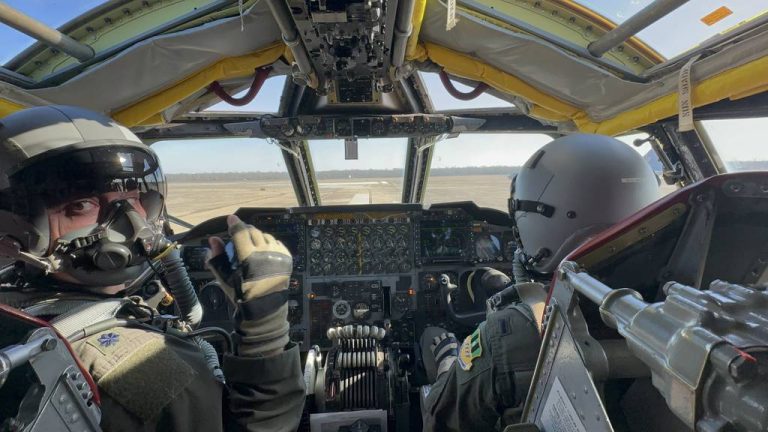
B-52 Stratofortress pilots control six-decade-old hardware with a 185-foot wingspan — and the lives of the four or five airmen onboard. But the moment the Vietnam War-era bomber’s wheels leave the ground, anything can happen — and some of the most important lessons cover more than routine flight procedures.
Defense News visited Barksdale Air Force Base in Louisiana to check out the aging B-52 bomber fleet and talk to pilots about what it will take for the aircraft to fly for several more decades. Here’s what we saw:
Lt. Col. Michael “Fredo” DeVita, left, instructor pilot and commander of the 11th Bomb Squadron, and student pilot 1st Lt. Clayton Hultgren prepare to take off in a B-52H Stratofortress for a training flight at Barksdale Air Force Base, La., on Jan. 4, 2024. (Stephen Losey/Staff)
Stephen Losey is the air warfare reporter for Defense News. He previously covered leadership and personnel issues at Air Force Times, and the Pentagon, special operations and air warfare at Military.com. He has traveled to the Middle East to cover U.S. Air Force operations.