The M/C Shop | Survival Monkey Forums

0

Trip report 11 May thru 14 May 07
Friday —
Mapquest said 8 hours, 53 minutes and 535 miles. On my clock, with a bit of 2nd gear in the mountains, it took just 10 hours and 523 miles. Following Mapquest’s directions, no hitches along the way, not one missed turn, I don’t think. BUT: Not every road was as well marked as one may like, but it worked more or less. Somehow, I wound up on Rt 19 instead of 74 which is essentially parallel. 19 is seriously narrow and twitchy, and I hit a thunderstorm of some intensity for a few miles that was nearly white knuckle. 81 was boring, and there is 390 miles of it for this trip. 40 from Tennessee east is entertaining, or it would have been had I been on the bike. Twisty, hilly, with tunnels, and with eager 18 wheelers pushing me and their luck.

While I was still on 81, I heard a traffic report with said that another motorcyclist bought it on the Dragon, 3 injured. I have to remember to look at milepost 6 for any remaining indications.
Later note: I have no idea where milepost 6 is. No signs of recent crashes, but there are a number of places where there are scrubs, rubs, gouges in the asphalt, and rubber stains and the like in the verge and occasional guard rail bend.

The motel is neat and clean, if under amenitied if there is such a word. Has a gas station of sorts and (of course) souvenir shop. A very small (i.e., not two person) shower. Small fridge and a microwave (buy your coffee the night before and heat it in the AM.) They have a pot of pulled pork going all the time up to 9 PM and coffee with Danish in the morning starting at 8. So that is what I did for dinner Friday and breakfast Saturday. No phone (except pay) and no internet. TV limited, but at least the news comes on. Set your own clock, if getting up is required for your lifestyle; it isn’t for mine.

The skies were threatening, but I took a quick trip up 28 after getting set up at the motel. Nice road, twisty and hilly enough to be very interesting with a couple technical challenges. (Later note, it is called the “Hellbender” with some justification.) Got to the Deal’s Gap Motorcycle Resort and turned back, whereupon it rained, much less interesting that way. I could feel the leather gaining weight with every mile. I’m just glad it was relatively warm. Also worth noting is that 25 mile per hour wet bullets in the face, I can live without. Had to have the visor partly open; wet on the outside, fog on the inside, and even so, the rain was falling so fast that the road couldn’t be seen except for the reflective centerline markers. Had a couple cars behind me that seemed sympathetic, they held their distance. No place to pull off for ten miles, and no shelter even then, so staying upright is the order of the evening. One minor bobble (front tried to wash out) but recovered without incidental dirt in skivvies. And, of course, the missed turn that sent me to the Fontana Reservoir Dam instead of to the motel. Really wasn’t particularly fond of that excursion, just added a couple gallons to the leather.

Saturday-
Up too early, planned to do the Dragon first thing. Not. Raining. It occurred to me to have a better look around the room, and discovered that the thing in the corner is an electric heater, so now my boots went on top of it, jacket propped in front of it on a chair. Wet I can deal with pretty easily, but cold is another story. The rain will go away —. While waiting for that sterling event, a mouse ran over my foot. The door was promptly opened, and the little bugger herded out, much too fast of foot for me to catch and flush, and had no itch to scale the laptop at him for a sure smash. The folks next door were from around Macon, GA, and tipped me to a couple local rides for later; apparently come to the Dragon often.

It didn’t look likely to clear soon, but it wasn’t raining, so climb into the wet boots and coat and off to meet the Dragon. The road was dry, and at the north end I kept going as far as the Chilhowee Dam, the stopped for pix. A quick look over my shoulder from whence I came hinted at the next hour. So far, the score is Me, 1, Dragon ,0.

Yep, it rained, and me 30 miles from the motel, with the Dragon laying in wait. As it turned out, the rain was not as bad as Friday, and I made it thru the Dragon with minimal difficulty. Lots of photogs at the bad turns, waiting for someone to spill. I stopped at the resort to take a break, still 20 miles from the motel. There was a video crew there doing interviews for a pilot on great riding roads, so they said. I wasn’t able to find out where or when it might show, but didn’t ask questions. I like staying out of the limelight, and there were a couple kneedragging racerboy types in full zoot more than willing to get filmed. At least one of them seemed knowledgeable. Score: Me, 2, Dragon, 0.

With the skies still telling me that the bike is a bad idea for now, the trailer got unhitched and away I went to the Fontana Dam of the infamous Friday night visit. Did a short tour and took some pix, then some souvenir shopping, and back to the motel. The sky was less threatening by now, so on the bike, over to Robbinsville for gas, and a bit more scouting out the area. Rt 129 north from R’ville is fast, not too technical, and scenic enough if you are going slowly enough to enjoy it. The road runs along a river of particular beauty, well worth the stopping and enjoying between the bikes passing at speed. (Harley noise is what it is, and of all the scooters that come to this area, you can pick them out well before they arrive. Others seem to attract less attention.) And so, back to Robbinsville for dinner, then to the motel via Rts 143 and 28. 143 encourages you to put the hammer down, smooth and easy, not too technical. Don’t. NC staters seem to know that as well. Rt 28 from that intersection north gets a bit more technical, but very fun to run. It was still light out, so looked the bike over more or less carefully. What a mess from the rain rides. Up until dark, quite a few bikes went past.

Sunday-
I woke up around 0720, had a peek out the window. Fog, fairly heavy, so hitting the Cherohala Skyway per plan didn’t happen. The point is to see the scenery, and with this fog, it can’t happen. About 1030, the fog lifted enough to make it worth at try, so out the door and on the road at 1100. Thru R’ville and out 143 to the Cherohala. FWIW, 143 is sucky, especially if you are behind a pontoon boat. The road is slow, medium rough, and twisty. But the clouds lifted quickly and the day turned first class.
Just before the Cherohala starts, there is a turnoff for the Joyce Kilmer Memorial Forest, so I went there. Lovely peaceful place, not many people, lousy with butterflies and bugs. As it gets later, the weather improves markedly. The Cherohala is great for riding or sightseeing in these mountains. (Can’t do both on a bike when hanging in the twisties, of which plenty.) Fortunately, the scenic turnouts are marked so you can plan ahead a bit and pull off for rubbernecking and picturetaking. Unfortunately, not all the best spots have turnouts. So I missed a few.
At the beginning of the Skyway, I got to chatting with three guys from Michigan. We parted, but at the other end, I caught up with them again. We all finished off the loop together (Cherohala, Rt 360 in Tn, Rt 72, then back down 129, including the Dragon. One of the guys is 69 years old, and not too experienced a rider, but he made it thru with minimum fuss. We all stopped to help a guy that put his Harley bagger in the ditch just before we got there. Banged up, and full of adrenaline, but nothing permanent to him that we could see. The Harley seemed to be all of a piece, but seriously scratched up, maybe the front end damaged. We left before the assessment of that possibility. It still rolled, otherwise it would have taken a wrecker to get it out. As it was, it took 6 guys puffing. Traffic, of course was basically stopped for several minutes, enough to back up the knee draggers. Score: me, 3, Dragon, 0.
We split up at the resort, the three guys to have a bite, and me to go shopping south on 129. Fred, the older guy, is done riding for today, but Ari and Marty planned to do some more. They did, passed the motel while I was sitting on the porch. Fred is longing for some straight roads, the curves drove him nuts. He nearly fainted when I told him riding on the sides of the tires is more fun than the bottoms. (They are from just north of Detroit, straight roads is what’s there.)
So I’m at the motel, getting hungry, so I headed out to get a bite to eat at the resort. Got there too late, return to Wendy’s, then back to the motel. Loaded the bike in the trailer, and started packing up.

Monday-
Loaded out and on the road home at 7AM. I drove north on 129 thru the Dragon with the trailer, no great problems at all, and very little traffic by the time I cleared the north end. Score: Me, 4, Dragon, 0.
The idea was to wend my way up 411 to 40 then to 81 and home. My dyslexia got me, confused 441 with 411 and found my way to Knoxville instead. I won’t tell you my impression of 40 east from Knoxville, but strongly suggest you don’t get the same impression. Other than that, the trip was uneventful.

Evaluation:
Was it worth ten hours to get there and another eleven and a half to get home? Worth the rain rides? Worth waiting for the fog to lift? Yes. The roads are smooth, curvy and fast (if you can avoid the cops, which are here, but not too obvious.) And when you are concentrating on technique, little aches and pains don’t register until later. Riding’s essence is the ride, not the destination, and this fit that bill. In spite of the rain, I put about 400 miles under two wheels in two days. Not a lot of riding for the real hard core, but more than I’ve done in that amount of time prior to this run. The Dragon itself is overrated, tho’ challenging enough, it is a slow ride. I was lucky, I guess, in that when I was out, not too many others were except on Sunday when the guys from Michigan and I went thru southbound; well and truly crowded then. I hear tell it is much worse later in the season.

Pix to follow.


What Optics Do You Use On Your Battle Rifle?

0

Motivational Poster Thread (warning content)

0

Post your favorite Motivational Posters here.

Living In Denial – The “It won’t happen to me” people

0

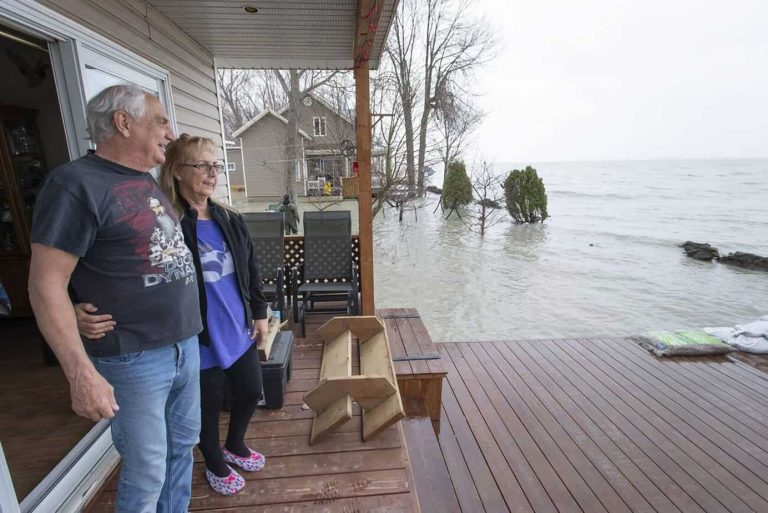
After being hit over and over again by various natural disasters and surviving the Covid-19 pandemic, it seems that the vast majority of U.S. citizens still live in denial. They have the “it won’t happen to me” mentality, and they fail to prepare and act when it does happen to them.

A nation living in denial

I remember a while back reading the Annual Disaster Statistical Review of 2016, which ranked our country second on the list of countries most frequently hit by natural disasters. Also, an FBI report from that very same year found that there was a 5-percent rise in violent crime in the U.S., totaling over 1.2 million incidents.

According to a Federal Emergency Management Agency (FEMA) survey, nearly 60% of American adults never practiced what to do in a disaster, and they never attended a disaster drill or preparedness exercise at work, school, or home.

Furthermore, only 39% of respondents have created and discussed an emergency plan with their household. All this considering that 80 percent of Americans currently live in counties that have been hit by a weather-related disaster since 2005.

FEMA’s findings show that even when faced with the serious risk of a life-altering disaster, people choose to be oblivious, nonchalant, or simply irrational about the importance of preparedness.

This is known as normalcy bias, a psychological state in which we ignore the possibility of disaster and assume our lives will always be normal.

Denial is a more common term for this type of behavior.

Denial is classified as a defense mechanism by 19th-century neurologist Sigmund Freud.

He divides it into three categories:

Simple Denial: denying that anything unpleasant is happening.

Minimization is the admission of an unpleasant fact while denying its gravity.

Projection: Acknowledging an unpleasant fact and its seriousness but refusing to accept responsibility or blame someone else for it.

Simple denial

When we hear about stressful or traumatic situations, we often hear people say things like, “I can’t believe this is happening to me.”

Unfortunately, bad things happen to good people on a daily basis. Humans have a tendency to avoid negative experiences, whether consciously or unconsciously. Our lives gradually become one-sided, letting us to experience only the things we find enjoyable.

When we suspect something will be unpleasant, we avoid or withdraw from it. This gives the impression that we are safe from the things we don’t want to happen and that we have complete control over our experiences in the world.

When the unavoidable reality of an unfortunate event disrupts our lives, we can’t believe it’s happening because it’s not something we chose.

In the army, aggressive language is often used with people who aren’t used to hearing it. The cadets often freeze or need a break in response because they aren’t used to the energy projection given off by the aggressive language.

Many people are unable to process it because it is unusual and upsetting. As a result, they deny it, which usually results in inaction.

This occurs in both survival and disaster preparation. People are so disconnected from the idea of a traumatic experience that they believe it is impossible and refuse to prepare.

Minimization

banner tlw 2 foods to hoard

People who have served in the military have almost certainly encountered this type of denial.

In order to keep up with the rest of the group, an injured soldier will frequently downplay his or her injuries. Even if they can barely walk, the individual may say, “I hit the ground really hard and hurt my ankle, but I’m OK.”

This occurs in the context of disaster when people repress past experiences.

Consider someone who has lost everything in a flood or who has lost heat and power due to a storm. They immediately tell everyone how horrible the event was and how they were on the verge of not making it.

The difficulty is revealed, but after a few months, it just becomes a cool story. The event gradually fades into a distant fairytale rather than a real and lasting memory that inspires action to reduce future risk.

The survivor may say things like, “That was a little scary, but I was fine.” Those who spoke with them immediately after the event, on the other hand, may recall a much more dramatic and dire story.

Repression is appealing because few people want to dwell on their difficulties, particularly those that were made significantly worse by their own lack of action and preparation. This then sets in motion a cycle of avoiding the truth in order to avoid admitting personal failings.

Projection

living in denial projection

We’ve all seen it happen: a hurricane is reported to be moving toward an area, and residents are advised to evacuate. Many people, however, choose to stay rather than flee.

Locals are quoted on the news as saying, “I don’t think it’ll be that bad” or “I’ll just ride it out.”

Then the hurricane hits, decimating those areas, and some of those same people end up on the news complaining about rescuers’ slow response times and a lack of adequate medical care, food, and shelter.

We who are watching are sympathetic, but we frequently wonder why they did not prepare or evacuate when the warnings were issued. The answer can be summed up in a single word: projection.

This is a state of denial in which someone recognizes the gravity of a situation, refuses to act, and then blames others for the consequences. Projection can appear in a variety of ways:

Procrastination

Investing and financial planning are two simple examples of inaction. According to a study done by a mutual investment group, 60 percent of Americans believe their financial efforts could be improved, and 35 percent have done nothing to plan for their financial future.

We frequently choose to wallow in despair rather than try to adjust our priorities and plan for the future.

Shifting responsibility

People do not always take action because the task is so overwhelming that they cannot envision an outcome and, thus, a solution. Instead, they frequently place the blame on a perceived authority figure.

Victims frequently say things like, “That’s why I pay taxes so that emergency responders can be prepared to help in a disaster.”

Peer pressure

Our need for social acceptance from our peers can often temper our response to an issue. If a friend or neighbor believes it is unimportant, we may conform to our own beliefs.

When things get tough, humans naturally resort to a pack mentality. When a storm warning is issued, for example, milk and bread are frequently sold out at grocery stores.

Even though shelf-stable items and canned food would be better options in a disaster, shoppers follow the crowds and compete for the most desirable items, regardless of their actual value.

Finding a solution for the denial state

finding a solution for the denial state

As you can see, failure to plan is frequently the result of denial. It’s natural to be skeptical about what might or might not happen, but burying your head in the sand and denying the possibility of danger is unhealthy and foolish.

To be prepared for a natural disaster, you don’t have to become a survival expert or a doomsday prepper. All you need is a slight shift in mindset and some small actions that will yield big results if something does happen.

Here are four easy steps to combat disaster denial and prepare for the impending storm:

  1. Accept that it’s a good idea to keep some bare necessities around the house just in case. Even if a disaster appears unlikely, this provides a general foundation for preparedness. It’s better to have it than to need it.
  2. Accept that disasters are unavoidable. Turn on the news, and you’ll see disasters all over the place. It may not happen today or tomorrow, but something may occur near you at some point. Accepting this truth will make dealing with the shock of a disaster much easier, potentially improving your response time.
  3. Investigate the types of disasters that have occurred in your area, even if they aren’t recent. A few decades ago, you’d have to go to a library to find out, but now the answer is as simple as a Google search. Compile a list of preparations to improve your situation during an event like this after doing some research.
  4. Don’t let yourself become overwhelmed or exhausted. Consider getting in shape or studying for a degree; neither of these things happens overnight. This is a marathon, not a sprint, so work your way up to a comfortable pace. Biting off more than you can chew, as is often the case with New Year’s resolutions, usually results in failure.

So, instead of attempting to become a fully-equipped disaster prepper tomorrow and emptying your bank account to buy a bunker, start slowly.

Once a month, purchase an extra case of water or canned food. Make room in your budget for the gradual accumulation of supplies. You’ll soon discover that you’ve assembled a formidable emergency kit.

Enroll in basic first aid classes to learn CPR and other skills that may save someone’s life. Spend a weekend taking a survival course in the city or the wilderness.

Medical banner

Things become easier once you take that first step and you find ways to incorporate additional preparatory measures into your life.

You may not be able to persuade everyone you know who has a history of avoidance issues to become interested in prepping, but you have nothing to lose by trying. Invite friends or coworkers to join you in those classes.

That first encounter may be enough to make them reconsider their thinking. You’ve planted the seed, and that may be all it takes for them to understand the significance of changing some bad habits and becoming more proactive.

What could possibly go wrong?

They may say no, but that doesn’t mean you shouldn’t try again.

Concluding

Our physical reality becomes less pressing as we become more technologically advanced and engrossed in our digital reality. We do not feel danger or fear in the same way that our forefathers did.

We’re quick to remove ourselves from situations we don’t like, or that make us feel uneasy, surrounding ourselves with social media echo chambers. Our new belief is that reality is only what we choose to believe it to be, and facts are only what we choose to believe.

Unfortunately, when life and nature prove us wrong, we are unprepared. This is not due to a lack of warning but rather to our decision not to act.

What will you do with this information?

Will you dismiss this as a fascinating read, or will you share your enthusiasm for preparedness with your family, friends, and neighbors, encouraging them to take small steps to prepare for what is to come?

Today is the day to recognize denial for what it is, in yourself and in those around you, and to work to overcome it. Be as prepared as you can with the information and resources at your disposal.

Other Useful Resources:

CERT helps you become part of the solution when disasters strike

These plants can save your life when medical care is not available

The importance of mapping your home region before a disaster occurs

Surviving drought – How to obtain water from air!

The day after: dazed and confused

0

I cannot believe what happened. Most of these races were very close and in some places like New York and Pennsylvania, the Democrats won even though their candidates are pieces of shit. It makes no sense to me. My point here is given the problems that has been caused in just the last 2-years, serious problems, democrat voters seem not to care so I think we need to reevaluate the situation and start from the beginning because it simply isn’t adding up. To say, I am shocked that that POS got…

The day after: dazed and confused

How To Preserve Personal Safety While Traveling

0

When packing for a trip, we usually consider how to pack our suitcase in such a way that it will pass TSA inspection. While trying to navigate busy and sometimes unfamiliar airports, we are frequently irritated by the inconvenience of security measures. Unfortunately, most people do not see the big picture.

Following the events of September 11, stricter screening procedures were implemented to help deter violence in airports and on aircraft. While this may have increased safety while in transit, it has left some people feeling stranded once they arrive at their final destination.

You are responsible for your personal safety

Most Americans, believe it or not, rely on others for their personal safety. In the aftermath of an emergency, people frequently look to the military, law enforcement, or private security as the sole providers of protection and safety.

However, we cannot rely on others to provide an immediate and effective response. This is especially true when traveling in an unknown area, state, or country where carrying a firearm or a handheld weapon is prohibited.

Personal safety and accountability include always having an entrance and exit plan, whether at home, the airport, a restaurant, or a foreign country. Despite the restrictions imposed by your travel, there are steps you can take to ensure your personal safety.

But first, we’ll go over some statistics and events that will hopefully help you understand why it’s important to be more prepared when traveling.

Sarai Sierra, a 33-year-old Staten Island mother and wife, was killed in Turkey in January 2013.

During an interview, her killer stated that he came across Sierra while walking alone after drinking alcohol and sniffing paint thinner. He told authorities that he tried to kiss her, but she resisted and struck him with her cell phone. Then he dragged her into an alcove, where she fought him for approximately 30 minutes.

Some might conclude that traveling alone in Istanbul, Turkey, is dangerous.

But what about incidents that occur in our own backyard?

On October 1, 2017, a gunman opened fire on people attending a concert from the 32nd floor of the Mandalay Bay hotel in Las Vegas, Nevada, killing 59 people and injuring over 400 more.

Our goal is not to discuss what the victims may have done but to acknowledge the existence of evil and prepare ourselves to combat it as best we can.

According to studies, the average response time for law enforcement nationwide in 2013 was 11 to 18 minutes. A common statistic is that the average gunfight lasts three seconds, while a shooting incident lasts about 12.5 minutes.

These statistics indicate that, on average, we may be unable to rely on others for assistance when we are most in need and that we are ultimately responsible for our own personal safety.

With these statistics at our disposal, it may be difficult to understand why daily habits of preparedness aren’t more common than other “universal” safety rituals such as wearing seatbelts while driving in case of an accident, installing smoke detectors in our homes in case of a fire, and locking our doors to deter theft.

Nonetheless, the average American overlooks daily practices aimed at personal protection. Here are some steps you can take to increase your awareness and safety before, during, and after your trip.

Before travel

personal safety before traveling

Having a plan is the first step in protecting ourselves or loved ones at home or on the road.

Carrying a firearm or an edged weapon, being skilled in hand-to-hand combat, or simply remaining calm, thinking, reacting, and communicating appropriately.

It is critical to identify a survival resource and consistently train it, thereby assisting in the development of an ingrained mental pathway for our safety habits.

If you’re traveling within the United States, carrying a firearm once you arrive may be an option, but you must first research the local firearms and carry laws.

Is it reciprocal with your home state?

If not, what are the licensing laws in your area?

If you are flying with a firearm or a handheld weapon, you should consult with both the TSA and the airline to ensure you follow the proper procedures. This is not an option for international travel.

Before you leave, do some research on your destination. When flying into an airport or arriving at a train station, research the various modes of transportation available in the area and how to get to them.

Is public transportation, for example, a practical and safe option?

Check out the free crime reporting websites to get a sense of crime trends in the transiting area. Some may be lacking in detail, but they will give you an idea of which areas have a high incidence of crime.

If you’re going to use taxi or car services, make a list of reputable companies and pick-up locations ahead of time, and find out if they’re regulated in your area. Taxi services in the United States are regulated and have set prices in each state; they typically offer two to three price brackets for daytime, nighttime, and peak hours. In addition, most taxis are outfitted with security cameras and GPS trackers.

When traveling abroad, not all cabs are regulated. If you need a cab, you should call one rather than hail one. Look for numbers and labeling on the outside of the cab when it arrives. Look for a meter, radio, and badge on the inside. Know where you’re going and be aware of currency conversions in your destination country.

Self defense

Ride-sharing services such as Uber, UberX, and Lyft are also popular modes of transportation. Most ride-sharing services are now regulated, with state and territory governments imposing varying requirements on drivers before they can work.

Uber drivers are generally required to have a state-based driver authority (similar to a taxi driver), which typically includes a criminal history and medical check, as well as proof of insurance.

Aside from regulations, most rideshare services have a number of different parameters in place to ensure the safety of their passengers, which include:

Passengers are not anonymous: they are given the driver’s name, photo, vehicle information, and contact number. The journey is also documented.

GPS Tracking: Once your driver accepts your request, your journey is tracked using GPS on both your phone and the driver’s phone. You can also share your ride with friends or family so they can keep track of your progress.

Rating System: Passengers anonymously rate drivers on a scale of 1 to 5. Drivers’ accounts may be deactivated if they consistently receive low ratings.

Make a note of any high-crime neighborhoods or areas and avoid them if at all possible. Having a plan and knowing where you’re going will cut down on unnecessary loitering, which may alert predators that you’re unfamiliar with the area.

When booking a hotel, look for a well-known, reputable brand. Most hotel chains have a rewards program and a website where you can book reservations, which frequently includes a star rating system.

Request a room on the upper floors when making your reservation. Higher floors help to keep people from walking in off the street and easily accessing your room.

Once you’ve made your reservation, write down the hotel’s address and phone number and keep it somewhere, so you can easily find it when you arrive. Human predators benefit from distractions and opportunities created by rummaging through your personal belongings.

Knowing the area becomes even more important if you’ve booked your travel accommodations through an online hospitality service that rents out private residences, such as Airbnb or VRBO.

Is the rental area secure?

Is public transportation available?

Will it be occupied by the owner while you’re renting?

If you’re renting a car or driving to your destination, is there parking available at or near the rental?

Always read previous renter reviews and rent from a trusted source to ensure you know who you’re renting from.

During travel

personal safety during travel

Don’t advertise that you’re traveling alone or that you’re a tourist. Even if you are unsure, always move with confidence. Wear simple clothing and accessories.

When traveling abroad, be sure to research local customs and dress appropriately. Be aware of cultural etiquette in the areas you will be visiting, whether inside or outside the United States.

Keep in mind that anything you say or do in public can be heard or seen. Speaking openly about your plans, where you’ll be staying, or how excited you are to finally be out on your own could put you in danger if you happen to be in the wrong crowd.

Make every effort to stay in well-lit areas with high pedestrian traffic.

Know your limits when it comes to alcoholic beverages, don’t leave drinks unattended, and don’t accept drinks from strangers. When you’re drunk, it’s even more important to choose a reputable car service.

We know several people who have been mugged or worse because they had one too many and assumed that everything would be fine once they got in a cab.

Hotel employees are subject to the same rules as everyone else. To avoid misplacing or losing keys, have only one keycard made for your room. When you’re in your room, make sure to lock the door and use any extra security locks.

Because not all hotel doors have additional security features, bring a rubber or tactical doorstop with you to check the door from the inside, making it more difficult for someone to force entry.

Always keep identification papers and high-value items locked up in the room’s safe. If there isn’t an in-room safe, the front desk may have a safe deposit box.

When you leave your room, leave the do not disturb card on the outside of the door and the radio or television on. This will make your room appear occupied, which is especially important when traveling alone.

Check the safe for personal items before checking out of the hotel. Make a thorough sweep of your hotel room to ensure that no personal effects are left behind.

Make sure you don’t throw away anything that could be used to identify you, such as old boarding passes, receipts, mail, or agendas. Although most hotels no longer attach personal information to room keys, you should still turn in or take hotel keys with you.

Again, if you’re staying in a private residence booked through an online hospitality service, being prepared is critical to your safety. Communicate via the booking site, set expectations with your host for your visit in advance, and don’t leave personal items behind.

Try to be extra vigilant at airports and other major transportation hubs. Hundreds of thousands of people from all over the world travel through these various networks on a daily basis, making it a target-rich environment.

Maintain accountability for your personal items at all times and never leave them unattended. If you forget, the constant loudspeaker announcements in most major airports will undoubtedly remind you.

After travel

personal safety after traveling

Even after traveling, safety is of the utmost importance.

Check your luggage upon arrival to ensure you haven’t forgotten anything. Check your bank accounts and credit card statements on a regular basis to ensure that none of your accounts have been compromised. It’s also a good idea to check your credit report on a regular basis for any signs of fraudulent activity.

Maintain awareness in all aspects of your life. Just because you returned safely to the safety of your own home does not mean that dangers are no longer present.

We frequently become complacent in our daily routines, and it is equally important for us to maintain vigilance while carrying out our daily activities.

Personal accountability and preparedness are the two most important factors to ensure that you and your loved ones do not become victims while traveling to and from work, to another state, across the country, or internationally.

Useful resources to check out:

Recommendations To Protect And Keep Seniors Safe In Their Homes

Knowledge to survive any medical crisis situation

Sexual Assault, Self-Protection Strategies For Women

How To Build The Invisible Root Cellar and use it as Safe Room

Marine Corps Birthday

0

HAPPY HAPPY JOY JOY… :D:D

Marine Corps Birthday
From the halls of Montezuma, to the shores of Tripoli, our Marines remain the Few and the Proud.

Marine Corps Birthday

This thread Will never die!

0

Thank you all for your support. I will post later updates as they occur.

In the meantime lets get back to this thread that I’ve seem to become a buzzkill in:

I’ve also got an infestation of gnats. Not in/on me, but in my pipes. Not my pipes, but my plumbing. No, that’s not right either, not my plumbing, but the plumbing in my house.

Phishi


Selecting A Proper Wilderness Campsite

0

Anyone who has ever slept under the stars will be familiar with the standard advice for selecting a wilderness campsite. When looking for a place to pitch a tent at the end of a long day in the outdoors, the recommendation is to look for a flat, stone-free area with dry ground.

Guidebooks and experienced outdoorsmen may even recommend a quick search for ant nests. All of this is excellent advice.

However, once we leave the formal campsite, beyond the meadows and beyond any obvious sign of human presence, the demands associated with finding an appropriate pitch increase significantly. More importantly, because we can all put up with a little discomfort from time to time, the need to find a safe campsite grows as well.

This article aims to highlight some of the potential pitfalls that can be encountered when looking for a place to set up camp in the wilderness, as well as suggestions for avoiding putting ourselves in unnecessary danger when we pitch a tent.

Potential hazards

Potential hazards can be divided into two categories: things that could fall on your tent and problems that could emerge from below. And, just to demonstrate that nothing in nature is ever simple, one potential source of trouble can do both.

My wife and I were relieved to find a flat vegetation-free spot after arriving at an astonishingly beautiful spot and after a lengthy search. It was just the right size for our tent.

In my haste to make the most of this opportunity, I didn’t notice anything was wrong until the tent was spread out and attached to its main pegs. I took a step back to take in the looming presence of a large pine as I took another look at the site.

And it was looming, leaning at an angle right over our chosen location. Furthermore, a closer look revealed how much the roots had begun to lift clear of the thin soil on the side facing the prevailing wind.

To be fair, with a forecast for a relatively calm night, the likelihood of this tree falling before dawn was very low, but we still pulled up those pegs and moved.

To be sure, if we avoided every tree within falling distance out there, we’d probably never sleep, but it’s worth a quick look to avoid picking a pitch that’s too close to any suspicious-looking trees or branches.

The possibility of something unwelcome falling on your tent isn’t limited to trees. While some rock faces are surprisingly stable, almost all of them occasionally drop a chunk. Some do it all the time.

At colder times of the year, this is caused by freeze-thaw action, but even the rapid temperature changes that occur each morning as the sun hits a mountain face can dislodge things. Bits fall off for a variety of reasons.

These can travel surprising distances at times. Mountaineers develop the ability to read the slopes, cliffs, and rock faces above them. They can also read the ground beneath them.

When camping in mountainous terrain, take a close look at both what’s above you and the ground you’re thinking about camping on.

Be especially cautious of land that contains fresh stone lumps with no lichen growth. This is a sure sign of a thriving boulder field. Keep a safe distance from it.

Snow can fall from any reasonably sized slope at the right angle, with sometimes disastrous results. Most people are aware of the dangers that avalanches pose to climbers and skiers. Many people may not consider the risks of simply sitting in a tent after a day on lower ground.

nwlwbnr

Even when the hazards are recognized, it is common to believe that they are limited to large mountains.

Avalanches can occur in even the most remote hilly areas, and while the scale of an avalanche in the hills is unlikely to compare to anything seen in the major mountain ranges, they can still be deadly.

Furthermore, dealing with a snow slip on foot or on skis on the slope is one thing, but dealing with one while lying wrapped in a sleeping bag in a tent is quite another.

While certain slope angles and slope types are more likely to result in avalanches than others, and certain weather trends and snowfall patterns also increase the risk, the best advice is probably to avoid camping anywhere below a steep snow-covered slope, especially anything approaching or exceeding an angle of 30°.

Remember, just like with falling rocks, and avalanches can also travel surprising distances below these slopes across relatively flat land.

I’m going to add wind to this fall risk section. The risks of a tent failing from the sheer weight of the wind is very real. The best response is to try to avoid being in a position where the wind constantly blows on your tent in the first place.

To be fair, my wife and I don’t mind a little breeze. Sometimes the view from a particular vantage point or exposed headland is simply too good to pass up.

Check weather forecasts; if they predict a strong wind, a more sheltered location is preferable. A damaged tent can cause more than just a little discomfort, especially in extremely cold or wet conditions.

Always scan the camping area

putting up a tent

When you arrive in a promising-looking area, always take the time to explore. While a wood or low ridge may appear to provide shelter, the interplay of wind, topography, and vegetation can frequently result in anomalies.

A location that appears to be wind-free may turn out to be much breezier than anticipated. That seemingly exposed area, on the other hand, can be surprisingly calm at times.

A good wander, stopping for a while to allow the next gust to reveal itself, will quickly identify the tranquil pockets. Then it’s a matter of locating the best piece of flat, stone-free ground.

Few people who choose to camp near the sea need to be warned about tides, but even those who are aware of the risks can be caught off guard. While the exact moment a tide begins to rise and fall changes daily (hence the importance of a tide timetable for any coastal traveler), the amount the sea rises and falls also varies.

Tides are primarily caused by the movement of the moon, but the sun’s gravitational pull can also contribute, and the resulting tides vary in size. Neap tides have the smallest difference in height between low and high water. Spring tides, on the other hand, can fall and rise much further. In some areas, the difference between neap and spring high water levels can be several feet.

Beach campers frequently use the strandline to determine the highest point a tide will reach. These linear bunds of rotting seaweed, driftwood, and, sadly, far too much plastic can make excellent guides, but they are just that. A spring tide could lift well beyond that line.

Wind can also have an impact. When I was camping in a coastal region, I was aware that a spring tide was on its way that night and planned accordingly, pitching in the summer heat well above a particularly stinky strandline.

I didn’t account for the strong breeze that was steadily building and blowing all the way down the sea inlet. In the end, we were safe and dry, but not before the wind and tide conspired to bring the waves dangerously close.

BORJul18

Many rivers maintain a relatively constant level. Others do not, and these fast-flowing rivers tend to run through wilder areas. Rivers naturally rise when the water supply increases, and the most obvious reason for this is rain.

The only issue is that, because catchment areas are often quite large, it isn’t always obvious where you’re thinking of camping that it has just begun to rain heavily somewhere upstream. A dramatic storm in the mountains may occur without your knowledge in the foothills. These storms can, and frequently do, occur during periods when good weather is expected.

Don’t be tempted to choose the first inviting spot on the sandy banks when looking for a riverside campsite. Warning signs there may be dead vegetation hanging in the branches of bankside bushes and trees. If in doubt, move higher up the bank of the river. A higher terrace is frequently present.

Although they are uncommon, man-made river level rises can occasionally cause serious problems for campers. Signs warning of unexpected water level rises as a result of deliberate discharges from dams upstream can be found on some riverbanks, but they can be difficult to spot or simply do not exist in wilder areas.

Keep this in mind if you see a reservoir upstream on your map. Keeping this possibility in mind will help you choose a campsite located well above the flow may be the best option.

Water can enter a river even when there is no rain, and any area with snow on the hills above the catchment will experience snowmelt each spring. Temperature is obviously important here, and as spring progresses, the amount of water entering the river changes.

Choose a location early in the day, and the warmth of the afternoon and evening sun may cause the water level to rise, often late into the night. A low beach location chosen in the evening may be underwater by night. If in doubt, again, move up to the higher ground.

Critters may also become a problem

ants and other problems when camping

Finally, there’s the issue I mentioned earlier, which can come from both above and below your pitch. I mentioned ants at the beginning of this article, and ants are far from amusing if you place a tent in the wrong place. Perhaps not a safety risk, but certainly a significant inconvenience.

Ant nests are one thing, but in many woodland settings, look for foraging routes as well. My wife and I discovered this the hard way, as with so many other camping issues. The forest floor that evening was flat and appeared to be devoid of any major insect habitat.

We hadn’t noticed the tiny path cut through the low vegetation, but it was a major highway for large ants traveling back and forth between nest and food source.

They chose the easy route, over the top, soon spreading out to check for any potential meal once our groundsheet was in place. In a nutshell, check the ground thoroughly before putting up that tent.

Finally, there are mosquitos and other winged bitters. And this section is brief because the advice is straightforward: avoid camping in areas where the air is still, such as dense woodland or noticeable dips in the ground, if these tiny blood suckers are a problem.

Even a slight breeze in a more open or elevated location will help keep flying insects at bay, although they will still lurk in wait in the comfort of your tent.

So, with a few major risks hopefully avoided, there you have it.

SVMD B1

Happy camping in the wilderness!

Suggested resources for survivalists:

Top tips for winter camping

The #1 food of Americans during the Great Depression

How to stay cool while camping in how weather

Find Out What’s the Closest Nuclear Bunker to Your Home

How To Pick And Make Sure You Have A Secure Home

0

Experienced criminals are somehow predictable, and if they believe you are at home or if they believe your home is a hard target, they will not take the risk. They will simply relocate to a less dangerous residence.

In an ideal world, you could simply hang a “Beware of Dog” or an alarm company sign and be done with it. The only problem is that while experienced criminals are predictable, the world is full of inexperienced criminals.

With so many unstable, unintelligent, and unpredictable meth-heads, gang-bangers, and bottom-feeders contributing to America’s violent crime and home invasion rates, your best bet is to take a complete approach to your security. Be as proactive as possible and take steps to reduce your chances of being victimized.

However, guess what?

There is some good news as well.

Contrary to what many security monitoring companies claim, you can take all of the necessary precautions to protect yourself and your home from these criminals on your own.

To be safe, you don’t need to spend thousands of dollars on high-tech surveillance systems and expensive security monitoring contracts.

By remembering the following, you will regain control of your security and send a message to felons to “keep walking” because your property is not worth the risk of being discovered.

Picking your neighborhood

Before you sign a lease or buy a home, spend a few hours on a Saturday or on a Sunday night near where you want to live.

Drive around the neighborhood or sit in your car with the lights turned off to observe the types of human traffic and activity that are prevalent. You’d be surprised how much a location can change from one time of day or week to the next.

You can also contact the local police or sheriff’s department to find out if the area in question has a reputation for illegal or anti-social behavior.

Another thing to look out for are community watch signs. A neighborhood with an active community watch shows that the residents are concerned about crime and can be counted on to contribute to the long-term solution.

If you want or need to live in a city or suburb, look for one with a thriving economy, a strong middle class, and a large population of young, educated professionals. These areas have the lowest overall crime rates.

It is also critical to consider the physical characteristics of the property you are considering purchasing. Look for a house with a garage for off-street parking in semi-urban and suburban areas.

When looking at condos or apartments, take note of how well the grounds are lit and landscaped.

Is there staff on-site and available 24 hours a day, seven days a week?

What types of security measures are in place, passive or active?

Is there video surveillance, doormen, or emergency call boxes in the parking lot?

You can also look at the vehicles parked in parking lots or garages. They provide a clear indication of the residents’ wealth and lifestyles.

A gated community is often advantageous in a suburban setting, but it can also be a honey pot if the criminals you are attempting to protect yourself from reside within the gates.

If your bank account can handle it, however, there are gated communities that go far beyond the mere presence of a gate with a passcode.

If you have the funds, look for a community that has security cameras that are monitored 24 hours a day, as well as gate guards who communicate directly with residents, armed security patrols, and other security features that help reduce the risk of crime.

If you want to purchase and live on a larger piece of land, you should consider living in a suburban or rural community. Many rural areas in America have been devastated by the loss of available agricultural jobs, factory closures, and income sources.

A large number of unemployed people can bring drugs and crime to these rural communities. The bottom line is: choose wisely when it comes to your neighborhood and the people you live with!

A pack is stronger than a lone wolf

a pack is stronger than a lone wolf

If you already live in a community where criminal activity is a problem, there are plenty of things you can do to improve your security posture. With the help of neighbors and concerned citizens in your area, it won’t take much to significantly improve the community’s overall security posture.

Always begin by getting to know your neighbors. You will discover that the most powerful tool you can have to reduce your chances of becoming a victim of crime is the concerned and observant eyes of your neighbors.

It never ceases to amaze me how people can live next door to someone for decades and know absolutely nothing about them. Even if you or your neighbors are not outgoing, you should make an effort to maintain a friendly relationship and exchange contact information as well as travel plans.

There are numerous other things you can do to bring people together in the interest of protecting your home and community.

You can join a local religious or social organization because they provide an excellent opportunity to network with other people in the community who are likely to be security-conscious.

Local gun clubs and firing ranges are another way to connect with others in your community who are as committed to making the area as secure as possible.

The more you know about the people in your neighborhood, the more effective your outer security ring will be. Some people are hesitant to make contact but are eager to assist. They simply lack the social skills to initiate contact.

Instead of isolating these people, bring them together!

Make the first move and start the conversation about how we can all work together to make our community a safer place.

Furthermore, if there is no community or neighborhood watch, contact the local law enforcement agency for help in establishing one. You’d be surprised how many people want to follow your example but are afraid to take the first step.

Being a little paranoid can be a good thing sometimes

Put your paranoia to good use by taking proactive steps to protect your home, property, and loved ones. Be wary of strangers, especially if they ask personal questions about you, your family, or your neighbors.

Before allowing work crews or utility companies into your home or onto your property, contact their respective companies to verify the nature of their work and the personnel assigned to that site.

Many of these workers have photo IDs, so take advantage of this opportunity to confirm their identity and intent. Be wary of salespeople, pollsters, and other strangers in your neighborhood.

If you see a suspicious vehicle in the neighborhood, write down the license plate number as well as the car’s color, make, model, and distinguishing features. Notify the police immediately. Do not be afraid to contact the police if something appears or sounds suspicious.

If you are going to be gone for more than a day or two, make arrangements to have your mail picked up and your trash can rolled back to your house.

If you are traveling in the winter, make sure your driveway and walks are cleared. Ask a neighbor to leave footprints leading to and from your doors.

Arrange to have your lawn mowed on a regular basis during the summer so that the grass does not become overgrown. These are all signs that criminals look for to see if anyone is at home.

You can also buy a low-cost light timing system to control lights throughout your home, giving the impression that someone is always home.

invisible bph banner 2

A dog is also an excellent thief deterrent, but you don’t have to own a Rottweiler to do the job. In fact, the sound or sight of any dog, no matter what breed or size, reduces your chances of being robbed.

If you can’t or don’t want to own a dog, you can purchase a device that barks loudly at random and whenever it detects movement.

Thieves do not want to be detected. As a result, the majority of home invasions occur between 1:00 and 2:30 p.m., when most people are at work or school.

Criminals do not want to be shot, so a “Beware of Gun Owner” sign should serve as a deterrent. In fact, the opposite is true: if you own guns, don’t advertise them, or you may be targeted specifically to steal them.

Always keep the house locked and the garage and outbuildings secure whether you’re at home or not. If you lose or someone steals your house keys, or if you are moving into a previously owned home, replace the locks immediately.

Many vehicles include an alarm button on the key fob. Keep it near you at night and activate it if you suspect an intruder or a break-in. It will draw the attention of your neighbors and may even scare away the intruder.

Security solutions available to all of us

security solutions available to everyone

There are numerous other steps you can take to reduce the risk of crime in your home and neighborhood:

Trim the shrubs around your home as low as possible to reduce hiding places for prowlers.

Before leaving the house for an extended period of time, have mail, newspaper, and package deliveries stopped.

Install a fire safe in a remote, inconspicuous area of your home. Secure it to the floor or wall so that a criminal cannot take it.

When you’re not wearing them, keep your most valuable items in a safe. Transfer your valuables to a safe deposit box at your bank if you will be gone for an extended period of time.

Avoid leaving keys outside your doors because some insurance policies will not pay

Request that the police or a trusted friend or neighbor check on your home.

Install lighting throughout your home and property that can be turned on manually or via motion detectors. To provide illumination even if the power goes out, supplement hardwired lights with strategically placed solar-powered lights.

Install a solid-wood or metal-framed door with a single-way peephole. It should also have a strong deadbolt lock and a security chain installed. Purchase secure side and rear doors as well.

Sliding patio doors are notoriously easy to break through. You can solve this problem by simply inserting a 2×4 or a rigid pole into the bottom track to prevent the door from sliding. You can also purchase a security bar designed specifically for this purpose.

There are numerous effective electronic home security devices available for DIY installation. There is a solution for your situation, from wireless window and glass break alarms to motion detectors and infrared video cameras that communicate with your smartphone.

Concluding

banner tlw 2 foods to hoard

From the initial steps of perimeter protection to selecting the right neighborhood, collaborating with neighbors to share overwatch responsibilities, and hardening your home against criminals, it is up to you to set yourself up for success in creating a place that is unlikely to be broken into.

Your peace of mind will be worth every ounce of effort you put forth.

Suggested prepping learning:

Recommendations To Protect And Keep Seniors Safe In Their Homes

Must-Have Knowledge to survive any medical emergency

Relocation Strategies For Preppers

Time-tested lessons to protect your home against intruders