
A thread for bush constructions, starting with a simple sauna.
Anyone hear about this just outside of a school ?

Teen girl in critical condition after being beaten by mob, head repeatedly bashed into concrete during brutal fight near Missouri high school..
https://thepostmillennial.com/stude…during-brutal-fight-near-missouri-high-school
Sloth
Takeaways from Turkey’s annual defense report
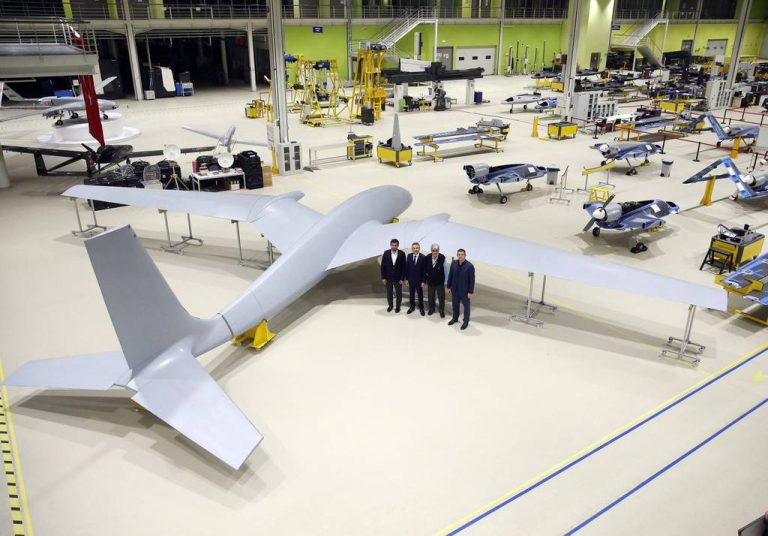
ISTANBUL — Turkey’s Defence Ministry released its annual report on March 7, detailing activities it carried out in 2023 and its future goals.
The ministry listed 49 ongoing modernization and acquisition projects across the military. Here are some that stood out:
Land Forces
M60 tank: Two separate modernization projects are ongoing. The first will replace the existing fire control system with the new Volkan-M, as well as provide additional armor protection and protected crew seats to M60T tanks. The contract was signed in January 2023. The second bolsters the firepower, survivability and mobility of M60A3 tanks. Prototype development studies are continuing.
Leopard 2 A4 tank: The platform variant is undergoing modernization work through a contract signed in 2022 between the government’s defense program management agency SSB and local defense contractor BMC Otomotiv. Aselsan, another Turkish business, is providing the fire control systems; remote controlled weapon stations; command, control, communication and information systems; laser warning systems; driver vision systems; active protection systems; and close-range surveillance systems. BMC will integrate these systems into the tank and overhaul the chassis.
T-155 Firtina self-propelled howitzer: The next generation of the T-155 is under construction by BMC Otomotiv. The original contract covers the delivery of 130 units. As of the end of 2023, the company had delivered eight. BMC is also developing an engine for the weapon. Inspection and acceptance activities of the prototype engine concluded Feb. 24, 2023.
ACV-15 vehicle: Aselsan is modernizing the combat vehicle by providing the 25mm Nefer turret, among other systems. The Defence Ministry’s 2nd Main Maintenance Factory Directorate is conducting the repair and overhaul of the engine and the transmission of the vehicles.
Naval Forces
Milden submarine project: The Naval Forces’ design office is working on the country’s first indigenous submarine program. Construction is to take place at Gölcük Shipyard Command. A test block is to undergo construction this year, and efforts to build the first submarine are scheduled to start in 2025.
Reis-class submarine program: Hizirreis, the second submarine of the Reis project, which includes the production of six submarines, began May 25, 2023. Gölcük Naval Shipyard is carrying out the work.
Preveze-class submarine: After integration and testing activities ended on the TCG Preveze submarine, which acted as a testbed for the early delivery of the systems, the Gölcük Naval Shipyard started midlife upgrades for the TCG Sakarya in July 2022. That platform is the first submarine to receive the modernization features, and work is ongoing. The plan is to modernize all Preveze-class subs during maintenance and overhaul periods until 2027.
Barbaros-class frigate: Turkey is working on a midlife modernization project focused on the sensors, weapons and combat management systems of Barbaros-class frigates. The first ship to receive upgrades, the TCG Barbaros, is currently performing acceptance tests.
Air Forces
F-16 fighter jet: There are two separate projects for the Turkish Air Forces. The first one is the procurement of new F-16 Block 70 aircraft and the application of Viper modernization to the existing F-16 Block 40/50 airframes in service. The second is meant to extend the structural service life of F-16C/D Block 40/50 aircraft currently in service to 2050, and to strengthen them structurally. This project will take place in facilities run by the 1st Air Maintenance Factory Directorate.
Akinci and Anka-S drones: There are ongoing efforts to buy various types of Akinci and Anka-S drones. For both of these projects, Turkey considers the extension of their range via satellite as critical.
Hürjet aircraft: The primary goal of this project is to design and produce a single-engine, tandem-seat jet trainer with performance features that will play a critical role in training pilots for modern fighter aircraft. The prototype made its maiden flight in April 2023.
Hürkuş-B aircraft: This program for a new-generation basic jet trainer is meant to meet Air Force Command’s need for additional training aircraft. Ultimately, this is to improve the quality of combat readiness training and the effectiveness of flight personnel training. The first aircraft is scheduled for delivery in 2025.
Cem Devrim Yaylali is a Turkey correspondent for Defense News. He is a keen photographer of military ships and has a passion for writing about naval and defense issues. He was born in Paris, France, and resides in Istanbul, Turkey. He is married with one son.
Magnetic pole reversal | Survival Monkey Forums

Which will be strongly influenced by a weakened magnetic field.
You’re right, though. Not a damn thing we can do about it except prep like always and hope for the best.
We’ve already lost at least 20% of the Earth’s magnetic field at this point, and when it gets down to 50%, good luck going outside. The Earth will retain 5 to 10% of its magnetosphere during the flip, but that’s still not going to make life easy for soft, pink fleshy people. As for the earthquakes, well…it would be silly to assume we wouldn’t get an up-tick in seismic events.
Hoodies

I’ve had better luck staying warm in the outdoors with cotton hoodies than pretty much anything else. When they start to soak through I peel them off and exchange it for a dry one and repeat the process. Unless it’s a downpour I can’t function very well with a raincoat and I sweat like mad. Then I’m wet from the inside out. Rain gear also seems to keep you cold. I do have one fleece hoodie that sheds water slightly and is the warmer than the rest. This really works best for me in Western…
US Air Force budget request leans toward R&D, trims fighter purchases
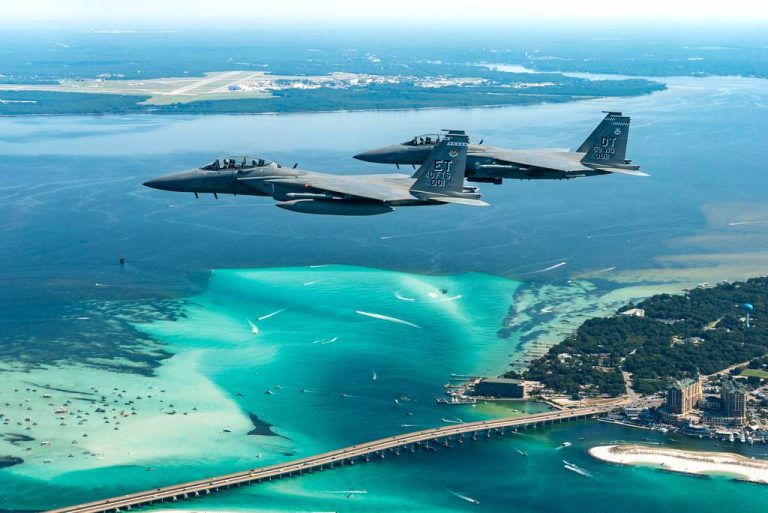
The Air Force’s proposed budget for fiscal 2025 would cut procurement of two major fighter programs — the F-35A and F-15EX Eagle II — and boost research and development funding for future capabilities.
The service plans to buy 42 Lockheed Martin-made F-35As for $5.9 billion and 18 Boeing F-15EXs for $1.8 billion next year. That would be a reduction from the 48 and 24 fighters, respectively, the service originally expected to buy.
The Air Force plans to stop buying F-15EXs all together after 2025 concludes, which will cap the entire line of Eagle IIs at 98 — six fewer than the 104 the service had been planning to buy. The Air Force’s expected total purchase of 1,763 F-35As remains unchanged.
The Air Force also wants to cut 250 aircraft in 2025, including 56 A-10 Warthogs, 65 older F-15 C and D Eagle fighters, 26 F-15E Strike Eagles with less-capable engines, 11 F-16 Fighting Falcons, and 32 Block 20 F-22A Raptors the service said would be prohibitively expensive to ready for combat. The service expects those retirements, if approved, would save more than $2 billion in fiscal 2025.
The Department of the Air Force’s fiscal 2025 proposed budget requests a total of $217.5 billion, an increase of $2.4 billion, or 1.1%, over its request from this year. Kristyn Jones, who is performing the duties of undersecretary of the Air Force, noted to reporters that the increase does not keep up with inflation.
The service asked for $188.1 billion, a $3 billion or 1.6% increase over its 2024 request. The Space Force’s requested $29.4 billion budget would be a 2% drop from the 2024 request.
Air Force Secretary Frank Kendall told reporters in a March 8 briefing the service “had to make some hard choices” to fit within the constraints of the Fiscal Responsibility Act.
The Fiscal Responsibility Act caps the government’s spending increases as part of a deal Congress struck last year to avoid a default on the nation’s debt. For the Defense Department, that limits its 2025 budget to $850 million, less than the $860 million the administration originally anticipated.
Kendall described the resulting budget as “acceptable,” and “essentially consistent” with the fiscal 2024 budget. But although he said it moves the department forward on key programs and strikes a balance between near-, mid- and long-term programs, he said he’d “like to be able to move faster.”
And more “tough choices” are ahead in fiscal 2026′s budget, he warned, including the first real effects of the LGM-35A Sentinel program’s severe cost overruns. The Air Force’s next intercontinental ballistic missile, slated to replace its aging Minuteman III nuclear missiles, has seen its costs ballon at least 37% and triggered a cost overrun process called a critical Nunn-McCurdy breach.
“Life gets a lot harder as you get past [20]25,” Kendall said.
The Air Force tried to strike a balance between mid-term procurement of more air frames and capabilities that have already been developed, and research and development of future advanced capabilities the service hopes will pay off in the long term.
“My priority is to get to a next generation of capabilities as quick as we can, because of what China’s doing in terms of their modernization,” Kendall said. He added later, “China is advancing very quickly, and they’re not stopping. So we really need, as a priority, to get to a next-generational capability. And you can’t even start to buy that until you’ve done the research and development.”
That resulted in a “tradeoff” in favor of R&D over procurement, Kendall said, to give future administrations options of new capabilities it can choose to buy as threats change.
Rep. Rob Wittman, R-Va., warned at the March 7 McAleese Defense Conference in Washington that Chinese President Xi Jinping is preparing to make a move on Taiwan by 2027. Wittman said military strategies that depend on fielding capabilities by about 2030 will come too late, and the U.S. military must field shorter-term capabilities to be able to dissuade China from trying to take Taiwan by force.
“Anybody that uses a metric and says, ‘We’ll get this stuff done by 2030′ — wrong answer,” Wittman said. “2027 needs to be the metric. That’s how we will have the opportunity to deter” China.
In a gaggle with reporters at McAleese, Kendall said the Air Force has to take a longer view, and will need to counter China not just in 2027, but for years to come.
“It’s a risk balance over time,” Kendall said. “If you fixate only on 2027, you’re going to find that in ‘29, you’re in big trouble. And ‘29 is going to come.”
Squeezing costs
A variety of rising costs are squeezing the Air Force’s budget, Jones said, and led to the procurement cuts. The department expects to spend about $1 billion more in 2025 to keep the number of flying hours and weapon system sustainment on par with 2024 levels, and personnel costs such as military pay and benefits are also going up, she said.
R&D funding for Sentinel would remain flat from the 2024 request at $3.7 billion. And the service wants to spend $700 million on six construction projects for Sentinel in 2025, as well as another $70 million for planning and design, a major increase from the $140 million it requested for Sentinel construction in 2024.
Jones said some of the changes included in the “reoptimization for great power competition” reorganization the Air Force unveiled last month will help set the Sentinel program back on track. Those changes would include putting a three-star general in charge of the Nuclear Weapons System Center, and having a two-star general serve as a program executive officer for ICBMs. Jones said the Air Force is still studying the program’s requirements and looking for alternative strategies that could save money.
Overall funding for the B-21 Raider stealth bomber will remain fairly steady, although some funds will shift from R&D to procurement as the bomber continues in its low-rate initial production phase. R&D funding for the bomber’s engineering, manufacturing and development phase would dip from $3 billion in 2024 to $2.7 billion in 2025, while procurement funding would increase from $2.3 billion to $2.7 billion.
The Next-Generation Air Dominance program, the service’s future fighter system, would receive an additional $815 million to develop and test its air vehicle, mission systems and capabilities, bringing spending on that program to more than $2.8 billion.
The Air Force’s collaborative combat aircraft, or CCA, program would receive $559 million in R&D funding to continue development, prototyping and integration of its air vehicle, which would be a $166 million boost over 2024 levels.
CCAs are drones outfitted with autonomous software that could fly alongside crewed NGAD and F-35 fighters into battle and carry out missions such as strikes, reconnaissance, and electronic warfare operations. The service now has contracts with five vendors on this program — Lockheed Martin, Boeing, Northrop Grumman, General Atomics and Anduril — and plans to winnow the field to two or three in the months to come.
The CCA program would also receive another $116 million to test its autonomous capabilities and for experimentation programs such as Project Venom and the experimental operations unit. And the service said its proposed 2025 funding for CCAs would allow it to lock down the aircraft’s design, build production-representative test aircraft for the program’s first increment, begin testing and refine the concept for its second increment.
The Air Force also plans to buy 15 KC-46A Pegasus tankers for $3.1 billion and seven T-7A Red Hawk trainers for $233 million. And it would retire 16 KC-135 Stratotankers as it brings on new KC-46s.
The service plans to retire 22 T-1A Texan II training aircraft to free up more resources that can be invested in newer pilot training technologies.
And the budget would provide $13.7 million for the Air Force’s tanker recapitalization effort to serve as a bridge between the current wave of KC-46s and the service’s planned Next-Generation Aerial Refueling System, or NGAS. That choice will likely be between more Boeing KC-46s and a tanker from Airbus. The service expects to finish its acquisition strategy for that tanker this summer, and then release a request for proposal in 2025. The Air Force plans to start requesting procurement funding for that tanker in 2027.
The Air Force started conducting an analysis of alternatives study for NGAS in January, Maj. Gen. Michael Greiner, the Air Force’s deputy assistant secretary for budget, told reporters. The service wants to spend about $7 million on preparing for NGAS, including conducting modeling and simulation studies, so it can field an advanced tanker by the mid-2030s.
The service also wants to boost its purchases of AIM-120 Advanced Medium Range Air-to-Air Missiles, or AMRAAMs, Long Range Anti-Ship Missiles, or LRASMs, and Advanced Anti-Radiation Guided Missile-Extended Range missiles, or AARGM-ERs. The LRASM and AARGM-ER purchases would increase considerably — from 27 in 2024 to 115 in 2025, and from 14 in 2024 to 128 in 2025, respectively.
Kendall said the Air Force is hoping to continue its strategy of multi-year procurement purchases for AMRAAM, LRASM, and the Joint Air-to-Surface Standoff Missile-Extended Range missile.
Stephen Losey is the air warfare reporter for Defense News. He previously covered leadership and personnel issues at Air Force Times, and the Pentagon, special operations and air warfare at Military.com. He has traveled to the Middle East to cover U.S. Air Force operations.
Next Indonesian president may be boon to military buildup, expert says
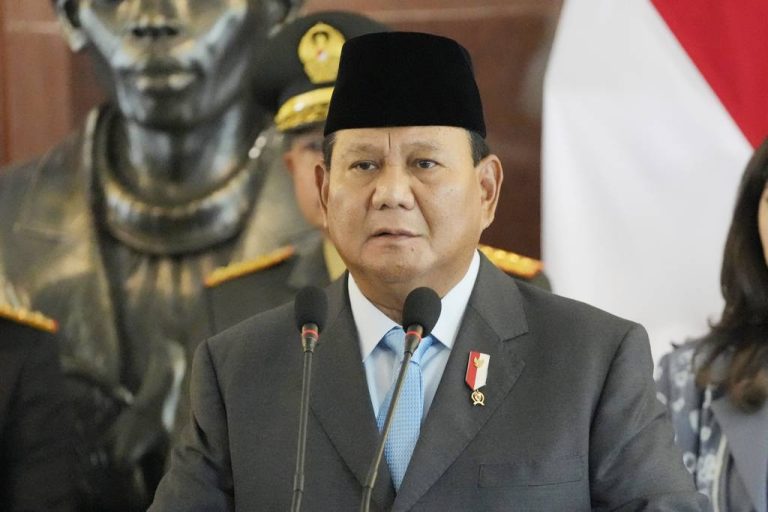
MANILA, Philippines — The results of Indonesia’s recent presidential election could be a boon for military modernization programs, as the current defense minister is in the lead, an expert told Defense News.
The Feb. 14 presidential election saw Defense Minister Prabowo Subianto garner nearly 60% of the votes, as of March 5. Since assuming the post in 2019, Prabowo has pushed for large-scale military modernization and increases in defense spending, despite the COVID-19 pandemic hitting Indonesia’s economy and partially reversing poverty-reduction measures, according to the World Bank.
Collin Koh, a senior fellow at the Singapore-based S. Rajaratnam School of International Studies, said Indonesia has consistently built up its defense since the term of President Susilo Bambang Yudhoyono, first elected in 2004. And given Prabowo’s background, he will likely support continued military modernization efforts, Koh added.
“In some ways, one may argue that he might be more enthusiastic about it,” he said.
But given the country’s fiscal state and the scale of modernization the military requires, Prabowo might only be able to complete programs already in the works rather than start new ones, Koh added.
Prabowo was a lieutenant general and commander of the special forces known as Kopassus that were blamed for human rights abuses, including the torture of 22 activists who had opposed Suharto, the authoritarian leader whose 1998 downfall amid massive protests restored democracy in Indonesia.
Human rights groups have claimed that Prabowo was also involved in a series of human rights violations in Timor-Leste in the 1980s and 1990s, when Indonesia occupied the now-independent nation. Prabowo has denied those allegations. The alleged human rights abuses led to Prabowo being forced out of the military, and he was dishonorably discharged in 1998.
Orders and hiccups
Indonesia has pivoted toward naval and air modernization efforts. In 2021, it signed a deal with Airbus realted to A330 Multi Role Tanker Transport aircraft, anti-submarine and transport helicopters, and A400M transport planes. The helicopters are already in service, and the Defense Ministry finalized orders for two A400M aircraft in January. The A330 acquisition remains under discussion, company officials told Defense News.
In 2022, the government ordered 42 Dassault Rafale fighter jets for $8.1 billion, and it most recently completed orders for the last 18 jets in January 2024.
In August 2023, the government signed a memorandum of understanding with Boeing to acquire 24 F-15EX jets, and it also placed orders for Sikorsky S-70M Black Hawk helicopters.
The Defense Ministry also signed a contract to buy a $100 million submarine rescue vessel from the United Kingdom, and it’s reportedly in talks for two more Scorpene submarines from France’s Naval Group.
While President Joko Widodo last year approved approximately 139.3 trillion rupiahs (U.S. $8.9 billion) in defense spending for 2024 — a 20% increase from the prior budget — the government still needs more to meet its military modernization goals.
And the country appears to be falling behind. Under its Minimum Essential Force policy, the government is to complete a list of military upgrades and asset procurements the end of the presidential term, which is October 2024.
As of September 2023, the Air Force had met 51% of its goals, the Army 60% and the Navy 76%, according to Evan Laksmana, Southeast Asia military expert with the International Institute for Strategic Studies think tank.
The problem, Koh said, is that while Indonesia did list specific assets and capabilities under its policy, it had not provided enough specifications for planners to further the country’s goals.
Furthermore, Indonesia’s pivot to naval and air modernization might cause an uproar in the Army, which has traditionally received the lion’s share of the budget pie. The Army has been clamoring for artillery and land systems amid Russia’s ongoing invasion of Ukraine, Koh said.
“The Air Force will have a tougher time these days and in the future when it comes to competing with funding with the Army,” he explained.
For example, Indonesia reportedly scrapped a deal to buy 12 used Dassault Mirage 2000-5 jets from Qatar to replace its retiring F-5 fleet. Public backlash pushed the government to abandon the plan days ahead of the Feb. 14 presidential election.
Indonesia is also behind on payments for a joint program with South Korea. The countries agreed to co-fund the KF-21 Boramae fighter jet program.
When asked for an update, Sangshin Park, a regional manager for KF-21 manufacturer Korea Aerospace Industries, told Defense News: “We also don’t know what’s going to happen, and we’re still waiting.”
Edna Tarigan and Achmad Ibrahim with The Associated Press contributed to this story.
Leilani Chavez is an Asia correspondent for Defense News. Her reporting expertise is in East Asian politics, development projects, environmental issues and security.
Tips For Apartment Preppers – For The Good Folks Living In Apartments
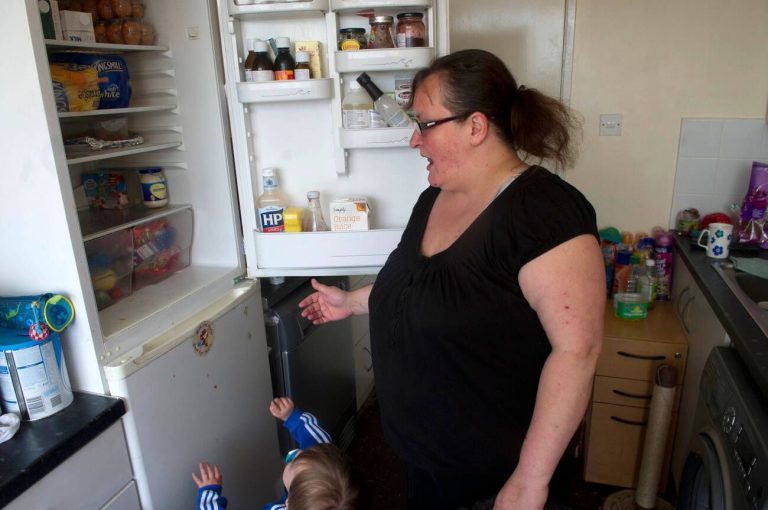
Transitioning from prepping in a spacious 4-bedroom suburban house to navigating the world of apartment prepping in a cozy 2-bedroom unit was a strategic move aimed at alleviating our family’s medical debt burden. Surprisingly, the shift from ample living space to a more confined environment proved smoother than anticipated, thanks to meticulous planning.
My newfound admiration extends to apartment preppers, a community I never fully appreciated until now. Contrary to my initial reservations, the experience has been surprisingly positive. The financial benefits alone have been substantial, allowing us to fortify our emergency fund and enhance our prepper provisions significantly.
These insights cater not only to apartment owners but also to those leasing their living space. With proper approval and a more extended rental tenure, there’s potential to negotiate with landlords for adjustments that align with your prepping needs—transforming the rented space into a customized haven for apartment preppers.
Tips for apartment preppers:
Invest in a good storage system
Ensure you make the most of your available space by optimizing your storage setup. While the initial investment might seem steep, the long-term benefits far outweigh the cost. Given the premium nature of space, quick and easy access to your stockpile during emergencies is invaluable.
Personally, I chose to allocate a portion of my budget towards waterbricks, and I find these storage solutions to be optimal for those grappling with confined storage spaces. Not only are they versatile beyond water storage, but I use them to efficiently store essentials like rice, beans, and other staples. The versatility of these storage solutions adds a practical edge to our apartment prepping strategy.
Stockpile foods with a high calorie count packed into a small package
Build up your food reserves with items that pack a punch in terms of calorie content while efficiently utilizing your limited storage space. Optimal choices for apartment preppers include baked beans, cans of chili, powdered milk, and condensed soups, which offer a fantastic calorie-to-space ratio. Expanding on this, consider incorporating other calorie-dense options into your stockpile to diversify your prepping strategy.
To maximize your nutritional intake in a confined space, explore additional items such as high-calorie energy bars, dehydrated fruits, and nuts. These compact and calorie-rich choices can significantly enhance the efficiency of your stockpile. Additionally, don’t overlook the importance of incorporating long-lasting staples like whole grains, lentils, and pasta, which provide sustained energy and contribute to a well-rounded emergency food supply.
Furthermore, consider the shelf life of the items you choose, aiming for a balance between longevity and nutritional value. Canned meats, nut butters, and dried fruits are excellent choices that offer extended shelf lives while contributing essential nutrients to your diet. Remember, the key is to strike a balance between calorie density, storage efficiency, and nutritional diversity when curating your compact yet powerful food stockpile for apartment prepping.
Stockpile foods that don’t need to be cooked
Accumulate a diverse array of foods for your apartment prepper stockpile, focusing on options that don’t necessitate cooking for consumption. This strategic approach is especially valuable during power outages, where the impracticality of starting a fire in an apartment building underscores the importance of ready-to-eat items. Canned fish, baked beans (surprisingly palatable when unheated), and crispbreads exemplify this non-cook food strategy for apartment preppers.
Expanding upon this principle, it’s essential to incorporate a variety of non-perishable options to ensure versatility in your emergency preparedness. Consider adding items like ready-to-eat canned fruits, nuts, jerky, and nutritional bars to your stockpile. These choices not only fulfill nutritional needs but also eliminate the requirement for cooking appliances during crises. Delve into the world of dehydrated or freeze-dried meals for additional variety, as they often demand minimal preparation.
Broaden your non-cook food repertoire by including shelf-stable dairy alternatives such as powdered milk and individually packaged cheese. These items offer essential nutrients without relying on cooking facilities. Enhance variety further by introducing instant soups, pre-packaged salads, and meal replacement shakes into your stockpile, ensuring convenience and nutritional balance for apartment preppers.
The goal is to create a comprehensive stockpile that addresses dietary requirements while accommodating the constraints of apartment living during emergencies. The emphasis on non-cook food options serves as a practical solution for apartment preppers facing unforeseen challenges.
Get as many foods as possible that you can cook by simply boiling
Imagine a scenario where you’ve depleted your stash of non-cook foods and find yourself in need of a hot meal. In such situations, turning to other stockpiled goods becomes a viable secondary option. With the right approach, it’s quite feasible to prepare dehydrated food within the confines of an apartment, even when the power grid is down.
One practical solution involves incorporating butane cookers into your emergency supplies. These compact cookers are not only easy to store but also user-friendly in small apartment spaces. A crucial safety tip is to monitor them closely during use and ensure proper ventilation by cracking open a window. This precaution helps mitigate potential risks associated with indoor cooking.
Diversify your cooking options by stocking up on items that only require boiling for preparation. Instant noodles, pasta, canned soup, chili, and similar foods are excellent examples. Boiling water becomes the go-to method for transforming these stockpiled goods into a hot and satisfying meal. This approach adds a valuable layer of flexibility to your apartment prepping strategy, ensuring you can adapt to various scenarios with ease.
Having the capability to cook in your apartment during emergencies provides a valuable contingency plan. Incorporate compact butane cookers and prioritize foods that only require boiling if you want to enhance your preparedness and ensure a reliable secondary option for sustaining yourself in challenging situations.

Water. Always have water!
While it’s true that dedicating space to water storage might initially feel challenging, it’s a worthwhile investment for unforeseen circumstances. Despite water’s general accessibility, unexpected events like maintenance can disrupt the water supply in apartment buildings, emphasizing the importance of having a contingency plan.
For those residing in areas with abundant precipitation, consider allocating a portion of your storage space to water containers. Although it might seem counterintuitive given the regular availability of water, having a reserve becomes invaluable when facing unexpected disruptions, such as recent instances of water line cuts for unforeseen maintenance. Even a modest amount of stored water proves handy during small emergencies, providing a resource for essential tasks like handwashing.
In regions prone to droughts and minimal precipitation, the need to stockpile water becomes even more critical. The prospect of water supply interruptions due to building maintenance or unforeseen events could turn into a logistical nightmare. Therefore, it’s prudent for apartment preppers in such areas to take water stockpiling seriously, ensuring they have an adequate reserve to meet essential needs during emergencies.
While water may seem abundant in day-to-day life, recognizing its vulnerability to disruptions prompts apartment preppers to prioritize water stockpiling. Whether your region experiences frequent precipitation or faces drought challenges, having a stored water reserve proves to be a crucial element of a comprehensive apartment prepping strategy.
Concentrate on stockpiling multi-purpose items

Prioritize stocking up on toilet paper over tissue paper and tissue paper over paper towels in your apartment prepper inventory. The versatility of these items plays a pivotal role in their value for emergency preparedness. The more applications you can envision for a specific item, the more crucial it becomes to include it in your stockpile. This strategic approach not only enhances your day-to-day convenience but also proves beneficial in conserving precious storage space for other essential preps, such as water storage.
Highlighting the significance of this approach, having a variety of multipurpose items at your disposal contributes to long-term preparedness. Toilet paper, for instance, serves a range of functions beyond its primary use, making it a versatile addition to your prepper supplies. Tissue paper and paper towels, while serving distinct purposes, also offer valuable utility in various scenarios.
Moreover, recognizing the interplay between different prepper supplies is key to optimizing your apartment space efficiently. By choosing items with multiple uses, you not only ensure practicality in everyday situations but also create room for storing bulkier essentials like water. This holistic approach to apartment prepping emphasizes the importance of considering each item’s versatility in contributing to your overall emergency preparedness strategy.
Stockpile small and compact items
While a full-sized saw might be undeniably useful, its practicality for storage in a typical household is questionable. Enter the folding saw, exemplified by the Bahco Laplander – a compact and entirely ideal alternative. Not only does it efficiently fulfill the sawing task at hand, but its foldable design allows you to stockpile multiple units within your living space without occupying the substantial room a regular saw would demand.
Consider the versatility that a folding saw brings to your apartment prepping toolkit. Its compact nature makes it a convenient choice for various tasks, from minor repairs to more substantial projects. The Bahco Laplander, in particular, stands out for its ability to strike a balance between functionality and space efficiency. This makes it a practical addition to your prepping arsenal, providing a reliable solution without compromising your limited storage capacity.
Invest in a good tool kit
Despite residing in a flat or apartment, the notion that you might not require an extensive array of tools can be deceiving. The reality is that the absence of a tool you didn’t think you needed can quickly become apparent when faced with unexpected situations. Maintaining a well-stocked toolkit is a universal necessity, applicable to individuals regardless of their dwelling type, emphasizing its importance even for apartment residents.
Challenge the assumption that living in a flat or apartment means minimal tool requirements. In fact, the need for a diverse set of tools is just as crucial in apartments, where space constraints may amplify the significance of having the right tools readily available. From basic repairs to unforeseen emergencies, a well-equipped toolkit ensures you can handle various scenarios efficiently.
Consider the multi-functionality of tools and their relevance in an apartment setting. Compact tools that serve multiple purposes become invaluable, addressing a range of needs without consuming excessive storage space. Investing in a well-thought-out toolkit not only prepares you for the unexpected challenges of apartment living but also cultivates a sense of self-sufficiency and resourcefulness.
Know and practice your fire plan
It’s not enough to simply create a fire plan; it’s essential to consistently reinforce it mentally and verbally with everyone sharing your living space. Regularly remind yourself and communicate with your household members about the necessary steps to take if a fire occurs, cultivating a proactive approach to safety.
Avoid the common assumption that fires will only originate in the kitchen. Acknowledge the unpredictability of fire incidents and plan accordingly. For instance, if a fire starts at the opposite end of your apartment or flat, near the dryer, you’ll regret not having essential firefighting tools nearby. Strategically place fire blankets and extinguishers throughout your living space where it makes sense, ensuring they are easily accessible and within reach.
Consider the layout of your apartment when placing firefighting equipment. If your stove is centrally located in the kitchen, position fire blankets and extinguishers strategically, allowing quick and safe access. The goal is to ensure that in the event of a fire, you can swiftly reach the necessary tools without risking exposure to flames.

While it’s important to share information about our preps with friends and family, it’s equally crucial to exercise discretion, especially when it comes to neighbors. While maintaining a friendly relationship with neighbors is beneficial, it doesn’t automatically mean that sharing details about your preps is a wise decision. Consider carefully whether you want neighbors knocking on your door during an emergency before divulging information about your extensive supplies.
If the prospect of neighbors seeking your supplies is undesirable, it’s advisable not to share information about your preps with them. Striking a balance between maintaining friendly relations and preserving your privacy is key. Even if you’re open to the idea of neighbors seeking assistance during an emergency, there’s always the risk that they might invite others. In such cases, it’s wise to exercise caution and limit the information shared about your prepping efforts.
Be mindful of the potential consequences of sharing details about your preps. Consider the impact it may have on your privacy and security during unforeseen events. Being cautious about who is aware of your preps ensures that you maintain control over the situation and can make informed decisions about assistance during emergencies.
Evaluate threats that might come from your neighbors
Emphasizing the significance of security is paramount in apartment prepping. Continuously evaluating neighbors, including their visitors, for potential security risks is a proactive measure that ensures a safer living environment. Being vigilant about your surroundings contributes to a comprehensive security strategy, promoting a sense of preparedness.
For those residing in higher floors, formulating a well-thought-out plan for window egress is essential. Consider scenarios where escaping through windows becomes a necessity, and devise strategies accordingly. This preparedness ensures that you have a viable exit plan in place, particularly in the event of a fire in an adjacent apartment or, worse yet, in the hallway.
Contemplate the potential challenges of high-rise living during emergencies, such as fires. Envision scenarios where traditional exits may be compromised, emphasizing the need for a window escape plan. While it might seem daunting, investing in quality gear and having a solid plan can make a significant difference in ensuring your safety, even in high-rise apartments.
Reinforce security

Elevating the security of your apartment is a fundamental aspect of effective prepping. Consider implementing robust measures such as installing improved locks on doors and, if necessary, upgrading windows to meet modern security standards. The goal is to fortify your home, creating a deterrent and making it as challenging as possible for unauthorized individuals to gain access.
Investing in high-quality door locks is a prudent step in enhancing the overall security of your apartment. Choose locks that meet or exceed industry standards, offering increased resistance to tampering or forced entry. This small yet impactful upgrade contributes significantly to the overall security of your living space.
Similarly, assess the condition of your windows and, if needed, consider replacing them with more secure options. Modern windows designed with enhanced security features provide an additional layer of protection, making it more challenging for potential intruders to breach your apartment. This strategic approach aligns with the overarching goal of fortifying your home against unauthorized access.
Make sure you are prepared for the winter
Prioritizing winter emergency supplies that can be utilized safely within the confines of your apartment is a crucial aspect of effective prepping. Consider acquiring versatile items such as hot water bottles, which prove remarkably useful, especially when faced with power outages. The beauty of hot water bottles lies in their ability to provide warmth even when conventional heating methods are unavailable.
Expanding your winter emergency arsenal to include a tent and sleeping bags is a strategic move. In scenarios where staying warm becomes challenging, these items offer an alternative solution. The flexibility of a tent and sleeping bags allows you to create a more insulated and comfortable space, especially when traditional blankets and confining yourself to one room fall short.
Explore alternatives to butane heaters for maintaining warmth in your apartment. Stock up on safer options that align with your emergency preparedness strategy. Various alternatives exist that can effectively keep you warm without compromising safety. This approach ensures that you have a diversified set of tools and supplies tailored to your specific winter emergency needs.
Look into portable solar panels
Harnessing solar energy for emergency power needs in an apartment setting is a practical and accessible aspect of prepping. While rooftop solar panels may not be an option for apartment dwellers, alternative solutions exist, such as window-mounted solar panels. These versatile solar panels come in various shapes and sizes, providing a viable option for generating electricity in emergency situations.
If the conventional rooftop installation is not feasible, explore window-mounted solar panels as a suitable alternative. While they may not yield as much electricity as their rooftop counterparts, they are particularly effective for addressing urgent needs, such as charging small devices like tablets or phones during emergencies. This adaptable solution ensures that you have a reliable power source even in apartment settings.
The versatility of window-mounted solar panels extends beyond emergency charging needs. They serve as a practical and space-efficient addition to your apartment prepping toolkit, offering a sustainable way to generate power when traditional sources may be unavailable. The ability to hang these panels from windows makes them an accessible and user-friendly option for apartment preppers.
Have a bug out location ready
While prioritizing “bugging in” or staying within your residence is typically the preferred scenario during emergencies, there are instances where the optimal situation shifts towards a swift evacuation. Bugging in should remain the priority, in my view, as it allows for a familiar and controlled environment during challenging times. However, acknowledging that circumstances may evolve, having a designated bug-out location that is easily accessible becomes a valuable contingency plan.
Consider the unpredictability inherent in emergency situations, and prepping becomes a preparation for the unexpected. While the primary goal is to secure and fortify your home, there may be situations where bugging out becomes the safest course of action. In such cases, having a pre-purchased bug-out location that you can quickly and easily reach adds a layer of preparedness to your overall strategy.
The key is to strike a balance between prioritizing the safety and security of your home and recognizing that unforeseen circumstances may necessitate evacuation. By having a well-thought-out bug-out plan and a designated location, you ensure a proactive and adaptable approach to apartment prepping, addressing the potential need to leave your residence in some cases.
Concluding
 The insights shared in this article offer a foundation for enhancing preparedness in small-space living, specifically within apartment settings. The varied tips, ranging from strategic food stockpiling and security measures to emergency power solutions and evacuation planning, provide a comprehensive approach to apartment prepping. However, the vast landscape of information on this topic ensures that the quest for optimal small-space preparedness remains an ongoing and dynamic endeavor.
This article was submitted by Alana Merli.
Suggested prepping learning:
Recommendations To Protect And Keep Seniors Safe In Their Homes
Must-Have Knowledge to survive any medical emergency
Relocation Strategies For Preppers
Time-tested lessons to protect your home against intruders