Canvas or Poly Tarp Shelter?

0

Much depends on what kind of shelter / purpose one is wanting to use the tarpaulin for…semi permanent camp-site or backpacking for overnight or temporary shelter…travelling by motor vehicle / mountain bike / moped / canoe – small craft.

Weight , durability, size, colour (grey man or camo) etc etc.

For hiking and overnight camping I use an Aussie military style hoochie / half shelter,

over a bivvy-bag and sleeping mat.

For longer, static camping with wheeled transport availability, a larger heavy duty reinforced poly tarp

[​IMG]

For longer term interim shelter in a bugout location, whilst permanent structures are being built…canvas tarps would be the go in my estimation.

[​IMG]


Will Jedi Biden and Jedi Trump Save the Galaxy

0

The further adventures of Space Force.

Australia Sheeples Down – AGAIN

0

Australia becomes latest country to launch digital ID system

just lining up and walking to the slaughter >>> and no way to fight back even if they had the balls

Which Firearm Denomination Are You?

0

Which Firearm Denomination Are You?

State of the Union ,How was it ? Trainwreck ? yes /no

0

I was texted this on my USA burner phone , that's WiFi / VPN

It’s OK overall the way people are used to watching in this sample of speech watcher. It’s a little more democratic than the public is because we find this when the Democrat is president more Democrats tend to overrepresented into the speech, saving the Republican side, Republican president, Democrat, Republican, 33% independent democrat country take a look at these reaction 35% positive reaction 29% somewhat positive reaction…

State of the Union ,How was it ? Trainwreck ? yes /no

Vintage Post WW2 Remington Ad

0

Vintage Post WW2 Remington Ad

Was it planted? HellFire Trigger discovered in Classroom where Gunman Died…

0

Reported on National News tonight, “ A Hellfire Trigger was discovered in the Classroom where the Gunman Died…”. It was stated that Law Enforcement does NOT think it was used on the weapon, that was found to be the one used to kill the victims…. Where did it come from? Follow the money? Research the path from the OEM to the location it was found… Inquiring Minds want to know…

Foraging Habits Of The Pioneers

0

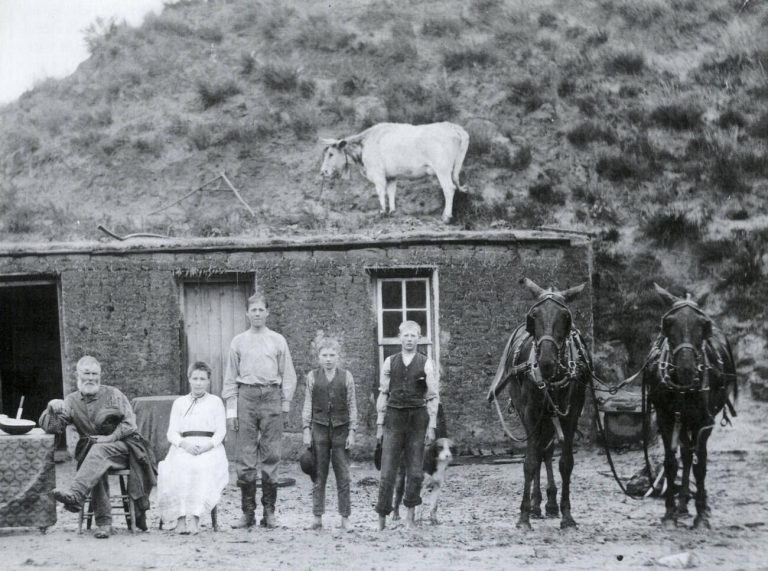
The concept of “self-sufficiency” evokes a sense of fundamental independence. We often romanticize an era when modest cabins served as the primary abode for individuals resisting what they perceived as government intrusion or those simply seeking solitude despite enduring considerable challenges.

In reality, sustaining oneself without external support extended beyond romantic notions. Essential possessions were crucial for this lifestyle: a lengthy flintlock rifle, gunpowder, lead, bullet molds, a hunting knife, an axe, tools for stitching moccasins, iron cooking pots, and more. Life in this setting was far from facile. Acquiring these necessities often relied on bartering with animal hides, particularly from deer, as manufacturing such items was beyond the means of frontier dwellers.

Back in the day

If we were to cultivate our gardens like the backwoodsmen and their families once did, we would quickly develop a profound appreciation for our contemporary tools and take meticulous care of them. Gardens were situated in clearings around the cabins and primarily worked with rudimentary tools crafted from improvised materials and sturdy tree limbs. Metal components, like hoe blades, had to be acquired through barter.

Options for seeds were limited, with corn, beans, and squash being among the more commonly cultivated plants. Seed preservation was crucial. Fortunately, numerous native food plants thrived—various berries, diverse greens, Jerusalem artichokes, cat-tails, mushrooms, ferns, wild fruit, nuts, and more. Friendly interactions with indigenous people occasionally provided valuable insights into the use of native plants; otherwise, knowledge was acquired through trial and error.

Unlike today, where we often overlook native plants, the frontier people valued wild food plants as integral to their survival, serving purposes such as medicine, dyes, and soap. For example, blackberry plants produced berries for culinary use and wine making, while leaves and roots were dried for medicinal purposes, aiding in cases of diarrhea and dysentery.

In the face of challenges like marauding Indians, losing a food garden or even an entire homestead was disheartening for the pioneers. Today’s gardeners may grumble about slugs, cutworms, plant diseases, and neighborly cats, but it pales in comparison.

In the past, when soil fertility waned or game became scarce, pioneers relocated to areas offering better survival prospects. Present-day constraints limit our whimsical movement, and survival is not a constant struggle, depending on one’s perspective.

While our connection to the land may not mirror that of our forefathers, the land remains, and our choices shape its use. Unlike the past, where shooting a turkey or deer from the back door supplied meat, today, local markets and diverse suppliers meet our needs. Food gardening has become a top-rated recreation for those desiring a personal food supply and deriving satisfaction from living off their land, whether it’s a small backyard plot or a half-acre garden.

Some gardeners prioritize aesthetics over vegetables, adorning their landscapes with flower pots and plots, reveling in garden clubs. As tillers of the soil, our roots stretch deep into history.

Although our gardens still harbor descendants of plants that sustained pioneers, modern varieties have undergone significant improvement through hybridization and selective breeding. Greens, for instance, now include superior tasting varieties like Tokyo Cross and White Lady, with roots surpassing the quality of older turnip types—perfect for salads or cooked dishes.

Turnips

Thankfully, the majority of vegetable seeds are compact and convenient for transportation. As people migrated from Europe to the New World, they frequently carried seeds with them, contributing to the cultivation of various crops in their new surroundings. Among these crops, turnips are believed to have originated in northeastern Europe, a region from which many immigrants originated.

Turnips prove to be resilient, thriving in the cooler periods of spring and fall. The plants yield a bountiful crop of seeds as they bolt with the arrival of warmer weather. Storing turnips is a practical affair, and they maintain their freshness when kept in a cool location. In today’s era, we rely on refrigerators for such purposes, but pioneers employed root cellars for similar preservation needs.

Mustard

Another European import, mustard, has found a home in various places, becoming somewhat naturalized due to its prolific seed production. Beyond its appeal for flavorful leaves, mustard’s dried seeds offer the opportunity to create dry mustard.

To ensure a successful harvest, it’s recommended to collect the seed pods before they reach full dryness, preventing scattering as the pods split. Clipping the stems and hanging them upside down in cloth or paper bags proves effective in containing the seeds that might otherwise disperse. Once thoroughly dry, the pods can be “threshed” within the bags, separating seeds from pods and debris, and leaving them ready for use. For convenient storage, an electric blender comes in handy to grind the seeds into a powder, preserving them indefinitely in airtight jars.

A contemporary favorite among mustard plants is the Florida Broadleaf, recognized for its ease of cultivation and ability to withstand milder winters. This variety provides tangy leaves throughout the cold season. Crafting a delightful sandwich involves spreading butter or mayonnaise on bread and generously filling it with fresh mustard leaves.

Peppergrass

Numerous wild members of the mustard family played a crucial role in providing sustenance for early settlers, and one such plant is peppergrass (also known as pepperweed or poor man’s pepper). This resilient plant thrives in dry soils, commonly found along roadsides, fields, and clearings throughout the United States and southern Canada. Noteworthy for its peppery-tasting leaves, peppergrass can be enjoyed both raw and cooked, with the best harvest occurring before the formation of seed pods in early summer.

The seeds, however, are equally valuable, featuring a hot, spicy taste that adds zest to soups, stews, or salads. Similar to regular mustard seeds, these can be dried, with the most effective method of separating seed pods from stems being to rub the dry stems between your hands. No further action is required, as the seeds are not easily separated from the pods. Keep them stored in airtight containers for future use.

Recalling my childhood, peppergrass stands out as a vivid memory. In those challenging times, we would gather a substantial quantity of peppergrass to mix with other greens. Crafting a pot of greens required a generous amount of peppergrass alone, and it’s essential to cook only the tender leaves, as the stalks tend to be tough.

LostWayscastiron

Sheep sorrel

Those fortunate enough to have spent their early years in the countryside likely recall strolling along paths where sheep sorrel thrived abundantly. I fondly remember plucking a sorrel stem and relishing the sour taste of both the stem and the arrow-shaped leaves. This plant makes a noteworthy contribution when its leaves are mixed and cooked with other greens or used in salads.

In our garden, we cultivate French sorrel, an enhanced version of sheep sorrel with larger leaves, making it less cumbersome to gather and rinse. Both the native and improved varieties of sorrel are perennials, with the native ones distributed throughout almost all regions of the United States.

The array of useful native greens is vast, making it impossible to mention them all. Lambs quarters, purslane, poke salad, plantain, dandelion, dock, and more are among these beneficial plants. Many of them are perennials, resurfacing year after year if left undisturbed.

Most can be found across the United States and southern Canada, with some extending into Mexico. For those unable to forage for the natives, cultivating them in gardens is a viable option, with the caveat of preventing them from becoming invasive.

Jerusalem artichoke

Certain plants produce nutritious tubers, typically harvested after the plants have entered dormancy. One well-known example is the Jerusalem artichoke, a crop long cultivated by Native Americans and now thriving throughout almost all regions of the United States.

These artichokes yield small, potato-like tubers with knobby textures and a delightful nutty flavor. When harvesting, it’s advisable to only dig up what is immediately needed, leaving the remaining tubers either in the ground or dug and covered with soil in a convenient spot near the kitchen. Jerusalem artichokes maintain better freshness when covered with soil rather than being cleaned and refrigerated.

These versatile tubers can be enjoyed raw as a snack or in salads, and they make for excellent fried, boiled, or scalloped dishes. Simply wash and scrub them with a vegetable brush before cooking, with no need for peeling. An added benefit of Jerusalem artichokes is their lack of starch, as they contain the carbohydrate inulin, making them a safe option for diabetics.

From our gardening experience, we’ve discovered that growing Jerusalem artichokes alongside a fence is ideal. These plants can reach heights of six to eight feet and may topple over other plants during strong winds if not properly supported. Loosely tying them to the fence helps prevent frustration and ensures a more organized garden. While Jerusalem artichokes can thrive in various soils, they seem to perform best in poorer soil conditions.

Wild garlic & onion

wild garlic forage

Frontiersmen were not deprived of plants to enhance the flavor of their meat and vegetable dishes. Among the most prevalent were members of the Allium genus, which encompassed wild onions, wild garlic, leeks, and chives.

Identification doubts could be easily dispelled by relying on your sense of smell, as these plants emit a distinct onion or garlic aroma. While all these plants are relatively easy to cultivate, like some others, they may exhibit a tendency to overtake a garden.

Recognizing that these plants tend to go dormant with the onset of hot weather, it’s advisable to trim and freeze the tops when young and tender. Bulbs can be dug up during their dormant phase and left to dry in a shaded area. Once thoroughly dried, brush off any dirt and store the bulbs in cheesecloth bags hung in a cool room, ready for use whenever needed.

Fruits and nuts

Native fruits and nuts were integral components of the pioneers’ diet, offering a diverse array of flavors. Wild plum thickets, for instance, yielded tart fruits perfect for crafting jams and jellies. The pioneers enjoyed a variety of desirable wild foods, including blueberries, elderberries, blackberries, dewberries, pawpaws, muscadines, wild grapes, crab apples, persimmons, hickory nuts, native pecans, butternuts, American chestnuts, black walnuts, and chinquapins—the list goes on and on.

While many of these native species are still available today, their abundance doesn’t match the quantities found in frontier days. Modern challenges such as careless logging, urban and highway expansion, and land clearing for agriculture make it difficult to locate descendants of the wild plants on which the pioneers relied, unless one has access to large wooded or wilderness areas.

Though foraging for treasures from the land is still possible, much of the terrain is fenced or privately owned, and landowners may frown upon trespassing. It is advisable to seek permission from property owners before climbing over fences or exploring open fields or woodlands.

Poke salad

the bestforever foodsthat never spoil v2Assuming all is well with the landowner, foraging for food plants can be an enjoyable experience. In our region (southwestern Arkansas), one reliable native plant is poke salad. Poke is a perennial that emerges early in the spring. While some individuals may cut young shoots at ground level, this practice is discouraged, as cutting the main stem can harm the plant. It’s preferable to clip leaves from the plant, leaving the stem intact.

Cleaning poke leaves is a breeze, as insects like aphids generally leave them untouched. Simply swish the leaves in clean water to remove any dust particles, then parboil—bring the leaves to a boil for about three minutes in a small amount of water and drain. (Use plenty of leaves, as they significantly cook down.) Add fresh water, season as you would any greens, boil until tender, and voilà—a delectable pot of poke salad is ready. Pour off the water and serve, perhaps topping your dish with sliced hard-boiled eggs.

As the plant matures, it produces small greenish-white flowers that develop into berries, turning purple-black when mature. It’s advisable to cease harvesting leaves when small flower heads appear, as poke becomes toxic at a certain stage of growth when leaves and stems turn red, indicating an increase in phytolaccic acid content. For those interested in ink-making or dyeing, mature poke berries yield a deep royal purple color. Birds enjoy the berries and may leave their mark on the nearest clothesline after indulging.

Poke salad is easy to cultivate in a garden, but its tall stature requires planting along a fence to avoid shading shorter plants. Sturdy and resistant to strong winds, poke berries appear in the fall on mature plants, and collecting some seeds for planting in the spring is recommended. Thin the seedlings to stand about 18 inches apart, and it’s advisable to wait until the second spring before harvesting some leaves. Once established, poke serves as a reliable perennial, showing resilience in various soil types, although it thrives best in rich barnyard soil.

Concluding

If delving into foraging or cultivating your own native plants intrigues you, consider acquiring a book on native food plants or seeking guidance from someone experienced in foraging. Practical, hands-on experience remains the most effective teacher.

Pricey books covering the entire United States may not necessarily be the best, so take the time to explore options and find a book that provides ample information about plants in your specific area, along with recipes for utilizing the treasures you intend to harvest.

Embarking on a journey to forage useful native food plants promises to unveil a whole new world, much like it did for the early settlers. Many of the plants that served them well are still available, offering the opportunity to enjoy a connection to the past while discovering the richness of local flora.

This article was submitted by Mary Sowerby.

Recommended resources for preppers and homesteaders:

How to build an underground cellar for less than $400

Food Storage Plan For The Long Run

How To make an air fountain to obtain water from the air

Survival Foods of the Native Americans

V-22 Osprey fleet will fly again, with no fixes but renewed training

0

The U.S. military will allow its fleet of V-22 Ospreys to fly again, three months after it grounded the entire inventory of more than 400 aircraft following a fatal crash off the coast of Japan in November.

The Marine Corps, Air Force and Navy will immediately start refreshing troops’ training and changing maintenance procedures as prerequisites for resuming normal operations, leaders from each of the services told reporters Wednesday.

But they acknowledged it will be months before the tiltrotor aircraft are fully back to flying real-world missions.

The Ospreys will receive no equipment modifications before they return to the air.

Marine Corps Col. Brian Taylor, the V-22 joint program manager, told reporters his office and the services “have high confidence that we understand what component failed and how it failed.” It’s still unclear why the part in question did not perform as intended.

Taylor and other service officials declined to say which component’s failure caused an Air Force Special Operations Command Osprey to crash into the sea during a training mission Nov. 29, killing all eight airmen aboard. They also declined to answer whether the aircraft would be restricted from flying under certain conditions or in certain areas due to the risk of a repeat problem.

The accident is still under investigation. The Air Force has shared its findings with the joint program office — which manages V-22 acquisition and maintenance for the Air Force, Navy and Marine Corps — and the other services to better understand the material failure that led to the crash.

Because the wreckage of the Osprey sat under the Pacific Ocean for about a month before being recovered, the drive system is corroded such that engineers may never understand why the unnamed component failed, Taylor said. But investigators created a “fault tree” to map out potential causes, which are addressed in the services’ mitigation plan.

The main change will increase the frequency of an inspection that is already done on the aircraft — like upping the number of oil changes on a car, Taylor said. He said the change gives the component a greater “perimeter of safety” during operations.

Though Taylor repeatedly declined to offer information about the component, he said it is not the input quill assembly that attaches the Osprey’s engine to its proprotor gear box — the component that began wearing out early and caused a series of clutch malfunctions for Marine Corps and Air Force pilots in 2022. A portion of the Air Force and Marine Corps fleets were grounded in 2023 as those services studied how to mitigate the risk of so-called “hard clutch engagements” and when to replace worn-out parts.

NBC reported Feb. 19 the November crash may have involved “chipping,” where tiny pieces of metal wear off during use and can damage the engine. Taylor did not specify whether chipping played a role in the crash, but characterized it as a normal phenomenon for a mechanical system and said the V-22 has a sophisticated monitoring system that looks for small metal bits and alerts the pilot if any are detected.

Taylor made clear the November crash was unrelated to other previous V-22 mishaps.

“This is the first time that we’ve seen this particular component fail in this way, and so this is unprecedented” in the 750,000 flight hours amassed over the life of the V-22 program, he said.

Due to that long track record, Taylor said: “We are confident in the system.”

The ‘Gundam 22′ crash

The Nov. 29 accident was the deadliest Air Force mishap since 2018, and the fourth fatal Osprey crash in a two-year span. Twenty U.S. troops have died in Osprey incidents since March 2022.

The downed crew of “Gundam 22″ included Osprey pilots Maj. Jeff Hoernemann, Maj. Luke Unrath and Capt. Terry Brayman; medical personnel Maj. Eric Spendlove and Tech. Sgt. Zach Lavoy; flight engineers Staff Sgt. Jake Turnage and Senior Airman Kody Johnson; and airborne linguist Staff Sgt. Jake Galliher.

Six were stationed at Japan’s Yokota Air Base; two worked at Kadena Air Base. All were assigned to the Air Force’s 353rd Special Operations Wing.

The weeks-long, multinational search effort successfully recovered the bodies of all but Spendlove.

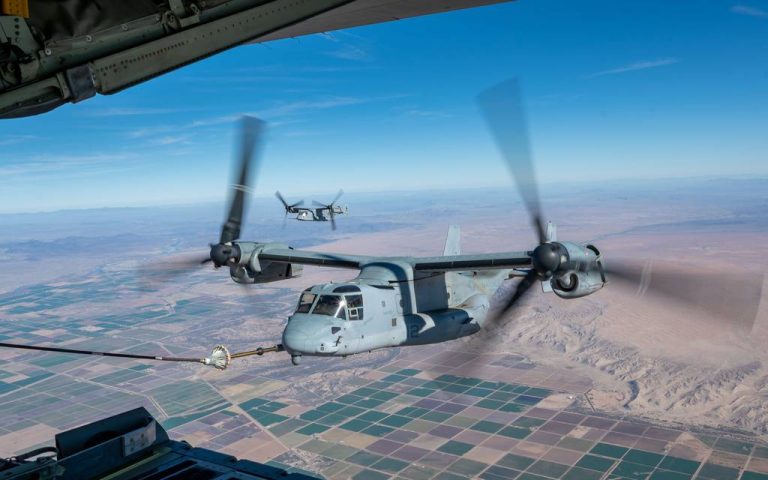
The U.S. military now flies hundreds of V-22s, largely operated by the Marines. The tiltrotor aircraft is known for its towering nacelles that allow it to launch and land like a helicopter, and speed forward like a fixed-wing plane. Troops use the unique aircraft to slip in and out of areas without established runways, where fixed-wing planes may not be able to land with troops and supplies.

The Marine Corps owns nearly 350 Ospreys; the Air Force and Navy operate smaller fleets at around 50 and 30 aircraft, respectively.

Beyond the safety and accident investigation boards studying the most recent crash, Air Force Special Operations Command is also conducting a deep-dive into its CV-22 Osprey program to determine whether it provides adequate training, resources and other factors to ensure airmen’s safety.

The Government Accountability Office and House Committee on Oversight and Accountability have also launched their own probes into the V-22. On Wednesday, Rep. James Comer, a Kentucky Republican who chairs the House oversight committee, said it had not yet received information from the military as it looks into the aircraft’s safety and performance.

“Serious concerns remain, such as accountability measures put in place to prevent crashes, a general lack of transparency, how maintenance and operational upkeep is prioritized, and how DOD assesses risks,” Comer said in a statement. “We will continue to rigorously investigate the DOD’s Osprey program to attain answers to our questions on behalf of American taxpayers and protect U.S. service members defending our nation.”

Marines prepare

As the biggest user of the V-22 platform by far, the Marine Corps has been most affected by the monthslong grounding. It relies on the Osprey to move people, supplies and weapons, and operates from ship decks and from ground bases.

Brig. Gen. Richard Joyce, the assistant deputy commandant for aviation, told reporters the Marine Corps has focused on keeping up troops’ proficiency on the Osprey since the grounding began in early December so the service could resume flights as quickly as possible.

“Our simulator utilization has been maximized to keep proficiency as much as possible in the virtual environment,” he said.

The service has gone as far as sending MV-22 pilots in Djibouti thousands of miles away to use simulators in Japan, and shipping MV-22 pilots who are deployed to the Middle East with the 26th Marine Expeditionary Unit back home to North Carolina for simulator training.

Now that the program office has cleared the aircraft to fly, the Corps’ most experienced pilots and aircrew will begin maintenance-check flights to get the Ospreys up in the air, then retrain on “core and basic skills,” Joyce said. Once those top personnel have brushed up on the fundamentals, they’ll pair with junior pilots and crew for additional basic training.

Joyce said it would take about a month for a squadron to get everyone back up to speed basic skills.

However, it will take more time for the personnel to retrain on more advanced skills and mission-specific tasks for combat assaults, transport flights and other missions.

The general said it would take until late spring or early summer to get back to pre-grounding readiness levels.

V-22 squadrons will go through more consumable parts, like filters, as they take on additional inspections and maintenance, he said. Those parts and training support will first go to deployed units, followed by squadrons with upcoming deployments, squadrons participating in key exercises or service-level training events, and eventually to test-and-evaluation units and those farthest from a future deployment.

The amphibious assault ship Boxer and the 15th MEU are set to deploy from California this spring, and Joyce said it’s not clear yet if they’ll be ready to bring the V-22 along. It’s one of the most pressing decisions related to resuming V-22 flight operations, he said.

Air Force’s ongoing studies

Airmen have done the work required to keep the Air Force’s Osprey fleet healthy during the three-month standdown, but “there’s only so much they can do with aircraft that are not flying,” Air Force Special Operations Command boss Lt. Gen. Tony Bauernfeind told reporters Wednesday.

He described a 12-week road map to getting the Ospreys back in the air that adds new maintenance requirements and allows experienced airmen to lead the way. The service will deviate from that plan as needed if work isn’t progressing on schedule.

Returning the aircraft to service begins with ground and simulator training that will include new safety controls and briefings, a review of aircraft maintenance records and refining squadron-level training plans to implement the new safety protocols, Bauernfeind said.

The Air Force did not elaborate on what new safety protocols will be introduced. AFSOC held an all-hands for Osprey crews Feb. 22-23 at Hurlburt Field, Florida, to explain the new safety protocols.

“We received very positive feedback that it was very beneficial to the crews,” Bauernfeind said.

The second phase will focus on returning air crews and maintainers to basic proficiency, initially targeted at senior aviators, instructors, evaluators and weapons officers. Simulator training has helped keep skills sharp during the standdown.

The phased approach gives the service time to absorb findings from the service’s initial safety investigation, an internal report meant to root out the cause of a mishap and prevent future occurrences. Bauernfeind received and accepted the findings of the safety board March 1.

He expects it will take the service more than three months to reach the level of proficiency it had on the Osprey before the Nov. 29 crash.

Bauernfeind said he’s confident in the service’s ability to safely resume Osprey operations before wrapping up two ongoing investigations. The Air Force has kept the families of the downed crew informed about the process, but has not told them the results of the recently completed safety investigation board.

“I have confidence that we know enough now to return to fly,” he said.

Navy’s path to at-sea missions

The Navy will take a similarly cautious approach to resuming its flights, putting only its most experienced personnel in the air first for basic flights in daytime-only conditions, Commander of Naval Air Forces Vice Adm. Daniel Cheever told reporters.

Those top personnel will then pair with junior sailors and eventually resume night operations and other, more complex training. The Navy will lastly resume training new pilots and aircrew at the fleet replacement squadrons.

But Cheever warned that returning to flight wasn’t the same as returning to mission: It may be several more months until the Navy sees its CMV-22Bs flying operational missions to haul cargo and people to aircraft carriers at sea.

Cheever said the Navy would avoid long, over-ocean flights until all personnel had built up sufficient proficiency. But when asked about any restrictions on the aircraft regarding duration of over-water flights, he deferred to NAVAIR. Taylor, from the V-22 program office under NAVAIR, declined to say whether there were or were not any operational limitations for the planes under the new return-to-flight plan.

Cheever highlighted the Navy’s flexibility and said all carriers at sea had fared well during the V-22 grounding. The Navy relied on its C-2A Greyhound, which is set to sundown in 2026 as it’s replaced by the CMV-22B, to resupply carriers at sea, including the Theodore Roosevelt deployed in the Indo-Pacific today.

He said the Navy also relied more heavily on its replenishment ship fleet and looked to load more goods onto carriers when they were in port.

But he noted the importance of getting the CMV-22 back to its mission, saying it can conduct medical evacuations and haul large F-35C engine components — unlike its aging predecessor.

Megan Eckstein is the naval warfare reporter at Defense News. She has covered military news since 2009, with a focus on U.S. Navy and Marine Corps operations, acquisition programs and budgets. She has reported from four geographic fleets and is happiest when she’s filing stories from a ship. Megan is a University of Maryland alumna.

Courtney Mabeus-Brown is the senior reporter at Air Force Times. She is an award-winning journalist who previously covered the military for Navy Times and The Virginian-Pilot in Norfolk, Va., where she first set foot on an aircraft carrier. Her work has also appeared in The New York Times, The Washington Post, Foreign Policy and more.

Rachel Cohen is the editor of Air Force Times. She joined the publication as its senior reporter in March 2021. Her work has appeared in the Washington Post, the Frederick News-Post (Md.), Air and Space Forces Magazine, Inside Defense, Inside Health Policy and elsewhere.