Britain finalizes deal to buy 14 Chinook helicopters

0

LONDON — Britain’s defense secretary has committed to a deal to acquire a new fleet of Boeing-built extended-range Chinook helicopters.

Fourteen CH-47-ER Chinooks, destined principally for use by British special forces, will be delivered to the Royal Air Force under the terms of the deal signed between the British and U.S. governments.

Defense Secretary Grant Shapps on Thursday confirmed the procurement, known as the Chinook Capability Sustainment Program, will advance.

The defense ministry originally confirmed the deal in May 2021, but talks to complete the negotiations were slowed by British concerns about cost growth and other issues.

The British set the baseline budget for the program at £1.5 billion (U.S. $1.9 billion) but inflation, foreign exchange and other problems increased costs.

At one point during the negotiations last year, then-defense secretary Ben Wallace was widely reported in the U.K. to have threatened to cancel the program due to spiraling costs.

Giving evidence to the Parliamentary defense committee in November, Shapps said he too had raised the issue of axing the procurement with U.S. officials.

“We have to weigh up the cost of exiting a contract as well as going into one,” he told the committee. “I have discussed the issue with [U.S. Defense Secretary] Lloyd Austin.”

Procurement minister James Cartlidge told Parliament last year Britain’s weakening exchange rate against the U.S. dollar alone had cost the program £37 million as of Sept. 11, 2023.

In a statement Thursday, the defense ministry said negotiations with the U.S. government had produced a cost reduction.

“The U.K. has reduced costs for elements of the program by more than £300 million, ensuring value for money whilst providing our armed forces with a cutting-edge heavy lift capability,” the ministry said, though it did not release the total cost of the program or details about the reductions.

The current delivery schedule has not been made public, although a website operated by the Defence Equipment & Support arm of the defense ministry says the first delivery is set for 2027 with a manufacturing program end of 2029.

The new airframes will replace the most obsolescent Chinooks in an Royal Air Force fleet that is currently shrinking CH-47 numbers from 60 helicopters to 51. The 14 oldest Chinooks will be retired from the U.K. fleet as the new machines enter service.

No decision has yet been made on what will happen to the Chinooks when they are pensioned off .

The overall size of the British Chinook fleet will remain at 51 aircraft as the new aircraft are delivered and the oldest aircraft are retired.

The extended-range helicopter will have double the range of standard CH-47s operated by the Royal Air Force and help fill a special forces capability gap created by the early retirement of Lockheed Martin-made Hercules C-130s last year.

In a statement, Boeing said it looks forward to delivering the helicopters.

The extended-range Chinook buy is the second major British helicopter procurement to advance recently.

In late February, the defense ministry triggered the start of a near £1.2 billion competition to replace Puma and some smaller helicopters in what is known as the New Medium Helicopter program. Airbus, Leonardo and Lockheed Martin are all expected to respond.

Andrew Chuter is the United Kingdom correspondent for Defense News.

Revamped KC-46 vision system slipping into 2026, nearly two years late

0

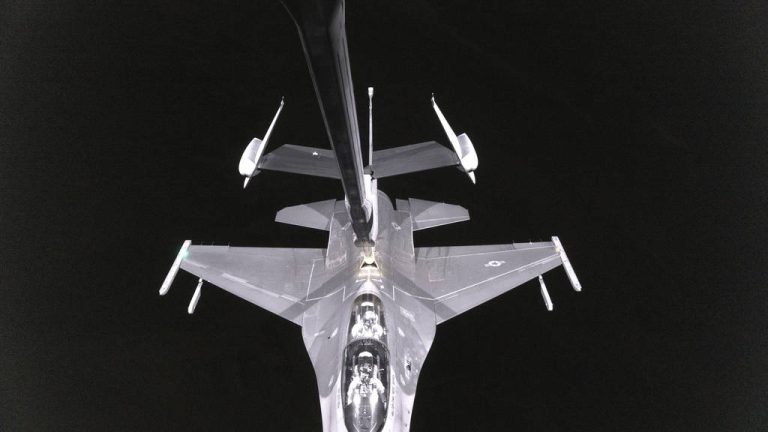
The rollout of the Boeing KC-46A Pegasus tanker’s new remote vision system will likely slip into 2026, placing it nearly two years behind schedule, according to the Air Force’s top acquisition official.

Andrew Hunter, assistant secretary for acquisition, technology and logistics, told the House Armed Services subcommittee on seapower and projection forces that schedule pressures on the vision system, known as RVS 2.0, are placing in doubt the most recent goal of releasing it to the fleet by October 2025. As a result, RVS 2.0 could end up being nearly two years late.

Hunter indicated the FAA’s airworthiness certification process — the completion of which will officially close out the system’s design approval — is one of the factors again delaying RVS 2.0. Boeing and its primary subcontractor, Collins Aerospace, are the main companies working on RVS 2.0.

“There is some schedule pressure there,” Hunter told lawmakers during a March 12 hearing on the service’s proposed fiscal 2025 budget. “Depending on the completion of the FAA airworthiness certification process, I cannot guarantee you that we would be in a position to field [RVS 2.0] in ‘25. It may be ‘26 – and that is actually likely, I think it will probably field in ‘26.”

Boeing declined to comment and referred Defense News’ queries to the Air Force, which has not yet responded to follow-up questions.

RVS 2.0 will replace the KC-46′s original, troubled Remote Vision System, which does not respond quickly enough to sun and shadows and sometimes produces a distorted image. The Air Force fears that a faulty vision system could lead boom operators to accidentally damage receiving aircraft with the refueling boom.

It will use a series of sensors, screens and 4k ultrahigh-definition cameras to allow the KC-46′s boom operators a 3D, full-color picture as they guide refueling booms into receiving aircraft.

RVS 2.0 was supposed to be released in March 2024. But in October 2022, the service confirmed that schedule had slipped 19 months, largely due to supply chain problems affecting the project’s subcontractors.

Boeing said at the time that parts shortages had led to longer lead times for computing equipment and other technology needed for RVS 2.0. The FAA and Air Force’s airworthiness certification processes also were factors in that delay, Boeing and the Air Force said in 2022.

Hunter also said the KC-46 is still not completely cleared to refuel A-10 Warthog attack aircraft, due to a longstanding issue with the stiffness of its refueling boom and the A-10′s thrust.

It’s not impossible for the KC-46 to refuel an A-10, Hunter said, but “it’s not a particularly good idea to do it on a routine basis, and therefore, we don’t.”

Hunter said the Air Force has enough KC-135 Stratotankers in its fleet to safely operate A-10s wherever it needs.

Boeing is also working on a redesigned actuator for the KC-46′s boom that would allow safe refueling of the A-10.

The Office of the Director, Operational Test and Evaluation said in its fiscal 2023 annual report that the new boom actuator’s flight testing could start later this year, with flight testing of RVS 2.0 expected to start in 2025.

Hunter also told lawmakers he believes the improved video clarity of RVS 2.0 will open up new opportunities to add autonomous capabilities in the KC-46′s refueling operations. And the Air Force could introduce more autonomous capabilities in the KC-46′s cockpit to reduce the pressure on pilots, he said, who can become “task-saturated” during the “dicier” moments of the refueling process.

The Air Force expects to have 102 KC-46s in its fleet by the end of this year, and 118 by the end of 2025. The service is now on contract with Boeing for 139 KC-46s, and plans to buy 179 in all.

Stephen Losey is the air warfare reporter for Defense News. He previously covered leadership and personnel issues at Air Force Times, and the Pentagon, special operations and air warfare at Military.com. He has traveled to the Middle East to cover U.S. Air Force operations.

India approves full development of fifth-generation fighter

0

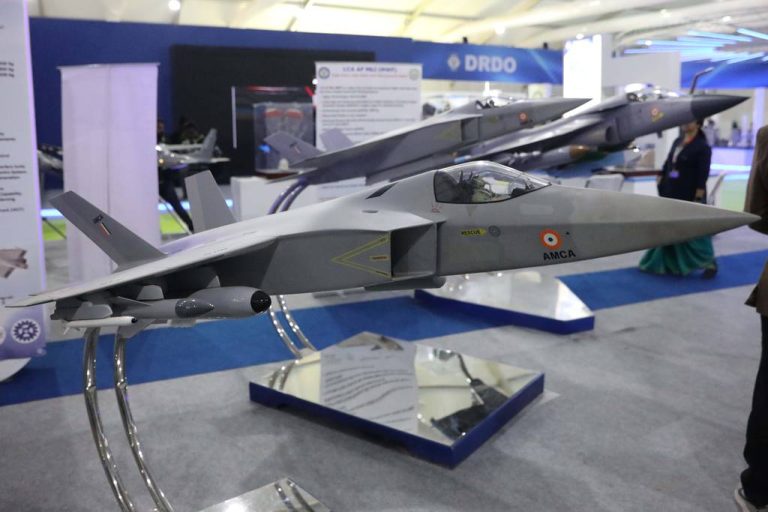
CHRISTCHURCH, New Zealand — India’s Cabinet Committee on Security has given a green light to continue development of the Advanced Medium Combat Aircraft, India’s indigenous fifth-generation fighter jet.

The state-run Aeronautical Development Agency and Hindustan Aeronautics Ltd. are leading this development effort. The committee early this month granted the project 150 trillion rupees (U.S. $1.8 billion) to fund the twin-engine AMCA’s full-scale design and development, flight testing and certification.

Krishna Rajendra, AMCA project director at the Aeronautical Development Agency, said five prototypes are expected. He also confirmed the fighter’s maiden flight should occur before the end of 2028.

The Indian Air Force previously said it would like seven squadrons of these stealthy fighters. Although the government has not formally stated when AMCA will commence series production, Indian media are quoting a date of 2035.

K.P Sanjeev Kumar, a former Indian naval aviation test pilot and aviation commentator, told Defense News “an optimistic and realistic timeframe for final operational clearance would be 2040 or beyond.” Final operational clearance refers to an aircraft attaining its full capabilities so it is ready for service.

The Air Force’s first two AMCA squadrons will receive Mk-1 aircraft, powered by General Electric F414 engines that produce 22,000 pounds of thrust.

Later, the next five squadrons will receive the AMCA Mk-2, with bigger engines producing nearer 25,000 pounds of thrust for a supersonic cruising capability. The new engine with thrust vector control will be co-developed with a foreign partner.

Development of the AMCA commenced in 2008, and its design was finalized in 2022. Last December, it successfully passed a platform-level critical design review.

This is India’s second domestic fighter program. However, the preceding Tejas fighter’s maiden flight occurred in 2001, and the first Tejas entered an operational squadron 15 years later — suggesting AMCA’s timeline may shift. India also suffered a costly failure when it attempted to develop the Kaveri engine for the Tejas light fighter.

Sanjeev Kumar stressed the importance of the AMCA to India.

“[They are] required as of yesterday, given the woefully short numbers of squadrons with gen-four aircraft and below, plus the looming threat of growing Chinese aggression,” he said.

Gordon Arthur is an Asia correspondent for Defense News. After a 20-year stint working in Hong Kong, he now resides in New Zealand. He has attended military exercises and defense exhibitions in about 20 countries around the Asia-Pacific region.

Pentagon may build a second track for hypersonic ground testing

0

The Pentagon is exploring options to build a second track to test hypersonic systems that can travel at speeds above Mach 5.

George Rumford, director of the Test Resource Management Center, told lawmakers this week the effort is in the study phase, but he expects adding another test track to the Defense Department’s inventory could offer a significant boost to hypersonic development efforts.

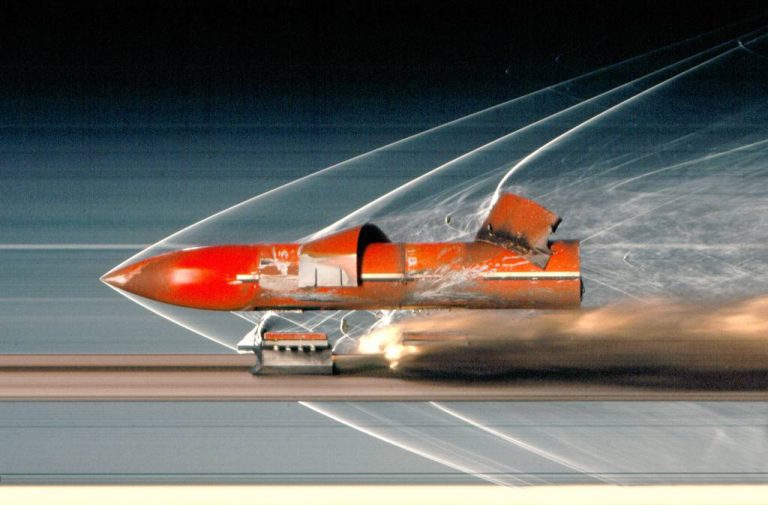
“The track we have now is 70-plus years old. It was originally designed to test ejection seats in airplanes,” Rumford said during a March 12 House Armed Services Strategic Forces subcommittee hearing. “If we’re really going to move after and get after testing hypersonics, we’re going to need a new track capability in our nation.”

The track Rumford referenced is located at Holloman Air Force Base in New Mexico and operated by the Arnold Engineering and Development Complex. It’s used for warhead and lethality testing and also to better understand the effect weather and erosion could have on a hypersonic weapon.

The department operates two other tracks — one at Eglin Air Force Base in Florida and another at China Lake in California — and has access to two more tracks in New Mexico and Utah. But at more than 50,000 feet long, only Holloman’s track — DOD’s longest — can achieve the speeds needed to test hypersonic systems.

The department has upgraded the Holloman equipment over the years, Rumford said, and there are plans for further modernization. But completing that work disrupts testing schedules, and having a new high-speed track would increase the capacity at a time when DOD is pushing to improve its testing cadence.

“As a nation, we need a new track,” he said. “When we modernize the track, we have to take the track offline for a period of time, which is the exact opposite of what we want to be doing when we’re trying to go fast and take on more risk.”

The Pentagon in recent years has been working to increase the number of hypersonic tests it can support, both in the air and on the ground. Its fiscal 2025 budget request, released March 11, includes $9.8 billion to develop hypersonic and other long-range missiles. It also proposes $163.4 million to support production, supply chain and test capabilities for hypersonic systems.

The department has a number of efforts underway to boost its testing capacity. On the ground, the TRMC is investing in improvements to government-owned test facilities and is partnering with private sector organizations to address shortfalls in propulsion testing for air-breathing hypersonic vehicles and aeroshell materials for boost-glide systems.

To boost its high-speed flight test enterprise, the organization is growing a fleet of modified Global Hawk uncrewed aircraft equipped with sensors and instrumentation to support hypersonic flight tests from the air. The program, dubbed SkyRange, has three Range Hawks on hand and has plans to convert more in the coming years.

In collaboration with the Naval Surface Warfare Center’s Crane Division, TRMC is also investing in the Multi-Service Advanced Capability Hypersonics Test Bed program, or MACH-TB, to create a flying testbed that can validate subsystems, advanced materials and other technologies as a system is being developed.

TRMC is also working with the Defense Innovation Unit to funnel emerging technology into MACH-TB through the Hypersonic and High-Cadence Airborne Testing Capabilities program, dubbed HyCAT. The goal of HyCAT is to leverage commercial innovation to make flight testing more affordable. Technologies matured through HyCAT will transition into MACH-TB.

Rumford said funding for these efforts is critical to support the department’s push to field hypersonic systems on faster timelines. Asked how his office would spend additional resources, he said any new money would support more flight tests.

On the other hand, Rumford said, a drop in funding would slow down the entire enterprise.

“It’s like molasses to an engine,” he said. “It slows everything down by not having that volume of flight throughput.”

Courtney Albon is C4ISRNET’s space and emerging technology reporter. She has covered the U.S. military since 2012, with a focus on the Air Force and Space Force. She has reported on some of the Defense Department’s most significant acquisition, budget and policy challenges.

The Civil War **inside** of the GOP

0

Research into five states reveals long-term operation to infiltrate America First grassroots and turn it against the GOP with goals and methods of the far left (substack.com)

Interesting look from the inside at the internal wat against the old school GOP/conservatives. Even if you don't GAS about politics, it is still worth a read to see how insidious this warfare has become.

We have passed the…

The Civil War **inside** of the GOP

If Churches Made Survival Buckets

0

Dealing With Dental Emergencies When There’s No Dentist

0

Savoring your lunch while gazing at the stunning scenery from your remote residence, you suddenly crunch into a nut, only to be met with a sharp crack and unbearable agony as a tooth shatters. Uncommon? Not at all, it happens frequently.

Dental emergencies

Unexpected dental emergencies can strike whether you’re at home or out in the wild, leaving you incapacitated in a flash. You might think, “No worries, I’ll just head straight to the dentist.” But that’s not always feasible. You could be far from the nearest dental clinic, it might be a late hour or weekend when finding a dentist is tough, or there simply may not be any available.

When disaster strikes, dental care is often one of the first services to go offline. Whether it’s a natural calamity like earthquakes, fires, or floods, or human-induced crises such as terrorism or civil unrest, dental offices shutter in an instant. Even temporary disruptions like power outages, render dentists unable to operate without electricity. And since hospitals typically lack dental services, you could be left to fend for yourself for hours or even days.

Given that dental first aid is seldom covered in standard first aid courses, the information provided here aims to assist you during dental emergencies when professional help isn’t an option. It’s crucial to note that this guidance is not a substitute for proper dental care.

Prevention

Dr. Amos Davison, a dentist who also happens to be an avid hunter and fisherman living in a rural area, has encountered his fair share of dental emergencies. According to Dr. Davison, “Nothing can spoil a great hunting expedition like a toothache.” He advises anyone embarking on an extended journey, lasting over a week, to ensure they’re up to date with their dental check-ups. This counsel holds true for everyone, whether they’re traveling or staying put at home.

Regular visits to the dentist can preempt many painful dental issues. Professional cleanings play a crucial role in warding off gum infections. Fillings showing signs of wear can be repaired before they unexpectedly give way, potentially ruining plans. Even small cavities, devoid of pain, can be swiftly addressed before they escalate.

Maintaining proper dental hygiene is paramount. Regular brushing and flossing help stave off cavities and gum infections. This is especially vital during times of crisis, such as disasters or evacuations. Although brushing might not be a top priority during such situations, instances of gingivitis or gum infections tend to rise during times of emotional and physical stress, particularly when coupled with inadequate oral care.

While a toothbrush and toothpaste are the optimal tools for cleaning teeth, alternatives can suffice in emergencies or survival scenarios. A washcloth or towel can effectively remove the soft, sticky plaque teeming with bacteria from the tooth surface. Additionally, the tip of a slender twig from a non-toxic tree or bush can be chewed until it turns soft and fibrous, serving as a makeshift brush for cleaning teeth and gums. In dire circumstances, even using your finger can suffice when nothing else is available.

Dental first aid kit

The first time I faced a broken tooth while backpacking, I reached into my first aid kit only to find it lacking any suitable remedies. Chances are, yours is in a similar state. Fortunately, a few lightweight and compact items, readily available at drugstores or markets, can be added to your kit to address dental emergencies. Here are my recommendations:

When tending to dental issues in the mouth, always remember to wear protective gloves from your first aid kit to minimize the risk of spreading infectious diseases.

Dental emergencies – Toothache

A toothache stems from the inflammation of the nerve within a tooth, known as the dental pulp. Decay from a cavity penetrating the pulp or a tooth fracture can trigger a toothache. When infection sets in, it can result in agonizing pain and may spread from the tooth’s root into the jaw, forming an abscess.

Signs of a toothache include pain localized in one tooth or across multiple teeth. Initially, the pain may be mild, sporadic, exacerbated by hot or cold foods/drinks, cold air, and biting pressure. With time, the discomfort may intensify, becoming constant, excruciating, and debilitating.

In some cases, an abscessed tooth may gradually release infection into a large cavity. After eating, when food lodges into the cavity, the drainage passage might be obstructed, causing increased pressure within the tooth and worsening the toothache until the debris is removed.

To address a toothache, first locate the painful tooth and inspect for any visible cavity or fracture. Clean out any food debris using a toothbrush, toothpick, or similar implement. Then, dampen a small cotton pellet or, if unavailable, a piece of cloth, with a topical anesthetic like eugenol or benzocaine solution, and place it into the cavity. Utilize small dental tweezers or a similar tool for precise placement, as accessing the mouth with fingers can be challenging. This topical anesthetic should provide swift relief.

The choice of topical anesthetic is crucial. Dentists typically employ pure eugenol for emergency toothache treatment due to its long-lasting effects, although it may be hard to obtain. Oil of cloves serves the same purpose and can be bought without a prescription at pharmacies or health food stores. Exercise caution, as pure oil of cloves can cause chemical burns if it comes into contact with the mouth or tongue.

Commercial toothache remedies include Red Cross Toothache Medicine with 85% eugenol, and Orajel with benzocaine. Some products come with dental tweezers and cotton pellets.

Once the medicated cotton is in place, cover it with a temporary filling material like Temparin or Cavit to prevent dislodgement. These materials are malleable and can be shaped to fit the cavity. In the absence of these, soft dental wax or softened candle wax can suffice. If using candle wax, melt it and let it cool until pliable before insertion.

For pain relief, consider taking pain medication such as 200mg Motrin, 3 tablets every 8 hours or prescription pain relievers like Vicodin, 1-2 every four to six hours if available. Avoid placing aspirin on the gum adjacent to the painful tooth, as it not only provides no relief but also causes painful burns to the gum tissue.

Seek immediate dental assistance. If locating a dentist takes time, consider replacing the cotton pellet with a freshly soaked one in topical anesthetic.

Dental emergencies – Gingivitis

Gingivitis refers to the inflammation of the gums (gingiva), often stemming from insufficient tooth brushing. This condition manifests with red, swollen gums that may bleed during brushing. Fortunately, it is largely preventable through proper oral hygiene practices and routine dental examinations. If experiencing pain and bleeding due to gingivitis in outdoor settings, enhance oral hygiene by brushing teeth three times daily, coupled with warm salt-water rinses. Additionally, over-the-counter antibacterial mouthwashes may offer relief.

Medical banner

Dental emergencies – Dental abscess

An infected tooth or gum infection, also known as gingival infection, can lead to a dental abscess, often referred to as a pus pocket. Likewise, food trapped between teeth, if not removed with dental floss, can also contribute to this condition.

Abscesses typically develop near the affected tooth, causing pain and swelling. In severe cases, they can extend to the face, floor of the mouth, or neck, resulting in difficulty opening the mouth or swallowing. In rare instances, dental abscesses can pose life-threatening risks, either by obstructing breathing due to their size or by triggering fever or widespread infection in the body. It’s imperative to address any abscess promptly.

Treatment for abscesses necessitates antibiotics. Seek immediate dental attention. If unavailable or if experiencing severe swelling, consult a physician or visit a hospital emergency room. In emergency situations where professional help isn’t accessible and there’s severe swelling, oral antibiotics like penicillin (500 mg every six hours) can be administered, provided the individual isn’t allergic to the medication.

Regular warm salt-water rinses of the mouth every four hours may aid in the spontaneous drainage of the abscess, alleviating some of the pain. Refrain from applying hot packs to the outer face without dentist or physician guidance, as heat can exacerbate the infection. Pain relievers may be used as previously described.

In exceptionally rare scenarios where professional assistance is delayed, and antibiotics are unavailable, a localized abscess adjacent to a tooth can be drained to expel the pus. A sterile scalpel, needle, or disinfected fishhook (with the barb removed and heated with a match) may be employed to puncture the abscess. While this procedure will be painful, immediate relief from the abscess should ensue.

Dental emergencies – Broken filling or lost crown

Chewing on hard or sticky foods like candy, nuts, or ice cubes is a common way to break a tooth or filling. If the affected tooth isn’t causing pain, take care not to exacerbate the damage while eating, and seek dental attention promptly.

To alleviate sensitivity to hot or cold and prevent food from getting stuck in the gap left by the filling, a temporary filling can be applied. Use a dental instrument or a flat tool like a knife blade or popsicle stick to place a small amount of temporary filling material, such as Temparin or Cavit, into the cavity. Have the individual bite down on the material to mold it to their bite, then remove any excess. These materials will harden over time and stay in place. Soft wax can also serve the same purpose as described for filling a cavity.

Crowns, or caps, can be dislodged by sticky foods like caramel or salt-water taffy. If the tooth isn’t sensitive to temperature changes, save the crown and schedule a dentist appointment at your earliest convenience.

If the tooth sensitivity is severe enough to impede eating, temporary replacement might be necessary. However, this should only be done as a last resort, as it’s a temporary fix with the risk of the crown coming off and being swallowed. Remove any residual cement or material from inside the crown using a dental instrument or knife. Apply a thin layer of temporary filling material, denture adhesive, or a thick paste made from water and flour inside the crown. Ensure proper alignment of the crown on the tooth, then have the individual gently bite down to secure the crown in place. Seek dental care as soon as possible.

Injuries to teeth

injuries to teeth

Falls or impacts to the mouth can result in tooth injuries, commonly affecting the upper front teeth. Teeth may remain in their normal position but feel loose when touched, be partially dislodged or pushed back, or be completely knocked out. If the tooth is not fully knocked out, your first step should be to seek dental attention.

When immediate dental care isn’t available, a displaced tooth can sometimes be repositioned by applying steady, gentle pressure to guide it back into place. If it’s very loose, biting down on a piece of gauze can help stabilize it temporarily. However, it’s crucial to see a dentist as soon as possible, as the tooth may require splinting to hold it in position during the healing process.

For a completely knocked-out tooth (avulsed), acting swiftly within the first 30 minutes is crucial for potential preservation. When a tooth is knocked out, the ligaments, nerve, and blood vessels holding it in place are torn, essentially rendering it a “dead tooth.” Re-implanting the tooth within 30 minutes allows the body to accept it, with the ligaments reattaching. Although a root canal will be needed to remove the dead nerve and blood vessels, the tooth can still function.

After 30 minutes, the body starts treating the tooth as foreign material, leading to gradual dissolution of the root over weeks to months. In such cases, extraction of the tooth is often necessary.

To treat a knocked-out tooth, locate the tooth and if the socket is bleeding, have the person bite down on gauze pads placed over it. A moistened non-herbal tea bag can also be used. Handle the tooth by the crown only, gently rinse off any dirt or debris with sterile saline, disinfected water, or milk. Avoid touching the soft tissue covering the root. Replace the tooth into the socket with gentle, steady pressure and have the person lightly bite down on gauze to keep it in place. Seek immediate dental attention to stabilize the tooth.

If immediate reimplantation isn’t possible, wrap the tooth in gauze and soak it in sterile saline solution, milk, or the person’s saliva while they are taken to a dentist. Some suggest keeping the tooth moist by placing it in the person’s mouth, but there’s a risk of accidental swallowing.

Concluding

lbor1234Dental emergencies occur more frequently than many people think. While you’ll usually have access to a dentist for assistance, there may be occasions when you’re left to manage the situation on your own. Being proactive with prevention, equipping yourself with knowledge, and ensuring you have essential items in a dental first aid kit can make a significant difference in safeguarding you and your family during such instances.

This article has been written by James H. Redford MD for Prepper’s Will.

You may also want to check this:

Knowledge to survive any medical crisis situation during a major disaster

Dealing With A Dental Emergency Off-The-Grid

The vital self-sufficiency lessons our great grand-fathers left us

How To Use Herbal Remedies Safely

Pentagon clears F-35 for full-rate production

0

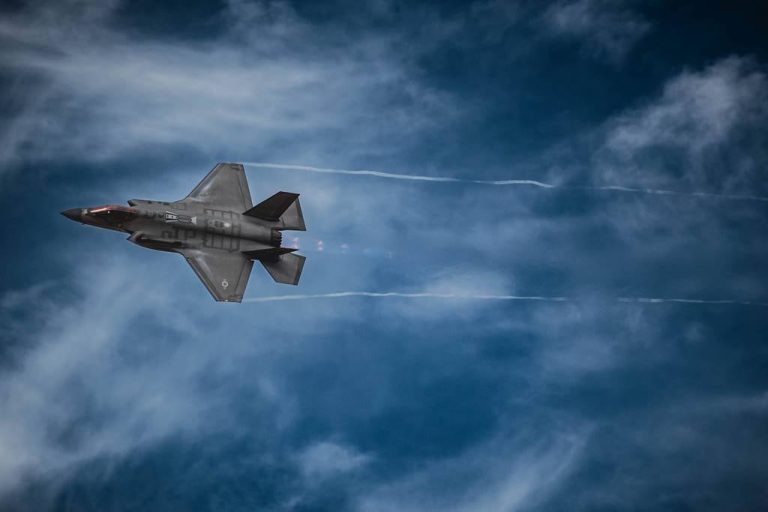
The Defense Department said Tuesday it has officially made its long-awaited decision to move forward with full-rate production on the F-35 Joint Strike Fighter.

William LaPlante, the undersecretary of defense for acquisition and sustainment, signed a memo approving the decision, known as Milestone C, earlier in the day, the Pentagon said in a statement. The Defense Acquisition Board, which LaPlante chairs, met on March 7 to consider whether to move the F-35 into full-rate production.

“This is a major achievement for the F-35 program,” LaPlante said in the statement. “This decision — backed by my colleagues in the department — highlights to the services, F-35 cooperative program partners, and foreign military sales customers that the F-35 is stable and agile, and that all statutory and regulatory requirements have been appropriately addressed.”

The decision came more than four years after the Pentagon originally planned, and followed multiple years of delays due to troubles setting up the necessary Joint Simulation Environment tests.

The Pentagon said that the Milestone C approval sets the F-35 program up to “efficiently produce and deliver the next generation” of jets. Before the jet could move into full-rate production, the department said the program needed control of its manufacturing process, acceptable performance and reliability, and for adequate sustainment and support systems to be established.

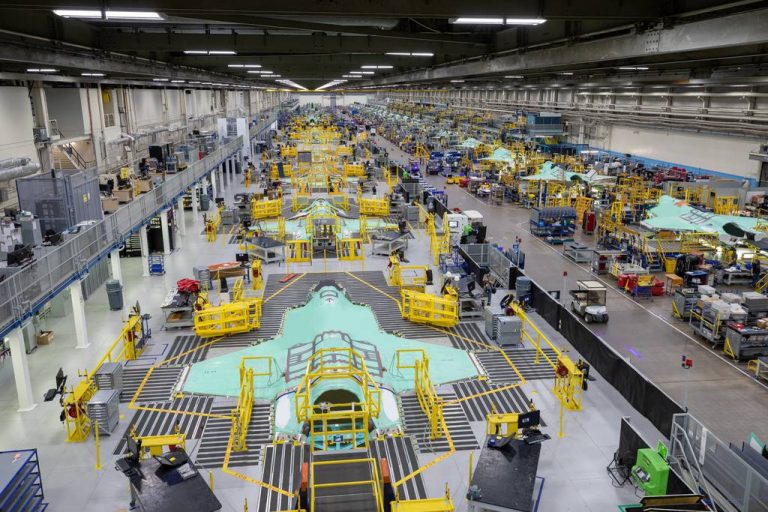
Lockheed Martin is already building F-35s at essentially full capacity, producing about 150 of the jets each year. This means authorizing the F-35 for full-rate production will likely have a somewhat muted effect on how many jets are built.

“The F-35 enterprise has made significant improvements over the last decade, and we will always be driven to continuously improve sustainability, interoperability, and lethality so warfighters have the capability needed to fight and win when called to do so,” F-35 program executive officer Lt. Gen. Mike Schmidt said. “Moreover, the program and our great people can now focus on the future of the F-35 instead of the past.”

The F-35 completed the series of Joint Simulation Environment tests known as “runs for score” in September. Those 64 tests, carried out at Naval Air Station Patuxent River in Maryland, put all three versions of the jet through scenarios akin to what they might encounter in combat, such as defensive counter-air, cruise missile defense, and destruction of enemy air defense trials.

The Pentagon’s Office of the Director, Operational Test and Evaluation, then analyzed the data collected in the F-35′s tests and produced a report used to arrive at the milestone C decision.

Raymond O’Toole, acting director of operational test and evaluation, said his office had some concerns and recommendations, which the program is now working to address. One such concern was the need to improve test infrastructure that can be used to support the jet’s development, and make sure future upgrades known as Block 4 can be tested.

More than 990 F-35s have so far been delivered to the U.S. Air Force, Navy and Marine Corps, allies, and foreign military sales customers.

Stephen Losey is the air warfare reporter for Defense News. He previously covered leadership and personnel issues at Air Force Times, and the Pentagon, special operations and air warfare at Military.com. He has traveled to the Middle East to cover U.S. Air Force operations.

F-35 upgrade delays prompt US Air Force to scale back jet purchases

0

The ongoing delay in the F-35 Joint Strike Fighter’s latest upgrades was one factor in the U.S. Air Force’s recent decision to purchase fewer jets in fiscal 2025.

The service announced Monday it plans to buy 42 F-35As from Lockheed Martin in 2025, six fewer than it originally anticipated. In a news conference to discuss the 2025 budget, top Air Force official Kristyn Jones told reporters that issues with the upgrades known as Technology Refresh 3 played a part in that decision, along with overall budgetary limitations.

“We want the planes that we want, and TR-3 [and] Block 4 capabilities have been delayed,” said Jones, who is performing the duties of undersecretary of the Air Force. “Our approach is to minimize the impact of that by procuring fewer of those” over the next few years, before ramping F-35 purchases back up to 48 in fiscal 2029.

TR-3 is the term for a series of hardware and software improvements to the F-35 that include better displays, computer memory and processing power.

The fighter needs the TR-3 improvements in place before a broader series of upgrades known as Block 4 can be rolled out. Block 4 is expected to allow the F-35 to carry more and better weapons, improve its target recognition, and upgrade its electronic warfare capabilities, among other changes.

But TR-3 is already almost a year behind schedule, and is not expected to be ready for months more, largely due to software and integration problems.

The delays have prompted the Pentagon to stop accepting deliveries of newly-built F-35s until TR-3 is ready. Lockheed Martin finished building the first F-35s that were to have the TR-3 improvements in July 2023. But because the software wasn’t ready, the Defense Department couldn’t conduct the check flights required to accept delivery.

F-35s have since been stored at Lockheed Martin facilities, particularly its main factory in Fort Worth, Texas, while work has continued on TR-3.

“TR-3 remains our top priority,” Lockheed Martin said in a statement to Defense News. “We expect to begin delivering TR-3 jets in the third quarter [of 2024] and are committed to providing unrivaled, advanced capabilities in support of our customers’ missions.”

Jones told reporters that the Air Force is still planning to buy 1,763 F-35s in all. The service was originally expecting to buy 48 F-35s annually over the next several years, but is now planning to also buy 42 in fiscal 2026, and 47 each in fiscal 2027 and 2028.

“We haven’t changed the total program of record,” Jones said. “But given the fiscal constraints this year, as well as the delays in getting the capabilities that we need, we rebased the program. But we haven’t cut off the total numbers.”

Lockheed said the company is continuing laboratory and flight tests of TR-3, while it keeps building F-35s. The company said flight tests now underway show improvements in the jet’s systems stability, as well as its video and weapons capability. The TR-3 configuration that it expects to be in place for delivery is also undergoing lab testing, Lockheed said, with improvements expected in system stability, its radar, and video capability.

Rep. Rob Wittman, R-Va., chairman of the House Armed Services subcommittee on tactical air and land forces, has grown increasingly displeased with the ongoing — and worsening — delays in the TR-3 effort and F-35 deliveries.

Having potentially dozens of F-35s unfinished for delivery “should be deeply disturbing to everyone across the enterprise, especially since the Air Force’s plan is to retire current fighter jet inventory,” Wittman told reporters March 7 at the McAleese Defense Conference in Washington.

Wittman is also concerned that jets might not be able to fly combat missions right away even when they’re delivered, if the F-35 program installs a partial version of the software as an interim fix. And he reiterated his concern that TR-3 delays will have a cascading effect that in turn holds up Block 4 upgrades in years to come.

“This has to be fixed in the long term,” Wittman said.

Stephen Losey is the air warfare reporter for Defense News. He previously covered leadership and personnel issues at Air Force Times, and the Pentagon, special operations and air warfare at Military.com. He has traveled to the Middle East to cover U.S. Air Force operations.

Air Force budget backs Raytheon hypersonic, no Lockheed missile funds

0

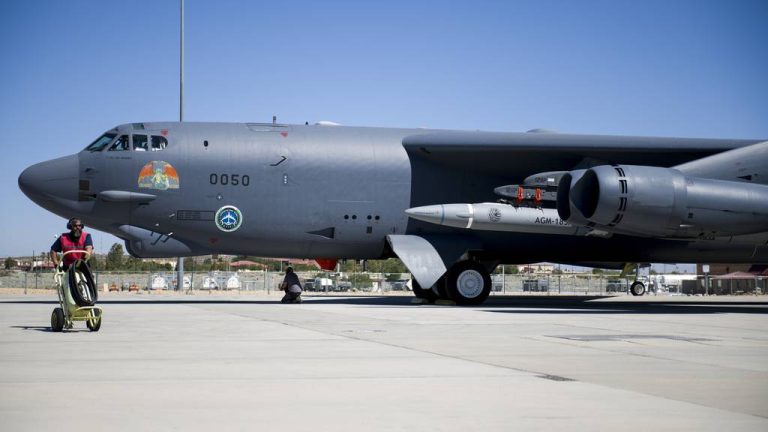
The U.S. Air Force’s proposed fiscal 2025 budget requests $517 million to keep developing its Hypersonic Attack Cruise Missile — but the AGM-183A Air-launched Rapid Response Weapon’s future is looking dim.

The service’s FY25 budget, released Monday, includes no procurement nor research and development funding for Lockheed Martin’s ARRW. The service has one final all-up round test planned for the weapon soon and will wrap up its rapid prototyping program this year.

HACM and ARRW are the Air Force’s two main programs to develop hypersonic capabilities that can fly at speeds greater than Mach 5 and be highly maneuverable, making them hard for enemies to track and shoot down. Both are air-launched, and the service said in budget documents the programs are complementary. HACM is an air-breathing missile, and ARRW is a boost-glide hypersonic weapon.

China and Russia have focused heavily on developing hypersonic capabilities. Some lawmakers have criticized the Pentagon’s progress on fielding the United States’ own hypersonic weapons, and warned the country is falling behind.

Air Force acquisition chief Andrew Hunter told reporters at the McAleese & Associates conference on March 7 that the results of ARRW’s final test will help the Air Force determine the program’s maturity and identify the mix of hypersonic capabilities it will need.

“The Air Force remains committed to fully analyzing and understanding all test data gathered while conducting the ARRW rapid prototyping test series,” the service said in an email. “This data will inform subsequent development and fielding decisions with ARRW.”

In a statement to Defense News, Lockheed Martin expressed pride in its work on ARRW.

“Lockheed Martin has exceeded requirements on the ARRW program, achieving a mature, fully-qualified weapon system and an established production line,” the company said. “The exceptional work accomplished by this government-contractor team will provide synergies to follow-on opportunities. Lockheed Martin will continue to apply our expertise to deliver tactical and operational assets to ensure revolutionary hypersonic-strike capabilities can be rapidly deployed to the U.S. military.”

ARRW’s future has been in doubt since a March 2023 test failed. Shortly after, Air Force Secretary Frank Kendall told lawmakers the program had “struggled” in testing. Kendall also said in that hearing the service was more committed to HACM, which he said had been “reasonably successful” and would be compatible with more of the service’s aircraft.

The day after Kendall testified to Congress, Hunter, the Air Force’s assistant secretary for acquisition, technology and logistics, told lawmakers the service didn’t plan to pursue follow-on procurement of ARRW after its prototyping concluded.

Budget documents released Monday said HACM would be able to carry out “vastly different trajectories” than a boost-glide missile such as ARRW, and its additional complexity would make it more of a threat against adversaries. HACM is also smaller than ARRW, which makes it easier to mount on more aircraft, the documents said.

The Air-launched Rapid Response Weapon’s total cost will be $1.7 billion.

The Hypersonic Attack Cruise Missile’s $517 million in research, development test and evaluation funds would be a considerable increase from fiscal 2023, when it received $387 million in R&D funding, and fiscal 2024, in which the Air Force requested $382 million for the program.

The Air Force also expects to spend almost $449 million on HACM in fiscal 2026, and a little more than $200 million on the program in the following two years. In all, the Air Force so far expects to spend more than $2.4 billion on HACM.

The Air Force in 2022 awarded Raytheon, a subsidiary of the company now called RTX, and Northrop Grumman a contract to develop HACM, which grew out of a program dubbed Hypersonic Air-breathing Weapon Concept, which the Defense Advanced Research Projects Agency managed.

Hunter said at the McAleese conference that while HACM is still a so-called middle tier of acquisition program meant to rapidly develop prototypes, he has stressed to industry that the Air Force intends to field such capabilities one day — and industry should act like the government is working on a production program.

“[T]he goal is to develop a fielded capability that we will move into production on the most rapid time frame that we can reasonably and prudently carry out and execute,” Hunter said.

He later told reporters there are now no testing dates set for HACM.

The Army and Navy are also expecting delays to their joint hypersonic program, as testing has fallen behind schedule. The Army calls its ground-launched missile the Long-Range Hypersonic Weapon, and the Navy calls its sea-launched version Conventional Prompt Strike. The two services had planned to buy hypersonic missiles in 2025, but those moves are now on hold to allow testing to catch up.

Stephen Losey is the air warfare reporter for Defense News. He previously covered leadership and personnel issues at Air Force Times, and the Pentagon, special operations and air warfare at Military.com. He has traveled to the Middle East to cover U.S. Air Force operations.