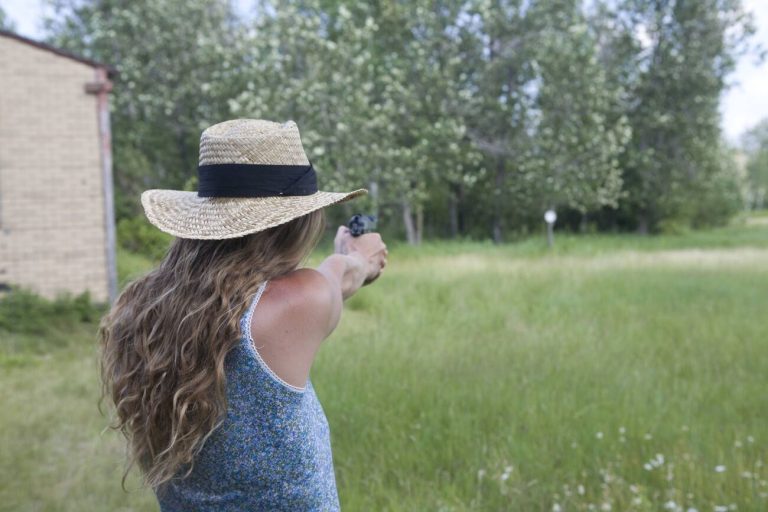
Amid today’s challenging economic circumstances, numerous women now find themselves spending extensive periods alone on their homesteads. As local employment opportunities diminish, primary breadwinners may undertake jobs requiring lengthy commutes, leaving their wives and children to manage the farmstead.
I’ve encountered several instances where farm women have spouses who work either overseas or as long-haul truckers or serve in the military. Some women have deliberately chosen to settle in rural areas independently, while others have become sole providers following the loss of their husbands due to death or divorce. In such scenarios, the responsibility of ensuring homestead security falls squarely on the shoulders of these women.
If you’re facing this situation, it’s crucial to engage in introspection. Are you prepared to confront the challenges that lie ahead?
Many women rely on men for their safety, a notion reinforced by societal norms that portray women alone as easy targets. There’s often an expectation for boyfriends or husbands to act as protectors, shielding their loved ones from potential threats. I make it a point to remind my sons that it’s a man’s responsibility to safeguard the women in his life.
It’s important to acknowledge that this nation was built not only on the strength of men but also on the resilience and contributions of women. The insights and advice that follow aim to assist any woman who unexpectedly finds herself assuming the role of head of security for her homestead.
Make your place an unattractive target
Increasing the difficulty or time required for someone to break into your property should be a primary goal. The aim is to deter burglars by making it so challenging that they seek easier targets elsewhere.
To begin with, consider fencing off your home and buildings, particularly along the perimeter facing the road. Keeping strangers at a distance not only reduces interactions but also prevents them from casually surveying your possessions.
In our region, it’s common for strangers to feign being lost and ask for directions. During the fall, armed individuals roam back roads and occasionally appear at remote farms, requesting permission to hunt. While some are genuine hunters who have lost their way, others are opportunistic thieves scouting for easy targets, marking locations on their GPS for future reference. Erecting fences and installing robust gates secured with sturdy chains and heavy padlocks can help keep these individuals off your property.
Another strategy to discourage people from driving close to your buildings is to park non-functional equipment along the fence line. Instead of selling broken machinery for scrap, consider placing it strategically to obstruct access through your fences. The more substantial and rustier the equipment, the better.
If, by chance, thieves attempt to maneuver around your gate and damage their vehicles on hidden obstacles, it’s just unfortunate luck. Additionally, attaching small signs to your fence warning about dangerous wildlife, like copperheads and rattlesnakes, can also act as a deterrent.
Investing in security cameras, if feasible, is advisable. While they may not prevent theft, they can capture clear images for identifying and tracking down perpetrators. For properties with long driveways, installing driveway alarms that trigger an alert inside the house when a vehicle passes can provide early warning of approaching individuals. There is a wide range of such products available, catering to various budgets and preferences.
Motion sensor lights are another effective investment. They can be adjusted to avoid false alarms from pets while providing illumination when needed, which can enhance safety during nighttime arrivals. Furthermore, installing sturdy locks and deadbolts on all exterior doors is essential. It’s prudent to lock the house when you’re outside but out of sight, as returning to find unwelcome guests inside is a risk. Conducting a thorough check of all ground-floor doors and windows before bedtime ensures they are securely closed and locked.
Equipment security is equally vital. Leaving valuable items like tractors or trailers in plain sight of the road increases the risk of theft. Even removing the battery from equipment is not foolproof, as experienced thieves come prepared with their own. Always secure equipment with locks or chains, especially smaller items like lawnmowers, chainsaws, and ATVs.
Unfortunately, some individuals will steal anything, especially in tough economic times. In our area, theft of air conditioning units for copper and even plumbing from unattended homes has become common. It’s a sobering reminder of the lengths some will go for a small profit.
While deadbolts, window locks, and sturdy gates may not keep determined criminals out indefinitely, they create obstacles and noise, potentially buying enough time for the homeowner to seek help or take defensive measures. It’s important to recognize that anyone bypassing security measures isn’t there for innocent reasons; their intentions are clear.

Keep dogs on your property
In my view, women living in rural areas should strongly consider having a dog, preferably a large one. Having two big dogs is even better because they tend to be braver when they have a companion. When we had only one dog, coyotes and bobcats would venture right up to the yard fence at night. Our dog would bark, but seemed hesitant to confront a group of coyotes alone. However, this changed once we introduced a suitable canine companion. Working together, both dogs became comfortable charging into a pack of wild animals.
If we lived in an area with bears or mountain lions, we might opt for even larger dogs with a history of hunting or guarding. We might even keep three or four of them to improve the odds of at least one remaining standing after confronting a large predator near the goat barn.
A homestead dog serves three main purposes in a defensive situation. Firstly, they act as an early warning system. Dogs have exceptional senses of smell and hearing, and superior night vision compared to humans. They’ll detect anything or anyone within their vicinity long before we do, and a well-trained dog will be ready to respond immediately. Our dogs could be lying still one moment and then suddenly race to the gate, barking and snarling, alerting us to an approaching vehicle that we hadn’t heard.
The second role of a homestead dog is to confront intruders. A dog that is protective of its territory and willing to defend it is far more effective than one that merely barks. This is why I advocate for large dogs for women living in the countryside. While experts argue that a dog’s size is irrelevant and even a small dog can be a deterrent, this may hold true in urban areas. However, in rural settings where law enforcement response times can be lengthy, a large dog weighing seventy pounds or more can be a formidable deterrent and capable of causing significant harm if necessary. It’s unfortunate but true that many criminals are more intimidated by a large dog than they are by a woman with a gun.
If the people in your driveway are harmless, like members of a quilting society, you can apologize and attribute your dogs’ behavior to protectiveness. This may create a reputation that discourages unwanted visitors from returning.
Lastly, a dog that engages a threat can buy valuable time for their family to escape or prepare defenses. It’s essential to pay attention to your dogs; if they sound the alarm, it’s worth investigating. If they bark fiercely and then suddenly stop, it could mean the threat has departed, they’re greeting a familiar visitor, or they’ve been harmed. It’s crucial to hope for the first two scenarios but be prepared for the third.
Taking care of your dogs includes training them to obey commands, ensuring they’re vaccinated against diseases like rabies and distemper, and being prepared to show proof of vaccination if required, especially if your dog bites someone.
Avoid confrontations

If you find yourself caught in a local dispute or have initiated one, it’s imperative to extricate yourself immediately. Entangling yourself in unpleasant conflicts only makes you vulnerable, so avoid becoming a target by refraining from engaging in confrontational behavior with anyone.
Sometimes, trivial issues can escalate into longstanding animosities. I once witnessed a situation in an urban area where a disagreement over a parking space nearly escalated into a violent altercation among four otherwise rational individuals.
In suburban neighborhoods, where people tend to move frequently, the average tenure in a house is about five years. This transient nature can foster a mentality that neighbors don’t need to get along. However, in rural areas, families often remain on their land for decades or even generations, emphasizing the importance of maintaining positive relationships with neighbors.
If there’s a dispute over a property line, suggest sharing the cost of a survey with the neighbor to resolve the issue. Ensure that your fences are in good repair to contain your livestock and prevent other animals from encroaching onto your land. If someone raises concerns about your children trespassing, take full responsibility and teach your kids to stay within your property boundaries.
My family has permission to access neighboring farms, which we renew annually by directly speaking with the owners. During deer season, we avoid venturing onto other properties unless it’s to retrieve a downed deer, and we ensure that friends and relatives hunting on our land understand and respect our property boundaries.
This emphasis on neighborly relations is crucial for homestead security because neighbors often possess intimate knowledge about your life, routines, and possessions. When treated with fairness and respect, neighbors can become valuable allies.
Establish a reputation for self-reliance by working hard and minimizing requests for assistance. Be ready to lend a hand to others when possible. Knowing that neighbors are willing to help in emergencies because of genuine fondness rather than obligation provides reassurance.
Guns are a must for homestead security

If your state permits concealed firearm carry, it’s advisable to obtain a permit. You might be hesitant, thinking firearms aren’t your interest and the associated costs aren’t worth it, choosing instead to rely on the inherent goodness of people.
However, I don’t share such optimism. For a woman living in an isolated area, being unarmed is unwise. As mentioned earlier, law enforcement response times in rural regions can be excruciatingly slow due to vast distances, poorly maintained roads, and inclement weather. In remote areas, you must be prepared to handle any trouble that arises yourself, whether it’s from animals or humans.
Once you have a carry permit, I recommend keeping your firearm concealed, even if it’s not legally required. The element of surprise can be a powerful deterrent. The first time a potential threat realizes you’re armed should be when they’re staring down the barrel of your gun.
Openly carrying a firearm can also provoke unnecessary rumors and discomfort among neighbors, who may wonder why you feel the need to be armed in their presence.
Whether or not a woman is armed is her own business, so it’s best to keep your weapon concealed, even if it means adjusting your wardrobe to accommodate the weight of the handgun and spare ammunition.
If you’ve decided to incorporate firearms into your daily life, it’s crucial to develop proficiency in using them. Mastering firearm skills takes time and practice, so invest in a gun you can afford to shoot regularly, and practice frequently. It’s also valuable to be proficient with long guns.
Every homestead woman should possess a .22 rifle for various purposes like varmint control, small game hunting, and humane dispatching of livestock. Additionally, owning a shotgun, whether a 20 gauge or 12 gauge, and being skilled in its use is important.
Teaching your children firearm safety is paramount. The best way to ensure their safety around firearms is to educate them on safe handling practices. Enrolling them in programs which emphasizes strict safety standards, can be beneficial. Organizations like the NRA and state conservation departments often offer free firearm training programs for kids, which should be taken advantage of. Spending time with your kids at the firing range not only teaches discipline but also provides a fun and rewarding family activity.
As a parent, you are responsible for enforcing firearm safety at home. Maintain strict safety standards and discourage any careless behavior involving firearms. Be wary of allowing unsupervised access to children with individuals who exhibit poor gun handling habits, as this can lead to dangerous imitation and potential tragedies. Privately address safe gun handling techniques with your kids, emphasizing the importance of responsible firearm use and the consequences of disregarding safety protocols.
Develop a honest relationship with your kids
Engage in open and honest discussions with your children about your current circumstances. Tailor your communication to avoid alarming younger children, but older kids often seek and deserve to know the truth. Providing them with information and a plan can help alleviate anxiety and empower them to respond effectively, similar to how schools conduct drills for emergencies like fires, earthquakes, and tornadoes.
Gently explain the types of emergencies they might encounter and outline specific actions you expect them to take during those events.
For example, if a fire occurs, should they use a hose or simply stay clear?
If faced with threats from predators, regardless of their form, how do you want your children to react?
Initiate these discussions with your children now, well before any potential crises arise. Amid chaos, they may be too overwhelmed or scared to act without a pre-established plan that you’ve provided.
Additionally, caution your children to be discreet about your situation with others. Some kids tend to share personal details freely. Teenagers, in particular, may inadvertently disclose information about their family’s valuables and schedules during casual conversations. Younger children can also be prone to revealing sensitive information.
Remind your children that even small pieces of information can be exploited by malicious individuals to harm your family. Given their trusting nature, it’s unrealistic to expect children to discern potential threats, so it’s best for them to direct any inquiries to you without divulging details to others.
Are men necessary?

If you find yourself truly alone due to death or divorce, resist the urge to rush into filling the void at your dinner table. Before welcoming someone new into your life, question their motives. Remember, your land, home, livestock, and garden are valuable assets.
If you suspect someone is interested in your self-reliant lifestyle, put them to the test by involving them in tasks like making hay or cutting wood. These activities quickly reveal the character of a person and separate the diligent from the lazy.
Exercise caution when bringing someone home, as casual observation can disclose significant details about your life. Sometimes breaches in security occur unintentionally, often due to individuals who can’t keep from talking. Particularly for a woman who carries a gun, it’s essential to be wary of men who freely disclose this information to others.
If he can’t keep quiet about your firearm, what else might he be divulging?
He could be sharing details about equipment keys, the location of valuables, or the contents of your cellar. Remember the adage about former friends becoming the worst enemies?
Multiply that risk if it’s a disgruntled ex-boyfriend. Once you’ve given your approval to someone, your own dogs may stand idly by as a former boyfriend transforms into a thief.
Ensure that any potential partner shares your commitment to home security. All the precautions you’ve taken to safeguard your family can be undermined if a man neglects to lock doors or gates, leaves valuables exposed, or associates with unsavory characters from his past.
Does he respect your concerns, or does he dismiss them?
In a worst-case scenario, will he stand by your side, or will he flee in panic?
Ideally, you want a partner who reassures you by saying, “I’ll handle this, darling. You focus on getting the kids to safety.”
Final thoughts

I hope you’ll never encounter a situation where you need to defend yourself or your home from anything more serious than a “raccoon in the henhouse.” However, it’s wise to prepare in advance while things are calm, rather than scrambling for a plan when faced with a crisis. Relying on others for your defense isn’t reliable. It’s essential to have a plan, possess the required skills, take charge of your own defense, and prioritize your safety.
Suggested resources for preppers:
Harvesting and canning wild greens
The #1 food of Americans during the Great Depression
Survival Foods of the Native Americans
If you see this plant when foraging, don’t touch it!