

Just the facts Mam. Charts of what the money goes for, some projected, some not. No use preparing for TSHTF, we are already in the early to middle stages depending on where you live.
https://federalbudgetinpictures.com/
My wife's uncle worked at the Sparrow Point Shipyard in Maryland and retired to the house he had bought in a nice middle class neighborhood while working. Today the police don't go into that area and when he died and his widow wanted to sell it, 10 years…

Saw this video and a few states popped up that I hadn't considered like Michigan with it's authoritarian governor reminding me of our own out here in the PNW. Curious of your thoughts and what you think should and should not have been included.

Make a Small Solid Fuel Cookstove Using a 20 litre Vegetable Oil Drum and Cement
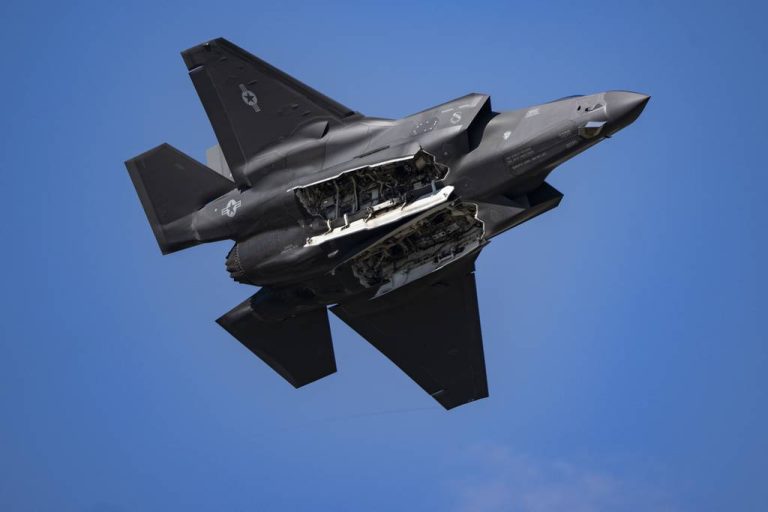
The National Guard’s budgetary wish list would restore the dozen fighter jets the Air Force trimmed in its original fiscal 2025 request, and allow the service to buy all of the F-15EXs it originally planned.
The nearly $2.7 billion unfunded priorities list the Guard submitted to Congress asks for another $690 million to buy six more F-15EX Eagle IIs, and another $660 million for six more F-35A Joint Strike Fighters. The $1.35 billion price tag for the additional fighters makes up a little more than half of the National Guard’s unfunded priorities request.
The Air Force earlier this month released a proposed budget that called for buying 42 F-35As from Lockheed Martin and 18 F-15EXs from Boeing, a reduction of six each from what the service had originally projected it would buy. And the service said it planned to cap the total purchase of F-15EXs next year at 98, down from the 104 the service most recently expected to buy.
Air Force Secretary Frank Kendall said before the budget release the service “had to make some hard choices” to fit within the spending caps set by the Fiscal Responsibility Act Congress passed last year. As a result, the service cut its procurement spending by $1.6 billion and boosted its research, development, test and evaluation budget by a similar amount.
The Air Force also said the delay in the F-35 upgrades known as Technology Refresh 3 partly prompted it to dial back its fighter procurement.
The Air Force’s own unfunded priority list did not ask for any additional fighters in 2025.
The National Guard said in its unfunded priorities list that boosting the F-35 purchase next year will allow the Air National Guard to finish building a sustainable fleet of five squadrons flying the advanced fighter jet and increase its capacity in the Indo-Pacific region. It will also allow the Guard to finish standing up another training squadron to help pilots learn how to fly the F-35.
The Guard said the additional Eagle II fighters would let it finish building a fleet of three combat squadrons that fly F-15EXs and would maximize the defense industrial base’s output of these jets.
And the Guard asked for another $288 million to buy more conformal fuel tanks for F-15EXs to extend their range and capability. The Air National Guard wants to have 54 conformal tanks in all in its inventory.
Another $349 million in the request would help the Air National Guard pay for 16 more C-130J Super Hercules transport aircraft expected to arrive in 2026. Congress has not provided enough money to pay for recapitalizing two C-130H units in the guard, the request said, and the additional money would fix that shortfall.
The Air National Guard also wants another $52 million to give its pilots about 4,600 more flying hours. The unfunded priorities list includes $110.4 million for 803 more recruiters, civil engineers, security forces and maintainers.
Stephen Losey is the air warfare reporter for Defense News. He previously covered leadership and personnel issues at Air Force Times, and the Pentagon, special operations and air warfare at Military.com. He has traveled to the Middle East to cover U.S. Air Force operations.
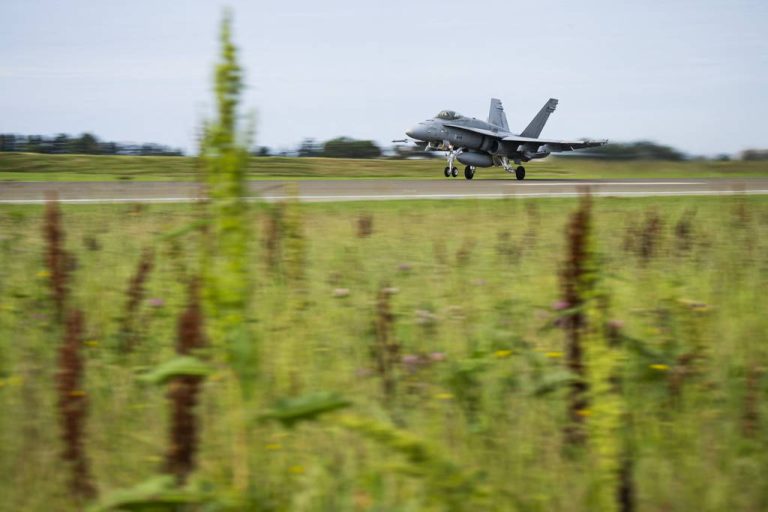
LONDON — With all Nordic countries now part of NATO, the nations must manage how to reconcile and integrate national as well as regional security needs and initiatives with what the alliance requires, which could necessitate changes to existing command structures, officials have said.
In March 2023, the commanders of the Swedish, Norwegian, Finnish and Danish air forces signed a declaration that envisioned the creation of a joint Nordic air force to protect their shared airspaces.
The concept called for the nations to integrate air command and control, joint operations planning, and execution; create flexible air basing; share situational awareness; and produce common air education programs and training exercises.
While the countries have experience in military cooperation, this level of integration between them is unprecedented. Acting as a coordinated force in the air rather than independently will require a shift in the way each nation approaches its airspace security, according to the chief of operations for the Royal Danish Air Force.
“All nations take great pride in their national commands and forces, and our sovereignty is paramount, [but] in order to effectively join our forces, Nordic countries need to have a minute-to-minute command function, which can plan and execute operations, including the use of weapons in defense of our territories,” Col. Søren Andersen said March 27 at an air warfare conference hosted by the London-based Royal United Services Institute think tank.
“For instance, effectively defending Copenhagen would require very close coordination between Sweden, allies and Swedish airspace,” he added. “It requires consensus. … It doesn’t work in a way where I just grab the phone and say, ‘Do you think we should shoot this guy or not,’ and then we can vote on it.
“So it needs to be more firm than that.”
All the Nordic countries are expected to share management responsibilities for the combined military force, but this may require them to release some level of control to a higher authority.
The proposal of a combined polar air force structure has earned the title “mini-NATO” — a notion some officials don’t seem fond of.
“This Nordic initiative is in no way to be seen as a substitute or replacement to NATO, but as part of it,” Andersen told conference attendees.
Along the same lines, Lt. Col. Jan Bjurström, deputy director of air operations in the Finnish Air Force, said “Nordic air forces are not planning a separate structure, but one that complements the military alliance as a whole.”
During his presentation, the Danish official touched on what he called the command structure dilemma, surrounding the challenges of having to consider national, Nordic and NATO operational perspectives. Now that all Nordic states are NATO members, there is the question of how their individual and regional responsibilities will fit within the military alliance’s current command-and-control structure.
A statement published last month by the Norwegian Armed Forces, said the NATO command over the Nordic region would “soon” be transferred from the headquarters in Brunssum, Netherlands, to Joint Force Command-Norfolk in the United States.
The alliance’s command-and-control structure was not specifically designed with territorial defense in mind — something the air chiefs said will need revised to include a Nordic agency.
“The Nordic air power concept and Nordic air operations center need to be aligned with NATO plans and structure. This means that NATO’s C2 needs revision to implement this [air operations center] into it,” Bjurström said.
During the Nordic Response exercise this year, a temporarily combined Nordic air operations center was set up for the first time as a test at the Bodø Air Base in Norway. The center was made up of personnel from the air forces of Denmark, Finland, Norway and Sweden (Iceland does not have a military).
Elisabeth Gosselin-Malo is a Europe correspondent for Defense News. She covers a wide range of topics related to military procurement and international security, and specializes in reporting on the aviation sector. She is based in Milan, Italy.
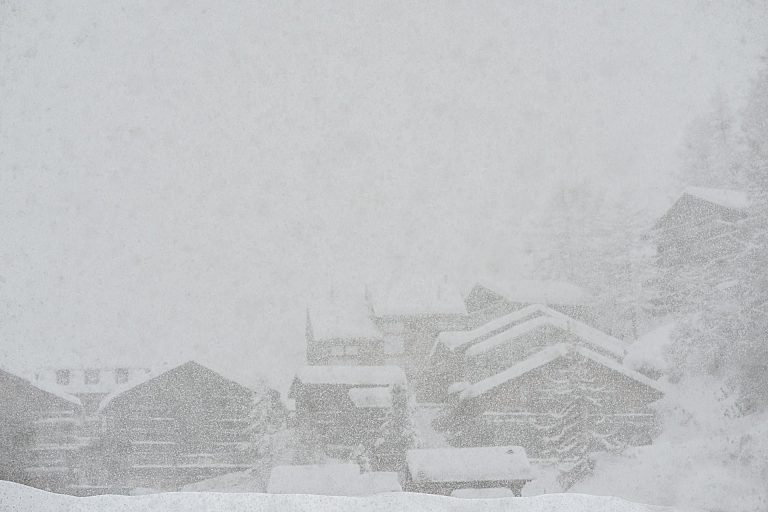
The weather forecasts warned of possible ice ahead. As it was raining and getting colder on that Friday afternoon, my husband and I decided to head to the nearby Wal-Mart to grab some extra supplies and dry ice for our freezers in case of a power outage.
I intended to stock up on essentials like bottled water, batteries, and dry ice, which tend to vanish when the weather gets rough. To my astonishment, there was no shortage of any of these items. Either folks were already geared up for bad weather, or they simply weren’t heeding the weather warnings.
The storm struck twice within a span of three days. Ice began to accumulate on trees, power lines, cars, and plants around 5 pm as dusk settled. We sprinkled some ice melter on the front steps, realizing we were down to just half a bag.
After dinner, we settled down to watch a movie. Outside, occasional flashes of light pierced the darkness, but without any accompanying thunder. The house lights flickered and the TV repeatedly shut off. Later, we realized these were the initial signs of transformers blowing throughout our town.
By 9 pm, the power went out completely. With no lights, TV, or heater, we relied on candles and flashlights to navigate the house, unplugging appliances and electronics to safeguard them from potential power surges upon restoration. This precaution ended up saving us a lot of trouble and money when the power eventually returned.
I turned on our gas cookstove oven and opened its door. We had chosen this stove primarily because its oven operates without electricity, as long as it has natural gas and pilot lights. Despite concerns about heating with a gas cookstove, we ensured our old, drafty house had ample ventilation and carbon monoxide detectors.
Although the power returned at 11 pm, we were already heading to bed, so we left everything unplugged. We turned off the cookstove as the forced air heater resumed. Around 1:30 am, the power went out again, prompting my husband to switch the cookstove oven back on and seal off the bedroom.
The following day unfolded as a leisurely snow day. With no need to venture outside and the computer off due to the power outage, we occupied ourselves indoors. It was a peaceful and productive day; I started a new knitting project and baked cookies while keeping the radio on for updates. Despite the hourly reports affirming the icy conditions outside, the national talk shows played on as usual.
As sunset approached, we decided we wanted to listen to shortwave radio. My husband searched the basement and attic with a flashlight, but we couldn’t recall if we had given the radio away when we left the farm.
It’s crucial to store preparedness items in a convenient, easily accessible location. However, amidst our preparations, we found ourselves intermittently tuning in to the local station before finally switching it off.
Inside, the temperature settled at 58 degrees, which wasn’t too uncomfortable. Layered up with extra wool sweaters and thick socks, we welcomed the company of our dogs on the couches. However, despite our efforts to stay warm, the darkness proved too overwhelming for activities like reading and knitting.
In a bid to improve our lighting situation, I rummaged through boxes in search of our oil-burning Aladdin lamps. However, once again, we couldn’t recall if we still owned them or if they were left behind at the farm. Similarly, our search for the PetroMax lantern proved futile, as did our attempt to locate its pump. Instead, we found ourselves with only a solar panel and deep cycle battery, items intended for a different purpose. It’s essential to ensure that all preparedness equipment is functional. Having the gear is pointless if it doesn’t work when needed.
That night, we left the kitchen cookstove oven on, closed the bedroom door, and cracked open the bedroom windows to let in some cold air. Despite the chilly temperatures outside, we stayed warm and calm under flannel sheets and down comforters with our furry companions. Throughout the night, we were awakened by the sound of ice forming and trees breaking, followed by the unsettling noise of ice and branches falling. By morning, the bedroom was freezing, but upon closing the windows and opening the door to the rest of the house, warmth flooded back in.
On Sunday morning, we realized that our inefficient heating system was allowing heat to escape into the attic. We hung a blanket across the attic stairway to block this heat loss, but acknowledged that a door would have been more effective. This oversight likely contributed to high utility bills throughout the winter.
It’s essential to inspect your home for heat efficiency. Proper insulation, weather stripping, and doors between rooms can help contain heat where it’s needed. Although the power remained off, we were fortunate that the water continued to flow and the gas water heater remained operational. We took hot showers by candlelight.
Around the same time, concerns arose about the second-floor kitchenette, where the plumbing was situated in a room hovering around 45 degrees. We brainstormed solutions reminiscent of those we used on the farm: heat lamps (not an option without power), oil lamps (couldn’t locate), candles (deemed too risky), and so forth. Eventually, we resorted to allowing some heat into the poorly insulated room to prevent the pipes from freezing.
We kept the faucets trickling and placed a pan of hot water under the sink to circulate warmth around the pipes. This method, while effective, resulted in wasteful heating of an entire room simply to safeguard the pipes due to the absence of a more efficient solution.
Knowing the layout of your house’s plumbing system and having a plan to prevent pipes from freezing and bursting is essential for winter preparedness.

We were unable to attend church as our car was literally frozen in place under a thick sheet of ice. Outside, the landscape was transformed into a slippery, glistening expanse of ice. Despite recent efforts by road-salt trucks, the streets remained treacherous. Icicles adorned power lines, trees, and bushes, while some plants resembled frozen sculptures, encased in a glassy shell.
The intermittent sound of cracking and crashing trees echoed throughout the city, occasionally accompanied by the metallic crunch of a tree colliding with a parked car. With the last of our granulated salt depleted, we realized the importance of stocking up on basic yet critical supplies.
As we pondered whether my husband’s students would make it for their lessons, we were confronted with the realization that none of them had canceled. Our attempts to communicate were thwarted by a dead phone line, highlighting the necessity of having alternative communication methods during power outages.
It’s essential to have a corded phone for emergencies, as cordless phones are rendered useless during power outages. Additionally, keep an adapter in your vehicle to charge your cell phone, as plug-in chargers won’t function without electricity. Having emergency numbers readily available is crucial, especially if your phone service relies on high-speed internet, as 911 may be inaccessible.
Amidst the chaos, my husband decided to chip away at the ice encasing our car. However, my attention was drawn to the numerous downed power lines littering the area. It’s imperative to survey the surroundings for safety hazards, as downed power lines can still carry live electricity.
The widespread damage caused by the storm indicated that power restoration would likely be a prolonged process. It’s crucial to prepare for the worst-case scenario and anticipate longer-than-expected repair times.
With trepidation, we inspected our property, noting the heavy icicles weighing down power lines and tree branches. The creaking of ancient maples served as a reminder of the potential danger posed by falling trees. We conducted a thorough assessment to identify any vulnerable areas, acknowledging that some risks were beyond our immediate control.

The dog pens could be at risk of being crushed, so we let the three dogs out, and they happily gather on the covered back porch. With temperatures hovering around freezing, they play comfortably in their thick winter coats.
Tasks take longer than expected, and walking becomes hazardous due to the lack of ice melter. Even simple chores, like opening the frozen trash can, become challenging.
Listening to radio reports, we hear that roadways are mostly clear but need to be cautious of downed power lines. Despite the impending ice, we decide to drive to Wal-Mart to assess the community’s response.
Arriving at Wal-Mart, we notice the dimly lit aisles and few customers. Supplies are running low, and tensions seem to rise as people scramble to secure remaining items.
48 hours into the ice storm, the only Wal-Mart in town is completely out of essential items like candles, bottled water, and batteries. Even everyday items like bread and soup are in short supply.
Unexpectedly, car cell phone chargers and cheap corded telephones are nowhere to be found, highlighting the widespread disruption caused by the power outage. Additionally, the only gas station still open operates on a cash-only basis, leading to frustration among customers.
As we head home, we pass several closed and darkened gas stations, emphasizing the widespread impact of the storm on the community’s resources.

Three and a half days later, our power was restored. We waited several hours before reconnecting everything, mindful of potential power surges. Unfortunately, many others didn’t wait or forgot to unplug their appliances, resulting in a surge of dead electronics and appliances lining the curbs the following week.
During power outages, it’s crucial to unplug all appliances. Wait until the power stabilizes before reconnecting them to prevent damage from electrical surges.
In the aftermath of the storm, generators became a hot commodity, with vendors selling out quickly at marked-up prices. However, some users mishandled them, leading to costly mistakes. One person burned out their generator within the first 24 hours due to improper usage, while another yielded to neighbor complaints about noise, only to suffer frozen pipes and subsequent property damage.
If you own a generator, take measures to reduce noise disturbance for neighbors, ensure you understand its operation, and stock up on fuel and oil for emergencies.
The city grappled with power outages for another three weeks, resulting in extensive property damage. Despite narrowly avoiding damage to our property, we still incurred significant financial losses. Additionally, my husband’s students faced various challenges, from frozen pipes to livestock water supply issues, disrupting their lives.
At my clinic, where I work, the prolonged power outage prevented patient care and led to the loss of expensive refrigerated medications. It took over four months for the city to clear the extensive debris left by the storm.
We could’ve handled things more effectively. The ice storm served as a wake-up call, reminding me of things I already knew but hadn’t acted upon. We’ve managed to find the misplaced Aladdin lamps, PetroMax lantern, and shortwave radio, and ensured we could operate them in darkness. Additionally, we’re finally installing the solar panel that has been sitting in the closet for years. All our emergency supplies are now consolidated in one spot, and we’ve stocked up on more batteries, small propane canisters, and extra lamp mantles and chimneys.
Reflecting on the storm, we realize how fortunate we were. Unlike friends who relied on electric appliances and had to seek alternatives like truck stop showers, we had natural gas for cooking and heating. We didn’t have to waste gasoline searching for fuel or risk losing our food supply, thanks to the dry ice in our freezers. Plus, we had plenty of food options, mostly consisting of soup.
We also had non-electric entertainment and games to pass the time, and our home was warm enough that we didn’t need to seek refuge in crowded shelters. With many businesses closed, we didn’t have any urgent commitments during the day.
Having emergency funds stashed away meant we didn’t panic when ATMs were down, and we were able to assist a friend in need. Despite the challenges, we didn’t endure significant hardship.
The situation could have been far worse. The flickering power at Wal-Mart hinted at larger problems with the hospital’s power supply. If Wal-Mart had gone down, it would have affected the last open gas station and all emergency services.
Although we were fortunate when the blizzard hit, the experience taught us valuable lessons. With better planning and preparedness skills, we hope to handle whatever challenges come our way in the future.
This article was submitted by Amanda Rooney.
Recommended resources:
Securing the best wood for fire and shelter
The #1 food of Americans during the Great Depression
How to build a proper winter shelter
How To Build The Invisible Root Cellar
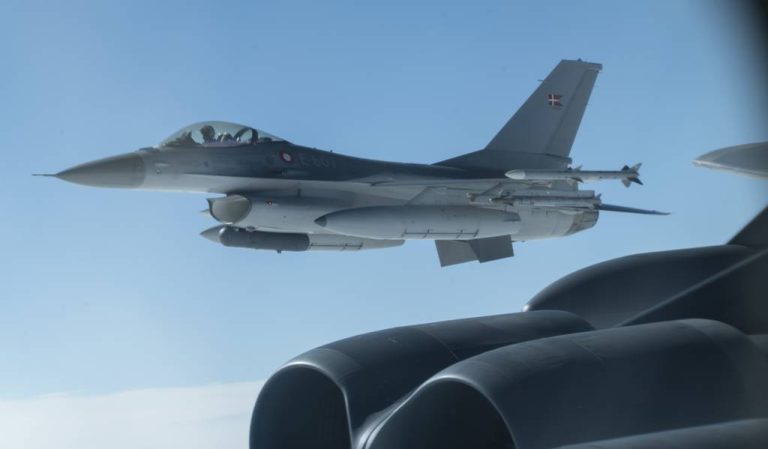
SANTIAGO, Chile — Argentina has signed an agreement to buy 24 surplus F-16 fighter jets from Denmark.
Denmark is replacing its F-16 fleet with new F-35 jets, both of which are made by the American company Lockheed Martin.
Argentine Defense Minister Luis Petri and his Danish counterpart Troels Lund Poulsen signed a letter of intent for the sale in Buenos Aires on March 26. The U.S. ambassador to Argentina, Marc Stanley, attended the event.
“Denmark is donating 19 F-16 jets to Ukraine, and the government has decided to sell 24 Danish F-16 jets to Argentina,” Lund Poulsen said in a statement, describing the transaction as a “possible sale.”
“The decision to sell the Danish jets to Argentina has been carried out in close collaboration with the American government, who has approved the sale of the US produced aircrafts,” the Danish Defence Ministry noted in the statement.
Local military sources in Buenos Aires, speaking to Defense News on the condition of anonymity due to the sensitivity of military deals, said Argentina will pay $320 million for the acquisition. They also said banks and the U.S. will provide loans to help finance the deal, which not only includes the aircraft but also weapon systems and other equipment made by U.S. businesses. Denmark is also set to provide simulators and a spares.
Those sources added that the final contract will be signed by the end of April in Copenhagen.
The U.S. Defense Security Cooperation Agency will manage the sale and transfer of weapon systems such as AIM-120 advanced medium-range air-to-air missiles, under the Pentagon’s Foreign Military Sales program.
Denmark’s Acquisition and Logistics Organisation will handle the transfer of surplus F-16s, while the Argentine military’s logistics directorate will surpervise the procurement process.
Negotiations for the deal, which began under Argentina’s previous government led by then-President Alberto Fernandez, also considered the procurement of newly built Chinese/Pakistani-made JF-17 fighter jets.
The potential acquisition of the JF-17 was rejected over concerns it could jeopardize relations with the U.S. military.
José Higuera is a Latin America correspondent for Defense News.
