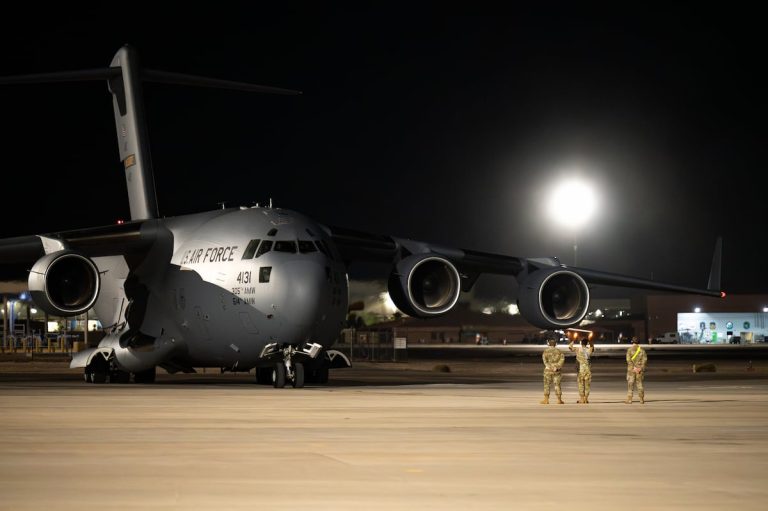
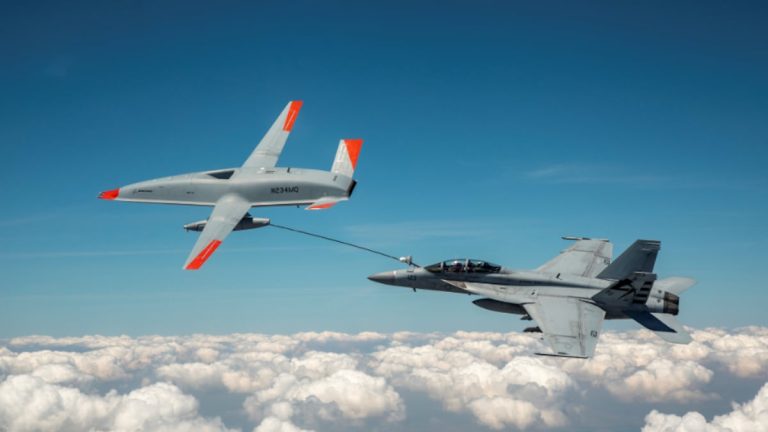
Air Force wants to expand enlisted airmen exchanges with Australia

0

The Air Force wants to expand its international exchange program for enlisted airmen to improve cooperation between allies in case of a major war in the Pacific.

Chief Master Sergeant of the Air Force David Flosi said Wednesday at the Senior Enlisted Leader International Summit in Washington that the expanded international exchange for enlisted airmen would start with nations in the “Five Eyes” alliance with the United States — Australia, Canada, New Zealand and the United Kingdom.

And work is already under way to expand the U.S.’ partnership with the Royal Australian Air Force, Flosi said.

Flosi and his Australian counterpart, Warrant Officer of the Air Force Ralph Clifton, have “been working already on a plan inside the Royal Australian Air Force to find opportunities for us to not only learn from each other, but to become interchangeable,” Flosi said. “We’re looking to expand that rapidly.”

Details regarding how such international enlisted exchanges will work are still being sorted, and an implementation timeline has not yet been set, Flosi’s office said.

The Air Force and other U.S. services in recent years have been shifting focus from the wars in Iraq and Afghanistan to a potential war in the Pacific, which is requiring the military to dramatically rethink how it fights.

In the Middle East, the Air Force operated in relatively uncontested environments, Flosi said, with comfortable runways, assured supply chains, robust communications networks and complete air superiority.

“In that environment, we could roll in deep,” Flosi said. “That environment does not exist in the Indo-Pacific theater. All of those capabilities are contested.”

The U.S. is working to expand partnerships with allied nations — such as the trilateral AUKUS alliance with Australia and the U.K. — to prepare for a conflict if China attempts to reunify with Taiwan by force.

The enlisted international partnership plan is not an AUKUS effort, but it is similarly intended to strengthen cooperation between the nations’ militaries before a conflict erupts, Flosi’s office said.

The Air Force also sent a bomber task force of B-2 Spirit stealth bombers to Royal Australian Air Force Base Amberley on Aug. 16 to train alongside allies and partners.

Flosi pointed to growing cooperation with enlisted members of the Saudi Arabian and Jordanian air forces as other examples of strengthened partnerships. There have also been recent opportunities to work with Finland and Sweden as NATO’s newest members.

Additionally, the new Inter-Pacific Air Forces Academy graduated its first class in November 2023, which consisted of six American noncommissioned officers and 13 NCOs from European and Indo-Pacific countries.

“Being able to learn from each other was a great opportunity for us, and we believe it was mutually beneficial for our partners in the region,” Flosi said of the relationships with the Saudis and Jordanians.

Stephen Losey is the air warfare reporter for Defense News. He previously covered leadership and personnel issues at Air Force Times, and the Pentagon, special operations and air warfare at Military.com. He has traveled to the Middle East to cover U.S. Air Force operations.

Ukraine’s F-16s doing ‘good job,’ Netherlands military chief says

0

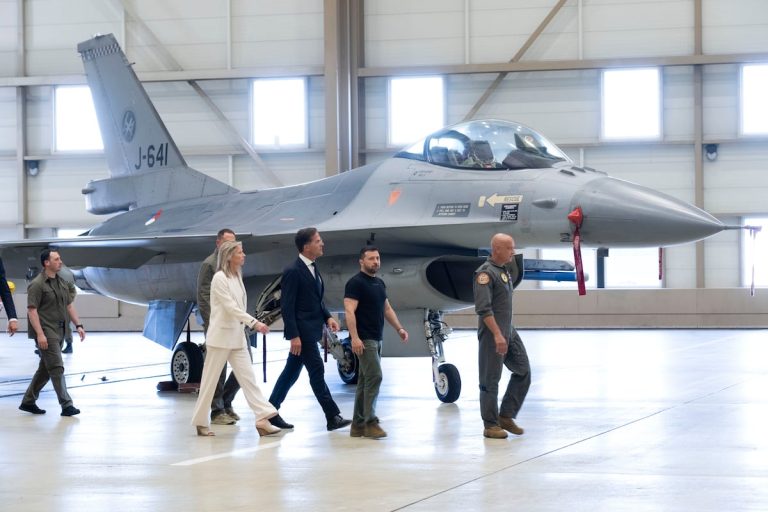
PARIS and WASHINGTON — F-16 fighter jets delivered to Ukraine by the Netherlands are operational and doing a “good job,” Dutch Chief of Defence Gen. Otto Eichelsheim said.

The Netherlands will provide Ukraine with 24 of the jets as well as weapons, with no limits on how the arms can be used beyond compliance with humanitarian law, Eichelsheim said at a press briefing in Washington on Wednesday. Should Ukraine see a military need to use its F-16s for deep strikes into Russia, “then we have no restrictions on that,” the general said.

Ukraine used Western-supplied F-16s to shoot down Russian missiles this week in two waves of attacks targeting residential areas and energy infrastructure, according to President Volodymyr Zelenskyy.

Eichelsheim declined to say how many aircraft are already operating in Ukraine, citing the security of Ukrainian forces.

The Netherlands is stationing a further 18 F-16s for pilot training in Romania, and some of those aircraft could be given to Ukraine in the future, the general said. Additional airframes will become available for Ukraine as more countries in Europe shift to the F-35 Joint Strike Fighter, he added.

“Focus should be now on getting the pilots and technicians trained well,” Eichelsheim said. “We have the capability ready in Romania to train Ukrainian pilots. We will see now a shift from the older pilots that were trained on the MiGs that we have now converted to the F-16, towards young pilots that are coming out of the training pipeline.”

The biggest challenge will be to sustain the F-16 fleet with personnel and materiel, the Dutch general said. The Netherlands is providing Ukraine money and data to keep the jets flying, with parts delivery and aircraft overhaul to be handled mainly by civilian contractors employed by the Ukrainian government.

“That will be done inside Ukraine, and we will be providing the Ukrainians with the financial assets to do that,” Eichelsheim said. “Understand that are always difficulties in this, because you have then perhaps foreigners working on Ukrainian soil. So there will be always a risk involved there.”

F-16s and their airfields will be a primary target for Russia, and protecting them will require layered air defense, according to Eichelsheim. Ukraine has a good sensor system that provides enough early warning to allow the jets to react to threats, the general said.

Eichelsheim met with officials in Washington to discuss the Dutch initiative to supply Ukraine with additional Patriot systems, as Zelenskyy is expected to request more air-defense assets following Russia’s air attacks this week.

He described Ukraine’s incursion into Russia’s Kursk Oblast as “technically very well executed,” using maneuverability and new techniques and technologies to quickly seize terrain. Kyiv’s military could choose to expand the push there, Eichelsheim said, in which case Ukraine’s allies should be prepared to ponder an military-aid request from Kyiv to sustain the presence in the Russian oblast.

The operation boosted Ukrainian morale, and has given the country a bargaining chip with Russia.

“From a military perspective, they can then provide dilemmas for the Russian Federation, and I think that’s what they should do,” Eichelsheim said. “You have to give them the maneuverability to win the fight, if it is so static on the other front,” he added, referring to fighting in Ukraine.

Russia has kept up its Donbas offensive for now, while Ukraine has depleted part of its reserves with the Kursk incursion, and time will tell whether the operation was a strategic success, according to the general.

“But strategically, you would like to see a reaction coming out of the Russian forces, and that’s a reaction we still did not see.”

The continued Russian focus on Donbas “shows something” about how Russian leader Vladimir Putin sees his territory and people, according to Eichelsheim. “If I was a Russian, I would be worried about it.”

With both sides dug in “quite deeply,” it will be very hard for Ukraine to regain territory, and for Ukraine to take the offensive will require materiel for more brigades, including artillery ammunition, fighting vehicles, main battle tanks and electronic warfare assets, according to Eichelsheim.

The Dutch general met with arms maker RTX during his Washington visit to discuss cooperation between U.S. and European companies. Conversations revolved around how missiles needed by Europe and Ukraine, such as FIM-92 Stingers, AIM-120 AMRAAMs and interceptors for the Patriot system, can be built more quickly.

Eichelsheim said he received a “very positive” response, and now European countries will need to provide more clarity on their needs and timetables, and what their respective industrial bases can contribute.

“We have to work the details out in the near future,” Eichelsheim said. “But also, how can we discuss this with the U.S. government? Because they play an important role as well. It’s U.S. technology that needs to be produced and shared.”

Ruitenberg reported from Paris; Robertson reported from Washington.

Rudy Ruitenberg is a Europe correspondent for Defense News. He started his career at Bloomberg News and has experience reporting on technology, commodity markets and politics.

Noah Robertson is the Pentagon reporter at Defense News. He previously covered national security for the Christian Science Monitor. He holds a bachelor’s degree in English and government from the College of William & Mary in his hometown of Williamsburg, Virginia.

First F-35 for Poland rolls out of Lockheed’s Fort Worth plant

0

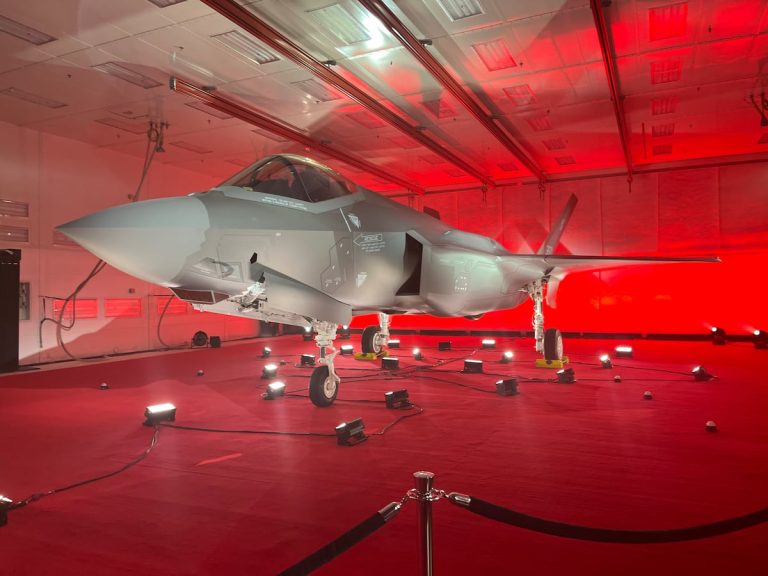
FORT WORTH, Texas — Polish defense leaders got at sneak peek at the country’s first F-35A combat jet on Wednesday during an unveiling ceremony at Lockheed Martin’s manufacturing site here.

Warsaw ordered 32 of the fifth-generation planes more than four years ago. The $4.6 billion deal is a key pillar in a multibillion-dollar modernization program by the NATO member, a former Eastern Bloc nation, to modernize its forces as a hedge against Russian aggression.

The delegation visiting the F-35 manufacturing hub was led by Polish deputy national defense ministers Paweł Bejda and Cezary Tomczyk.

“Poland is the only country in the world that shares borders with Russia, Ukraine and Belarus. To keep the borders unchanged, we need the best equipment, the best capability, and the best friends,” Tomczyk said during the ceremony.

Greg Ulmer, president of Lockheed Martin Aeronautics, said Poland’s F-35 acquisition was built on earlier procurements of Lockheed Martin aircraft by the Polish Air Force.

“Our successful collaboration spans multiple aircraft programs, including the C-130 Hercules, the F-16 Fighting Falcon, and now the F-35A Lightning II,” he said.

As further aircraft are expected to leave the plant’s production lines, the jets will be used at the Ebbing Air National Guard Base in Fort Smith, Arkansas, between this year and 2026 as the first trainers for Poland’s pilots.

The first F-35s are scheduled to arrive in Poland in 2026, making the nation the jet’s first user in Eastern Europe, with the Czech Republic and Romania slated to follow suit. The new aircraft will continue to be delivered to the Polish Air Force until 2030 in batches of between four and six units per year, according to the country’s Ministry of National Defence.

The new planes will enable the Polish Air Force to expand its modern combat aircraft capacities, adding the F-35s to its fleet of F-16 C/D Block 52+ jets and FA-50 light attack aircraft.

Last year, Poland donated a number of its Soviet-made Mikoyan MiG-29 jets to Ukraine to support the country’s defense against Russia. The Polish military also operates outdated Sukhoi Su-22 jets, but the last units are expected to be withdrawn from service around 2025.

In the meantime, Lockheed Martin hopes that, with the Polish delivery pipeline now turned on, the company will have a foot in the door for an additional batch of 32 fighters from the Polish government.

Warsaw is mulling plans to buy more jets of a yet undisclosed type, based on its Air Force’s recommendation.

While Lockheed Martin is pitching a second F-35 deal to Poland, the nation’s National Defence Ministry is analyzing whether to acquire a different aircraft type that would provide the military with new air-superiority capabilities.

The Eurofighter Typhoon, an aircraft manufactured by a consortium of Airbus, BAE Systems and Leonardo, and Boeing’s F-15EX also are in the running for a prospective contract.

Under the previous government of the Law and Justice party, Poland was seen as gravitating toward one of the U.S. aircraft types.

“We need at least two more squadrons of multirole aircraft,” Mariusz Błaszczak, an opposition lawmaker for the Law and Justice party and the country’s former defense minister, told Defense News. “This decision must be made at the military level. Various scenarios are being considered, among them, heavy twin-engine F-15EX or more F-35As and F-16s.”

However, in December 2023, the ousted right-wing Cabinet was replaced by a centrist coalition which has been making efforts to strengthen Warsaw’s ties with European partners, including in the field of defense.

While vowing to keep close relations with Washington, Polish Prime Minister Donald Tusk has strived to involve his country in a rising number of Europe-focused military projects. These include the European Sky Shield Initiative, an air defense project, as well as the pan-European program to build a new main battle tank.

In May 2024, OBRUM, a PGZ offshoot specialized in research and development for the country’s land forces, declared it is joining “the game for the European tank of the future.”

Jaroslaw Adamowski is the Poland correspondent for Defense News.

Locations To Scavenge For Supplies After SHTF – Part I

0

The reality of emergency preparedness hits hard when you realize that perhaps you won’t have the means to fully prepare for a disaster. In fact, prepping requires quite a lot of money in the long-run and we have to figure out ways to cut corners here and there. Even if you do have the means to buy all the stuff you assume will be needed after SHTF, did you made a backup plan for when your supplies run out?

Most folks will have to rely on scavenging to survive when there are no more supplies in their homes and while this may not be the best course of action, it does bring a temporary disaster relief. So, today we are going to discuss the most suited locations to scavenge for supplies.

If you are scavenging, you are not a looter!

Looters are fully aware that their actions will cause someone to notice the missing items. They understand that the owner will eventually come back and realize what has been taken. Because of this, looters are essentially no different from ordinary criminals.

Scavengers, on the other hand, operate under completely different circumstances. They only seek out abandoned items after society has collapsed, and they focus on things that have been discarded or are unlikely to be missed by anyone.

There may be instances where it’s necessary to take food or medicine that will be missed by others, but I believe this is justifiable if it means saving a life. However, taking supplies directly from someone’s hands is a different matter entirely.

I know some strict legalists argue that theft is always wrong, no matter the situation, but in my view, morality isn’t just a simple set of rules. People who can’t handle the morally ambiguous situations that arise in extreme circumstances are unlikely to fare well when everything falls apart.

Make a plan if you plan on scavenging

If you intend to scavenge, it’s crucial to have a solid plan in place to maximize your efforts and minimize risks. Scavenging isn’t just about randomly searching for supplies; it’s about strategically locating resources that can help you survive in the long run. Careful planning and preparation are essential to ensure that you don’t waste valuable time and energy or put yourself in unnecessary danger.

Send a scout and map out locations

Before setting out on a scavenging run, it’s wise to send a scout ahead to survey potential areas worth exploring. The scout’s primary goal is to assess the safety of each location and identify which spots are most likely to contain valuable supplies, such as food, medicine, fuel, or tools. This initial reconnaissance can save time and prevent you from wandering into hazardous or heavily guarded zones.

Mapping out these locations is equally important. Create a detailed map highlighting key areas worth checking out, along with any notable risks or obstacles. Mark any places that have already been searched, spots that seem promising, and any locations that are too dangerous to approach. This map will serve as a critical reference point for your team and help coordinate efforts effectively.

Prioritization is key

When prioritizing which mapped locations to check first, the strategy should focus on a combination of proximity and the potential abundance of resources. Start with locations that are close by and easy to access, especially if they are likely to contain essential supplies. This approach conserves energy and time, allowing you to gather what you need quickly and return to safety.

Once nearby areas have been assessed and cleared, consider locations that, while slightly farther away, offer a high likelihood of valuable resources. If you need specific items urgently, prioritize places most likely to contain those goods, even if they require a bit more effort to reach. Always weigh the potential gain against the risk involved—choosing locations where the effort is justified by the possible rewards.

Keep in mind that flexibility is key. As you gather more information, be prepared to adapt your strategy, adjusting your priorities based on what you find or any changes in the situation around you.

Locations to scavenge for supplies

Gas stations

gas stations are ideal for scavenging

Gas stations are valuable locations for scavenging because they are often positioned along main roads and highways, making them easy to locate and access. They are designed as convenient stops for travelers and therefore tend to stock a variety of essential supplies beyond just fuel. The compact size of gas stations allows for a quick search, and they are often situated in clusters, offering multiple opportunities for scavenging within a short distance.

At a gas station, you might find fuel, which is crucial for powering vehicles, generators, and other equipment. Additionally, many gas stations have convenience stores that stock food and drinks, such as bottled water, canned goods, snacks, and other non-perishable items. These stores might also have basic medical supplies like first aid kits, over-the-counter medications, and hygiene products. You can also find vehicle-related items like motor oil, coolant, car batteries, and tires, which are useful for maintaining vehicles. Other possible finds include maps, flashlights, batteries, and even propane canisters or other fuel types, depending on the station.

Fire stations

Fire stations are excellent locations for scavenging due to the unique range of supplies and equipment they contain, which are specifically geared towards emergency response and survival. Fire stations are typically built to withstand emergencies, meaning they often have a stockpile of essential gear that can be invaluable in a survival situation. Additionally, these locations are often equipped with backup power sources, secure storage areas, and potentially less-visited by other scavengers, making them more likely to still have resources available.

At a fire station, you can find a variety of medical supplies such as first aid kits, trauma bags, stretchers, and oxygen tanks, which are crucial for treating injuries and medical emergencies. Firefighters often have high-quality protective clothing like fire-resistant suits, gloves, helmets, and boots, which can be repurposed for protection against harsh conditions. They also store tools like axes, crowbars, and bolt cutters that can be useful for breaking into locked or barricaded areas.

Other valuable items you might find include communication devices like radios, batteries, and flashlights, as well as emergency rations, bottled water, and fuel reserves for emergency vehicles. Fire stations may also have breathing apparatus, ropes, and harnesses that could be useful for navigating through hazardous areas

Churches

Churches can be surprisingly good locations for scavenging due to their role as community centers and places of refuge, especially in times of crisis. They often serve as gathering points for donations and emergency supplies, meaning they could have a variety of useful resources. Additionally, churches are often located in easily accessible areas and may not be the first places people think to search, which could leave them relatively untouched compared to more obvious locations like stores or gas stations.

Inside a church, you may find a variety of supplies such as non-perishable food items, bottled water, and blankets, which are commonly collected for community outreach or emergency aid. Churches also frequently store basic medical supplies, including first aid kits, bandages, over-the-counter medications, and hygiene products that are meant for people in need. You might find clothing donations, which can be valuable for staying warm or replacing damaged garments.

Other useful items could include candles, matches, or flashlights, which are often kept for emergency lighting, and cooking supplies like pots and pans if the church has a kitchen. Some churches also have tools, tarps, ropes, or other materials that can be repurposed for shelter-building or repairs. Moreover, churches sometimes have a stockpile of books, which can be used for information, education, or even just as a source of entertainment to keep morale up.

Hospitals

Hospitals are some of the most critical locations for scavenging due to the abundance and variety of medical supplies and equipment they house. As centers for healthcare, they are designed to handle a wide range of medical emergencies and treatments, making them rich in resources that are essential for survival in crisis situations. Hospitals are often large, with multiple departments, storage rooms, and specialized areas, each potentially containing different types of useful supplies.

Inside a hospital, you can find a vast array of medical supplies, such as bandages, gauze, sutures, antiseptics, painkillers, antibiotics, and other medications that are crucial for treating injuries, infections, and illnesses. You might also locate more advanced medical equipment like defibrillators, oxygen tanks, IV bags, and monitors, which can be lifesaving in more serious emergencies. Hospitals also have diagnostic tools, such as stethoscopes, thermometers, and blood pressure cuffs, which can be valuable for assessing health conditions.

Apart from medical items, hospitals can be good places to find personal protective equipment like gloves, masks, face shields, and gowns, which are essential for protecting against contaminants or pathogens. Many hospitals also have cafeterias or kitchens, where you might find food supplies, bottled water, cooking utensils, and other kitchen tools. There are often blankets, sheets, and other bedding materials, which can be useful for warmth or makeshift shelters.

Hospitals are typically equipped with backup generators, so you may also find fuel or batteries. They often have communication equipment like radios, which could be helpful for staying informed or contacting others. Given the wide range of medical and non-medical supplies available, hospitals are ideal locations for scavenging, particularly when in need of medical care, protective gear, food, or emergency equipment. However, they may also be heavily contested locations, so caution is necessary when approaching and searching them.

Grocery stores

Grocery stores are prime locations for scavenging due to the wide variety and abundance of essential supplies they typically offer. As hubs for food and household items, grocery stores are likely to contain a significant stockpile of goods that are critical for survival. They are often located in accessible areas within neighborhoods or along main roads, making them easy to find. However, they may also be popular targets for other scavengers, so timing and approach are key considerations.

Inside a grocery store, you can find a vast selection of food items, including canned goods, dried foods, grains, pasta, rice, beans, and other non-perishable items that have long shelf lives and provide essential nutrition. There may also be bottled water, juices, and beverages, which are vital for staying hydrated. In the frozen and refrigerated sections, you could find meats, vegetables, dairy products, and other perishables, but these items may spoil quickly if power is lost, so prioritize them early.

Beyond food, grocery stores stock a variety of other useful items like hygiene products, such as soap, toothpaste, shampoo, and toilet paper, which are essential for maintaining cleanliness and health. Many stores also sell basic medical supplies, including band-aids, antiseptics, over-the-counter medications, and vitamins. Household items like matches, batteries, candles, trash bags, and cleaning supplies can be invaluable for both daily use and emergency preparedness.

Grocery stores often carry pet food, which is useful if you have animals to care for, and they might also have tools and basic hardware supplies, depending on the store’s inventory. Additionally, some stores stock seasonal items like blankets, clothing, and outdoor gear, which can be useful depending on the weather conditions or specific needs.

While grocery stores can provide a diverse range of supplies, they are likely to be highly contested locations, so they should be approached with caution. It’s best to target less obvious stores, like those in smaller neighborhoods or rural areas, which may be less picked over than larger, well-known supermarkets.

frontbookbnr1

Restaurants

Restaurants can be valuable locations for scavenging, especially in the early stages of a crisis when other more obvious places may have already been looted. While they might not offer the same variety or volume of supplies as grocery stores, restaurants often have a concentrated stock of high-calorie foods, cooking ingredients, and kitchen equipment that can be extremely useful for survival. They are usually located in clusters in urban or suburban areas, making them relatively easy to find and access.

Inside a restaurant, you can find perishable foods like meats, dairy products, fresh produce, and bread in the refrigerators and freezers, which should be prioritized if the power is still on or if it has recently gone out. Non-perishable items such as canned goods, dried pasta, rice, flour, sugar, and spices are often stored in bulk and can be valuable for long-term sustenance. Many restaurants also stock cooking oils, vinegar, and sauces, which can be used to prepare a variety of meals or preserved foods.

Restaurants are also equipped with a range of kitchen tools and equipment, such as pots, pans, knives, and utensils, which are essential for preparing food. You might find fuel sources like propane tanks for grills or stoves, which can be repurposed for cooking or heating. Restaurants often have a supply of paper goods, including napkins, paper towels, and plastic utensils, as well as cleaning supplies like bleach, disinfectants, and detergents, which are useful for maintaining hygiene.

Additionally, restaurants may have bottled water, soft drinks, and alcohol, which can serve various purposes beyond consumption, such as sterilizing wounds or trading for other goods. You might also find containers, plastic wrap, foil, and other storage materials that can be helpful for preserving food or transporting supplies.

While restaurants might not have as much variety as grocery stores, they are still valuable locations for scavenging, especially for cooking supplies, food preparation tools, and ingredients. Focusing on smaller, less well-known restaurants or those in quieter areas may improve your chances of finding useful items that haven’t yet been picked over.

Marinas

marinas are ideal for scavenging

Marinas can be excellent locations for scavenging due to their unique combination of resources related to boating, water activities, and maintenance. These areas are typically equipped with a range of supplies and equipment that can be highly valuable, especially in situations where access to traditional resources is limited. Marinas are often situated near bodies of water, which can also offer additional opportunities for survival and transportation.

At a marina, you can find a variety of boating supplies such as life jackets, ropes, and flares, which are useful for safety and signaling. You may also come across fuel such as gasoline or diesel, which is essential for powering boats and can be repurposed for generators or vehicles. Many marinas have storage for fishing gear, including rods, reels, tackle, and nets, which can provide food and additional resources if you’re in an area where fishing is viable.

Marinas often feature maintenance and repair supplies like tools, lubricants, and spare parts for boats, which can be repurposed for repairing equipment or constructing makeshift solutions. You might also find navigational tools such as maps, compasses, and GPS devices, which are valuable for planning travel routes or exploring new areas.

In addition to these specific items, marinas typically have a range of other useful supplies. Many have small stores or shops that sell food and beverages, including non-perishable items like canned goods, snacks, and bottled water. You might also discover safety equipment like fire extinguishers, first aid kits, and emergency provisions, as well as camping gear, including tents and sleeping bags, if the marina caters to recreational users.

Marinas may also have outdoor gear and accessories, such as coolers, storage containers, and outdoor furniture, which can be repurposed for various needs. Additionally, the proximity to water can offer opportunities for collecting fresh water or using boats for transportation.

Given their specialized inventory and often less-visited status compared to other scavenging targets, marinas can be a treasure trove of useful resources, particularly for those needing equipment, safety gear, or outdoor supplies.

Pawn shops

Pawn shops can be highly valuable locations for scavenging due to their diverse inventory of goods, which often includes a wide range of items that can be repurposed for survival and practical use. These shops typically deal in second-hand goods, including electronics, tools, and personal items, making them a rich source of resources that might be less readily available elsewhere.

Inside a pawn shop, you can find a variety of tools and equipment, such as power tools, hand tools, and mechanical devices that are useful for repairs and maintenance. They often stock electronics like radios, flashlights, batteries, and even generators, which can be crucial for communication, lighting, and power. You might also come across firearms and ammunition, which could be valuable for protection and hunting, though this depends on local regulations and safety considerations.

Pawn shops frequently have a selection of jewelry, which can be used for barter or trading. They also carry household items like cookware, bedding, and furniture, which can be essential for setting up a livable space. Additionally, you might find personal items such as clothing, backpacks, and storage containers, which can be practical for everyday needs and organization.

Another useful category of items you might find includes musical instruments and hobby equipment, such as bicycles or sports gear, which could be repurposed for transportation or physical activity. Some pawn shops also have a collection of valuable collectibles, antiques, or rare items, which could be used for trade or barter in exchange for other necessities.

lostways1

To be continued

A second part of this article will follow shortly where we discuss more locations that are worth scavenging. Stay tuned!

Suggested resources for preppers:

How to find Food in any Environment

The #1 food of Americans during the Great Depression

Survival Foods of the Native Americans

If you see this plant when foraging, don’t touch it!
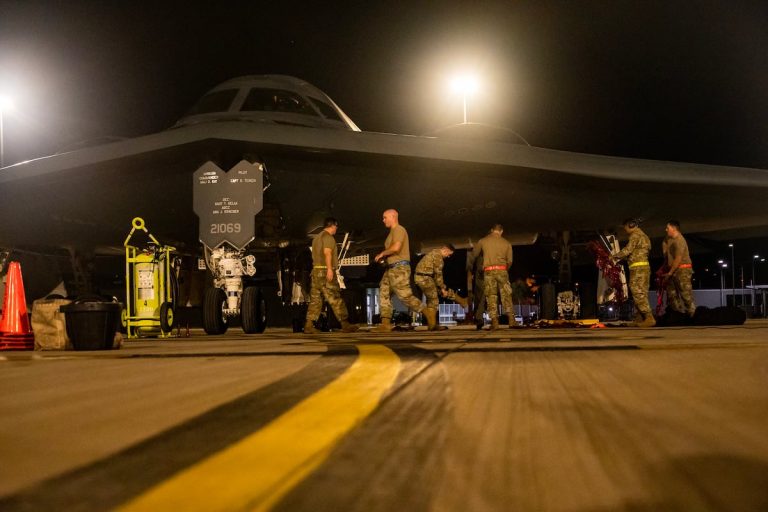
Air Force receives new aircraft for electronic-attack missions

0

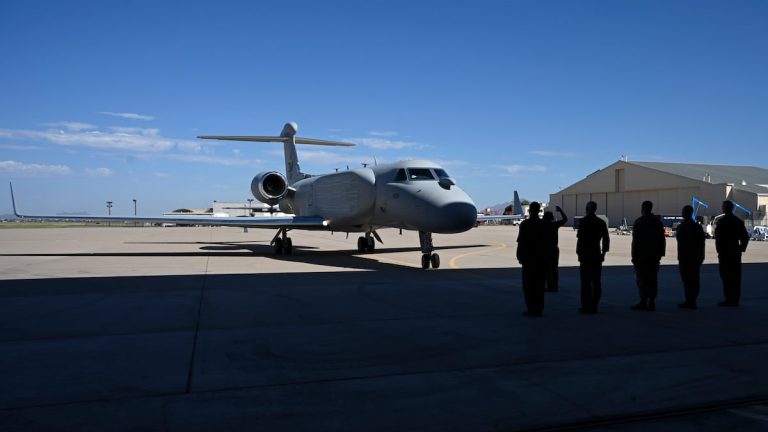
The Air Force’s last week took possession of its first EA-37B Compass Call electronic-attack aircraft slated for training and operations, flying it into Davis-Monthan Air Force Base in Arizona.

Gen. Kenneth Wilsbach, head of Air Combat Command, flew on the new aircraft during its Aug. 23 delivery flight and performed co-pilot duties during its landing and taxiing phase, the command said in a statement. The plane took off from L3Harris Technologies’ facility in Waco, Texas, where it was heavily adapted from a Gulfstream G550 business jet with electronic attack components built by BAE Systems.

“For a pilot, there’s nothing better than picking up a brand-new aircraft from a factory and delivering it to the warfighters,” Wilsbach said. “It flies like a dream, and for those of you who are going to get to fly it … it’s going to be amazing.”

The Air Force plans to buy 10 EA-37B Compass Calls, which will conduct multiple electronic-warfare missions. It will jam enemy communications, radar and navigation signals, among others, and suppress enemy air defenses by blocking their ability to transmit information between weapon systems and command-and-control networks.

Gen. Ken Wilsbach, commander of Air Combat Command, delivers ACC’s first EA-37B Compass Call to Davis-Monthan Air Force Base, Arizona, on Aug. 23. The aircraft will give Airmen from the 43rd Electronic Combat Squadron their first opportunity to begin pilot mission planning and training. (Senior Airman Paige Weldon/Air Force)

The Compass Call’s systems also allow airmen to hack into wireless devices and defuse roadside bombs. ACC says the new planes will protect U.S. and partner forces from attack, and allow them to get closer to their targets.

The EA-37B will replace the Air Force’s decades-old EC-130H Compass Call fleet, which was flown heavily during the wars in Iraq and Afghanistan and are now being retired. Nine EC-130Hs have so far been retired, out of the fleet of 14 older Compass Calls.

The EA-37B’s mission and capabilities will be largely similar to those of the older EC-130s, Air Force officials have said.

But the new Compass Call’s air frame is expected to bring significant altitude and speed improvements over its predecessor. The EC-130 could fly up to 25,000 feet and up to 300 miles per hour, but the G550 air frame that the EA-37B is being built on can top 40,000 feet of altitude and nearly double the speed of the older aircraft. L3Harris said that will allow the new Compass Call to target a greater range of enemy activities.

The Air Force already has two EA-37Bs devoted to testing, operated by Air Force Materiel Command; the first of those was delivered in 2023.

The latest EA-37B will initially be used to train pilots and aircrew in operating the aircraft before taking on actual missions, ACC said. The aircraft It is assigned to the 55th Electronic Combat Group at Davis-Monthan, which reports to the 55th Wing at Offutt Air Force Base in Nebraska.

Davis-Monthan expects to receive its second EA-37B by the end of the year.

Stephen Losey is the air warfare reporter for Defense News. He previously covered leadership and personnel issues at Air Force Times, and the Pentagon, special operations and air warfare at Military.com. He has traveled to the Middle East to cover U.S. Air Force operations.

Thai Air Force picks Saab Gripen E fighter jet to replace its F-16s

0

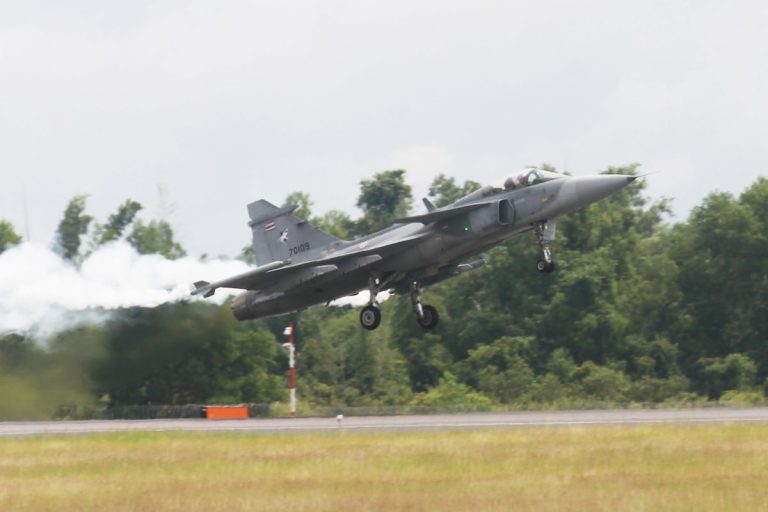
CHRISTCHURCH, New Zealand — The Royal Thai Air Force has nominated the Gripen E/F fighter jet to replace the country’s aging F-16A/Bs in a hard-fought contest involving Saab and Lockheed Martin, officials announced on Tuesday.

A service committee deliberated for ten months before recommending the Gripen, though government approval is still required before a contract can be signed. “It can be concluded that the JAS 39 Gripen E/F attack fighter has the ability to meet the strategic needs of the air force,” the panel announced.

A Thai Air Force white paper, released on Feb. 29, stated the warplane program would deliver 12-14 fighters.

The military envisions buying four Gripens with a 19-billion-baht (roughly $560 million) budget from FY2025-2029. The remaining aircraft will be procured through FY2034 to equip 102 Squadron stationed at Korat in northeastern Thailand, which will retire its 1980s-era F-16s in 2028.

The Gripen E defeated Lockheed’s F-16 Block 70/72 offering, so the Thai decision represents an important win for manufacturer Saab. Lockheed Martin recently delivered its 4,600th F-16.

The Royal Thai Air Force is familiar with Saab’s platform after ordering twelve Gripen C/Ds in 2008; these were recently upgraded under a January 2021 contract.

Saab’s Robert Björklund, head of the Gripen campaign for Thailand, told Defense News earlier this year that the country’s existing fleet is “highly reliable, highly versatile and brings a very wide range of weapon options, including its highly effective RBS15 anti-ship missile.”

A Saab spokesperson cautioned that the service committee decision in favor new models means “no details are decided” yet, but noted the company may include MBDA Meteor missiles in its final package.

Saab’s and Lockheed Martin’s final offers were submitted on August 20, and both technology transfer and offset pledges – a term used to broadly describe economic quid pro quos – played a critical part in the selection process.

Thailand eagerly sought offsets under a policy designed “to create opportunities for development of its defense industry,” according to the Air Force.

Saab’s offer may also include upgrades to Thailand’s two Erieye airborne early-warning aircraft. The Air Force white paper said their dorsal-mounted radars are to be replaced from FY2026-2029, but Bangkok has no money available at present.

Thailand also has a second fighter requirement for 12-14 aircraft slated to replace F-5E/Fs from FY2031-2035, as well as a third project to succeed further F-16A/Bs from FY2037-2046.

Gordon Arthur is an Asia correspondent for Defense News. After a 20-year stint working in Hong Kong, he now resides in New Zealand. He has attended military exercises and defense exhibitions in about 20 countries around the Asia-Pacific region.

US Air Force eyes missile defense for dispersed bases in China fight

0

The Air Force is making progress on preparing a network of dispersed bases and airfields across the Pacific in case of a war against China, the service’s top general said Wednesday, but must do more to defend those bases against attack.

“I would feel more confident if we had a more robust active base defense” to safeguard those smaller operating locations that would be used under a concept called Agile Combat Employment, Air Force Chief of Staff Gen. David Allvin said in a roundtable with reporters at the Pentagon. “If we’re going to need to operate from those [sites], having active defenses would certainly help against a threat of a large number of missile attacks.”

The Air Force fears that if a conflict breaks out in the Pacific, China could send barrages of missiles against the United States’ larger, more traditional regional air bases in Japan and Guam. Such attacks could seriously degrade or knock out the Air Force’s ability to launch aircraft in the Pacific.

To counter that, the Air Force has developed Agile Combat Employment, or ACE, which would spread out air operations to a variety of smaller operating locations in the region.

Some of those ACE locations could be local civilian airports, or austere bases set up in the field with rough air fields. And they would be run by smaller teams of “multi-capable airmen” trained to do several jobs — like fueling aircraft or providing security — instead of just one specialty.

Allvin said the service is succeeding at fine-tuning how ACE will work in the field, and training airmen how to conduct such operations.

He pointed to the Bamboo Eagle exercise that took place at multiple sites in the Pacific and Nellis Air Force Base in Nevada earlier this month. Under that exercise, expeditionary units trained on ways to operate in a simulated contested battlespace, and practiced getting in and out of smaller bases set up in a “hub and spoke” style under ACE.

Bamboo Eagle also gave commanders of participating wings — including the 9th Reconnaissance Wing from Beale Air Force Base in California and the 23rd Wing from Moody Air Force Base in Georgia — practice exercising command and control over units spread out to those multiple field bases, without the subordinate group structure the Air Force typically uses, Allvin said.

“It was really fascinating, and I think it gave me some more encouragement that we are on the right path,” Allvin said. “We have a long way to go, but we’re exercising, we’re developing facilities and infrastructure to be able to support larger-scale mission readiness, [and] we are putting our wings together to be able to command and control and align for this type of readiness.”

U.S. Air Force Chief of Staff Gen. David Allvin, left, and Maj. Gen. Christopher Niemi, the U.S. Air Force Warfare Center commander, walk on the flightline after a flight during the Bamboo Eagle exercise at Nellis Air Force Base, Nevada, Aug. 5, 2024. (Airman 1st Class Brianna Vetro/Air Force)

But while spreading bases out might make it harder for China to conduct massed missile strikes or other attacks, it would not eliminate such a threat. Allvin said the Air Force is working with the Army on ways to counter those attacks.

“They [the Army] are pursuing some things specifically with us to support Agile Combat Employment,” Allvin said.

Allvin declined to specify what countermeasures are in the works, but said he wanted capabilities that could defend against ballistic or cruise missiles.

Allvin acknowledged that, since ACE would entail large numbers of smaller bases, it may not be feasible for each base to have its own missile defense. So such defenses would need to be able to move around to where they are most needed at any given time, he said.

“If we can’t have them at every space, we want to be able to decide where to place them,” Allvin said. “Which means they need to be mobile [and] not to be fixed.”

He said he was less concerned about the threat from small, swarming drones, since they may not have the range to cross large swathes of the Pacific Ocean to reach their targets.

And tried-and-true strategies to confuse the enemy by planting fake targets in the field could still help defend ACE bases, Allvin said.

“The old-school things of camouflage, concealment and deception are still alive and well,” Allvin said. “We just need to upgrade them to a 21st century context. … They don’t know if that’s a real thing, or a fake thing. Should I spend a missile on it? Should I spend five missiles on it?”

As the Air Force makes those decoy plans, Allvin said, it needs to find the right balance between making them believable and making them affordable. The service could make a fake target so believable it’s essentially indistinguishable from the real thing, he said, but it might be so expensive it defeats the purpose of a decoy.

Passive defenses against cyber and electronic warfare attacks are also an important part of safeguarding ACE bases, Allvin said.

Dispersing operations through Agile Combat Employment also creates some command and control challenges the service needs to work through, Allvin said. In some cases during a conflict, an aircraft might have to land at a different base than it took off from.

“Knowing where that [alternate base] might be, having better access to the primary parts, to the munitions, to the fuel — all those sorts of things happen with a more robust command and control,” Allvin said.

Teaching airmen to be able to do multiple jobs on deployment will be a critical part of the ACE concept, Allvin said, and the service is adapting its training structures to do so. New recruits going through basic military training are already learning how to tackle multiple responsibilities, he said.

And for already-existing airmen, Allvin said, the Air Force is looking at fold training on multiple jobs into professional military education.

Allvin said that during his Bamboo Eagle observations, he saw airmen are already adapting to these new responsibilities.

“They are flat getting after it,” Allvin said of airmen working under the ACE concept. “They are quickly understanding the situation, they are innovating like nobody’s business. But I would like to be able to reduce the risk on them” by improving base defenses.

Stephen Losey is the air warfare reporter for Defense News. He previously covered leadership and personnel issues at Air Force Times, and the Pentagon, special operations and air warfare at Military.com. He has traveled to the Middle East to cover U.S. Air Force operations.

How To Find A Prepper Community

0

Creating resilient communities offers significant benefits, enhancing the well-being and survival of all members. However, finding or forming the ideal prepper group locally might seem daunting. Where should you start?

The process of identifying or establishing a prepper community in your area might be simpler than it first appears. Often, these communities develop naturally through personal networks. By actively meeting new people, you increase your chances of connecting with other preppers. Utilize various tools, such as social media platforms like Facebook and other online resources, to either find or build a prepper community that suits your objectives.

If you’re struggling to find a prepper group nearby or are considering starting one yourself, you’re in the right place! Here, you’ll get detailed guidance on navigating the process of finding or creating a prepper community that meets your needs and goals.

Finding a prepper community in your area can often be easier and faster than starting one from scratch. In fact, forming a prepper group might be more feasible than you think, especially when members share a common enthusiasm.

The first step in connecting with other preppers is to openly identify yourself as one. Don’t hesitate to express your interest in prepping. While prepping might sometimes be associated with conspiracy theories and paranoia, its true purpose is far more practical and positive.

Being open about your prepping interests doesn’t mean you need to be loud or critical of non-preppers. It simply involves sharing your passion. You can start by discussing topics like food storage or water filtration with friends.

Finding a prepper community doesn’t have to be a strenuous task. Once others know you’re a prepper, you might receive invitations to join existing groups. However, be cautious not to reveal sensitive details like the size of your stockpile or the location of your shelter, as this information could make you vulnerable to theft or exploitation. Always be discreet with such specifics.

When you’re out shopping, keep an eye out for potential preppers. If you spot someone who seems to share your prepping interests, don’t hesitate to strike up a conversation. While some preppers may be hesitant to discuss their activities, others might be eager to connect with someone like-minded. Expanding your social circle is key to building connections and possibly forming a community.

Another approach to finding a prepper group is to get involved in local organizations like neighborhood watches. While these groups may not be prepper communities themselves, they can help you meet people who might know of local prepper networks. Engaging with these organizations can lead you to valuable contacts and potential prepper allies.

Local networking

Local networking is a crucial first step in building a prepper community, utilizing the strength of relationships within your immediate environment. Here’s a deeper look into this approach:

Engage with Family and Friends: Start by having open conversations with your family and friends about your interest in prepping. Share your experiences, insights, and the reasons behind your commitment to preparedness. Highlight the importance of mutual support during emergencies and see if any of them share a similar interest.

This initial discussion helps identify potential allies within your close circle and sets the stage for collaboration. Family members often make a natural starting point due to shared values and a sense of obligation, which can strengthen the foundation of your prepper community.

Evaluate Your Neighbors: Expand your outreach to assess your neighbors. Observe the dynamics of your neighborhood and identify individuals you trust and respect, particularly those who demonstrate responsibility and community spirit. Consider organizing informal gatherings or neighborhood events to build relationships and discuss shared concerns and potential collaborations.

When inviting people to join your prepper group, focus on those with whom you can form a cohesive and reliable team. Trust is essential, especially for emergency cooperation. Evaluating your neighbors helps gauge their personalities and commitment to collective well-being.

Promote Open Communication: Create an environment that encourages open dialogue about emergency preparedness within your social circle. Share valuable resources, discuss ideas to enhance community resilience, and ensure everyone feels comfortable expressing their thoughts and concerns about prepping.

By clearly communicating your commitment to preparedness, you not only clarify your position but also encourage others to share their views. This transparency helps build a community grounded in shared values, where each member contributes to the group’s overall strength and readiness.

In summary, local networking involves fostering community awareness and cooperation within your existing social connections. By engaging with family, friends, and neighbors in a meaningful way, you lay the foundation for a prepper community based on trust, shared goals, and collective preparedness.

invisible bph banner 2

If finding a prepper community nearby proves difficult, your next best option might be to start one yourself. Begin by talking with your current connections. Family members who share an interest in prepping should be your first recruits, forming the core of your new community. After that, extend invitations to friends, particularly those you already enjoy spending time with.

Once you’ve included family and friends, assess your neighbors. Use your existing knowledge of them to identify those who would be reliable community members, especially in times of need. Be cautious with neighbors who have a history of negative behavior, as their actions could undermine the group’s stability during emergencies.

Broaden your search by reaching out to other groups, such as church congregations, colleagues, or members of neighborhood watch programs. Online resources can also be useful in connecting with preppers outside your immediate area, but make sure these external connections are valuable and trustworthy.

When inviting new members, evaluate what skills and expertise they bring to the community. Ideal members should offer practical skills that benefit the group, such as gardening, medical training, construction, clothing repair, or cooking.

Maintaining harmony within the community is essential. Avoid including individuals who are arrogant, overly controlling, or have a quick temper. The “Lone Wolf” mentality, where individuals act independently and may harm others, is not compatible with a collaborative prepper community.

Be wary of those lacking motivation. Prepping requires dedication, effort, and sometimes financial investment. Individuals who are not committed will not contribute effectively to the group. A person’s apparent kindness does not always translate into responsible behavior in a crisis.

Consider putting potential members through trials, such as extended backpacking trips, to observe how they handle pressure. If they display negative traits or lack commitment, it’s best to exclude them from your community.

Lastly, invest in developing your own skills. If you do not contribute meaningfully, you risk being excluded from the community you’ve worked hard to build.

Joining Online Prepper Communities, Forums & Checking other Internet Resources

joining online prepper communities, forums & checking other internet resources

If finding a local prepper community proves challenging, turn to online resources for assistance. There are numerous prepping and survival groups on platforms like Facebook that you can explore. Some of these groups are specifically geared towards local areas, providing a chance to connect with prepper communities near you. Start by joining these local Facebook groups to begin making connections and building relationships.

If local groups are hard to find, consider joining larger online prepper communities and reaching out to members in your area. Ask them if they have any information about nearby prepping groups.

While online groups offer a way to connect, they do come with a trade-off in terms of anonymity. In these communities, your name and personal details are visible to other members. It’s important to be cautious and avoid sharing sensitive information until you have established a solid level of trust.

For those who want a balance between connection and privacy, look into websites or forums designed for preppers. These platforms allow you to engage with others while maintaining a degree of anonymity.

Remember, the effectiveness of a prepper community isn’t solely based on physical proximity. While virtual connections can be useful, face-to-face interactions are often preferred for in-depth prepping activities. Therefore, while online communities, forums, and resources are valuable for gaining insights and broadening your knowledge, they should complement rather than replace direct personal connections.

Carry on

When looking for a prepper community, local networking is crucial. Building relationships with family, friends, and neighbors helps create a foundation of trust and shared values. Additionally, online platforms like Facebook groups can extend your reach, connecting you with preppers beyond your immediate area.

The goal is to build a community with a range of skills and a strong commitment to working together. Finding a prepper group is more than just a matter of survival; it’s about forming a resilient team that can tackle challenges collectively. Whether through face-to-face interactions or virtual connections, these relationships are central to effective preparedness, providing both security and a unified sense of purpose.

Aircraft carrier Bush gets first-ever Stingray drone control room

0

The aircraft carrier George H.W. Bush is now sporting the world’s first air drone warfare center, a control room that will host operators of the MQ-25 Stingray refueling drone in the not-too-distant future, the Navy has confirmed.

The ground control station was part of a multiyear effort that took place aboard Bush during multiple ship maintenance stints and between deployments, Naval Air Systems Command, or NAVAIR, said.

Along with the required software and hardware, the drone nerve center features the first fully operational and integrated unmanned carrier aviation mission control system that the command says is critical to using the Stingray in operations.

Bush will conduct at-sea testing of the center early next year, according to NAVAIR.

The control station is the latest step toward getting the Stingray into the fleet, where it will refuel fighter jets midflight, helping the sea service’s strike arm to stay airborne longer — a capability that would be particularly helpful should war with China break out in the watery expanse of the West Pacific.

Behold, the world’s first unmanned air warfare center, recently installed aboard the aircraft carrier George H.W. Bush. (U.S. Navy)

Standing up the Bush’s drone control room “lays the foundation” for how the Navy will operate and control unmanned aircraft, Unmanned Carrier Aviation (PMA-268) Program Manager Capt. Daniel Fucito said in a statement.

While such systems will initially support the Stingray, they will also be used for other services’ unmanned systems, such as the Air Force’s collaborative combat aircraft program, which seeks to pair air drones with unmanned aircraft in a so-called “air wing of the future.”

Such systems are also being planned for installation aboard fellow carriers Carl Vinson, Theodore Roosevelt and Ronald Reagan beginning in fiscal 2025, according to NAVAIR.

Geoff is the managing editor of Military Times, but he still loves writing stories. He covered Iraq and Afghanistan extensively and was a reporter at the Chicago Tribune. He welcomes any and all kinds of tips at [email protected].

Lockheed, Istari partner to demonstrate digital aircraft certification

0

Istari Digital, a startup led by former Air Force acquisition chief Will Roper, is partnering with Lockheed Martin Skunk Works to demonstrate the ability to digitally certify an aircraft before it’s built, a process that could make it easier to develop and test military aircraft in the future.

The partnership, announced Monday, is part of a $19 million contract the Air Force awarded Istari last year through a program called Flyer One. The company will use its digital engineering platform to modify and certify a drone — in this case, the X-56A initially built in 2013 by Skunk Works, Lockheed’s innovation arm. The modifications include changes to the aircraft’s landing gear and cameras and other updates to address obsolescence.

Roper, who led the Air Force acquisition shop from 2018 to 2021, created the company two years ago to develop innovative digital engineering technology that could streamline hardware development in the same way collaborative tools have transformed software development in recent years.

The idea to digitally certify an aircraft came from a visit Roper took to McLaren Racing toward the end of his Air Force tenure. The British racing team competes in Formula One and uses digital engineering to rapidly iterate on car designs.

“They don’t win with a race car. They win with a race car building process,” he told Defense News in a recent interview. “When you look at that and you look at the defense industry where everything is built at a glacial pace, it really seemed like harnessing that was going to be critical for competition, especially with China.”

The key to McLaren’s success, according to Roper, is that they were able to connect the many digital tools they use to design and simulate a vehicle’s performance. That linkage allowed them to create an automated workflow.

However, mimicking that process for the military is more complicated. Developing a race car may require hundreds of tools, but in the aerospace sector, an advanced system can require thousands. There are also intellectual property challenges, with firms hesitant to put their proprietary information on someone else’s network.

“What we had to do in aerospace was twice as hard, maybe three times as hard as Formula One because we had the challenge of aggregation and then we also had layers of classification to deal with and simply a bigger problem in terms of number of tools,” he said.

Roper said his team at Istari spent its first year or so trying to figure out how to apply McLaren’s model to defense and aerospace applications. Now, the company thinks it’s found a solution, and it’s using Flyer One and its X-56A modification as its test case.

The firm has already started working with Skunk Works on the effort and recently passed its critical design review. Its next milestone is a military flight release.

Traditionally, a program would build and fly a physical airplane, collect data and submit an airworthiness package for approval. For Flyer One, the process is similar except the data is all collected through digital models and simulation.

Roper said he expects to complete the flight certification process by the end of this year and then build the aircraft and start flying it within a year after that to determine if its flight performance matches the digital modeling.

While this type of digital flight certification hasn’t been done before, Roper said the project itself is a pragmatic one: using an existing aircraft and partnering with an established defense firm rather than designing and building a new system from scratch.

“We believe, and I think our Air Force partners would echo this, that we’re going to be able to do this because we’re not extrapolating so far that people won’t believe the models and simulations,” he said. “It’s just simply bringing into focus that we need to have a different certification process that makes sense for a world of digital design and digital testing.”

Courtney Albon is C4ISRNET’s space and emerging technology reporter. She has covered the U.S. military since 2012, with a focus on the Air Force and Space Force. She has reported on some of the Defense Department’s most significant acquisition, budget and policy challenges.