US clears F-35 sale to Romania, bolstering NATO’s eastern flank

0

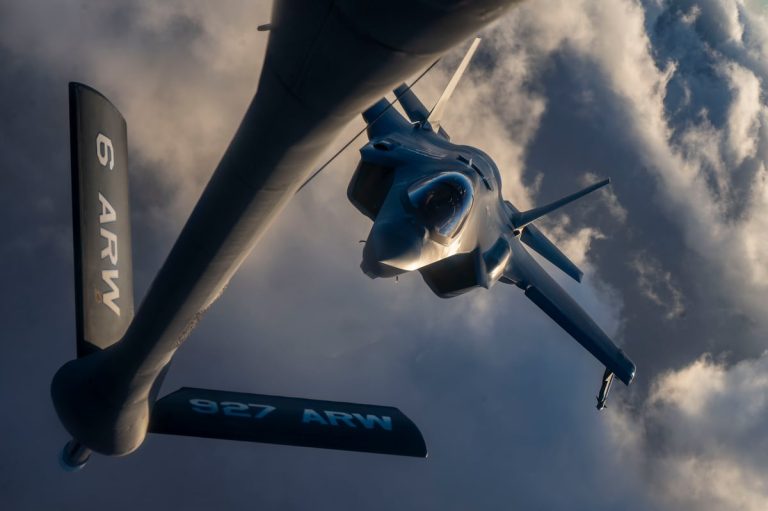
The U.S. State Department on Friday announced it has approved the sale of 32 F-35A Joint Strike Fighters to Romania in a deal worth roughly $7.2 billion.

Romania’s deal for the Lockheed Martin-made F-35s will also include F135 engines made by Pratt & Whitney for each jet and a spare engine.

The sale would provide Romania, a NATO member, its first two squadrons of F-35s, and the country wants to later buy 16 more jets to make up a third squadron. If the deal is finalized, it could make Romania the third Eastern European country to fly the F-35, in addition to Poland and the Czech Republic.

Romania said in September 2023 that it expected to receive its first F-35s in 2030. Romania’s planned purchases could make it NATO’s largest F-35 operator on the eastern flank at a time when Russian aggression in Ukraine has worried allies.

The proposed sale would “improve Romania’s capability to meet current and future threats by further equipping it to conduct self-defense and regional security missions while enhancing interoperability with the United States and other NATO members,” the State Department said. Improving this NATO ally’s security would support the U.S.’s foreign policy and national security goals, it said.

The purchase would also provide logistics and maintenance support, navigation, communications and cryptographic equipment, ammunition and weapons, training for pilots and other personnel, and simulators. Lockheed primarily makes F-35s at its Fort Worth, Texas, facility.

The State Department also cleared a $4.1 billion deal for Japan to buy up to nine KC-46A Pegasus refueling tankers from Boeing.

Stephen Losey is the air warfare reporter for Defense News. He previously covered leadership and personnel issues at Air Force Times, and the Pentagon, special operations and air warfare at Military.com. He has traveled to the Middle East to cover U.S. Air Force operations.

Italian Air Force’s famed acrobatic squad changes course on new planes

0

ROME — Italy’s Air Force acrobatic team is to switch to flying the Leonardo M-346 jet trainer after using the aging M-339 for decades, the Italian Air Force announced on Thursday.

The upgrade marks a change of plan for the team known as the Frecce Tricolori, which had previously planned to use Leonardo’s M-345 jet – a more basic version of the M-346.

The announcement of the use of the M-346 was made on Thursday at Istrana Air Base in Italy with the presentation of a jet in Frecce Tricolori colours, coinciding with the team’s return from a tour of the United States.

“The version of the M-346 presented in Istrana today will be produced by Leonardo for the National Aerobatic Team with specific requirements of the Italian Air Force,” Leonardo said in a statement.

The Air Force originally envisioned adopting Leonardo’s M-345 for the acrobatic role as well as to replace all its M-339 trainer aircraft which entered service in 1982.

While the M-346 is designed as an advanced jet trainer, the M-345 is built to compete with equivalent turbo-prop basic trainers on operational costs.

The M-346 is now in service with the air forces of Italy, the Republic of Singapore, Israel, Poland, Qatar and Greece, while Turkmenistan and Nigeria have purchased the light fighter version.

Nigeria is due to take delivery of the first six of 24 aircraft it has ordered by year end, the country’s Air Force has said.

Pilots from Canada, the U.K., Germany, Japan, Austria, the Kingdom of Saudi Arabia, Sweden and the Netherlands have sent pilots to train on M-346 in Sardinia, Italy.

Tom Kington is the Italy correspondent for Defense News.

Top 10 Most Nutritious Foods To Keep You Well Feed During A Crisis

0

In times of crisis, whether it’s a natural disaster, a pandemic, or an unexpected emergency, having access to nutritious foods is essential to keep you and your family well-fed and healthy. While it might seem challenging to create balanced meals with limited resources, you’d be surprised by the nutritious options that can be found in most American households.

In this article, we’ll explore the top 10 most nutritious foods that are commonly available and easy to use in a variety of simple, satisfying recipes. From pantry staples to versatile ingredients, these foods will help you make the most of what you have, ensuring you stay nourished no matter the circumstances. As you will notice, some of these foods might be well known by some since they are part of our troubled history.

Top 10 Nutritious Foods You Can Make At Home:

1. Peanut Butter Banana Oatmeal Recipe

Ingredients:

  • 1 cup rolled oats
  • 2 cups water or milk (dairy or plant-based)
  • 1 ripe banana, sliced
  • 2 tablespoons peanut butter
  • 1 tablespoon honey or maple syrup (optional, for sweetness)
  • A pinch of salt
  • A dash of cinnamon (optional)

Instructions:

  1. Cook the Oats: In a medium saucepan, bring the water or milk to a boil. Add a pinch of salt and the oats. Reduce the heat to low and simmer for 5-7 minutes, stirring occasionally, until the oats are soft and have absorbed most of the liquid.
  2. Add Peanut Butter and Banana: Once the oats are cooked, stir in the peanut butter until it’s fully melted and incorporated. Add the banana slices and stir gently to combine.
  3. Sweeten and Season: Add honey or maple syrup for extra sweetness if desired, and sprinkle with a dash of cinnamon.
  4. Serve: Transfer the oatmeal to a bowl, and top with additional banana slices or a drizzle of peanut butter if desired. Enjoy warm!

Nutritional Information (per serving, approximately 1 bowl):

  • Calories: ~350-400 kcal
  • Protein: 12g
  • Carbohydrates: 50g
  • Sugars: 15g
  • Fiber: 8g
  • Fat: 15g
  • Saturated Fat: 2g
  • Sodium: 200mg
  • Potassium: 600mg
  • Calcium: 100mg
  • Iron: 3mg

Nutritional Benefits:

Oats are a great source of complex carbohydrates and fiber, which help with digestion and provide long-lasting energy.

Peanut Butter adds healthy fats and protein, which help to keep you full and satisfied.

Bananas are rich in potassium, which is essential for heart health and maintaining proper muscle function.

The addition of cinnamon can help regulate blood sugar levels, while honey or maple syrup adds natural sweetness.

Why This Recipe Works During a Crisis:

This dish is a practical choice during a crisis because it uses long-lasting, pantry-friendly ingredients. Oats and peanut butter are both shelf-stable and versatile, while bananas can be substituted with dried or frozen varieties. This meal is nutrient-dense, providing a balance of carbohydrates, protein, and healthy fats, and is quick and easy to prepare. Its adaptability and comfort make it an excellent option when resources are limited.

2. Depression-Era Peanut Butter Bread

Ingredients:

  • 2 cups all-purpose flour
  • 1/4 cup sugar (or substitute with honey or maple syrup)
  • 4 teaspoons baking powder
  • 1/2 teaspoon salt
  • 1 1/3 cups milk (dairy or plant-based)
  • 1/2 cup peanut butter (creamy or chunky)

Instructions:

Preheat the Oven: Preheat your oven to 350°F (175°C). Grease a 9×5-inch loaf pan or line it with parchment paper.

Mix Dry Ingredients: In a large bowl, whisk together the flour, sugar, baking powder, and salt until well combined.

Combine Wet Ingredients: In a separate bowl, mix the milk and peanut butter until smooth and well incorporated.

Combine Wet and Dry Ingredients: Gradually add the wet ingredients to the dry ingredients, stirring until just combined. Do not overmix; the batter should be slightly thick.

Bake the Bread: Pour the batter into the prepared loaf pan and smooth the top. Bake in the preheated oven for 50-60 minutes, or until a toothpick inserted into the center comes out clean.

Cool and Serve: Allow the bread to cool in the pan for 10 minutes before transferring it to a wire rack to cool completely. Slice and serve as is or with a spread of jam, honey, or extra peanut butter.

survivalstockpileNutritional Information (per slice, approximately 12 slices per loaf):

  • Calories: ~180 kcal
  • Protein: 5g
  • Carbohydrates: 25g
  • Sugars: 6g
  • Fiber: 2g
  • Fat: 7g
  • Saturated Fat: 1g
  • Sodium: 220mg
  • Calcium: 50mg
  • Iron: 1.5mg

Nutritional Benefits:

Peanut Butter provides protein and healthy fats, contributing to satiety and energy.

Flour adds carbohydrates, which are a primary source of energy, especially in challenging times.

Baking Powder and Milk add some calcium and minerals, promoting bone health.

Historical Context:

During the Great Depression, ingredients like eggs, butter, and fresh milk were often scarce or too expensive for many families. Recipes like this peanut butter bread became popular because they used affordable pantry staples and didn’t require perishable ingredients, making it an accessible and nutritious option during tough times. This bread remains a comforting and simple treat that reflects the resourcefulness and resilience of that era.

3. Egg Fried Rice

Ingredients:

  • 2 cups cooked rice (preferably day-old)
  • 2 large eggs, beaten
  • 1 cup mixed vegetables (frozen or fresh, such as peas, carrots, corn, or bell peppers)
  • 2 tablespoons vegetable oil (or any neutral oil)
  • 2 cloves garlic, minced
  • 2 tablespoons soy sauce (low-sodium preferred)
  • 1 teaspoon sesame oil (optional, for flavor)
  • 2 green onions, chopped (optional)
  • Salt and pepper to taste

Instructions:

Prepare Ingredients: If using fresh vegetables, chop them into small, bite-sized pieces. Make sure your rice is cooked and cooled (day-old rice works best because it’s less sticky).

Cook the Eggs: Heat 1 tablespoon of vegetable oil in a large skillet or wok over medium heat. Pour in the beaten eggs and scramble until fully cooked. Remove the eggs from the pan and set them aside.

Sauté Vegetables: In the same skillet, add the remaining tablespoon of oil. Add the minced garlic and stir-fry for about 30 seconds until fragrant. Add the mixed vegetables and stir-fry for 3-4 minutes until they are tender.

Fry the Rice: Add the cooked rice to the skillet, breaking up any clumps with a spatula. Stir the rice with the vegetables, cooking for about 3-5 minutes until heated through.

Season and Combine: Add the soy sauce and sesame oil (if using) to the skillet, stirring well to coat the rice evenly. Add the cooked eggs back into the skillet and mix them into the rice. Season with salt and pepper to taste.

Garnish and Serve: Remove from heat and garnish with chopped green onions, if desired. Serve hot as a main dish or side.

Nutritional Information (per serving, approximately 1 cup):

  • Calories: ~300 kcal
  • Protein: 8g
  • Carbohydrates: 40g
  • Sugars: 2g
  • Fiber: 3g
  • Fat: 10g
  • Saturated Fat: 2g
  • Sodium: 450mg
  • Potassium: 200mg
  • Iron: 2mg
  • Vitamin A: 1000 IU

Nutritional Benefits:

Eggs provide high-quality protein, essential vitamins (such as vitamin D and B12), and healthy fats.

Rice is a great source of carbohydrates for energy and is gluten-free, making it suitable for those with gluten sensitivities.

Vegetables add fiber, vitamins, and minerals, enhancing the nutritional profile of the dish.

Garlic adds flavor and has immune-boosting properties, while soy sauce provides some sodium but also adds umami and depth to the dish.

Why This Recipe Works During a Crisis:

Egg fried rice is a perfect dish for times of crisis due to its simplicity and use of leftovers. Using day-old rice reduces food waste and enhances the texture of the dish. This recipe is flexible, allowing you to add whatever vegetables or protein you have on hand, making it a versatile, nutritious, and budget-friendly option.

4. Civil War Cornmeal Mush

civil war cornmeal mush

Ingredients:

  • 1 cup cornmeal (yellow or white)
  • 4 cups water
  • 1/2 teaspoon salt
  • 1 tablespoon butter or cooking fat (optional, for flavor)
  • Molasses, honey, or syrup (optional, for serving)
  • Milk, gravy, or sautéed greens (optional, for serving)

Instructions:

Prepare the Cornmeal: In a bowl, mix the cornmeal with 1 cup of cold water to form a smooth paste. This prevents lumps from forming when cooking.

Boil the Water: In a large pot, bring the remaining 3 cups of water and salt to a boil over medium-high heat.

Cook the Mush: Slowly whisk the cornmeal mixture into the boiling water, stirring continuously to avoid lumps. Reduce the heat to low and continue to stir frequently. Cook for 20-30 minutes, or until the mush is thick and creamy.

Add Butter (Optional): Stir in the butter or cooking fat if using, and mix well until melted and incorporated.

Serve: Serve hot, either sweetened with molasses, honey, or syrup, or savory with milk, gravy, or sautéed greens. The mush can also be poured into a greased loaf pan and chilled until firm, then sliced and fried in a skillet for a crispy variation.

Nutritional Information (per serving, approximately 1 cup):

  • Calories: ~120 kcal
  • Protein: 2g
  • Carbohydrates: 25g
  • Sugars: 0g (without added sweeteners)
  • Fiber: 3g
  • Fat: 1g (without added butter or fat)
  • Saturated Fat: 0g
  • Sodium: 300mg
  • Potassium: 60mg
  • Calcium: 5mg
  • Iron: 2mg

Nutritional Benefits:

Cornmeal is a good source of carbohydrates for energy and contains some fiber, which aids digestion.

Butter (if added) provides fat for energy and adds flavor to the dish.

Molasses or Honey (optional for sweetening) can provide additional minerals like iron, calcium, and potassium.

Historical Context:

During the Civil War, cornmeal mush was a staple food for both Union and Confederate soldiers, as well as civilians. It was affordable, required only a few ingredients, and could be easily prepared over an open fire. Cornmeal was widely available, and the dish could be served in various ways, making it a versatile and essential part of the diet during times of scarcity. Whether eaten plain, sweetened, or fried, cornmeal mush was a nourishing, comforting food that sustained many during a challenging period in American history.

5. Tuna Salad with Crackers

Ingredients:

  • 1 can (5-6 oz) tuna, drained (preferably packed in water)
  • 2 tablespoons mayonnaise (or Greek yogurt for a lighter option)
  • 1 tablespoon relish or chopped pickles
  • 1 tablespoon finely chopped onion (optional)
  • 1 tablespoon finely chopped celery (optional)
  • 1 teaspoon mustard (yellow or Dijon, optional)
  • Salt and pepper to taste
  • Crackers or bread, for serving

Instructions:

Prepare the Tuna Salad: In a medium bowl, combine the drained tuna, mayonnaise (or Greek yogurt), relish or chopped pickles, chopped onion, and celery (if using). Mix well until all ingredients are thoroughly combined.

Season: Add mustard (if using) and season with salt and pepper to taste. Adjust the seasonings according to your preference.

Serve: Spoon the tuna salad onto crackers or use it as a filling for a sandwich. You can also serve it with sliced vegetables or lettuce leaves for a low-carb option.

Nutritional Information (per serving, approximately 1/2 cup of tuna salad with 5 crackers):

  • Calories: ~250 kcal
  • Protein: 18g
  • Carbohydrates: 15g
  • Sugars: 3g
  • Fiber: 2g
  • Fat: 12g
  • Saturated Fat: 2g
  • Sodium: 500mg
  • Potassium: 250mg
  • Calcium: 30mg
  • Iron: 1.5mg

Nutritional Benefits:

Tuna is a rich source of lean protein and contains omega-3 fatty acids, which are beneficial for heart health.

Mayonnaise or Greek Yogurt adds creaminess; using Greek yogurt can reduce fat content while increasing protein.

Vegetables (like celery and onion) add fiber, vitamins, and a satisfying crunch.

Mustard adds flavor without many calories, while relish or pickles provide a tangy taste and some probiotics.

Why This Recipe Works During a Crisis:

Tuna salad is a convenient and nutritious option that requires minimal preparation and uses non-perishable ingredients. Canned tuna is affordable, has a long shelf life, and provides a good amount of protein, making it a pantry staple during uncertain times. This dish can be easily customized with whatever ingredients you have on hand, making it both versatile and filling.

To be continued

In the second part of this article, we will present five additional, nutritious dishes that will keep you and yours well fed during a disaster. These recipes are both modern and old ones. Stay tuned!

Suggested resources for preppers:

Harvesting and canning wild greens

The #1 food of Americans during the Great Depression

Survival Foods of the Native Americans

If you see this plant when foraging, don’t touch it!

Small fleet, fewer flights weaken Army aircraft training, report says

0

U.S. Army helicopter crews are flying one-third of the hours they did at the peak of the past two decades, as the number of manned aircraft has declined by 20%, according to a government report.

The same report also noted that the Army saw the availability of aircraft increase as its fleet of craft has gotten younger. The Congressional Budget Office’s findings, aimed at documenting how the Army is using its aircraft, are based on service aviation data from 2000 to 2023.

In 2011, the Army saw its peak of average flying hours in manned aircraft, the majority of which are helicopters.

At that time, air crews flew an average of 302 hours each year. As of 2023, the average flight hours have dropped by more than one-third to 198 hours, according to the report.

The availability of aircraft for training and operations, meanwhile, is up over the period covered in the report. In 2000, the percentage of manned aircraft that were mission-capable was just over 50%, according to the report. It has remained above 60% since 2007 and sits at 68% as of last year.

Report authors credit much of the additional flight time in the past to overseas operations in Iraq and Afghanistan. As both wars wound down, a drop in flight hours occurred.

Army Times reported Friday that the service is overhauling its aircrew training as the force grapples with new threats, added capabilities to its aircraft and a high mishap rate.

Since last October, 14 soldiers have died across 10 Class A mishaps. That puts the service at a 3.22 mishap rate per 100,000 flight hours, a number that sits double the annual average since 2011 — corresponding with the end of the war in Iraq.

Over the same period, the number of manned aircraft decreased as the number of unmanned aircraft, or drones, increased.

In 2000, the Army had nearly 5,000 manned aircraft. As of last year, that number was around 3,900.

The number of AH-64 Apache helicopters and H-47 Chinook helicopters has remained steady throughout at roughly 600 and 500, respectively, over that period.

But the number of H-60 Black Hawk helicopters has risen, according to the report. The Army had fewer than 1,500 Black Hawks in 2000. It now has more than 2,000.

Other inventory decreases come from the retiring of the H-1 Iroquois, or “Huey,” and H-58 Kiowa, among other platforms. The Army had nearly 2,000 Iroquois and nearly 700 Kiowa two decades ago. Those programs ended in 2016 and 2020, respectively.

Currently, the service’s manned aircraft fleet includes the Black Hawk, Chinook, Apache, UH-72 Lakota helicopter and the fixed-wing C-12 Huron, a passenger airplane used for both personnel transport and intelligence gathering, according to the report.

Additionally, the average age of the manned aircraft fleet has decreased somewhat. At its peak in 2008, the Army’s aircraft average age was 17.8 years, according to the report. By 2019 that number had dropped to about 14 years, where it has remained since.

Some of that decrease is due to the retiring of legacy aircraft and programs to extend the service of the Chinook, according to the report.

But the Black Hawk, the Army’s largest fleet, has seen the average age of aircraft rise from 12 years in 2000 to 18 years in 2023, according to the report.

In February, the Army announced it would end its Future Attack Reconnaissance Aircraft, which sought to replace the Kiowa.

At the same time the service announced its aviation investment rebalance, a program to squeeze more service life out of the Chinook, Apache and Blackhawk through airframe and engine upgrades.

On the unmanned side, which continues to grow, Army has 700 large drones, which include 500 RQ-7B Shadows and 200 MQ-1C Gray Eagles.

In April, the Army announced that it would retire the Shadow drone as it seeks a new option for drone-based intelligence, surveillance and reconnaissance missions.

Army Chief of Staff Gen. Randy George told Army Times that he has prioritized ongoing commercial drone buys, with options to purchase new drones as they’re developed rather than committing to a decades-long program for a single type.

The replacement program, dubbed Future Tactical UAS, saw an $8 million contract award to defense company AeroVironment to deliver its Jump 20 drone system as an interim drone capability for one brigade, Defense News previously reported. The service plans to equip the first unit with a new drone by 2026.

Todd South has written about crime, courts, government and the military for multiple publications since 2004 and was named a 2014 Pulitzer finalist for a co-written project on witness intimidation. Todd is a Marine veteran of the Iraq War.

In first, F-35s land on Finnish highway to drill for future wars

0

The Air Force landed two F-35A fighters on a highway in Finland on Wednesday to practice how aircraft might operate in a high-intensity future war.

The F-35s, which were from the 48th Fighter Wing at RAF Lakenheath in England, carried out the landings on the Hosio Highway Strip in Ranua, Finland, under the so-called agile combat employment, or ACE, concept. It was the first time the Air Force had landed its F-35s on a highway, the service said.

The Air Force worries that if war breaks out with an adversary boasting stand-off weaponry, like China, their military could target large American bases in places like Japan and Guam with missile barrages or other attacks. If the Air Force only operated from those bases, a series of those Chinese attacks could potentially devastate its ability to launch aircraft.

The service developed the ACE concept to counter that possibility. The Air Force plans to spread out operations across a given region in “hub and spoke” patterns, using a series of smaller, more austere bases. By dispersing these operations, the Air Force says, enemy forces would have to carry out many more attacks than if they were centralized.

Under ACE, the Air Force could create rough air fields for their distributed bases, or use existing local highways as runways.

The Air Force said the highway landings, which took place during the BAANA 2024 exercise in Finland, showed how NATO allies had improved their ability to work together, and operate under ACE tenets.

“The successful first-ever landing of our fifth-generation F-35 on a highway in Europe is a testament to the growing relationship and close interoperability we have with our Finnish allies,” Gen. James Hecker, commander of U.S. Air Forces in Europe-Air Forces Africa, said. “The opportunity to learn from our Finnish counterparts improves our ability to rapidly deploy and employ airpower from unconventional locations and reflects the collective readiness and the agility of our forces.”

Finland and other Nordic nations have military-civilian integration, like warplanes using highways, baked into their national defense calculus.

Allied aircraft that also practiced highway landings included a German Eurofighter Typhoon and a Finnish Hawk jet trainer.

Finland formally joined NATO in 2023, spurred largely by Russia’s invasion of Ukraine. The Air Force said Finland’s membership has increased U.S. airmen’s ability to train with Finnish airmen and learn from them, at events such as the 1v1 air superiority exercise held in June at Ramstein Air Base in Germany.

Stephen Losey is the air warfare reporter for Defense News. He previously covered leadership and personnel issues at Air Force Times, and the Pentagon, special operations and air warfare at Military.com. He has traveled to the Middle East to cover U.S. Air Force operations.

Air Force’s NGAD revamp could open up more business to smaller firms

0

The Air Force is rethinking its approach to how it will fight a future air war as it considers a new path forward for its Next Generation Air Dominance fighter system, top officials said Wednesday.

And the revamping of NGAD and the air superiority concept could open up more opportunities to smaller and non-traditional firms to compete for elements of the Air Force’s next fighter, officials said.

Major prime contractors in the aerospace world bring vast and unique experience that will be needed for a redesigned Next Generation Air Dominance family of systems, Vice Chief of Staff Gen. Jim Slife said at the Defense News Conference in Arlington, Virginia, Wednesday. Those primes have already done considerable work on a future fighter system that must be leveraged, Slife said.

But “niche capabilities” that smaller firms specialize in will also be vital to creating “whatever NGAD turns into,” Slife said.

“There are absolutely parts of whatever this mission engineering that we do, for this [air superiority] space, that will open the door to non-traditional contractors as well as the major primes,” Slife said. “It’s a yes-and.”

The Air Force put its years-in-the-works NGAD effort, which had originally been expected to award a contract this year, on hold this summer. Air Force Secretary Frank Kendall said in a June interview that NGAD was on track to cost about three times as much as an F-35, placing its potential price tag at as much as $300 million apiece. At that cost, the Air Force would only have been able to buy a small NGAD fleet.

Kendall said the Air Force planned to redesign NGAD to bring its costs down and better integrate its planned drone wingmen, which the service calls Collaborative Combat Aircraft.

At Wednesday’s conference, Slife said the Air Force is conducting a wholesale rethinking of how it will achieve air superiority against a major adversary such as China as it reconsiders its way forward with NGAD.

“You get two different answers if you frame the question as, ‘How do we achieve air superiority in a contested environment?’ [versus] ‘How do we build a 6th-gen manned fighter platform?’” Slife said. “Those are not necessarily the same question.”

Since the Air Force drew up its original ideas for NGAD, Slife said, technology has advanced much quicker than anticipated. Concepts such as autonomously-flown drone wingmen are now within the Air Force’s reach, and the service wants to better fold those capabilities into NGAD.

And with those advancements in technology, Slife said, nothing is off the table.

“There are capabilities that we [now] have that perhaps we would want to be part of this mission space going forward, that weren’t baked into where we started with the NGAD system,” Slife said. “I wouldn’t rule anything out, but I also wouldn’t rule anything back in.”

The Air Force’s recent experience with NGAD shows the importance of flexibility in major acquisitions as the threat evolves, Hunter said.

“It definitely prioritizes towards … not being over-specified for any particular problem set, or any particular approach to the problem set,” Hunter said.

When asked if a revised NGAD contract might come in 2025, Hunter said, “We’ll have to wait and see what our analysis delivers.”

Stephen Losey is the air warfare reporter for Defense News. He previously covered leadership and personnel issues at Air Force Times, and the Pentagon, special operations and air warfare at Military.com. He has traveled to the Middle East to cover U.S. Air Force operations.

Air Force going ‘line by line’ to bring down nuclear missile costs

0

The U.S. Air Force “underestimated” the complexity of building a sprawling network of launch centers and other ground infrastructure for its next nuclear missile, which led to severe projected cost overruns, the service’s acquisition chief said Wednesday.

Most of the Air Force’s and industry’s attention was initially focused on the missile portion of the LGM-35A Sentinel intercontinental ballistic missile, and the program “really neglected the complexity of the ground infrastructure,” Andrew Hunter, the Air Force’s assistant secretary for acquisition, technology and logistics, said at the Defense News Conference in Arlington, Virginia, on Wednesday.

The Air Force wants to replace its arsenal of roughly 450 aging Minuteman III nuclear missiles, which are nearing the end of its life, with the Northrop Grumman-made Sentinel. But the projected future costs of Sentinel’s infrastructure — which include building new launch control centers across the Plains region, refurbishing existing silos for the new missiles and replacing about 7,500 miles of copper cable connecting the facilities with modern fiber optics — have skyrocketed.

The Pentagon originally expected to spend $77.7 billion on Sentinel, but the program is now likely to cost about $160 billion if it stays on its current course. The projected cost overruns alarmed lawmakers and Pentagon officials and incurred a process known as a critical Nunn-McCurdy breach.

After a review announced in July, the military decided Sentinel was too important to cancel but must be restructured to bring those costs back down. But the Pentagon said even a “reasonably modified” version would still probably cost $140.9 billion, or 81% more than the original estimate.

The Air Force is now going “line by line” through Sentinel’s requirements to look for places to bring its costs down, Vice Chief of Staff Gen. Jim Slife said, and the “exhaustive” process will take months.

“The undersecretary (Melissa Dalton), Mr. Hunter’s team and I are deeply, deeply involved in looking at our requirements (and) making sure that we revalidate all the requirements,” Slife said. The Air Force needs to “trace every single one of them back to either presidential guidance, or departmental guidance for things like safety, security, surety, survivability — all the things that you would want in a system that you’re going to rely on to keep the nation safe,” Slife said.

Finding places to cut costs is challenging, Slife said. Sentinel’s top-level requirements — the big-picture blueprint of what it needs to do — were fairly straightforward, he said.

But the “derived requirements” that spell out how Sentinel will do its job “actually can become problematic,” he said. Those can include spelling out how many facilities will be needed to carry out Sentinel’s mission and how much concrete those facilities will need to build and how large a workforce they will require, Slife said.

The Air Force has not built a new ICBM and accompanying infrastructure since the Minuteman III, which was deployed in the early 1970s.

And because it has been so long since the Air Force undertook a major acquisition of this scale, Hunter said, the Air Force underestimated Sentinel’s complexity.

“We’re having to relearn some of those skills and up our game,” Hunter said.

That “striking” complexity of Sentinel’s ground infrastructure is crucial to making the ICBM system an effective nuclear deterrent, Hunter said.

“We have to have a missile where we can respond instantly, at all times, without fail, and in the context of the highest of high-intensity conflicts, a potential nuclear exchange,” Hunter said. “And we ask our ground infrastructure to provide most of those capabilities. The missile is only a small piece of that puzzle.”

The Air Force also has to “bring a lot more engineering focus on the ground infrastructure” to simplify Sentinel and bring its costs under control, Hunter said.

Stephen Losey is the air warfare reporter for Defense News. He previously covered leadership and personnel issues at Air Force Times, and the Pentagon, special operations and air warfare at Military.com. He has traveled to the Middle East to cover U.S. Air Force operations.

Locations To Scavenge For Supplies After SHTF – Part II

0

In the first part of our scavenging guide, we covered some of the best places to find essential supplies, from gas stations and grocery stores to pawn shops. Now, we’ll look at other promising locations that could be vital for your survival.

Whether it’s checking offices for hidden resources or exploring marinas for unique finds, this second part will highlight even more places to help you make the most of your scavenging efforts. Let’s continue uncovering the top spots to search when every item counts.

Locations to scavenge for supplies

Office buildings

Office buildings can be unexpectedly useful locations for scavenging due to the diverse range of supplies and equipment they typically house. These buildings are often equipped with various office supplies, tools, and sometimes even emergency equipment that can be valuable in a survival situation. They are usually located in urban or business districts, making them relatively accessible and potentially less targeted compared to more obvious locations.

Inside an office building, you can find a variety of office supplies such as paper, pens, and writing materials, which are useful for record-keeping, communication, or even making signs. Additionally, you might come across filing cabinets and storage areas containing important documents, maps, or blueprints that could be useful for navigation or strategic planning.

Office buildings often have electronics such as computers, printers, and fax machines, which can be repurposed for various uses if they are still operational. You might also find batteries, chargers, and cables that can be essential for powering or connecting devices. Other valuable items include office furniture like desks, chairs, and shelving units, which can help in setting up a workspace or organizing supplies.

Many office buildings have break rooms or kitchens stocked with non-perishable food items, beverages, and kitchenware, which can be useful for sustenance. Additionally, you may find first aid kits, fire extinguishers, and other safety equipment that can be crucial in emergencies. Some office buildings also have backup power supplies such as generators or uninterruptible power supplies (UPS), which can be invaluable if you need electricity.

Additionally, office buildings may contain various tools and hardware in maintenance or supply rooms, including cleaning supplies, hand tools, and repair materials. You might also discover personal items such as clothing or office decorations that could be repurposed or used for barter.

Overall, office buildings offer a wide range of resources that can be useful for both immediate and long-term needs. Their varied inventory, combined with their often less conspicuous nature, makes them valuable locations for scavenging, especially if you are looking for office supplies, emergency gear, or equipment.

Government buildings

Government buildings can be highly valuable locations for scavenging due to their range of resources and supplies that are often geared towards administrative and public service functions. These buildings are typically well-stocked with various items and equipment that can be repurposed for survival and practical use. Their often secure and organized nature means that you may find items that are both valuable and well-preserved.

Inside a government building, you might find a variety of office supplies, including paper, pens, and files that can be useful for documentation, communication, or crafting makeshift items. They often have high-quality furniture such as desks, chairs, and storage cabinets, which can be useful for setting up a functional space.

Government buildings frequently have secure storage areas or vaults containing important documents, records, and sometimes even emergency supplies. These documents might include maps, blueprints, or important contact information that can aid in navigation or strategy. Additionally, many government buildings are equipped with emergency preparedness supplies, including first aid kits, fire extinguishers, and safety equipment.

Electronics and communication devices such as radios, computers, and telephones are often found in government buildings. These can be repurposed for communication, information gathering, or coordination. Backup power supplies like generators or uninterruptible power supplies (UPS) are also common and can be crucial for maintaining electricity.

In larger government buildings, you might find specialized equipment or resources, such as maintenance tools, kitchen appliances, and even basic construction materials. Some buildings may have supplies related to public health and safety, including personal protective equipment, hygiene products, and medical supplies.

Additionally, government buildings often have storage for general supplies and equipment, including cleaning supplies, office hardware, and even some non-perishable food items in case of emergencies. The presence of security personnel or restricted access might mean that you need to be cautious and strategic in how you approach these locations, but the potential rewards can be significant.

Schools

survivalstockpileSchools can be excellent locations for scavenging due to the diverse range of resources they typically offer. Designed to cater to the needs of students and staff, schools are stocked with various supplies and equipment that can be highly useful in a survival situation. They are often located in residential or suburban areas, making them relatively accessible and sometimes less frequented compared to other types of buildings.

Inside a school, you can find a wide array of educational supplies such as notebooks, pencils, pens, and art materials, which can be useful for communication, record-keeping, and crafting. Libraries or media centers within schools often have books, maps, and reference materials that can provide valuable information or entertainment.

Schools typically have a range of food supplies in their cafeterias or kitchens, including canned goods, dry pasta, rice, and other non-perishable items. You might also find frozen or refrigerated foods if the power is still operational. In addition to food, school kitchens usually have cooking utensils, pots, pans, and other kitchenware that can be repurposed for meal preparation.

Many schools are equipped with first aid kits, hygiene products, and basic medical supplies, which can be crucial for treating injuries and maintaining health. You may also discover cleaning supplies, such as disinfectants and paper towels, which are useful for maintaining a clean environment.

Schools often have a variety of maintenance tools and supplies, including hand tools, hardware, and construction materials, which can be repurposed for repairs or building makeshift solutions. Physical education departments might have sports equipment, such as weights, exercise mats, and balls, which can be useful for staying fit or for other practical uses.

Additionally, schools often have outdoor equipment like playground structures, benches, and sports fields that might offer additional resources or opportunities for shelter and physical activity. In larger schools, you might also find backup power sources like generators or batteries.

Retail stores

Retail stores are valuable scavenging locations due to their wide variety of inventory, which often includes essential goods, household items, and specialized products. These stores are designed to cater to everyday needs and often stock large quantities of popular items, making them a rich source of resources. Their accessibility and typically organized layout make it easier to find and retrieve useful supplies.

Inside a retail store, you can find a broad range of products including non-perishable food items such as canned goods, dried foods, and packaged snacks, which are essential for sustenance. You might also come across beverages like bottled water, juices, and soft drinks, which are crucial for hydration. The store’s pantry or grocery section may also offer staples like grains, pasta, and cooking oils.

Retail stores often have a variety of household supplies such as cleaning products, paper goods (toilet paper, paper towels), and personal hygiene items (soap, shampoo, toothpaste), which are important for maintaining cleanliness and health. Many stores also carry basic medical supplies, including first aid kits, bandages, over-the-counter medications, and vitamins.

In addition to food and personal care items, you might find useful tools and hardware in the home improvement or automotive sections. These could include hand tools, batteries, light bulbs, and storage containers. Retail stores may also stock clothing, which can be essential for staying warm or replacing damaged garments.

For more specialized needs, retail stores might offer electronics like flashlights, batteries, and radios, as well as outdoor gear such as camping supplies, portable stoves, and first aid equipment. Many stores have seasonal items that might include things like blankets, heaters, and fans, which can be useful depending on the current weather conditions.

The abundance and variety of items in retail stores make them ideal for scavenging, especially when looking for a mix of food, personal care items, tools, and household goods. Their often well-organized shelves and wide selection can provide a range of essential resources, making them a key target in a survival situation.

Pet stores

pet store for getting survival supplies

Pet stores are valuable scavenging locations due to their specialized inventory, which includes a range of products that can be surprisingly useful in a variety of situations. These stores are stocked with items designed to care for animals, but many of these products can be repurposed for survival, health, and comfort.

Inside a pet store, you can find a variety of pet food, including dry kibble, canned food, and treats, which can be useful not only for pets but also as high-energy food sources for humans in a pinch. Additionally, pet stores often have supplies for maintaining animal health, such as vitamins, supplements, and flea and tick treatments, which can be repurposed for human use in some cases.

Pet stores also carry a range of hygiene and grooming products, including shampoos, conditioners, and cleaning supplies. These can be used for personal hygiene or cleaning purposes. You might also find litter boxes, pooper scoopers, and waste bags, which can be repurposed for waste management or as makeshift storage solutions.

For those in need of outdoor equipment, pet stores often stock items like leashes, collars, and harnesses, which can be repurposed for securing gear, building makeshift shelters, or even as rope or ties for various uses. You may also find pet carriers and crates, which can be used for transport or storage.

Many pet stores offer pet bedding, such as blankets, beds, and cushions, which can be valuable for warmth and comfort. You might also come across pet toys and other enrichment items, which can provide both practical uses and entertainment.

In addition to these items, pet stores may have first aid supplies tailored for animals, such as bandages and antiseptics, which can also be used for minor injuries and medical needs in humans. Some stores stock outdoor and travel gear, like portable water bowls and coolers, which can be useful for hydration and food storage.

Storage facilities

Storage facilities can be exceptionally valuable for scavenging due to their diverse and often extensive range of items stored within individual units. These facilities are designed to hold a variety of belongings, from personal items to business supplies, making them a potential treasure trove of useful resources. Since storage units are often rented by individuals or businesses, the contents can vary widely, but they typically include items that are practical and valuable in a survival situation.

Inside a storage facility, you might find a wide range of non-perishable goods, such as canned foods, dry staples, and packaged snacks. These items are often stored for long-term use, making them well-suited for immediate consumption or future needs. You could also discover larger quantities of bottled water and other beverages, which are essential for hydration.

Storage units often contain household goods such as furniture, bedding, and appliances. Furniture items like chairs, tables, and beds can be repurposed for comfort and functionality. Bedding and blankets can provide warmth and make living conditions more comfortable. You might also find cooking appliances and utensils, which are useful for food preparation.

Many storage facilities hold tools and equipment, including gardening tools, hand tools, and even power tools. These can be invaluable for building, repair, and maintenance tasks. Additionally, you might encounter camping gear, outdoor equipment, and sporting goods, which can offer both practical uses and recreational opportunities.

Personal items such as clothing, shoes, and personal hygiene products are also commonly found in storage units. These can be useful for maintaining personal comfort and hygiene. You may also find important documents, books, and other informational materials that could provide valuable knowledge or entertainment.

In business-related storage units, you might find office supplies, electronics, and equipment, including printers, computers, and batteries. These can be repurposed for communication, documentation, and various practical uses. Storage units might also contain emergency supplies like first aid kits, fire extinguishers, and safety gear.

frontbookbnr1

Distribution centers

Distribution centers can be exceptionally valuable for scavenging due to their role in managing and distributing large quantities of goods and supplies. These centers are designed to store and handle a wide range of products before they are sent out to retailers or other destinations, making them a potential goldmine of essential resources. Their often large scale and diverse inventory mean they can offer a substantial amount of useful items.

Inside a distribution center, you can find a wide variety of goods, including non-perishable food items such as canned goods, dried foods, and bulk staples. These products are typically stored in large quantities, which can be highly beneficial for sustaining yourself or a group over an extended period. You might also discover beverages like bottled water, juices, and soft drinks.

Distribution centers often have sections dedicated to household and personal care products, including cleaning supplies, hygiene items (such as soap, shampoo, and toilet paper), and paper goods. These items are crucial for maintaining health and hygiene in a survival situation. Additionally, you may find first aid supplies and medical products, including bandages, antiseptics, and over-the-counter medications.

These centers frequently store a range of tools and equipment, including maintenance tools, hardware, and possibly even electronics or office supplies. Items such as batteries, flashlights, and power tools can be particularly valuable for repairs, lighting, and other practical uses. Some centers may also carry seasonal goods and outdoor equipment, such as camping gear, sports equipment, and emergency supplies.

In addition to consumable goods, you might find clothing, blankets, and other comfort items in distribution centers. These can help with personal comfort and warmth. Large distribution centers often have industrial equipment and machinery, which can be repurposed for various uses or repairs.

Given their size and inventory, distribution centers may be less frequented by casual scavengers, making them a potentially rich source of supplies. However, accessing these locations might require navigating security measures and large-scale storage areas. The potential rewards, including bulk food supplies, household goods, and emergency equipment, make distribution centers a valuable target for scavenging efforts.

Houses

looting houses for supplies

Houses can be highly valuable locations for scavenging due to the variety of personal and household items they typically contain. Since houses are where people store their everyday necessities, they often have a diverse range of supplies that can be useful in a survival situation. The contents of a house can include everything from food and hygiene products to tools and personal belongings.

Inside a house, you can find non-perishable food items such as canned goods, dry pasta, rice, and packaged snacks stored in kitchens and pantries. These items are often stocked for long-term use and can provide a crucial source of sustenance. You might also come across frozen and refrigerated foods if the power is still on, though these will spoil quickly if power is lost.

In addition to food, houses typically have a range of personal care and cleaning products. These include hygiene items like soap, shampoo, toothpaste, and toilet paper, as well as cleaning supplies such as detergents, disinfectants, and paper towels. These products are essential for maintaining cleanliness and health.

Houses often contain various tools and equipment, including hand tools, gardening tools, and maintenance supplies, which can be repurposed for repairs and survival tasks. You might also find DIY supplies and hardware stored in garages or utility rooms. Additionally, many homes have outdoor gear and sporting equipment, such as camping supplies, bicycles, and yard tools, which can be useful for various practical needs.

Furniture and bedding are other valuable items commonly found in houses. Items like beds, chairs, tables, and blankets can improve comfort and livability. You may also discover clothing and personal items, which are essential for personal comfort and warmth.

In terms of safety and emergency supplies, some houses might have first aid kits, flashlights, batteries, and fire extinguishers. Additionally, you might find important documents, books, and entertainment items like games or DVDs that can be used for information or recreation.

Concluding

selfsb b4Scavenging for survival is a critical strategy when conventional supply chains are disrupted or inaccessible. By targeting a diverse range of locations, from grocery stores and hospitals to storage facilities and personal residences, you can gather essential resources that are vital for sustaining life and maintaining well-being. Each type of location offers unique advantages and specific types of supplies, making it crucial to approach scavenging with a strategic mindset.

Effective scavenging involves careful planning, including scouting and mapping potential sites to prioritize based on proximity and resource availability. Understanding the types of supplies typically found in various locations—whether it’s food and medical supplies from hospitals, tools and non-perishables from retail stores, or personal items and comfort from homes—can greatly enhance your efficiency and success.

While scavenging can provide a wealth of resources, it also requires caution and adaptability. Be mindful of potential hazards, including competition from other scavengers and security risks associated with entering unfamiliar or potentially dangerous areas. Always be prepared for unexpected challenges and approach each scavenging mission with a clear plan and a keen awareness of your surroundings.

Suggested resources for preppers:

Harvesting and canning wild greens

The #1 food of Americans during the Great Depression

Survival Foods of the Native Americans

If you see this plant when foraging, don’t touch it!
New F-35s can fly combat training as DOD holds millions from Lockheed

0

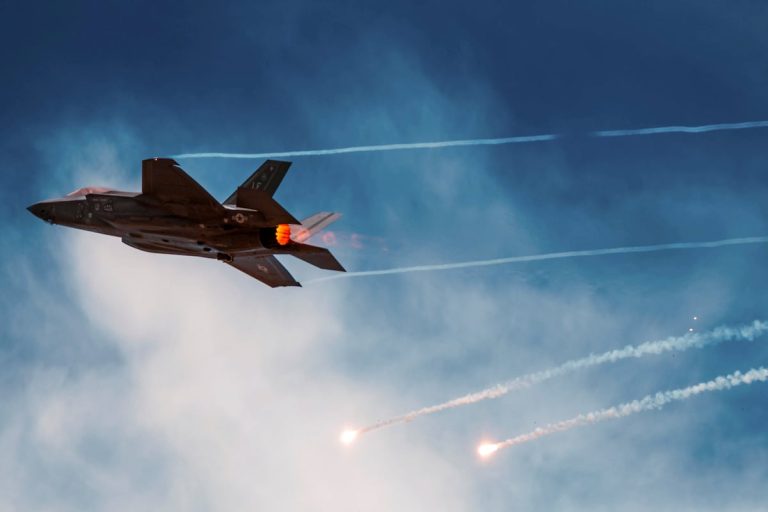
The newest F-35 Joint Strike Fighters are now able to carry out more elaborate training missions, but the government is withholding millions of dollars in payment to Lockheed Martin until the jets can fight in combat.

Lockheed Martin has upgraded the software in its latest batch of F-35s to handle “more robust combat training capability,” the F-35 Joint Program Office and Lockheed said in a joint statement Thursday. Previously, these F-35s could only carry out “initial training capability” using a partial version of the upgrades known as Technology Refresh 3.

The government refused to accept delivery of the new TR-3 fighters from Lockheed starting in July 2023 due to software integration problems and some hardware shortfalls. Lockheed continued to build F-35s while hunting for a solution to the TR-3 problem and stored them at its Fort Worth, Texas, facility.

Lockheed developed a partial version of the TR-3 software it referred to as “truncated,” which would allow the jets to fly basic training missions — but not in combat. The government concluded the truncated software worked well enough to start accepting the jets and deliveries resumed in July 2024.

TR-3 upgrades include better displays, computer memory and processing power, which are necessary for a more expansive upgrade known as Block 4. In addition to allowing the F-35 to carry more weapons, the Block 4 upgrades will allow the jets to better identify targets and conduct electronic warfare.

Top Air Force officials and Lockheed Martin last month promised further improvements to the F-35 will come.

But the new jets will likely not be able to fly into combat until 2025, and that will cost Lockheed in the meantime.

The JPO and Lockheed said Thursday that until TR-3′s combat capability is qualified and delivered, the government is withholding about $5 million per jet in payments to Lockheed Martin. Those withholdings were negotiated as part of the government’s agreement with Lockheed to accept and deliver F-35s with combat training capability.

The newest F-35A fighters, which the U.S. Air Force flies, cost about $82.5 million. New F-35Bs — the short-takeoff and vertical landing variants flown by the U.S. Marine Corps — cost about $109 million, and the F-35Cs the U.S. Navy and Marine Corps use on aircraft carriers will cost about $102.1 million.

The JPO and Lockheed also said the company and its industry partners “are making significant investments in development labs and digital infrastructure that benefit the F-35 enterprise’s speed and agility in fielding capabilities to the most advanced and connected fighter jet.”

The yearlong delays in delivering an unspecified number of F-35s have caused ripple effects throughout the Air Force and the Joint Strike Fighter program.

Gen. James Hecker, commander of U.S. Air Forces in Europe, said in July the TR-3 delays had led to a “slowdown” in the number of F-35s arriving at RAF Lakenheath in England, the home of the service’s two European-based F-35 squadrons. He said fewer than a dozen jets had been delayed.

“Don’t think that the TR-3 problems are over,” Hecker said at the Royal International Air Tattoo air show at RAF Fairford in England. “We do have a working software in TR-3 that is definitely good enough for training. … But there’s more to go.”

Newly delivered TR-3 jets would likely be sent to training bases, according to Hecker. Combat-capable jets flying training missions at those bases would then probably be transferred to Lakenheath.

And since TR-3 is necessary to put Block 4 upgrades in the jets, the delays have slowed down the next series of F-35 modernizations.

Andrew Hunter, the Air Force’s acquisition chief, also told reporters at the RIAT air show that the service was not paying full price for the incomplete jets.

“We will not pay for that which we have not yet received,” Hunter said.

Stephen Losey is the air warfare reporter for Defense News. He previously covered leadership and personnel issues at Air Force Times, and the Pentagon, special operations and air warfare at Military.com. He has traveled to the Middle East to cover U.S. Air Force operations.

Serbia to buy 12 Rafale fighter jets in nod to European industry

0

PARIS — Serbia agreed to buy 12 Rafale fighter jets from France’s Dassault Aviation to replace its MiG-29 fleet, in a deal which French President Emmanuel Macron called a strategic change for the Balkan country that maintains ties with Russia and China.

The contract for nine single-seater Rafales and three two-seaters is worth €2.7 billion (US$3 billion), according to French media, citing Serbian President Aleksandar Vucic. The purchase price includes an auxiliary logistics package, spare engines and parts, Vucic said at a press conference, Reuters reported.

Macron hailed Serbia’s choice of Rafale as positive for Europe, seeking to stave off criticism over France selling a highly capable fighter to a non-NATO member and Russia ally that doesn’t recognize the independence of neighboring Kosovo. The country has typically relied on Russia and more recently China for much of its military equipment.

“It’s great news because it’s a change, and in so doing, it contributes to peace in Europe,” Macron said. “Serbia has other partners, a history of these partnerships, but it’s an opening, a strategic change, despite a lot of pressure. It’s real strategic courage and an opportunity for Europe.”

Dassault Aviation CEO Eric Trappier and Serbian Minister of Defence Bratislav Gasic signed the contract for the Rafale sale in Belgrade in the presence of Macron and Vucic, the company said in an emailed statement Thursday night. The contract “testifies to the determination of both presidents to make this partnership a success,” the company said.

Serbia has been looking at Europe-based suppliers to replace some of its ageing flying equipment, taking delivery of two Airbus C295 transport aircraft in September last year.

Croatia and Greece operate the Rafale, and Macron said Serbia joining the club is “a tremendous opportunity” for regional integration.

Macron said Dassault Aviation typically takes all precautions to protect French intellectual property and know-how, calling for confidence in the firm and the French defense ministry to “have done everything to the highest standards, just as we have done in all the countries where similar contracts have been signed.”

Serbia is buying the planes in the F3 configuration with delivery by 2029, and the purchase price doesn’t include armaments such as missiles and bombs, French newspaper La Tribune reported, without saying where it got the information. Vucic said the jets will be delivered with MBDA’s Mica medium-range, air-to-air missile rather than the more sophisticated long-range Meteor, according to Reuters.

France in December ordered an additional 42 Rafale jets in a deal worth more than €5 billion, while Indonesia in January placed an order for 18 of the aircraft as the final tranche of a 2022 deal.

Dassault Aviation’s flurry of Rafale orders could challenge the company’s target to start deliveries three years from contract signature, the International Institute for Strategic Studies said in January. The company said in July the production ramp-up of the Rafale continues to be impacted by supply-chain disruptions in the aerospace industry.

Rudy Ruitenberg is a Europe correspondent for Defense News. He started his career at Bloomberg News and has experience reporting on technology, commodity markets and politics.