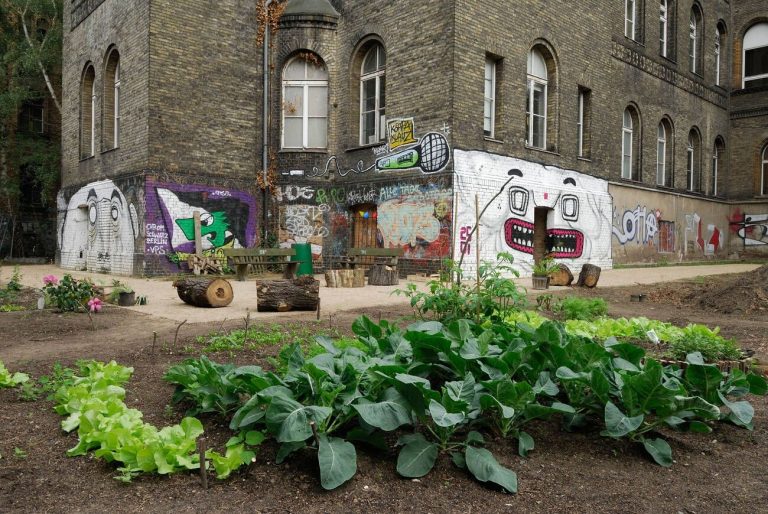
Guerilla gardening is the art of discovering overlooked patches of land and transforming them into pockets of beauty with the magic of plants. It’s about rolling up your sleeves and using whatever space you can find, whether it’s a forgotten corner of a public park or a neglected plot of private land, to cultivate flowers or food for the whole community. While it might bend a few rules and sometimes even tiptoe into the realm of illegality, the rewards often outweigh the risks.
If you’re scratching your head wondering what “guerilla” has to do with gardening, think of it as a nod to guerilla warfare—small, unconventional groups taking on larger, more established forces. In the world of gardening, it’s individuals or groups breaking away from the traditional norms, planting seeds of change in unexpected places.
The motivations behind guerilla gardening are as diverse as the blooms that spring forth from the soil. Some are driven by a desire to support struggling pollinators by creating new habitats, while others see it as a way to tackle issues like food deserts, ensuring that everyone has access to fresh, nutritious produce. For some, it’s simply about adding a splash of color to drab surroundings, while for others, it’s a form of peaceful protest—a way to make a statement about the importance of green spaces in our communities.
There’s something undeniably powerful about taking a space that’s been ignored or abandoned and breathing new life into it. It’s a reminder that even in the most unlikely of places, beauty and abundance can flourish with a little care and creativity. And beyond the aesthetic transformation, guerilla gardening sends a message of hope—a declaration that we can all play a role in shaping the world around us for the better, one seed at a time.
Exploring the roots of Guerilla Gardening
While many are familiar with the legend of Johnny Appleseed, few realize that he was, in essence, an early practitioner of guerilla gardening. His story is shrouded in differing perspectives and interpretations, but one fact remains undisputed: he scattered apple seeds and established orchards throughout his travels, sometimes sharing or selling seeds to others.
John Chapman, born in 1774, embarked on a journey as a young wanderer. During his twenties, he apprenticed at an apple orchard. As he ventured westward, he planted orchards, exploiting a loophole of the time that allowed individuals to lay claim to land through cultivation. Alongside apples, he also introduced people to the cultivation of medicinal plants.
The motivations behind Chapman’s gardening endeavors remain a subject of speculation. Whether driven by financial gain or altruistic motives, historical records suggest a genuine concern for both people and animals, indicating that his unconventional gardening served a broader purpose.
The term “Guerilla Gardener” gained prominence with Liz Christy and her Green Guerrilla group in New York in 1973. They revitalized a dilapidated private lot, which has since blossomed into a cherished community garden, now legally protected. Liz’s advocacy led to the city granting access to the lot for a nominal fee, sparking a transformation into an award-winning oasis nestled amidst the urban chaos.
In the heart of bustling New York City, this garden flourishes with mature trees, ponds teeming with life, and vibrant displays of flowers—all tended to by dedicated volunteers. It exemplifies the essence of guerilla gardening: reclaiming neglected spaces and nurturing them into vibrant sanctuaries.
Similarly, in 2010, a resident of South Los Angeles, weary of the scarcity of fresh produce in his neighborhood, took matters into his own hands. Ron Finley converted a strip of land between the sidewalk and the street into a vegetable garden, defying attempts by the city to halt his efforts.
Finley’s activism spawned L.A. Green Grounds, a nonprofit mobilizing volunteers to transform unused public land into thriving vegetable gardens. His crusade against bureaucratic barriers propelled him into the forefront of the battle for food justice, advocating for the utilization of vacant lots to address the issue of food deserts.
Despite encountering resistance and financial repercussions, Finley’s unwavering dedication has galvanized community support. His TED talks have amplified the message of guerilla gardening as a vehicle for social change, particularly in combating food insecurity.
Indeed, guerilla gardening transcends mere horticulture; it embodies a form of grassroots activism, fostering resilience and empowerment within underserved communities. As it nurtures both bodies and spirits, it stands as a testament to the transformative power of green spaces in shaping healthier, more equitable societies.

Are you considering giving Guerilla Gardening a try?
Before delving into the world of guerilla gardening, it’s crucial to reflect on your motives. What draws you to this unconventional form of horticulture? There are myriad reasons to embrace it—perhaps the idea of reclaiming neglected spaces resonates with you, or maybe you’re driven by a desire to foster community engagement through green initiatives.
However, it’s essential to weigh the potential risks against the perceived benefits. While the consequences of being caught are typically minimal, fines or requests to purchase utilized land have been reported in some instances. Yet, for many guerilla gardeners, the potential penalties are a minor deterrent compared to the satisfaction of revitalizing forgotten corners of their communities.
If you’re considering spearheading a guerilla gardening movement, rallying support from like-minded individuals can mitigate potential financial burdens. Collective action not only spreads the workload but also strengthens the resilience of the endeavor against opposition.
Choosing suitable locations for guerilla gardening is paramount. Opting for inconspicuous sites such as hollowed trees or abandoned structures reduces the likelihood of objections. Moreover, thoughtful selection of plants that benefit local ecosystems or address community needs fosters greater acceptance and support.
As you expand your garden, consider the long-term maintenance required to sustain its vitality. Accessibility for upkeep and potential objections from detractors should be factored into your planning process.
Guerilla gardening is, at its core, a rebellious yet benevolent act—a means of reclaiming spaces marred by neglect or human intervention and transforming them into havens of beauty and abundance. By cultivating beauty and resources, guerilla gardeners make a powerful statement of compassion and generosity.
However, this endeavor demands careful planning and intentionality. Selecting native plants and avoiding invasive species ensures ecological integrity, while thoughtfully tending to vegetable gardens ensures their efficacy in addressing community needs.
If you’re committed to becoming a guerilla gardener, devise strategies for nurturing and sustaining your endeavors. Effective management is key to preserving the positive impact of your garden and preventing it from becoming a neglected eyesore.
Ultimately, the decision to embrace guerilla gardening hinges on your underlying motivations. It’s not merely about flouting rules or expanding green spaces for the sake of it; rather, it’s about channeling your efforts towards causes that benefit others and contribute to the well-being of your community. If you’re unsure of your reasons, embarking on this journey may provide clarity and lead you to discover meaningful avenues for positive change in your local area.
Getting Started with Guerilla Gardening

Human activity has left a profound mark on our planet, disrupting natural ecosystems and degrading the environment. The practice of guerilla gardening emerges as a grassroots response—a means of reclaiming urban spaces and reintroducing nature into our daily lives, countering the footprint of waste, pollution, and neglect.
Whether you’re strolling along your usual route, visiting a local park, or exploring your neighborhood, guerilla gardening invites you to perceive your surroundings through a different lens, embracing nature as an integral part of your lifestyle.
As you venture out, keep an eye out for potential guerilla garden sites—a neglected pothole, a hollowed tree stump, or even immovable debris like abandoned vehicles or heavy tires. These spots often exist within the fabric of your everyday routine; there’s no need to go out of your way.
Consider locations that intersect with your weekly activities—a frequented dog park, a disc golf course, or an abandoned building near your grocery store. View these spaces through the prism of guerilla gardening, envisioning them as canvases for nature’s revival.
Once you’ve identified a suitable spot, determine the most appropriate planting approach. If access allows, you can directly work the soil and introduce plants. However, in fenced or restricted areas, or locations where prolonged planting may attract unwanted attention, consider crafting seed balls—compact spheres containing soil, compost, and seeds that germinate with the aid of rainfall.
Remember, you need not embark on this journey alone. Invite friends, family, colleagues, or neighbors who share your passion for enhancing local landscapes to join you. The camaraderie of shared gardening experiences can be immensely rewarding and may even catalyze a grassroots movement within your community.
Remember, guerilla gardening is about more than just planting seeds; it’s about fostering connections, reclaiming neglected spaces, and nurturing a shared sense of stewardship for the environment. So, gather your allies, roll up your sleeves, and embark on this journey of transformation—one garden at a time.
Here are a few lesser-known tips for guerrilla gardening:

Timing is Key: Choose the timing of your gardening activities wisely. Opt for early mornings or late evenings when foot traffic is minimal to reduce the chances of being spotted.
Seed Dispersal Techniques: Explore alternative methods of seed dispersal beyond seed balls. For example, attach seeds to biodegradable materials such as paper strips or egg cartons and scatter them in targeted locations.
Water Conservation Strategies: In areas where water access is limited or restricted, consider drought-tolerant plant species or implement water-saving techniques such as mulching to retain soil moisture.
Guerrilla Gardening: Take your guerrilla gardening efforts a step further by organizing “seed bombing” events or flash mob-style gardening activities in collaboration with local community groups or environmental organizations.
Educational Outreach: Use your guerrilla gardening endeavors as opportunities for educational outreach. Create informational signage or host workshops to raise awareness about the importance of urban greening and sustainable gardening practices.
Guerrilla Gardening Networks: Tap into online forums, social media groups, or local gardening networks to connect with like-minded individuals and share tips, resources, and success stories.
Guerrilla Seed Libraries: Establish guerrilla seed libraries in public spaces where individuals can borrow seeds, contribute seeds from their own gardens, and exchange gardening knowledge and experiences.
Concluding
Guerilla gardening stands as a powerful testament to the resilience of human spirit and the transformative potential of grassroots activism. Through the simple act of planting seeds in neglected spaces, guerilla gardeners reclaim urban landscapes, foster community connection, and advocate for environmental stewardship.
While it may begin as a rebellious endeavor, guerilla gardening ultimately transcends its origins, evolving into a movement driven by compassion, creativity, and a shared vision of a greener, more sustainable future.
As individuals band together to cultivate beauty, foster biodiversity, and nourish communities, guerilla gardening emerges not only as a means of addressing societal challenges but also as a symbol of hope and renewal in an increasingly urbanized world.
Useful resources you may like:
How To Grow Wheat In Your Garden
A DIY Project to Generate Clean Water Anywhere
How to conserve garden soil moisture during the summer months
The vital self-sufficiency lessons our great grand-fathers left us