US has accepted 36 upgraded F-35s since lifting delivery pause

0

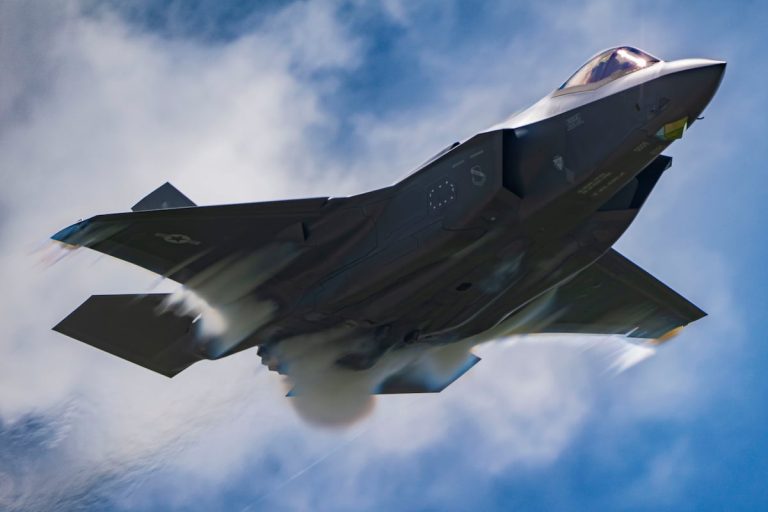
The U.S. has officially accepted 36 new Lockheed Martin-made F-35 Joint Strike Fighters since lifting a yearlong delivery halt in July, 29 of which have so far been ferried to their new homes.

Beginning in July 2023, the Pentagon refused to accept enhanced F-35s due to problems with the aircraft’s upgraded Technology Refresh 3 hardware and software, which include new and improved displays, computer memory and processing power. The modifications are also needed for a more expansive upgrade package — known as Block 4 — that will allow the F-35 to carry more weapons, better identify targets and conduct electronic warfare.

Those restrictions were lifted after the development of a “truncated” version of the software that would allow the delivery of the jets and enable them to fly combat training missions.

Lt. Gen. Michael Schmidt, the F-35′s program executive officer, said on Tuesday that those aircraft are now being safely rolled out from their storage at Lockheed Martin’s facility in Fort Worth, Texas.

The military has not said exactly how many F-35s were built and then stored during the delivery halt, but the jets number in the dozens.

But with the militaries of multiple nations and three U.S. services awaiting their long-overdue F-35s, it’s not easy figuring out who should get their aircraft first, Schmidt said at the Air and Space Forces Association’s Air Space Cyber conference outside Washington.

“You could have quite the debate on how that order should look,” Schmidt said.

After such a long delay, following the established contract order might not be the most efficient and effective way to organize deliveries, Schmidt said. So, Schmidt brought together officials from the Air Force, Navy and Marine Corps, as well as international partners flying the F-35, to sort out a revised delivery schedule based on each of their training and capability requirements.

However, the new fighter aircraft are not yet able to fly in actual combat. Schmidt said he is hopeful these F-35s will be combat-capable in 2025, but noted there is “a little bit of work to do” to make sure such issues don’t arise again.

“We need to hold the industry accountable, and we need to change the future for the F-35 program,” Schmidt said.

Participants in the F-35 program haven’t properly invested in labs to develop capabilities for the jet, he said. Fixing that is a priority.

The F-35 Joint Program Office in February brought in an independent review team to analyze the status of the F-35 program’s software development and assess how to expand its capabilities. The JPO earlier this year told Lockheed to “kickstart” its investment in software development as part of the negotiations over the truncated software.

“I really wanted to make it clear to everybody that we need to change the way we do development in the F-35 program, and get ourselves to a place where we can truly deliver on our promises,” Schmidt said.

The JPO is also withholding about $5 million in payments, per aircraft, from Lockheed Martin until TR-3′s combat capability is qualified and delivered.

But the TR-3 holdups have had ripple effects on the F-35 program. Air Force Secretary Frank Kendall said at a July air show in England that Block 4 upgrades have been “delayed substantially.”

And the F-35 program is rethinking Block 4 to ensure it has the right strategy for the upgrades.

Some of the roughly 80 capability requirements making up Block 4 are crucial for the jet, Schmidt said, but are also uniquely challenging.

So, the F-35 program is taking another look at each capability to reassess what kind of technical maturity they would need, whether the program can deliver them and how much they will cost, he said.

Schmidt said he hopes to have a Block 4 plan next spring that will meet the needs of warfighters, but there are still program costs and capacity constraints to overcome.

“This is the best fighter in the world,” he said. “We need to continue to keep it the best fighter in the world.”

Stephen Losey is the air warfare reporter for Defense News. He previously covered leadership and personnel issues at Air Force Times, and the Pentagon, special operations and air warfare at Military.com. He has traveled to the Middle East to cover U.S. Air Force operations.

Marines reopen second WWII-era airfield to prep for future combat

0

A recently refurbished, World War II-era airfield is the second such site the Marine Corps has reactivated this year for air training and operations.

The Marine Corps in August announced the $28 million overhaul of the airfield at Camp Davis, North Carolina, less than 25 miles from Camp Lejeune. That move followed the service’s June recertification of an airfield on the Pacific island of Peleliu.

The two locations are crucial for Marine plans to improve the service’s aviation capabilities, both in future operations and in training.

A particular challenge for Marines is to effectively execute the service’s Expeditionary Advanced Base Operations mission, which seeks to disperse small Marine units across vast distances. This approach relies heavily on aircraft support, from precision strike and reconnaissance to refueling and resupply.

“Aviation and ground units across the region will be able to use this runway to exercise the full spectrum of training capabilities in preparation for missions around the globe, to include simulating austere airfield conditions in conjunction with Expeditionary Advanced Basing Operations,” said Col. Ralph Rizzo, Marine Corps Installations East commander.

While the North Carolina location adds more air options for training, the Peleliu airstrip puts Marine and joint military aircraft within 1,000 miles of Manila, Philippines, and 1,400 miles from the bulk of Marine forces in Okinawa, Japan.

That positioning gives units flowing into the region an aircraft refit and refuel point just beyond the first island chain surrounding China.

Aerial drone photograph of the newly resurfaced Camp Davis South outlying landing field, Aug. 23, 2024. (Cpl. Daniela Chicas-Torres/Marine Corps)

The 18-month Camp Davis revamp, meanwhile, saw the aged runway “torn up, raised and resurfaced with three layers of rock, gravel and asphalt,” according to the installation release.

Workers then installed concrete landing pads and an apron designed to handle “high-intensity heat generated during hovering, landing and turning maneuvers.”

Those features are especially important because the Corps plans to use the airfield, located north of Holly Ridge in the Greater Sandy Run Training Area, as a multipurpose landing field.

That means it will have to handle every Marine airframe, from the KC-130 Hercules to the F-35 Joint Strike Fighter, MV-22 Osprey, other rotary wing aircraft and the Air Force’s heavy lift C-17.

The 4,525-foot airstrip holds a 3,600-foot asphalt runway and concrete turnarounds at each end for vertical take-offs and landings, such as those conducted by the Osprey.

The entire airfield occupies about 275 acres.

The Camp Davis airfield was originally an Army installation, built in 1941 for use as an anti-aircraft artillery training center during World War II, according to the Marine release.

The Army ceased using the installation in 1946. The property was absorbed into the Navy’s Greater Sandy Run Training Area in 1992, and used primarily by rotary wing units at Marine Air Station New River.

Todd South has written about crime, courts, government and the military for multiple publications since 2004 and was named a 2014 Pulitzer finalist for a co-written project on witness intimidation. Todd is a Marine veteran of the Iraq War.

US special ops cuts armed overwatch buy, still needs to justify need

0

U.S. Special Operations Command cut its desired purchase of 75 armed overwatch aircraft to 62 following a recommendation last year from a government watchdog to slow down the program’s acquisition.

Now, in a recent update to its recommendation, the Government Accountability Office noted that while the number of requested aircraft had been reduced, U.S. Air Force Special Operations Command, or AFSOC, officials still hadn’t justified why they need that many aircraft.

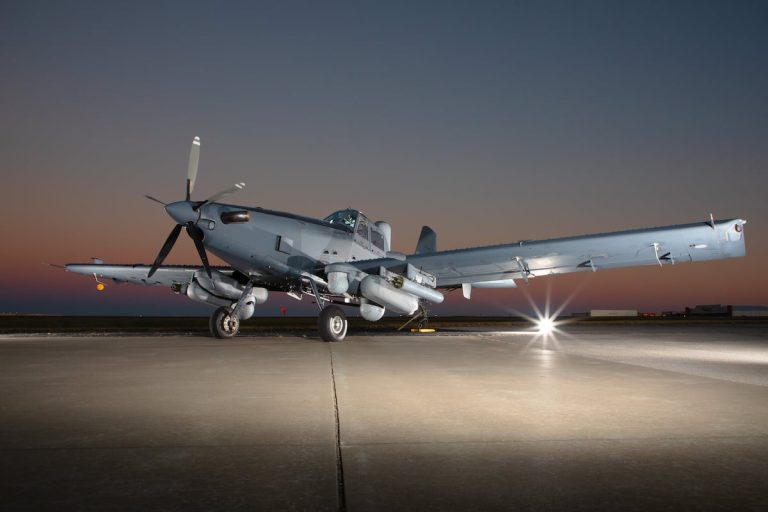
The armed overwatch program aims to field fixed-wing aircraft for AFSOC to deploy to austere locations, Defense News previously reported. The current aircraft at the program’s center is the AT-802U Sky Warden, a single-engine, two-person platform made by L3Harris Technologies and Air Tractor.

The command expected to spend $2.2 billion to buy the originally requested 75 aircraft, which replaces the U-28 Draco.

SOCOM had purchased 16 Sky Wardens as of last year, with plans to purchase another dozen this year, Defense News reported.

The most recent update, published Sept. 5, notes SOCOM has plans to divest two of its intelligence, surveillance and reconnaissance, or ISR, platforms. However, those platforms were used to support armed overwatch.

The watchdog “found that SOCOM has not taken steps to plan for, or add, critical ISR capabilities provided by soon-to-be divested aircraft,” according to the GAO report.

SOCOM also failed to address risks associated with losing those capabilities if the new armed overwatch aircraft didn’t have them as part of the platform’s fielding, the report found.

The armed overwatch program’s austere mission means that developers must provide an aircraft with minimal logistics and support needs.

The aircraft itself must be able to give ground troops close air support, precision strike and ISR capabilities, according to the report. It’s primarily expected to be used in such roles in counterterrorism and irregular warfare missions, according to program information.

The GAO report stated SOCOM “concurred” or “partially concurred” with its six major recommendations.

Those recommendations included reevaluating the number of aircraft needed; limiting procurement to the minimum needed for testing until the fleet size is determined; assessing risks to missions if the ISR capabilities are not added; identify challenges to operate and deploy the aircraft; and assess whether the program remains an affordable priority; and update concepts for the types of operations the aircraft might conduct.

Fiscal 2026 is marked in the GAO report as a key year for deadlines such as completing the operational test and evaluation, making a full rate production decision and reaching initial operational capability.

The U.S. Air Force began a capability assessment in 2017 to evaluate potential light attack aerial platforms for use with coalition partners. At the time, then-Air Force Secretary Heather Wilson told Congress that the purpose was to free up more advanced and costly assets for other tasks.

Wilson cited an example of F-22 fighter jets being used to strike a drug laboratory in Afghanistan — a mission that could have been accomplished with a less sophisticated platform at a lower cost.

After a series of experiments, the program transferred to SOCOM. In 2021, the command filed its request for 75 aircraft, according to a Congressional Research Services report.

The per-hour operating cost of an aircraft like the Sky Warden is about 2% to 4% of that of advanced fighters, the report noted.

Todd South has written about crime, courts, government and the military for multiple publications since 2004 and was named a 2014 Pulitzer finalist for a co-written project on witness intimidation. Todd is a Marine veteran of the Iraq War.

Top 10 Most Nutritious Foods To Keep You Well Feed During A Crisis

0

In the first part of this series, we explored five nutrient-packed, crisis-friendly recipes that rely on affordable and easily stored ingredients. As we continue into Part Two, we’ll dive into five more dishes that have stood the test of time, from historical staples to modern comfort foods.

These recipes are designed to keep you nourished during tough times, using items commonly found in American households. Whether you’re looking for something hearty, simple, or adaptable, these meals will help ensure you stay well-fed with minimal effort and maximum nutrition.

Top 10 Nutritious Foods You Can Make At Home (continued):

6. Hoover Stew

Ingredients:

  • 2 cups elbow macaroni (or any pasta shape)
  • 4 hot dogs, sliced into bite-sized pieces
  • 1 can (15 oz) diced tomatoes (with juice)
  • 1 can (15 oz) mixed vegetables (like corn, peas, and carrots), drained
  • 1/2 teaspoon salt
  • 1/4 teaspoon black pepper
  • 1/2 teaspoon garlic powder or onion powder (optional, for extra flavor)

Instructions:

Cook the Pasta: In a large pot, bring water to a boil. Add the macaroni and cook according to the package instructions until al dente (usually about 7-8 minutes). Drain and set aside.

Prepare the Hot Dogs: In the same pot, add the sliced hot dogs and cook over medium heat until they begin to brown slightly, about 3-4 minutes.

Combine Ingredients: Add the cooked pasta back into the pot with the hot dogs. Pour in the canned diced tomatoes (with juice) and the drained mixed vegetables. Stir well to combine.

Season the Stew: Add salt, pepper, and any additional seasonings you like (such as garlic powder or onion powder). Stir to mix all the ingredients evenly.

Simmer: Let the stew simmer on low heat for 5-10 minutes, allowing the flavors to meld together and the stew to heat through.

Serve: Serve the Hoover Stew hot in bowls. It’s hearty enough to be a meal on its own or can be accompanied by bread or crackers.

Nutritional Information (per serving, approximately 1 1/2 cups):

  • Calories: ~300 kcal
  • Protein: 12g
  • Carbohydrates: 40g
  • Sugars: 6g
  • Fiber: 5g
  • Fat: 10g
  • Saturated Fat: 3g
  • Sodium: 700mg
  • Potassium: 350mg
  • Calcium: 40mg
  • Iron: 3mg

Nutritional Benefits:

Pasta provides carbohydrates for energy and some fiber, especially if whole grain varieties are used.

Hot Dogs offer protein, though they are high in sodium and should be consumed in moderation.

Canned Vegetables and Tomatoes are affordable sources of vitamins, minerals, and fiber, adding essential nutrients to the dish.

Historical Context:

Hoover Stew became popular during the Great Depression as a cheap, filling meal that could feed a family on a tight budget. Named somewhat mockingly after President Herbert Hoover, who was in office during the early years of the Depression, this dish was often served in soup kitchens. It used affordable, readily available ingredients like pasta, canned vegetables, and hot dogs, making it a practical option for many households struggling to make ends meet. Even today, Hoover Stew remains a symbol of American resilience and ingenuity in the face of hardship.

7. Red Beans and Rice

Ingredients:

  • 1 cup dried red beans (or 1 can, 15 oz, of red beans, drained and rinsed)
  • 1 cup long-grain white rice (or brown rice for added fiber)
  • 1/2 pound smoked sausage or andouille sausage, sliced (optional for added flavor)
  • 1 onion, chopped
  • 1 bell pepper, chopped
  • 2 cloves garlic, minced
  • 1 can (15 oz) diced tomatoes (optional, for a tomato-based version)
  • 2 cups chicken or vegetable broth
  • 1 teaspoon dried thyme
  • 1 teaspoon paprika
  • 1/2 teaspoon cayenne pepper (optional, for heat)
  • 2 bay leaves
  • 1 tablespoon vegetable oil
  • Salt and pepper to taste
  • Chopped green onions (optional, for garnish)
  • Hot sauce (optional, for serving)

Instructions:

Prepare the Beans: If using dried beans, rinse them and soak overnight in plenty of water. Drain and rinse before cooking. Alternatively, if using canned beans, just drain and rinse them.

Cook the Sausage: In a large pot, heat the vegetable oil over medium heat. Add the sliced sausage and cook until browned. Remove the sausage and set aside.

Sauté Vegetables: In the same pot, add the chopped onion, bell pepper, and minced garlic. Cook until softened, about 5 minutes.

Combine Ingredients: Add the soaked (or canned) beans, chicken or vegetable broth, dried thyme, paprika, cayenne pepper (if using), and bay leaves to the pot. Stir well and bring to a boil. Reduce heat to low, cover, and simmer for 1-1.5 hours (or until beans are tender). If using canned beans, simmer for about 30 minutes.

Add Sausage and Adjust Seasoning: Add the browned sausage back into the pot. Season with salt and pepper to taste. Continue to simmer for another 15 minutes to allow flavors to meld.

Cook the Rice: While the beans are simmering, cook the rice according to package instructions.

Serve: Serve the red beans over the cooked rice. Garnish with chopped green onions and hot sauce if desired.

Nutritional Information (per serving, approximately 1 cup beans with 1/2 cup rice):

  • Calories: ~350 kcal
  • Protein: 15g
  • Carbohydrates: 55g
  • Sugars: 5g
  • Fiber: 10g
  • Fat: 10g
  • Saturated Fat: 3g
  • Sodium: 700mg
  • Potassium: 600mg
  • Calcium: 80mg
  • Iron: 4mg

Nutritional Benefits:

Red Beans are high in protein and fiber, supporting digestion and providing sustained energy.

Rice offers carbohydrates for energy; using brown rice can add more fiber and nutrients.

Sausage (if included) adds flavor and protein, though it’s higher in sodium and fat.

Vegetables like onions and bell peppers contribute vitamins and minerals, enhancing the overall nutritional profile of the dish.

Historical Context:

Red Beans and Rice is a classic dish from Louisiana, deeply rooted in Creole and Cajun cuisine. It became popular as a hearty, economical meal, particularly in New Orleans. Traditionally, this dish is prepared on Mondays with leftover ham bones from Sunday dinners, which allowed for a flavorful, budget-friendly meal throughout the week. Its simplicity and versatility made it a staple for many families during times of economic hardship, and it continues to be a beloved comfort food that reflects the rich culinary heritage of the region.

8. Pasta with Marinara Sauce

Ingredients:

For the Marinara Sauce:

  • 1 can (15 oz) crushed tomatoes
  • 2 tablespoons olive oil
  • 1 onion, finely chopped
  • 2 cloves garlic, minced
  • 1 teaspoon dried basil
  • 1 teaspoon dried oregano
  • 1/2 teaspoon sugar (optional, to balance acidity)
  • Salt and pepper to taste

For the Pasta:

  • 8 ounces (about 2 cups) pasta (spaghetti, penne, or any shape you prefer)
  • Grated Parmesan cheese (optional, for serving)
  • Fresh basil or parsley (optional, for garnish)

Instructions:

Prepare the Marinara Sauce:

Sauté Aromatics: In a medium saucepan, heat the olive oil over medium heat. Add the chopped onion and cook until translucent, about 5 minutes. Add the minced garlic and cook for another 1 minute until fragrant.

Simmer the Sauce: Add the crushed tomatoes, dried basil, dried oregano, and sugar (if using) to the saucepan. Stir to combine. Bring the sauce to a simmer and let it cook uncovered for 15-20 minutes, allowing the flavors to meld together. Season with salt and pepper to taste.

Cook the Pasta:

Boil the Pasta: In a large pot, bring salted water to a boil. Add the pasta and cook according to the package instructions until al dente (usually about 8-10 minutes). Drain the pasta, reserving a small cup of pasta water if you want to adjust the sauce consistency.

Combine Pasta and Sauce:

Mix Together: Add the cooked pasta to the marinara sauce and toss until well coated. If the sauce is too thick, add a little of the reserved pasta water to reach your desired consistency.

Serve:

Garnish and Enjoy: Serve the pasta hot, topped with grated Parmesan cheese and fresh basil or parsley if desired.

Nutritional Information (per serving, approximately 1 cup pasta with 1/2 cup sauce):

  • Calories: ~350 kcal
  • Protein: 10g
  • Carbohydrates: 60g
  • Sugars: 8g
  • Fiber: 4g
  • Fat: 10g
  • Saturated Fat: 1g
  • Sodium: 600mg
  • Potassium: 500mg
  • Calcium: 80mg
  • Iron: 2mg

Nutritional Benefits:

Pasta provides carbohydrates for energy, and using whole-grain options can add more fiber.

Marinara Sauce made from crushed tomatoes is rich in vitamins A and C, and the tomatoes provide antioxidants like lycopene, which are beneficial for heart health.

Olive Oil adds healthy fats and can help with the absorption of vitamins from the sauce.

Garlic and Onions contribute flavor and have health benefits such as anti-inflammatory and immune-boosting properties.

Why This Recipe Works During a Crisis:

Pasta with marinara sauce is a budget-friendly, versatile meal that can be made with basic pantry staples. The dish is easy to prepare, can be made in large batches, and offers comfort and satisfaction. Canned tomatoes and dried herbs provide a lot of flavor with minimal cost, making it a practical option during times of scarcity or economic hardship. Plus, the recipe can be adapted with additional ingredients or served with whatever you have on hand.

9. War Cake

poor man's cake

Ingredients:

  • 1 cup raisins (or other dried fruit like currants or chopped dates)
  • 1 cup water
  • 1 cup brown sugar
  • 1/2 cup vegetable oil
  • 2 cups all-purpose flour
  • 1 teaspoon baking powder
  • 1 teaspoon baking soda
  • 1 teaspoon ground cinnamon
  • 1/2 teaspoon ground cloves
  • 1/2 teaspoon salt
  • 1/2 cup chopped nuts (optional)

Instructions:

Preheat the Oven: Preheat your oven to 350°F (175°C). Grease a 9×9-inch baking pan or line it with parchment paper.

Prepare Raisins: In a medium saucepan, combine the raisins and water. Bring to a boil, then reduce heat and simmer for 5 minutes. Remove from heat and let cool slightly.

Mix Wet Ingredients: In a large bowl, mix the brown sugar and vegetable oil until well combined. Add the cooled raisin mixture to this bowl and stir.

Combine Dry Ingredients: In another bowl, whisk together the flour, baking powder, baking soda, cinnamon, cloves, and salt.

Combine Wet and Dry Ingredients: Gradually add the dry ingredients to the wet ingredients, stirring until just combined. If using, fold in the chopped nuts.

Bake the Cake: Pour the batter into the prepared baking pan and smooth the top. Bake in the preheated oven for 30-40 minutes, or until a toothpick inserted into the center comes out clean.

Cool and Serve: Allow the cake to cool in the pan for 10 minutes before transferring it to a wire rack to cool completely. Slice and serve.

Nutritional Information (per serving, approximately 1 slice of 12 slices):

  • Calories: ~200 kcal
  • Protein: 3g
  • Carbohydrates: 35g
  • Sugars: 20g
  • Fiber: 2g
  • Fat: 8g
  • Saturated Fat: 1g
  • Sodium: 250mg
  • Potassium: 200mg
  • Calcium: 20mg
  • Iron: 1.5mg

Nutritional Benefits:

Raisins provide natural sweetness and are a good source of iron, potassium, and fiber.

Whole Wheat Flour (if used instead of all-purpose flour) can provide more fiber and nutrients.

Spices like cinnamon and cloves add flavor and have antioxidant properties.

Historical Context:

War Cake, also known as “Poor Man’s Cake,” originated during World War I and II when resources were scarce, and rationing was in effect. The cake is notable for its simplicity and use of basic, non-perishable ingredients like dried fruit and flour, reflecting the resourcefulness required during wartime. It was designed to be economical, easy to make, and satisfying, making it a practical choice for households facing shortages. Despite its humble ingredients, War Cake remains a beloved recipe that embodies the spirit of perseverance and creativity in the kitchen.

frontbookbnr1

10. Lentil and Vegetable Curry

Ingredients:

  • 1 cup dried lentils (red or green, rinsed and drained)
  • 2 tablespoons vegetable oil
  • 1 onion, chopped
  • 2 cloves garlic, minced
  • 1 tablespoon fresh ginger, minced or grated
  • 1 large carrot, diced
  • 1 bell pepper, chopped
  • 1 zucchini, chopped
  • 1 can (14.5 oz) diced tomatoes
  • 1 can (15 oz) coconut milk (or 1 cup water or vegetable broth for a lighter option)
  • 2 tablespoons curry powder
  • 1 teaspoon ground cumin
  • 1/2 teaspoon ground turmeric
  • 1/2 teaspoon paprika
  • 1/2 teaspoon salt (or to taste)
  • 1/4 teaspoon black pepper
  • 1 cup fresh spinach or kale (optional, for added greens)
  • Cooked rice or naan, for serving

Instructions:

Cook the Lentils: In a large pot, add the rinsed lentils and enough water to cover them by about 2 inches. Bring to a boil, then reduce heat and simmer for about 20-25 minutes, or until tender. Drain and set aside.

Prepare the Curry Base: In a large skillet or pot, heat the vegetable oil over medium heat. Add the chopped onion and cook until translucent, about 5 minutes. Add the minced garlic and ginger, and cook for another 1-2 minutes until fragrant.

Add Vegetables and Spices: Add the diced carrot, bell pepper, and zucchini to the skillet. Stir and cook for about 5 minutes until the vegetables start to soften. Add the curry powder, ground cumin, ground turmeric, paprika, salt, and black pepper. Stir well to coat the vegetables with the spices.

Combine Ingredients: Add the diced tomatoes (with their juice), coconut milk (or water/vegetable broth), and cooked lentils to the skillet. Stir to combine all ingredients. Bring to a simmer and cook for about 15-20 minutes, or until the vegetables are tender and the flavors are well blended. If using spinach or kale, stir it in during the last 5 minutes of cooking.

Adjust Seasoning: Taste and adjust the seasoning with more salt or pepper if needed.

Serve: Serve the curry hot over cooked rice or with naan bread.

Nutritional Information (per serving, approximately 1 cup curry with 1/2 cup rice):

  • Calories: ~300 kcal
  • Protein: 12g
  • Carbohydrates: 45g
  • Sugars: 8g
  • Fiber: 12g
  • Fat: 12g
  • Saturated Fat: 8g
  • Sodium: 500mg
  • Potassium: 800mg
  • Calcium: 100mg
  • Iron: 4mg

Nutritional Benefits:

Lentils are a great source of plant-based protein and fiber, which support digestive health and provide sustained energy.

Vegetables add essential vitamins, minerals, and antioxidants, contributing to overall health.

Coconut Milk provides healthy fats and adds creaminess to the curry. Using light coconut milk or broth can reduce calorie and fat content if desired.

Spices such as turmeric and cumin not only enhance flavor but also offer anti-inflammatory and antioxidant benefits.

Why This Recipe Works During a Crisis:

Lentil and vegetable curry is an affordable and nutritious meal that utilizes staple pantry ingredients and canned goods. Lentils are inexpensive and have a long shelf life, while vegetables can be fresh, frozen, or canned. This dish is versatile and can be adapted based on available ingredients. It’s hearty, filling, and provides a good balance of protein, fiber, and essential nutrients, making it a practical and comforting option during challenging times.

Concluding

In times of crisis, having a set of reliable, nutritious, and easy-to-make meals can make all the difference. From historical recipes like War Cake and Hoover Stew to more modern staples like Peanut Butter Banana Oatmeal, these dishes are designed to keep you and your family well-fed using common household ingredients. By focusing on foods that are affordable, shelf-stable, and adaptable, you can ensure that you stay nourished and energized, even when resources are limited. With a bit of creativity and planning, these recipes can offer comfort, sustenance, and a taste of resilience.

Suggested resources for preppers:

How to find Food in any Environment

The #1 food of Americans during the Great Depression

Survival Foods of the Native Americans

If you see this plant when foraging, don’t touch it!
New missile allows Marine pilots to strike far, avoid air defenses

0

Marine fighter pilots now have a missile that can strike targets up to 230 miles away, keeping aviators out of the range of many enemy air defense systems.

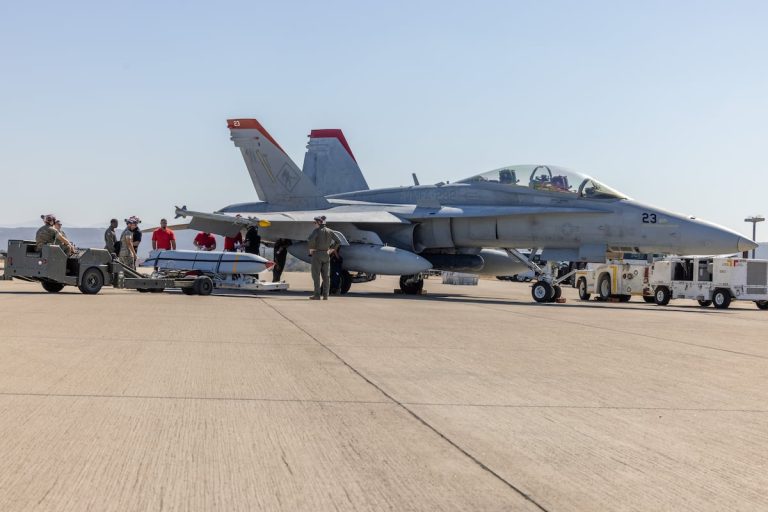
In late August, personnel with Marine Aviation Logistics Squadron 11 and Marine Fighter Attack Squadron 232 out of Miramar, California, became the first to run ordnance operations with the missile — the AGM-158A — using F/A-18 Hornet aircraft, Marine officials said.

The Air Force first used the air-to-ground missile in combat in 2018, firing it from B-1B Lancer bombers to strike a Syrian chemical weapons manufacturer, according to the statement.

“The (missile) not only surpasses the capabilities of any other weapon currently in the Hornet’s extensive weapons portfolio, but also the Marine Corps at large,” said Maj. Bradley Kirby, an aviation ordnance officer with 3rd Marine Aircraft Wing.

The missile, which is also slated for use on F-35B and F-35C aircraft, comes in two variants: the AGM-158B extended range version and the AGM-158C long-range, anti-ship version.

Cpl. Danny Santelmo unloads an AGM-158A joint air-to-surface standoff missile at Marine Corps Air Station Miramar, California. (Lance Cpl. Jennifer Sanchez/Marine Corps)

The Lockheed Martin-manufactured extended range variant can strike targets out to 620 miles, Air Force Times previously reported.

Marines validated and verified the missile for use on the Hornet through a series of tests that included loading, software compatibility, transportation, safe handling, weapon arming and de-arming.

The validation process is often completed using a training round, but Marines used live munitions due to the unavailability of training versions.

The work done by the munitions and safety specialists involved will be used to develop a set of checklists for future use of the weapon, said Warrant Officer Josiah Hood, a squadron ordnance officer.

Meanwhile, the missile is one of multiple new tools to debut this year for Marine Corps aviation.

In July, a Marine helicopter crew sank a moving training vessel near Okinawa, Japan, with a newly acquired “fire and forget” missile, the AGM-179.

That was the first time the Corps used that munition in a strike mission, Marine Corps Times previously reported.

An AH-1Z Viper crew belonging to Marine Medium Tiltrotor Squadron 262 (Reinforced) and attached to the 31st Marine Expeditionary Unit conducted the training mission.

Todd South has written about crime, courts, government and the military for multiple publications since 2004 and was named a 2014 Pulitzer finalist for a co-written project on witness intimidation. Todd is a Marine veteran of the Iraq War.

New Navy contracts boost battle command, electronic warfare potential

0

The Navy in August awarded a $587.4 million contract to L3Harris Technologies to develop the Next Generation Jammer Low Band system for select aircraft, according to a Navy release.

The jammer system will be “increasing the lethality” of 4th and 5th generation platforms and strike weapons, according to Rear Adm. John Lemmon, program executive officer for tactical aircraft programs.

The low band system under development is part of a larger system that will first augment and then replace the existing ALQ-99 Tactical Jamming System on the EA-18G Growler, which is a specialized version of the F/A-18F Super Hornet with electromagnetic warfare equipment.

The added low band upgrade to the Grower will allow the aircraft to defeat more adversary systems. It is scheduled to reach early operational capability in 2029, according to a release.

In addition to the jamming system contract, the Navy also awarded a $16 million bid to Fuse Integration to equip the company’s Fuse CORE 4.0 virtualized network system on the E-2D Advanced Hawkeye.

The Northrop Grumman-built Hawkeye is a battle management command and control platform, used to orchestrate multi-platform information sharing.

The $16 million upgrade will improve reliability and maintainability by replacing “bulky and obsolete routers,” the release said.

It will also add the ability to host applications the current system can’t handle, according to Shawn Thompson, the assistant program manager of systems engineering for the E-2D program.

“CORE 4.0 enables an additional layer of cyber-security for the platform by hosting new firewall applications as part of the Beyond Line-of-Sight upgrade program for the E-2D,” Thompson said.

Last year the United States approved a $1.4 billion sale to Japan of the E-2D Hawkeye, with its radars, navigation and display systems included, Defense News reported.

The Pentagon modified that contract to $1.5 billion this year. Japan has requested nine aircraft under the contract.

Todd South has written about crime, courts, government and the military for multiple publications since 2004 and was named a 2014 Pulitzer finalist for a co-written project on witness intimidation. Todd is a Marine veteran of the Iraq War.

Air Force meets recruitment goals, eyes 20% increase in 2025

0

The Air Force said Monday it will meet its recruitment goals in fiscal 2024, one year after all components of the service missed the mark for the first time in decades.

And the Air Force is setting an even more ambitious recruitment goal in 2025.

Air Force Recruiting Service commander Brig. Gen. Christopher Amrhein told reporters in a roundtable that the service will hit its goal of 27,100 non-prior service enlisted recruits this year. And next year, he said, the active-duty Air Force wants to recruit 32,500 new airmen — a 20% increase.

“The Department of the Air Force is still hiring,” Amrhein said this week at the Air and Space Forces Association’s Air Space Cyber conference just outside Washington.

Amrhein acknowledged the 2025 goal will be challenging, particularly as the Air Force faces competition for talented young people from the private sector. But he expressed confidence that the service will be able to meet its 2025 goal, in part by adding 377 more personnel to its recruiting ranks.

Before that expansion began, the Air Force had 1,390 recruiters, he said. Some of the 377 airmen the recruiting service is adding will focus on special warfare recruiting, while others will fill support roles, he said.

The first 80 of those new recruiters have already finished training and are hitting the field, Amrhein added, and 20 more are coming in November and December.

At this time last year, the Air Force had about 8,800 new recruits waiting to ship out to basic training, Amrhein said. That number has now grown to 11,000, and is a sign that the Air Force’s recruitment is healthier and more likely to reach its higher goal in 2025, he added.

Many of the new recruiters will be stationed throughout the southern United States, he said, but a few will be assigned to locations in Europe and the Pacific. Additionally, some will be part of a new concept called agile recruiting cells.

Those cells will be made up of two or three recruiters and assigned to squadron headquarters, he said, where they can follow leads or be temporarily surged to areas that need more recruiters.

Amrhein noted that a series of changes to recruiting processes — including reinstating the enlisted college loan repayment program, an accelerated naturalization program, greater use of medical waivers and more lenient policies on tattoos and marijuana — helped the service hit its goal this year.

But the changes do not mean the Air Force has lowered its standards or brought in less-qualified recruits, he said.

The Air Force in January also cut the time non-citizens must hold a green card — from 10 years to two — before they can join, Amrhein said. That change, in conjunction with an accelerated naturalization program at basic military training, has broadened the pool of highly qualified people, he said.

“We’ve had 1,400 folks get accelerated naturalization” at basic training, Amrhein added.

And in 2025, the Air Force wants to further expand opportunities for airmen who are on their way to becoming U.S. citizens, he said. The Air Force is considering allowing recruits who are green card holders to be conditionally selected for jobs that are typically only open to U.S. citizens. Those recruits would then be able to enter their job once they become naturalized, Amrhein said.

The military has also loosened its requirement on how long new recruits have to be off medication for attention deficit-hyperactivity disorder, or ADHD, and reduced the medical reviews that happen for recruits who had childhood asthma, he said.

Amrhein said the Air Force this year started working with the Civil Air Patrol to buttress its recruiting network and encourage more young people to join.

Stephen Losey is the air warfare reporter for Defense News. He previously covered leadership and personnel issues at Air Force Times, and the Pentagon, special operations and air warfare at Military.com. He has traveled to the Middle East to cover U.S. Air Force operations.

Norway’s Kongsberg to open new Virginia missile production plant

0

Norway’s Kongsberg Defence and Aerospace is opening up a new missile production facility in Virginia as global demand continues to rise amid major conflicts playing out in Ukraine and the Middle East, the company said Tuesday.

Kongsberg announced earlier this year that it plans to expand production for missiles in Norway and open a new missile factory in Australia.

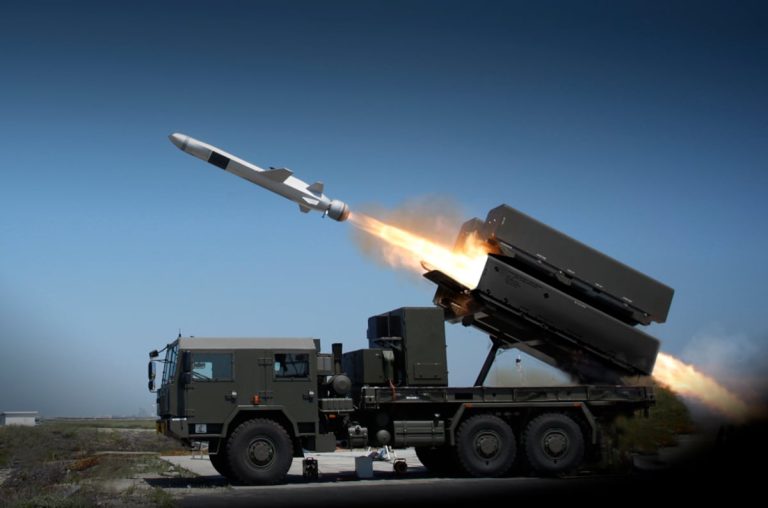
The James City County, Virginia, location will “provide additional production capacity, sustainment and in-country tech refresh capabilities for Kongsberg’s Naval Strike Missiles (NSM) and Joint Strike Missiles (JSM),” the company release states.

NSM is an anti-ship missile and JSM is an air-launched missile used on the U.S. Air Force’s F-35A fighter jet for complex missions like anti-surface warfare and land attack.

Kongsberg already has a U.S. production facility in Johnstown, Pennsylvania.

“The new missile production facilities in the US, Australia and Norway address the strong and long-term demand for our unique technology and the critical need to strengthen collective defence capabilities,” Geir Håøy, Kongsberg’s CEO, said. “Kongsberg has a proud history in the U.S. and we are delighted to continue to invest in the country to support American interests while creating jobs locally,” he added.

The company noted the decision to open the new U.S. facility “was heavily influenced by the possibility that the Department of Defense could award a multiyear procurement contract to Kongsberg.”

The Pentagon has pursued a number of new multiyear procurement contracts not usually awarded to missile programs. Earlier this year, the Army awarded a multiyear contract to Lockheed Martin for the Patriot Advanced Capability Increment 3 Missile Segment Enhancement missile and plans to soon award a similar contract for the Guided Multiple Launch Rocket System (GMLRS) missile.

“The US Navy, Marine Corps and Air Force are important customers for Kongsberg’s Naval Strike Missile and Joint Strike Missile,” Eirik Lie, Kongsberg Defence and Aerospace president, said. “Their demand signals gave us the predictability we needed to make this investment in the United States.”

The new missile factory, focused on assembly, upgrades and repairs for NSM and JSM, will include hiring more than 180 people. The company will invest more than $100 million into Virginia in the next few years “in terms of property, plant and equipment,” Heather Armentrout, president of Kongsberg Defense and Aerospace, Inc., the company’s U.S. subsidiary, said.

Kongsberg isn’t the only Nordic country expanding missile production in the U.S. Saab announced earlier this year that it would be growing its footprint stateside with a new facility that will manufacture ground combat weapons and missile systems.

The new site is part of a global manufacturing push from the Swedish company to quadruple its global capacity to produce its ground combat weapons. The new facility will support production of programs like the Ground-Launched Small Diameter Bomb.

Jen Judson is an award-winning journalist covering land warfare for Defense News. She has also worked for Politico and Inside Defense. She holds a Master of Science degree in journalism from Boston University and a Bachelor of Arts degree from Kenyon College.

Austria flaunts air power, considers purchasing new trainer jets

0

GRAZ, Austria — Austria is trying to decide on a successor for its recently retired fleet of jet trainers. A leading contender showed off its aerobatic skills at the Airpower show at the Zeltweg air base this month, reinvigorating speculation on whether Vienna will turn to Czechia or Italy for a purchase.

Austria decided in recent years to withdraw its fleet of Saab 105 OE jet trainers — a variant purpose-built for the country by the Swedish manufacturer — after five decades in service. A plan for a replacement was not initially announced.

But in the past year, the tune has changed, with the country’s military leadership suggesting that plans were being prepared to find a successor after all. Last month, Austrian defense minister Klaudia Tanner said she had received an “interesting” proposal from her Italian counterparts for the joint procurement of the Leonardo M-346 advanced jet trainer.

Under Tanner, the country’s defense forces have gone on a spending spree, procuring new helicopters, aircraft, land vehicles and air defense systems.

This latest possible purchase would fit into the recent trend of Austria buying expensive new military equipment in cooperation with other countries.

Vienna has taken a similar route in getting a successor for its C-130 Hercules large, fixed-wing transport aircraft in the form of the Brazilian C-390, bought together with the Netherlands. Similarly, 18 Leonardo AW169 helicopters are being procured jointly with Italy to replace the ancient Alouette III, which has been in service since 1967.

The M-346 played a prominent role at this year’s Airpower show, where the Italian Air Force presented the jet’s aerobatic abilities to an audience of up to 250,000 people, including representatives from Austria’s military.

Austrian pilots are already familiar with the aircraft type. Since the retirement of the Saab 105, the country’s pilots have been training on the Leonardo jet at the International Flight Training School in Sardinia, Italy.

Other training has taken place on the Eurofighter, a costly endeavor and likely driving force behind the decision to buy new dedicated trainers. In early September, the Vermont Air National Guard temporarily moved four F-35 fighters to Zeltweg to train with their Austrian counterparts through the State Partnership Program.

While the M-346 appears to be the frontrunner, officials have yet to announce a decision. Its main competitor seems to be the Czech-origin Aero L-39NG. The jet appeared in the static display at the previous Airpower show in 2022, where Filip Kulštrunk, a company vice president, pitched directly to Austrian decision-makers.

“In the case of Austria, the Czech Ministry of Defense fully supports the project and offers full government-to-government sale,” he said.

There was also talk of involving Austrian companies directly in the manufacturing process, forging longer-term industrial cooperation between the countries. Kulštrunk further relayed that Czechia was open to joint pilot training, “therefore sharing logistics and operational costs.”

Austria’s armed forces, particularly its air force, have long been plagued by insufficient funding. Cost considerations have been a driving factor behind the recently favored model of joint procurements under Defense Minister Tanner.

Similarly, budgetary constraints are also exerting pressure on its fleet of 15 Eurofighter Typhoon jets. In 2017, the country announced it would phase out older versions by 2020, though those plans appear to have been dropped indefinitely. Intermittently, there were media reports that the country might be unable to afford flying all 15 jets at once.

Last year, the government announced a €1.6 billion ($1.77 billion) upgrade package, which includes procuring new jet trainers and upgrading the Eurofighter fleet.

Linus Höller is a Europe correspondent for Defense News. He covers international security and military developments across the continent. Linus holds a degree in journalism, political science and international studies, and is currently pursuing a master’s in nonproliferation and terrorism studies.

Emphasis on electronic warfare a must, Air Force secretary says

0

While details on the findings of the Air Force’s yearlong deep dive into electronic warfare capabilities are largely classified, Secretary Frank Kendall said Monday the findings will shape near-term budget and architecture decisions.

“There are a number of things that I think offer a lot of potential for us that we’re trying to explore,” Kendall told reporters on the sidelines of the Air Force Association’s Air, Space and Cyber conference. “So, I think, writ large, you can expect more emphasis on electronic warfare. … But I can’t give you any specifics at this time.”

The study is part of a broader Air Force effort to understand key technologies that affect operations across multiple mission areas — and it follows a push from the service in recent years to better leverage the electromagnetic spectrum for communication, sensing, intelligence and non-kinetic warfare.

While there is a widespread understanding of the potential impact of these capabilities, Kendall said electronic warfare systems have not traditionally fared well in funding fights, with larger platforms and weapons programs almost always taking priority.

“My own experience suggests that this is a historically neglected area that can have an oversized impact but doesn’t compete well in our internal budget battles relative to other priorities,” he said in a keynote speech Monday.

Asked by reporters whether the fiscal 2026 budget would elevate these systems, Kendall declined to comment. However, he said the study the Air Force has been conducting was meant to inform its spending plan for FY26 and beyond, adding that it yielded “very promising” findings.

He didn’t discuss those findings in detail, but noted that the service is particularly interested in the role of electronic warfare systems in combating both space and counter-air threats.

“We believe we can counter advanced adversary kill webs by integrating a combination of electronic warfare tools, operationalized cyber capability and other elements,” Kendall said in his speech. “I’m excited to see us making fast progress on this mission area for the Department of the Air Force.”

The service is already in the process of developing an open architecture for electronic attack capabilities and has been working to increase the speed at which it can update these systems with real-time operational data.

Speaking in April at the virtual C4ISRNET Conference, Commander of the 350th Spectrum Warfare Wing Col. Josh Koslov said the Air Force is making progress toward completing those updates in a matter of hours — a process that previously would have taken days.

“We have to be able to continue to add pressure to the adversary in a war in order to seize the advantage and achieve our objectives,” Koslov said. “Data is the weapon that will allow this to happen, and data processing is the way to do that.”

Courtney Albon is C4ISRNET’s space and emerging technology reporter. She has covered the U.S. military since 2012, with a focus on the Air Force and Space Force. She has reported on some of the Defense Department’s most significant acquisition, budget and policy challenges.