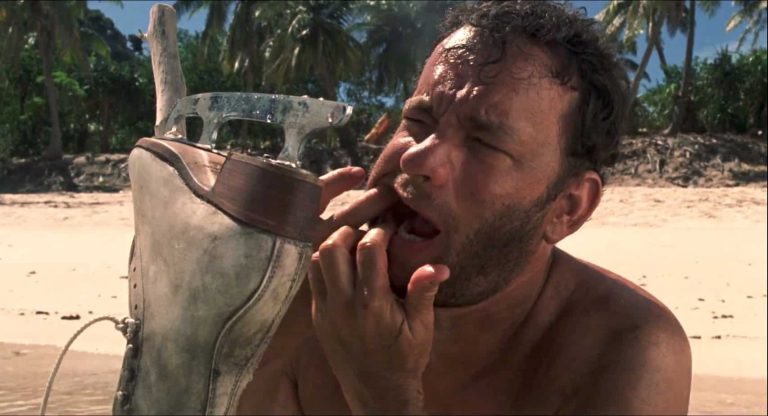
Savoring a meal with a picturesque backdrop from your remote abode, you suddenly hear a loud snap as you bite down on a nut, followed by agonizing pain from a fractured tooth. While this may seem like an uncommon occurrence, dental emergencies can strike unexpectedly, whether at home or in the wilderness, and can swiftly incapacitate an individual.
The immediate solution of seeking dental care may not always be feasible, as a dentist may be located far away, or it may be challenging to find one during evenings or weekends.
In some cases, dental offices may be closed during disasters, such as natural calamities or human conflicts, leaving individuals stranded without proper care. Moreover, a power outage can also hinder dental care, as dentists require electricity to operate their equipment. Hospitals usually do not offer dental services, further complicating matters.
Given that dental first aid is seldom taught in regular first aid classes, the information provided here is intended to assist individuals in emergency situations when professional dental aid is unavailable. However, it is essential to note that it does not substitute proper dental care.
Prevention
Dr. Andrew Morris, my friend, is an avid hunter, fisherman, and a dentist who has extensive experience with dental emergencies in rural areas. He emphasizes the importance of staying up-to-date with dental check-ups, especially for those embarking on extended trips. According to Dr. Morris, “A toothache can quickly spoil a good hunting trip.” However, this advice applies to everyone, regardless of their travel plans.
Regular dental check-ups can prevent many painful dental problems, such as gum infections and failed fillings. They can also detect and treat small cavities before they cause significant damage. Proper dental hygiene, including regular brushing and flossing, is essential for maintaining healthy teeth and avoiding cavities and gum infections.
During crises such as disasters or evacuations, maintaining good oral hygiene is even more critical. Emotional and physical stress, combined with poor oral hygiene, can increase the risk of gingivitis or gum infections.
A toothbrush with toothpaste is the most effective way to clean teeth. However, in emergency survival situations where one is unavailable, alternative methods can be used. For instance, a washcloth or towel can remove plaque, which is the soft, sticky, bacteria-laden substance that forms on the surface of teeth.
A thin green twig from a non-poisonous tree or bush can also be used by chewing it until it becomes soft and fibrous, and using the end as a brush to clean teeth and gums. In the absence of all other options, one can even use their finger.
Dental first aid kit
When I encountered my first broken tooth while backpacking, I realized my first aid kit contained nothing that could provide immediate relief. Perhaps yours is similarly ill-equipped. Luckily, you can add a few small, lightweight items from a drug store or market to your first aid kit to address dental emergencies. I suggest including the following:
- Dental floss
- Soft dental or orthodontic wax
- Cotton pellets
- Tempanal or Cavit temporary filling material
- Oil of cloves (eugenol)
- Small dental tweezers
Remember to always wear protective gloves from your first aid kit when working in the mouth to prevent the spread of infectious diseases. There are various commercial first aid kit avilable that will help you deal with your dental emergencies. One such kit is the Dental Medic Travel First Aid Kit for Teeth which I carry along whenever I go into the wilderness.
Toothache
A dental pulp inflammation called toothache is caused by decay or a fracture of the tooth. This condition can cause excruciating pain, and if an infection develops, it can spread through the root and form an abscess in the jaw.
The symptoms of toothache include pain in a particular tooth or multiple teeth, which may worsen with hot or cold foods and drinks or when biting pressure is applied. As the condition worsens, the pain may become constant and incapacitating.
If the toothache is due to food lodged in a cavity, the pressure may build up in the tooth and cause increased pain until the food is removed.
To alleviate toothache, first clean out the cavity, if any, with a toothbrush or toothpick. Next, soak a small cotton pellet or cloth in a topical anesthetic, such as eugenol or benzocaine, and place it in the cavity. Dental tweezers or similar tools can be helpful in placing the cotton.
It is important to use the right topical anesthetic, as some can cause chemical burns to the mouth and tongue. Eugenol or oil of cloves is the preferred topical anesthetic for emergency toothache treatment. Commercial toothache medications such as Red Cross Toothache Medicine, Dent’s Toothache Drops, and Orajel are available and can come with dental tweezers and cotton pellets.
Cover the medicated cotton with a temporary filling material such as Tempanol or Cavit to prevent it from falling out. Soft dental wax or softened candle wax can be used if these materials are not available. Pain medication like 800mg Motrin or prescription pain medicines like Vicodin can be taken, but aspirin should not be placed on the gum next to a painful tooth.
It is crucial to seek immediate dental help. If a dentist cannot be found right away, replace the cotton pellet with another freshly soaked in topical anesthetic.

Gingivitis
Gingivitis is a common dental condition that affects the gums. It is typically caused by inadequate tooth brushing and leads to inflammation, redness, and swelling of the gums. In some cases, the gums may even bleed while brushing the teeth. While gingivitis can be uncomfortable and painful, it is largely preventable through good oral hygiene and regular dental check-ups.
If you are experiencing pain and bleeding due to gingivitis, there are several steps you can take to improve your oral health. First and foremost, be sure to brush your teeth at least three times a day. Brushing after every meal can help to remove food particles and bacteria that can contribute to gum inflammation. In addition to brushing, be sure to floss daily to remove debris from between your teeth and below the gum line.
In addition to brushing and flossing, warm salt-water rinses can also be helpful in reducing the symptoms of gingivitis. The salt-water helps to reduce inflammation and can soothe sore gums. Over-the-counter anti-bacterial mouthwashes may also be effective in treating gingivitis. These mouthwashes can help to kill bacteria in the mouth and reduce inflammation, providing relief from pain and discomfort.
Dental abscess

A dental abscess, also known as a pus pocket, can occur due to an infected tooth or gum infection. If food gets lodged between the teeth and is not removed with dental floss, it can also cause an abscess. These abscesses are typically located near the affected tooth and can result in pain and swelling. If left untreated, the infection can spread to other areas of the face, floor of the mouth, or neck, making it difficult to open the mouth or swallow. In rare cases, dental abscesses can even become life-threatening, causing breathing difficulties or fever.
To avoid serious complications, it is crucial to address any abscess immediately. Antibiotics are required to treat abscesses, and seeking dental or medical attention is the best course of action. If a dentist is not available or there is severe swelling, it is recommended to go to a physician or hospital emergency room. In emergency situations where no professional help is expected to be available for some time and no antibiotics are available, draining the abscess may provide relief.
To help the abscess spontaneously drain, warm salt-water rinses of the mouth can be used every four hours. It is important not to place hot packs on the outside of the face unless directed to do so by a dentist or physician since heat can spread the infection outward. Pain medications may be used as prescribed by a healthcare professional.
In rare situations, draining an abscess that is localized next to a tooth may be necessary. This procedure involves puncturing the abscess with a sterile scalpel, needle, or disinfected fishhook (with the barb removed) to remove the pus. Although it can be painful, immediate relief from the abscess can be expected. It is important to seek dental or medical attention as soon as possible after draining the abscess to prevent the infection from worsening.
Broken filling or lost crown
Breaking a tooth or filling can be caused by biting down on hard or sticky foods like candy, nuts, and ice cubes. If the tooth is not causing any pain, it is important to be careful while eating and to see a dentist as soon as possible. A temporary filling can be placed to prevent the tooth from being sensitive to hot or cold temperatures and to keep food from getting stuck in the hole left by the filling.
Temporary filling materials such as Tempanal or Cavit can be used to fill the hole in the tooth. To apply the material, a dental instrument or a flat tool such as the blade of a knife, popsicle stick, or similar tool can be used. After placing a small amount of the material, have the person bite down on it to form it to their bite and then remove any excess material. The material will harden over time and remain in place. Soft wax can also be used in the same manner as filling a cavity.
Crowns or caps can also be pulled off teeth by sticky foods such as caramel and salt-water taffy. If the tooth is not sensitive to hot or cold, it is important to save the crown and see a dentist as soon as possible. In case the tooth is too sensitive to eat, it may be necessary to replace it temporarily. This should only be done when necessary as it is only a temporary solution and there is a risk that the crown could come off and be swallowed.
To temporarily replace the crown, it is important to clean out any dry cement or material from inside the crown using a dental instrument or knife. A thin layer of temporary filling material, denture adhesive, or a thick mixture of water and flour can be placed inside the crown. Make sure that the crown is aligned properly on the tooth and have the person gently bite down to seat the crown all the way. Finally, see a dentist as soon as possible for a permanent solution.
Injuries to teeth

Teeth may be injured as a result of a fall or blow to the mouth, usually the upper front teeth. The teeth may remain in a normal position, but may be loose to the touch, partially out of the socket or pushed back, or knocked out entirely. If the tooth is not completely knocked out, it is important to see a dentist as soon as possible.
If a dentist is not immediately available, a tooth that is out of place can be repositioned with gentle pressure to restore it to its proper position. If the tooth is very loose, holding it in place by gently biting on a piece of gauze can be helpful. However, it is still necessary to see a dentist as soon as possible to determine if the tooth needs to be splinted to hold it in place while it heals.
When a tooth is completely knocked out (avulsed), the first 30 minutes are critical for saving the tooth. The ligaments that connect the tooth to the jaw are torn when it is knocked out of its socket, causing it to essentially die. If it is re-implanted within 30 minutes, the body will usually accept it and the ligaments will reattach, allowing the tooth to function normally. Although a root canal is necessary to remove the dead nerve and blood vessels, the tooth can be saved.
If more than 30 minutes have passed before the tooth is re-implanted, the body will recognize it as foreign material and dissolve the root slowly over a period of weeks to months, often resulting in the need for extraction. To treat an avulsed tooth, find the tooth on the ground or in the person’s mouth. If the socket is bleeding, have the person bite down on gauze pads placed over the socket.
Clean the tooth by gently rinsing it with sterile saline, disinfected water, or milk, being careful not to touch the thin, whitish layer of soft tissue covering the root. This layer is crucial for allowing the tooth to reattach. Replace the tooth into the socket with gentle, steady pressure and have the person bite down lightly on a piece of gauze to hold it in place. It is important to see a dentist immediately to have the tooth stabilized.
If the tooth cannot be immediately re-implanted, it should be wrapped in gauze and soaked in a container of sterile saline solution, milk, or the injured person’s saliva while they are taken to a dentist. Some recommend keeping the tooth moist by placing it in the victim’s mouth, but this carries the risk of accidental swallowing.
Concluding

Dental emergencies can happen unexpectedly and more frequently than people tend to realize. Although it is reassuring to know that dental assistance is available, sometimes it may not be readily accessible, leaving you to rely on your own resources. However, by taking a few preventative measures, educating yourself on dental emergencies, and having a well-equipped dental first aid kit, you can better prepare yourself and your loved ones for unexpected dental situations.
To prevent dental emergencies, it is essential to maintain good oral hygiene, attend regular dental checkups, and avoid chewing hard or sticky foods that may cause damage to teeth or dental appliances. Additionally, wearing a mouth guard during sports and activities that may involve contact can protect your teeth and prevent injury.
However, despite your best efforts, accidents can still happen, and having the right knowledge and tools at hand can make all the difference in a dental emergency. For instance, being aware of how to handle a knocked-out tooth or a broken filling can help prevent further damage to the affected tooth and surrounding areas.
Moreover, keeping a well-stocked dental first aid kit on hand can be a lifesaver in an emergency situation. Essential items such as dental floss, pain relievers, cotton swabs, and temporary filling material can help alleviate pain and discomfort and may even save a damaged tooth until professional help is available.
This article was submitted by Dr. Andrew Morris.
Useful resources to check out:
Toothache Tree – Your Roadside Source Of Pain Relief And Other Survival Aids
Knowledge to survive any medical crisis situation
Make Your Own Toothpaste And Mouthwash
The Long-Lasting Food That Amish Pioneers Turned To In Dark Times