I took it and… well…
Quiz: Who Said It? Hillary or Hitler?
if ya take it you may find yourself… failing it?

I took it and… well…
Quiz: Who Said It? Hillary or Hitler?
if ya take it you may find yourself… failing it?
This thread is aimed at sharing Off Grid living stories and lived experiences…
https://youtube.com/@offgridinalaska?si=G_A5fCwlGrMPAySt
They may offer inspiration, and discussion about transitioning from urban to off grid living.
This thread is aimed at sharing Off Grid living stories and lived experiences…
They may offer inspiration, and discussion about transitioning from urban to off grid living.

I could do this since I was a kid, Dad would take us to the desert to shoot and we would wander around each of us had a different gun and by the report we knew who was where.
At a range I would listen down the line and know each weapon being fired.
That was long ago.
Now days not so much.

MELBOURNE, Australia — Ahead of the 2024 Farnborough International Airshow near London next week, Brazilian aircraft manufacturer Embraer has provided the strongest hints yet that it sees additional orders for its C-390 Millenium tactical airlifter to come from the event.
Speaking to reporters at Embraer’s civil aircraft production facility in São José dos Campos last month, the company’s president and CEO, Francisco Gomes, said that C-390 has “a good sales momentum” and he is “very excited” about further opportunities in coming years.
“Farnborough will be the best show ever for Embraer,” Gomes predicted.
Embraer will display two C-390s at the show, representing the first two customers – Brazil and Portugal.
Embraer holds 40 commitments for the turbofan-powered C-390 and on June 26 it delivered the second of five aircraft to the Portuguese Air Force. Portugal’s aircraft are “NATO Standard” aircraft with Link 16 and NATO-compatible communications and encryption systems.
“The Portuguese opened the door for us in the NATO community and we’re expanding our relationship with the Portuguese government and Portuguese Air Force,” Bosca da Costa Jr., head of Embraer’s defense and security arm, told Defense News.
“We’re expecting to deliver two additional units: one for Hungary and another for Brazil (and) we’re expecting to end 2024 with ten aircraft in service around the globe.”
NATO countries form one of four strategic markets for the C-390 identified by Embraer, with the others including India, Saudi Arabia and the United States.
India is looking to replace its Soviet-era Antonov An-32 transports under Delhi’s Medium Transport Aircraft (MTA) program, and da Costa says it has a requirement for between 40 and 80 aircraft, with a decision anticipated in the next two to four years. To meet the government’s “Make in India” requirements, Embraer has teamed with Mahindra Aerospace.
“We have a strong localization plan as a requirement in this campaign, and that’s the reason Embraer has chosen Mahindra as a partner,” da Costa said. “We’re shaping the campaign together and, if successful, we are expecting to establish a final assembly line for the aircraft in India.
While da Costa says Saudi Arabia doesn’t yet have an open tender for its C-130 Hercules replacement program, he sees a potential for about 25 C-390s.
“We’re in an early engagement phase with them and we’re also expecting a decision in the next two to four years,” he said.
Da Costa adds that the United States is another important potential market for the C-390.
“We believe the C-390 will play an important role in the U.S. market and we are there trying to pitch the C-390 to the U.S. Marine Corps and U.S. Air Force Special Operations Command, because we do believe the C-390 would add additional value to those entities,” he said.
Overall, da Costa sees a potential market for 500 aircraft over the next 20 years, as countries seek to replace their ageing fleets of C-130s and Russian transport aircraft. Of this total, he estimates 206 aircraft will be needed in the near-term to replace aircraft that are already 45 years old.
“The C-390′s ready to capture a good portion of this market and that’s the reason we’re so optimistic about the future of this airplane,” he said. “In the coming months we are expecting to announce some good news and we’ll have more to share at Farnborough.”
Nigel Pittaway is the Australia correspondent for Defense News.
U.S. Sen. Mike Lee, a Tea Party-turned MAGA Republican, used his personal account to call for less concentrated power in the federal government.
“This would happen a lot less if we didn’t make the federal government and the presidency so ridiculously powerful,” he wrote, sharing a video of the chaos that had unfolded at the rally.
“Let’s push power back to where it belongs”
He added “We need government control, not gun control. Otherwise, tribalism advances at the national level”
In a later post, Lee — a habitual poster of baseless, bombastic claims — said all federal charges against Trump, a convicted felon, should be dropped as a way “take the political temperature down.”
Sen. Mike Lee: What We Need Is Government Control
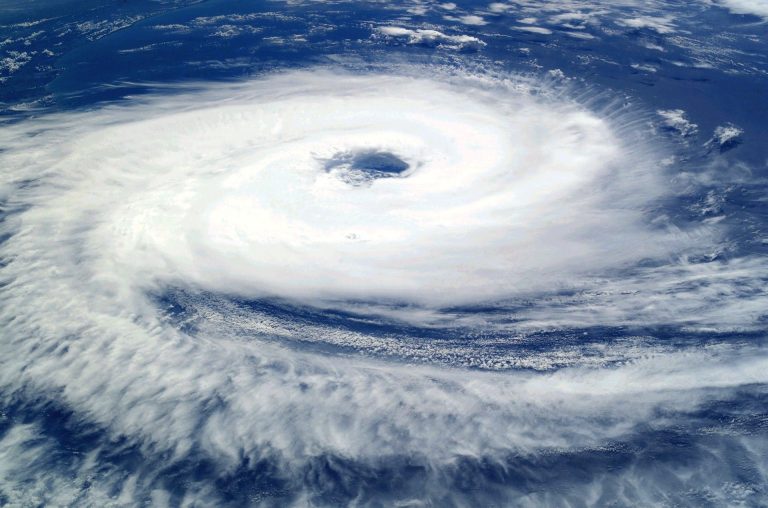
Living on the East Coast means that you are at a higher risk of experiencing hurricanes, especially with the approaching hurricane season. As these powerful storms loom on the horizon, it’s crucial to be prepared and stay informed.
Your best defense is to keep a close watch on local and National Weather Service forecasts, as these sources provide up-to-the-minute information on storm developments, paths, and safety recommendations. By staying informed, you can better anticipate and respond to whatever Mother Nature throws your way.
However, monitoring weather updates 24/7 is just the beginning. To truly be prepared for a hurricane, it’s essential to educate yourself thoroughly about these storms and how to handle them. Understanding the nature of hurricanes, their potential impact, and the necessary steps to take before, during, and after a storm can make a significant difference in your safety and resilience.
Learning from the experiences of those who have lived through hurricanes is invaluable. Their stories and advice can offer practical insights and tips that go beyond general guidelines. For instance, knowing how to create an emergency kit, understanding evacuation routes, and securing your home against high winds and flooding are critical steps that can help you face the challenges of a hurricane with confidence.
Hurricanes, also known as tropical cyclones, form over warm ocean waters near the equator. Here’s a step-by-step outline of their formation process:
Hurricanes are rated using the Saffir-Simpson Hurricane Wind Scale, which categorizes them based on their sustained wind speeds:
Category 1: 74-95 mph (119-153 km/h) – Very dangerous winds will produce some damage.
Category 2: 96-110 mph (154-177 km/h) – Extremely dangerous winds will cause extensive damage.
Category 3: 111-129 mph (178-208 km/h) – Devastating damage will occur.
Category 4: 130-156 mph (209-251 km/h) – Catastrophic damage will occur.
Category 5: 157 mph or higher (252 km/h or higher) – Catastrophic damage with a high percentage of framed homes being destroyed.
Due to the increasing intensity of hurricanes, scientists have proposed adding a 6th category to the Saffir-Simpson scale. This new category would account for hurricanes with sustained wind speeds exceeding those currently classified as Category 5. Here are some points about this proposal:
Rationale: Recent years have seen hurricanes with wind speeds far surpassing the Category 5 threshold, such as Hurricane Dorian in 2019, which had sustained winds of 185 mph (298 km/h). These extreme events suggest that the current scale may not adequately represent the potential for damage and danger posed by these super hurricanes.
Proposed Wind Speeds: While there is no official threshold yet, a Category 6 hurricane might be classified as having sustained winds of at least 180 mph (290 km/h) or higher.
Implications: Adding a Category 6 would help improve public understanding and preparedness for these extremely intense storms. It would also assist meteorologists and emergency services in planning and responding to such catastrophic events.
The increasing intensity and frequency of powerful hurricanes are linked to climate change, as warmer ocean temperatures provide more energy for these storms. The discussion about a Category 6 highlights the need to adapt our understanding and response mechanisms to evolving climatic conditions.
With the hurricane season fast approaching, below are some essential tips to ensure your safety.
 Checking Your Home for Vulnerabilities
It’s essential to thoroughly inspect your home to identify any vulnerabilities that could expose you to damage from storms, storm surges, flooding, and high winds. These natural hazards can significantly impact your family’s safety and well-being in various ways. By proactively identifying and addressing these weaknesses, you can better protect your home and loved ones.
Storm: Evaluate the structural integrity of your home. Check the roof for loose shingles, ensure windows and doors are properly sealed, and verify that your home’s foundation is solid.
Storm Surge: If you live near the coast, consider the elevation of your home relative to sea level. Assess whether your property is within a storm surge evacuation zone and plan accordingly.
Flooding: Identify whether your home is in a flood-prone area. Check local flood maps, consider the drainage around your property, and ensure that your basement or lower levels are waterproofed.
Wind: Look for potential entry points for wind, such as gaps in windows, doors, and the roof. Ensure that exterior fixtures, like gutters and shutters, are securely fastened.
Reinforce the Roof: Use hurricane straps to secure the roof to the walls, reducing the risk of the roof lifting off during high winds.
Secure Windows and Doors: Install storm shutters or impact-resistant glass to protect against flying debris. Ensure that doors have sturdy deadbolts and that garage doors are reinforced.
Waterproofing: Seal any cracks in the foundation and walls. Use sandbags and other barriers to protect against water intrusion.
Clear Yard Debris: Remove or secure loose items like patio furniture, grills, and garden tools that could become projectiles in high winds.
If you lack expertise in construction or home inspection, it is highly advisable to consult with a professional contractor. They can provide a thorough evaluation of your home’s vulnerabilities and recommend specific improvements to enhance its resilience. Contractors can also help you understand building codes and regulations that pertain to storm and flood protection, ensuring that any modifications are compliant and effective.
When hiring a contractor for a vulnerability assessment, here are some aspects they might focus on:
Structural Analysis: A detailed inspection of the building’s structural components, including the foundation, load-bearing walls, and roof.
Material Quality: Assessing the quality and durability of construction materials used in your home, and suggesting upgrades if necessary.
Drainage Systems: Evaluating the efficiency of gutters, downspouts, and drainage systems around your home to prevent water accumulation and potential flooding.
Backup Power Solutions: Recommending backup power options like generators to ensure your home remains functional during power outages caused by storms.
Landscaping Adjustments: Advising on landscaping changes that could divert water away from your home or reduce wind damage, such as planting windbreaks or creating berms.
By taking these steps, you can significantly reduce the risk of damage to your home and ensure the safety of your family during severe weather events. Regular maintenance and updates, informed by professional advice, can keep your home fortified against the increasing threat of extreme weather conditions.

Preparing your home to withstand the impact of a hurricane is essential for ensuring safety and minimizing damage. By taking proactive steps to reinforce your home, you can increase its resilience against strong storms. Here’s a comprehensive guide to effectively securing your home before a hurricane:
Windows and Doors: Inspect windows and doors for weaknesses, such as loose frames or inadequate seals. Consider installing storm shutters or boarding up windows with plywood to protect against flying debris.
Roof: Check the condition of your roof for loose shingles or tiles. Use hurricane straps to secure the roof to the walls, reducing the risk of structural damage during high winds.
Exterior Fixtures: Secure outdoor furniture, decorations, and equipment. Move patio furniture, grills, and other items indoors or anchor them securely to prevent them from becoming projectiles in strong winds.
Yard Cleanup: Trim trees and shrubs to remove dead branches and reduce the risk of falling debris. Clear gutters and downspouts of leaves and debris to ensure proper drainage.
Secure Loose Items: Store or secure loose items in your yard, such as garden tools, toys, and trash cans. These items can cause damage if picked up by strong winds.
Building Materials: Use plywood, storm shutters, or impact-resistant glass to protect windows and glass doors. Ensure that these materials meet local building codes and hurricane preparedness guidelines.
Door Security: Strengthen doors with heavy-duty hinges and secure locks. Consider reinforcing garage doors to withstand wind pressure and prevent structural failure.
Foundation and Basement: Seal cracks and openings in the foundation to prevent water intrusion. Install a sump pump or consider waterproofing measures for basements prone to flooding.
Insurance Coverage: Review your homeowner’s insurance policy to understand coverage for hurricane-related damage. Consider adding flood insurance if you live in a flood-prone area.
Emergency Fund: Establish an emergency fund to cover potential expenses associated with rebuilding and repairs after a hurricane.
Documentation: Take inventory of your belongings and document the condition of your home before the hurricane. This documentation can expedite insurance claims and rebuilding efforts.
Neighborhood Cooperation: Collaborate with neighbors to share resources and assist each other in preparing for the hurricane. Consider forming a neighborhood emergency response plan.
Local Resources: Stay informed about local emergency shelters, evacuation routes, and community resources. Follow guidance from local authorities and emergency management agencies.
Assessment: After the hurricane passes, assess the damage to your home and property safely. Be cautious of hazards such as downed power lines and standing water.
Safety Inspections: Inspect your home for structural damage and prioritize repairs to prevent further deterioration. Contact qualified professionals for assistance with major repairs.
Learn from Experience: Evaluate your hurricane preparedness and response efforts after each storm. Identify areas for improvement and update your emergency plan accordingly.
Stay Informed: Monitor weather forecasts and stay informed about potential hurricane threats throughout the hurricane season. Adjust your preparations based on updated information.
By reinforcing your home before a hurricane hits, you can significantly enhance its ability to withstand severe weather conditions and protect your family and property. Preparation is key to minimizing damage and ensuring a safer rebuilding process in the aftermath of a hurricane.

Surviving a hurricane necessitates a thorough understanding of your surroundings. Familiarizing yourself with your area, including the local geography and community resources, is crucial for effective preparation and response. Here are several steps you can take to ensure you are well-prepared:
Elevation: Determine the elevation of your home relative to sea level. This information is vital in assessing your risk for storm surges and flooding.
Flood Zones: Identify whether your area is designated as a flood zone by consulting local flood maps. Knowing this helps in understanding the specific risks you face.
Water Bodies: Be aware of nearby rivers, lakes, and streams that could overflow during heavy rainfall.
Official Routes: Obtain a map of official evacuation routes designated by local authorities. These routes are planned to ensure the safest and most efficient escape from high-risk areas.
Traffic Patterns: Familiarize yourself with typical traffic patterns and potential bottlenecks on these routes. Knowing alternative paths can be crucial if the primary routes are congested.
Route Updates: Stay informed about any changes or updates to evacuation routes, which can occur due to construction or changes in city planning.
Safe Zones: Locate the nearest high ground areas that are safe from flooding. This could include elevated public buildings, shelters, or natural high points.
Distance and Accessibility: Consider the distance and accessibility of these locations from your home. Ensure you have multiple options in case your primary choice becomes inaccessible.
Meeting Points: Designate specific meeting points for your family in case you get separated. Ensure everyone knows the primary and secondary meeting locations.
Communication Plan: Establish a reliable communication plan. This includes having a list of contact numbers, knowing how to use emergency communication channels, and ensuring all family members have a way to stay in touch.
Emergency Supplies: Prepare an emergency kit with essential items such as water, food, medications, important documents, and other necessities. Ensure each family member knows where the kit is stored and how to use its contents.
Practice Evacuation: Regularly practice your evacuation plan with all family members. This includes timing the evacuation, familiarizing everyone with the route, and identifying potential challenges.
Scenario Planning: Conduct drills under different scenarios, such as during the day and night, in different weather conditions, and with varying traffic situations. This helps ensure preparedness for any circumstance.
Review and Update: After each drill, review what worked well and what didn’t. Update your plan accordingly to address any issues or improvements identified during the practice.
Weather Alerts: Subscribe to local weather alerts and notifications from reliable sources. This ensures you receive timely information about hurricane developments and evacuation orders.
Community Resources: Engage with local community groups, neighborhood associations, and emergency services. Being connected with your community can provide additional support and resources during a hurricane.
Local Authorities: Keep contact information for local emergency management agencies, shelters, and support services readily available. These contacts can provide crucial assistance in the event of an evacuation.
If you do this, you can significantly improve your readiness for a hurricane. Knowing your area of operation, including evacuation routes and high ground locations, and having a well-practiced family evacuation plan, will help ensure your safety and that of your loved ones during a hurricane. Regular preparation and staying informed are key components in effectively navigating the challenges posed by severe weather events.

Creating a safe room in your home is a crucial step in preparing for hurricane hazards. This dedicated space can provide essential protection for you and your family during a severe storm. Here are some key considerations and steps to establish a safe room:
Protection: A safe room offers reinforced protection against high winds, flying debris, and structural collapse, common during hurricanes.
Peace of Mind: Knowing you have a secure place to go during a hurricane can significantly reduce stress and anxiety.
Accessibility: Ensure that everyone in the household knows the location of the safe room and can access it quickly in an emergency.
Interior Rooms: Select an interior room on the lowest floor of your home, ideally one without windows, such as a bathroom, closet, or basement.
Away from Exterior Walls: The room should be as far away from exterior walls and corners as possible to minimize exposure to wind and debris.
Accessibility: Ensure the chosen room is easily accessible to all family members, including those with mobility issues.

Reinforcement Materials: Use sturdy materials like reinforced concrete, steel, or wood covered with steel sheathing. These materials can withstand high winds and flying debris.
Secure Entry: Install a solid, secure door with heavy-duty hinges and a deadbolt. The door should open inward to prevent it from being blocked by debris.
Ventilation: Ensure the room has adequate ventilation to provide fresh air and prevent overheating, especially if you may be there for an extended period.
Online Resources: Many people successfully build their own safe rooms by following detailed online videos and reading comprehensive guides. These resources provide step-by-step instructions and material lists.
Safety Standards: Make sure any DIY project meets or exceeds FEMA (Federal Emergency Management Agency) guidelines for safe rooms, which specify construction methods and materials to ensure maximum safety.
Community Advice: Join online forums or local community groups to seek advice and tips from others who have built safe rooms. Learning from their experiences can help you avoid common mistakes.
Emergency Supplies: Stock your safe room with essential emergency supplies, such as water, non-perishable food, a first aid kit, flashlights, batteries, and a battery-operated radio.
Comfort Items: Include blankets, pillows, and any necessary medications to make the space more comfortable during a potentially extended stay.
Communication Tools: Ensure you have a way to communicate with the outside world, such as a charged cell phone with backup batteries or a two-way radio.
Inspect Regularly: Periodically check the structural integrity of your safe room and make any necessary repairs or upgrades to maintain its protective capabilities.
Conduct Drills: Practice getting to the safe room quickly and efficiently with all household members. Regular drills can help ensure everyone knows what to do during a real emergency.
Update Supplies: Regularly update and replenish the emergency supplies in your safe room, paying attention to expiration dates and changing needs.
Expert Consultation: If you are unsure about building a safe room yourself, consider consulting a professional contractor. They can provide expert advice, ensure compliance with safety standards, and help with complex construction tasks.
Cost Considerations: While hiring a professional may incur additional costs, it can provide peace of mind knowing that your safe room is built to the highest safety standards.
FEMA Guidelines: Review FEMA’s guidelines for building a safe room, which include detailed instructions and specifications for construction.
Local Building Codes: Check local building codes and regulations, as they may have specific requirements for safe room construction in hurricane-prone areas.
Educational Workshops: Attend workshops or seminars on disaster preparedness and safe room construction offered by local emergency management agencies or community organizations.
The dedicated space of a safe room provides a secure haven from the dangers posed by extreme weather. Whether you build it yourself or seek professional assistance, a well-constructed safe room can be a life-saving addition to your home. Regular maintenance, emergency supplies, and preparedness drills further ensure that your safe room remains a reliable refuge in times of need.
Ensuring that you have effective communication and tracking measures in place is vital for family safety during a hurricane. This includes keeping emergency contact information readily accessible and using modern technology to stay aware of your family members’ locations. Here are some detailed steps to enhance your preparedness:
Visible Placement: Post a list of emergency telephone numbers in a prominent location, such as on the refrigerator or a bulletin board in the kitchen. This list should be easily accessible to all family members.
Essential Numbers: Include numbers for emergency services (911), local police and fire departments, poison control, nearby hospitals, and your family doctor.
Neighborhood Contacts: Add contact information for trusted neighbors or nearby friends who can assist in an emergency.
911 Protocol: Teach your children how and when to call 911. Ensure they understand what constitutes an emergency and what information they need to provide, such as their name, address, and the nature of the emergency.
Role-Playing: Practice role-playing emergency scenarios with your children to reinforce their understanding and help them feel confident in making the call if necessary.
Family Tracking Apps: Install family tracking apps on your mobile phones. These apps use GPS technology to monitor the real-time locations of family members. Popular options include Life360, Find My, and Google Family Link.
Check-In Features: Make use of check-in features provided by these apps, allowing family members to quickly indicate that they are safe or in need of help.
Location Sharing: Ensure that location sharing is enabled on all family members’ devices, and regularly check that the settings are correct and functioning.
Group Messaging: Set up a family group chat on a messaging app like WhatsApp, iMessage, or another preferred platform. This allows for quick and easy communication with all family members simultaneously.
Backup Methods: Have backup communication methods in place, such as walkie-talkies or two-way radios, in case mobile networks become unreliable during a storm.
Emergency Contacts List: Program important emergency contacts into every family member’s mobile phone for quick access during an emergency.
Portable Chargers: Include portable chargers or power banks in your emergency kits to ensure mobile devices remain operational if power is lost.
Battery-Powered Radio: Have a battery-powered or hand-crank radio in your emergency supplies to receive updates if internet and mobile networks are down.
Whistles and Flashlights: Equip each family member with a whistle and flashlight to signal for help and navigate in the dark if necessary.
Update Information: Regularly update your emergency contact list to reflect any changes in phone numbers or additional contacts.
Communication Drills: Conduct regular communication drills to ensure that everyone knows how to use the tracking apps and understands the family communication plan.
Review Technology: Periodically review and test the technology and apps you rely on for tracking and communication to ensure they are functioning correctly.
Medical Alerts: If any family members have medical conditions, ensure their medical alert information is up-to-date and accessible to all family members and caregivers.
Special Equipment: Make sure that any special communication equipment needed by family members with disabilities is included in your emergency plan and kits.
Accessible emergency contact information, effective use of mobile phones and GPS tracking, and a well-practiced communication plan ensure that you can stay connected and informed, even in the midst of a severe storm. Regular updates and drills further reinforce your readiness, providing peace of mind and a higher level of protection for your loved ones.

Ensuring that you and your family are trained in First Aid, CPR, and disaster preparedness is a crucial component of hurricane readiness. These skills can be life-saving in an emergency, providing the knowledge and confidence to respond effectively to injuries and medical situations. Here’s a comprehensive guide to incorporating First Aid training into your preparedness plan:
Immediate Response: First Aid and CPR training enable you to provide immediate care in the critical moments following an injury or medical emergency. Quick intervention can prevent a minor injury from becoming severe and can be crucial in life-threatening situations.
Confidence and Readiness: Knowing what to do in an emergency can reduce panic and ensure a calm, effective response. Training builds confidence and equips you with the skills needed to help others.
Injury Prevention: Understanding how to prevent injuries and recognize potential hazards can reduce the risk of accidents during a hurricane and its aftermath.
Local Community Classes: Many local organizations, such as the Red Cross, fire departments, and community centers, offer free or low-cost First Aid, CPR, and disaster preparedness classes. These classes are often accessible and scheduled to accommodate community members.
School and Workplace Programs: Check if your child’s school or your workplace offers First Aid and CPR training. These institutions often provide training as part of their safety programs.
Online Courses: In addition to in-person classes, many organizations offer online First Aid and CPR courses. These can be a convenient option for busy schedules and can supplement hands-on training.
First Aid: Learn basic First Aid skills, including how to treat cuts, burns, fractures, and other common injuries. Training should cover how to use a First Aid kit effectively.
CPR: Cardiopulmonary resuscitation (CPR) is essential for reviving individuals who have stopped breathing or whose heart has stopped. Training typically includes how to perform chest compressions and rescue breathing.
AED Training: Automatic External Defibrillators (AEDs) are devices used to treat sudden cardiac arrest. Learning how to use an AED can be an invaluable addition to your emergency response skills.
Disaster Preparedness: Courses in disaster preparedness teach you how to create emergency plans, assemble survival kits, and respond to various disaster scenarios, including hurricanes, floods, and earthquakes.
Whole Family Training: Encourage all family members, including children, to participate in First Aid and CPR training. Even young children can learn basic skills and understand the importance of emergency preparedness.
Regular Refreshers: Make it a point to take refresher courses regularly. First Aid and CPR techniques can change over time, and regular training ensures your skills remain up-to-date.
Role-Playing Scenarios: Practice emergency scenarios as a family. Role-playing helps reinforce the skills learned in training and ensures everyone knows their role in an emergency.

Assemble a Kit: Put together a comprehensive First Aid kit for your home and another for your car. Kits should include bandages, antiseptics, gloves, scissors, tweezers, pain relievers, and any necessary personal medications.
Know Your Kit: Familiarize yourself with the contents of your First Aid kit and how to use each item. Training courses often include instruction on how to effectively use First Aid supplies.
Regular Checks: Periodically check your First Aid kits to restock used items and replace expired products.
Engage with Local Agencies: Get involved with local emergency management agencies and community groups. They often offer additional resources, training, and support for disaster preparedness.
Volunteer Opportunities: Consider volunteering with organizations that provide emergency response services. Volunteering can enhance your skills and provide valuable experience in emergency situations.
Neighborhood Initiatives: Encourage your neighborhood or community to organize group training sessions. Collective preparedness strengthens overall community resilience.
Continuous Learning: Stay informed about the latest First Aid and CPR techniques. Subscribe to newsletters or follow relevant organizations on social media to receive updates and new information.
Certification Renewal: Ensure that your certifications are current. Most First Aid and CPR certifications need to be renewed every two years.
Prioritizing First Aid, CPR, and disaster preparedness training, will ensure you and your family will be better equipped to handle emergencies during a hurricane. These skills not only enhance personal safety but also enable you to assist neighbors and community members in times of need.
The second part of this comprehensive hurricane season survival guide will be posted in the following days. Follow us for more info.
Recommended resources:
How To Prepare For Emergency Evacuation
How To Build The Invisible Root Cellar
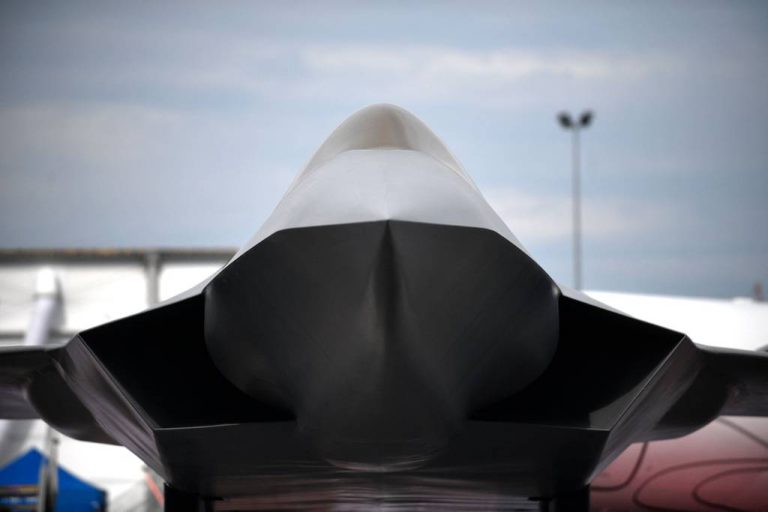
BERLIN — Mainland Europe’s Future Combat Air System, an ambitious effort to field a suite of warplanes and drones in the 2040s, could become the first large-scale defense program with artificial intelligence fully baked in.
A consortium of Germany, France and Spain – with Belgium joining as an observer last year – promises to have the first airworthy demonstrators of the futuristic idea flying by this decade’s end. Artificial intelligence will play a key role in practically all aspects of the system, engineers and experts told Defense News in a series of interviews, influencing everything from the platform’s development to kill-chain decisions and even the very things that pilots see.
The key novelty of FCAS, compared to existing platforms, is its use of so-called loyal wingmen. These drones are to travel alongside the main, manned aircraft and act to enhance the mission – collecting more data, allowing for more firepower or simply overwhelming enemy defenses by sheer numbers.
“Because you don’t want to have to control these out of a cockpit with a stick and throttle,” these drones will require a certain level of automation or autonomy, said Thomas Grohs, Airbus’ head of future capabilities and chief engineer of the FCAS project.
Building this type of intelligence, which entails finding the optimal degree of pilot involvement in different situations, will be crucial to the success of the program as a whole.
Onur Deniz’s company, NeuralAgent, is tasked with ensuring that data flows where it needs to go, enabling each of the system’s components to be in constant contact. The Munich-based startup is taking what it called an “AI agent approach”: Instead of a centralized, cloud-based decision-making algorithm, each of the wingmen drones will use smaller, locally-run models to operate autonomously and will exchange information with their peers using communication channels such as optical, narrowband radio or even infrared. While doing so, they will continuously construct redundant and ever-changing data links providing permanent connectivity.
“This gives you a very fast ability to build your own networks in blackout regions or conflict regions,” Deniz said. In computer simulations testing the concept based on real-world scenarios, this approach maintained connectivity in adverse electronic warfare environments for over 95% of the time. By comparison, centrally administered and cloud-based models saw a less than 0.5% success rate in NeuralAgent’s tests, he said.
By the end of 2025, the software will be ready for integration into existing hardware – legacy systems, at first – said Deniz, describing it as a “plug-in that you can put anywhere you want.”
The company claims that its models are extremely resource-efficient. “You could run them on a Raspberry Pi and they take less than a gigabyte of space,” Deniz said, referring to the small, single-board computers popular with schools and hobbyists, priced at around $50. “All we need is a Linux environment.” Access to the communications stack of the platform is really the only other prerequisite, he explained. “Because of containerization, installation will be as simple as if you were installing a library to code.”
While the current focus in NeuralAgent’s FCAS development is on networking, Deniz anticipates that the next step will be to use the technology for more complex mission-planning. This would include making decisions based on the combat environment and moving assets around to optimize communications and achieve objectives.
The constellation of manned and unmanned aircraft working together will require a radical redefinition of what a pilot’s role is, said Grohs, the Airbus chief engineer. Sitting in the cockpit of Europe’s next fighter will not only be about flying the aircraft but “really about becoming a mission operator,” he said, “elevating yourself above your own asset and operating the mission together with your peers that may be manned or unmanned.”
In fact, flying the aircraft may only take a secondary role altogether; the plan is to give even the manned aircraft the option of flying entirely on their own to allow the pilots to focus on mission management, the chief engineer said.
The project’s goal “is definitely to go for autonomy,” he added. “The loyal wingmen are given a high-level task and within set boundaries, the assets can work autonomously.”
Compared to automation – which Grohs defined as a system automatically fulfilling a predefined sequence of events – autonomy includes decision-making.
He described the envisioned implementation as a pilot choosing what action they want to have taken while not needing to issue “a specific trigger press.” A capability like this would be quick to implement, he said, pointing to the fact that similar AI pilots have already flown in the U.S. and that “we are testing things out.”
At least initially, the AI models in FCAS will all be “frozen,” said Grohs, meaning that no machine learning will take place during missions. The algorithms, whether for processing sensor data or for making decisions about striking enemies, will be pre-developed and retrained off-board. At some point, however, machine learning may be integrated into the airborne platforms themselves, he said.
Even so, AI will touch every element of the observe, orient, decide, and act loop, Grohs said, referring to the “OODA Loop” framework popularized in U.S. military command textbooks. He said the algorithms would be paired with sensors in order to improve the quality of images, for example, but also play a role in developing courses of action.
The extent to which artificial intelligence will make targeting decisions on its own is still up for discussion, he added.
While details on the appearance and specific capabilities of FCAS are still sparse, the resources being invested are considerable. At Airbus alone, over 1,400 people are currently working on Europe’s next-generation air combat platform, said Christian Doerr, a company spokesperson. The European aerospace giant plays a key coordinating role in making the project come to life along with Dassault Aviation in France.
Many of the applications of the AI-based algorithms already exist in some form, though in isolation, said Grohs. The process of integrating them, with countless companies and thousands of engineers working on the project, runs the risk of becoming unmanageable, said Simon Pfeiffer, associate director of programs at the Munich-based AI company Helsing. Because AI models have dependencies on one another and the data they ingest, the company, along with partners, is working on creating a “digital assembly hall” to put it all together.
Through a cloud environment for developers, workflows can be improved, data can be exchanged and interoperability can be ensured, all while adhering to the particularly sensitive constraints of working in the defense sector, company representatives told Defense News. The online platform is already being used by over 50 contributors working on the FCAS project and was developed specially for it, according to Helsing.
In that sense, engineers already are using AI to breathe AI into the next-gen weapon, said Grohs. There is even the idea of developing an FCAS-specific Chat GPT-equivalent to help engineers with their jobs.
Meanwhile, nongovernmental organizations and autonomous-weapons experts have warned about delegating too much power to machines. Concerns include the unreliability of machine vision, the often-opaque nature of machines’ decision making and the danger of autonomy applying a tactical mindset to questions with strategic implications.
In interviews with Defense News, some analysts expressed concern that even if a weapon system might not by default be allowed to kill autonomously, changing this may only entail a simple software switch – and incentives to flip that switch would be strong. Grohs was not able to rule out that FCAS might have this ability to switch between such modes, depending on the “rules of engagement that may apply for the respective conflict,” said the Airbus chief engineer.
“I don’t see a major difference between autonomous and human decisions,” Grohs said. “You shouldn’t assume that either an AI decision or a human decision is always 100% correct.”
Linus Höller is a Europe correspondent for Defense News. He covers international security and military developments across the continent. Linus holds a degree in journalism, political science and international studies, and is currently pursuing a master’s in nonproliferation and terrorism studies.

I'm 74 in terrible health, living on meds and every day is a bonus, but thankfully so far God has been merciful.
Here's my problem and I'm stymied. The people we counted on to join us in case of SHTF turned out to be flakes and drunks. (And we've known them for years) That leaves just my wife and me.
That means that we may quickly be eliminated and then somebody else enjoys over 25 years of preps, three water sources, a small arsenal and our beloved "safe haven" in the woods.
Obviously…
they are helicoptering wounded & at least one dead out of the event area >>> they are saying the dead one is the shooter …
I was streaming it live – definitely the very first shot nicked Trump’s right ear – he raised his hand to it – then more gun shots and he ducked down on his own – SS detail piled on …..
I had noticed more security than ever before at a rally – you’d see heads on distant buildings & high points – this rally had two uniformed sniper tactical types on a building rooftop immediately to the rear of the main podium …..