Excited to pick up my side of beef for the freezer tomorrow

Not sure if this is the right place. But I'm looking forward to getting the meat!
One of my buddies has a regenerative farm and thankfully, he calls me when he slaughters a cow. Fresh and healthy is the way to go!
Making a Wooden Knife Scabbard
Making a wooden knife scabbard:
How the sixth-generation fighter jet will upend air warfare
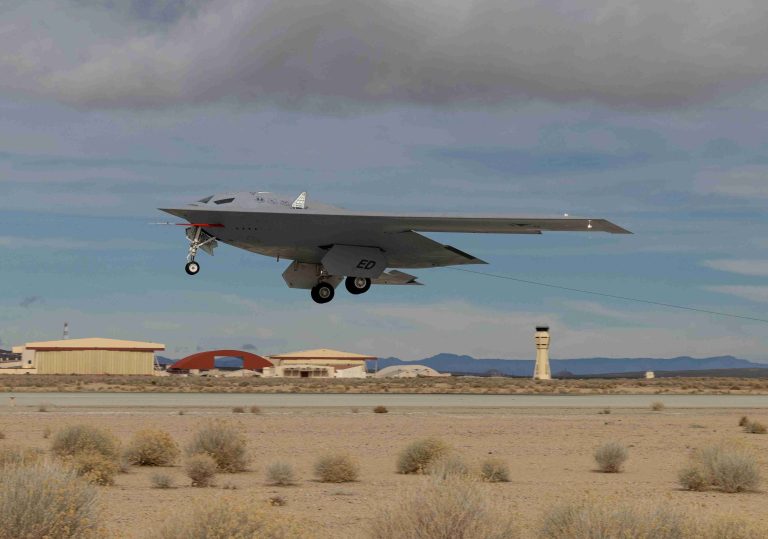
The next generation of fighter aircraft could bring greater speed, range and ability to penetrate deep into enemy airspace — and it might even feature a revolutionary new type of engine, experts and retired U.S. Air Force officer say.
The aviation world has seen five generations of fighters, ranging from the subsonic F-86 Sabre after World War II to the current, stealthy F-35 Joint Strike Fighter. Now, militaries around the world are working on jets they believe will represent technological leaps significant enough to qualify as sixth-generation aircraft.
And while the precise definition of a sixth-generation aircraft isn’t set in stone yet, experts agree on some common attributes, retired Air Force Lt. Gen. Clint Hinote told Defense News.
The Air Force’s effort to build a sixth-gen fighter family of systems is known as Next Generation Air Dominance, or NGAD, and experts say the platform will be asked to do a lot of things.
“You want it to be fast, you want it to fly high,” said Hinote, who was the Air Force’s former deputy chief of staff for strategy, integration and requirements. “You want it to fly a long way. You want it to be as stealthy as possible — not only in radar frequency … [but also] in the infrared spectrum as well.”
Hinote and Heather Penney, a retired F-16 pilot and senior resident fellow at the Mitchell Institute for Aerospace Studies, said speed, stealth and range will be among the most crucial elements of a sixth-generation fighter — particularly if it is needed to cross long distances in the Pacific and enter Chinese-controlled airspace.
“Range and the ability to penetrate will be absolutely critical for sixth-generation aircraft, especially given that we’re looking at the Pacific theater and China as our primary pacing threat,” Penney said.
Fifth-generation aircraft such as the F-22 and F-35 were conceived at a time when the United States military still had a Europe and NATO-focused mindset, Hinote said.
“The [F-35] requirements were basically developed right after the Cold War,” Hinote said. “It’s a short-range fighter. That makes total sense in NATO, where you’ve got hundreds of runways everywhere to operate off of. It makes no sense in the Pacific, where the situation is much different [and] you only have a few runways to operate off of.”
It needs to be able to communicate without giving its position away, Hinote said, and it must be able to carry larger payloads than fifth-generation aircraft carry today.
“That allows you to get to a position in the battlespace and the airspace where you can enforce your will through the use of force, if necessary, the concept of air superiority,” Hinote said.
And the ability to maintain a plane without damaging its stealth coating will be crucial, Penney said.
Early versions of stealth technology on aircraft such as the F-117A Nighthawk and B-2 Spirit bomber were delicate and difficult to maintain, she said.
Stealth has made considerable leaps forward over the years to be more practical and reliable, Penney said, and a sixth-gen fighter’s stealth capabilities also need to take another step forward to be maintainable and provide better performance.
Hinote and Penney said the next generation of aircraft must both take in large amounts of detailed data and fuse it in a way that sorts out the battlespace.
A sixth-gen aircraft “should be able to not only have those advanced sensors, not just forward looking, but side and aft, looking across [multiple] phenomena” such as radar, infrared and other frequencies, Penney said.
And the Air Force wants NGAD to team up with AI-operated drone wingmen known as collaborative combat aircraft, or CCA, as part of the “family of systems” concept. CCAs could carry out strike missions, jam enemy radars, conduct recon, or even serve as decoys.
The Air Force has so far planned for NGAD to have a new type of propulsion system known as an adaptive engine, which can shift to different, more efficient configurations depending on the flying situation. Pratt & Whitney and General Electric Aerospace are each developing their own adaptive engines as part of the Next-Generation Adaptive Propulsion program.
An adaptive engine, however, would be very expensive, Hinote said. And with serious budget crunches prompting the Air Force to reconsider its plans and designs for NGAD, the service is considering whether to scale down its engine to bring NGAD’s price down.
Air Force Secretary Frank Kendall said in a June interview with Defense News that making NGAD’s engine smaller and less complex is an option being considered.
But better dogfighting ability would likely not be on the wish list for sixth-generation fighters, Hinote said. He does not expect those aircraft to have advancements in slow-speed maneuverability or an emphasis on cannons that would allow fighters to go toe-to-toe in relatively close quarters.
“The F-22 can get a high [angle of attack] in ways we’ve never seen,” Hinote said. “The Sukhoi Su-57, same thing. I don’t think it’s relevant for enforcing air superiority in the Pacific.”
The Defense Department does not keep a hard-and-fast taxonomy of aircraft generations. But in 2017, a spokesman at Joint Base Langley-Eustis in Virginia took a crack at it.
In his column, Jeffrey Hood of the 633rd Air Base Wing’s public affairs office said the first generation of fighter jets that emerged following World War II took advantage of novel jet technology and swept wings, as opposed to the perpendicular wings that were previously standard. But those fighters, such as the F-86 Sabre, were limited to sub-sonic speeds and machine guns.
All that changed after Chuck Yeager broke the sound barrier in 1947. This opened the door to a second generation of jets, such as the F-104 Starfighter, that could break Mach 1 and even Mach 2, and carry on-board radar and air-to-air missiles, Hood wrote.
The third generation — which included the Vietnam-era F-4 Phantom — incorporated advanced radars and better guided missiles that could engage enemies beyond visual range. After that came the F-14 Tomcat, F-15 Eagle, F-16 Fighting Falcon, and F-18 Hornet — fourth-generation fighters that can maneuver at high G-forces, use digital data links to share information, track multiple targets, and strike surface targets using lasers or GPS guidance.
In a 2016 study published by the Mitchell Institute for Aerospace Studies, now-retired Gen. Jeff Harrigian said fifth-generation fighters such as the F-22 and F-35 include stealth, improved self-defense, sensing, and jamming abilities, integrated avionics, and more.
And depending on one’s perspective, the first sixth-generation aircraft could already be flying.
Northrop Grumman has touted its B-21 Raider bomber as the first sixth-gen aircraft. In an interview with Defense News before the B-21′s 2022 rollout, a Northrop official said the bomber’s cutting edge stealth, use of open systems architecture, and use of advanced networking and data sharing technologies to connect sensors to shooters across multiple domains make it “the first of the sixth-gen systems.”
Those abilities are probably enough for the B-21 to qualify as a sixth-generation aircraft, Penney said, though she said its high levels of classification make it hard for outside observers to gauge whether it lives up to the hype.
Hinote looks at Northrop’s claims with a bit more skepticism and thinks it’s more of a marketing angle, but notes these generational definitions are largely matters of opinion.
“If they want to call it sixth-generation, sure,” Hinote said. “I don’t necessarily believe that the stealth characteristics and the open architecture of the B-21 automatically makes it a generational change in what we’ve got. It’s an incremental step, it’s a good step, I’m glad that we’re doing it, but it’s probably not so big that it’s truly generational.”
Stephen Losey is the air warfare reporter for Defense News. He previously covered leadership and personnel issues at Air Force Times, and the Pentagon, special operations and air warfare at Military.com. He has traveled to the Middle East to cover U.S. Air Force operations.
Drone warfare in Ukraine prompts fresh thinking in helicopter tactics

MILAN — Air defense and drone warfare observed in Ukraine are changing the nature of military helicopter tactics, moving the platforms’ center of gravity away from the tip of the spear to an emphasis on combat-support missions along the front lines, according to officials and issue experts.
The shift is animated in large part by proliferating ground-based air defenses that make manned flight over the battlefield almost impossible.
“In 2024, helicopters at the front, due to the threat and saturation of anti-aircraft means, primarily perform fire support along the line of combat engagement, using the toss bombing tactics [unaimed strikes by unguided missiles] and have also been a means of countering unmanned systems,” said Serhii Kuzan, a former adviser to the Ukrainian Ministry of Defense.
He recalled the Russian emphasis on helicopters during the first days of Russia’s full-scale invasion. Moscow’s troops had planned a large-scale landing operation, which eventually failed, at the Antonov airport near Hostomel, only 25 kilometers from Kyiv.
The vulnerability of combat helicopters has translated into a high number of losses on the Russian side. In February, a report published by the London-based International Institute for Strategic Studies found that the Russian Aerospace Forces had lost 40% of their pre-war Ka-52 Hokum-B attack helicopter fleet.
“Russian rotary losses have continued, but changes in tactics and the introduction of new weapons, in particular the LMUR (also known as the Kh-39) air-to-surface missile, which provides a greater stand-off range, have had an effect,” Douglas Barrie, senior fellow for military aerospace at IISS told Defense News.
Maj. Gen. Pierre Meyer, commander of the French Army Light Aviation (ALAT), said Russia’s helicopter-based landing attempt should be a cautionary tale for military planners.
“At Hostomel, we saw Russian helicopters intervening almost on parade for two days, at a certain height and arriving en masse, tightly packed – in the end, it’s not a question of whether helicopters still have their place, it’s how we use them,” Meyer told the audience at the Paris Air Forum last month.
“Had we acted like the Russian helicopters, with the mode of action I’m talking about, we would’ve had exactly the same losses,” he said.
Meyer said there is utility in teaming helicopters with drones, as many Western armed forces are already doing, with unmanned aerial vehicles providing additional “aero-combat action and maneuver” to military choppers.
According to Kuzan, the former Ukrainian defense adviser, helicopters could soon become integrated with unmanned forces, “using their command control points, powerful communication relays or as a mobile means of radio-electronic warfare and intelligence.”
Bruno Even, the CEO of Airbus Helicopters, said rotary aviation can still play its trump card of all-around utility.
“Depending on the conflict, the attack helicopter has its rightful place and role to play – their use may have to evolve towards stand-off weapons that allow the aircraft to intervene from a greater distance,” he said at the Paris Air Forum.
Rudy Ruitenberg in Paris contributed to this report.
Elisabeth Gosselin-Malo is a Europe correspondent for Defense News. She covers a wide range of topics related to military procurement and international security, and specializes in reporting on the aviation sector. She is based in Milan, Italy.

How the Swedish Air Force is finding its flow as part of NATO
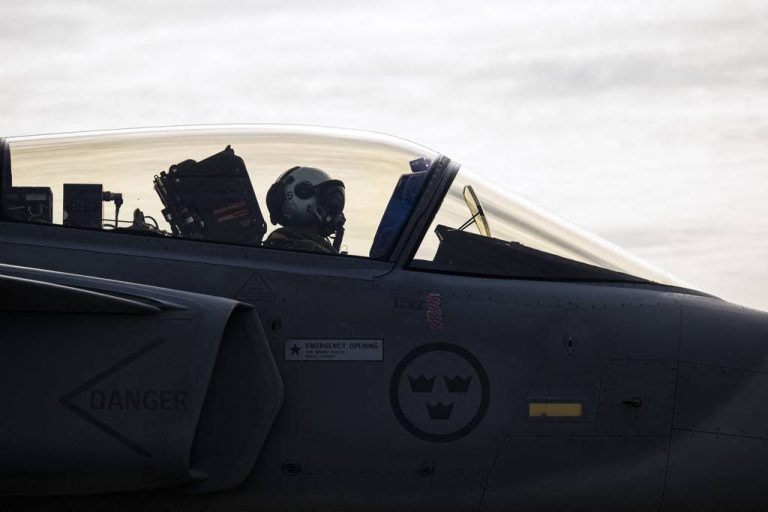
The commander of the Swedish Air Force, Maj. Gen. Jonas Wikman, has led the flying force since December 2022, overseeing the integration efforts of Sweden into NATO’s deterrence and defense posture since joining the alliance in March. He spearheads a force of 2,700 military personnel and fighter fleet numbering almost 100 aircraft. Sweden has proposed to increase its defense spending to 2.6% relative to the size of its economy by 2030.
In an interview ahead of the Farnborough Airshow in the United Kingdom, which runs July 22-26, the air chief touched on the dogged obstacles of information-sharing among allies, the lessons from the air war in Ukraine, and how air forces must be prepared to fight in more contested electronic warfare environments in the future.
This interview was edited for length and clarity.
What are some of your observations from the air war in Ukraine, and what lessons should the training of the Swedish air force personnel entail as a result?
First of all, speaking from a national perspective, there’s a lot of experiences that have confirmed our earlier beliefs. One of them is the control of the air, where the necessity of controlling the airspace is quite obvious if you want to control your territory. If Ukraine had been able to control the air over Kyiv in the first few days of the full-scale invasion, we would have potentially seen a whole different kind of outcome.
The war makes it evident and reminds us as commanders that we need to convey to a larger audience the necessity to be prepared from day one to control our airspace and of having Day Zero capability as well as air defense. An example of this is the Nordic cooperation, where one of the foundations is the need to operate together in peace time and have the capability in place.
RELATED
Connected to that, the effect of having a strong and integrated air defense, as well as the potential we hold in combining our ground-based and air-based air defense – that has become a higher priority for all of us since looking at Ukraine.
With air defense being arguably more important than ever, what does that focus look like for you?
We already have our ground-based air defense, which belongs to the Swedish Army in peacetime and to the Air Force in wartime. We have bought Patriot systems and are looking forward to procuring more systems capable of defending at the brigade and wing level since we have medium-range air defense weapons but need more short-range ones.
Sometimes when we talk about air defense and integrated air and missile defense, we talk about defending assets, aircraft, and other ground-based systems. However, the overall concept is also important – for Sweden, which comes from a history of total defense, we normally look at defense capabilities on a wider scale.
In my perspective, integrated air and missile defense includes everything from export control to the “left-of-launch” all the way through the military part of it – which is ground- and air-based air defense but also our nation’s capability to withstand an attack. There also needs to be a whole-government approach to air defense that we need to adopt as well.
Based on what we are seeing unfold in Ukraine, where drones have taken on a huge role, what changes or modifications around unmanned systems is the Swedish Air Force making when it comes to training and new acquisitions?
We have made adjustments to our plans. We are procuring more counter-UAS systems to protect our bases and airspace, we are also trialing within all the branches of our armed forces how we can be more effective using drones ourselves.
We are also buying a brigade-level unmanned aerial vehicle, but have not yet decided to procure more strategic ones like the MQ-9 Reaper mostly because it does not fit our size or budget. However, we are looking into cooperation within Europe, NATO, and the Nordics to be able to have access to that kind of capability all the time.
Overall, we try to follow everything happening in Ukraine where the development speed is mind-blowing. Everybody is attempting to draw conclusions about where the war is heading, while also trying to be careful not to conclude where it’s going.
For us, one obvious area is the capability to counter different kinds of UAS, including one-way attack drones or whichever other system it might be with electronic warfare or early warning systems.
So far, our focus has been more on countering than attacking with drones. We are all trying to figure this out but for the moment, with our current plans that’s the focal point – but like everybody else we are also trialing unmanned and artificial intelligence assets.
Many countries are considering a loyal wingman drone or remote carriers to accompany their next-gen fighter. What is your view on the utility of those concepts and how could current technology residing in Swedish companies (autonomy, AI, etc.) support it?
I get this question a lot and I always have to say the same thing. We are still early in our process so I try to be careful not to decide or set my mind on which road to go down. Of course, I also see future systems being AI-supported and some combination of manned-unmanned, to me that’s quite clear.
When we look at future fighting systems or a next-generation fighter, we are focusing a lot on the platform of one or two, or the combination of two platforms. For Sweden, going back to our history, as a small air force under perceived big threats, we have had to combine different kinds of capabilities into one system.
Currently, we are using low-personnel usage, dispersed operations as a concept and are looking into what would be our future concept. To us, it is very much about the use of systems of systems, and in that, it is obvious that we will have an unmanned-manned system.
Whether that is a typical loyal wingman or another asset, I don’t know yet.
In the area of air combat and air defense, how can Europeans cooperate more effectively to strengthen their defensive posture?
Overall, what I see right now in all my contacts with the European and NATO air chiefs is a whole different mindset regarding cooperation than before. Historically, some of the problems we have had were related to never being on the right timeline or never having the right economy for more cooperation projects. It is also important to note that every nation has its own kind of goals and targets, which has made the setting up of a greater number of common initiatives challenging.
Now, it is the effect of the common view of the security situation in Europe and the sense of urgency that really affects how we view cooperation for the future. I see very clearly in my conversations that cooperation we didn’t have before or didn’t want previously because it was perceived as ineffective in building our own air forces, now all of a sudden, it is necessary since we share the same goal.
For us, to cooperate more effectively requires overcoming some of the existing obstacles – an obvious one being information sharing, but we are trying to address that when it comes to operational coordination between our capabilities and those of other nations. Everything from intellectual property to national security threats – the area of information sharing is one where we really have to make some changes.
Is there the same sense of urgency felt all across Europe or is it your view that some nations might still not feel an acute need to strengthen their own and collaborative defensive posture?
Certainly, there are differences amongst nations that stem from having a different sense of urgency, sometimes connected to the distance a country has between itself and the threat. However, everyone agrees on the overall problem of needing to cooperate more effectively and address information-sharing issues – it is very high on the agenda.
For instance, for NATO Allied Air Command, one of the main priorities is enhancing information sharing, both now with current capabilities and for future cooperation.
However, we are all struggling, all of us, as there are many built-in obstacles within the industry, nations, and different armed forces that exist to protect each of their functions but make this complex. I choose to stay positive since we are only a few years into this kind of newer situation where this is needed and have realized what we need to do
In your opinion, when looking at the barriers that make sharing data difficult, does one of them stem from a level of distrust, even amongst allies, or simply put there is always a general sense of uneasiness in disclosing sensitive information?
I see what you mean. One part is to, of course, build trust, but I don’t think that this is the main obstacle right now. We have built information systems as well as security protocols and regulations that were set up to protect all information, rather than being set up to share it as effectively as possible.
It has a lot to do with turning these processes around and setting the right goal – before it was to make sure no data was supposed to be somewhere else. Now, the aim for all of us is operational capabilities and that means we need to fundamentally change the way we process information.
A lot of it is bureaucracy in its best form, and I understand that we come from a different history and have established information laws with distinct setups for a reason. For us, as a new NATO member, it is very obvious that to figure out how to match our piece of the puzzle in the bigger context and have information about capabilities and systems, new ways of sharing data are necessary.
I am not a lawyer here, but it is quite obvious to us since joining NATO that we need to change a lot of the regulations and laws to be able to share information and operate together, train together, and that on different territories.
One part is to have the right rules in place, and the other is to delegate mandate and have the kind of processes in place to share or change information on the level where actual capabilities can be combined.
How is the Swedish air force personnel preparing for operating in GPS-denied or jammed environments, a problem that has become acute in Ukraine?
When it comes to GPS navigation systems, that is not a particular problem for us — we have our systems set up to be able to operate without them. It is of course a problem for the security of the nation, which we need to encounter. But when it comes to our operations within the Air Force, we are quite familiar and prepared for it.
I would rather focus on the electronic-warfare aspect on a wider scale. We are preparing for a future conflict where the electronic spectrum will be much more contested. That’s one of the main reasons we have these future capabilities on the Gripen-E fighter, which has a high electronic warfare capability as we believe that it will only have to work in a more contested and tougher environment in the future.
We need to refocus on this and have started to do so. Back in the day, we as a nation used to be good at fighting in an environment where radio traffic was jammed. Then, for a few years we lost a little bit of our culture when it came to our position and mindset on electronic warfare.
So now, we are reevaluating whether or not we need more education on every level when it comes to electronic warfare to be able to fight in future settings. That’s really important to us to account for this and there is room for progress in this respect for us and many others, I think.
What would progress look like for you to address this? For instance, would it entail dedicating a whole unit to electronic warfare specifically or would you rather see it implemented at every level into military training?
The tip of the spear is always constructed by the organization behind it. So if we want to be really good at this in the future, including in the procurement of equipment, we need to build a base for that and that starts with knowledge on all levels — this is the aspect I am talking about, including basic-know how of electronic warfare for every Swedish airmen.
Other than that, different units — maybe. I think the greatest potential, to go back to your question about enhancing European defense cooperation, would be to look at how we best combine assets.
For instance, how do we form the Gripen-E and our capabilities on other platforms to fit in a wider context? How do we combine the Gripen-E with the F-35 when it comes to electronic warfare and how does that look in the future?
Some bigger nations would possibly be able to procure special assets or have special electronic warfare units, which we could merge with our efforts. Electronic warfare today is a common challenge that should be addressed and rooted in cooperation.
What patterns have you observed lately when it comes to Russian military aircraft near Scandinavian airspace?
The overall situation and the fact that we have a war in Europe certainly affects our area of operations when it comes to the Baltic Sea and our territory — everything is connected. We see the same kind of atmosphere going on in different areas over the Black Sea and the Baltic Sea.
So there are a lot more assets in our vicinity — that is NATO assets, our national assets, but also Russian assets. The level of activity is definitely higher than it used to be, and of course, the overall atmosphere has also translated into our airspace.
Our readiness when it comes to defending our territory is on a higher level than it used to be, and we do more QRA [quick reaction alert] sorties than we used to do. The intensity is higher and that means we need to also be ready to observe, collect information, and defend our territory and NATO’s.
We have instances where Russian aircraft are very close to our territory, even violating it like it happened a few weeks ago but I don’t want to exaggerate the situation either.
The word I would use to describe the general mood is high-intensity, where activity is higher, there are a lot of aircraft, a lot of capabilities, everybody is increasing their capability and the overall atmosphere is thus affected. In terms of Russian activity, we do observe that there is jamming going on, but we don’t see any attacks towards us.
Elisabeth Gosselin-Malo is a Europe correspondent for Defense News. She covers a wide range of topics related to military procurement and international security, and specializes in reporting on the aviation sector. She is based in Milan, Italy.
The Complete Guide To Survive Hurricane Season – Part II
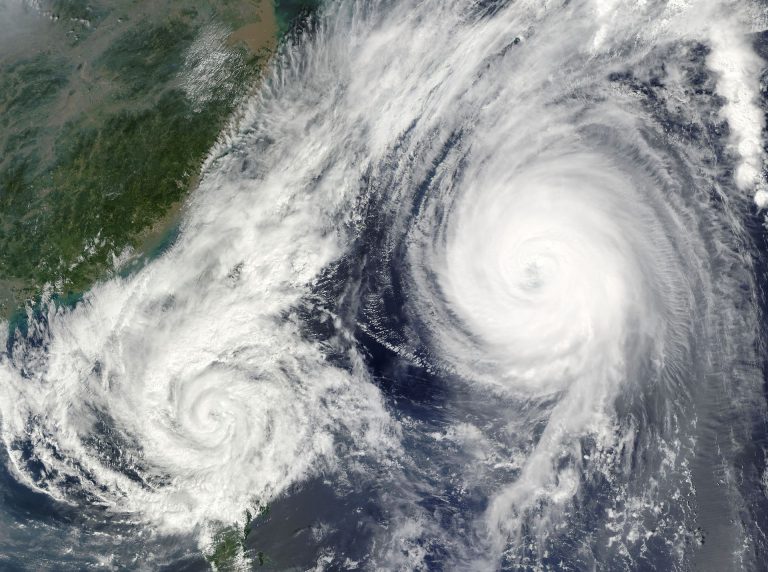
In the first part of this guide, we covered the fundamental steps for preparing yourself and your home before a hurricane hits. Now, in the second part, we look into the crucial actions you should take as the storm approaches and immediately after it passes.
From securing your yard to ensuring you have electricity, this section will help you finalize your preparations and effectively manage the aftermath of a hurricane. These practical tips will not only enhance your safety during the storm but also streamline the recovery process, enabling you to rebuild and restore normalcy more efficiently.
Hurricane Season Survival Tips:
7. Do Some Yard Work
Preparing your yard for a hurricane involves ensuring that trees and shrubs are well-maintained to resist high winds and minimize potential hazards. Proper yard work not only enhances the safety of your property but also reduces the cleanup required after the storm. Here are essential steps to effectively prepare your yard:
-
Tree and Shrub Inspection
Health Assessment: Evaluate the health of trees and shrubs around your home. Look for signs of disease, rot, or weakened branches that could pose a hazard during high winds.
Trimming and Pruning: Trim trees and shrubs to remove dead or overgrown branches. Prune branches that are close to structures, such as your house or garage, to reduce the risk of damage from falling limbs.
Clear Debris: Remove fallen branches, leaves, and other debris from your yard. These items can become projectiles in strong winds and cause damage to your home or neighboring properties.
-
Proper Trimming Techniques
Avoid Over-Pruning: While it’s important to trim trees and shrubs, avoid over-pruning, which can weaken the plant and make it more susceptible to wind damage.
Trimming Tips: Use sharp, clean tools designed for the specific size of branches you are cutting. Cut branches just outside the branch collar (where the branch meets the trunk or main stem) to promote healing and prevent disease.
-
Tree and Shrub Placement
Strategic Planting: When landscaping, consider the location and placement of trees and shrubs. Avoid planting large trees close to your home or power lines, as they can cause significant damage if they fall during a storm.
Spacing: Space trees and shrubs apart to reduce the likelihood of them becoming entangled or falling on each other during high winds.
-
Hazard Mitigation
Remove Dead Trees: If you have dead or severely weakened trees on your property, consider having them professionally removed before hurricane season. Dead trees are particularly hazardous during storms and can cause extensive damage if they fall.
Secure Loose Items: Secure or store outdoor furniture, garden tools, and decorations. These items can be picked up by strong winds and cause damage to your home or neighboring properties.
-
Cleanup and Preparation
Before the Storm: Complete yard work and cleanup well in advance of the hurricane season. This ensures that your property is ready to withstand severe weather conditions.
Post-Storm: After the storm passes, conduct a thorough inspection of your yard. Remove any debris or fallen branches promptly to prevent further damage or hazards.
-
Safety First
Personal Protective Equipment: Wear appropriate safety gear, such as gloves and eye protection, when trimming trees and shrubs. Use ladders and other equipment safely to avoid accidents.
Professional Help: If you are unsure about how to safely trim or prune trees, or if you need assistance with tree removal, consider hiring a certified arborist or tree service. They have the expertise and equipment to handle the job safely and effectively.
-
Sustainable Practices
Environmentally Friendly: Consider using sustainable landscaping practices, such as mulching and composting, to improve soil health and reduce water usage in your yard.
Native Plants: Choose native plants and trees that are better adapted to local climate conditions and require less maintenance and water.
-
Continuous Maintenance
Regular Inspections: Schedule regular inspections of trees and shrubs throughout the year, not just before hurricane season. Address any issues promptly to maintain a healthy and safe landscape.
Learn and Adapt: Stay informed about best practices for yard maintenance and hurricane preparedness. Adapt your approach based on lessons learned from previous storms and evolving weather patterns.
Thorough yard work and maintaining trees and shrubs properly, is required to significantly reduce the risk of damage to your property during hurricanes and other severe weather events. Taking proactive steps to prepare your yard enhances safety, minimizes cleanup efforts after storms, and contributes to overall property resilience.
8. Think About Having Electricity Afterward

Planning for electricity outage recovery is crucial for post-hurricane survival and comfort. Installing a generator can provide reliable power when utilities are down, ensuring you can maintain essential functions and comfort in your home. Here’s how to prepare effectively:
-
Consider Generator Options
New vs. Used: Evaluate whether to invest in a new generator or consider purchasing a used one to save costs. Online marketplaces like Craigslist can be a resource for finding used generators in good condition.
Generator Size: Determine the appropriate generator size based on your household’s energy needs. Consider essential appliances like refrigerators, medical equipment, and heating/cooling systems when selecting a generator.
Fuel Type: Choose a generator that runs on a fuel type readily available in your area, such as gasoline, propane, or diesel.
-
Installation and Maintenance
Professional Installation: For safety and efficiency, have your generator installed by a qualified electrician or generator technician. Ensure it complies with local building codes and safety standards.
Regular Maintenance: Maintain your generator according to the manufacturer’s guidelines. Regularly check fuel levels, change oil, and perform routine inspections to ensure it operates reliably when needed.
-
Prepare for Extended Outages

Emergency Power Source: A generator provides a reliable emergency power source during prolonged utility outages. It can support critical functions like lighting, refrigeration, and communication devices.
Comfort and Convenience: Having a generator enhances comfort during power outages by maintaining heating or cooling systems, powering electric appliances, and preserving perishable food items.
-
Safety Considerations
Ventilation: Operate your generator outdoors in a well-ventilated area to prevent carbon monoxide poisoning. Keep it away from doors, windows, and vents that could allow exhaust fumes to enter your home.
Fuel Storage: Store generator fuel in a safe, well-ventilated location away from ignition sources. Use approved containers and follow local regulations for fuel storage.
-
Post-Hurricane Preparedness
Emergency Preparedness Kit: Include your generator in your emergency preparedness kit along with fuel, extension cords, and any necessary accessories.
Communication Plan: Maintain communication devices powered by your generator to stay informed about recovery efforts and safety updates.
Water and Food: Ensure you have an adequate supply of water and non-perishable food items that can be prepared using your generator-powered appliances.
Neighbor Assistance: Coordinate with neighbors to share resources and support each other during power outages. Establish communication channels and offer assistance to vulnerable community members.
-
Environmental Impact
Energy Efficiency: Choose an energy-efficient generator model to minimize fuel consumption and reduce environmental impact.
Alternative Energy: Explore renewable energy options, such as solar-powered generators, as a sustainable alternative to traditional fuel-powered generators.
-
Regulatory Compliance
Permit and Regulations: Check local regulations and obtain any necessary permits for generator installation. Ensure compliance with noise ordinances and environmental regulations.
Note: Ensuring your generator is properly installed, maintained, and used safely enhances your ability to manage and recover from extended power outages effectively.
9. Secure Important Documents
Protecting important documents and valuables is essential during a hurricane to ensure they remain safe and accessible. Taking proactive steps to secure these items can help minimize potential loss and streamline recovery efforts. Here’s how to safeguard your important documents effectively:
-
Identify Critical Documents
Essential Papers: Gather important documents such as social security cards, birth certificates, passports, driver’s licenses, and marriage certificates.
Property Documents: Include titles or deeds to property, mortgage papers, rental agreements, and insurance policies. These documents are crucial for proving ownership and accessing insurance coverage after a disaster.
-
Waterproof Protection
Use of Plastic Bags: Place documents and valuables in waterproof plastic bags or containers to protect them from water damage. Double-bagging can provide added protection.
Alternative Storage: Consider storing documents in a waterproof safe or container designed to withstand flooding and water infiltration.
-
Additional Secure Storage

Dishwasher Use: Some individuals utilize dishwashers as a waterproof storage option during emergencies. Ensure documents are securely sealed in waterproof bags or containers before placing them in the dishwasher.
Fireproof Safe: Invest in a fireproof safe for storing documents and valuables. These safes offer protection against fire, water, and theft, making them ideal for safeguarding essential items.
-
Organize and Label
Document Organization: Organize documents in categories and label them clearly for easy identification. Create digital copies of important documents and store them securely in cloud storage or on a portable external drive.
Emergency Kit Inclusion: Include copies of essential documents in your emergency preparedness kit. This ensures you have access to critical information if you need to evacuate quickly.
-
Secure Home Storage
Location Choice: Choose a secure location within your home to store important documents, such as a high shelf or drawer that is less likely to be affected by flooding or fire.
Accessibility: Ensure documents are easily accessible in case you need to retrieve them quickly during an emergency or evacuation.
-
Communication Plan
Family Awareness: Inform family members about the location of important documents and how to access them in your absence. Establish a communication plan to coordinate document retrieval if needed.
-
Insurance and Contact Information
Insurance Policies: Keep copies of insurance policies, including homeowner’s insurance, flood insurance, and vehicle insurance, in your secure storage. These documents are crucial for filing claims after a hurricane.
Emergency Contacts: Maintain a list of emergency contacts, including insurance agents, financial institutions, and family members, in your secure storage for quick access during emergencies.
-
Regular Review and Update
Document Maintenance: Periodically review and update stored documents, ensuring they reflect current information and remain valid. Replace damaged or expired documents promptly.
You can protect valuable information and streamline recovery efforts in the aftermath of a disaster only by securing the important documents of your household. Utilizing waterproof storage solutions, organizing documents effectively, and communicating their location to family members enhances preparedness and ensures critical information remains accessible during challenging times.
10. Learn How to Deal with Insurance Companies
 Navigating insurance claims after a hurricane requires careful preparation and documentation to ensure you receive fair compensation for property damage. Understanding how to interact with insurance companies can streamline the claims process and protect your interests. Here’s a comprehensive guide to effectively dealing with insurance companies:
-
Documentation Before Evacuation
Visual Evidence: Take photos or videos of your property and belongings before evacuating. Document the interior and exterior of your home, including valuable items and structural features.
Inventory List: Create an inventory list of possessions, noting details such as purchase dates, serial numbers, and estimated values. Store this list in a secure location or digitally in the cloud for easy access.
-
Importance of Documentation
Supporting Claims: Visual documentation serves as evidence of your property’s pre-damage condition. This documentation can support your claims and facilitate faster processing by insurance adjusters.
Damage Assessment: After the hurricane, compare post-damage conditions with your pre-evacuation documentation. Highlight discrepancies and note any new damage that occurred during the storm.
-
Effective Communication
Contact Procedures: Familiarize yourself with your insurance policy’s claims process and contact procedures. Understand the deadlines for filing claims and providing documentation to avoid delays.
Clear Communication: Maintain clear, written communication with your insurance company. Keep records of all correspondence, including emails, letters, and phone calls, regarding your claim.
-
Know Your Policy
Coverage Details: Review your insurance policy to understand coverage limits, deductibles, and exclusions related to hurricane damage. Clarify any ambiguities with your insurance agent or representative.
Additional Coverage: Consider supplemental insurance, such as flood insurance or windstorm coverage, if your standard policy does not adequately protect against hurricane-related risks.
-
Claims Process
File Promptly: File your insurance claim as soon as possible after the hurricane. Provide accurate and detailed information about the extent of damage and losses incurred.
Adjuster Evaluation: Cooperate with insurance adjusters during property inspections and evaluations. Provide access to damaged areas and present your documentation to support your claim.
-
Negotiation and Advocacy
Be Persistent: Insurance claims may involve negotiation to ensure fair compensation. Advocate for your rights and provide additional evidence or expert opinions if necessary.
Professional Assistance: Consider consulting with a public adjuster or legal counsel if you encounter difficulties or disputes with your insurance company. They can provide expertise and advocate on your behalf.
-
Record Keeping
Organize Documents: Maintain a file of all documents related to your insurance claim, including estimates, invoices, receipts, and repair records. Organize documents chronologically for easy reference.
Digital Copies: Backup digital copies of important documents and store them securely. Cloud storage services offer a reliable option for accessing documents remotely if needed.
-
Post-Claim Review
Policy Review: After settling your claim, review your insurance policy for any adjustments or updates needed based on your experience during the claims process.
Feedback: Provide feedback to your insurance company regarding your claims experience. This can help improve future interactions and customer service for yourself and others.
You need to learn how to manage insurance claims and documenting your property before and after a hurricane, so you can protect your financial interests and expedite recovery efforts. Preparedness, clear communication, and thorough documentation are key to navigating the complexities of insurance claims and securing timely compensation for hurricane-related damages.
11. Prioritize Friends and Family Over Hotels During Evacuation

Choosing accommodations wisely during evacuation can significantly impact your safety, comfort, and financial resources. Opting to stay with friends or family in a secure location is often preferable to booking a hotel room. Here’s how to plan effectively for accommodations during evacuation:
-
Stay with Relatives or Friends
Safety and Comfort: Staying with relatives or friends in another town or safer area offers a familiar environment and emotional support during stressful times.
Cost-Effectiveness: Staying with relatives or friends is usually more cost-effective than booking a hotel room, especially for extended stays.
Preparation: Before evacuation, coordinate with relatives or friends regarding accommodation availability and logistics. Ensure they are aware of your plans and arrival time.
-
Hotel Accommodation Planning
Emergency List: Prepare a list of hotels along your evacuation route and in potential safe areas. Include contact information, addresses, and directions to each hotel.
Booking Preparation: Research hotels in advance and make reservations if possible. During emergencies, hotels can quickly reach full capacity, so booking early ensures you have a place to stay.
Alternative Options: Identify multiple hotels as backup options in case your preferred choice is unavailable.
-
Transportation Readiness
Car Essentials: Keep a printed list of hotels and directions in your car’s emergency kit. Include GPS coordinates and alternate routes in case of road closures or congestion.
Navigation Tools: Use navigation apps or GPS devices to navigate safely to your chosen accommodation. Stay informed about traffic conditions and emergency alerts.
-
Emergency Communication
Family Communication Plan: Establish a communication plan with family members and friends to notify them of your location and safety status during evacuation.
Emergency Contacts: Share contact information for relatives, friends, and emergency services with family members and close contacts.
-
Personal Preparedness
Essential Items: Pack essential items such as clothing, medications, important documents, and personal hygiene products for your stay with relatives or in a hotel.
Emergency Kit: Prepare an emergency kit with food, water, first aid supplies, flashlights, batteries, and any necessary items for your evacuation journey and stay. Every member of your family should have their own bug out bag, tailored to their needs.
-
Safety and Security
Hotel Safety: Verify hotel safety measures, such as fire exits, emergency procedures, and security protocols. Choose hotels that prioritize guest safety and comply with local regulations.
Relatives’ Home Safety: Discuss safety measures with relatives or friends hosting you. Ensure they have emergency supplies and a plan in place for potential hazards.
-
Flexibility and Adaptability
Changing Conditions: Monitor weather forecasts and evacuation orders. Be prepared to adjust your accommodation plans based on evolving conditions and updated information.
Community Support: Coordinate with neighbors, community organizations, or local authorities for additional support and information during evacuation.
-
Post-Evacuation Reflection
Debriefing: After returning home or relocating, reflect on your evacuation experience. Identify areas for improvement and update your evacuation plan accordingly for future emergencies.
Gratitude: Express gratitude to relatives, friends, and emergency responders who supported you during evacuation and sheltering.
Effective planning, communication, and flexibility are essential for navigating evacuation procedures and ensuring a smooth transition to temporary accommodations.
12. Don’t Abandon Your Pets During Evacuation

Including your pets in your evacuation plans ensures their safety and well-being during emergencies. Pets are valued family members and should not be left behind. Here’s how to plan effectively for your pets during evacuation:
-
Pet Evacuation Plan
Inclusion in Planning: Consider your pets when developing your family’s evacuation strategy. Identify pet-friendly accommodations along your evacuation route or in safer areas.
Emergency Kit: Prepare a pet emergency kit with essentials such as food, water, medications, leashes, carriers, and comfort items. Pack enough supplies for at least a few days.
Identification: Ensure your pets wear collars with identification tags containing current contact information. Consider microchipping your pets as a permanent form of identification.
-
Pet-Friendly Accommodations
Research Hotels and Motels: Include pet-friendly hotels and motels in your evacuation plan. Verify their pet policies, fees, and availability of accommodations for pets of various sizes.
Reservations: Make reservations in advance if possible, as pet-friendly accommodations may fill up quickly during emergencies. Have backup options in case your preferred choice is unavailable.
-
Local Shelters and Boarding Options
Safer Area Shelters: Identify local shelters or facilities in safer areas that accept pets during emergencies. Contact them in advance to confirm availability and any specific requirements.
Boarding Considerations: Consider boarding your pets only as a last resort. Boarding facilities may have limited capacity during emergencies and may not provide the same level of comfort as staying with you.
-
Transportation and Safety
Travel Arrangements: Arrange transportation for your pets in advance. Use secure carriers or crates to transport pets safely during evacuation.
Safety Precautions: Ensure pets are securely restrained in vehicles to prevent injury or escape during transit. Keep them calm with familiar items and comforting reassurance.
-
Communication and Coordination
Family Communication Plan: Include pets in your family’s communication and reunification plan. Ensure all family members know where pets will be located and how to contact caregivers.
Emergency Contacts: Keep a list of emergency contacts, including veterinarians, animal shelters, and pet-friendly accommodations, in your evacuation kit.

-
Post-Evacuation Care
Health Check: Schedule a veterinary check-up for pets after returning home or relocating. Address any injuries, illnesses, or stress-related issues resulting from the evacuation.
Routine Care: Resume normal routines and provide pets with familiar comforts to help them adjust after the evacuation experience.
-
Legal Considerations
Pet Ownership Documentation: Keep copies of pet ownership documents, vaccination records, and medical history in your evacuation kit. These documents may be required for boarding or veterinary care.
Local Regulations: Familiarize yourself with local regulations regarding pets during emergencies. Ensure compliance with pet evacuation orders or restrictions in your area.
-
Community Support and Resources
Pet-Friendly Resources: Collaborate with neighbors, community organizations, or local animal shelters for additional support and information during pet evacuation.
Volunteer Assistance: Offer assistance to neighbors or community members who need help evacuating their pets. Share resources and information to ensure the safety of all pets in your community.
Your pets are your family and if you are a decent human being, you will never even think about leaving them.
13. Secure Your Boat During Hurricane Season

Protecting your boat during hurricane season is crucial to prevent damage and financial loss. Proper planning and preparation can safeguard your boat against the destructive forces of hurricanes. Here’s how to secure your boat effectively:
-
Plan Ahead
Location: Identify a safe location to store your boat during hurricane season. Choose a marina, boatyard, or storage facility that offers hurricane preparedness services.
Docking Considerations: If keeping your boat in the water, choose a secure dock with floating docks or pilings designed to withstand storm surges and strong winds.
-
Preparation Before a Hurricane
Secure Anchoring: Ensure your boat is securely anchored or moored according to manufacturer guidelines. Double-check lines and cleats to withstand strong winds and tidal surges.
Remove Accessories: Remove sails, canvas covers, and any loose items that could become airborne during high winds. Store these items securely indoors or in a secure storage area.
-
Insurance Coverage
Review Policy: Review your boat insurance policy to understand coverage limits, deductibles, and exclusions related to hurricane damage. Ensure your policy provides adequate protection for your boat and equipment.
Update Coverage: Consider updating your insurance coverage based on your boat’s value and potential risks during hurricane season. Discuss options with your insurance provider to mitigate financial risks.
-
Secure Storage Options
Dry Storage: Consider dry storage options at a marina or boatyard that offers hurricane haul-out services. Ensure the facility is equipped to handle multiple boats and provides secure storage during storms.
Elevate or Tie Down: If storing your boat on land, ensure it is elevated or securely tied down to prevent it from being toppled or damaged by flooding or high winds.
-
Emergency Action Plan
Checklist: Create an emergency action plan for securing your boat when a hurricane warning is issued. Include steps for removing valuables, securing hatches, and disconnecting electrical systems.
Communication: Stay informed about hurricane forecasts and evacuation orders. Follow local authorities’ instructions regarding boat preparation and evacuation procedures.
-
Post-Hurricane Assessment
Inspection: After the hurricane passes, inspect your boat for damage or displacement. Document any damage with photos and notify your insurance provider promptly to initiate a claim.
Professional Evaluation: Consider having your boat professionally inspected for structural damage or mechanical issues that may have occurred during the storm.
-
Community Support and Resources
Marina Assistance: Coordinate with your marina or boatyard for additional support and resources during hurricane preparedness and recovery efforts.
Neighbor Assistance: Offer assistance to fellow boat owners and community members in securing their boats and preparing for hurricanes. Share resources and information to enhance community resilience.
-
Environmental Responsibility
Sustainable Practices: Implement environmentally responsible practices when securing and storing your boat. Dispose of waste materials properly and avoid contributing to environmental hazards during hurricane season.
By taking proactive measures to secure your boat and ensuring adequate insurance coverage, you can mitigate risks and protect your investment during hurricane season.
14. Stay Indoors During a Storm
Ensuring your safety during a storm involves staying indoors and avoiding unnecessary risks. Here are essential guidelines to protect yourself and others during severe weather conditions:
-
Safety First
Avoid Outdoor Exposure: Refrain from going outside during a storm, as it exposes you to various hazards such as flying debris, strong winds, and potential electrical hazards.
Risk of Accidents: Many accidents occur when individuals venture outdoors to take photos or videos of the storm. Prioritize personal safety over capturing footage.
-
Secure Indoor Environment
Safe Shelter: Seek shelter indoors in a sturdy building, preferably in an interior room away from windows and doors. Use mattresses or heavy furniture for additional protection if necessary.
Stay Informed: Monitor weather updates and warnings through reliable sources such as weather apps, local news, or NOAA Weather Radio.
-
Film Safely From Indoors
Visual Documentation: If you wish to document the storm, do so safely from inside your home. Position yourself near a window with a clear view or use a smartphone or camera to record footage.
Avoid Risks: Do not risk personal safety or the safety of others by attempting to capture footage in hazardous conditions. Use caution and prioritize your well-being.
-
Emergency Preparedness
Emergency Kit: Keep an emergency kit stocked with essentials such as water, non-perishable food, first aid supplies, flashlights, batteries, and medications.
Communication Plan: Maintain communication with family members and emergency contacts. Ensure everyone knows the location of safe shelter and emergency procedures.
-
Educate Others
Community Awareness: Educate friends, family, and neighbors about the importance of staying indoors during storms. Encourage responsible behavior and prioritize safety over unnecessary risks.
-
Post-Storm Assessment
Safety Check: After the storm passes, assess your surroundings for any damage or hazards. Stay indoors until authorities confirm it is safe to venture outside.
Report Hazards: Report any damage or hazards to local authorities or emergency services promptly. Avoid touching downed power lines or entering flooded areas.
-
Psychological Well-being
Stress Management: Maintain calm and reassure family members, particularly children and elderly individuals, during severe weather events. Provide comfort and support throughout the storm.
Support Network: Offer assistance and support to neighbors or community members who may need help during and after the storm. Foster a sense of community resilience and solidarity.
Prioritize personal safety, remain informed, and adhere to emergency guidelines to minimize risks and effectively manage storm-related challenges.
15. Stock Up on Building Materials Before a Hurricane

Preparing in advance with essential building materials ensures you can quickly secure and repair your home after a hurricane. Here’s how to effectively stockpile and utilize building materials for storm preparedness and recovery:
-
Plywood and Hurricane Shutters
Plywood Stockpile: Acquire plywood in advance for various uses, such as boarding up windows and reinforcing vulnerable areas of your home. Plywood is essential for protecting windows and doors from flying debris and strong winds.
Hurricane Shutters: Consider installing plywood hurricane shutters if feasible and within budget. These shutters provide additional protection against storm damage and enhance home resilience.
-
Essential Materials for Recovery
Multi-Purpose Usage: Stockpile materials that serve multiple purposes, such as nails, screws, tarps, and construction adhesive. These materials are essential for temporary repairs and securing belongings.
Cleaning and Cooking Supplies: Ensure you have sufficient cleaning supplies, disposable plates, utensils, and cooking equipment for post-storm cleanup and preparation of meals.
-
Long-Term Preparedness
Rebuilding Considerations: Recognize that the rebuilding process after a hurricane can be lengthy. By stockpiling essential building materials in advance, you avoid delays and minimize the need for multiple trips to hardware stores.
Time Efficiency: Save valuable time and energy by preparing your home with necessary materials before a hurricane strikes. This allows you to focus on safety and recovery efforts during and after the storm.
-
Financial Planning
Budget Allocation: Allocate funds for purchasing building materials and supplies well ahead of hurricane season. Compare prices, consider bulk purchasing discounts, and prioritize essential items for home protection and recovery.
-
Community Support and Resources

Neighbor Collaboration: Coordinate with neighbors and community members to share resources and support each other’s storm preparedness efforts. Pooling materials and equipment can enhance collective resilience.
Local Hardware Stores: Establish relationships with local hardware stores and suppliers. Familiarize yourself with their inventory and emergency protocols for accessing materials during hurricane-related emergencies.
-
Safety and Security
Securing Property: Secure outdoor furniture, plants, and other loose items before the storm. Use plywood or tarps to protect vulnerable areas of your property from wind and rain damage.
Emergency Repairs: Be prepared to perform temporary repairs using stockpiled materials immediately after the storm. Address roof leaks, broken windows, and structural damage promptly to prevent further deterioration.
-
Environmental Impact
Sustainable Practices: Consider environmental factors when selecting building materials. Opt for eco-friendly options and proper disposal methods to minimize environmental impact during storm preparation and recovery.
-
Personal Preparedness
Emergency Kit: Include building materials and tools in your emergency preparedness kit. Ensure you have a comprehensive supply of essential items to address immediate needs and maintain home safety.
By proactively stockpiling building materials and preparing your home for hurricane season, you enhance your ability to protect your property and facilitate efficient recovery efforts.
A last word
Surviving a hurricane isn’t just a matter of chance; it’s about proactive preparation and applying essential safety tips when needed. Share these insights with others to spread awareness and potentially save lives. Remember, preparation is key to weathering any storm. Stay safe, stay informed, and may you and your loved ones remain protected. God bless!
Recommended resources:
Family Disaster Planning Measures
How To Build The Invisible Root Cellar
Hawaii Bans Adults 18-20 from Buying or Possessing Ammo

Oral Arguments for En Banc Review of Young v. Hawaii on 24 September, 2020
Hawaii Bans Adults 18-20 from Buying or Possessing Ammo
The Hawaii legislature has passed a bill that forbids adults aged 18-20 from purchasing or possessing ammunition. It also forbids anyone from transferring ammunition to people under the age of 21. Violation of the Bill would be punishable as a misdemeanor.
On May 2, 2024, the Hawaii Legislature sent Bill SB2845 to Democratic Governor Josh Green for his signature. Governor Green (D). Governor Green has signed several state laws restricting firearms ownership and carry in Hawaii. Governor Green (D) is expected to sign SB2845 into law. Hawaii government is effectively defying the Supreme Court ruling in Bruen. From captol.hawaii.gov:
SECTION 2.
Chapter 134, Hawaii Revised Statutes, is amended by adding a new section to be appropriately designated and to read as follows:
§134 – Sale of ammunition to a person under the age of twenty-one; prohibition; penalty.
(a) No person shall intentionally, knowingly, or recklessly sell, offer to sell, distribute, or otherwise transfer ammunition for any firearm to any person who is under the age of twenty-one; provided that it shall not be a violation of this section to sell, offer to sell, distribute, or otherwise transfer ammunition to a person who:
(1) Meets the criteria to possess a firearm under section 134-5; and
(2) Is actively engaged in hunting or target shooting or going to or from the place of hunting or target shooting.
Bill SB2845 goes on to explain how people who sell or transfer ammunition will be required by law to check government-issued identification to ensure that the person receiving the ammunition is 21 years old or older.
As shown above, people who are under the age of 21 but who have a hunting license are allowed to have ammunition transferred to them while hunting or going to or from the actual place they will be hunting. Additionally, people under the age of 21 who are target shooting or going to or from target shooting are allowed to have ammunition transferred to them. In both cases, people under the age of 21 are required to be accompanied by an adult, as shown in §134-5. State officials and employees of the State or Federal governments are exempted if their duties require them to be armed.
Persons under the age of 21 are forbidden from possessing or controlling any ammunition, with the above-mentioned exemptions.
This correspondent did not find any legal definition of “ammunition” in the Hawaii statutes.
People who have attained the age of eighteen are no longer “minors” under Hawaii law. Therefore, it appears anyone the age of 18 or greater satisfies the requirement that an “adult” be present while hunting or target shooting.
This poorly thought-out law is almost certain to be challenged in federal court. There are already challenges to the ban on the purchase of handguns by adults who are less than 21 years old. No historical laws forbid the purchase of firearms by persons who are 18 years old or older, while there have been historical federal laws requiring the ownership of firearms by persons 18 years or older.
Bans on the purchase, control, or possession of ammunition or arms by persons under the age of 21 are almost certain to be struck down by the Supreme Court as unconstitutional infringements on the rights protected by the Second Amendment
Hawaii Bans Adults 18-20 from Buying or Possessing Ammo
thought on this… have they finally succeeded in dumbing down our younger generations through the indoctrination and miseducation enough that they felt they needed this???
Has this already been struck down by the courts?