Italian Air Force eyes Airbus tankers after dropping Boeing planes

0

ROME — Italy is mulling a competition to find a new tanker aircraft after suspending plans to buy six new Boeing KC-46 tankers, sources have told Defense News.

The competition, which could be held this year, will likely see the Airbus A330 MRTT tanker in contention to replace the Italian Air Force’s four Boeing 767-based tanker aircraft which entered service from 2011.

Should the Airbus aircraft be picked, it would mark an important shift for Italy after relying on Boeing tankers for over a decade.

In 2021 Italy announced plans to upgrade its B-767 tankers and purchase two more, but the following year Rome changed tack, opting instead to buy six new KC-46 aircraft, aligning itself with the United States, which has acquired the more modern aircraft.

Italy’s plans all changed last month, however, when defense planners issued a document stating the €1.1 billion ($1.2 billion), six-aircraft KC-46 purchase had been halted “due to changed and unforeseen needs.”

No further explanation was given, although the decision could be linked to issues over the cost and promised delivery time of the new aircraft, Defense News has learned.

The KC-46 has been plagued by problems including a troublesome Remote Vision System, aimed at giving boom operators a view of refueling operations. The delivery of a replacement dubbed the RVS 2.0 is set to slip to 2026, the U.S. Air Force said in March.

Italy’s suspension of its purchase has prompted plans for a possible competition “to be held within months” said a source who spoke on condition of anonymity because he was not permitted to speak on the record.

Officials have not ruled out a KC-46 buy, but want to see what else is on the market, the source added.

The most likely alternative is the Airbus A330 MRTT, which has been acquired by France, Spain and the U.K.

The Italian Air Force is meanwhile planning to spend €7.5 billion on 24 new Eurofighter jets to replace 26 older versions due of service in 2028.

Tom Kington is the Italy correspondent for Defense News.

The V.A. director openly defying Congress

0

Holy crap fellow monkeys, you guys see this?
If assholes like this guy can sit there before congress and openly defy a lawful order, we are well and truly screwed!
https://www.youtube.com/live/y8XBYoz2AjY?si=mxG-FjIwyW0Html8

Sunglasses | Survival Monkey Forums

0

What is/are your favorites?

I have Maui Jim and Oakleys. And as of maybe ten years ago, stopped buying Oakleys. I love my Maui Jims!

Initial impressions: Oakley’s are expensive, but they look and feel cheap. One of my Oakleys came with some of the rubber coming off. The manufacturers rep was in the store and gave me his card and said to call him and he would take care of it. Maui Jims are expensive, but they look and feel well made.

Manufacturer service: Oakley’s rep, who I met in person, did not honor his promise to me to take care of my purchase and either fix or replace the pair I got. It was the last one of that model in the store. I called him for months. Nothing. Ran into him in the store several times after that. “I’ll take care of you.” NOTHING. With Maui Jim, I have only met a store salesperson and spoke to service online with questions. They all were responsive and helpful.

Lens: Oakley lenses are Plutonite, their proprietary polycarbonate. Maui Jim lenses are thin glass. Oakleys look less clear than Maui Jim lenses. Oakley lenses scratch. I have yet to have Maui Jim lenses scratch.

Design: Oakleys designed in California. Maui Jims Designed in Hawaii.

Where are they made: Oakley lists (since 2007) China, Italy and other. I suspect mostly in China for pricing. And it seems to match the quality of the ones I got. Maui Jim made in Italy and Japan.

Pricing: Both are expensive and fairly comparable in price.

Warranty: Oakley is one year. Maui Jim is two years.

Subjective (my experience): Since my contact with the manufacturer’s rep and his service, as well as the quality of their product, I vowed to never buy Oakleys again. The Maui Jim sunglasses look and feel higher quality, while the Oakleys feel cheap. The Maui Jim lenses are so clear and bright while blocking glare. Oakley lenses are also clear, but seem more cloudy in comparison and darker, even the red lens.

I vote Maui Jim. I have a couple of pairs that replaced my Oakleys. The Oakleys went in the trash.

Let me know your favorite(s) and why.


Pentagon to accept deliveries of Lockheed F-35s after yearlong pause

0

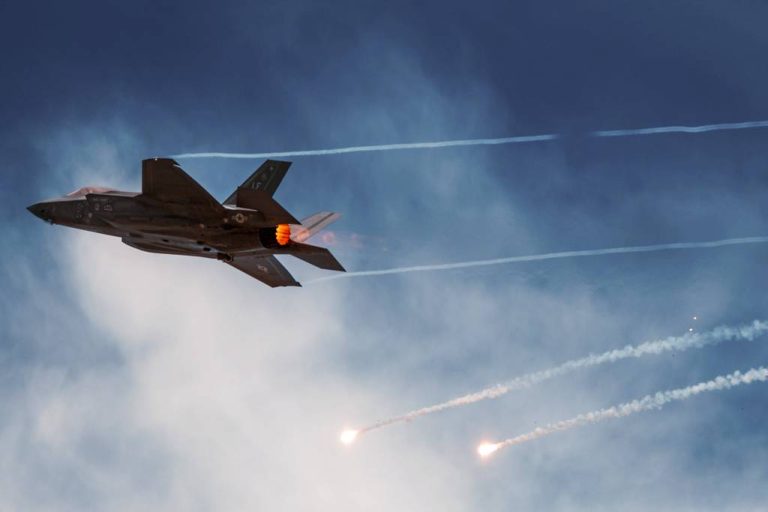
The head of the F-35 Joint Strike Fighter program has approved a plan to accept the newest jets with a partial version of its latest software, paving the way for deliveries to resume after a year-long pause.

Lt. Gen. Mike Schmidt, the F-35 program executive officer, on July 3 decided to move forward with the plan to accept jets with a “truncated” version of its Technology Refresh 3, or TR-3, software, the Joint Program Office said in an email. This decision was made after consulting with the military services, pilots, maintainers, industry, and the executive steering board that oversees the F-35, the JPO said.

TR-3 includes upgrades to the F-35′s displays, computer memory and processing power that are needed for a more expansive modernization known as Block 4, which will include the ability to carry more weapons.

But Lockheed Martin has struggled with software integration on the TR-3 jets. Some critical pieces of hardware were also delayed, Schmidt said in December 2023, which further stalled the effort.

The first F-35s that were intended to have TR-3 began rolling off the Lockheed Martin assembly line in Fort Worth, Texas, last July. But the Defense Department refused to accept their deliveries.

As months dragged on and F-35s began to accumulate at Fort Worth, the F-35 program began considering a “truncated” solution. This involved uploading a partial version of the TR-3 software that worked well enough to conduct the necessary acceptance flights, even if it could not carry out all the F-35′s missions.

In April, Lockheed Martin chief executive Jim Taiclet said these jets, even after delivery, would not be able to fly combat missions until 2025, and would be used for training flights at first.

The F-35 JPO said deliveries “will resume in the near future,” but would not specify when.

Air Combat Command chief Gen. Kenneth Wilsbach said Wednesday that the jets could start to be delivered this month.

Stephen Losey is the air warfare reporter for Defense News. He previously covered leadership and personnel issues at Air Force Times, and the Pentagon, special operations and air warfare at Military.com. He has traveled to the Middle East to cover U.S. Air Force operations.

Sixth-gen jet selection likely in ‘24, Air Combat Command chief says

0

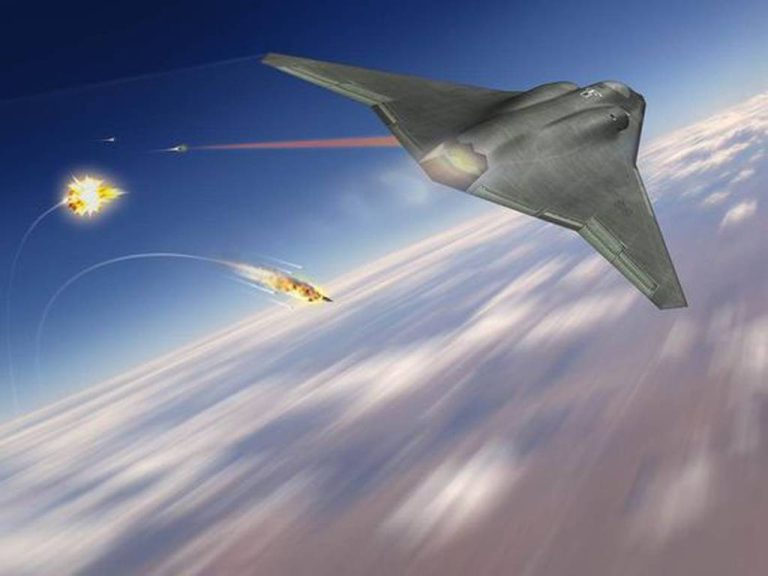
The head of Air Combat Command on Wednesday said he expects the Air Force to choose which company will develop its sixth-generation fighter jet later this year.

The fate of the Air Force’s Next Generation Air Dominance family of systems has been in question recently, as looming budget crunches have called its affordability into question. In an interview with Defense News in June, Air Force Secretary Frank Kendall declined to comment about potential changes when asked if NGAD’s contract remained on track for 2024.

But when asked about plans for a selection on NGAD in a virtual forum hosted by the Mitchell Institute for Aerospace Studies, ACC commander Gen. Kenneth Wilsbach said, “I do expect it to be this year.”

The Air Force last year released a solicitation for NGAD, a family of systems that is expected to include an advanced piloted aircraft, drone wingmen known as collaborative combat aircraft, a cutting-edge engine, and more, and said that contract would be awarded in 2024.

Looming budget crunches have called into question whether the Air Force can afford NGAD, at least as it has so far been envisioned. In a June 28 interview with Defense News, Air Force Secretary Frank Kendall reiterated the service’s commitment to fielding a next-generation family of systems, but said it is looking for ways to bring its costs down.

NGAD, in its current planned form, is likely to be “a very expensive platform,” Kendall said in Defense News interview, which would limit the size of its potential fleet.

“It’s three times, roughly, the cost of an F-35, and we can only afford it in small numbers,” Kendall said. An F-35 costs roughly $80 million to $100 million, depending on which version.

Kendall also declined to comment to Defense News when asked if the NGAD contract will still be awarded this year.

Lockheed Martin and Boeing are expected to be the contenders for NGAD. Northrop Grumman said in 2023 it decided not to bid on the program as a prime contractor.

The Air Force plans to use NGAD to replace its F-22 Raptor fighter fleet sometime in the 2030s.

And to help free up funds to pay for developing NGAD, the Air Force has repeatedly proposed retiring about 32 F-22s – older block 20 versions that are now not able to fly in combat, and that the service says would cost too much to make combat-ready.

On Wednesday, Wilsbach differed from the Air Force on those F-22s, particularly if NGAD gets delayed.

“I’m in favor of keeping the Block 20s,” Wilsbach said. “They give us a lot of training value, and even if we had to, in an emergency, use the Block 20s in a combat situation, they’re very capable.”

And Wilsbach hinted that an end to the year-long F-35 delivery halt that has piled up new jets at Lockheed’s factory in Fort Worth, Texas, may be near.

Last July, the Defense Department stopped accepting new F-35s intended to have a series of hardware and software upgrades known as Technology Refresh 3. But software integration problems, as well as delays in some hardware, has stalled the TR-3 effort, and the military refused to accept those planes.

TR-3 includes improved computer memory, processing power, and upgraded cockpit displays for the F-35. It is needed to allow a more expansive upgrade known as Block 4, which will allow the jet to carry more weapons, better recognize targets, and conduct better electronic warfare operations.

TR-3 is not yet complete, but Lockheed and the F-35 program have focused on getting an interim version of the software into the plane that would allow jets to undergo the test flights needed for acceptance, and then be delivered. Those jets would not be able to fly in combat until next year, Lockheed said earlier this year, and would first be used for training flights.

Stephen Losey is the air warfare reporter for Defense News. He previously covered leadership and personnel issues at Air Force Times, and the Pentagon, special operations and air warfare at Military.com. He has traveled to the Middle East to cover U.S. Air Force operations.

“semi-automatic rifle, caliber 30, M1”

0


  1. stg58
    Monkey+++
    Founding Member

    The AR platform is a standard but having a nice early morning at the range

    upload_2024-7-11_12-33-19.

    with some of my Garands shows that the “semi-automatic rifle, caliber 30, M1 is still a fine weapon.

    General Patton called it “the greatest battle implement ever devised”.
    upload_2024-7-11_12-33-19.


  2. If Platt & Mattox had been carrying an M1 Garand instead of a Mini 14, the Miami Florida Shoot-Out that brought about the .40 S&W might have ended quite differently. The agent who finished off both of them had taken a round to the arm just as he raised his arm in front of his heart. The bullet shattered the bone in his arm, but otherwise stopped. A round from the Garand would have kept right on going and would have killed him, preventing him from firing the rounds that finished the fight.

    PS: Nice rifle!


survivalmonkey SSL seal


survivalmonkey.com warrant canary

Slovakia’s F-16 top-up plans reopen political battles over Ukraine aid

0

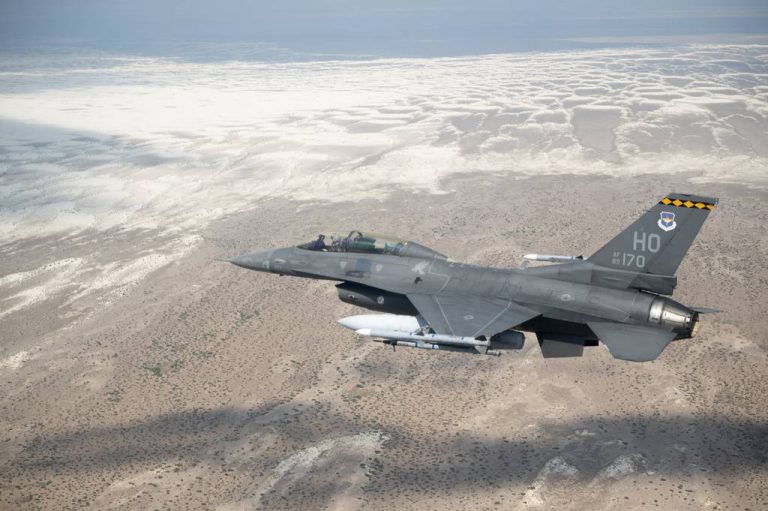
WARSAW, Poland — Slovakia’s Ministry of Defence is eying the purchase of four F-16 fighter jets on top of the 14 aircraft already ordered, a move meant to compensate for Bratislava’s decision to scrap the purchase of 12 Bell AH-1Z Viper attack helos with AGM-114 Hellfire II air-to-ground missiles.

Last January, Lockheed Martin announced the first two of the 14 purchased F-16 fighters were delivered to Slovakia, with more jets expected to leave production lines until the end of this year. But even before the 2018 aircraft contract, valued at around $800 million, is completed, the Slovak Cabinet could place an additional order for a further four jets, according to Deputy Prime Minister and Defense Minister Robert Kaliňák.

“Of the 14 fighters that we will have, three to four should be deployed 24 hours a day for the NATINADS system, which also significantly reduces the number of aircraft that can be used to fly,” he told local daily Pravda in an interview, referring to the NATO Integrated Air Defense System. “All these arguments together resulted in us opening new negotiations regarding the upgrade of our aircraft and adding four more to the fourteen.”

Local observers say the planned purchase could be partly animated by the government’s reluctance to pursue a helicopter acquisition initiated by the previous Cabinet which was ousted in October 2023.

Jaroslav Naď, the chairman of the Demokrati (Democrats) party and Slovakia’s former defense minister, told Defense News the government may be using the F-16 top-up to appease the United States and manufacturer Bell for scrapping the previous Viper deal.

“We need to acquire new helicopters for the Slovak military, and the additional purchase of aircraft is not going to cover this need,” Naď said. “It is also likely to cost much more than the approximately $340 million that Slovakia would spend on those helicopters,” he added. “The actual value of the Vipers and weapons is around $1 billion, so Slovakia was offered a huge discount. But now, if the government drops this deal, we could lose the opportunity to gain a modern helicopter fleet at such a price.”

Naď called the new talk of F-16s “quite surprising” because the country’s air force never requested additional planes during his tenure. “In the end, politicians should buy for the military what it needs, and not what they personally want,” he said.

Kaliňák, who is part of a far-right right government critical of Ukraine aid, has criticized the Viper offer as “disadvantageous” to Slovakia. He has also decried the previous Cabinet’s decision to donate 13 outdated Mikoyan MiG-29 fighters to Ukraine, alongside other weapons, to support the country’s defense against Russia’s ongoing invasion.

“The Slovak Defence Ministry has put the MiG-29s donated by the previous government without any existing legal analysis of such decision in the spotlight,” the Slovak ministry said in a statement last month. The result of an “internal investigation” was that there was no authority to dispose of the MiG-29 fleet, the statement reads.

Kaliňák said he will take issue up a notch, requesting Slovak prosecutors to launch an investigation into the 2023 transfer of MiG-29s and 2K12 Kub anti-aircraft missile systems by the previous government. The deputy prime minister claims then-Prime Minister Eduard Heger and Naď “weakened” Slovakia’s military.

Naď said he stands by the decision to support the Ukrainian military with Soviet-designed fighter jets and air defense systems.

“Slovakia transferred the same type of equipment that was transferred by many other countries, for instance Poland, but you don’t hear about the new Polish government blaming the previous government for supporting Ukraine,” he said.

Slovak Prime Minister Robert Fico, a populist leader who campaigned on a pro-Moscow platform, has led the country’s government since last October. During his electoral campaign, one of the politician’s main slogans was “Not a single round” for neighboring Ukraine, with Fico vowing he will end his nation’s military aid to Kyiv. On May 15, the prime minister was shot and gravely wounded in a politically-driven assassination attempt. Since his release from a hospital in central Slovakia in late May, Fico has gradually resumed his public activities.

Jaroslaw Adamowski is the Poland correspondent for Defense News.

F-16s to be ‘flying in the skies of Ukraine this summer,’ US says

0

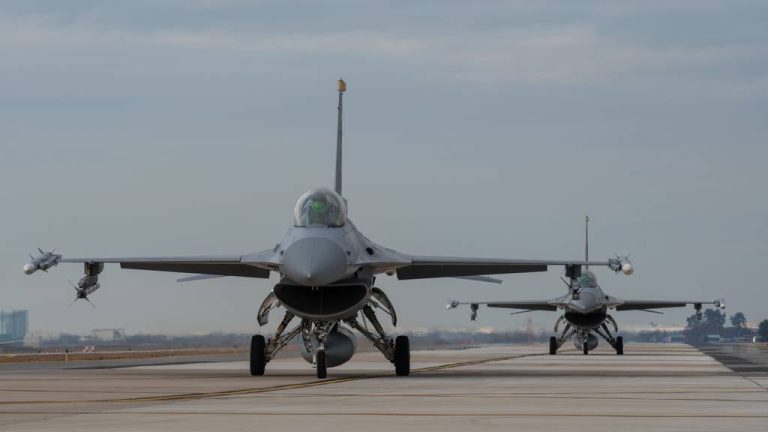
More than two years into the full-scale war with Russia, Ukraine is closer than ever to its coveted F-16 jets.

In a statement Wednesday, American, Danish and Dutch leaders said the “transfer process” for the fourth-generation fighters is “underway.”

“Those jets will be flying in the skies of Ukraine this summer to make sure that Ukraine can continue to effectively defend itself from the Russian aggression,” U.S. Secretary of State Antony Blinken said at a NATO event in Washington.

However, Justin Bronk, an air power analyst at the London-based Royal United Services Institute think tank, cautioned the statement may simply suggest a change of ownership rather than a state of combat readiness. The Ukrainian Air Forces may now go from training on jets held and operated by the Netherlands and Denmark to having custody of some.

“I highly doubt they would make a public statement about it” if the F-16s were immediately moving onto Ukrainian airfields, Bronk said.

The reason for that could be safety. In the last week, Bronk noted, Russia has targeted four Ukrainian airfields with ballistic missiles — guided by aerial drones that Ukrainian forces apparently lacked the interceptors to take down. It’s unclear how many actual planes, as opposed to decoys, Kyiv lost.

But the attacks are a reminder of a much larger challenge for Ukraine, Bronk said: Without enough air defense, its military can’t use F-16s anywhere near their full potential.

To wit, U.S. President Joe Biden opened the NATO summit on Tuesday by announcing an agreement with four other countries to send Ukraine more air defense batteries.

The U.S., the Netherlands and Denmark lead a group of countries that helps provide Ukraine with air power. The Danish and Dutch governments first agreed to send Ukraine the jets last year, and other countries, including Norway and Belgium, have since joined. The number thus far pledged to Ukraine is about 65.

Norwegian officials on Wednesday clarified that Oslo’s contribution would cover six F-16s. “We plan to start delivering the aircraft in the course of 2024,” Prime Minister Jonas Gahr Støre said in a statement.

Belgian Prime Minister Alexander De Croo said earlier this year his country would donate 30 planes. The Netherlands has promised 24, according to Reuters.

It was at last year’s NATO summit in Vilnius, Lithuania, where countries initially agreed to start training Ukrainian pilots to fly the fighters. One of the most difficult challenges has been a language barrier, since the jargon used by pilots and crews is highly technical and there’s no time to clarify a word mid-flight.

According to the Pentagon, there are just over 12 Ukrainian pilots training to fly the jets between Denmark and the U.S. right now. While a handful graduated from the course in late May, the number in the pipeline is too small, some Ukrainian officials argue.

“If we’re expected to have up to 20 machines by the end of the year, we need pilots,” Igor Zhovkva, an adviser to Ukrainian President Volodymyr Zelenskyy, said in an interview. “We are asking now [from] all of our partners for two things: to increase the number of places for training, because currently it is not enough, and secondly to optimize the period of training” — essentially speed it up.

One of the main issues with increasing that capacity is the long queue of countries already waiting for the U.S. Air Force to train their pilots. Yehor Cherniev, who leads Ukraine’s parliamentary delegation to NATO, told Defense News that he and other lawmakers asked Congress for a list of those nations so Ukraine can negotiate with them to swap spots.

American lawmakers didn’t agree to do so, he said.

The F-16s have long been a priority for Ukraine. Receiving them may help with morale and the country’s actual defense.

In the medium term, they could also pair well with two airborne surveillance planes Sweden pledged for Ukraine at the start of the summer. These can help the Ukrainian Air Forces with targeting as well as command-and-control, Swedish Defence Minister Pål Jonson said in an interview.

“That’s the difference between a third-generation fighter, which the Ukrainians are operating, and the fourth-generation fighter,” he said.

For his part, Bronk questions how Ukraine will train on and then operate these surveillance planes. They will need experienced Ukrainian crews and then must pair them with pilots who have expertise on the F-16 before there is a positive effect for the embattled country, Bronk said.

“Where are they going to fly from? Who’s going to maintain them? And are they going to fly and operate inside Ukraine, or are they going to fly around the borders?” he added.

Noah Robertson is the Pentagon reporter at Defense News. He previously covered national security for the Christian Science Monitor. He holds a bachelor’s degree in English and government from the College of William & Mary in his hometown of Williamsburg, Virginia.

Learn How To Treat These Common Plant Diseases – Part II

0

In the first part of our series, we explored several pervasive plant diseases and the essential strategies for their prevention and treatment. As we continue our journey into the world of plant pathology, we’ll look into additional diseases that gardeners frequently encounter. These diseases, such as Powdery Mildew, pose significant challenges but can be managed effectively with the right knowledge and practices.

Powdery Mildew, for instance, is one of the most recognizable plant diseases, characterized by its distinctive white, powdery growth on leaves and stems. This section will cover not only Powdery Mildew but also other troublesome diseases like Rusts, Mosaic Virus, and Fire Blight. We’ll discuss how these diseases affect various garden plants, the symptoms to look out for, and the best methods for treatment and prevention.

By expanding your understanding of these common plant diseases and their management, you’ll be better equipped to maintain a healthy, thriving garden. Let’s dive in and tackle these challenges head-on, ensuring your plants stay robust and productive throughout the growing season.

Plant Diseases:

Powdery Mildew

What It Is:

Powdery Mildew is a fungal disease caused by various species of fungi in the order Erysiphales. It affects a wide range of plants, including ornamentals, vegetables, and fruit trees. Powdery Mildew thrives in warm, dry environments and is often prevalent during periods of high humidity with warm days and cool nights.

What It Does to the Plant:

Powdery Mildew appears as white or grayish powdery patches on the surfaces of leaves, stems, and sometimes flowers and fruits. These patches consist of fungal spores and mycelium, which can spread rapidly under favorable conditions. Infected leaves may become distorted, curl, or turn yellow and eventually dry out and die. Severe infections can lead to premature leaf drop and reduced plant vigor. Fruit may also become infected, affecting quality and yield.

Most Affected Garden Plants:

  • Ornamentals: Roses, phlox, zinnias, and lilacs
  • Vegetables: Squash, cucumbers, melons, and tomatoes
  • Fruit Trees: Apples, cherries, and grapes

How It Can Be Treated:

  1. Cultural Practices:
    • Pruning: Prune out and remove infected plant parts to improve air circulation and reduce humidity around plants.
    • Sanitation: Clean up fallen leaves and plant debris to reduce overwintering sites for fungal spores. Dispose of infected plant material properly.
    • Spacing: Plant susceptible species with adequate spacing to improve air flow and reduce humidity levels.
  1. Chemical Treatments:
    • Fungicides: Apply fungicides labeled for Powdery Mildew as a preventive measure or at the first sign of disease. Fungicides containing sulfur, potassium bicarbonate, neem oil, or horticultural oils can be effective. Follow manufacturer’s instructions for application rates and timing.
  1. Resistant Varieties:
    • Select Resistant Cultivars: Choose plant varieties that are bred for resistance to Powdery Mildew. Resistant varieties can significantly reduce the risk and severity of infection.
  1. Preventive Measures:
    • Water Management: Avoid overhead watering; instead, water plants at the base to keep foliage dry. Drip irrigation systems are beneficial for delivering water directly to the soil.
    • Monitor Plants Regularly: Inspect plants regularly for early signs of Powdery Mildew and take prompt action if detected.
    • Improve Air Circulation: Prune plants to open up the canopy and improve air flow, which helps reduce humidity and discourage fungal growth.
  1. Natural Remedies:
    • Homemade Sprays: Some gardeners use homemade sprays such as baking soda solutions or milk diluted with water to help prevent or control Powdery Mildew. These remedies may provide some suppression but are generally less effective than commercial fungicides.

Rusts

rust caused by the pucciniales fungi

What It Is:

Rusts are fungal diseases caused by various species of fungi belonging to the order Pucciniales. These pathogens are notable for producing reddish-brown or yellow-orange spores on infected plant tissues. Rusts can affect a wide range of plants, including ornamentals, vegetables, and trees. They thrive in humid conditions and are often more prevalent during periods of cool, moist weather.

What It Does to the Plant:

Rust diseases manifest as small, raised spots or pustules on leaves, stems, and sometimes fruits of infected plants. These spots often contain powdery masses of spores that can be orange, yellow, brown, or black in color, depending on the species of fungus. As the disease progresses, infected plant tissues may turn yellow or brown, become distorted, and eventually die. Severe infections can lead to defoliation, reduced plant vigor, and decreased yield in fruit-bearing plants.

Most Affected Garden Plants:

  • Ornamentals: Roses, daylilies, and hollyhocks
  • Vegetables: Beans, peas, and tomatoes
  • Trees: Cedars, junipers, and pine trees

How It Can Be Treated:

  1. Cultural Practices:
    • Pruning: Remove and destroy infected plant parts, including leaves and stems, to reduce the spread of spores. Disinfect pruning tools between cuts to prevent further contamination.
    • Sanitation: Clean up fallen leaves and plant debris to reduce overwintering sites for fungal spores. Improve garden hygiene by removing and destroying infected plant material.
  1. Chemical Treatments:
    • Fungicides: Apply fungicides labeled for rust diseases as a preventive measure or at the first sign of disease. Fungicides containing sulfur, chlorothalonil, or triadimefon are effective against rusts. Follow manufacturer’s instructions for application rates and timing.
  1. Resistant Varieties:
    • Select Resistant Cultivars: Choose plant varieties that are bred for resistance to rust diseases. Resistant cultivars can significantly reduce the severity of infection and limit damage to plants.
  1. Preventive Measures:
    • Spacing: Plant susceptible species with adequate spacing to improve air circulation and reduce humidity, which creates less favorable conditions for rust development.
    • Water Management: Avoid overhead watering; instead, water plants at the base to keep foliage dry. Drip irrigation systems can help minimize moisture on leaves.
  1. Environmental Management:
    • Monitor Weather Conditions: Be vigilant during periods of cool, wet weather, as these conditions favor the development and spread of rust diseases. Take preventive measures accordingly, such as applying fungicides preemptively.

Mosaic Virus

grape vine leaf infected with mosaic virus

What It Is:

Mosaic viruses are a group of plant viruses that infect a wide range of crops and ornamental plants. These viruses belong to several genera, including Potyvirus, Cucumovirus, and Tobamovirus. Mosaic viruses are typically transmitted by aphids, whiteflies, beetles, and through mechanical means such as contaminated tools or hands. Once infected, plants can remain carriers of the virus, posing a persistent threat to neighboring plants.

What It Does to the Plant:

Mosaic viruses cause distinctive patterns of light and dark green or yellowish mottling, streaking, or mosaic patterns on leaves. The affected leaves may appear wrinkled, distorted, or stunted in growth. In severe cases, infected plants may exhibit reduced vigor, stunted growth, and reduced yields. Some mosaic viruses can also affect the quality of fruits and flowers, causing deformities or discoloration.

Most Affected Garden Plants:

  • Vegetables: Tomatoes, peppers, cucumbers, beans, and squash
  • Ornamentals: Roses, petunias, and geraniums

How It Can Be Treated:

  1. Cultural Practices:
    • Sanitation: Remove and destroy infected plants promptly to prevent the spread of the virus to healthy plants. Properly dispose of infected plant debris to reduce virus reservoirs in the garden.
    • Insect Control: Manage insect vectors such as aphids and whiteflies through cultural practices, insecticidal soaps, or natural predators to reduce virus transmission.
  1. Resistant Varieties:
    • Select Resistant Varieties: Choose plant varieties that are bred for resistance to specific mosaic viruses. Resistant cultivars can significantly reduce the risk and severity of infection.
  1. Avoidance of Mechanical Transmission:
    • Clean Tools: Disinfect gardening tools regularly to prevent mechanical transmission of viruses between plants. Avoid handling plants when they are wet to minimize the risk of spreading the virus.
  1. Monitoring and Early Detection:
    • Regular Inspection: Monitor plants regularly for symptoms of mosaic virus infection, such as mosaic patterns on leaves or stunted growth. Early detection allows for prompt action to minimize spread.
  1. No Chemical Cure:
    • No Direct Chemical Treatment: Unlike fungal or bacterial diseases, there are no direct chemical treatments available to cure mosaic viruses in plants once they are infected. Prevention and management strategies focus on reducing transmission and maintaining plant health.

Verticillium Wilt

verticillium wilt on strawberry leaves

What It Is:

Verticillium Wilt is a fungal disease caused by species of the genus Verticillium. This soil-borne pathogen infects a wide range of plants, including vegetables, ornamentals, and trees. Verticillium fungi can survive in the soil for many years, making it challenging to eradicate once established.

What It Does to the Plant:

Verticillium Wilt causes wilted, yellowed foliage, typically starting with lower leaves and progressing upward. As the disease advances, affected leaves may curl, dry, and drop prematurely. The vascular system of the plant becomes infected, restricting the flow of water and nutrients. Infected plants exhibit stunted growth, reduced yields in fruit-bearing plants, and in severe cases, death of the plant.

Most Affected Garden Plants:

  • Vegetables: Tomatoes, potatoes, peppers, eggplants
  • Ornamentals: Maples, roses, hydrangeas, and strawberries
  • Trees: Fruit trees such as apples, cherries, and plums

How It Can Be Treated:

  1. Cultural Practices:
    • Crop Rotation: Avoid planting susceptible crops in the same location year after year. Rotate with non-host crops to reduce the buildup of Verticillium fungi in the soil.
    • Soil Solarization: In warm climates, solarize the soil by covering it with clear plastic during hot summer months to reduce soil-borne pathogens, including Verticillium.
    • Sanitation: Remove and destroy infected plant debris to reduce sources of inoculum. Clean gardening tools after use to prevent spreading the disease.
  1. Resistant Varieties:
    • Select Resistant Varieties: Choose plant varieties that are resistant or tolerant to Verticillium Wilt. Resistant cultivars can withstand infection better and may show fewer symptoms.
  1. Soil Amendments:
    • Improve Soil Health: Maintain soil fertility and pH levels appropriate for the plants to promote healthy growth and resilience against diseases.
  1. Chemical Treatments:
    • Fungicides: While fungicides are generally not effective against Verticillium Wilt once plants are infected, some preventive treatments may be used in high-risk situations. Consult with local agricultural extension services for appropriate fungicides and application methods.
  1. Monitoring and Early Detection:
    • Regular Inspection: Monitor plants regularly for symptoms of Verticillium Wilt, such as wilting or yellowing foliage. Early detection allows for prompt action to limit the spread and impact of the disease.

Phytophthora Blight

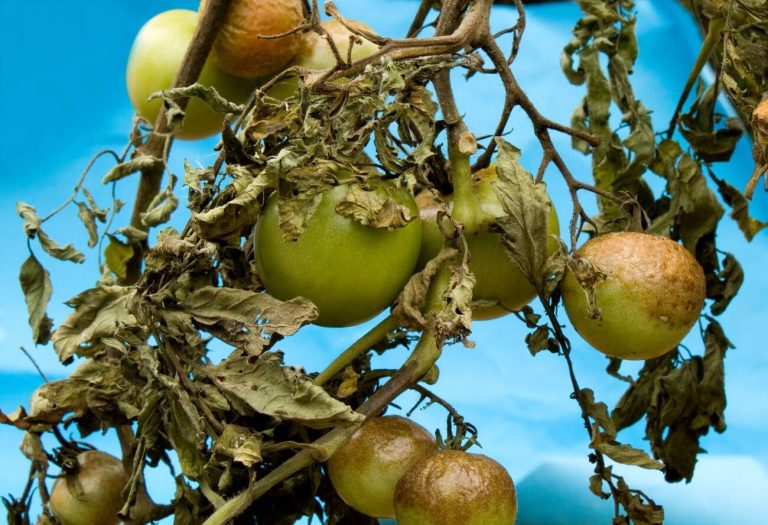
phytophthora blight on tomatoes

What It Is:

Phytophthora Blight, caused by various species of the genus Phytophthora, is a destructive fungal-like disease that affects a wide range of plants, particularly vegetables and ornamentals. The pathogen thrives in warm, moist conditions and can spread rapidly, causing significant damage during periods of high humidity.

What It Does to the Plant:

Phytophthora Blight typically affects the roots, stems, and fruits of plants. Infected plants exhibit symptoms such as wilting, dark lesions on stems, and water-soaked spots on fruits. The disease can cause rapid decline and death of affected plants, particularly in poorly drained or waterlogged soils. In vegetables, such as peppers and cucurbits, Phytophthora Blight can lead to severe crop losses.

selfsb b1Most Affected Garden Plants:

  • Vegetables: Peppers, cucumbers, squash, and tomatoes
  • Ornamentals: Petunias, impatiens, and snapdragons

How It Can Be Treated:

  1. Cultural Practices:
    • Improving Drainage: Ensure proper soil drainage to prevent waterlogging, which creates favorable conditions for Phytophthora fungi.
    • Crop Rotation: Rotate susceptible crops with non-host crops to reduce the buildup of pathogens in the soil.
    • Avoid Overhead Irrigation: Water plants at the base to keep foliage dry, as wet foliage can promote disease development.
  1. Resistant Varieties:
    • Select Resistant Varieties: Choose plant varieties that are bred for resistance to Phytophthora Blight. Resistant cultivars can significantly reduce the risk and severity of infection.
  1. Fungicides:
    • Application of Fungicides: Use fungicides labeled for Phytophthora diseases as a preventive measure or at the first sign of disease. Apply according to manufacturer’s instructions and consider local recommendations for effective control.
  1. Sanitation:
    • Cleanliness: Remove and destroy infected plant debris promptly to reduce the spread of the pathogen. Disinfect tools and equipment after use to prevent contamination between plants.
  1. Environmental Management:
    • Monitoring Conditions: Monitor weather conditions and adjust cultural practices accordingly. Avoid planting in areas prone to waterlogging or during periods of high humidity.

Fire Blight

cherry tree infested with erwinia amylovora

What It Is:

Fire Blight is a bacterial disease caused by the bacterium Erwinia amylovora. It primarily affects plants in the Rosaceae family, particularly fruit trees such as apples, pears, and related ornamental plants. Fire Blight can cause severe damage to orchards and gardens, especially during warm, moist spring weather when bacterial populations thrive and spread rapidly.

What It Does to the Plant:

Fire Blight affects blossoms, shoots, branches, and sometimes entire trees. Infected plant parts typically exhibit sudden wilting and blackening, resembling a fire-scorched appearance, hence the name “Fire Blight.” The disease progresses rapidly, causing shoot tips to bend into a characteristic shepherd’s crook shape. In severe cases, entire branches or trees can die. Fire Blight is highly contagious and can spread through rain, insects, and pruning tools.

Most Affected Garden Plants:

  • Fruit Trees: Apples, pears, quinces, and crabapples
  • Ornamentals: Roses, hawthorns, and cotoneasters

How It Can Be Treated:

  1. Cultural Practices:
    • Pruning: Prune infected branches at least 8-12 inches below visible symptoms into healthy wood during dry weather. Disinfect pruning tools between cuts with a 10% bleach solution or alcohol to prevent further spread.
    • Sanitation: Remove and destroy infected plant material promptly, including affected fruits, flowers, and branches. Clean up fallen leaves and debris around trees to reduce overwintering sources of bacteria.
  1. Chemical Treatments:
    • Bactericides: Apply copper-based bactericides or streptomycin sprays during bloom to reduce bacterial populations. Follow label instructions carefully and avoid spraying during periods of rain to ensure effectiveness.
  1. Resistant Varieties:
    • Select Resistant Varieties: Choose varieties that are less susceptible to Fire Blight. Although resistance can vary, selecting resistant rootstocks or cultivars can help mitigate the risk of infection.
  1. Pruning Techniques:
    • Open Center Pruning: Use open center pruning techniques to improve air circulation and reduce humidity around trees, which can help prevent the spread of Fire Blight.
  1. Weather Monitoring:
    • Monitor Weather Conditions: Be vigilant during periods of warm, humid weather, especially during bloom periods when plants are most susceptible. Adjust management practices accordingly to minimize infection risks.

Concluding

pocketgardenbnr1

Understanding and effectively managing plant diseases is crucial for gardeners and growers alike to ensure the health and productivity of their plants. Each disease discussed—whether it’s fungal infections like Powdery Mildew and Rusts, viral infections such as Mosaic Virus, or bacterial diseases like Fire Blight—poses unique challenges and can have significant impacts on plants’ growth, yield, and overall vitality.

By learning to recognize the symptoms of these diseases early on, gardeners can implement timely interventions and prevent their spread. Cultural practices such as proper sanitation, crop rotation, and selecting resistant varieties play pivotal roles in disease prevention. Additionally, judicious use of chemical treatments like fungicides and bactericides can help manage outbreaks and protect plant health when necessary.

Moreover, understanding the specific plants most susceptible to each disease allows gardeners to tailor their preventive strategies accordingly. For instance, knowing that tomatoes are prone to diseases like Bacterial Leaf Spot and Mosaic Virus can prompt growers to adopt practices that minimize risks, such as using disease-resistant cultivars and practicing careful watering techniques.

Ultimately, a proactive approach to plant disease management not only preserves the beauty and productivity of gardens but also contributes to sustainable gardening practices. By staying informed about common plant diseases, their causes, and effective treatment methods, gardeners can nurture healthier plants, reduce crop losses, and maintain thriving gardens season after season.

Useful resources you may like:

How To Grow Wheat In Your Garden

A DIY Project to Generate Clean Water Anywhere

How to conserve garden soil moisture during the summer months

The vital self-sufficiency lessons our great grand-fathers left us

McConnell-based KC-46 completes round-the-world flight in 45 hours

0

Air Force Col. Brent Toth needed to stay awake into the wee morning hours as he prepared for an upcoming marathon mission that would usher him and a crew around the world in less than 48 hours.

For several days in late June, Toth, the commander of the 22nd Operations Group at McConnell Air Force Base, Kansas, relied on his Netflix queue to stay awake, adjusting his sleep cycle to go to bed around 3:30 a.m. local time and waking up around noon.

“There was a bunch of things in the queue,” Toth said of his binge sessions on the streaming platform. “And I just kind of let it pick things out for me.”

Flying a KC-46A Pegasus tanker nonstop around the globe takes stamina. For the McConnell-based airmen who recently pulled it off on REACH046, it involved adjusting work-sleep cycles to synchronize with events, like crucial aerial refueling rendezvous that require razor-sharp focus, that helped make the sortie a success.

“Trying to stay up … until 4 a.m. is difficult, especially when you’re used to getting up around that time to come into work,” Toth said.

Dubbed Project Magellan, the flight builds on a sortie that took off from McConnell in May 2022, when a KC-46 from the 22nd Air Refueling Wing flew a record 24 hours straight around the contiguous United States. It also comes on the heels of a staggering 36-hour mission flown by the New Hampshire Air National Guard’s 157th Air Refueling Wing, one that went halfway around the world and back in November of that year.

The latest mission took off from McConnell June 29 and landed back at the Kansas base, home to the 22nd ARW, on July 1. The crew flew more than 24,000 miles in the process.

Along the way, the aircraft and its crew of nine airmen — Toth as the aircraft commander, three additional instructor pilots, two flying crew chiefs, two boom operator instructors and a flight surgeon — stretched the endurance of the Air Force’s newest tanker jet as the service prepares for a protracted battle in the Pacific, one in which it may need to surge troops and supplies quickly.

The first KC-46A was delivered to McConnell in 2019. The Air Force plans to buy 179 KC-46A tankers from Boeing under a $4.9 billion deal; so far, the aerospace contractor has delivered 84 of the aircraft to the Air Force, including five so far this year, according to a Boeing spokesperson and an announcement of second quarter deliveries released Tuesday.

“We wanted to demonstrate the ability of the KC-46 to go around the world,” while also demonstrating Air Mobility Command’s shifting focus on the Pacific, Toth said. “So, we decided that we needed to go westbound based on showing our ability to project power anywhere in the world, but starting out in the Pacific.”

The crew relied on beyond-the-line-of-sight and other onboard communications to link with air and ground assets as it traversed the globe, aligning with an initiative set by Air Mobility Command’s four-star boss Gen. Mike Minihan to connect 25% of the command’s fleet by 2025.

Heading west, REACH046 gassed up midair four times, meeting up with tankers from the 22nd ARW that were prepositioned at Andersen Air Force Base, Guam; U.S. Central Command; and RAF Mildenhall, England.

It also offloaded fuel to eight other aircraft during the trip, including two KC-46As from McConnell, one of which left with REACH046 and gassed up over the California coast; a C-17 Globemaster III it met in U.S. Indo-Pacific Command; two F-15 Strike Eagles on a sortie in CENTCOM; and three B-2 Spirit Bombers from Whiteman Air Force Base, Missouri.

Coordinating those rendezvous, which requires scheduling airspace, took months of advance planning, and was lead by Capt. Cody Donahue, a pilot and executive officer from the 22nd OG.

“Air refueling is all about being at a certain point in space at a certain time,” Toth said.

Real-time updates were crucial in achieving those goals, as the aircraft was often beyond radio contact for long stretches of the flight, Toth said. Two teams of four crew members, divided into ‘A’ and ‘B’ teams, alternated between flying and sleeping in cycles that shortened to match critical needs, such as flying over the ocean or during nighttime, according to Capt. Jacob Heyrend, Magellan’s flight surgeon.

Crews were monitored for fatigue during the flight, including wearing smart devices. They were also enrolled in a Department of Defense-Army fatigue study run by a contractor that has advised NASA astronauts and professional athletes and performers.

While the crew continues to evaluate lessons learned, they credit their success in part to putting in early work with Heyrend to customize sleep schedules. Three days before takeoff, Team A adjusted their bedtime to approximately 4 a.m., while Team B began retiring at 4 p.m. or 5 p.m.

“My dinner was basically during my kids’ breakfast,” Capt. T.J Buckley, a pilot and member of B Team said.

Early planning, coupled with climate control, adjustable LED lighting and assigned bunks helped the airmen get a good night’s — or day’s — sleep in the air. Shift handoffs required trusting their fellow airmen to control the aircraft while one team focused on resting up.

Project Magellan also notched firsts for the airmen, as well as for the Air Force, with a new record for the KC-46 as well as the longest sortie for AMC.

For Master Sgt. Patrick Murray, a boom operator on Team B, fueling multiple aircraft became a highlight of his 16-year career.

“Our training and our mission preparation and briefs leading up to executing this mission were fantastic,” Murray said.

It also included a birthday.

Capt. Daison Batangan, an instructor pilot who flew on Team A turned 31 somewhere between Hawaii and Guam, based on Kansas local time, on June 30. The crew celebrated with strawberry shortcake and an unlit candle, packed by Batangan’s wife.

“The crew was able to wake up from their slumber and sing me ‘Happy Birthday’,” he said.

Courtney Mabeus-Brown is the senior reporter at Air Force Times. She is an award-winning journalist who previously covered the military for Navy Times and The Virginian-Pilot in Norfolk, Va., where she first set foot on an aircraft carrier. Her work has also appeared in The New York Times, The Washington Post, Foreign Policy and more.