My grand Experiment in Reversion.

0

When I signed the contract to purchase the first 40 acres here, was not thrilled with the land. The Soil in the fields was totally depleted, heavy in ag chemical residue and salts and could not grow anything without massive inputs. Erosion was a major malfunction with a huge wide and deep open wound across the entire property. The West half of the property was in marginally better shape after 30 years of being in CRP but was still weak with only a few patches of semi fertile soil. In another way it was exponentially worse as the two erosion cuts were much deeper and wider, just hidden more from view by the Russian Olives, masses of blackberries, multifloral roses and sedge. The wooded section was the only healthy place on the property, if you did not count the walls of honeysuckle that were thick on the edges to about 50 feet in.

So I was thinking about what it was like when I bought the first piece of land here and what it is like now. I fired up Google Earth to see if in the Historical feature if there was a 2007 or 2008 shot of the property. And there was! This is the 2007 taken 3 weeks after I signed the Contract.

The newest pic is this 2020 Image. The Sat will take a new image in July of 2024 from what I am told. I am very much looking forward to that image update. I am liking the visual comparisons from the space images if not the Tax Assessor, USDA and NCRS using them to use them to spy and collect data with the updated images. This 2020 image was taken a Month earlier in the 13 years after the 2007 image.
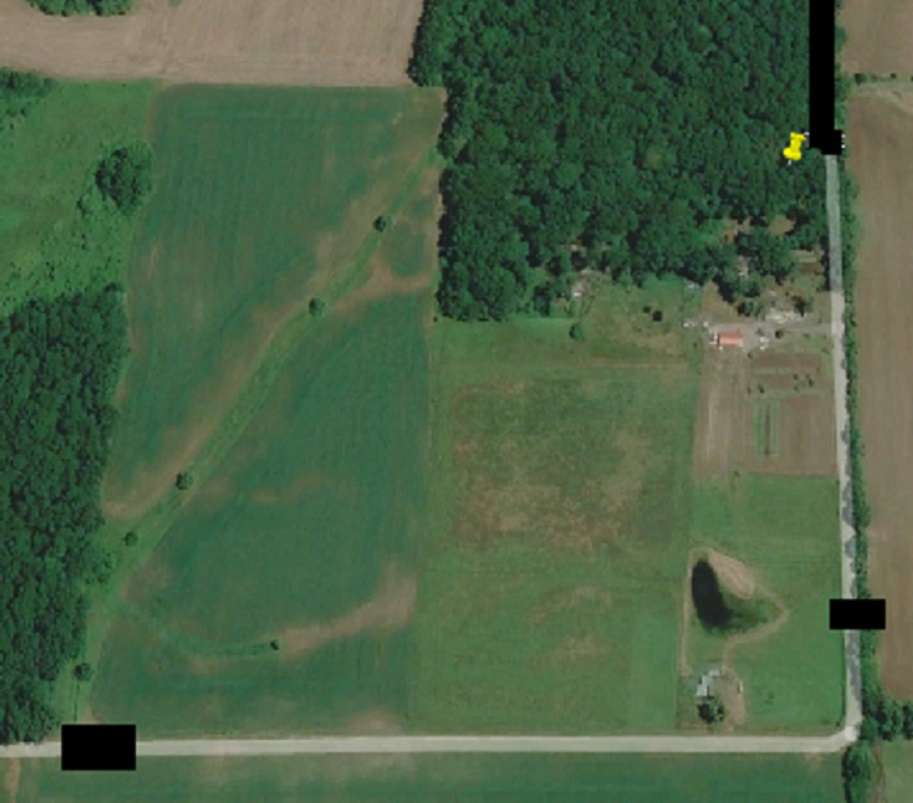
farm 2020.

I don’t want to go too much into the adjacent properties I have purchased over the years as they are their own experiments of sorts. The West is being left alone and is totally overgrown and wild other than a pipe line runs through the center of it and the pipeline operator mows the width of the easement every year. The North is a hybrid experiment and a cross between conventional and restorative farming practices. 3 years grain crops Corn/Beans/Corn followed by 3 years of grass and clover mix pasture and hay. Corn Yields have rose from a 157BPA to 225BPA since implementing this strategy and Beans went from a average BPA (Bushels per acre) of 39 to 62. The Clover/Orchard Grass cycle is not as profitable as the grain crops selling just the hay, but when you figure in the cattle that run on it in the spring and fall that equation changes for the better.

The original 40acres was by far in the worst shape and what I had to work with in the beginning. And I couldn’t grow a turnip on it without a lot of inputs. The soil was basically nothing more than a growing medium with almost zero organic matter and a totally dead nutrient and microbial environment. The West half was planned to become the lake and ponds long ago. That was the only way to correct the erosion problem in the deep cuts that were being called waterways. Well the only viable way without trucking in a lot of fill dirt. The CRP Contract Expired in 2008 and I did not make any friends at the USDA/FSA/NCRS office when I refused to renew it. Under their guidance and mandates that West side had became a disaster of overgrown invasive species and erosion that got a little deeper every year. And yes I got the lecture that only the Government has the knowledge and resources to properly manage highly erodible land……… I will just let the pictures of it under Government directives and edicts and under my guidance and edicts speak for themselves as to who is more better at land management.

The First thing I did in 2008 was fence a square off and put a hay ring in the middle of it. Then I kept my horse in that square for 2 years, not solely in that area, I let them run the East Side from the woods to the South Road. I sold all but 2 of the horses off and brought the Irish Dexter Cattle in and kept them in the same square for 2 more years, Basically the horses and Cattle both spent the night in the square and went back out on the pasture in the mornings. While in the square they heavily fertilized it. Year 4 I moved the wean pigs into the square and let them add their own fertilizer to it and till it all up deep with their rooting. Year 6 I put the three 32×96 high tunnels in that square and turned the sides outside of the tunnels into the Market Garden/Field in now very rich fertile soil with only traces of the chemical residues and salts left. During the day the horses and cattle were depositing fertilizer all over the South and Central pasture and after 13 years added a lot of nutrients and life back into the soil, just at much lower concentrations than in the overnight square area.

The main priority was correcting the East side Erosion before it got as deep and as bad as the West Side problem. A really simple fix for correcting that. I dug out a 6′ deep in the center stock pond and build a series of small berms a foot high and the width of the low spot leading to the West side. You can see how much of the stock pond has filled in with Sediment between 2007 and 2020 That Sediment is top soil that is no longer being exported to the Gulf of Mexico and a bonus I am getting free land from my neighbors erosion! The Berms slowed the water and are also sediment traps. By 2020 they were no longer visible and the erosion cut had been refilled and raised up. I could have done the same on the West side Erosion problems but it would have taken 40-60 years to correct the problem and a whole lot bigger berms. So in 2022 I built 3 Big Berms called Dams and let the whole area of low spots and erosion fill up with water. A much better solution all the way around anyway. I didn’t have the money to do the dams early on and when I did have the money I didn’t have the time LOL. Then came the point that I had both the money and the time :)

In the next Sat over pass and image taking the Difference between 2020 and 2024 will be even more notably different than 2007-2020

Here is a September 2001 image of the entire farm as it is now. I bought more land with the intent of using it for 10-12 years for income and selling it off when the price had went up enough to make a respectable profit. I bought that side land for $1300-$2400 per acres and sold it off for $5250- $7380 per acre. I will probably sell the North 80 in the next 5-6 years I paid $850 per acre for it and it currently appraises for $6,175 per acre. I Lease the entire West 40 as a hunting lease in 5 year lease blocks. I will never sell the original South East 40. I am on the fence about selling the West 40 and just keeping and living on and working the original 40. The Pipeline running through the middle of it, and the rocks that get pretty heavy on the West 40 make it undesirable as Ag with the rocks and well no one seems to want a diesel fuel pipeline running through the middle of their land.

The 2011 image of the 40 still looks pretty bad but the building blocks were laid and in place and the land reversion was well underway. It is a very good hunting property though. I paid $3200 per acre for it when it was auctioned. More than I wanted to, but I didn’t want adjacent neighbors, particularly the ones bidding against me. They had plans of clear cutting the entire property and building a big house and barn and making it a horse property and stable and were of a Arabic Muslim Nature. I really expected them to bid it up a lot higher and was shocked when the Auctioneer said sold to me. I am generally not a racist and not one to hate someone over religion…. The one Exception to that is that I absolutely hate, despise and loathe Muslims/Islam of any skin tone. I was going to win that auction at any price even if I had to borrow the money to do it. I just am not going to have Muslims living that close to me! If I do sell, it will be to the guys that have been leasing it for the last 8 years with a first right of refusal written in. They have no interest in building or living rural, they just want to hunt, shoot shit and party out there now and then and always leave it like they found it. And the first right of refusal will allow me to buy it back at fair market value if they ever decide to sell it.
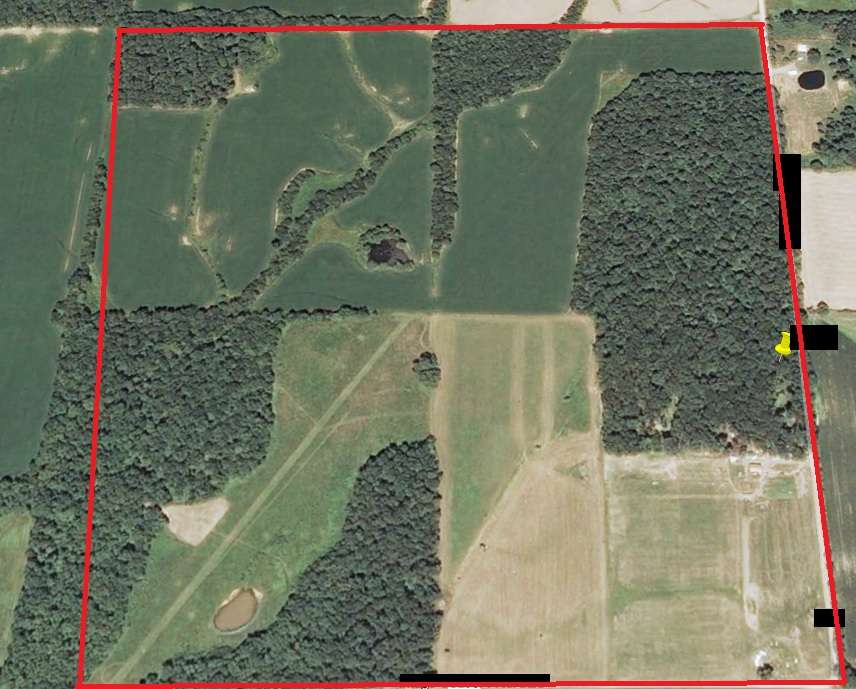
2007 entire farm.

I am very far removed from the Green Weenie Tree hugging, toad licking and gender confused Leftist. I do however see the value in Permaculture based agriculture and living within nature as friends rather than living with her in a constant war and battle all of the time. It took 150 years of farming to basically destroy the South East original 40. From where we are now it will take another 40-60 years to completely heal and restore it. It was not broken over night and I was never under any illusion that it could be fixed over night. LOL yes the Original 40 is my life and it is a good and productive life. Everyone has at one point or another told me “That Won’t Work!” “You Can’t Do That!” “You can’t make a living doing (Insert pretty much everything I have scratched out a good living DOING). I walk my own path, on my own terms and in my own way. I have NEVER really cared one way or the other what others think of me or how I do things :) I only share what I do because there might be others out there that will learn something or be inspired to punch out of their boxes and find that they are a Rogue to.
 

Surviving a Structural Collapse: Tips and Guidelines

0

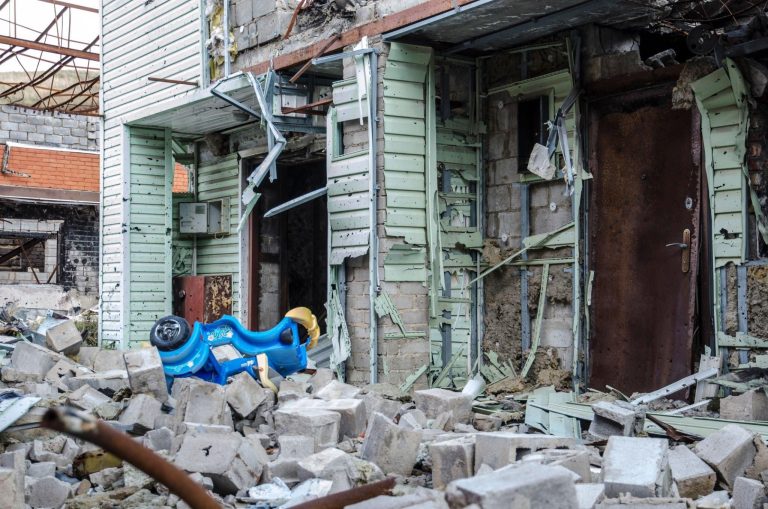
Imagine it’s a windy day, but you’ve been indoors playing Fallout 4 for the past couple of days, completely unaware of the weather outside. Suddenly, a deafening noise shatters the windows, and you hear the structure around you collapsing. The roof caves in, and you find yourself trapped beneath a massive pile of steel, wood, and concrete. What should you do in this dire situation?

Windstorms can happen in many parts of the country. While tornadoes can unleash wind speeds of up to 300 miles per hour, they usually have a narrow path of destruction, typically no wider than a mile. This means that the damage they cause is concentrated in a smaller area, making it easier for emergency responders to reach and assist those affected. On the other hand, hurricanes may have lower wind speeds, but they can carve a path of destruction wider than 100 miles, spreading rescuers thinly across a larger area.

In the event of such a disaster, it’s essential to understand that rescue teams might be in short supply. Blocked roads and other hazards could further hinder their ability to reach those in need. In such cases, ordinary citizens may need to take matters into their own hands. Search and rescue could become a self-driven effort. Having the right knowledge and being prepared could make a significant difference in whether you and others survive or find yourselves waiting in vain for government assistance to arrive.

Preparing for a Storm

When facing the threat of a severe storm, it’s essential to take steps to protect your home and ensure your safety. Here are some practical tips in plain language:

Secure Windows: During high-wind events, it’s crucial to protect your windows. If they break, the wind can enter your home, potentially causing your roof to blow off. One effective way to do this is by using pre-cut, labeled 5/8-inch plywood panels with pre-drilled holes. Make sure to keep screws in a safe place for quick installation. If plywood seems too heavy and bulky, consider using polycarbonate hurricane panels. These plastic sheets are lighter and transparent, allowing light to pass through.

Stay Informed: Once you’ve fortified your home as best as you can, stay tuned to local authorities for evacuation orders. If they recommend evacuation and it’s at all possible, it’s wise to leave your area. Staying behind is not a sign of bravery; it’s risky. A severe storm can disrupt essential supplies, power, and water for weeks. If your carefully prepared supplies and water storage are destroyed, you could face even more significant challenges.

Choose Your Shelter Carefully: If evacuation is genuinely impossible, carefully consider where you’ll seek shelter. Keep in mind that residential homes and townhomes are typically less sturdy than taller buildings. Lightweight wooden and metal structures are especially vulnerable during windstorms. Avoid staying in mobile homes, airplane hangars, marina structures, and large retail stores with unsupported roofs.

Consider Reinforced Structures: In extreme cases with advance warning, breaking into taller buildings may be a life-saving option. Three-story or higher buildings are often more robust and subject to stricter construction standards. Look for specially reinforced structures like federal government buildings and hospitals. Public schools can be a second-best choice. These buildings usually have skeletons made of reinforced concrete or heavy steel frames. High-rise glass curtain wall buildings can also provide stability even if their windows break during high winds.

Be Prepared and Stay Ready: As the wind picks up, always have your escape bag on you. If you’re trying to sleep, keep it close. When things start happening during a storm, they can escalate quickly, leaving no time to search for essentials. Keep your phone charged to its best capacity. Once the cell network becomes available again (and it likely will), it can help rescuers locate victims. Turn off accessible utilities such as water, power, and gas to reduce the risk of fire and electrocution when lines are damaged in the storm.

Signs of a Building Collapse

Recognizing early warnings of a building collapse can be crucial for your safety, but these signs can vary depending on the type of structure. Here are some indicators, explained plainly:

Windows Are Not the First Sign: Contrary to what you might think, windows blowing out are not the initial warning signs, especially in taller buildings.

Separation of Walls and Ceilings: Watch for walls starting to separate from the ceiling and from each other. If you see cracks forming at these junctions, pay close attention. Cracks wider than your thumb suggest that the situation is becoming critical.

Dust and Unusual Noises: Be aware of dust lingering in the air or sudden, louder creaking and groaning sounds. These signs can be significant indicators of structural stress.

Eerie Doors: In multi-story buildings, one of the eeriest signs of impending collapse can be doors unexpectedly opening or closing on their own. This happens as the building twists or “racks.” Disturbingly, these doors often fail to close properly and may become jammed in their frames, potentially trapping people inside. If you witness this, you likely have less than 15 seconds to escape to safety.

Being vigilant for these warning signs can help you react swiftly and make critical decisions in the event of a building collapse, potentially saving lives.

Escaping a Collapsing Building

In the event that a building is collapsing around you, your immediate goal is to get out using any means necessary. Here’s what you should do, using straightforward language:

Head Towards the Light: If you’re in a building and it’s collapsing, move towards any source of light. Windows are often the most accessible exit points, especially if you’re on the lower floors (below three stories).

Multi-Story Building: In a multi-story building, your best bet is to try and reach a stairwell if possible. Stairwells are typically reinforced and can offer a safer escape route. During the 9/11 attacks, survivors were often found inside stairwells.

Use Hallways Wisely: If reaching a stairwell isn’t an option, aim to get into a hallway. Hallways usually have less debris, reducing the risk of being crushed.

Avoid Center Rooms: Stay away from the center of rooms, especially if you’re indoors when a collapse occurs. These areas are often the most dangerous. Instead, try to stay near walls or find shelter under heavy office equipment or furniture.

Protect Yourself: If you’re covered by debris, try to shield your face with your arms and hands as you fall. This action, similar to what’s done during an avalanche, can help create a life-saving air pocket around your head.

Remember that in a life-threatening situation like a collapsing building, every second counts. Prioritize getting to safety and use these guidelines to increase your chances of survival.

LOY banner 2 1

After a Building Collapse

Once you’ve managed to escape a building collapse, it’s crucial to take immediate action. Here’s what you should do afterward, explained plainly:

Exit Quickly: As soon as you can regain your composure, leave the collapsed building without delay. Avoid lingering or waiting to see what happens next. Time is of the essence.

Use Essential Tools: Small hand tools, gloves, and headlamps can be incredibly valuable in assisting your escape. These items can help you navigate through debris and darkness.

Beware of Utility Hazards: Be cautious of the potential dangers caused by broken electrical lines mixing with broken water lines, especially if gas lines are involved. This combination increases the risk of fire. It’s why rescue teams often prepare water hoses immediately upon arriving at a structural collapse, even if there’s no visible fire.

Orient Yourself if Buried: If you find yourself partially buried, try to determine your orientation. If you’re unsure which way is up, use a simple trick: spit and observe which way the saliva falls. It can help you identify the correct direction.

Carry an Egress Bag: It’s crucial to carry an egress bag with you at all times, especially if you have advance warning of potential disasters. This bag can contain essential supplies that may prove life-saving in situations like these.

Remember that your safety is paramount, and taking swift, well-informed actions can greatly increase your chances of surviving a building collapse.

Assisting Others After a Collapse

If you find yourself in a building collapse situation and want to help others, here’s a straightforward guide to follow:

Prioritize Your Safety: Your well-being is essential. Unless there are family members or individuals with significant debts to you inside, focus on getting yourself out of the building first. Afterward, take a moment to assess your condition before considering re-entering the damaged structure.

Calm Eye of the Storm: If you’re dealing with a hurricane, be aware that if the winds suddenly seem to calm down, you’re likely in the calm eye of the storm, and the other half of the storm is yet to pass. This calm period usually lasts less than an hour, so act quickly if you plan to take any action.

Assess Structural Damage: When rescuing people from a collapsed or partially collapsed building, start by evaluating the structural damage. Ideally, look for victims on the building’s surface. Pay attention to cracks wider than your thumb and any missing supports like beams or columns. “X” cracks between window openings indicate severe shear forces and structural fragility. If there’s a pile of rubble, climbing on top can provide a better view and access to surface victims. While there’s a risk of the rubble shifting under your weight, the potential benefit of finding more surface victims often outweighs this risk. If possible, ensure utilities are turned off before entering to reduce the risks of fire and electrocution.

Search Stairwells: Concentrate your efforts on searching the stairwells. These sheltered areas typically offer the most survivable spaces for victims. If stairwells are inaccessible, focus on searching near any remaining standing walls, as survivors often seek refuge there. Debris tends to accumulate in the middle of rooms, away from walls, potentially crushing anything beneath.

Methodical Search: Take your time and avoid rushing. Conduct your search methodically. Shout out to potential victims and listen for their responses. Running or breathing heavily can make it difficult to hear faint calls for help. Keep in mind that those who haven’t been found are likely buried under something, making their voices muffled and faint.

Ensure you have the necessary safety gear, including gloves, eye protection, steel-toed boots, and consider wearing an N-95 respirator or Buff due to the high levels of airborne dust and debris. Your safety and a systematic approach are key to effective rescue efforts.

Dealing with Snow-Related Collapse

dealing with snow related collapse

With increasingly severe winters in recent times, snow-related structural collapses have become more frequent. This is often due to a lack of warmer or sunny days that would melt ice and compacted snow, which puts tremendous stress on roofs. Here’s what you need to know in plain language:

Roof Inspection: To prevent a collapse, inspect all four sides of your roof for snow buildup. Don’t assume that if one side is clear, the others are as well. A general rule of thumb is that if there’s more than 24 inches of snow on the roof, it’s a red flag. Lower this threshold to 18 inches if rain or ice is expected. Local conditions and building types might dictate different standards, so consult a local structural engineer or your building department. Signs of trouble include sagging roofs, rafters, popping noises, creaking, and visible cracks.

Using a Snow Rake: If you decide to use a snow rake (roof rake), start from the edges and work your way towards the center. Get a rake long enough so you can clear snow while standing on the ground. Avoid climbing onto the roof as this can add weight and increase the risk of falling, especially if there’s ice. Shave the snow down to a few inches without scraping the roof entirely clean. Also, ensure that snow is cleared from furnace and dryer exhaust vents.

Communication Plan: In rural areas, establish a communication and evacuation plan with someone offsite. Check in with them twice daily as scheduled. If two consecutive calls are missed, activate the emergency rescue plan. Return to or stay at your last reported location and await contact. If you suspect a collapse, keep your supply bag with you at all times. Woolen undergarments can help retain warmth, even if they get wet.

Maintain Heat: Try to keep a fire going but ensure proper ventilation. If you run out of water, melt ice and snow before consuming. Eating snow when you’re already cold will only lower your temperature further. At the very least, melt snow in your hands enough to mold it into a ball before consuming it. If things get dire and your home becomes a snow cave, the cold can affect your thinking. Plan while you can still think clearly.

By following these practical steps, you can better navigate the challenges posed by snow-related collapses and increase your chances of staying safe.

Clearing Up Structural Collapse Misconceptions

SVMD B1Let’s debunk some misconceptions about structural collapse in simple terms:

Duct Tape on Windows: Contrary to popular belief, duct tape on windows doesn’t provide protection. Instead, it increases the risk of getting glass shards and duct tape fragments in your eyes when the windows shatter.

Building Inspections: Just because your home was inspected by the local building department during construction doesn’t guarantee it’s structurally sound. During construction booms, inspectors can miss critical deficiencies due to their workload. Some issues, like unfilled concrete block walls or weak roof-to-wall connections, may not be evident until later. Older homes built before 2002 might be especially vulnerable to wind-related roof collapses due to outdated construction practices.

Government Assistance: Relying solely on government help can be a mistake. In a large-scale disaster, rescue resources may be spread thin, and prioritized based on the severity of the damage. If a neighboring town is hit harder, most government resources may be diverted there. Your individual situation might not receive immediate attention. This was evident during Hurricane Katrina when some areas had to wait for aid while resources focused on tourist and convention center locations. It’s essential to be prepared to some extent and not solely rely on government assistance.

Concluding

Remember, even in the bleakest of circumstances during a collapse, there’s always a chance for survival. Remarkable stories exist, like a World Trade Center survivor who defied the odds by essentially riding the collapsing building down, an outcome that seemed technically impossible. Victims have been found alive in voids up to 14 days after a disaster, and experiences from events like the Haiti earthquake have expanded our understanding of human survivability beyond previous limits.

Even if you’re not a professional first responder, you might find yourself in a situation where you become the first responder by chance. Being prepared and having the knowledge to act swiftly and wisely can make a significant difference in saving lives during critical moments.

Recommended resources:

How To Prepare For Emergency Evacuation

How To Build The Invisible Root Cellar

The Eight Principles of Emergency Evacuation

Preserving Food and Cooking like in the Old Days

Seeking Tips on General Survival and Preparedness – Ready for Anything!

0

  1. Hello..
    I’ve been diving into the world of general survival and preparedness lately, and I’ve encountered a situation I’m sure some of you have faced. I’m hoping to tap into your collective knowledge for guidance. I’ve come across some fascinating and practical survival tricks and tips, from fire-starting hacks to improvised shelters and more. However, I’m struggling to prioritize and remember them all. How do you keep track of these cool tricks and ensure you’re ready to use them when needed?


survivalmonkey SSL seal


survivalmonkey.com warrant canary

DC Statehood Bill introduced with OVERWHELMING SUPPORT from Dem Senators!

0

Democrats in the Senate have introduced legislation to make Washington DC a state and they’re seeing OVERWHELMING SUPPORT.

This is NOT a threat to be taken lightly. DC is a FAR LEFT stronghold. Should it become a state, it would PERMANENTLY give Democrats two more far left Senators that they could use to transform America BEYOND RECOGNITION.

The following Democrats are in FULL SUPPORT:

Chuck Schumer (D-N.Y.)
Tom Carper (D-Del.)
Chris Van Hollen (D-Md.)
Tammy Baldwin (D-Wis.)
Michael Bennet (D-Colo.)
Richard Blumenthal (D-Conn.)
Cory Booker (D-N.J.)
Sherrod Brown (D-Ohio)
Maria Cantwell (D-Wash.
Ben Cardin (D-Md.)
Bob Casey (D-Pa.)
Chris Coons (D-Del.)
Catherine Cortez Masto (D-N.M.)
Tammy Duckworth (D-Ill.)
Richard Durbin (D-Ill.)
Dianne Feinstein (D-Calif.)
John Fetterman (D-Pa.)
Maggie Hassan (D-N.H.)
Martin Heinrich (D-N.M.)
John Hickenlooper (D-Colo.)
Mazie Hirono (D-Hawaii)
Tim Kaine (D-Va.)

Amy Klobuchar (D-Minn.)
Ben Ray Lujan (D-N.M.)
Ed Markey (D-Mass.)
Bob Menendez (D-N.J.)
Jeff Merkley (D-Ore.)
Chris Murphy (D-Conn.)
Patty Murray (D-Wash.)
Jon Ossoff (D-Ga.)
Alex Padilla (D-Calif.)
Gary Peters (D-Mich.)
Jack Reed (D-R.I.)
Bernie Sanders (I-Vt.)
Brian Schatz (D-Hawaii)
Tina Smith (D-Minn.)
Debbie Stabenow (D-Mich.)
Mark Warner (D-Va.)
Raphael Warnock (D-Ga.)
Elizabeth Warren (D-Mass.)
Peter Welch (D-Vt.)
Sheldon Whitehouse (D-R.I.)
Ron Wyden (D-Ore.).


Britain tests transport drone’s ability to land, take off from ship

0

LONDON — A twin-engine transport drone has landed on the deck of a British aircraft carrier in what the Royal Navy said is a first for the service.

The drone, dubbed HCMC, flew on and off the deck of the HMS Prince of Wales during a trial near the coast of Cornwall, southwest England, the Royal Navy announced Sept. 7.

The drone, developed by British company W Autonomous Systems, flew for about 20 minutes from an airfield at Predannack to then touch down safely on the carrier’s deck.

After unloading a small payload from drone, it took off again and returned to Predannack.

The Royal Navy said in its statement that the aim of program is to “deploy drones with a UK Carrier Strike Group in the future, using them to transfer stores and supplies — such as mail or spare parts — between ships, without the need to launch helicopters.”

“It’s a vital step along the way to operating crewless aircraft safely alongside F-35 Lightning jets and naval Merlin and Wildcat helicopters which are currently the backbone of the Fleet Air Arm,” the statement explained.

The twin-boom, twin-engine drone is capable of delivering payloads weighing up to 100 kilograms (220 pounds) with a maximum range of 1,000 kilometers (621 miles). The aircraft incorporates an autopilot system developed by British company Distributed Avionics, which eliminates the need for trained individuals to remotely control it.

The exercise wasn’t the first time a drone operated from the HMS Prince of Wales, with previous experiments including small quadcopters and the Banshee target drone; the latter launches by catapult and use parachutes to land.

However, the Royal Navy said the latest trials were in a “different league,” involving a larger, more capable uncrewed aircraft than anything previously tried.

The trials took place as the ship departed U.K. waters for an event off the East Coast of the United States taking place over the next few months involving drills with F-35 fighters, Osprey tiltrotor aircraft, and the General Atomic-made Mojave drone.

The HMS Prince of Wales was scheduled deploy this time last year, but suffered a propeller shaft failure soon after leaving its base in Portsmouth.

The HCMC drone trial is one of a series of experimental and operational drone programs with the Royal Navy, including a deal with Leonardo to develop an unmanned helicopter demonstrator and the purchase of Schiebel’s Camcopter S-100 for surveillance missions.

Andrew Chuter is the United Kingdom correspondent for Defense News.

In memoriam

0

In the last 18 years here at the Monkey we have lost some staff members and some really good friends. When they are gone we always make posts about how much we valued thier contributions. How we laughed and were sometimes inspired by thier words. How much they will be missed. I have always thought that it is a shame that we do that after they are gone
Why can't we do that while they are still with us
So they can read all the kind words and can see how much of an impact they have had.
I…

In memoriam

401k? Bankers are stealing 150k in fees from you

0

Every American with a 401k needs to watch this video. It gets interesting around 20 mins in.

The Retirement Gamble | FRONTLINE

The banksters are stealing your retirement funds. You will likely not be able to retire if you have a 401k. You’ll realize this in 10 to 20 years, when it’s too late.

Please watch this video and spread it as far as you can.


Spirit AeroSystems exec talks five new focus areas, $1 billion goal

0

WASHINGTON — Kansas-based Spirit AeroSystems, which spun off from Boeing in 2005, has long been a key manufacturer and supplier of structural components for aircraft such as Boeing’s E-7 Wedgetail and P-8 Poseidon, Northrop Grumman’s B-21 Raider, struts and nacelles for Boeing and Rolls Royce’s re-engining of the B-52 Stratofortress, and Bell’s V-280 Valor helicopter.

In the words of Joshua Boehm, Spirit AeroSystems’ vice president of business development and strategy for defense and space, that “bread and butter” work is the company’s largest area of business.

Spirit’s place in the defense industry is growing. In 2021, the company cracked the Defense News Top 100 for the first time, at the 99th spot. It dropped off the list in 2022, but this year returned in 86th place, buoyed by 11% growth that brought its fiscal 2022 defense revenues to nearly $650 million.

But Spirit is setting its sights even higher. In earnings calls with investors this year, company executives set a goal of hitting $1 billion in defense revenue by 2025. To do that, the company is reaching beyond its legacy business activities to broaden work in five growth areas: hypersonics, unmanned aerial systems, next-generation effects, next-generation aircraft and space.

Boehm spoke to Defense News in an Aug. 30 interview about the role acquisitions and a change of focus play in Spirit’s path to that revenue figure, and why, despite its goals of expansion, the company isn’t competing for a spot among the biggest prime contractors in the defense industry. This interview was edited for length and clarity.

Spirit AeroSystems saw an 11% growth in defense revenue in FY22 to about $650 million. Your goal of hitting $1 billion by 2025 is an increase of more than 50%. What makes you think that goal is achievable, and how will the company reach it?

In the first half of 2023, we’re about 29.5% growth year over year. That is very strong growth. We expect our defense and space business to grow around 20% this full year. We continue to look at the pipeline of new programs starting up — particularly as it pertains to some of our classified work, other customer proprietary information — and we’re really excited about those new projects kicking in and the acceleration of all these pipeline opportunities that are getting pulled forward.

Our CEO is on the record at our last earnings call saying that we’re on a path to $1 billion by 2025, and everybody is standing by that number.

What’s in the new pipeline?

We have three different buckets: Ones that we can talk about publicly; classified programs, which obviously we can’t talk about; and a whole bucket we consider to be customer proprietary that, even though it’s not classified in nature, we cannot make any statement about. We’re seeing growth across all those three areas.

Just a couple of years ago, when we looked at the composition of our defense business, it was primarily crewed aircraft. What you’ve seen in the last couple of years is a dramatic expansion of things like hypersonics, for example, and a real robust set of plays around not only boost glide — we are one of the main suppliers on the Common-Hypersonic Glide Body thermal protection system. But we’re also seeing some really positive movement in our business efforts with respect to air breathers, as well as on the defensive side of the house.

What you’re going to see in this hypersonics area is a pretty rapid acceleration in sales, not only across our existing business base on boost glide systems, particularly the Common-Hypersonic Glide Body, but also in other areas.

On unmanned aircraft systems, we had virtually no work in this space just two years ago, and that’s changing pretty rapidly. You’re going to see a very significant acceleration of company revenue in this area in the next couple of years.

The third area’s around space. You can’t talk about national defense without having some discussion around space because it’s a critical enabler to so many of our national defense missions and assets. We’ve seen a lot of acceleration of proposal activity in the last three months in this area.

On next-generation effects, this has probably been my greatest surprise with respect to the amount of new work that we’re winning in this area, particularly as it pertains to missile system development and missile defense interceptors.

And then finally, our manned aircraft program is our bread and butter. That continues to be the area where we have the largest pipeline focus.

What work is Spirit doing on the Common-Hypersonic Glide Body thermal protection system? How did your 2020 acquisition of Fiber Materials help you crack the hypersonic market?

We make three of the main six components of the thermal protection system: the nose tip, the nose tip extender and the strakes. We are currently a supplier to [Leidos subsidiary] Dynetics, who’s the prime for the Common-Hypersonic Glide Body. We are currently producing two, what we call, birds per month, [or about 24 sets of those three components per year]. But we have the capital and facilities right now to increase production to approximately 50 all-up round units this this year. We are well positioned for what we think is an impending production contract that can be awarded by the Army to help serve Dynetics and make them successful as the prime in that area.

We’re producing high-quality carbon billets, densifying them and shipping them to Dynetics for integration into the common hypersonic glide products for which they’re the prime. That’s all done out of our facility in Biddeford, Maine; it’s the legacy Fiber Materials business, [which specialized in creating high-temperature materials and composites for defense programs, particularly hypersonic missiles].

That acquisition gave us access to a part of the market where, had we not done this acquisition, we’d be looking from the outside. Our relationship with key decision-makers and influencers in the Pentagon has exploded as a result of that acquisition.

At what point did Spirit AeroSystems consciously set a strategy to target the UAS, hypersonics and space markets in addition to your legacy aircraft work?

It was April 2021 when all the top leaders and defense and space business and across the commercial side laid out our vision for growth. Ultimately, it was the application of our core capabilities: What we do really well is design and build. We are less excited about doing what we would call “build to print” work, where we get a set of specifications from the prime contractor and we build to those specs.

We’d like to target our work where we could work in partnership with our primes and help customers improve and iterate designs based on a set of requirements. This whole notion really drove us into these five different market areas. They’re all hot spots in the market that are going to continue to endure and receive priority from the government in any type of environment. There’s bipartisan support for all of these different programs.

What role does the acquisition of the E-7 by the U.S. and the U.K. play in Spirit’s expansion?

It’s a smaller part. We have a very robust commercial derivatives business for the P-8 and in the KC-46 [Pegasus refueling tanker] that we supply directly to Boeing.

We’re doing some “build to print” work right now [on the E-7, P-8 and KC-46] where it makes strategic sense for us to do so. But at the end of the day, our strategy is around higher-value design work.

What makes designing and building unique products better for your business than the “build to print” work? Is it because it’s more interesting to your engineers, because you’re able to put more of Spirit’s own stamp on it, or because it’s more lucrative?

All of the above. We get excited about opportunities where we can help improve and iterate existing systems. We’re happy to do “build to print” work where it fits our strategy or we have existing programs in place. We’re always going to continue to do that work so long as it remains viable for us. We get excited where we can roll up our sleeves, sit down with the prime contractor, and really think about ways that we can improve and iterate their design.

Spirit’s business model now focuses on building components and structural systems that you then supply to primes. Do you envision a future where Spirit makes a play to compete for those prime contracts, where you bid on and design a system from start to finish?

No. We want to make our customers successful. We have one policy right now: We are not going to compete against our customers. There might be an instance where we compete on a small contract that’s so low value that it’s noise for these prime companies. But there’s not going to be a scenario where we’re going to try to build our own aircraft or our own missile. We want to make our teammates successful, and we’ve got a really great niche in the market doing that. It’s just not in our DNA to want to pursue a market position like that.

It’s a core strategy. We’ve got a pretty lean staff here. We’re very efficient in our use of resources and how we bid. I get a lot of bang for my buck as a tier one supplier. To move up the chain and try to compete against the primes — that’s an entirely different infrastructure that’s required, such as research and development as well as capital.

About 20% a year growth is what we’re expecting and is impressive by any metric. I’m not saying we’re going to hit 20% every year, but we’ve got a very strong pipeline and a very strong pathway to continued growth by just doing what we’re doing with the strategies, market positions and core capabilities we have right now.

Stephen Losey is the air warfare reporter for Defense News. He previously covered leadership and personnel issues at Air Force Times, and the Pentagon, special operations and air warfare at Military.com. He has traveled to the Middle East to cover U.S. Air Force operations.

Liberty Safes boycott

0

A company with Liberty in the name yet they make a back door access to thier product and hand it over to the feds.

Screenshot_20230907_072342_MeWe.

Screenshot_20230907_072631_MeWe.

TDS

0

As this new election year approaches a new wave of Trump Derangement Syndrome is spreading. This new variant appears to be more virulent and communicable than the previous version. Exposure should not be avoided. Studies show the best way to combat this disease is by exposing it.

With the upcoming election this type of hysteria is only going to get worse. I thought I would start a thread just for it.