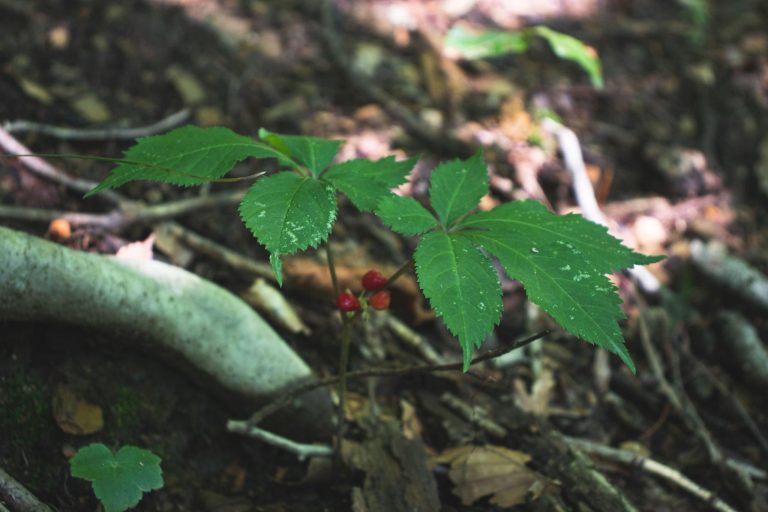
American wild ginseng (Panax quinquefolius), renowned for its exceptional quality and medicinal properties, holds an esteemed status in the world of herbal remedies. This precious herb is highly coveted, with enthusiasts and collectors worldwide showing an unwavering willingness to invest substantial sums of money in pursuit of its elusive roots.
The allure of American wild ginseng is not only in its rarity but also in its unique growth environment. This remarkable herb thrives naturally in the dense, pristine native forests of the central, eastern, and northern United States. Its habitat, characterized by rich, undisturbed woodlands, contributes to the distinctive qualities of the ginseng, making it highly sought after by herbalists, traditional medicine practitioners, and collectors.
One of the most striking dynamics surrounding American wild ginseng is the intriguing dichotomy between supply and demand, particularly in the Asian market, with Hong Kong being a notable focal point. The Asian demand for this botanical treasure is estimated to be two to three times greater than the available supply. However, the paradox here lies in the fact that the quantity of American wild ginseng exported has been gradually declining. This scenario presents a significant challenge for those seeking to obtain this precious herb.
As demand relentlessly outpaces supply, the principles of market economics come into play, exerting a steady upward pressure on the value of American wild ginseng. The rarity and unique growth conditions of this ginseng variety further intensify its allure, creating a scenario where its worth continues to appreciate. Consequently, American wild ginseng is poised to become an even more precious commodity in the years to come, as discerning consumers and aficionados recognize its unparalleled qualities.
In essence, the story of American wild ginseng is one of nature’s wonder, human fascination, and the delicate balance between supply and demand in the global marketplace. It serves as a testament to the enduring appeal of nature’s gifts and the ability of these treasures to capture the imagination and desire of people across the world.
The many uses of American wild ginseng
American wild ginseng (Panax quinquefolius) is a versatile herb that has been used for a variety of purposes, both historically and in contemporary times. Here are some of the primary uses and applications of American wild ginseng:
Medicinal Uses:
Adaptogenic Properties: American wild ginseng is recognized for its adaptogenic qualities, which means it helps the body adapt to stress and maintain balance. It can aid in reducing the harmful effects of stress on the body and improve overall well-being.
Boosting Energy: It is traditionally used as a natural energy booster, combating fatigue and increasing vitality.
Immune Support: Ginseng is believed to have immune-boosting properties, helping the body defend against infections and illnesses.
Cognitive Enhancement: Some studies suggest that ginseng may improve cognitive function, memory, and focus.
Diabetes Management: Research indicates that American wild ginseng may help regulate blood sugar levels and improve insulin sensitivity, making it beneficial for individuals with diabetes.
Cardiovascular Health: It has been explored for its potential in promoting heart health by improving blood pressure and reducing the risk of cardiovascular diseases.

Culinary Uses:
Ginseng Tea: American wild ginseng roots can be used to prepare ginseng tea, a mild, earthy-flavored beverage believed to have energizing and calming properties.
Culinary Delights: Some culinary enthusiasts incorporate ginseng into dishes like soups, stews, stir-fries, and even desserts, infusing them with the unique flavor of ginseng. It is especially popular in Asian cuisine.
Cosmetic and Skincare Applications:
American wild ginseng is used in various skincare and cosmetic products due to its potential to rejuvenate and revitalize the skin. It is believed to have anti-aging and skin-nourishing properties.
Nutraceuticals and Supplements:
Ginseng supplements, available in various forms such as capsules, powders, and extracts, are widely consumed to support overall health and well-being. These supplements are often promoted for their potential to enhance energy, reduce stress, and improve cognitive function.
Traditional and Cultural Significance:
American wild ginseng holds a significant place in the cultural and traditional practices of some Native American tribes. It is used in rituals, ceremonies, and as a symbol of strength and vitality.
Conservation and Sustainability:
Efforts are being made to conserve and sustain American wild ginseng due to concerns about over harvesting and habitat loss. Conservationists and environmentalists work to protect this valuable natural resource.
It’s important to note that the use of American wild ginseng should be approached with care and respect for sustainability. Over harvesting can threaten its existence, so responsible harvesting and conservation efforts are essential to ensure the continued availability of this valuable herb.
As with any herbal remedy or supplement, it’s advisable to consult with a healthcare professional before using ginseng for medicinal purposes, especially if you have underlying health conditions or are taking medications.
Protecting American Wild Ginseng: Rules and Challenges

In 1987, recognizing the importance of safeguarding American wild ginseng (Panax quinquefolius) from over exploitation, the federal government took a significant step by classifying it as an endangered species. This classification marked the beginning of a concerted effort to preserve this invaluable natural resource, setting forth rules and regulations designed to monitor and, to some extent, restrict the buying and selling of wild ginseng.
These protective measures include the following stipulations:
Age Requirement: Wild ginseng plants must be at least five years old before they are eligible for harvest, ensuring that younger plants have ample time to mature and reproduce.
Leaf Count: The harvesting of plants with two or fewer leaves is prohibited, ensuring that ginseng has reached a certain level of maturity before being removed.
Seed Maturity: In several states, the harvesting of ginseng plants with green, unripe seeds is prohibited, allowing the seeds to reach full maturity and contribute to the species’ natural propagation.
Sustainable Harvesting: In most states, the responsible harvesting of ginseng is promoted by requiring that, upon extraction, new seeds are planted beneath at least one inch of topsoil and covered with leaves, facilitating the growth of future ginseng populations.
Licensing Requirements: A ginseng license is mandatory for harvesting ginseng on both public and private properties, ensuring that the trade is regulated and sustainable.
Cross-State Dealers: Dealers who engage in cross-state commerce with ginseng must seek permission from the state wildlife commission and obtain the necessary licenses and certifications, adding an extra layer of oversight to the trade.
Despite these efforts to protect wild ginseng, there remain significant challenges in the trade. Notably, a substantial portion of the ginseng root currently certified as “wild” is sourced from woods-grown or woods-simulated cultivated plants.
The certification process largely relies on self-reporting, and the examination of limited samples by officials, who may not always possess the expertise required to distinguish between wild-simulated and true wild ginseng roots, especially when these two categories are intermixed.
Moreover, due to the complex nature of the trade, it is challenging to ascertain the precise quantity of native wild ginseng that remains in the wild. The lack of accurate data on the occurrences of ginseng on private land further complicates conservation efforts. This uncertainty in counting the harvested ginseng makes it difficult to formulate and enforce policies that both protect the resource and permit responsible harvesting.
Acknowledging these challenges, the United States Fish and Wildlife Service has stated, “The state conservation status ranking should reflect current conditions and understanding of that particular species. However, the amounts of wild-harvested ginseng reported annually by the state to DMA are not consistent with the numbers of plants and population sizes used for conservation rankings… this is attributable to at least two factors. First, data are largely lacking on the occurrences of ginseng on private land. Second, much of what is exported as wild ginseng may, in fact, be some form of human-planted or human-grown ginseng, such as wild-simulated.”
The complex interplay of regulation, certification, and ecological realities underscores the ongoing challenge of preserving American wild ginseng while simultaneously allowing for its sustainable harvest.
The Significance of Method in Ginseng Cultivation

In the world of ginseng, the method of cultivation plays a pivotal role in both preserving the resource and enhancing its value. Fortunately, there exists a method that allows ginseng diggers and farmers to continue benefiting from the ginseng trade while simultaneously safeguarding and even augmenting the wild resource.
This approach hinges on the practice of planting wild ginseng in a completely natural woods environment. Natural woods-grown ginseng is the only variety that rivals wild ginseng in both medicinal and economic worth, potentially offering a sustainable alternative to the current practice of uprooting wild plants.
Natural woods-grown ginseng holds a unique position in the realm of ginseng cultivation. Its economic value far surpasses that of conventionally cultivated plants, often yielding profits that are five to ten times higher. In the current market, ten- to fifteen-year-old natural woods-grown ginseng can command prices ranging from $500 to $700 per pound.
What sets natural woods-grown ginseng apart is its origin—it is exclusively derived from the seeds of wild ginseng or previous natural woods-grown ginseng. Alternatively, it can be cultivated from fresh roots, but the key lies in allowing these seeds and roots to grow naturally, free from the interference of herbicides, pesticides, or fertilizers. Such natural growth methods are critical, as they not only preserve the distinct characteristics of wild ginseng but also maintain its medicinal value.
To ensure the authenticity of ginseng in the market, it is essential for farmers, diggers, buyers, and dealers to differentiate between natural woods-grown ginseng and woods-cultivated ginseng. To facilitate this, here are some valuable guidelines:
Physical Features: Natural woods-grown ginseng often boasts a relatively long neck and displays eight to twelve dents on its body. It tends to be smaller in size and lighter in weight compared to conventionally cultivated counterparts.
Maturity Comparison: At the same age, typically between 8 to 12 years for harvest, natural woods-grown ginseng closely resembles wild ginseng in terms of size and weight.
Characteristic Traits: Natural woods-grown ginseng mirrors wild ginseng in aspects such as color, scent, circular ridges on the root, and the soft, spongy fracture observed when the root is broken in half.
Medicinal Attributes: Natural woods-grown ginseng exhibits similar ginsenosides as same-age wild ginseng, resulting in comparable results in clinical testing.
Given the vast forested regions within the natural range of American ginseng, there exists a substantial opportunity to propagate natural woods-grown ginseng. If the economic advantages of this method are widely recognized, there will be no shortage of suitable locations for its cultivation.
Such an approach could generate income that significantly improves the standard of living for many rural Americans, all while ensuring the long-term preservation of this precious botanical resource.
Cultivating Your Own Ginseng: A Step-by-Step Guide

Where to Plant: The journey to growing your own ginseng begins with selecting the ideal location. Ginseng thrives in conditions that closely mirror its natural habitat. Here’s what you need to consider:
Shaded Forest Environment: Start with a location boasting around 90 percent natural shade. Forested hillsides provide the perfect setting, offering the cool, dappled sunlight that ginseng prefers.
Slope and Soil: The hillside should have an average slope ranging from 8 to 40 degrees, ensuring proper drainage. The soil, with an organic layer 6 to 8 inches deep, should be black, loamy, and well-drained. A pH level of approximately 5 is ideal.
Recreating Natural Habitat: For the best results, consider planting your natural woods-grown ginseng where wild ginseng had previously flourished. This allows your plants to thrive in familiar surroundings.
Climate Conditions: Ginseng prefers regions with an annual precipitation of 40 to 50 inches. It also requires several weeks of cold weather each winter to complete its annual growth cycle.
How to Plant: The process of planting ginseng seeds is a delicate one, aiming to recreate the natural conditions it would encounter in the wild:
Clearing the Ground: Begin by clearing the leaves from a small area, but avoid turning or disturbing the soil. The top organic layer contains vital nutrients that should remain undisturbed.
Seed Placement: Plant one or two seeds in every 3 to 5 square inches. Cover the seeds with leaves, and there’s no need to water or provide special care. Nature will take care of them, mimicking the natural growth of wild ginseng.
How to Transplant: To maximize the growing area, you can thin and transplant patches of young natural woods-grown ginseng:
Transplant Process: Carefully dig up the fresh, natural woods-grown ginseng and replant it in deep soil, ensuring the top of the root neck is positioned under ½ to 1 inch of soil. Plant them with a spacing of 1 to 3 square feet to provide room for future seeds to grow.
Natural Growth: Water the transplanted roots and cover them with leaves, allowing them to grow naturally, as if they were still in their original habitat.
Optimal Growth Strategy: To achieve the most rapid growth, consider alternating between planting seeds and transplanting fresh roots:
Seed Production: After five years of planting, a natural woods-grown ginseng plant can yield five to 10 seeds, which fall naturally to the forest floor. These seeds have approximately a 33 percent chance of taking root. The leaves in the fall naturally cover these seeds, and their growth rate is accelerated.
Income Potential: After nine or 10 years of dedicated care, the annual income from an acre of natural woods-grown ginseng can reach an impressive $50,000, or possibly even more.
Cultivating your own ginseng in a natural woods environment allows you to not only enjoy the benefits of this remarkable plant but also contribute to the preservation of this precious botanical resource in a sustainable and eco-friendly manner.

Storing Your Harvest
Proper storage of harvested ginseng is crucial to maintain its quality and potency. Here are steps to store your ginseng harvest effectively:
Cleaning and Drying: As soon as you harvest ginseng, gently remove excess soil and debris without damaging the root. Allow the ginseng to air dry in a well-ventilated area for several days. Ensure it is protected from direct sunlight and moisture.
Temperature and Humidity Control: Store your dried ginseng in a cool, dark, and dry location. A temperature of around 50-60°F (10-15°C) is ideal, and humidity levels should be low, around 50% or less. You can use a root cellar, basement, or a dedicated storage area with controlled environmental conditions to maintain the desired temperature and humidity.
Storage Containers: Choose appropriate storage containers like wooden boxes, baskets, or breathable cloth bags. These containers allow for air circulation, preventing mold growth and maintaining the ginseng’s natural properties.
Avoid Airtight Containers: Do not use airtight plastic bags or containers, as they can trap moisture, leading to mold and spoilage.
Check Regularly: Periodically check your stored ginseng to ensure it remains dry and free from mold or signs of decay.
Avoid Strong Odors: Store ginseng away from items with strong odors, as ginseng can absorb odors from its surroundings.
Label and Date: Use labels to identify the type of ginseng (wild or cultivated) and the date of harvesting. This information can be valuable for both personal use and if you plan to sell or trade ginseng.
Pest Prevention: Be vigilant for pests and rodents in your storage area. Use pest-control methods as needed to protect your ginseng.
Proper Ventilation: Ensure adequate ventilation in your storage area to prevent the buildup of stagnant air, which can lead to moisture-related issues.
Packaging for Trade: If you plan to sell your ginseng, package it in suitable containers or bags that meet any regulatory or market requirements. This may include packaging it in airtight bags to maintain moisture content for fresh ginseng.
Remember that ginseng’s value can be affected by the way it’s stored. Properly stored ginseng can maintain its quality and value for several years, making it essential to follow these guidelines to enjoy the benefits of your harvest.
Concluding

American wild ginseng, with its rich heritage and diverse applications, embodies a delicate balance between human reliance and environmental stewardship. The protective measures established in 1987 underline the need to safeguard this endangered species responsibly.
Cultivating ginseng, be it natural woods-grown or wild, is not just a personal endeavor; it’s a conservation effort. It contributes to the preservation of this invaluable resource and reflects our role as custodians of the environment.
As we traverse the world of American wild ginseng, we appreciate its economic, ecological, and cultural importance. It’s a story of balance, stewardship, and a shared commitment to secure its future. With thoughtful action, we can ensure the continued flourishing of this remarkable herb for generations to come.
Suggested resources for preppers:
Harvesting And Using Wild Asparagus
The #1 food of Americans during the Great Depression
Harvesting And Canning Wild Greens
If you see this plant, don’t touch it!