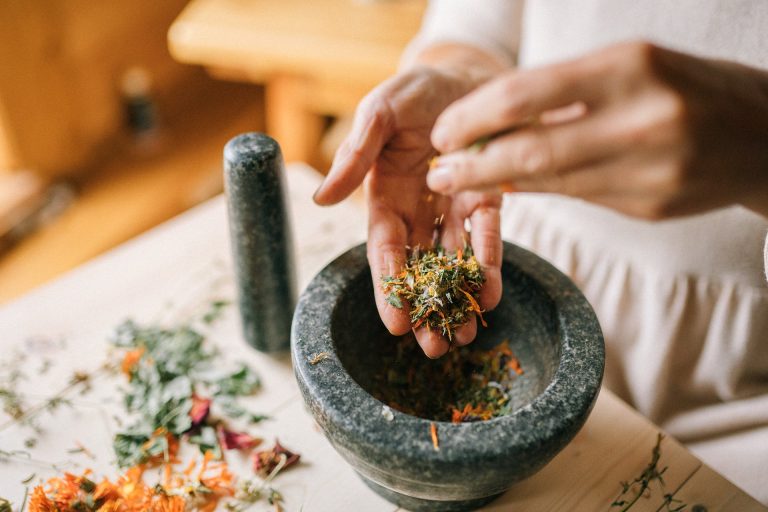
Herbal remedies have gained popularity for one key reason: they tend to be safer and produce fewer side effects compared to their conventional counterparts. Nevertheless, it’s crucial to recognize that herbal remedies are not universally risk-free and, like all types of medication, should be approached with caution.
As an experienced forager and herbalist, I’ve noticed that few people know how to use herbal remedies safely and therefore, I wrote this article to provide some pointers. Please not that one needs quite a vast knowledge of herbal medicine before experimenting with other plants, besides the common, over the classic ones that can be found pretty much anywhere. So if you plant to use herbal remedies safely, please read forward and remember the following when trying new natural cures.
What Can Go Wrong?
In the realm of herbal medicine, adhering to a few fundamental guidelines will normally ensure that the worst that happens when taking an herbal medicine is that there is no improvement in your condition. Use Herbal Remedies Safely; it’s an essential mantra.
Nevertheless, it’s crucial to acknowledge that there are situations where herbal remedies may not yield the desired results and, in some instances, could lead to adverse effects, particularly when they interact with conventional medications.
While it’s exceedingly rare, there have been isolated cases where individuals experienced severe health complications or, tragically, even fatalities due to their use of herbal medicines. In nearly every such instance, the root cause could be traced back to the disregard of crucial safety considerations.
Use herbal remedies safely as your guiding principle. Therefore, if at any point you suspect that you’re experiencing unfavorable reactions to an herbal remedy, it is of utmost importance to discontinue its use immediately.
Use herbal remedies safely – always a top priority. In such cases, reaching out to a qualified herbalist, naturopath, or consulting your healthcare provider is a prudent course of action to ensure your well-being. Your health should always be the top priority. Use Herbal Remedies Safely for a healthier, safer journey toward well-being.
Potential Issues in Herbal Usage
Mistaken herb identification is a common source of problems when it comes to herbal remedies. Ordinarily, when purchasing herbs over the counter, you need not be overly concerned, as established protocols typically ensure that the correct herb is supplied. However, when harvesting herbs from the wild, the need for vigilance becomes paramount.
Take, for instance, the case of ragwort (Senecio jacobaea), a plant notorious for its liver toxicity. It can easily be confused with St. John’s wort (Hypericum perforatum), a safer alternative. Both share similar habitats and display clusters of vibrant yellow blossoms during the summer. This example underscores the importance of accurate identification to use herbal remedies safely and effectively.
Another example is Digitalis purpurea, commonly known as Foxglove, a beautiful plant with bell-shaped, pinkish-purple flowers. Unbeknownst to some, its leaves contain compounds that can be used to treat heart conditions in carefully controlled doses. However, it can be easily mistaken for Digitalis lanata, or Woolly Foxglove, which contains much higher concentrations of these compounds and can be lethal if ingested or used incorrectly. Both share similar appearances, making precise identification crucial when working with herbal remedies. These examples underscore the significance of informed and careful herbal usage to use herbal remedies safely.
In rarer situations, the misuse of certain herbs can lead to unintended consequences. For example, Arnica montana is often employed topically to alleviate pain and inflammation. Yet, if applied to broken skin or open wounds, it can result in skin irritation and dermatitis. This illustrates the importance of understanding not only the identification of herbs but also their proper applications. These examples underscore the significance of informed and careful herbal usage.
In rarer situations, the mere act of handling specific highly toxic herbs can pose a significant risk. Hemlock (Conium maculatum), for instance, is so dangerously toxic that even incidental skin contact can lead to severe side effects. Thus, it is essential to not only correctly identify herbs but also exercise caution when physically interacting with them. These examples emphasize the significance of informed and careful herbal usage.

The wrong part of an herb is used.
Precision in selecting the appropriate part of an herb or plant is of paramount importance. At times, one part of a plant can be entirely safe, while all other portions may pose a significant risk. Take, for instance, the potato (Solanum tuberosum), specifically its tuber, which makes for a delicious and nutritious food source.
However, it is crucial to note that all other parts of the potato plant are highly toxic. This serves as a compelling example of how the safe usage of herbs and plants hinges on selecting the correct component.
Another illustrative instance is the castor bean plant (Ricinus communis). Its seeds are the source of castor oil, which is used in various applications, including medicine and industry. Yet, the seeds themselves contain the deadly toxin ricin. Therefore, while the oil derived from the seeds is beneficial, the seeds must be handled with extreme caution to avoid potential harm. This emphasizes the need for careful consideration and knowledge when working with herbal and plant remedies.
Ensuring the Quality of Herbal Remedies
To use herbal remedies safely, it’s vital to avoid poor-quality materials and ensure proper preparation. Whether you’re crafting your own remedy or purchasing one over the counter, following recommended methods for storage and preparation is essential. Additionally, when buying herbal products, be diligent in selecting high-quality options.
Maximizing the benefits of herbal medicine hinges on the quality of the herbs and herbal products you use. This involves ensuring that they are properly grown, well-dried, correctly processed, and within their sell-by date. Using poor-quality herbal produce is, without a doubt, a waste of money since there’s a strong possibility that it won’t provide the intended benefits. In the realm of herbal medicine, it’s crucial to remember that quality is paramount for safety and effectiveness. So, always remember to use herbal remedies safely by prioritizing the quality of the materials and products you employ.
The Significance of Quality in Herbal Medicine

Ensuring that you use herbal remedies safely hinges significantly on the quality of the herbs and herbal products employed. Without a guarantee of using the correct herb of the right quality, confidence in the medicine’s effectiveness becomes challenging. This quality assurance aspect is a key reason why the medical profession has generally favored conventional medicines over herbal alternatives – guaranteeing quality in herbal remedies can be complex.
Many herbal products available on the market indeed meet high-quality standards, but it’s important to be aware that some may fall short. A notable 2006 U.S. study on black cohosh (Cimicifuga racemosa) discovered that only 7 out of 11 over-the-counter products tested contained the ingredients stated on the label. Shockingly, four of these products contained a less expensive Chinese species instead.
Unfortunately, adulteration of herbal products, particularly in Chinese and Indian herbs sold in the West, is not uncommon. Quality in herbal materials can be compromised by various factors, such as deliberate adulteration, the use of wrongly identified or poor-quality materials, improper harvesting, drying, storage, age, decay, or even the use of the wrong herb. In each case, a lack of attention to quality results in a herbal product with diminished medicinal value or none at all.
Manufacturers of genuine herbal medicines employ rigorous quality control procedures to ensure only high-quality products reach the market. This typically involves comparing the dried herb material with references in an herbal or national pharmacopeia – a standard reference work that outlines the expected characteristics of a specific herb when analyzed. Quality control encompasses routine checks to verify the herbal material’s identity, assess its botanical profile, ascertain appropriate levels of active constituents, and ensure it’s free from contamination.
More advanced quality-control methods recognize that an herb’s quality is not solely determined by the presence of one or two key active constituents. Increasingly, experts in the field of herbal medicine focus on the herb’s “fingerprint” – the unique chemical profile that reflects the complex array of constituents in high-quality dried herb material, as analyzed by sophisticated scientific machinery. By continuously monitoring and comparing samples with this unique fingerprint, a more comprehensive assessment of quality can be made, surpassing the use of just one or two constituents as a standard. Use herbal remedies safely by prioritizing quality every step of the way.
Smart Shopping for Herbal Medicines
 When it comes to purchasing herbal medicines, ensuring that you use herbal remedies safely involves careful consideration of several factors. Let’s explore what you should look for when buying these remedies:
Form and Sourcing: Opt for convenient forms like capsules, tablets, essential oils, pessaries, and tinctures. You can also make your own infusions, decoctions, and syrups. Buy these items from reputable herb stores staffed by knowledgeable personnel. When purchasing herbs online, rely on established herbal suppliers, and consider choosing organic herbs and products if available.
Buying Dried Herbs: Dried herbs are commonly available from herbal suppliers. While buying from physical shops allows you to examine the herbs before purchase, some online companies might provide fresher herbs due to higher turnover. To ensure the best medicinal effect, prioritize good-quality produce.
Quality Check:
Before making a purchase, it’s essential to shop around and keep these key considerations in mind:
Store herbs away from direct sunlight and not in clear glass jars to prevent oxidation, which can affect their effectiveness.
High-quality aromatic herbs should possess a distinct scent and taste.
Examine for signs of infestation due to improper drying techniques or adulteration, which may be evident through the presence of dried grass or non-medicinal material in the container.
Look for herbs that retain their color, as aging herbs lose their vibrancy. For instance, Calendula flowers (Calendula officinalis) in a vivid yellow/orange hue are likely to yield effective medicine. If they have been sitting on a shelf for an extended period, they may appear dull and pale.
Buying Herbal Products:
When purchasing products like capsules, tablets, essential oils, pessaries, and tinctures, it’s imperative to scrutinize the label on the jar or packet. Only buy if it provides the following information:
- Lists all constituents of the product.
- Specifies the recommended daily dosage.
- States the weight of each capsule or tablet, or the volume of the bottle.
- Details the weight of each constituent of a capsule, tablet, etc.
- Indicates the ratio of herb in the product, such as 1:3, meaning 1 part herb to 3 parts liquid.
By considering these factors and ensuring that the products you purchase meet these criteria, you can confidently use herbal remedies safely and make informed choices for your well-being.
Selecting the Right Herbal Remedy

One common challenge in herbal medicine is the incorrect use of herbal remedies. To use herbal remedies safely, it’s crucial to make well-informed choices. Sticking with well-known herbs and utilizing them to address the conditions for which they are typically recommended can help you avoid this issue.
For instance, let’s consider the example of ginger (Zingiber officinale) and sweet flag (Acorus calamus). Both of these herbs are known to relieve nausea and indigestion. However, ginger stands out as a safer option for several reasons. It is widely recognized, frequently used to alleviate motion and morning sickness, and, unlike sweet flag, has no known side effects. Using ginger to address these issues is a safer and more established choice.
Also, consider Echinacea (Echinacea purpurea) and Goldenseal (Hydrastis canadensis). Both are often used to boost the immune system and combat infections. However, Echinacea is a more widely recognized and safer choice in this context. It’s a renowned herbal remedy for enhancing immunity and treating various infections. Goldenseal, on the other hand, while useful, is less known and can have side effects when used inappropriately. To use herbal remedies safely, choose herbs with established reputations and well-documented safety profiles for specific health concerns.
Interactions Between Herbal Remedies and Conventional Medications
It’s crucial to use herbal remedies safely, considering potential interactions between herbal remedies and other medicines. Herbal remedies, like conventional medications, can interact with one another.
Several herbs are known to have interactions with conventional medicines, and St. John’s wort provides a prime example. This herb accelerates the liver’s breakdown of various drugs, including specific antibiotics, antiepileptics, and immune-suppressants. As a result, the effectiveness of these drugs within the body is reduced, and in extreme cases, this interaction could pose a threat to life.
Furthermore, taking St. John’s wort concurrently with other antidepressants is inadvisable. Additionally, certain herbs, such as dong quai (Angelica sinensis), have interactions with anticoagulant drugs like warfarin and clopidogrel, which are prescribed to prevent blood clotting. If herbal products containing these herbs are used alongside anticoagulants, the risk of internal or external bleeding is heightened.
For safe herbal remedies usage, always communicate with healthcare professionals about the medications you are taking, whether they are herbal or conventional. If you’re using medicines prescribed by your doctor, seeking advice before incorporating herbal remedies is a sensible and responsible approach.
Using Herbal Remedies Safely: Considerations and Alternatives
Using herbal remedies safely requires careful consideration of potential issues. Allergic reactions to herbs commonly stem from two main sources: contact dermatitis from physical contact with the herb and airborne allergies from inhaling herb-related pollen or powdered herb particles.
Certain plants, like rue (Ruta graveolens), are well-known for causing contact dermatitis. Those prone to allergies should avoid handling such herbs to prevent skin reactions. Additionally, specific powdered herbs, such as linden (Tilia spp.), can trigger sneezing fits in individuals with heightened sensitivity.
In more concerning situations, herbal medicines might provoke allergic reactions within the body, leading to a systemic response. If you are susceptible to allergies, it is advisable to consult a qualified herbalist before using any herbs that deviate from the most common ones to use herbal remedies safely.
There are instances when herbal medicine may not be the most suitable form of treatment. If you are experiencing an acute illness, a significant injury, severe illness, or do not recover as expected after using an herbal remedy, do not hesitate—seek professional advice or emergency medical treatment. It’s essential to prioritize your well-being and explore alternative treatment options when needed.
Concluding

The world of herbal remedies offers a wealth of natural solutions for various health concerns. However, to truly benefit from these remedies and protect your well-being, it is paramount to use herbal remedies safely.
Whether it involves selecting the right herbs, being mindful of potential interactions with conventional medications, or recognizing possible allergic reactions, informed and responsible usage is key. By exercising caution and seeking professional guidance when necessary, you can harness the power of herbal remedies while prioritizing your health and safety.
Useful resources to check out:
A few wild beverages you should try
Knowledge to survive any medical crisis situation
Harvesting and canning wild greens
10 Things Cowboys Carried With Them In The Wild West To Survive