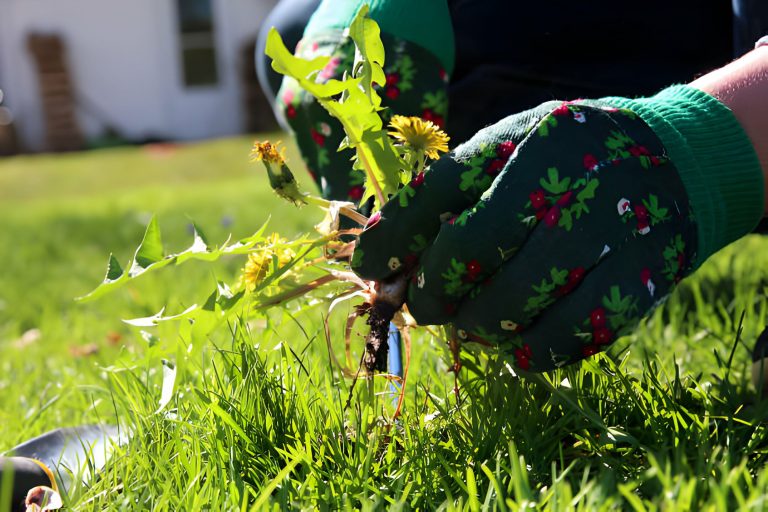
For those with a green thumb, a substantial portion of their contemplation likely revolves around thwarting the encroachment of weeds in their garden beds. Unbridled, these unwelcome intruders seize precious space and nutrients from our cherished plants. Extracting these interlopers that manage to establish roots can become a labor-intensive and demanding endeavor.
Defining a weed becomes essential. In simple terms, a weed can be considered as a plant that is not esteemed in its current location, often characterized by vigorous growth. It’s the kind of plant that tends to outgrow or stifle more desirable counterparts.
However, not all weeds are equal offenders. Unless they pose substantial challenges, many weeds can coexist without causing major problems and, interestingly, even offer unique benefits if you understand how to utilize them.
Explore below a list of 10 common weeds, accompanied by creative ways to harness them for nutritional or health-related purposes:
1. Burdock (Arctium spp.):
Location in the United States: Burdock is widespread across the United States and can be found in fields, meadows, along roadsides, and in disturbed areas.
Appearance: Burdock is recognized by its large, heart-shaped leaves and prickly burrs that cling to clothing and animal fur. The plant can grow up to several feet tall, with a robust taproot.
Harvesting Time: The optimal time to harvest burdock roots is during the fall or early spring when the plant’s energy is concentrated in its roots. The leaves can be harvested during the growing season.
Medicinal and Nutritional Uses:
Medicinal Use: Burdock root has been traditionally used in herbal medicine for its purported detoxifying properties. It is believed to support liver function and promote skin health. Additionally, it has been used to alleviate conditions such as arthritis and inflammation.
Nutritional Use: The root is rich in inulin, a prebiotic that supports gut health. It also contains essential nutrients like iron, manganese, and antioxidants. The young leaves are edible and can be cooked like other leafy greens.
2. Curly Dock (Rumex crispus):

Location in the United States: Curly Dock is widespread throughout the United States and is commonly found in fields, waste areas, and along roadsides. It thrives in a variety of soil types.
Appearance: Identifiable by its distinctive curled or wavy leaves, Curly Dock can grow up to several feet tall. The leaves are lance-shaped, and the plant produces clusters of reddish-brown seeds on tall spikes.
Harvesting Time: The best time to harvest Curly Dock is during the spring when the leaves are young and tender. For medicinal purposes, the roots can be harvested in the fall.
Medicinal and Nutritional Uses:
Medicinal Use: Curly Dock has been utilized in traditional medicine for its potential as a mild laxative and for its astringent properties. The plant contains compounds that may support digestive health and alleviate skin conditions.
Nutritional Use: The leaves of Curly Dock are rich in vitamins A and C, as well as minerals like calcium and iron. They can be consumed when young, either raw or cooked, as a nutritious addition to salads or cooked dishes.
3. Milk Thistle (Silybum marianum):

Location in the United States: Milk Thistle is native to the Mediterranean region but has become naturalized throughout the United States. It can be found in disturbed areas, roadsides, and fields.
Appearance: Recognized by its distinctive spiky leaves adorned with white veins, Milk Thistle can grow up to several feet tall. The plant produces large, purple, thistle-like flower heads containing seeds with a milky sap.
Harvesting Time: For medicinal purposes, the seeds of Milk Thistle are typically harvested in late summer to early autumn when they are mature. The leaves can be harvested during the growing season.
Medicinal and Nutritional Uses:
Medicinal Use: Milk Thistle is renowned for its potential to support liver health. The active compound, silymarin, has antioxidant and anti-inflammatory properties, making it a popular herbal remedy for liver conditions. It is also believed to aid digestion and protect the liver from toxins.
Nutritional Use: While not a primary source of nutrition, Milk Thistle seeds contain some essential fatty acids and can be incorporated into the diet. The seeds are often ground and used in herbal teas, tinctures, or capsules for their medicinal benefits.
4. Nettles (Urtica dioica):

Location in the United States: Nettles are found throughout the United States and are commonly seen in moist, nutrient-rich soil along riverbanks, in woodlands, and in disturbed areas.
Appearance: Nettles are perennial plants with serrated, heart-shaped leaves covered in tiny, stinging hairs. They can reach heights of 3 to 7 feet. The plant produces inconspicuous greenish-white flowers.
Harvesting Time: Young nettle leaves are best harvested in the spring when they are tender and vibrant. Be sure to wear gloves during harvesting to avoid stings. The plant can also be harvested throughout the growing season.
Medicinal and Nutritional Uses:
Medicinal Use: Nettles are renowned for their potential medicinal benefits, particularly as a natural antihistamine. They are used to alleviate allergies, hay fever, and inflammation. Nettles are also rich in vitamins (such as A and C), minerals (including iron and calcium), and can support overall immune health.
Nutritional Use: The leaves of young nettles can be cooked and used in a variety of dishes, similar to spinach. Nettles are a good source of protein, fiber, and various essential nutrients. They are commonly used in teas, soups, or as a steamed vegetable.
5. Mullein (Verbascum thapsus):

Location in the United States: Mullein is prevalent throughout the United States and is often found in fields, meadows, along roadsides, and in disturbed areas. It thrives in well-drained, open spaces.
Appearance: Mullein is a biennial plant with a distinctive appearance. In its first year, it forms a basal rosette of large, fuzzy, gray-green leaves. In the second year, it sends up a tall flowering stalk, sometimes reaching heights of 6 feet or more, adorned with yellow, densely clustered flowers.
Harvesting Time: The leaves and flowers of Mullein are best harvested during the plant’s second year, typically in the summer. Harvesting should be done on a dry day to avoid mold.
Medicinal and Nutritional Uses:
Medicinal Use: Mullein has a long history of use in herbal medicine. It is known for its respiratory benefits, often used to soothe coughs, congestion, and respiratory irritation. The leaves contain compounds with expectorant and anti-inflammatory properties. Mullein is also used topically for skin conditions.
Nutritional Use: While not commonly consumed for nutrition, Mullein leaves can be used to make herbal teas or tinctures. The flowers are sometimes infused in oil and used topically for skin care.
6. Plantain (Plantago major):

Location in the United States: Plantain is widespread throughout the United States and is commonly found in lawns, gardens, meadows, and along roadsides. It thrives in compacted soils and disturbed areas.
Appearance: Plantain is a low-growing, perennial herb with distinctive ribbed leaves that form a basal rosette. The leaves are broad, lance-shaped, and have prominent parallel veins. The plant produces inconspicuous spikes of small greenish flowers.
Harvesting Time: Leaves of Plantain can be harvested throughout the growing season, typically from spring to fall. It’s advisable to harvest young leaves as they are more tender. The seeds, found on the flower spikes, are best collected when they are mature, usually in late summer.
Medicinal and Nutritional Uses:
Medicinal Use: Plantain has a rich history in herbal medicine. The leaves are used for their anti-inflammatory and wound-healing properties. They can be crushed and applied topically to soothe insect bites, stings, and minor cuts. Internally, Plantain is used to support respiratory health and alleviate coughs.
Nutritional Use: Young leaves of Plantain are edible and can be consumed raw in salads or cooked as a leafy green. They contain vitamins A and C, as well as other nutrients. The seeds are also edible and can be used as a dietary supplement.

7. Lamb’s Quarters (Chenopodium album):

Location in the United States: Lamb’s Quarters, also known as wild spinach, is widespread across the United States and can be found in gardens, fields, disturbed areas, and along roadsides. It thrives in fertile, well-drained soils.
Appearance: Lamb’s Quarters is an annual plant with serrated, diamond-shaped leaves that are coated in a whitish powder, giving them a frosted appearance. The plant can grow up to several feet tall and produces inconspicuous green flowers.
Harvesting Time: The leaves of Lamb’s Quarters are best harvested when they are young and tender, typically in the spring and early summer. Harvesting before the plant flowers ensures a milder flavor.
Medicinal and Nutritional Uses:
Medicinal Use: While Lamb’s Quarters is primarily valued for its nutritional content, it has been used in traditional medicine for its potential diuretic and anti-inflammatory properties. The leaves are also rich in antioxidants.
Nutritional Use: Lamb’s Quarters is highly nutritious, rich in vitamins A and C, as well as minerals like calcium and iron. The young leaves can be eaten raw in salads or cooked as a spinach substitute. The seeds, though small, are edible and can be ground into flour.
8. Chickweed (Stellaria media):

Location in the United States: Chickweed is a common herb found throughout the United States and can thrive in gardens, lawns, fields, and other disturbed areas. It tends to prefer cool, moist environments.
Appearance: Chickweed is a low-growing, spreading herb with small, oval-shaped leaves arranged opposite each other along the stem. The stems are delicate and may have fine hairs. It produces small, star-shaped white flowers with five deeply lobed petals.
Harvesting Time: Chickweed can be harvested throughout the growing season, but it is most tender and palatable when young. Harvesting is typically done before the plant starts flowering, as the flavor can become slightly bitter after flowering.
Medicinal and Nutritional Uses:
Medicinal Use: Chickweed has been used in traditional herbal medicine for various purposes. It is often employed for its potential anti-inflammatory and soothing properties. Chickweed ointments or poultices are applied topically to alleviate skin irritations, itching, and minor wounds.
Nutritional Use: Chickweed is rich in vitamins (especially vitamin C), minerals, and omega-6 fatty acids. The young leaves and tender stems are edible and can be consumed raw in salads or cooked as a potherb. Some herbalists suggest chickweed teas for internal cleansing and support.
9. Dandelion (Taraxacum officinale):

Location in the United States: Dandelions are ubiquitous throughout the United States and can be found in lawns, fields, meadows, and disturbed areas. They are highly adaptable and thrive in various environments.
Appearance: Dandelions are easily recognizable with their distinctive yellow flowers that mature into fluffy seed heads. The leaves are deeply toothed and form a basal rosette. The plant contains a milky sap when cut.
Harvesting Time: Dandelion leaves are best harvested in the spring when they are young and tender. The flowers can be harvested as they bloom, and the roots are typically dug up in the fall when the plant stores energy.
Medicinal and Nutritional Uses:
Medicinal Use: Dandelion has a long history in herbal medicine. The leaves are known for their diuretic properties and are used to support kidney function. Dandelion root is often utilized for its potential liver-detoxifying properties. The plant is also considered a mild laxative and may aid digestion.
Nutritional Use: Dandelion leaves are rich in vitamins A and C, iron, and calcium. They can be consumed raw in salads or cooked as greens. Dandelion roots can be roasted and used as a coffee substitute. The flowers are edible and can be used in salads or to make dandelion wine.
10. Goldenrod (Solidago spp.):

Location in the United States: Goldenrod is native to North America and can be found in various habitats, including meadows, fields, roadsides, and open woodlands. It is a common and widespread wildflower.
Appearance: Goldenrod is a perennial plant with clusters of bright yellow flowers that bloom in late summer and fall. The leaves are typically lance-shaped, and the plant can vary in height depending on the species. It is often mistakenly associated with allergies, but its pollen is heavy and not easily airborne.
Harvesting Time: Goldenrod flowers are best harvested in late summer or early fall when they are in full bloom. The leaves can be harvested throughout the growing season, but they are most tender when the plant is young.
Medicinal and Nutritional Uses:
Medicinal Use: Goldenrod has been traditionally used for its potential diuretic properties, making it useful for urinary tract conditions. It is also considered an anti-inflammatory and may be used for respiratory issues. Goldenrod is often part of herbal blends to support the immune system.
Nutritional Use: While not a primary food source, the leaves of Goldenrod are edible and can be used in salads or cooked as greens. The flowers can be infused into teas or incorporated into recipes for added flavor.
Concluding

The exploration of common weeds reveals a fascinating tapestry of untapped potential in both the realms of medicine and nutrition. From the resilient roots of Burdock to the delicate leaves of Chickweed, these often-overlooked plants offer a diverse array of benefits. This journey into the world of weeds not only broadens our understanding of their ecological roles but also underscores their historical significance in herbal traditions.
The versatility of plants like Dandelion, Nettles, and Goldenrod extends beyond mere culinary curiosity, inviting us to reconsider their value in promoting holistic well-being. However, it is crucial to approach foraging and consumption responsibly, emphasizing proper identification and seeking guidance from healthcare professionals or herbalists, especially for those with specific health considerations.
Recognizing and respecting the unique qualities of each weed, we not only open doors to new culinary experiences but also foster a deeper connection with nature. Embracing the potential of these wild companions encourages sustainable practices and highlights the wisdom of utilizing the resources that surround us.
Suggested resources for preppers:
Harvesting and canning wild greens
The #1 food of Americans during the Great Depression
Survival Foods of the Native Americans
If you see this plant when foraging, don’t touch it!