Illnesses Risks After SHTF Events

0

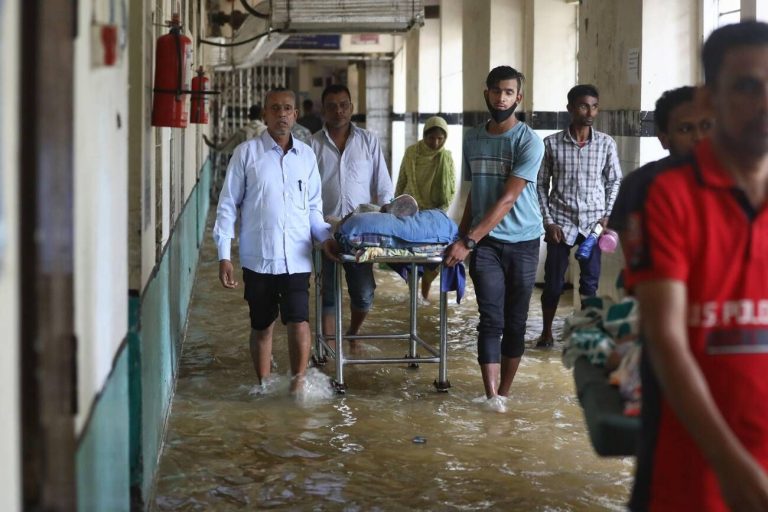
In the realm of health, it’s easy to take for granted the protection modern medicine affords us against sickness. However, for individuals like myself and many others who embrace preparedness, the specter of illness amplifying in the wake of a widespread natural calamity or a SHTF scenario looms large. With a young child and family members grappling with diverse health challenges, this concern hits close to home.

Consider the rapid spread of the flu as a mere glimpse into the potential escalation of illness and infections following a large-scale disaster or SHTF incident. Often, the initial event serves as the catalyst for a chain reaction of adversities, necessitating thorough preparation.

This article explores the myriad illnesses risks that preppers must consider when faced with adversity. Relying solely on the healthcare system is ill-advised, especially considering its existing shortcomings during peacetime, let alone amidst scarcity of resources and personnel in times of crisis.

Illnesses risks after large-scale disasters

Water-Related Diseases

In the aftermath of a large-scale event, access to safe water can become compromised, paving the way for the spread of waterborne diseases. Among the potential threats are cholera, e-coli, salmonella, cryptosporidium, and hepatitis A and E. These illnesses pose significant health risks and can lead to severe complications if left unchecked. Here’s a little more info about these diseases:

Holera: Cholera is caused by the bacterium Vibrio cholerae and is characterized by severe diarrhea and dehydration. Without prompt treatment, cholera can be fatal within hours. The disease is transmitted through contaminated water and food, particularly in areas with poor sanitation.

E. coli (Escherichia coli): Certain strains of E. coli can cause severe gastrointestinal illness, leading to symptoms such as diarrhea, abdominal pain, and vomiting. In severe cases, E. coli infection can result in kidney failure and death, especially in vulnerable populations like children and the elderly.

Salmonella: Salmonella bacteria are a common cause of food poisoning, leading to symptoms such as diarrhea, fever, and abdominal cramps. In severe cases, salmonella infection can spread beyond the gastrointestinal tract and cause bloodstream infections, particularly in individuals with weakened immune systems.

Cryptosporidium: Cryptosporidium is a protozoan parasite that can cause cryptosporidiosis, a diarrheal illness. Symptoms include watery diarrhea, stomach cramps, nausea, and fever. Cryptosporidiosis can be particularly severe in individuals with weakened immune systems, such as those living with HIV/AIDS.

Hepatitis A and E: Hepatitis A and E viruses primarily affect the liver and are transmitted through contaminated food and water. Hepatitis A typically causes flu-like symptoms, jaundice, and liver inflammation, while hepatitis E leads to similar symptoms but is often more severe in pregnant women.

While it’s commonly believed that such diseases are more prevalent in developing nations, the reality is that industrialized countries are not immune. According to the CDC, even in countries like the United States, instances of waterborne illnesses have been observed following disasters like hurricanes Allison and Katrina. During these events, individuals experienced diarrheal illnesses, with salmonella and cholera being notable culprits.

This underscores the importance of preparedness and vigilance, even in nations with abundant resources. Despite the United States’ vast infrastructure and capabilities, the impact of such diseases on public health cannot be underestimated. Therefore, proactive measures, such as ensuring access to clean water and promoting hygiene practices, are essential for mitigating the risks posed by waterborne diseases in the aftermath of large-scale disasters.

Influenza and Pneumonia

Even in developed countries, influenza remains a significant threat to public health. The flu virus can cause a range of symptoms, from mild to severe, including fever, cough, sore throat, body aches, fatigue, and respiratory distress. In vulnerable populations, such as the elderly, young children, pregnant women, and individuals with underlying health conditions, the flu can lead to complications like pneumonia, exacerbating the risk of severe illness and death.

Pneumonia, whether viral or bacterial in origin, is a common complication of influenza and poses a grave risk to affected individuals. Pneumonia is characterized by inflammation and infection of the lungs, leading to symptoms such as difficulty breathing, chest pain, fever, and cough with phlegm. Severe cases of pneumonia can result in respiratory failure and even death, particularly in those with compromised immune systems or pre-existing respiratory conditions.

Influenza, commonly known as the flu, is a highly contagious respiratory illness caused by influenza viruses. It can affect people of all ages and is typically spread through respiratory droplets when an infected person coughs, sneezes, or talks. The flu virus can also survive on surfaces for a short period, contributing to its transmission.

Symptoms of the flu often include:

  • Fever or feeling feverish/chills
  • Cough
  • Sore throat
  • Runny or stuffy nose
  • Muscle or body aches
  • Fatigue
  • Headaches

Some people may also experience vomiting and diarrhea, though this is more common in children than adults.

While most people recover from the flu without complications, certain groups are at higher risk of developing severe illness or complications, including:

  • Young children, especially those under 5 years old
  • Adults over 65 years old
  • Pregnant women
  • Individuals with chronic medical conditions such as asthma, diabetes, heart disease, or weakened immune systems

One of the most concerning complications of the flu is pneumonia, which can be caused by either the influenza virus itself or secondary bacterial infections. In severe cases, pneumonia can cause respiratory failure and may be life-threatening, especially in vulnerable individuals.

Prevention of influenza and pneumonia is key to reducing the risk of illness and complications. This includes annual flu vaccination, practicing good hand hygiene, avoiding close contact with sick individuals, and seeking prompt medical attention if flu-like symptoms develop.

In addition to vaccination, maintaining overall health through a balanced diet, regular exercise, adequate sleep, and managing chronic medical conditions can also help reduce the risk of contracting the flu and developing complications such as pneumonia.

Medical banner

Crowded Living Conditions: Understanding Disease Transmission Risks

Following a large-scale event, such as a natural disaster, crowded living conditions often become a reality for many affected individuals. Instances like Hurricane Katrina serve as stark reminders of the challenges posed by large groups of people living in close quarters. In such scenarios, the risk of disease transmission escalates significantly as viruses and bacteria find optimal conditions for spreading rapidly.

Crowded living conditions create ideal environments for the transmission of infectious diseases from person to person. Among the diseases that have historically occurred in such settings are:

Measles: Measles is a highly contagious viral infection that spreads through respiratory droplets when an infected person coughs or sneezes. Crowded living conditions facilitate the rapid spread of measles, particularly among individuals who are not vaccinated against the virus.

Meningitis: Meningitis is an inflammation of the protective membranes covering the brain and spinal cord. Certain types of meningitis, such as bacterial meningitis, can spread through close contact with respiratory secretions or saliva. Crowded living conditions increase the likelihood of person-to-person transmission of meningitis-causing bacteria.

Acute Respiratory Infections: Acute respiratory infections encompass a broad range of illnesses affecting the respiratory system, including the common cold, influenza, and pneumonia. In crowded environments, respiratory viruses can easily spread from one individual to another through coughing, sneezing, or direct contact.

To mitigate the risks associated with crowded living conditions and prevent disease transmission, it is essential to implement measures such as promoting good hygiene practices, ensuring adequate ventilation, providing access to healthcare services, and facilitating vaccination campaigns when applicable. Additionally, maintaining adequate spacing between individuals and promoting personal space boundaries can help reduce the spread of infectious diseases in densely populated areas.

Vector-Borne Diseases

vector borne diseases

Natural disasters, such as hurricanes, cyclones, and flooding, have the potential to disrupt ecosystems and create favorable conditions for the proliferation of disease-carrying vectors. These vectors, such as mosquitoes and ticks, thrive in stagnant water and can spread infectious pathogens to humans and animals. In the aftermath of such events, the risk of vector-borne diseases escalates, posing significant health challenges for affected populations.

Among the vector-borne diseases that can increase following natural disasters are:

Malaria: Malaria is caused by Plasmodium parasites transmitted through the bite of infected Anopheles mosquitoes. Stagnant water left behind by floods provides ideal breeding grounds for these mosquitoes, leading to an upsurge in malaria cases in disaster-affected areas.

Dengue Fever: Dengue fever is caused by the dengue virus, which is transmitted by Aedes mosquitoes. These mosquitoes breed in containers holding water, such as discarded tires and water storage containers, often abundant in post-disaster settings. Increased mosquito breeding sites and human exposure contribute to the spread of dengue fever in affected communities.

West Nile Virus: The West Nile virus is primarily transmitted to humans through the bite of infected mosquitoes, particularly species of the Culex genus. Floods and standing water provide breeding habitats for these mosquitoes, leading to an increased risk of West Nile virus transmission in disaster-affected areas.

Zika Virus: Zika virus is transmitted primarily by Aedes mosquitoes, similar to dengue fever. Stagnant water and debris left behind by floods create conducive environments for mosquito breeding, amplifying the risk of Zika virus transmission to humans.

To mitigate the risk of vector-borne diseases in the aftermath of natural disasters, comprehensive vector control measures are essential. This includes efforts to eliminate breeding sites, such as removing standing water and debris, implementing insecticide spraying programs, and promoting the use of personal protective measures such as mosquito nets and repellents.

Additionally, public health education campaigns can raise awareness about the risks of vector-borne diseases and encourage community participation in prevention efforts.

Foodborne Illness

SVMDv22In the aftermath of a natural disaster or large-scale event, maintaining food safety becomes increasingly challenging as sanitation practices may be compromised, and access to refrigeration facilities may be limited or nonexistent. This creates conditions ripe for the proliferation of foodborne pathogens, leading to an elevated risk of foodborne illness among affected populations.

Several factors contribute to the heightened risk of foodborne illness in post-disaster settings:

Sanitation Challenges: Disrupted infrastructure, contaminated water sources, and limited access to soap and clean water can impede proper hygiene practices, increasing the likelihood of cross-contamination and foodborne illness transmission during food preparation and handling.

Lack of Refrigeration: Without electricity or functioning refrigeration systems, perishable foods such as meat, dairy products, and leftovers are susceptible to rapid spoilage and bacterial growth. Consuming spoiled or contaminated food can lead to gastrointestinal infections and food poisoning.

Contaminated Water Supply: Contaminated water sources can compromise food safety during cooking, cleaning, and food preparation. Washing fruits and vegetables with contaminated water or using it to prepare food can introduce harmful pathogens, increasing the risk of foodborne illness.

Common foodborne pathogens that may proliferate in post-disaster environments include bacteria such as Salmonella, Escherichia coli (E. coli), Campylobacter, and Listeria, as well as viruses like norovirus and hepatitis A.

To mitigate the risk of foodborne illness in post-disaster settings, it is crucial to implement strict food safety measures:

Ensure Proper Hygiene: Promote handwashing with soap and clean water before and after handling food, and encourage the use of sanitizers when available. Keep food preparation surfaces clean and sanitized to prevent cross-contamination.

Practice Safe Food Handling: Cook foods to the recommended internal temperatures to kill harmful bacteria, and avoid cross-contamination by using separate cutting boards and utensils for raw and cooked foods. Store perishable foods in coolers with ice packs or seek alternative methods of refrigeration to prevent spoilage.

Treat Water: Boil or treat water from questionable sources before using it for drinking, cooking, or washing food. Use water purification tablets or portable water filters if available.

Monitor Food Quality: Discard any food that appears spoiled, has an unusual odor, or shows signs of contamination, such as mold growth or slime.

Infections

infections skin infections

In the aftermath of natural disasters or large-scale events, the risk of infections can significantly increase due to a combination of factors, including compromised sanitation, overcrowding, and limited access to healthcare services. Understanding these risks is crucial for implementing effective preventive measures and protecting public health in disaster-affected areas.

Several factors contribute to the heightened risk of infections in post-disaster environments:

Compromised Sanitation: Disrupted infrastructure and contaminated water sources can lead to poor sanitation conditions, increasing the likelihood of infectious diseases spreading through contaminated water, food, or environmental surfaces. Inadequate waste disposal and sewage systems further exacerbate the risk of infection transmission.

Overcrowding: Sheltering in crowded evacuation centers or temporary housing facilities can facilitate the rapid spread of infections among displaced populations. Close proximity and limited ventilation create ideal conditions for respiratory infections, while inadequate hygiene facilities increase the risk of gastrointestinal infections.

Limited Access to Healthcare: Damage to healthcare facilities and disruptions to medical supply chains can restrict access to essential healthcare services, including diagnosis, treatment, and vaccination. Delayed or inadequate medical care can exacerbate the severity of infections and lead to complications, particularly in vulnerable populations.

Common infectious diseases that may pose significant risks in post-disaster settings include:

Respiratory Infections: Respiratory viruses such as influenza, respiratory syncytial virus (RSV), and coronaviruses can spread rapidly in crowded and poorly ventilated environments, leading to outbreaks of respiratory illnesses such as pneumonia and bronchitis.

Gastrointestinal Infections: Bacterial pathogens such as Salmonella, Escherichia coli (E. coli), and norovirus can contaminate food and water supplies, causing outbreaks of gastrointestinal infections characterized by symptoms such as diarrhea, vomiting, and abdominal pain.

Skin and Soft Tissue Infections: Poor hygiene conditions and inadequate wound care can increase the risk of skin infections, including cellulitis, abscesses, and wound infections. Insect bites, cuts, and scratches can serve as entry points for infectious agents, leading to localized or systemic infections.

To mitigate the risk of infections in post-disaster environments, it is essential to prioritize preventive measures such as:

Promoting Hygiene Practices: Educate individuals and communities about the importance of handwashing, proper sanitation, and respiratory etiquette to prevent the spread of infections.

Implementing Vector Control Measures: Reduce breeding sites for mosquitoes and other disease vectors through environmental management, insecticide spraying, and use of protective measures such as mosquito nets and repellents.

Providing Access to Healthcare Services: Ensure timely access to medical care, including vaccination campaigns, treatment of infectious diseases, and management of underlying health conditions to prevent complications and reduce transmission.

Concluding

gardenkitb1The heightened risk of illnesses following a SHTF event underscores the importance of proactive preparedness and comprehensive mitigation strategies. Whether facing challenges posed by

crowded living conditions, compromised sanitation, or limited access to healthcare, it is crucial for individuals and communities to prioritize preventive measures and resilience-building efforts.

Understanding the specific risks posed by waterborne diseases, vector-borne illnesses, foodborne pathogens, and infections in post-disaster environments is essential for developing targeted interventions and promoting public health resilience.

This article has been written by James H. Redford MD for Prepper’s Will.

You may also want to check this:

Knowledge to survive any medical crisis situation during a major disaster

Learn how to Safeguard your Home against Looters

Find Out What’s the Closest Nuclear Bunker to Your Home

The vital self-sufficiency lessons our great grand-fathers left us

Looking for the best Pokemon Rom Hacks

0

  1. Hi, I am looking for the best Pokemon Rom Hacks for PC. Can anyone recommend the best Pokemon Rom Hacks which you used before?


survivalmonkey SSL seal


survivalmonkey.com warrant canary

If Marriage is Made in Heaven, What Are We Doing Here (In Our Marriages) on Earth?

0

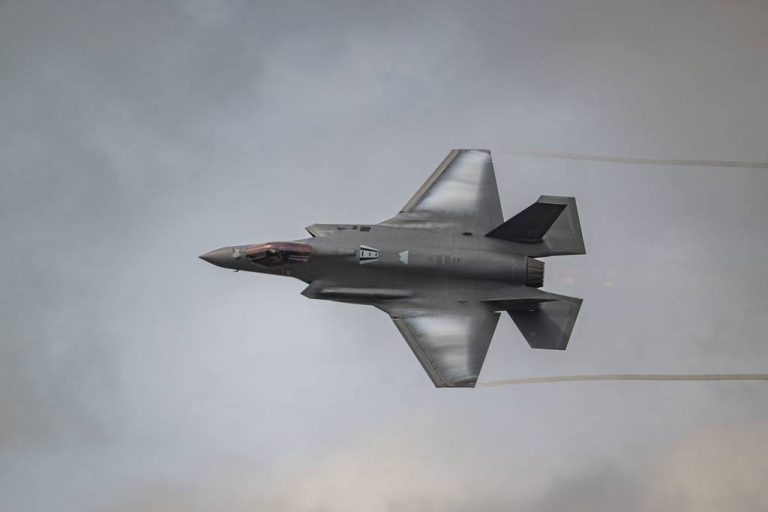
First upgraded F-35s won’t be ready for combat until next year

0

The first F-35s to be delivered with a set of upgrades known as Technology Refresh 3 will initially be used for training flights, but will not be ready for combat until 2025, Lockheed Martin said in an earnings call Tuesday.

Lockheed chief executive Jim Taiclet told investors the company is focused on fully implementing TR-3 — a set of upgrades to the F-35′s software and hardware, including better displays, computer memory and contracting power — and has made progress in recent months.

But TR-3 is already a year overdue, and is not likely to be ready until at least the third quarter of 2024. Lockheed Martin is still building F-35s intended to have TR-3, but since last summer the government has refused to accept delivery of those jets without the upgrades.

TR-3 was originally scheduled for in April 2023, but software problems and difficulties integrating it with the F-35′s new hardware have set the effort back considerably. Hardware delays have also challenged the program. Lt. Gen. Michael Schmidt, the F-35 program executive officer, told lawmakers in December 2023 production on some key components needed for TR-3 has been slower than expected.

Pressure is mounting on Lockheed and the F-35 program to get them ready, with multiple lawmakers expressing dissatisfaction with the delays. The TR-3 problem was also a factor in the Air Force’s decision to trim its planned purchase of F-35s in 2025, from the originally expected 48 to 42.

“We have been in this meeting, coming back year after year talking about this, and each year we’re kicking the can down the road,” Rep. Donald Norcross, D-New Jersey, told Schmidt in a House Armed Services subcommittee on tactical air and land forces hearing last week. “It’s always something new. You need to understand the frustration.”

Schmidt told lawmakers at that April 16 hearing “a significant number” of those jets are built, except for the insertion of TR-3, and are parked at Lockheed Martin facilities awaiting delivery.

The F-35 Joint Program Office confirmed to Defense News in November it was considering a strategy of loading interim versions of the TR-3 software into the jet as a way to speed delivery before the upgrades are completely done.

Schmidt told lawmakers the “truncated” software would lack some combat capabilities at first. The “first realistic chance” at getting an F-35 delivered with a partial version of TR-3 will be this July, he said, though some experts think August or September may be more realistic.

Taiclet said Tuesday flight testing of the truncated software configuration is now underway, and the company expects to be able to mature 95% of TR-3′s capabilities. Lockheed Martin still expects to deliver jets with some TR-3 capabilities in the third quarter, and they would be upgraded into fully combat-capable jets in 2025.

Taiclet said Lockheed is on track to deliver between 75 and 110 F-35s this year. That is unchanged from Lockheed’s last earnings call in January, but would still be fewer than the approximately 150 jets the company usually delivers each year.

Taiclet alluded to those supply delays hampering TR-3 on Tuesday and said delivery of 75 to 110 jets this year “requires timely receipt of the necessary hardware from TR-3 suppliers along the way.”

And the significant advancements in the F-35′s capabilities — the jet is intended to receive a subsequent upgrade called Block 4 that will add even more abilities — have proved to be challenging, Taiclet said.

“What we’ve run into on TR-3 is, the level of complexity and executing a [capability] increase that’s pretty dramatic,” Taiclet said. “We are wringing out all of the software through all of the new hardware, and integrating into all of the aircraft’s other systems, and that’s taken longer than our team predicted.”

Lockheed Martin is confident releasing a training version of TR-3 first, with a combat-capable version several months later, is sound, Taiclet said. That way, squadrons can get their hands on the jets and start training operations as well as setting up spare part pools, maintenance organizations and other infrastructure.

“We’d like to be able to do it sooner, but this is the schedule we’re on,” he said.

Stephen Losey is the air warfare reporter for Defense News. He previously covered leadership and personnel issues at Air Force Times, and the Pentagon, special operations and air warfare at Military.com. He has traveled to the Middle East to cover U.S. Air Force operations.

US Army faces uphill battle to fix aviation mishap crisis

0

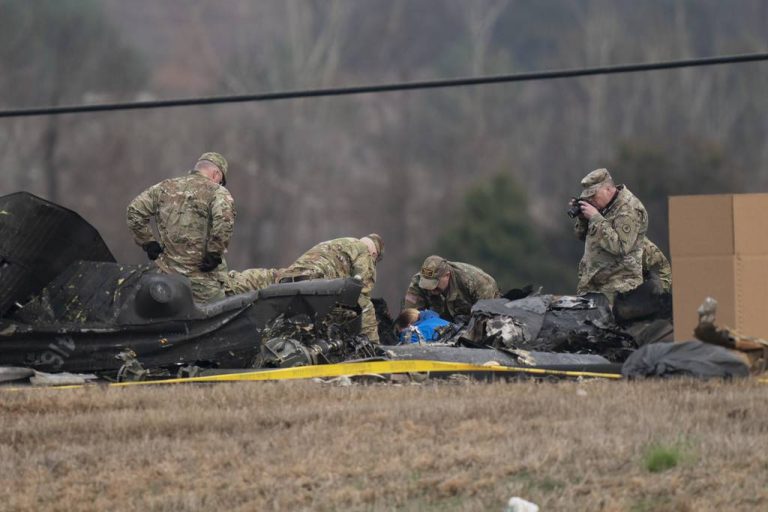
FORT NOVOSEL, Ala. — In the first half of fiscal 2023, more than a dozen U.S. Army aviators died in helicopter crashes, a startling number that prompted an aviation-wide standdown in April 2023.

The Army, after a thorough review, eventually lifted the standdown. But five months later, an MH-60 Black Hawk stealth helicopter belonging to the 160th Special Operations Aviation Regiment crashed into the Mediterranean Sea during a training mission, killing five on board.

The accidents kept coming. Another two AH-64E Apache crew died during a training flight in Mississippi, while three crew members died in an LUH-72A Lakota helicopter crash during operations along the U.S.-Mexico border in Texas last month.

Fiscal 2023 marked the highest death rate for Army soldiers since the U.S. withdrew from Iraq in 2011, with a total of 14 dead across 10 accidents, formally known as Class A mishaps, meaning accidents that result in the loss of life or the loss of equipment totaling more than $2.5 million.

In an average year, Army aviation mishaps typically kill six crew members, with the average Class A mishap accident rate hovering just under one accident per 100,000 flight hours. The current rate is 3.22, more than double the highest rate of any fiscal year in more than a decade, according to Army Combat Readiness Center data.

Army leaders say the service is actively addressing the issue, including unveiling training enhancement efforts, but experts said it could take years to correct the root issues in the service’s training amid an existing experience shortfall. As a result, the Army’s mishap rate could get worse before it gets better.

“Unfortunately, there’s still a shortage in the force right now,” Joe Roeland, a former aviation warrant officer and instructor pilot who retired from the Army two years ago, told Defense News. “We’ve downsized; we’ll never truly upsize.”

‘Out-driving their headlights’

In its examination of the force and training processes during the 2023 standdown, the Army found its pilots and aviation warrant officers are today significantly less experienced than they were during the Iraq and Afghanistan wars.

Eric Schwegler, G3 director at the Army Combat Readiness Center, told Defense News that mishaps are far more common at “the lowest level, when you’ve got maybe an E-5 [the lowest rank as a noncommissioned officer] in charge.”

“[What] we see time and time again is they underestimate the risk or the risk changes,” he added.

As a result, inexperienced crews were “out-driving their headlights, out-training the experience that was in their force at whatever level,” Maj. Gen. Mac McCurry, commander of the Army Aviation Center of Excellence at Fort Novosel, Alabama, told Defense News last month.

“We had this known increase in task complexity as we shifted from tasks in Iraq and Afghanistan to more complex tasks in large-scale combat, bringing aircraft down from altitude, closer to the terrain, flying in larger formations,” McCurry said, noting those are skills necessary to survive operations against advanced adversaries.

Indeed, the deadliest helicopter crash in 2023 happened when two Black Hawks collided in a nighttime, multi-ship training exercise in Kentucky, killing nine. In that case, pilots were using night vision goggles. The following month, three crew members were killed in another multi-ship training exercise in Alaska, when two Apache helicopters collided.

While investigations are still ongoing for the majority of Class A mishaps in 2023 and 2024, according to FlightFax, an Army online newsletter covering Army aircraft accident prevention, the service determined during the standdown that the top killer is “spatial disorientation,” which happens when a pilot wrongly perceives where the aircraft is relative to the ground or surroundings.

Last year was a “very, very bad year” for spatial disorientation, according to the Army Aeromedical Research Laboratory, which is working on solutions that could prevent the phenomenon.

The lab is working on several possible solutions to help pilots cope with disorientation in the cockpit, including a strap around a pilot’s torso that vibrates in a corresponding location on the body to indicate the pilot is drifting in a specific direction.

The accidents in 2023 and early 2024 all occurred in more challenging environments, where the chances of becoming spatially disoriented increased dramatically. These included flying at night using night vision goggles, flying in formation, and flying over snow and water.

While the service has brought in heads-up and helmet-mounted displays to help pilots stay oriented, the Army hasn’t seen a drastic improvement through various technological capabilities, according to the lab.

The Army also identified flight hours as another issue. Units are unable to use all of the flight hours budgeted each year by Congress because of limitations related to aircraft, fuel and crews.

Getting in flight hours is “so critical,” McCurry said, but it’s not always easy.

“When you talk about everything that has to come together for a flight mission, you have to have an aircraft that’s ready,” he explained. “You have to have fuel, you have to have the right trainers and then you have to have the crews.”

With the operational tempo in recent years, coupled with a personnel gap, “it’s been a challenge to pull it all together,” he added.

Experience deficit

Halfway into this fiscal year, the Army has had a dozen Class A accidents resulting in 10 deaths, putting it on pace to become the service’s deadliest year in recent history.

McCurry told Defense News the Army wants to increase training requirements to avoid fatal accidents. This month, it unveiled what it’s calling an aviation “standup” to bolster training.

“Over the first six months of this fiscal year, we’ve seen a troubling trend with our accident rates,” Maj. Gen. Walter Rugen, director of Army aviation, told reporters in April. The so-called standup is meant to “empower the force at the lowest level to solve these problems.”

The training is to focus on three areas identified as needing improvement and likely one of the root causes of crashes. Unit commanders plan to tackle risk management and mitigation for aviation and training operations. Operational-level training is to center on power management and spatial disorientation. And maintainers will review maintenance standards for aircraft repairs and safety checks, according to Rugen.

The Combat Readiness Center has focused on sending teams through its Safety Assistance Visit program to train units at the lower levels on risk management and how to adapt to changing hazards. Already in FY24, the center conducted 31 safety assistance visits. Last year, the organization trained 23,000 soldiers within the aviation branch at nearly 60 sites.

The key lessons are “how to operationalize risk management, and what are the common errors they are making — or don’t even know they’re making — so that they are in the right place at the right time to prevent the next mishap,” Schwegler said.

But McCurry acknowledged the training effort can’t address another issue: the inexperience of pilots.

“We’ve lost a lot of experience that was gained when we were doing the heel-to-toe rotations in Iraq and Afghanistan through natural retirement and attrition,” McCurry said. “There is a known reduction in aviation warrant officer experience.”

Roeland, who served as the aviation branch’s chief warrant officer prior to his retirement, said the service has seen significant departures among its aviation service members. It can take six to eight years for a warrant officer “to become proficient at what we do,” he noted.

The Army is now weighing how it can better take advantage of the experienced aviators still in the service.

Roeland said the service should focus on how it’s using experienced officers, rather than fast-track warrant officer promotions.

“When we fast-track people, they’re built on a shaky foundation,” he said. “How do you have these incidents and accidents with these mid-grade W-3s and 4s [warrant officers]? Well, their foundation was shaky to start with; nobody checked them on the way up.”

Jen Judson is an award-winning journalist covering land warfare for Defense News. She has also worked for Politico and Inside Defense. She holds a Master of Science degree in journalism from Boston University and a Bachelor of Arts degree from Kenyon College.

As the US Air Force fleet keeps shrinking, can it still win wars?

0

In February 2017, then-Air Force Chief of Staff Gen. Dave Goldfein issued a warning.

Speaking at the Center for Strategic and International Studies in Washington, Goldfein rattled off all the missions the Air Force must undertake: defending the U.S. against attack, operating two legs of the nation’s nuclear triad, projecting air power around the globe and, at the time, defeating the militant group known as the Islamic State.

“Every one of those missions is a growth area,” Goldfein said. “And while these missions have been growing, our Air Force has been getting smaller. … We’re actually the smallest Air Force we’ve ever been.”

At the time, the service had about 5,500 aircraft in its inventory. Since then, it has shrunk further and is now on track to get smaller still.

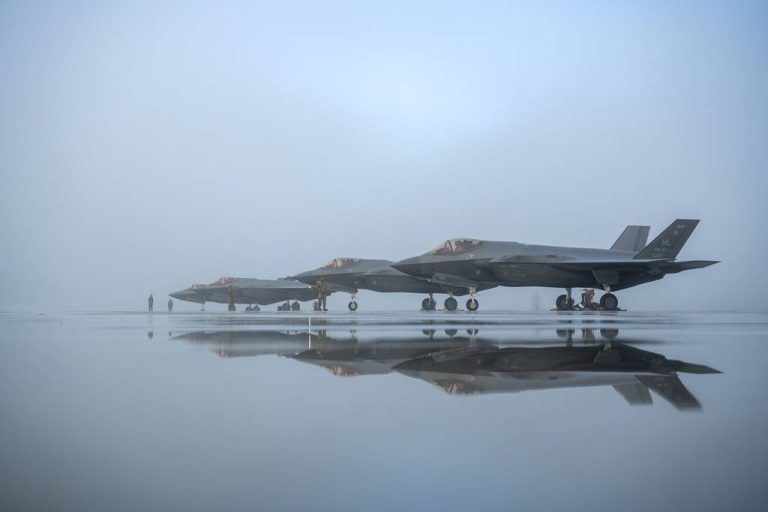
The Air Force expects its fleet of fighters, bombers, tankers, cargo planes, drones and other aircraft to dip below 5,000 in fiscal 2025, as retirements of older, worn down and outdated airframes outpace procurement of their replacements. Indeed, the fleet could drop to 4,903 total aircraft next year, but it may yet fall further.

“Right now, the Air Force is as big as it will be,” Maj. Gen. Dave Tabor, director of programs for the service’s Office of the Deputy Chief of Staff for Plans and Programs, said in a March 21 interview. “In light of the budget uncertainties, it’s really difficult to predict exactly what size [the fleet] will be, next year or five years from now.”

The fleet already totals less than one-fifth of its size during its fiscal 1956 peak, when the service had 26,104 aircraft, according to the Mitchell Institute for Aerospace Studies. During that period, the number of F-84 Thunderjet and F-86 Sabre fighters alone exceeded 6,400, far greater than the Air Force’s entire combined fleet of 5,032 airframes in fiscal 2024.

The workforce is smaller as well. The Air Force in fiscal 2025 aims to fall to 320,000 active duty jobs, dropping by about 13,000 billets over the previous five fiscal years. The roles of those airmen are shifting, too, as the service tries to bolster non-flying missions like cyber offense and defense that are key to modern warfare.

The Air Force’s fleet is now 52% bigger than the Navy and Marine Corps’ combined inventory of 3,308 aircraft.

The current Air Force chief of staff, Gen. David Allvin, and other top service officials point to exponential increases in capability among the remaining aircraft — such as striking targets with firepower and precision far beyond that of previous generations — to assuage concerns over the declining number of aircraft.

But the shrinking fleet worries some lawmakers and observers.

Todd Harrison, a defense analyst at the American Enterprise Institute think tank, said that while modern aircraft do offer more speed, range, stealth and other advantages over previous generations of technology, “the reality is that one plane can only be in one place at a time.”

“For the credibility of our deterrence and our force posture, size still matters,” Harrison told Defense News. “That’s where we’re coming up short.”

“An F-35 deployed over in the Indo-Pacific region is not doing anything to help you in [Europe],” he added.

Heather Penney, a former F-16 pilot and senior resident fellow at the Mitchell Institute for Aerospace Studies, said the Air Force’s fleet dipping below 5,000 is “absolutely a noteworthy number,” with worrying implications for national security and the service’s ability to project power. Once it drops below that mark, she said, it will be harder for the service to argue in favor of bringing it back up.

“The Air Force has reached a critical danger point in my mind regarding its capacity and ability to fulfill what the nation expects of it, and what the other services depend on,” Penney said.

The issue isn’t limited to the service’s strike assets. Lawmakers routinely raise concerns about whether commanders around the globe will lose vital refueling, reconnaissance, battlefield coordination and more capabilities as the Air Force phases out high-demand fleets. Congress has even barred the service from retiring certain airframes until the military proves it can overcome those capability gaps.

In an April 9 hearing before the Senate Appropriations Committee’s defense panel, ranking member Sen. Susan Collins, R-Maine, expressed her own concerns given the geopolitical environment. She pointed to Ukraine’s experience over the last two years — fighting off Russia’s invasion with a paltry fleet of a few dozen fighters — and questioned whether the U.S. Air Force will have enough aircraft to counter and deter threats across the globe.

“It seems clear to me that not only is quality obviously extremely important, and capability, but quantity matters also, particularly when we’re facing as many threats in such diverse places as we are,” she said.

The trade-offs

Today’s Air Force fleet, while smaller, can carry out missions like precision-guided airstrikes and electronic warfare operations that generals during World War II and the Korean War could only dream of. Tabor said that ability allows the service to “hedge a little bit” on its capacity.

What’s more, other branches of the U.S. military and America’s allied and partner nations in some cases have capabilities similar to the Air Force, Tabor added, potentially making it easier to cover more regions.

Advancements in precision targeting have rendered obsolete the mid-20th century tactics of sending wave after wave of first- and second-generation bombers against a target, raining down scores of munitions with the hope that one will hit the mark. Instead, a single B-2 Spirit — or even in years to come, an in-the-works B-21 Raider, touted by manufacturer Northrop Grumman as the first sixth-generation aircraft — can travel long distances and destroy a target that previously would have required multiple fighters and bombers working in concert.

Improvements in range, coupled with the stealth capabilities of the F-35 Joint Strike Fighter, F-22 Raptor, B-2 and the eventual B-21, have also revolutionized the Air Force’s ability to safely hit targets worldwide. And leaps forward in satellite technology, among other platforms that provide intelligence, surveillance and reconnaissance, have reduced the need for spy planes that once streaked across hostile airspace at Mach speed, snapping photos along the way.

The Air Force plans to retire 250 aircraft in FY25, which would exceed the number of aircraft it plans to bring on, resulting in a reduction of 129 aircraft.

Those old and outdated aircraft slated for retirement include the A-10 Thunderbolt II and older F-15 Eagle fighters, which the service believes would not be suited for a war against an advanced adversary such as China. The service is also eyeing some F-22s for retirement, among other aircraft types, given they would cost too much to prepare for combat. The service expects its downsizing measures will free up money and resources for more modern aircraft.

“They were phenomenal aircraft in their time,” Tabor said of the A-10 and F-15C. “You don’t have to go very far to find someone who will talk about the effects of A-10s on the battlefield. But the reality is, they’re simply no longer viable in today’s fight, and certainly not in tomorrow’s — particularly at the cost associated with keeping them.”

The Air Force also wants to dial back its planned purchase of F-35A and F-15EX Eagle II fighters, as it focuses its spending in FY25 on the research and development of future advanced aircraft, such as the Next Generation Air Dominance program. That effort seeks to craft an even more capable fighter, plus artificial intelligence-powered drones known as collaborative combat aircraft.

“We’re forced to make a choice between two things: We can either maintain legacy force structure, and ultimately what that means is maintaining units and maintaining basing in any location that you want to pick, or modernizing,” according to the deputy chief of staff for plans and programs, Lt. Gen. Richard Moore. “Unfortunately, what’s happening is we’re trying to do both.”

But congressional reluctance about the Air Force’s planned retirements have prevented the service from shifting to the modernization effort it wants, he said in April at an Air and Space Forces Association event.

“We’re being restricted from divesting legacy force structure,” Moore said, adding that the service is “having to slow down modernization.”

That’s one reason the Air Force struck six F-35As and six F-15EXs from its planned purchase in FY25, he noted, as well as reducing its buy of MH-139 Grey Wolf patrol helicopters.

“To maintain legacy force structure and try and modernize, we’re hollowing out the force,” Moore said.

‘Modernization death spiral’

Harrison, the analyst at AEI, said the fleet’s reduction is similar to that occurring among other armed services, even as defense budgets grow larger each year. Much of those budgetary increases go to rising costs for personnel, operations and maintenance, he added.

“When you’ve got recruiting and retention challenges, your force becomes more expensive,” Harrison said. “When you’ve got older aircraft still in the inventory — KC-135 [tankers], B-52s that are older than 90% of the people in the Air Force — those are going to cost more to operate and maintain as they age. When you replace those old systems, those advanced aircraft often cost even more to operate and maintain.”

Budgetary restrictions are also pinching the Air Force; Congress last year passed the Fiscal Responsibility Act, which capped the Defense Department’s FY25 budget and forced the Air Force “to make some hard choices,” service Secretary Frank Kendall said, such as buying fewer F-35s and F-15EXs.

In addition, a long-overdue “bow wave” of modernization is crashing down as the Air Force seeks to simultaneously upgrade its fighters, bombers, tankers and intercontinental ballistic missiles, Harrison said.

“They’re trying to continue all of these new development programs,” Harrison said. “The reality is, it’s just squeezing the budget, and there’s not at much left at the end to procure these things in quantity.”

Over the last two decades, Penney said, the Air Force’s modernization requirements took a backseat to the need to fund the wars in Iraq and Afghanistan. During this time, the service heavily flew aircraft such as the B-1B Lancer, curtailed the F-22 program earlier than expected, and delayed an effort to build a new bomber that eventually became the B-21 Raider.

“That forced the Air Force into … all these service-life extensions, and limping along [with] the fleet that it had until it got [to] today, where everything’s breaking at the same time,” Penney said.

“It is a crisis that we should have anticipated,” she added. “The Air Force needs to not only recapitalize, but it has to grow its force, and the demand signal on it is enormous.”

The result, Harrison said, is that the Air Force is in danger of falling into a “maintenance and modernization death spiral.”

In such a spiral, he explained, the fleet is aging, stretched thin and in dire need of modernization. Because the service has to keep its existing fleet flying — to avoid a capabilities gap — it must spend its limited money on maintaining and extending the life of those older aircraft. But then, he added, the Air Force has less money to buy the new replacement planes it sorely needs.

“How do you pull out of a death spiral?” Harrison said. “That’s the challenge for the Air Force over the rest of this decade.”

And as the number of planes in the Air Force decreases, Penney said, the service may struggle to retain experienced pilots. If they aren’t getting the cockpit time they need because there aren’t enough planes, she added, they might leave and take higher-paying jobs in the private aviation industry.

“It is a slippery slope that the Air Force is already in because … they just can’t retain pilots,” Penney said. “It’s the pilots, it’s the maintainers, it’s the [logistics airmen], it’s the intel ops [at risk of leaving the Air Force]. The entire ecosystem that surrounds a combat capability — you lose all of that knowledge.”

Harrison said the upcoming drop below 5,000 aircraft worries him less than the pattern it represents.

“It’s the trend line that matters, more so than the absolute number itself,” he said. “And the trend line is not sustainable.”

Stephen Losey is the air warfare reporter for Defense News. He previously covered leadership and personnel issues at Air Force Times, and the Pentagon, special operations and air warfare at Military.com. He has traveled to the Middle East to cover U.S. Air Force operations.

Now is not the time to scale back on the B-21 bomber program

0

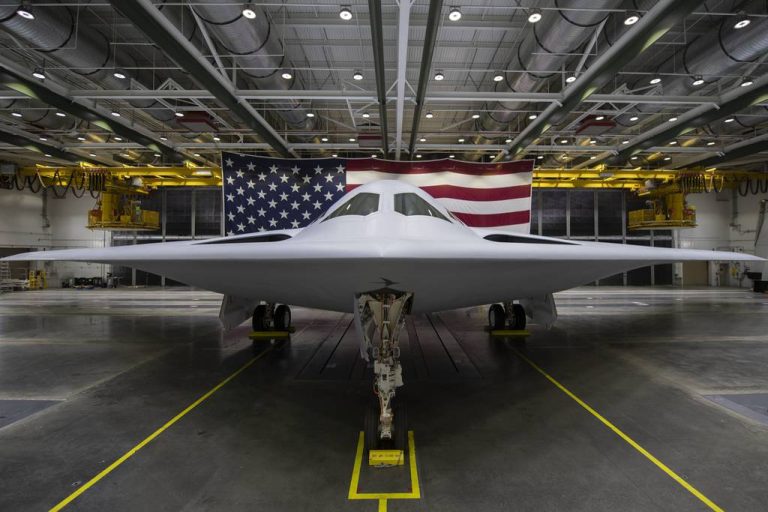
In testimony before the Senate Armed Services Committee, Air Force Chief of Staff Gen. David Allvin made headlines when he hedged about the ultimate size of the B-21 Raider buy, explaining that new technologies may supplant the aircraft by the late 2030s.

“I think there are other technological advancements that we would see to be able to augment [the B-21] and have a better mix … before we commit to [the B-21] as being the platform [that will serve as the backbone of the future bomber force] beyond that,” he explained.

That is a bet on a hypothetical and distant technological vision. Now is not the time to suggest the Air Force dial back on B-21 acquisition. Credible combat capacity in mass is required, given the scale of our threats in multiple regions, the unique role bombers play and the fragility of our reusable long-range strike enterprise.

Given their global range, ability to carry large payloads and unmatched stealth, B-21s will play a crucial role in missions that span the operational spectrum. In times of peace, they will deter adversaries, reassure allies and favorably shape regions that are critical to our national interests. In times of conflict, they will be able to strike large numbers of targets at sea and on land deep behind enemy lines, and serve as key information nodes as part of the Combined Joint All-Domain Command and Control complex. That involves gathering data with onboard sensors, processing battlespace information at the combat edge, collaborating with other mission assets, and creating decisive non-kinetic and kinetic effects. No other weapon system can do this.

The U.S. is the only free-world nation with bombers. Long-range missiles may be able to strike distant targets, but these multimillion-dollar-a-shot missiles cost too much to use in mass and are easier to shoot down, and the industrial base would struggle to replenish them. Ukraine and Israel hold exemplary lessons in this regard.

Despite the value the Air Force’s bomber force provides, it was singled out for cuts in recent decades. The United States ended the Cold War with about 400 bombers. Today, it has an estimated 141, and only about 59 are available for combat at any given time. The average age of that force is nearly half a century old. In fact, the U.S. presently only possesses 20 stealthy bombers — B-2s — with the survivability necessary to penetrate enemy defenses.

Nor are things set to improve soon. Re-engining B-52s, while important, will take a significant portion of this inventory offline for a multiyear period starting this decade. For context, the B-52 just celebrated the 72nd birthday of its inaugural flight; many new technologies have come on the scene since 1952, but the B-52 remains the backbone of the free world’s bomber force.

The B-21 now represents the only pathway for the U.S. military to regain its long-range strike capability and capacity. Increasing the B-21′s planned production rate now would be a prudent move given all the threats facing the U.S. And it should be a priority, as it promises to be the most cost-effective weapon system in the U.S. inventory.

While new technology may eventually supplant the B-21, that level of innovation will not be developed, matured and proliferated in operationally relevant levels for decades. The Defense Department’s acquisition track record is filled with stories of capabilities that were just around the corner, but took far longer and cost far more to field than originally anticipated. Even then, it takes almost a decade to program money for a major new weapon system, have it work through Congress and then deliver capabilities on a flight line.

Given that the B-21 already represents unmatched, state-of-the-art technologies, hoping whatever is next will be mature and ready to acquire at scale by the middle of the 2030s is beyond high risk.

The irony of Gen. Allvin’s remarks is that the B-21 program is executing exceedingly well. As Secretary of the Air Force Frank Kendall remarked at the same hearing, the “B-21 has been performing close to the original schedule and costs and delivering capability.”

Few programs can make that claim — especially for an advanced weapon system as capable as the B-21. In fact, the program is executing so well that the Air Force was able to harvest over $1 billion in cost savings from it across the Future Years Defense Program versus what was anticipated.

Why would the Air Force contemplate truncating a program that is performing this well before it even takes delivery of the first operational B-21? The answer is likely found in the Department of the Air Force’s official testimony, which explained its budget request “takes risk in the medium term to balance immediate operational readiness needs at the level of maximum tolerable risk.” In other words, defense budget caps drove hard choices in this year’s request, and hedging on the B-21 is likely evidence of the pressures the Air Force is facing.

History has shown that budget-driven choices of this nature are penny-wise and pound-foolish.

“We are out of time,” Secretary Kendall warned attendees earlier this year at the Air and Space Force Association’s Warfare Symposium. “It’s because, for at least two decades, China has been building a military that is designed — purpose-built — to deter and defeat the United States if we intervene in the Western Pacific.”

He is exactly right. That is why B-21s must be procured at a rate and scale beginning this decade that aligns with pragmatic demand and the need to deter conflict in the Pacific, Europe and the Middle East. Now is not the time to punt to a future theoretical solution. As a defense leader once remarked: “If it’s always about ‘program next,’ you’ll never have a program at all.”

Retired U.S. Air Force Col. Mark Gunzinger is the director of future concepts and capability assessments at the Mitchell Institute for Aerospace Studies think tank.

Entry level AR | Survival Monkey Forums

0

  1. Here is my review of the Anderson Manufacturing A4 14.5 upper. I know not everyone here is a gun nut like myself so I wanted to share my review and opinion on this budget friendly rifle.


  1. AgentPickle
  2. AgentPickle
  3. AgentPickle
  4. AgentPickle
  5. AgentPickle
  6. AgentPickle
  7. Dunerunner
  8. Dunerunner
  9. Dunerunner
  10. Dunerunner
  11. Thunder5Ranch
  12. Coyote Ridge
  13. HK_User
  14. hitchcock4
  15. 3M-TA3
  16. john316
  17. Dunerunner
  18. BenP
  19. oil pan 4
  20. Oddcaliber


survivalmonkey SSL seal


survivalmonkey.com warrant canary

How Long Will Your Canned Food Last?

0

Canned food often takes the spotlight in stories about the world after a major disaster, and there’s a good reason why. It stays fresh for a long time, holds up well even if it gets banged around a bit, and is kept safe from harmful bacteria.

But here’s the real question: how long can you really rely on your canned goods?

It’s not just a matter of picking up some cans from the store or even canning your own without knowing exactly how long they’ll stay good. Knowing this could be critical, potentially a matter of life and death. When facing the worst-case scenario, the last thing you need is to worry about whether your food will sustain you. Canned food serves as an excellent addition to your other long-lasting food supplies.

Canned food tips and recommendations

Rotating your food supply is key to ensuring you use up the oldest items first. This practice, known as FIFO (first in, first out), means putting the oldest products at the front of your storage shelves and the newest ones at the back. It’s like why the milk with the furthest expiry date is always tucked away at the rear of the fridge.

When you’re stocking your own pantry, keep an eye on expiry dates and make sure those nearing expiration are front and center so they get used first. This tip isn’t just for preppers or those planning for doomsday scenarios; it’s handy for anyone wanting to minimize food waste.

Consider investing in a labeling machine for better organization. It’s not only helpful for various projects but can also be a lifesaver for labeling canned goods with their expiry dates. With many expiry dates hidden on the bottom of cans, it’s easy to lose track, especially when you have a lot of canned items.

Since most labels aren’t white, they’ll stand out nicely against the cans, ensuring the dates are easy to read. And keeping track of expiration dates will help you stay on top of your food storage game.

Group similar items together in your pantry or storage area. This simple step makes it easier to see what you have and avoid buying duplicates.

Efficient meal planning

Sometimes, it’s tough to take a good, impartial look at our preps and figure out what we did wrong, but it’s important to make sure we’re making the most of our food and finances.

Nothing’s worse than tossing out food because it went bad. It could happen because our tastes changed, the kids got pickier, we got tempted by sales, or simply because we forgot about it.

Facing reality and crafting a meal plan is a solid way to avoid wasting food and money in the future. Figure out what you and your family actually enjoy eating, keeping in mind that tastes can evolve over time.

Also, be cautious about sales. While saving money is great, it’s crucial to stay practical and realistic. If you only resort to eating carrots when there’s nothing else left, buying a huge stash just because they’re on sale might not be wise. Even though they’re a bargain, they’ll likely end up sitting in the pantry untouched, which means you’re throwing away both money and food.

How about canning your own food?

You have the option to preserve your own food through canning. While this might sound appealing, especially for those who prefer a hands-on approach, it’s important to note that the USDA, the government agency responsible for food safety, suggests a maximum shelf life of one year for all homemade canned goods.

Although there are anecdotes of people consuming decade-old peaches and sharing their experiences on survivalist forums, is it wise to rely on such stories in a worst-case scenario? Safety should always come first. It’s crucial to heed the USDA’s recommendations because they’re not making them arbitrarily; they’re doing it to protect your well-being.

Does this mean you shouldn’t consider canning your own food?

Certainly not. However, it’s vital to prioritize safety by employing FIFO (first in, first out) and labeling methods. These practices help safeguard your life and the lives of your loved ones from risks like botulism, salmonella, or E. coli contamination.

Store-bought canned food

Because the USDA lacks authority over home food preservation practices, they offer a general recommendation for the shelf life of home-canned goods, whether it’s for better or worse. However, this differs for commercial facilities, where specific recommendations are provided for store-bought canned goods.

The USDA classifies foods into two categories when determining shelf life: high-acidic and low-acidic. High-acidic foods contain ingredients like citric acid, vinegar, or are tomato-based, and typically have a shelf life of 12-18 months due to the acid content, which accelerates the breakdown of food even in sealed packaging.

Conversely, low-acidic foods, such as poultry, soups, meats, and various vegetables like squash, corn, green beans, peas, and okra, have an extended shelf life of up to five years. This makes them ideal for long-term storage, especially when combined with a food planning and rotation system, along with a method for tracking expiration dates. It’s essential to note that these foods are commercially canned, not home-canned.

For home canning, opting for commercially canned high-acidic foods is a practical choice, as they offer similar shelf lives. This approach can simplify managing expiration dates and implementing a rotation system.

FLOY1 banner

How to properly store canned foods

Simply rotating and labeling your canned goods won’t suffice. No matter how meticulously you prepare, it’s all for naught if you neglect proper storage practices.

Storage often falls by the wayside when people stock up on provisions, but overlooking it can have dire consequences in emergencies.

The golden rule of food storage can be summed up in a few words: heat reduces shelf life. Optimal storage for canned food entails selecting a cool, dry location with relatively consistent temperatures and minimal exposure to sunlight.

This is one of the key reasons why shelters are often built underground. Aside from shielding against radiation, severe weather, and fictional undead, they provide an ideal environment for preserving canned goods.

In tropical or consistently hot regions, canned goods must be specially engineered to withstand high temperatures without compromising their shelf life.

Temperature isn’t the sole concern for food storage. Unless you rely solely on home-canned goods (which, as discussed, isn’t advisable), the majority of your canned items will come in metal cans. However, metal rusts.

Ensure your storage area is devoid of moisture to prevent rust formation. Oxidation caused by rust weakens the metal at a molecular level, compromising the can’s integrity.

While discounted dented cans might seem like a steal, exercise caution. Minor dents are generally harmless, but deep dents, especially those touching the can’s seam, should be avoided. They can compromise the seal, allowing bacteria to infiltrate and potentially cause illness or worse.

It should be obvious, but refrain from freezing your canned goods. Freezing can expand the contents inside, potentially breaking the seal and rendering the food unsafe. Keep your frozen goods separate from properly stored canned items.

Botulism concerns

botulism concerns

One of the gravest dangers associated with canned goods is botulism. Though rare, botulism is a highly lethal form of food poisoning that can arise in improperly canned foods, particularly low-acidic varieties like vegetables, which may harbor the bacteria responsible for botulism from soil contamination.

Symptoms of botulism include double vision, difficulty swallowing, respiratory issues, and drooping eyelids, as the toxin targets the nervous system. These symptoms typically manifest within 12-48 hours of ingestion. Death occurs due to respiratory failure, as the nerves fail to stimulate breathing.

Although an antitoxin exists, it doesn’t guarantee full recovery. Permanent neurological damage is possible, and recovery is often slow and arduous.

Thanks to the USDA, FDA, and other organizations dedicated to education and food safety, the cases of botulism poisoning have drastically decreased, but illness and death still occur.

It’s scary to think a can of beans can kill you, but it’s true. Take precautions and act wisely when it comes to food safety, and you’ll reduce your chances of getting poisoned.

Avoid cans that are leaking, bulging, or badly dented – these could all be signs of botulism contamination. Don’t consume food that smells off if the liquid looks milky when it should look clear or if the container spurts liquid when you open it.

Make sure that suspect containers are disposed of properly so that other people or animals aren’t inadvertently exposed to the toxin. Double-bag the container, making sure they are tightly closed.

Do canned foods expire easily?

The expiration date is a bit of a misnomer. The dates printed on food are concerned with quality and safety and are not legally required.

Food can be safely consumed past the date printed on the package, but the quality might not be acceptable to most people. While there is no federal law concerning the dating of commercially available food, some states do require dating.

Most people use these dates as “expiration” dates because they don’t store food in preparation for an emergency event.

The shelf lives described earlier in this article are the ones recommended by the USDA for safety and should be used for foods falling within the categories given.

Buy the right canned food

survivalstockpilePreppers should consider stocking up on canned foods that have the longest shelf life and provide essential nutrients. Some of the most long-lasting canned foods include:

Low-acidic canned foods: These typically have a longer shelf life compared to high-acidic foods. Examples include canned meats (like chicken, beef, and tuna), soups, stews, and chili.

Vegetables: Certain vegetables have a longer shelf life when canned. These include carrots, potatoes, peas, green beans, corn, and squash. Opt for canned vegetables with minimal additives or preservatives.

Beans and legumes: Canned beans such as black beans, kidney beans, chickpeas, and lentils are excellent sources of protein and fiber. They have a long shelf life and can be used in various dishes.

Canned fruits: While high-acidic, some canned fruits like peaches, pears, and pineapple can still have a relatively long shelf life. Look for fruits canned in water or juice rather than syrup for healthier options.

Tomato products: Canned tomatoes, tomato paste, and tomato sauce are versatile ingredients with a decent shelf life. They can be used in a wide range of recipes, including soups, stews, sauces, and casseroles.

Concluding

Effective food storage and preparation are vital aspects of emergency preparedness. Whether you’re considering canning your own foods or stocking up on canned goods, understanding proper storage techniques and heeding safety guidelines is essential.

From rotating your food supply to selecting the most long-lasting canned items, every step plays a crucial role in ensuring you’re well-prepared for unforeseen circumstances. Always prioritize safety, nutrition, and variety in your food storage plan so you can better safeguard yourself and your loved ones in times of need. Remember, preparation today can make all the difference tomorrow.

Suggested resources for preppers:

How to find Food in any Environment

The #1 food of Americans during the Great Depression

Survival Foods of the Native Americans

If you see this plant when foraging, don’t touch it!