Biden says US won’t supply weapons for Israel to attack Rafah

0

(AP) — President Joe Biden said Wednesday that he would not supply offensive weapons that Israel could use to launch an all-out assault on Rafah — the last major Hamas stronghold in Gaza — over concern for the well-being of the more than 1 million civilians sheltering there.

Biden, in an interview with CNN, said the U.S. was still committed to Israel’s defense and would supply Iron Dome rocket interceptors and other defensive arms, but that if Israel goes into Rafah, “we’re not going to supply the weapons and artillery shells used.”

The U.S. has historically provided enormous amounts of military aid to Israel. That has only accelerated in the aftermath of Hamas’ Oct. 7 attack that killed some 1,200 in Israel and led to about 250 being taken captive by militants. Biden’s comments and his decision last week to pause a shipment of heavy bombs to Israel are the most striking manifestations of the growing daylight between his administration and Israel Prime Minister Benjamin Netanyahu’s government. Biden said Wednesday that Israel’s actions around Rafah had “not yet” crossed his red lines, but has repeated that Israel needs to do far more to protect the lives of civilians in Gaza.

The shipment was supposed to consist of 1,800 2,000-pound (900-kilogram) bombs and 1,700 500-pound (225-kilogram) bombs, according to a senior U.S. administration official who spoke on the condition of anonymity to discuss the sensitive matter. The focus of U.S. concern was the larger explosives and how they could be used in a dense urban area.

“Civilians have been killed in Gaza as a consequence of those bombs and other ways in which they go after population centers,” Biden told CNN. “I made it clear that if they go into Rafah — they haven’t gone in Rafah yet — if they go into Rafah, I’m not supplying the weapons that have been used historically to deal with Rafah, to deal with the cities, that deal with that problem.”

“We’re not walking away from Israel’s security,” Biden continued. “We’re walking away from Israel’s ability to wage war in those areas.”

Defense Secretary Lloyd Austin earlier Wednesday confirmed the weapons delay, telling the Senate Appropriations Subcommittee on Defense that the U.S. paused “one shipment of high payload munitions.”

“We’re going to continue to do what’s necessary to ensure that Israel has the means to defend itself,” Austin said. “But that said, we are currently reviewing some near-term security assistance shipments in the context of unfolding events in Rafah.”

It also comes as the Biden administration is due to deliver a first-of-its-kind formal verdict this week on whether the airstrikes on Gaza and restrictions on delivery of aid have violated international and U.S. laws designed to spare civilians from the worst horrors of war. A decision against Israel would further add to pressure on Biden to curb the flow of weapons and money to Israel’s military.

Biden signed off on the pause in an order conveyed last week to the Pentagon, according to U.S. officials who were not authorized to comment on the matter. The White House National Security Council sought to keep the decision out of the public eye for several days until it had a better understanding of the scope of Israel’s intensified military operations in Rafah and until Biden could deliver a long-planned speech on Tuesday to mark Holocaust Remembrance Day.

Biden’s administration in April began reviewing future transfers of military assistance as Netanyahu’s government appeared to move closer toward an invasion of Rafah, despite months of opposition from the White House. The official said the decision to pause the shipment was made last week and no final decision had been made yet on whether to proceed with the shipment at a later date.

U.S. officials had declined for days to comment on the halted transfer, word of which came as Biden on Tuesday described U.S. support for Israel as “ironclad, even when we disagree.”

Israel’s ambassador to the United Nations, Gilad Erdan, in an interview with Israeli Channel 12 TV news, said the decision to pause the shipment was “a very disappointing decision, even frustrating.” He suggested the move stemmed from political pressure on Biden from Congress, the U.S. campus protests and the upcoming election.

The decision also drew a sharp rebuke from House Speaker Mike Johnson and Senate Republican Leader Mitch McConnell, who said they only learned about the military aid holdup from press reports, despite assurances from the Biden administration that no such pauses were in the works. The Republicans called on Biden in a letter to swiftly end the blockage, saying it “risks emboldening Israel’s enemies,” and to brief lawmakers on the nature of the policy reviews.

Biden has faced pressure from some on the left — and condemnation from the critics on the right who say Biden has moderated his support for an essential Mideast ally.

“If we stop weapons necessary to destroy the enemies of the state of Israel at a time of great peril, we will pay a price,” said Sen. Lindsey Graham, R-S.C., his voice rising in anger during an exchange with Austin. “This is obscene. It is absurd. Give Israel what they need to fight the war they can’t afford to lose.”

Independent Sen. Bernie Sanders of Vermont, a Biden ally, said in a statement the pause on big bombs must be a “first step.”

“Our leverage is clear,” Sanders said. “Over the years, the United States has provided tens of billions of dollars in military aid to Israel. We can no longer be complicit in Netanyahu’s horrific war against the Palestinian people.”

Austin, meanwhile, told lawmakers that “it’s about having the right kinds of weapons for the task at hand.”

“A small diameter bomb, which is a precision weapon, that’s very useful in a dense, built-up environment,” he said, “but maybe not so much a 2,000-pound bomb that could create a lot of collateral damage.” He said the U.S. wants to see Israel do “more precise” operations.

Israeli troops on Tuesday seized control of Gaza’s vital Rafah border crossing in what the White House described as a limited operation that stopped short of the full-on Israeli invasion of the city that Biden has repeatedly warned against, most recently in a Monday call with Netanyahu.

Israel has ordered the evacuation of 100,000 Palestinians from the city. Israeli forces have also carried out what it describes as “targeted strikes” on the eastern part of Rafah and captured the Rafah crossing, a critical conduit for the flow of humanitarian aid along the Gaza-Egypt border.

Privately, concern has mounted inside the White House about what’s unfolding in Rafah, but publicly administration officials have stressed that they did not think the operations had defied Biden’s warnings against a widescale operation in the city.

The State Department is separately considering whether to approve the continued transfer of Joint Direct Attack Munition kits, which place precision guidance systems onto bombs, to Israel, but the review didn’t pertain to imminent shipments.

Itamar Yaar, former deputy head of Israel’s National Security Council said the U.S. move is largely symbolic, but a sign of trouble and could become more of a problem if it is sustained.

“It’s not some kind of American embargo on American munitions support, but I think its some kind of diplomatic message to Mr. Netanyahu that he needs to take into consideration American interests more than he has over the last few months,” he said. “At least for now it will not impact Israeli capability but it’s some kind of a signal, a ‘be careful.’”

The U.S. dropped the 2,000-pound bomb sparingly in its long war against the Islamic State militant group. Israel, by contrast, has used the bomb frequently in the seven-month Gaza war. Experts say the use of the weapon, in part, has helped drive the enormous Palestinian casualty count that the Hamas-run health ministry puts at more than 34,000 dead, though it doesn’t distinguish between militants and civilians.

The U.S.-Israel relationship has been close through both Democratic and Republican administrations. But there have been other moments of deep tension since Israel’s founding in which U.S. leaders have threatened to hold up aid in an attempt to sway Israeli leadership.

President Dwight Eisenhower pressured Israel with the threat of sanctions into withdrawing from the Sinai in 1957 amid the Suez Crisis. Ronald Reagan delayed the delivery of F16 fighter jets to Israel at a time of escalating violence in the Middle East. President George H.W. Bush held up $10 billion in loan guarantees to force the cessation of Israeli settlement activity in the occupied territories.

Springfield Armory Saint.

0

Been wringing the Saint out pretty heavy the last couple of weeks.

I have been shooting this as you see above. A2 Iron sights, with a free floated hand guard. The only ammo used is the PMC X-Tac 62 gr. green tipped steel core ammo.

Rounds fired so far are 200 with no issues of any kind. Mags used are the 30 rd Cproduct SS mags and 3rd Gen Pmags.
The range is 100 yds. shooting at a…

Springfield Armory Saint.

Budget strain pauses MC-130J amphibious project for special forces

0

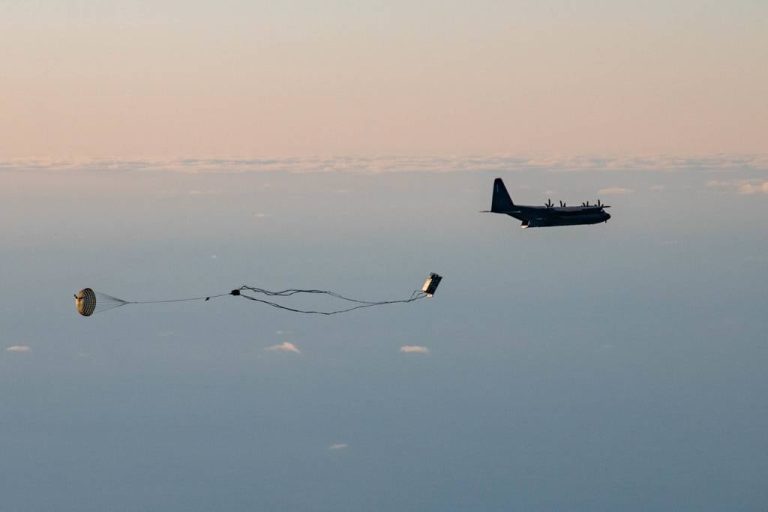
TAMPA, Fla. — U.S. Special Operations Command has paused an ambitious program to make its MC-130J transport plane capable of water landings and takeoff.

Air Force Special Operations Command first announced the project in 2021, with plans to demonstrate the capability the following year, Military Times previously reported.

But on Tuesday at the Special Operations Forces Week conference here, Air Force Col. Justin Bronder, the program executive officer for fixed wing programs at USSOCOM, said the MC-130J Amphibious Capability project had been paused due to budget constraints. In the Pentagon’s budget request, unveiled in March, the military asked for $11.5 million for the project.

Bronder said that work on the project, including a “very successful, technical deep dive” with industry had allowed the military to “come up with a real rich, data-driven model” on how to make an amphibious version of the large tanker/transport plane operational. He added it is a capability the force could field if needed.

Officials previously stated the aim of the program was to give the aircraft options to take off and land on bodies of water and runway-independent locations. That capability would broaden and deepen the range of options in various regions, but specifically in the Pacific.

“That’s going to give us the ability to turn any large body of water into a landing zone where we can insert [or] extract special operations forces and the equipment and other things that might cause dilemmas for our adversaries,” then-Lt. Gen. Jim Slife, at the time serving as AFSOC commander, told reporters in 2022.

Designers started with digital designs, Slife said. They worked through testing to decide what kind of configuration would work including a catamaran, pontoon and entire applique attached to the bottom of the aircraft, Slife added.

The design they settled on was a kit that could be added to the aircraft in the field when needed, rather than a complete redesign or permanent feature of the plane.

The aircraft, first built in the 1950s, has served generations of troops in combat across the globe. But it’s now facing threats in a more contested airspace.

In 2022 officials announced a series of experiments with the aircraft — both the MC-130J special operations version and the KC-130J Super Hercules version used by the Air Force. Those involved high-energy lasers, amphibious landing and takeoff capabilities, crewless operations, and fully automated cockpits, Military Times previously reported.

Todd South has written about crime, courts, government and the military for multiple publications since 2004 and was named a 2014 Pulitzer finalist for a co-written project on witness intimidation. Todd is a Marine veteran of the Iraq War.

Little Bird helicopter replacement in question after Army cancels FARA

0

TAMPA, Fla. — One of the signature helicopters of special operations forces won’t get the expected relief from a major replacement program now that it was canceled earlier this year.

U.S. Special Operations Command has relied on versions of the A/MH-6 Little Bird helicopter for decades. But while the commercial-turned-military aircraft has received a series of upgrades to keep flying, it will struggle to keep up with the formation in the coming years.

The Army’s Future Attack Reconnaissance Aircraft program, or FARA, was seen as the solution. Planners expected that aircraft to begin replacing the Little Bird by the mid-2030s.

But the service canceled FARA in February.

“That changed our equation because that was going to become the armed platform that was going to take the role of the [Little Bird],” said Steven Smith, USSOCOM’s program executive officer for rotary wing programs.

Speaking here Tuesday during the Special Operations Forces Week conference, Smith said the move would also push the use of the MH-60M Black Hawk helicopter into the 2050s or longer.

“So now we don’t have that solution available. We are going to be sustaining those aircraft for a long time,” Smith said.

The Little Bird is built by personnel at the 160th Special Operations Aviation Regiment (Airborne) at Fort Campbell, Kentucky.

Defense News reported as early as 2016 that USSOCOM was examining the strain and capability gaps of the aircraft. Only that command uses the aircraft, so it must pay the bill for any work on the platform. For other military aircraft, such as the Black Hawk or the Chinook, the command can benefit from regular Army upgrades.

In 2022, officials at this conference noted the Little Bird’s speed was slowing existing formations and could not keep up with future aircraft. To fill the gap, the rotary wing program director at the time, Geoff Downer, said the military would pursue hybrid power, or electrification, which would push speeds beyond the current maximum speed of 80 knots.

But that’s no longer a near-term option. “I just don’t think the funding’s there to support that electrification work,” Smith said Tuesday.

Smith added that he’s looking to industry for improvements to the drivetrain and rotor blades that could help with speed.

The aircraft is in the midst of receiving a next-generation tactical radio system, improved sensor systems and a new fuselage. The Boeing-built fuselage raises the gross weight limit to 5,000 pounds, up from the previous 4,700 pounds, which required multiple integrated kits, Smith said.

Those previously planned upgrades will keep the Little Bird flying until 2034, according to timelines shared during Smith’s presentation.

Beyond that date, USSOCOM is looking for new solutions, he added.

Todd South has written about crime, courts, government and the military for multiple publications since 2004 and was named a 2014 Pulitzer finalist for a co-written project on witness intimidation. Todd is a Marine veteran of the Iraq War.

NATO drone surveillance hours surge amid growing appetite for intel

0

ORLANDO — Demand for insights derived from NATO’s intelligence, surveillance and reconnaissance outfit is swelling.

The NATO ISR Force, comprising more than 400 people working from Europe, logged 30% more flight hours in 2023 than the year prior, according to Scott Bray, the assistant secretary general for intelligence and security.

The force’s flights covered the alliance’s eastern flank, notable for its proximity to the Russia-Ukraine war; the Baltic and Black seas; and the High North following Finland’s membership, he told GEOINT conference attendees in Florida on May 7.

“The North Atlantic security environment is under threat,” said Bray, who visited Kyiv two weeks ago. “Russia’s illegal war against Ukraine has created the biggest conflict on the European continent since the Second World War, and the Euro-Atlantic is not at peace.”

The ISR Force has five of its own unmanned RQ-4D Phoenixes. The remotely piloted aircraft are based on designs by Northrop Grumman, the third-largest contractor in the world when ranked by defense-related revenue. The company earned $32.5 billion in 2022, according to Defense News Top 100 analysis.

The drones are modified to meet NATO information-sharing and communication requirements and are outfitted with surveillance sensors. Together, the force can cover more than 62,000 square-miles a day.

Bray said “the appetite, the expectations and the centrality of intelligence to NATO is only growing.” Militaries around the world are increasingly turning to unmanned technologies to monitor faraway forces and augment targeting on the front lines.

The NATO ISR Force was previously known as the NATO Alliance Ground Surveillance Force. The name change was motivated by a growing set of missions.

The force recently participated in the Nordic Response exercise, concentrated on northern Norway, Sweden and Finland. It featured more than 20,000 troops from more than a dozen countries.

“In today’s complex environment, decision-ready, actionable intelligence provided at the speed of need is one of our greatest weapons,” Air Force Brig. Gen. Andrew Clark, the ISR Force commander, said in a statement at the time. “As the alliance’s premier ISR unit, NISRF provides the foundation for informed decisions, allowing NATO to anticipate threats and react quickly.”

Colin Demarest is a reporter at C4ISRNET, where he covers military networks, cyber and IT. Colin previously covered the Department of Energy and its National Nuclear Security Administration — namely Cold War cleanup and nuclear weapons development — for a daily newspaper in South Carolina. Colin is also an award-winning photographer.

Basic Items to Survive the first 72 Hours after SHTF Moments

0

Hi guys, I am trying to build a grab and go bag for emergencies and I hope you guys can help me. The following are what I have in mind. Canned goods that would maybe last for 3 days for 2 people, gps, insulation like jacket and gloves, flashlight and batteries, first aid kits, fire starters, knife, water, and something for emergency shelter.

I am aiming for something that when put together in a bag, would be light weight as possible.

Now, in cases where you deplete your water supply, I was thinking of something like LifeStraw as a backup. What do you have in your kit for this one?

Now for the emergency shelter, if you were to choose something that is quick to setup and can be used for many other purposes as well. Would you prefer a tent or a tarp? I was thinking of getting a canvas tarp as it’s durable and chances are it’s water repellant or resistant as well.

Looking forward to your ideas. Was hoping this would all fit into one 35 to 50 liters of backpack and of course will just roll the item for shelter on top of it and not in it. 65 liters might be too heavy for me.


Hello from Da Mitten! | Survival Monkey Forums

0

  1. Yeah, I’m new here. (just found the site actually)
    I’ve lived through 2 Divorces, 2 Wars, and a lot of stupidity at my own hand. I’m still on the good side of the grass. I’ve learned a bit from my mistakes, but I’m at the age now where I find it less painful to learn from others. I will throw some experience or opinions in carefully, if it proves helpful.
    Thank you all for the great resource!


  2. Sounds like you will fit right in! I assume you are from Michigan, yes? I’m North Idaho. Great to have you and welcome!


  3. Yes, Michigan. The cuff of the mitten, just north of the land of hoosiers.


  4. Welcome. About time you showed up!


  5. VisuTrac

    VisuTrac
    Ваша мать носит военные ботинки
    Site Supporter+++


survivalmonkey SSL seal


survivalmonkey.com warrant canary

A looking glass to the past : Peter Gunn

0

Peter Gunn | Season 1 | Episode 1 | The Kill | Craig Stevens | Herschel Bernardi | Lola Albright (youtube.com)

Started watching this old series – half hour episodes, so the story might seem to be rushed. I look at these as a mirror of the/to past – long gone past – the underlying society.

Peter Gunn – Wikipedia. First aired in…

A looking glass to the past : Peter Gunn

Best Vegetables For Bucket Gardening – Part II

0

Welcome to the second part of our bucket gardening adventure! In this section, we dive deeper into the world of container gardening, exploring a diverse array of vegetables that thrive in confined spaces. From fiery chilies to crunchy carrots, each chapter is a journey into the possibilities of cultivating delicious and nutritious crops right on your doorstep.

In the first part of our article, we laid the groundwork for successful bucket gardening, discussing essential tips for selecting containers, choosing the right soil, and providing proper care for your plants. Now, armed with this knowledge, we turn our attention to specific vegetables that flourish in containers, offering home gardeners the opportunity to enjoy fresh produce even in the smallest of spaces.

Our journey begins with the tantalizing flavors of chilies, where we explore the spicy world of peppers and chilies suited for container cultivation. From mild bell peppers to fiery habaneros, we’ll uncover the secrets to growing vibrant peppers that add a kick to your favorite dishes.

As we progress, we’ll discover the joys of growing other popular vegetables in buckets, including tomatoes, cucumbers, and beetroots. Whether you’re a seasoned gardener or just starting out, there’s something for everyone in this exploration of growing vegetables in containers. Get ready to roll up your sleeves, dig into the soil, and harvest a bounty of fresh, flavorful produce right from your own bucket garden.

Chilies

Chilies, with their vibrant colors, intense flavors, and fiery heat, add a zesty kick to cuisines around the world. While these spicy peppers are often associated with sunny climates and sprawling gardens, they can also thrive in containers, making them an excellent choice for bucket gardening enthusiasts.

Selecting Chili Varieties

Chilies come in a wide range of shapes, sizes, colors, and heat levels, offering endless possibilities for home gardeners. Some popular chili varieties suitable for bucket gardening include:

Jalapeños: With their medium heat level and distinctive flavor, jalapeños are a favorite among chili enthusiasts. These green or red peppers add a spicy kick to salsas, nachos, and Mexican-inspired dishes.

Thai Chilies: Also known as bird’s eye chilies, Thai chilies are small but pack a fiery punch. These tiny peppers are commonly used in Southeast Asian cuisines and can be green, red, or orange when ripe.

Habaneros: Renowned for their intense heat and fruity flavor, habanero peppers are among the hottest chili varieties available. These orange or red peppers add a fiery kick to salsas, hot sauces, and spicy dishes.

Cayenne Peppers: Long and slender, cayenne peppers are prized for their medium to high heat level and versatile culinary uses. These red peppers can be dried and ground into cayenne powder or used fresh in sauces, marinades, and stir-fries.

Planting and Care

Soil Preparation: Fill your buckets with a well-draining potting mix enriched with compost or aged manure to provide essential nutrients for healthy chili plant growth. Avoid using heavy garden soil, as it may compact and restrict root development.

Planting Seeds or Seedlings: Chili seeds can be sown directly into the prepared buckets once the soil has warmed to around 70°F (21°C) or started indoors several weeks before the last frost date in your area. Plant seeds at a depth of about 1/4 inch, or transplant seedlings carefully into the buckets, ensuring they’re positioned at the same depth as they were in their original containers.

Watering: Chilies require consistent moisture to thrive, so water your plants regularly, keeping the soil evenly moist but not waterlogged. Water at the base of the plants to avoid wetting the foliage, which can increase the risk of fungal diseases.

Sunlight and Temperature: Place your buckets in a sunny location where your chilies will receive at least 6-8 hours of direct sunlight per day. Chilies thrive in warm temperatures, with ideal daytime temperatures ranging from 70-85°F (21-29°C) and nighttime temperatures above 60°F (15°C).

Support Structures: While some chili varieties may not require support structures, taller or heavier-fruited varieties may benefit from stakes or cages to keep the plants upright and prevent them from toppling over.

Fertilizing: Apply a balanced fertilizer or compost tea every 2-4 weeks during the growing season to provide essential nutrients for healthy plant growth and abundant yields.

Harvesting

As your chili plants mature, they’ll begin to produce an abundance of colorful peppers that gradually ripen to their characteristic hues. Harvest chilies when they reach their desired color and size, typically 2-4 inches long for most varieties. Use sharp scissors or pruning shears to cut the chilies from the plant, taking care to avoid damaging the stems or foliage.

Peppers

Peppers, with their diverse shapes, vibrant colors, and delicious flavors, are a staple ingredient in cuisines around the world.

Selecting Pepper Varieties

Peppers come in a wide range of shapes, sizes, and colors, offering endless possibilities for home gardeners. Some popular pepper varieties suitable for bucket gardening include:

Bell Peppers: Sweet and mild, bell peppers come in a variety of colors, including green, red, yellow, and orange. These versatile peppers are excellent for fresh eating, stuffing, grilling, and roasting.

Banana Peppers: Also known as Hungarian wax peppers, banana peppers are mild in heat and come in shades of yellow or green. These elongated peppers add a tangy crunch to salads, sandwiches, and pickled dishes.

Anaheim Peppers: Mild in heat, Anaheim peppers are elongated with a thin skin. These versatile peppers are often used in salsas, sauces, and Mexican-inspired dishes.

Planting and Care

Soil Preparation: Fill your buckets with a well-draining potting mix enriched with compost or aged manure to provide essential nutrients for healthy pepper plant growth. Avoid using heavy garden soil, as it may compact and restrict root development.

Planting Seeds or Seedlings: Pepper seeds can be sown directly into the prepared buckets once the soil has warmed to around 70°F (21°C) or started indoors several weeks before the last frost date in your area. Plant seeds at a depth of about 1/4 inch, or transplant seedlings carefully into the buckets, ensuring they’re positioned at the same depth as they were in their original containers.

Watering: Peppers require consistent moisture to thrive, so water your plants regularly, keeping the soil evenly moist but not waterlogged. Water at the base of the plants to avoid wetting the foliage, which can increase the risk of fungal diseases.

Sunlight and Temperature: Place your buckets in a sunny location where your peppers will receive at least 6-8 hours of direct sunlight per day. Peppers thrive in warm temperatures, with ideal daytime temperatures ranging from 70-85°F (21-29°C) and nighttime temperatures above 60°F (15°C).

Support Structures: While some pepper varieties may not require support structures, taller or heavier-fruited varieties may benefit from stakes or cages to keep the plants upright and prevent them from toppling over.

Fertilizing: Apply a balanced fertilizer or compost tea every 2-4 weeks during the growing season to provide essential nutrients for healthy plant growth and abundant yields.

Harvesting

As your pepper plants mature, they’ll begin to produce an abundance of colorful peppers that gradually ripen to their characteristic hues. Harvest peppers when they reach their desired color and size, typically 2-4 inches long for most varieties. Use sharp scissors or pruning shears to cut the peppers from the plant, taking care to avoid damaging the stems or foliage.

frontbookbnr1

Potatoes

Potatoes, with their hearty flavor and culinary versatility, are a staple crop in gardens around the world. While traditionally grown in garden beds, potatoes can also thrive in containers.

Selecting Potato Varieties

Potatoes come in a variety of colors, textures, and flavors, each with its own unique culinary characteristics. Some popular potato varieties suitable for container gardening include:

Russet Potatoes: Known for their dry texture and earthy flavor, russet potatoes are a versatile choice for baking, mashing, and frying.

Red Potatoes: With their waxy texture and thin skins, red potatoes are well-suited to salads, roasting, and boiling. These vibrant potatoes retain their shape well when cooked, making them ideal for dishes where texture is important.

Yukon Gold Potatoes: prized for their buttery flavor and creamy texture, Yukon Gold potatoes are a favorite among chefs and home cooks alike. These versatile potatoes are excellent for boiling, mashing, and frying.

Fingerling Potatoes: Fingerling potatoes come in a variety of colors and shapes, ranging from yellow to purple and featuring a unique nutty flavor and firm texture. These gourmet potatoes are well-suited to roasting, grilling, and sautéing.

Planting and Care

Preparing Seed Potatoes: Before planting, prepare seed potatoes by cutting them into chunks, ensuring each piece has at least one eye or sprout. Allow the cut pieces to dry for a day or two to prevent rotting.

Filling the Container: Fill your bucket with a few inches of well-draining potting mix or garden soil at the bottom. Place the seed potatoes evenly spaced on top of the soil, then cover them with another few inches of soil.

Watering: Keep the soil consistently moist but not waterlogged throughout the growing season. Water the potatoes deeply whenever the top inch of soil feels dry to the touch, ensuring that the water reaches the roots.

Sunlight: Place your buckets in a sunny location where your potatoes will receive at least 6-8 hours of sunlight per day. Potatoes thrive in full sun and require ample light for optimal growth and development.

Hilling: As the potato plants grow, gradually add more soil to the bucket to cover the stems, leaving only the top few inches exposed. This process, known as hilling, encourages the development of additional tubers and prevents them from turning green.

Fertilizing: While potatoes are not heavy feeders, you can apply a balanced fertilizer or compost tea once or twice during the growing season to provide essential nutrients for healthy growth and abundant yields.

Harvesting

Potatoes are typically ready for harvest 70-90 days after planting, depending on the variety and growing conditions. You can start harvesting new potatoes when the plants begin to flower by gently digging around the base of the plant and removing small potatoes. For mature potatoes, wait until the tops of the plants turn yellow and die back before harvesting the entire crop. Carefully dig up the potatoes from the soil, taking care not to damage them, and allow them to dry in a cool, dark place for a few days before storing.

Okra

growing okra in buckets

Okra, with its distinctive flavor and slimy texture, is a beloved ingredient in cuisines around the world.

Selecting Okra Varieties

Okra comes in a variety of shapes, sizes, and colors, each with its own unique culinary characteristics. Some popular okra varieties suitable for container gardening include:

Clemson Spineless: Known for its tender pods and prolific production, Clemson Spineless is a classic okra variety that thrives in containers and garden beds alike.

Burgundy: With its striking burgundy-colored pods and ornamental foliage, Burgundy okra adds a pop of color to both the garden and the dinner table.

Emerald: Emerald okra produces tender, spineless pods that are prized for their excellent flavor and texture. This variety is well-suited to container gardening and performs well in hot, humid climates.

Planting and Care

Soil Preparation: Fill your buckets with a well-draining potting mix enriched with compost or aged manure to provide essential nutrients for healthy okra plant growth. Okra prefers slightly acidic soil with a pH level between 6.0 and 6.8.

Planting Seeds or Seedlings: Okra seeds can be sown directly into the prepared buckets once the soil has warmed to around 70°F (21°C) or started indoors several weeks before the last frost date in your area. Plant seeds at a depth of about 1 inch, or transplant seedlings carefully into the buckets, ensuring they’re positioned at the same depth as they were in their original containers.

Watering: Okra plants require consistent moisture to thrive, so water your plants regularly, keeping the soil evenly moist but not waterlogged. Water at the base of the plants to avoid wetting the foliage, which can increase the risk of fungal diseases.

Sunlight and Temperature: Place your buckets in a sunny location where your okra will receive at least 6-8 hours of direct sunlight per day. Okra thrives in warm temperatures, with ideal daytime temperatures ranging from 70-90°F (21-32°C).

Support Structures: While okra plants typically don’t require support structures, taller varieties may benefit from stakes or cages to keep the plants upright and prevent them from toppling over.

Fertilizing: Apply a balanced fertilizer or compost tea once a month during the growing season to provide essential nutrients for healthy plant growth and abundant yields.

Harvesting

Okra pods are typically ready for harvest 50-60 days after planting, depending on the variety and growing conditions. Harvest okra pods when they are 2-4 inches long and still tender, using sharp scissors or pruning shears to cut them from the plant. Check the plants regularly and harvest pods every 2-3 days to encourage continued production.

Beetroots

pocketfarm1

Beetroots, with their earthy flavor and vibrant hues, are a versatile vegetable that adds depth and color to a variety of dishes. While traditionally grown in garden beds, beetroots can also thrive in containers.

Selecting Beetroot Varieties

Beetroots come in a variety of shapes, sizes, and colors, offering a range of culinary possibilities. Some popular beetroot varieties suitable for container gardening include:

Detroit Dark Red: This classic beetroot variety features deep red roots with a sweet, earthy flavor. Detroit Dark Red is well-suited to container gardening and is prized for its uniform shape and excellent storage qualities.

Chioggia: Also known as Candy Cane or Bull’s Eye beets, Chioggia beetroots have striking pink and white rings when sliced, adding visual interest to salads and culinary creations. This heirloom variety performs well in containers and has a mild, sweet flavor.

Golden: Golden beetroots feature vibrant yellow-orange flesh and a milder, sweeter flavor compared to their red counterparts. These cheerful roots are well-suited to container gardening and add a pop of color to salads and roasted vegetable dishes.

Planting and Care

Soil Preparation: Fill your buckets with a well-draining potting mix or garden soil amended with compost to provide essential nutrients for healthy beetroot growth. Beetroots prefer slightly acidic soil with a pH level between 6.0 and 7.0.

Planting Seeds: Beetroots are typically grown from seeds, which can be sown directly into the prepared buckets once the soil has warmed to around 50-60°F (10-16°C). Plant seeds about 1 inch apart and cover them with a thin layer of soil.

Watering: Keep the soil consistently moist but not waterlogged throughout the growing season, especially during hot weather. Water your beetroot plants regularly, ensuring that the soil remains evenly moist to promote healthy root development.

Sunlight and Temperature: Place your buckets in a sunny location where your beetroot plants will receive at least 6-8 hours of direct sunlight per day. Beetroots thrive in cooler temperatures, with ideal daytime temperatures ranging from 60-75°F (15-24°C).

Thinning: Once the beetroot seedlings have emerged, thin them to ensure proper spacing between plants. Leave about 3-4 inches between each seedling to allow room for the roots to develop.

Fertilizing: Apply a balanced fertilizer or compost tea every 4-6 weeks during the growing season to provide essential nutrients for healthy beetroot growth and vibrant foliage.

Harvesting

Beetroots are typically ready for harvest 50-70 days after planting, depending on the variety and growing conditions. Harvest beetroots when they reach their desired size, typically 1-3 inches in diameter for most varieties. To harvest, gently loosen the soil around the base of the plant and carefully lift the beetroot from the ground, taking care not to damage the roots. Trim off the tops and store the beetroots in a cool, dark place for optimal freshness.

Carrots

growing carrots in buckets

Carrots, with their crisp texture and sweet flavor, are a beloved root vegetable enjoyed in dishes around the world.

Selecting Carrot Varieties

Carrots come in a variety of shapes, sizes, and colors, offering a range of culinary possibilities. Some popular carrot varieties suitable for container gardening include:

Nantes: Nantes carrots are known for their sweet, tender flesh and cylindrical shape. These carrots perform well in containers and are prized for their uniform size and excellent flavor.

Thumbelina: Thumbelina carrots are small, round carrots with a sweet, crisp texture. These petite carrots are well-suited to container gardening and are perfect for snacking or adding to salads.

Scarlet Nantes: Similar to Nantes carrots but with a deeper orange color, Scarlet Nantes carrots are sweet and flavorful with a slightly tapered shape. These versatile carrots are excellent for fresh eating, juicing, or cooking.

Planting and Care

Soil Preparation: Fill your buckets with a well-draining potting mix or garden soil amended with compost to provide essential nutrients for healthy carrot growth. Carrots prefer loose, sandy soil with good drainage to prevent the roots from becoming misshapen.

Planting Seeds: Carrots are typically grown from seeds, which can be sown directly into the prepared buckets once the soil has warmed to around 50-70°F (10-21°C). Plant seeds about 1/4 inch deep and cover them lightly with soil.

Watering: Keep the soil consistently moist but not waterlogged throughout the growing season, especially during hot weather. Water your carrot plants regularly, ensuring that the soil remains evenly moist to promote healthy root development.

Sunlight and Temperature: Place your buckets in a sunny location where your carrot plants will receive at least 6-8 hours of direct sunlight per day. Carrots thrive in cooler temperatures, with ideal daytime temperatures ranging from 60-75°F (15-24°C).

Thinning: Once the carrot seedlings have emerged, thin them to ensure proper spacing between plants. Leave about 2-3 inches between each seedling to allow room for the roots to develop.

Fertilizing: Carrots are not heavy feeders, but you can apply a balanced fertilizer or compost tea once or twice during the growing season to provide essential nutrients for healthy growth and vibrant foliage.

Harvesting

Carrots are typically ready for harvest 60-80 days after planting, depending on the variety and growing conditions. Harvest carrots when they reach their desired size and color, typically 1/2 to 1 inch in diameter for most varieties. To harvest, gently loosen the soil around the base of the plant and carefully lift the carrots from the ground, taking care not to damage the roots. Trim off the tops and store the carrots in a cool, dark place for optimal freshness.

Concluding

water2

Throughout these article (Part I and II), we’ve explored the art of growing vegetables in buckets, discovering practical tips, expert advice, and ideas to inspire our gardening endeavors. We’ve learned how to select the right containers, prepare the soil, and care for our plants, ensuring healthy growth and abundant yields.

But beyond the practicalities, bucket gardening has offered us something more: a connection to the earth, a sense of accomplishment, and a deeper appreciation for the food we grow with our own hands. Whether we have a sprawling garden or a small balcony, bucket gardening reminds us that anyone can cultivate fresh, nutritious produce right at home.

Other Useful Resources:

25 projects for a self-sufficient homestead

The vital self-sufficiency lessons our great grand-fathers left us

How to extract moisture for air to make a water supply