If a long-term disaster disrupts supply chains and food becomes scarce, looters might go from house to house, taking people’s supplies. Even if that doesn’t occur, the government might seize your food under Executive Order 13603, which permits officials to take supplies during a national emergency. To prepare for these scenarios, you should find good hiding spots for your food.
Consider using unconventional hiding places like inside lamps, speakers, or pillows. While you might not be able to hide all your food, stashing some of it can ensure you have reserves if the rest is taken.
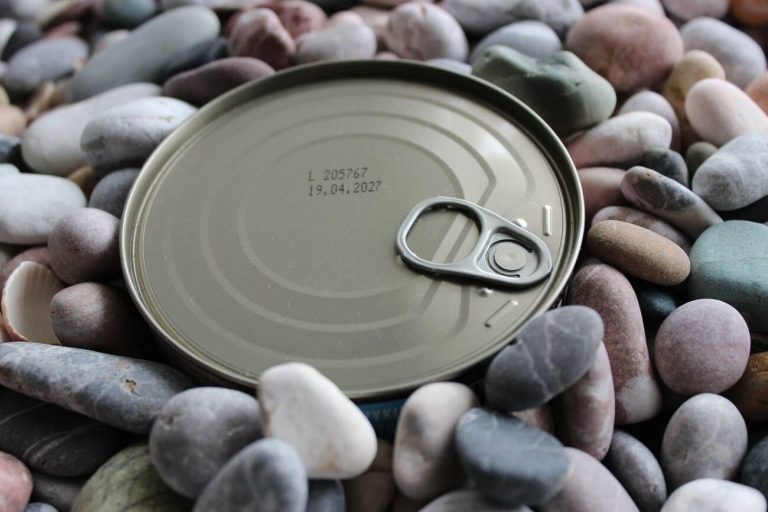
Remember, unless you have a systematic way to rotate your hidden food, it’s best to store items with long shelf lives, such as forever foods, canned goods, dehydrated, and freeze-dried foods. Make sure to store this food in mylar bags or airtight containers to prevent contamination.
Here are the places you should use to hide your food storage:
Use your kitchen cabinets
You might think this sounds like a bad idea, but consider the unused space in the gap between two corner cabinets. Most people overlook this area. You can install a hidden shelf there, making it an excellent concealed storage spot for your emergency supplies. This hidden shelf is out of sight and unlikely to be discovered, making it a clever and secure place to stash food or other essentials.
Under the floor cabinets
The space beneath your floor cabinets can serve as a discreet hiding spot for your emergency supplies. Many kitchen floor cabinets have a kickboard or baseboard at the bottom that can be removed or modified to create a hidden compartment. Here’s how you can utilize this space effectively:
Remove the Kickboard: The kickboard, or toe kick, is the panel that covers the gap between the bottom of the cabinet and the floor. Carefully remove this panel to reveal the space underneath.
Create a Hidden Compartment: Once the kickboard is removed, you can build a small compartment or use storage containers that fit within this space. Make sure it’s sturdy and can hold your supplies without collapsing.
Reattach the Kickboard: After placing your supplies in the hidden compartment, reattach the kickboard. Ensure it looks seamless so that it doesn’t draw attention. You might want to use magnetic or easily removable fasteners for easier access.
Use Airtight Containers: To protect your supplies from pests and moisture, store them in airtight containers or mylar bags. This will help preserve the shelf life of your items.
Label and Track Your Supplies: Keep a list of what you’ve stored in this hidden compartment and periodically check the condition of your supplies. Rotate items as necessary to maintain their usability.
Using the space under your floor cabinets provides a hidden, accessible, and relatively large storage area for your emergency supplies, ensuring you have essential items securely stashed away.
Inside old appliances and electronics
Old appliances and electronics can be transformed into clever hiding spots for your emergency supplies. Here’s how you can repurpose these items:
Hollow Out an Old TV: If you have an old television that you no longer use, consider hollowing it out. Remove the internal components carefully, leaving the exterior intact. This creates a discreet storage space that is unlikely to attract attention, especially in a situation where there is no power and electronics are seen as useless.
Repurpose Other Obsolete Devices: Look around for other outdated electronics or appliances that you no longer use, such as old computers, printers, or radios. These items can also be gutted and used as hidden storage compartments.
Seal and Secure: After placing your supplies inside the hollowed-out appliance, ensure that the exterior remains undisturbed. Seal it in a way that allows you to easily access the hidden compartment when needed but doesn’t look suspicious to outsiders.
Choose Less Valuable Items: Opt for appliances and electronics that don’t hold much value or interest. Items that appear broken or obsolete are ideal because they are less likely to be stolen or tampered with.
Use Airtight Containers: Just like with other hiding spots, store your supplies in airtight containers to protect them from dust, moisture, and pests.
Be Mindful of the Environment: If your hidden supplies are in a location that might be exposed to heat or cold, make sure the items you store can withstand temperature fluctuations.
By using old appliances and electronics as hiding spots, you can create effective and unsuspecting storage areas for your emergency supplies. These repurposed items blend into your home environment and provide secure places to stash essential goods.

Inside a lamp
Depending on the type of lamp, it can be an excellent hiding spot for your emergency supplies. Here’s how to utilize a lamp for concealed storage:
Choose the Right Lamp: Look for a lamp with a hollow base or body. Lamps with a larger, hollow interior are ideal as they can accommodate more supplies.
Hollow Out the Lamp: If the lamp has internal components that can be removed without affecting its functionality, carefully hollow out the interior. Ensure that the lamp can still stand upright and function normally.
Utilize the Base: Some lamps have a detachable base or a base that can be modified to create a hidden compartment. You can use this space to store small, lightweight items such as food packets, batteries, or other emergency essentials.
Seal and Reassemble: Once you’ve placed your supplies inside the lamp, reassemble it so that it looks and functions like a normal lamp. Make sure the modifications are not noticeable.
Distribute Weight Evenly: To prevent the lamp from becoming top-heavy and tipping over, distribute the weight of the stored items evenly within the base or body of the lamp.
Use Airtight Containers: Store food or other perishables in airtight containers or mylar bags to protect them from dust and pests.
Label and Track: Keep an inventory of what you’ve hidden inside the lamp. This will help you remember where your supplies are stored and make it easier to access them when needed.
Behind a vent
Using the space behind a vent can be a clever way to hide your emergency supplies, but it can also block airflow. Here’s how to do it effectively:
Choose the Right Vent: Select a vent in a room that you don’t use frequently or where reduced airflow won’t be an issue. Ideal locations might include a basement, attic, or spare room.
Remove the Vent Cover: Carefully remove the vent cover. Ensure that you don’t damage it, as it will need to be reattached to maintain the appearance of a functional vent.
Create a Hidden Compartment: If there is sufficient space behind the vent, you can create a hidden compartment within the wall cavity. This can be done by cutting out a section of the drywall behind the vent.
Store Your Supplies: Place your emergency supplies in the hidden compartment. Use airtight containers to protect your items from dust and pests.
Reattach the Vent Cover: Once your supplies are securely stored, reattach the vent cover. Make sure it sits flush against the wall and looks like a normal, functional vent.
Ensure Accessibility: Make sure that you can easily remove and replace the vent cover as needed to access your supplies. Use screws or magnetic fasteners for easy removal.
Monitor Airflow: Be aware that blocking the vent will reduce airflow in the room. Monitor the temperature and air quality to ensure it remains acceptable. If the room becomes too warm or stuffy, consider using another hiding spot.
Label and Track: Keep an inventory of what you’ve hidden behind the vent. This will help you remember the exact location and contents of your hidden storage.
This method makes use of an existing feature in your home, providing a hidden compartment that blends seamlessly into your living space.
Inside the walls

Creating a hidden storage spot inside a wall can be a very effective way to stash your emergency supplies. Here’s how you can do it:
Behind Trim or Molding: Identify a piece of trim or molding that can be removed and replaced easily. Carefully remove the trim, cut out a section of the drywall behind it, and create a hidden compartment within the wall. Once your supplies are securely stored, replace the trim to conceal the compartment.
Behind a Painting or Mirror: You can also create a hidden space behind a painting or mirror. Attach the painting or mirror to the wall with hinges so that it can swing open like a door. Cut a section of drywall behind it to create a storage nook. This method provides easy access to your hidden items while keeping them out of sight.
In an Unused Wall Cavity: If you have an unused wall cavity, perhaps between studs in an interior wall, you can cut an opening and install a small door or panel. Use this cavity to store items securely and discreetly.
Install a Secret Door or Panel: For a more permanent solution, consider installing a secret door or panel in the wall. This can be camouflaged with wallpaper, paint, or a strategically placed piece of furniture.
Seal and Secure: Once your supplies are stored, make sure the wall opening is sealed and secured properly to avoid detection. The trim, painting, or mirror should sit flush against the wall and not appear out of place.
Use Airtight Containers: Store your supplies in airtight containers to protect them from dust, moisture, and pests. This ensures that your items remain in good condition over time.
Label and Track: Keep an inventory of what you’ve hidden inside the wall. This will help you remember the exact location and contents of your hidden storage.
By using the space inside your walls, you can create discreet and effective hiding spots for your emergency supplies.
Behind your headboard
 Creating a hidden storage space behind your bed is a simple yet effective way to stash emergency supplies. Here’s how you can do it:
Pull the Bed Out: Move your bed about a foot away from the wall. This will create enough space to store supplies without being too noticeable.
Stack Buckets of Food: Place buckets of food or other supplies in the gap between the bed and the wall. Ensure the buckets are stacked securely to prevent them from toppling over.
Cover with a Blanket: Drape a large blanket or decorative throw over the supplies, extending it to cover the gap completely. Arrange it neatly to make it look like a stylish, oversized headboard.
Maintain the Appearance: Ensure the blanket or throw hangs evenly and looks intentional. It should blend in with your bedroom decor, so choose a color and design that complements your bedding.
Secure the Blanket: To prevent the blanket from slipping or revealing the supplies, you can use clips or pins to attach it to the bed frame or the back of the headboard.
Easy Access: Make sure you can easily remove the blanket and access your supplies when needed. Avoid making it too difficult to reach the hidden items.
Label and Track: Keep an inventory of what you’ve stored behind the bed. This will help you remember the exact location and contents of your hidden storage.
This method not only provides hidden storage but also adds a decorative touch to your room.
Inside the box spring
Using the space inside your box spring can be an ingenious way to hide your emergency supplies. Here’s how to do it:
Access the Box Spring: Carefully remove the fabric cover on the bottom of the box spring. This will expose the internal framework and the space available for storage.
Create Storage Compartments: Depending on the design of your box spring, you may need to remove or modify some of the internal supports to create enough room for your supplies. Be careful not to compromise the structural integrity of the box spring.
Store Supplies: Place your supplies, such as #10 cans and bags of food, inside the box spring. Arrange them securely to prevent shifting that could cause noise or damage.
Reattach the Fabric Cover: Once your supplies are inside, reattach the fabric cover to the bottom of the box spring. Use a staple gun or heavy-duty adhesive to ensure it is securely fastened and looks undisturbed.
Ensure Easy Access: Consider using Velcro or a zipper on a section of the fabric cover to allow easy access to your supplies without needing to remove the entire cover each time.
Protect Your Supplies: Store food and other items in airtight containers or mylar bags to protect them from dust, pests, and moisture.
Label and Track: Keep an inventory of what you’ve stored inside the box spring. This will help you remember the exact location and contents of your hidden storage.
This method makes use of an often-overlooked part of your bed, providing a secure and discreet place to stash essential items.
Under stair steps

Turning the space under your stair steps into hidden storage spots is a smart way to utilize often-overlooked space. Here’s how you can do it:
Identify Suitable Stairs: Choose a staircase that has enough depth under each step to create storage compartments. Basement steps are often ideal for this purpose.
Create Access Panels: Modify the risers (the vertical parts of the steps) to create access panels. You can either make the risers removable or install hinged doors that blend seamlessly with the rest of the stairs.
Build Storage Compartments: Once the risers are modified, you can build storage compartments under each step. Ensure that these compartments are sturdy and can hold the weight of your supplies.
Store Supplies: Place your emergency supplies in the compartments. Items like canned food, water bottles, and other non-perishables are ideal for these spots. Ensure the supplies are arranged securely to prevent them from moving around.
Conceal the Compartments: Make sure the access panels or doors are well-concealed. They should match the look and feel of the original staircase to avoid drawing attention.
Secure the Panels: Use magnetic catches, hidden latches, or locks to keep the panels securely closed while still allowing easy access when needed.
Protect Your Supplies: Store items in airtight containers or mylar bags to protect them from dust, moisture, and pests.
Label and Track: Keep an inventory of what you’ve stored under each step. This will help you remember the exact location and contents of your hidden storage compartments.
This method provides discreet and accessible storage for your emergency supplies, ensuring they are both hidden and protected.

In a container buried in your backyard
Burying containers in your backyard is a clever way to hide your emergency supplies, but it requires careful planning to ensure the items remain safe and accessible. Here’s how to do it effectively:
Choose Suitable Containers: Select weatherproof containers that can withstand being buried underground without deteriorating. Food-grade buckets sealed with mylar bags are an excellent choice as they provide airtight protection against moisture and pests.
Select a Hidden Location: Identify a discreet location in your backyard where you can bury the containers. Consider areas that are unlikely to be disturbed, such as beneath a garden bed or in a corner of the yard.
Prepare the Containers: Fill the containers with emergency supplies, such as canned food, dried goods, and other non-perishables. Ensure the items are properly sealed and stored in mylar bags to prolong their shelf life.
Use PVC Tubes: Large PVC tubes can serve as additional containers for storing supplies. Fill the tubes with canned food and seal the ends securely. Bury them strategically under your garden to further conceal your stash.
Bury the Containers: Dig a hole deep enough to accommodate the containers and tubes. Place them inside the hole and cover them with soil, ensuring they are well-hidden from view. Take note of the location for future reference.
Ensure Accessibility: While burying the containers, consider how easily you can access them in case of an emergency. Avoid burying them too deep or in a location that is difficult to reach.
Protect Against Detection: To deter potential intruders from discovering your buried stash, consider planting shrubs or flowers over the burial site. This will further disguise the area and make it less conspicuous.
Label and Track: Keep a record of what you’ve buried in your backyard and its location. This will help you locate your supplies quickly when needed and ensure nothing is forgotten.
By burying containers in your backyard, you can create a hidden cache of emergency supplies that is both secure and discreet. This method provides added protection for your essentials, keeping them out of sight and out of mind during times of crisis.
Concluding
The possibilities are endless! Anything with a hollow space or potential for hollowing out can serve as a clever hiding spot. Let your imagination run wild! For additional inspiration, explore the collection on this Pinterest board. And if there’s something I’ve overlooked, feel free to drop a comment below—I’m constantly seeking fresh ideas to expand our hiding repertoire.
Suggested resources for preppers:
Harvesting and canning wild greens
The #1 food of Americans during the Great Depression
Survival Foods of the Native Americans
If you see this plant when foraging, don’t touch it!






 A bit sporty with plenty of git up n go, a bit luxury and great MPG.