

Get your ass to the range

Well I finally got around to testing 10/22 and my 2020 and 2021 ammo.
I tested silencer and no silencer.
Old remington subsonic 38gr 2017-2021
New remington subsonic 40gr copper plated 2021
CCI stinger 2018-2020
Winchester silvertip 2021
Winchester powerpoint 2021
Winchester copper plated HP @1,435fps from 2021
First thing shooting silencer vs no silencer. Removing the silencer raised the elevation at lest 2 inches so leave the silencer on, worse with the hotter ammo like cci stinger. Looks like the best subsonic ammo was remington copper plated 40gr. And the best supersonic ammo was winchester powerpoint. But winchester silvertip did pretty good too, tight group but high and to the left.
The subsonic and standard velocity ammo shot dead on. All the hot ammo like stinger, silvertip and winchester 40gr @ 1,435 all shot high and to the left.
Now I know what to stack and what to sell.
Walmart has a shit load of that $40 a short brick (325 rounds) winchester powerpoint.
But in have only seen that remington subsonic 40gr copper plated HP one time.
I could definitely off load that silvertip, stinger and winchester copper plated HP 40gr @1,435fps and not lose any sleep, probably also my cci velocitor which is also a 40gr bullet at 1,435fps and I would expect to shoot high and to the left.
I still need to test federal 45gr subsonic copper plated, cci quiet, winchester 36gr copper plated HP @1,280fps and winchester super suppressor 45gr copper plated HP.
Ideally I have subsonic and supersonic ammo that shoots almost the same, supersonic obviously shooting a bit higher but with the same windage. Ammo that throws off the point of aim I don’t need to mess with.
It’s good to learn this while the electricity is still on and ammo is available. Buy the shit that agrees with your guns, avoid the stuff that doesn’t.
Something cool!

Too much doom and gloom to go around, so I thought I would share my new baby with y'all! My new 1955 Dodge Coronet 500 factory sleeper!


picked this up at auction, wasn't really looking for any one thing, but I saw this from across the lot and practically screamed "Take my Money" and started bidding! There were a couple of folks bidding and it stalled pretty quick and I got it for what I believe to be a…
Desperado 11 inch barrel, 12 gauge double barrel shotgun pistol (ships to your door)

is a black powder fire arm… so they can ship it to your door… different barrel lengths and 20 or 12 gauge…
not sure if it’s totally legal in some areas… n reloading it???
https://americanguncraft.com/product/desperado-11-inch-barrel-12-gauge-double-barrel-shotgun-pistol/
Opinions most welcome please!!!

I made gas prices largely obsolete
At least I hope I did.
Gas prices had been low for a while and I have been looking at nissan leafs. Those battery powered cars. When gas prices are low no one cares about fuel efficient cars so the price tends to drop.
I was looking for a 2011 because they have the worst battery, a slower 3.3kw built in charger, but the 2011s accelerate faster and are by far the cheapest.
I have a very specific list of specifications:
Has to have the charging port for the rapid external DC charger, which was…
Deep winter gardening or how to feed yourself in the coming Ice Age:

'Deep winter' greenhouse grows veggies year-round
This piece focuses on a couple and their greenhouse at Paradox Farm in southern Otter Tail County not far from Lake Christina
***
Nothing should be growing this winter day on these frozen, rolling hills.
Yet here are green vegetables, kale and lettuce, growing in near -90 degree temperatures. They're thriving in a specialized "deep winter" greenhouse,…
Deep winter gardening or how to feed yourself in the coming Ice Age:
Survival Foods of the Native Americans
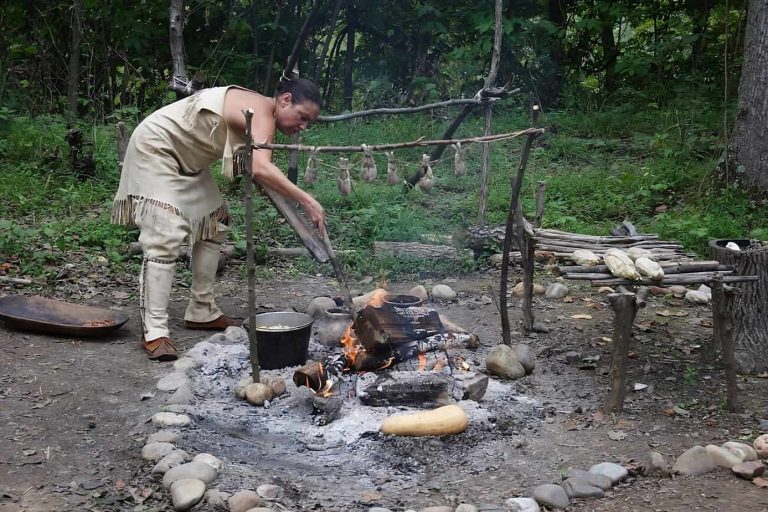
Native Americans have lived on the land that is now known as the United States for thousands of years, and their survival has been dependent on their ability to find food in their environment.
They lived off the land and learned to utilize the resources that were available to them, such as plants, animals, and fish. These survival foods helped the Native Americans to survive and thrive in their environment.
The Native American survival diet
One of the most important survival foods for the Native Americans was maize, also known as corn. Corn was a staple food for many tribes and was used to make many different dishes, including pudding, soup, and porridge. It was also dried and ground into meal, which was used to make cakes and bread. Corn was an important food source for the Native Americans because it was easy to grow and was available year-round.
Another important survival food for the Native Americans was wild game. Many tribes hunted for food and used their skills to track and hunt animals such as deer, bison, and elk. They also fished in streams, rivers, and lakes to catch fish and other aquatic animals. These animals provided essential protein and fats, which were important for survival.
In addition to hunting and fishing, the Native Americans also gathered wild plants and fruits to supplement their diet. They gathered berries, nuts, roots, and leaves to eat. Some tribes also grew their own crops, such as beans, squash, and pumpkins. These foods provided essential vitamins and minerals to help maintain their health.
Another important survival food was sun-dried meat, also known as jerky. This was made by cutting meat into thin strips, salting it, and drying it in the sun. This method of preservation allowed the Native Americans to store meat for long periods of time and take it with them on long journeys.
When food was scarce, they had to be creative
When food was scarce, Native Americans often had to rely on alternative food sources. They were skilled at finding and utilizing different resources in their environment and would turn to a variety of survival foods to help them through tough times. Some of the foods they would eat when food was scarce included:
- Wild roots and tubers: Native Americans would dig up roots and tubers from the ground, such as wild potatoes, yams, and carrots, which could be roasted or boiled to provide sustenance.
- Grubs and insects: In times of food scarcity, Native Americans would collect grubs and insects, such as caterpillars and beetle larvae, as a source of protein.
- Acorns: Acorns were a staple food for many Native American tribes and were often used when other food sources were scarce. They were ground into meal and used to make cakes and bread.
- Nuts and seeds: Nuts and seeds, such as hazelnuts, almonds, and sunflower seeds, were gathered and used as a source of protein and fats.
- Dried meat and fish: Native Americans would dry meat and fish to preserve it for later use, and this dried food would be eaten when other food sources were scarce.
These survival foods were important to the Native Americans during times of food scarcity, and they helped them to survive and thrive in their environment.
Native American’s survival food recipes
Pemmican:
This is a traditional Native American food made from dried meat, fat, and berries. The meat was pounded into a fine powder and mixed with melted fat and dried berries. This mixture was then shaped into cakes and dried, creating a high-energy food that could be stored for long periods of time and eaten on the go.
To learn how to make pemmican you can watch this video.
Succotash:
This is a dish made from corn, beans, and squash that was popular among many Native American tribes. The ingredients were boiled together and seasoned with herbs and spices. This dish provided a filling and nutritious meal that could be made using ingredients that were readily available.
Here is a simple recipe for traditional Native American succotash:
Ingredients:
- 1 cup fresh corn kernels (or canned corn, drained)
- 1 cup fresh lima beans (or frozen lima beans, thawed)
- 1 cup chopped summer squash (such as zucchini or yellow squash)
- 1/4 cup chopped onion
- 2 tablespoons butter or oil
- Salt and pepper, to taste
Instructions:
- In a large pot, melt the butter over medium heat.
- Add the chopped onion and sauté until softened and translucent, about 5 minutes.
- Stir in the corn kernels, lima beans, and chopped squash. Cook, occasionally stirring, for 5-7 minutes, or until the vegetables are tender.
- Season the succotash with salt and pepper to taste. Serve hot
Fry Bread:
This is a type of flatbread that was made by mixing flour, salt, and water to form a dough, which was then deep-fried to make a tasty and filling food. Fry bread was often served with stews and soups and was a staple food for many Native American tribes.
Ingredients:
- 2 cups all-purpose flour
- 1 teaspoon salt
- 3 tablespoons sugar
- 3/4 cup warm water
- Oil, for frying
Instructions:
- In a large bowl, mix together the flour, salt, and sugar.
- Slowly add the warm water to the flour mixture, stirring until a soft dough forms. The dough should be slightly sticky.
- Knead the dough for 2-3 minutes until it is smooth and elastic.
- Divide the dough into 8-10 pieces, and shape each piece into a ball.
- Heat oil in a large, heavy-bottomed pot to 375°F (190°C).
- Roll out each dough ball on a lightly floured surface until it is 1/4 inch thick.
- Carefully place the dough in the hot oil, and cook until it is golden brown on both sides, about 2-3 minutes per side.
- Remove the fry bread from the oil and drain it on paper towels. Serve hot with your favorite toppings, such as honey, jam, or powdered sugar.
Venison Jerky:

This is a traditional Native American food made from dried deer meat. The meat was sliced into thin strips, salted, and dried in the sun. This method of preservation allowed the meat to be stored for long periods of time, and it was a common food for travelers and hunters.
Ingredients:
- 2 lbs. thin-sliced venison (or other game meat)
- 1/2 cup dried fruit, such as cranberries or raisins, finely chopped
- 1/2 cup honey
- 2 tablespoons salt
- 2 tablespoons red pepper flakes
- 2 teaspoons black pepper
- 1 teaspoon garlic powder
- 1 teaspoon onion powder
Instructions:
- In a large bowl, mix together the dried fruit, honey, salt, red pepper flakes, black pepper, garlic powder, and onion powder.
- Add the thin-sliced venison to the marinade and mix until the meat is well-coated.
- Cover the bowl with a cloth and let the meat marinate in a cool place for at least 8 hours or overnight.
- Preheat your oven or prepare your sun-drying rack or a similar setup to dry the meat.
- Arrange the marinated venison slices on a wire rack or a sun-drying rack, making sure that the slices are not touching.
- Place the wire rack or sun-drying rack in a warm, well-ventilated area, and dry the venison until it is stiff and leathery, but not brittle. This should take several days in a warm, sunny place.
- Remove the venison jerky from the drying area, and let it cool completely. Store the jerky in a cool, dry place for up to several months.
Corn Soup:
This is a simple and filling soup made from corn and water. The corn was ground into meal, which was then boiled in water to make a thick and hearty soup. This dish was a staple food for many Native American tribes, and it was often served with wild game or fish.
 Ingredients:
- 4 ears of fresh corn, kernels removed
- 4 cups of water
- 1 medium onion, chopped
- 2 cloves of garlic, minced
- 2 tablespoons of fat (such as bacon grease, lard, or oil)
- Salt and pepper, to taste
- Optional: diced potatoes, diced carrots, or diced squash for added texture and flavor
Instructions:
- In a large pot, heat the fat over medium heat.
- Add the chopped onion and minced garlic, and cook until the onion is soft and translucent.
- Add the corn kernels and 4 cups of water to the pot, and bring to a boil.
- Reduce the heat to low, and let the soup simmer for about 20-30 minutes, or until the corn is soft and the flavors have melded together.
- If desired, add diced potatoes, carrots, or squash to the pot and continue to cook until the vegetables are soft.
- Season the soup with salt and pepper to taste.
- Serve the soup hot, garnished with fresh herbs or additional seasonings, if desired.
Baked Acorn Squash:
This dish was made by hollowing out acorn squash and filling it with a mixture of dried fruit, nuts, and honey. The filled squash was then baked in the coals of a fire, creating a delicious and nutritious meal.
Ingredients:
- 2 medium acorn squash
- Coarse salt or sand, as needed
- Optional: animal fat, honey, or dried fruits for added flavor
Instructions:
- Preheat your oven or fire pit to 375°F (190°C).
- Cut the acorn squash in half lengthwise and scoop out the seeds.
- Fill a shallow dish or pan with coarse salt or sand, and place the acorn squash halves in the dish or pan, cut side down.
- Bake the acorn squash in the oven or over the fire pit until the flesh is tender and can be easily pierced with a fork, about 30-40 minutes.
- Remove the acorn squash from the oven or fire pit, and let it cool for a few minutes.
- Using a spoon, scoop out the tender flesh from the acorn squash, and mash it with a fork.
- Optional: add animal fat, honey, or dried fruits to the mashed acorn squash for added flavor. Serve the baked acorn squash warm.
Blueberry Soup:

This dish was made by boiling blueberries with water and sugar to create a sweet and flavorful soup. It was often served cold and was a staple food for many Native American tribes during the summer months.
Ingredients:
- 4 cups of fresh blueberries
- 2 cups of water
- 1/4 cup of maple syrup or honey
- 1 tablespoon of cornmeal or ground acorns
- Salt and cinnamon, to taste
- Optional: wild herbs or spices, such as mint or sage, for added flavor
Instructions:
- In a large pot, bring the blueberries, water, and maple syrup or honey to a boil over medium heat.
- Reduce the heat to low, and let the blueberries simmer for about 10 minutes or until they are soft and have released their juice.
- In a small bowl, whisk together the cornmeal or ground acorns with a small amount of water to form a smooth paste.
- Stir the cornmeal or acorn paste into the blueberry mixture, and let it cook for an additional 5 minutes or until the soup has thickened slightly.
- Season the soup with salt and cinnamon to taste, and stir in any optional wild herbs or spices for added flavor.
- Serve the Blueberry Soup warm, garnished with additional blueberries, if desired.
Dried Cherry and Berry Leather:
This is a type of fruit leather made from dried cherries and berries. The fruit was mixed with sugar and dried in the sun, creating a chewy and sweet snack that could be stored for long periods of time.
Ingredients:
- 4 cups of mixed fresh cherries and berries (such as blueberries, cranberries, or currants)
- 1/4 cup of honey or maple syrup
- Salt, to taste

Instructions:
- In a large pot, bring the mixed cherries and berries, honey or maple syrup, and salt to a boil over medium heat.
- Reduce the heat to low, and let the mixture simmer, frequently stirring, for about 10-15 minutes, or until the fruit is soft and has released its juice.
- Use a blender or food processor to puree the fruit mixture until it is smooth.
- Spread the puree evenly onto a large piece of clean, smooth cloth or cheesecloth to a thickness of about 1/8 inch.
- Place the cloth with the fruit puree in a sunny, well-ventilated area, such as on top of a roof or a wooden rack.
- Leave the fruit leather to dry in the sun for several days, turning it over every 8-12 hours to ensure even drying.
- When the fruit leather is dry and pliable, carefully peel it off the cloth and cut it into strips or shapes as desired.
- Store the dried cherry and berry leather in a dry, airtight container for several months.
Cattail Stalk Soup:
This is a soup made from the stalks of cattail plants, which were harvested in the fall. The stalks were peeled and boiled in water, creating a tasty and filling soup that was high in carbohydrates and vitamins.
Ingredients:
- 2-3 large cattail stalks
- 1 large onion, chopped
- 2-3 cloves of garlic, minced
- 2-3 cups of water or broth
- Salt and pepper, to taste
- Optional: diced carrots, celery, or other vegetables, as desired
Instructions:
- Clean and peel the cattail stalks, removing any brown or tough outer layers.
- Cut the cattail stalks into small pieces, and set aside.
- In a large pot, sauté the chopped onion and minced garlic in a small amount of oil or butter until they are softened and fragrant.
- Add the cut cattail stalks to the pot, along with the water or broth, salt, and pepper.
- If desired, add diced carrots, celery, or other vegetables to the pot.
- Bring the soup to a boil, then reduce the heat and let it simmer for about 20-30 minutes or until the cattail stalks are tender.
- Use an immersion blender or a regular blender to puree the soup until it is smooth.
- Serve the Cattail Stalk Soup hot, garnished with chopped fresh herbs or a drizzle of oil, if desired.
Maize Porridge:

This is a simple and filling dish made from cornmeal, water, and salt. The cornmeal was boiled in water to create a thick and hearty porridge, which was often flavored with wild herbs and spices.
Ingredients:
- 2 cups of cornmeal
- 4 cups of water
- Salt, to taste
- Optional: animal fat, honey, or dried fruits for added flavor
Instructions:
-
- In a large pot, bring the water to a boil over medium heat.
- Gradually stir in the cornmeal, constantly whisking to prevent lumps from forming.
- Reduce the heat to low, and let the maize porridge simmer, frequently stirring, for about 10-15 minutes or until it is thick and creamy.
- Season the maize porridge with salt to taste, and stir in any optional animal fat, honey, or dried fruits for added flavor.
- Serve the Maize Porridge warm, garnished with additional honey or dried fruits, if desired.
Concluding
In conclusion, the Native Americans had a diverse and nutritious diet that was made up of a variety of food sources. Their ability to find food and use the resources available to them helped them to survive and thrive in their environment. Today, many of these traditional foods are still enjoyed by Native American communities and are considered an important part of their cultural heritage.
Suggested resources for preppers:
Harvesting and canning wild greens
The #1 food of Americans during the Great Depression
How to make Oil from Seeds and Nuts
If you see this plant when foraging, don’t touch it!
Cell Phone Providers | Survival Monkey Forums

So which providers do the monkeys use?
I went full circle. Was with Verizon decades ago. Noticed their coverage was far and away the best. Wasn’t the cheapest though. What go me to move was the customer service that I got. Needed a new phone and called in asking to see what deals there might be. I was out of contract. But the rep basically to me tough doodies pay retail. Even if that was the case, maybe a nicer manner would have been good. So it just so happen that a lady I met represented T-Mobile. Gave me and my office a great deal on phones and service, so I switched. Was satisfied until they had an issue with their voicemail system. Messages were coming in days to a week late. For business, no bueno.
When I got an iPhone about ten years ago, I switched to AT&T because T-Mobile was not going to offer the full slate of iPhone features with their plan. Over the years, I find that the coverage was poor to non-existent in many areas. And not the cheapest.
With all the Pure Talk USA hype, we wanted to use an American company with a veteran owner. The hype was they use AT&T towers and service. Said coverage and speed might be better than AT&T. Also touted a much lower price point. We had Pure Talk for two weeks. Coverage was not better than AT&T, especially where we needed it. Data speeds were horrendous at best, zero at worse. Come to find out, they only offer bare bones service and things like data hotspot are a la carte. So when you add it up, not cheaper. Worse, the data speed was was like dial up even before we use our allotted amount.
So we switched back to Verizon. Super coverage, great data speed for cellular, and with a business plan, very reasonable.
A sampling of Verizon’s data speed. Very acceptable. Pure Talk was 0 to 0.2. AT&T was around 5-15.