Bug out plan | Survival Monkey Forums

0

Mike Adams painted a picture yesterday that seems like a likely outcome after the China balloon fiasco.

1. China launches another balloon. This time the balloon has a pay load on it. The pay load is deployed in the upper atmosphere and causes an EMP which takes out all electronics. Cell phones no longer work. Cars no longer work. Electricity grid goes down. Any electric device… even your toaster… no longer works. We’re back to the stone ages. We can’t get food to grocery stores because the trucks don’t work. Police can’t defend anyone because their cars don’t work and even if they did, they couldn’t defend everyone because mass chaos has just erupted.

2. When that happens, people freak out. They start robbing grocery stores. When the grocery stores are empty, the population transforms into gangs of wolves. They start robbing surrounding homes for food. Then they move out to the suburbs and start robbing homes there.

3. China lets the mass chaos in the USA go on for about 6 – 8 months. The USA will be weakened significantly by this point through the mass chaos. Food supplies will be spent. There will be no more food coming to the starving masses. Ammunition will be spent from mass violence. People will be tired morally and physically from the onslaught against their neighbors. The time is ripe for China to launch an invasion.

4. China’s army lands on the shores of California and start ripping through the country. They have a million man army. The US army is ordered to stand down because of the corrupt government officials who have been paid off by China. Corrupt government officials have been promised a place of royalty in the next world, once this one crashes. Little do they realize that they will be the first ones to be killed because the Chinese hate traitors.

5. Without the US military being deployed against this invasion, China easily takes over the US. There is some resistance from individual civilians with guns, but they are now match for the professional million man army of China. They deploy drones, biological weapons, robotic soldiers, tanks, and masses of physical soldiers across America.

6. Beforehand, Russia and China met. They made an agreement that Russia gets to conquer Europe while China gets to conquer America, which is Canada, USA, South America. So that means NATO will not be coming to our rescue. As a matter of fact, NATO facilitated this agreement between Russia and China.

That scenario sounds like the perfect storm to create a one world government. Unfortunately, with what we’ve been seeing over the past couple of years, it seems like they are well on their way to putting this plan into action.

I’m a bit like deer-in-headlights at this point. I’d like to put together a Bug Out Plan for getting out of dodge, at least when the EMP attack occurs, and the zombie masses start killing each other. It would be good to be in a rural setting with a sparse population.

I live in central Massachusetts, which is an awful location due to high population density. If you were in my situation, what would your bug-out plan look like? Where would you escape to?

Would you purchase a rural property somewhere? Would you put up a house? Would you buy a property that already has a house? Would you just find a piece of land in the woods and build a fort? Would you build a bunker?

I’m like a deer in headlights. I’m not sure what the best path is to take. If I knew the best path, I would take action towards completing the goal.

I keep going back to purchasing land in Vermont, New Hampshire or Maine and either building something or purchasing a pre-existing house.


Ice Fishing For Trout

0

Deer hunting ends, frozen rivers/lakes approach, and cabin fever grips hunters. Not for couch potatoes, ice-fishing trout combats winter boredom and yields tasty meals. Many view ice fishing as a panfish sport in Midwest, but trout fishing is often considered open water.

In trout country, the best and most thrilling fishing occurs when lakes freeze over. Ice fishing may seem strange, but watching a 2ft. trout swirl around your lure, fins flaring with excitement, creates an adrenaline rush similar to seeing a big buck. Almost.

My fondest memories include a big station wagon ride with my friend’s dad and other kids to a frozen lake. We fished in the morning, drank cocoa and roasted hot dogs at noon, played pond hockey in the afternoon, and finished with a last catch before sunset. A bonus was bringing home fat trout for mom to cook, making it a great winter day.

Ice safety

To ensure safety when ice fishing, it’s always best to be cautious. During the early and late seasons, I always wear a flotation vest and tie a rope around my waist when fishing alone. When fishing with others, I carry a coiled rope attached to a throwing device. I also keep a pair of ice picks on a rope around my neck and through my sleeves in case I need to pull myself up if the ice gives way.

In the event of someone falling through the ice, it’s important to call 911 and throw a flotation device at them from a safe distance without getting too close to the person or the hole.

Ice thickness doesn’t always indicate its strength. Clear, hard ice is typically stronger than cloudy ice. However, a warm spell with intense sun can cause ice to soften and form honeycombs. I experienced this firsthand when fishing a mountain lake in March. Despite the ice being 10 inches thick, it was soft enough to be kicked through with boots.

On the other hand, clear, thin ice can be safe despite its appearance, so it’s always best to drill or chop test holes periodically to be sure. If you hear cracking or booming sounds while fishing, it’s a good sign that the ice is expanding and strong. I’ve even had cracks run under my hut while fishing on 2 feet of clear, hard ice.

Tackle

Trout ice-fishing gear can be simple, consisting of a short rod, jigs, grubs, bobber, skimmer, and a hand auger or spud bar. I caught my biggest rainbow using a cocktail shrimp, a hole chopped with a steel spud, and an old fly reel on a casting rod.

Decades ago, before I became more serious, I had no heater, power auger, sonar flasher, or portable hut. Now, I have all of those, along with a variety of jigs (some self-tied) and rod-reel combos that can handle 20-lb. lakers through a 10-inch hole.

While some use standard-length rods, 5-6 foot spinning rods can hinder the angler’s ability to feel bites or watch the bobber. Sensitive rod-reel combos for ice fishing are affordable, but you can make your own by drilling a section of a broom handle or dowel, then attaching the tip of an old rod.

Attach a small spinning reel, spool it with a 4-6 lb. fluorocarbon line, and you’re ready. The Fluorocarbon line is preferred as it virtually disappears down the hole and is tough against sharp ice edges. I’ve caught 3ft lake trout for over 20 minutes with fluorocarbon without any fraying.

Trout fishermen often use bait like grubs, worms, salmon eggs, dough, or mealworms. While these are effective, a small plastic or marabou jig tipped with bait or a small jigging lure like a Rapala, Kastmaster, or Tasmanian Devil is a superior choice.

TLW banner3 new

Equipment

Ice fishing for trout can be a simple experience, with just a rod, bucket, and a sharp tool to make the holes needed. However, with the rise in popularity, there are now various pieces of equipment available to keep anglers warm, comfortable, and mobile.

I have a plastic sled with a tent attached, equipped with two bucket seats and storage for all my gear, including a heater, fish finder, power auger, and lunch cooler. It’s easily stored in a small SUV, and the tent canopy quickly flips over the top once I arrive at the fishing spot.

I turn on the propane heater, dig the hole, and in no time, I’m fishing in warmth. Even on windy days, I can drop two small anchors in windward holes to keep the hut secure. Regardless of the weather outside, I remain unaffected.

To penetrate the ice, you can use a simple tool like a sharpened spud or rock bar, but this can be tiring if the ice is too thick. A hand auger with sharp blades can make the job easier and faster. As you get more into ice fishing, you might opt for a power auger, which comes in gas, electric, and propane models and make moving from spot to spot much easier.

For fish finding, there are many portable options available, including LCD models that can be used on boats and some that show fish swimming elsewhere. I prefer a flasher-type fish finder, which is so sensitive that it can detect even a bug swimming by or an air bubble rising to the surface. I can see my jig moving on the screen, and when it disappears into the thick red line (fish), I know a fish has followed it. With a flasher and fish alarm, I can be ready for a strike even when I’m relaxed and having a coffee.

Lastly, ice cleats for the bottom of your boots are often overlooked, but it’s essential to prevent slipping and falling. I’ve fallen hard from slipping on the ice, and it happens so fast that it’s unavoidable. A man I knew slipped and hit his head on the ice, and he died from a brain hemorrhage before the ambulance could arrive. A simple and affordable pair of ice cleats could have saved his life.

Techniques

ice fishing for trout techniques

Early in the winter fishing season, trout are highly active and can be attracted by an actively jigged bait or lure. But as the fish adjust to their winter feeding pattern, they may prefer something stationary like a suspended bug or shrimp or with a slow lift-drop-stop motion similar to a minnow feeding and then resting.

Winter fishing is unique because trout, such as browns, brookies, rainbows, and cutthroats, often feed in shallow waters of 3-12 feet, which makes sight fishing from a darkened portable hut an exciting and educational experience. By observing the fish, you can determine if they prefer still or moving baits on a particular day.

When sight fishing isn’t possible, I prefer using a small jig tipped with half a mealworm and suspending it beneath a tiny bobber. The line is folded in half, so the bobber clip holds a loop, allowing me to slowly lift the jig a foot or two, let it settle, and wait for the bite. Strikes typically occur when the lure is stationary after the drop. When a fish bites, the bobber pops off, and the fish can be reeled in without the bobber on the line. This method has earned my partner and me thousands of dollars in ice fishing tournament winnings.

While some anglers use a wire or spring bobber on the end of the rod to detect strikes, I have found that it can often move the lure too much and scare the fish. A tiny bobber keeps the lure still and detects even the slightest bites.

Winter fishing for trout and char species presents unique challenges and opportunities, as each species has its own habits and preferences. Rainbow trout are often caught in schools and tend to be found in 6 to 12 feet of water. If there is no action in 10 minutes, it’s best to move to another location. During the middle of the day, they may suspend at a mid-depth in deeper water.

A fish finder or flasher can be especially useful in locating suspended fish. Brook trout prefer structures and tend to be found in clusters. Brown trout tend to feed where minnows or crawdads are located, which can be in shallow or deep water. Cutthroat trout cruise over weed beds to pick off bugs and scuds. Lake trout require specialized gear and lures and are typically found on deep structure breaks.

banner tlw 2 foods to hoardThe best time for fishing is typically from dawn to 11 a.m., with a brief lull in feeding activity before starting again before dusk. Night fishing can also be productive, and a popular method involves sinking a lantern into the ice to illuminate the area like an aquarium. Keep in mind that shallow-water trout can be easily spooked, so it’s important to avoid activities that may chase them away.

Moving to a different spot may be necessary if a restless group moves in nearby. I’ve seen way too many instances of a trout inspecting my lure, ready to inhale it when someone walks over and the fish races away.

Few are aware that trout still feed actively, even under the ice. Although the early season is optimal, as snow cover later in the season can block light and decrease oxygen levels, making the trout less active, they still feed.

On New Year’s morning, I fished for a couple of hours at a nearby lake and caught 17 trout, with the largest measuring over 18 inches, and missed at least as many more. At times, small schools would dart by, and several trout would go after the tiny pink tube jig. When I quickly reeled in one, I was able to drop the jig back down and catch another from the same school. Twice, I almost lost my rod from strong strikes while I was pouring a cup of coffee or unwrapping a snack.

My friends joked that coffee seemed to be the best fish attractant that day. The sounds of hooting and hollering could be heard coming from nearby portable huts. I kept one chunky rainbow for dinner and released the rest.

Concluding

If you’re a fan of trout fishing, winter offers some of the best opportunities of the year. To get started, grab a spinning rod, reel, bucket, and a few of your favorite panfish jigs. You can also bring a bobber or two and a kitchen strainer, but keep the rock bar sharp. With all your gear ready, head to the lake early in the morning, and you’ll be sure to catch your first trout in no time!

Suggested resources:

Live Bait Suggestions For Trout Fishing

The #1 food of Americans during the Great Depression

Fishing Tips for Preppers and Survivalists

The latest innovation in solar pannels – 3D technology

Lighting and Operating Antique Wood Cookstoves

0

hot diggity submitted a new resource:

Lighting and Operating Antique Wood Cookstoves – A brief How-to video on Lighting and Operating Antique Wood Cookstoves

Read more about this resource…

Comms Resources……

0

DKR submitted a new resource:

A Guide to Operating, Troubleshooting and Repair of the MFJ-9200 QRP Radio – ham radio

Comms Resources……

Share your experience of Shaving Product

0

  1. Hello, my name is Billy. I’ve come to share my newfound knowledge. I recently began shaving my beard. I’m using a low-cost shaving product. I was astounded by the results because my beard began to grow well after using this. I believe it was appropriate for all skin types. I also use the same product’s aftershave cream. I’m curious if anyone is using this product. Please share your valuable experience in this forum.


  2. What are you trying to sell here?


survivalmonkey SSL seal


survivalmonkey.com warrant canary

Second Amendment – Oklahoma Federal District Court rules Pot Usage does not disqualify FireArms Possession..

0


  1. BTPost
    Stumpy Old Fart,Deadman Walking, Snow Monkey
    Moderator

    A Federal District Court judge ruled that use and possession of Pot does NOT make one a Prohibited Person, and the Regulation is UnConstitutional.. The Judge sighted the SCOTUS Bruen Precidant as justification for his ruling.. This ruling will be Appealed to the 10th Circuit Court of Appeals…


  2. A much simpler solution is to require people to take a firearms safety course, including a written test at the end, to pass. Severe pot heads will not have sufficient brain cells to accomplish this simple task! ;):rolleyes:


  3. I always wondered about the question of marijuana use/addiction. Since I didn’t want my kids to start that, I told them that the state records marijuana purchases, and could easily cross-reference that data with the ATF 4473 and find out who’s been lying and committing perjury. I said it’s weed or firearms, choose wisely.
    Not sure how that would actually work out in the courts, but it seems to have kept them in line. Sorry to hijack this subject, which refers to possession, not purchase, but it may be relevant to someone.


survivalmonkey SSL seal


survivalmonkey.com warrant canary

Vehicle Maintenance & DIY Repair

0

Car User and Owner’s Manuals in PDF for Free

the Chiltons & Haynes repair manuals are getting more $$$$$$ all the time – for the older vehicles and oddballs it gets even worse >>>> print it out and bind it up yourself

Automotive Repair Textbooks : Goodheart Willcox : Free Download, Borrow, and Streaming : Internet Archive

25 misc books on vehicle mtc & repair


Things You Should Know Before Buying A Safe

0

Purchasing a gun safe can be challenging due to the numerous options and features available. Misinformation from uninformed sales staff can add to the difficulty. This guide will simplify the process by breaking down the basics of buying a safe.

Although size and price are important factors, there are many other considerations. If cost is a concern, it’s better to have a basic safe than none at all. Use this information to be prepared for a successful shopping experience.

What do you need to store in the safe?

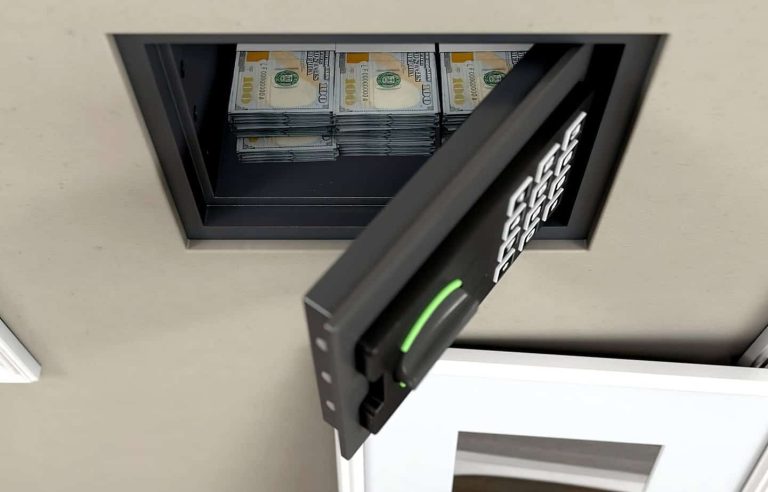
Before purchasing a gun safe, determine what you will store in it. Not all safes are created equal, and some are designed specifically for jewelry, cash, and documents, while others are designed for firearms.

Be cautious of individuals in the industry who sell low-quality safes and claim to offer top-quality merchandise. To ensure you purchase a safe that meets your needs, consider factors such as metal thickness, lock type, door steel plate, RSC rating, fire rating, hinge placement, and floor anchor points. These factors vary based on requirements, budget, and manufacturer.

This guide provides an overview of what to know before making a purchase.

Safe size

Determine the maximum space you are willing to dedicate to your safe. The standard advice is to purchase the largest safe you can afford. If finances are a concern, it may be better to wait and save up to get a higher-quality safe.

Weight

A simple method to evaluate the quality of a safe is to assess its weight. Generally, heavier safes tend to be of better quality, as they often feature thicker gauge steel and utilize high-density concrete-based materials instead of drywall panels. Keep in mind, this is a starting point, and it is recommended to further research the reasons for a safe’s weight.

Door thickness

Remember, thicker is better. Often, manufacturers will provide the total thickness of the door, which includes air space and drywall sheets. However, what matters is the gauge of steel used on the door and the walls of the safe, as they are typically different, with doors usually made of thicker gauge steel.

Insulation

The insulation between the steel sheets of a safe varies in quality. The best option is a poured concrete amalgamate, consisting of Portland cement mixed with materials like fiberglass and vermiculite to hinder cutting tools and absorb heat. Fiberglass-reinforced gypsum fireboard panels are a commonly used fire-resistant insulation. However, when exposed to fire, the gypsum absorbs heat and converts it to steam, causing the gypsum to fall apart and putting the contents of the safe at risk.

Hard plate

The lock mechanism is often a weak point on a safe, so manufacturers often include a hard plate made of heat-treated steel behind the lock to prevent drilling. A hard plate is meant to break or jam a drill bit before it reaches the lock mechanism. However, be cautious when purchasing a safe, as some sellers may emphasize the presence of a hard plate while using thinner gauge steel in the safe.

Body welds

A continuous welded joint is stronger than the surrounding metal when done correctly. However, some less expensive safes use stitch welding and fill the joints with body filler. For optimal strength, the body and seams of the safe should have a deep-penetrating weld, with a minimum of a quarter-inch specified by the UL 687 construction ratings. Dropping the safe on its corner or side edge is a common method to quickly access it, but this can cause a cold weld to split due to the force and weight of the safe.

Anchor points

Not securing your safe to the floor is a common error made by safe owners. Anchoring the safe makes it difficult for a thief to tip it over. If a safe is tipped on its back, a thief can stand on the door for leverage and, with the help of an accomplice, easily pry open the door. If anchoring to the floor is not an option, filling the safe with heavy items such as ammunition can make it harder to tip.

Hinges

The choice between internal and external hinges on a safe can affect accessibility. External hinges allow for a wider door opening, up to 180 degrees, while internal hinges typically open only up to 90 degrees. Consider placement and ease of access when making a decision. Hinges themselves do not play a role in security and can be cut by inexperienced thieves.

However, the door of a safe with external hinges is securely anchored in place by fixed bolts running the height of the door on the same side of the hinge when locked.

Locking mechanism

vault locking mechanism

The most common locking mechanisms for home safes are electronic, mechanical, and biometric. Some safes offer a combination of both manual and electronic options, offering a backup plan if one fails.

Electronic locks are quick to open, but some people are hesitant to trust them due to fears of electrical malfunctions, EMP attacks, or a general distrust of electronics. If you prefer electronic locks but worry about EMPs, there are now electronic locks that are able to handle such pulses.

Mechanical locks, with their simple multi-tumbler combination design, are reliable, require limited maintenance, and offer a large number of possible combinations. Some companies even offer a lifetime warranty.

Biometric locks use fingerprints as a code, unlocking the safe with a quick scan. When considering a biometric lock, be sure to test the biometric reader on a demo safe, as not all scanners are equal in performance.

Bolts

Examine the door’s “bolts” of a safe, which are cylindrical projections that extend from the door as the lock is rotated, securing it in place. Consider the number, thickness, length, and composition of the bolts. Also, assess the strength and thickness of the walls that support the bolts.

Shear pin

The shear pin is located on the door handle shaft and acts as a fail-safe mechanism in case of prying attempts. If the handle is used as leverage to pry open the bolt system, the pin will break, disconnecting the door handle from the bolts and rendering the safe unopened. Note that this is a one-time use system, and repair will require the assistance of a safe smith once the pin has broken.

Clutch

A clutch mechanism in a safe serves as a security feature by protecting the locking mechanism from being forced open by unauthorized individuals. This is achieved by allowing the handle to spin freely when excessive force is applied to it. The clutch serves as a fail-safe system, which helps prevent theft attempts while minimizing damage to the safe. The clutch mechanism acts as a barrier to protect the locking mechanism, making it more difficult for a thief to break into the safe.

This added layer of protection enhances the overall security of the safe, ensuring that valuable items stored inside are kept safe and secure. By incorporating a clutch mechanism in a safe, users can have peace of mind knowing that their possessions are protected from theft and damage.

bannerlost2

Relockers

A relocker is an essential component of a safe that provides added security and protection against tampering. It is designed to engage automatically in the event that the safe is subjected to excessive force or attack with tools such as hammers, drills, or crowbars. The purpose of a relocker is to prevent the transfer bars from moving, effectively locking down the bolts and making it impossible to open the safe through conventional means.

Relockers can be made of either glass or metal and serve as a secondary line of defense against theft or unauthorized access. If the glass relocker shatters or the metal relocker is impacted by a tool, the spring-loaded mechanism will activate, locking the bolts in place. In this scenario, the dial of the safe will no longer function, and the owner will have to seek the services of a professional locksmith to open and repair the safe.

In conclusion, a relocker is a critical component of a safe, providing an added layer of security and protection against theft or tampering. It serves as a fail-safe system, ensuring that the safe remains secure even in the event of an attempted break-in.

Security rankings

The evaluation of safe ratings can be perplexing due to various and overlapping systems and the absence of a compulsory testing requirement for manufacturers. This leads to misleading claims regarding the security of safes. To determine the resistance of a safe against burglar attacks, there are two distinct rating methods: Construction Ratings established by the insurance industry and Test Performance Ratings developed by Underwriters Laboratories (UL).

Construction ratings

In the construction rating system, B-Class and C-Class are the most widely recognized ratings. These ratings are based on the door and body thickness rather than the level of resistance to attack. A B-Class-rated safe must have a door that’s less than 1 inch thick and a body made of steel that’s less than half an inch thick. A C-Class rating doubles these thickness standards. To put this into perspective, the lowest UL rating (TL-15) is equivalent to a Class ER rating in the construction rating system.

Test performance ratings

construction ratings on safes transformed

Under the UL 687 Standard, safes undergo extensive testing to earn certification as burglar and fire-resistant. The lowest rating, TL-15, requires the safe to resist door opening or creating a 6-square-inch opening through the door or front face for 15 minutes when attacked with common tools, picking tools, electrical tools, drills, and pressure-applying devices.

However, many safes only receive a UL-RSC rating, which only certifies resistance against 5 minutes of tampering attacks. The highest rating, TSTL-60, certifies the safe can withstand 60 minutes of attacks from professional safecrackers using cutting torches, nitroglycerin, or other explosive methods.

Fire rating

The cost of fire-resistant safe increases with its rated fire protection time. Consider the length of the fire rating and evaluate your protection needs. It’s important to note that a fire-rated safe may not necessarily protect firearms, as high heat can cause rifle barrels to warp and paper documents to become damaged or destroyed.

The Underwriters Laboratories (UL) 72 is the standard for fire resistance in safes, divided into three categories: 350, 150, and 125. These categories are typically translated into time limits for internal temperatures. For example, a UL 72 Class 350 rating for two hours means that the internal temperature of the safe won’t exceed 350 degrees for two hours, even if the outside temperature reaches as high as 1,850 degrees for 45 minutes.

The fire endurance test also includes an impact test (a 30-foot drop to simulate failing floorboards in a three-story building) and an explosion test. Claims of “UL Rated Fire Insulation” or “Tested to UL Standards” should be viewed with caution. UL offers product ratings for thousands of items, but just because a product has UL-rated fire insulation or was tested to UL standards doesn’t necessarily mean it passed the test or received a specific rating.

For example, the gypsum board used as insulation may have been UL tested, but the safe itself may not have been. Similarly, a safe being “tested to UL standards” doesn’t provide information on its performance or the rating it received.

Concluding

bannerlost1

As you can see in this guide, buying a safe requires a little bit of research and knowledge before putting the money down. It’s important to understand all these key factors to make sure you buy the right safe for your needs.

Suggested prepping learning:

Seven Key Elements Your Home Defense Plan Needs

Must-Have Knowledge to survive any medical emergency

Pros And Cons of Various Firearms For Home Defense

Time-tested lessons to protect your home against intruders
GI sewing kit | Survival Monkey Forums

0

I found this one today for $3. Far better than the plastic sewing kit I was issued. It’s missing a needle threader, which is a necessity with my vision, but it’ll be a stout kit once I augment it a bit.

They’re available online for $10-15 but when you need a button sewn on, a tear mended or a wound closed the price will be long forgotten.

IMG_20230205_233227.

IMG_20230205_233033.

IMG_20230205_233111.


TOTM February 2023

0

Sorry this is late…

Let’s talk about surviving a deep economic depression. Your bank, everyone’s bank closes, stores are sold out of everything and boarded up, fuel is unavailable or severely rationed, the electrical grid is shut down, the government has frozen all financial assets in the country and is rationing food and water through FEMA nation wide.
Personal property is being seized, farms, livestock, homes, cars, trucks, boats and recreational vehicles are all being seized by…

TOTM February 2023