


Anduril moves into hypersonics with acquisition of rocket motor maker
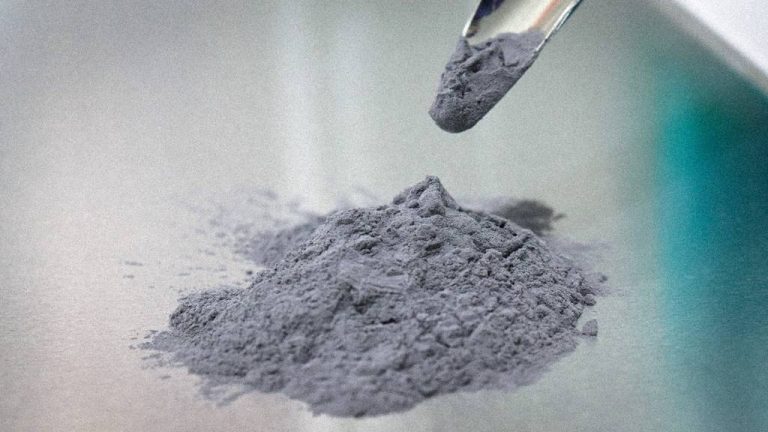
WASHINGTON — Defense technology firm Anduril Industries on Sunday announced it has acquired solid rocket manufacturer Adranos, giving it a stronger position in the hypersonic and missile market.
Anduril’s purchase of Adranos will allow it to start supplying solid rocket motors to companies that make hypersonic weapons, missiles and other propulsion systems, the company said in a blog post. The terms of the deal were not disclosed.
The acquisition marks a significant expansion of Anduril’s scope. The company, founded in 2017, has primarily focused on technologies like artificial intelligence, counter-drone systems and autonomous air systems.
Adranos is best known for creating a solid rocket fuel dubbed ALITEC, made of an aluminum-lithium alloy. The company, founded at Purdue University in 2015, says this fuel can produce up to 40% more range in solid rocket motors than other fuels at lower cost.
Anduril also highlighted Adranos’s work on advanced manufacturing processes for developing solid rocket motors, which it claims is faster and more efficient than those used by other solid rocket motor manufacturers.
“There is a clear need for greater competition and expanded supply in solid rocket motors for the United States and our allies,” Anduril chief executive Brian Schimpf said in the post. “With this acquisition, Anduril will grow the defense industrial base, speed development and production of critical components with an advanced manufacturing approach, and enable next-generation performance of solid rocket motors with ALITEC, which is crucial for national security and [the] overall health of the defense industry.”
Anduril plans to develop the Adranos Solid Rocket Complex production facility in Mississippi into what it called a modern manufacturing facility. The improvements to Adranos’ facility will allow it to produce thousands of solid rocket motors, both standard and those that use ALITEC fuel, per year at faster rates.
“Our focus has been on innovating solid rocket motor development and manufacturing, solving the problems of rocket range and production volumes,” Adranos chief executive Chris Stoker said. “With Anduril, we’ll be able to rapidly mature our technology and scale our team and production capabilities to increase our output to thousands of traditional and ALITEC solid rocket motors per year.”
Mississippi Sens. Cyndi Hyde-Smith and Roger Wicker, both Republicans, were quoted in the blog post as emphasizing the importance of solid rocket motors to U.S. national security, and said Anduril’s acquisition of Adranos will expand industry’s ability to supply those parts.
“These motors are the lifeblood of munitions, hypersonic weapons and small space launch systems,” Wicker said. “Anduril’s acquisition of Adranos establishes a new merchant supplier of these components at a critical time.”
Aerojet Rocketdyne, Northrop Grumman and Nammo are some of the other firms competing to make solid rocket motors.
Stephen Losey is the air warfare reporter for Defense News. He previously covered leadership and personnel issues at Air Force Times, and the Pentagon, special operations and air warfare at Military.com. He has traveled to the Middle East to cover U.S. Air Force operations.
A Few Herbs To Grow and Use For Emotional Well-Being

Exploring the realm of medicinal herbs extends beyond their physical healing properties, as they possess the potential to support our mental and emotional well-being. In addition to their renowned immune-boosting, pain-relieving, and digestive benefits, herbs have the ability to alleviate anxiety, mild depression, induce relaxation, improve sleep, and enhance focus and mental clarity.
The extensive array of herbs used for these purposes is vast, making it challenging to compile a comprehensive list. Nonetheless, the forthcoming pages highlight a selection of easily cultivated and enticing herbs, exuding beauty and a delightful aroma, ideal for your personal garden. These herbs can be effortlessly transformed into soothing herbal teas.
While these herbs are generally considered safe for use in teas and other herbal preparations, it is advisable to seek guidance from a healthcare professional before consuming them in large quantities, for prolonged periods, or for treating specific medical conditions.
Consulting with an expert ensures proper dosage determination and helps identify potential interactions with medications or any other side effects. This precaution is particularly crucial for pregnant or nursing women, as well as individuals taking prescription drugs.
Herbs for emotional well-being
Lemon balm
Lemon balm (Melissa officinalis), a perennial herb with vibrant green leaves reminiscent of its mint relative, emits a distinct lemony fragrance. Its historical use as a stress and anxiety reducer adds to its appeal.
Growing lemon balm: Lemon balm thrives when planted as young plants during late spring. It is generally considered hardy up to Zone 4. With a potential height of 2 feet or more, it makes a charming addition to any perennial bed. Its abundant green leaves and small white flowers add visual appeal when in bloom. Lemon balm is a relatively fast-growing herb, typically reaching maturity in approximately 70 days. Harvest the leaves when desired, whether for immediate use or for drying to create delightful herbal teas.
Health benefits: Lemon balm has a traditional reputation for addressing insomnia and anxiety, often enjoyed in the form of tea. Numerous studies support these medicinal uses, sometimes combining lemon balm with other calming herbs like valerian. Interestingly, lemon balm may offer additional benefits for mental health. Although further research is necessary, a recent compelling finding suggests that treatment with lemon balm extract may enhance cognitive function and reduce agitation in individuals with mild to moderate Alzheimer’s disease.
Rosemary
Rosemary (Rosmarinus officinalis), a fragrant perennial shrub native to the Mediterranean, is renowned for its culinary applications and possesses potential mood-boosting and brain-protecting properties.
Growing rosemary: Begin by planting rosemary as young plants during the spring, ensuring well-drained soil and ample sunlight. Carefully select rosemary varieties, considering their growth habits, such as upright or trailing, compact or sprawling, and their cold hardiness levels. While only a few varieties are marketed as hardy beyond Zone 6, in warmer climates, rosemary can be cultivated as a hedge. In cooler regions, it is advisable to grow rosemary in pots, transferring them indoors during winter.
However, certain varieties like ‘Arp’ or ‘Hill Hardy’ have the potential to overwinter in colder climates, particularly with the aid of heavy mulch or other protective measures. Within approximately 100 days, rosemary reaches maturity, producing slender, needle-like leaves that can be harvested throughout the year for fresh or dried use.
Health benefits: Rosemary not only delights our taste buds but also offers promising health benefits. Laboratory research has documented the anticancer properties of rosemary, showcasing its potential as a natural ally in the fight against cancer. Its antioxidant properties contribute to cellular protection and may aid in reducing oxidative stress in the body.
In addition to its potential anti-cancer effects, rosemary has shown promise in improving mental well-being. An animal study suggests that rosemary may have anti-depressant effects, potentially influencing neurotransmitters involved in mood regulation. Furthermore, a human study conducted in 2012 suggests that rosemary might enhance cognitive function, particularly at low doses. The findings hint at the herb’s ability to support memory, concentration, and overall cognitive performance.
The aromatic qualities of rosemary extend beyond its culinary appeal. Aromatherapy studies have demonstrated that the scent of rosemary can have a positive impact on the mind. Inhaling the invigorating aroma of rosemary essential oil or dried rosemary leaves has been linked to improved memory retention, increased focus, and reduced stress levels. These findings make rosemary an intriguing herb for incorporating into relaxation techniques, such as diffusing the essential oil or using it in herbal bath blends.
Sage
 Sage (Salvia officinalis), a widely recognized culinary herb, offers a surprising array of well-researched medicinal benefits. As a perennial herb originating from the Mediterranean, sage holds potential protective effects on memory and cognition.
Growing sage: Embark on your sage-growing journey by planting young sage plants during the spring season. Sage thrives in full sun and well-drained soil conditions. With its maximum height reaching up to 3 feet, sage presents an appealing sight with its attractive leaves and small, typically purple flowers. It makes an excellent addition to herb gardens or ornamental borders.
Numerous sage varieties are hardy up to Zone 4, allowing for successful cultivation in various climates. The harvesting period typically occurs within 80 to 90 days. When harvesting, take care not to overprune the plant. The harvested leaves can be used fresh or dried for the enjoyment of flavorful herbal teas.
Health benefits: Sage has a long-standing reputation for its ability to sharpen the mind, and numerous studies provide support for this claim. Both animal and human studies have indicated positive effects of sage on memory. In fact, a notable study found that a single dose of sage improved both mood and memory in the participants.
The benefits of sage extend beyond its memory-enhancing properties. Sage possesses potent antioxidant and anti-inflammatory qualities, which contribute to its potential therapeutic applications. It has been explored for its potential antimicrobial properties, making it a valuable herb in traditional medicine for combating infections and promoting overall health.
While sage offers promising health advantages, it is advisable to consult with a healthcare professional before using it extensively or for specific medical conditions. They can provide personalized guidance, particularly if you have underlying health issues or are taking medications that may interact with sage.
Lavender
Lavender (Lavandula angustifolia), commonly known as English lavender, is a lush perennial shrub characterized by its bushy growth. The captivating upright flowers in shades of blue or purple emit a strong and delightful fragrance known for its relaxing properties.
Growing lavender: Commence your lavender-growing journey by planting young plants during the spring season, ensuring they receive ample sunlight in a well-drained soil location. With the aid of mulch or other protective measures, lavender can thrive in Zone 5 and even Zone 4, particularly when opting for compact and bushy varieties like Munstead. Some lavender types can reach a height of 3 feet, while most plants take approximately 100 to 110 days to mature. The flowers can be harvested and dried, allowing for their utilization in fragrant herbal teas.
Health benefits: Lavender is widely recognized for its calming properties. The essential oils derived from lavender are extensively used in aromatherapy, providing relaxation and tranquility. You can also experience the soothing scent of lavender by growing the herb and incorporating it into your living space. Placing lavender in pillows or infusing it into bath and beauty products allows you to enjoy its aromatic benefits.
In addition to its aromatherapy applications, some studies suggest that lavender may possess anxiety-reducing effects when taken orally. This highlights its potential as a natural remedy for promoting emotional well-being and mitigating feelings of anxiety.
Valerian

Valerian (Valeriana officinalis), a tall perennial herb adorned with fragrant white or pink flowers, is primarily cultivated for its potent roots, which have a long history of use as a mild sedative.
Growing valerian: Initiate the cultivation of valerian by planting young plants during the spring season, but exercise patience as the roots should be harvested in the fall of the second year. Valerian is generally hardy up to Zone 3 but experiences dieback during winter, regenerating from the ground come spring.
Maintaining a moist environment is essential for valerian’s growth, and it can reach an impressive height of 5 feet. In some cases, it may be sold under the name “garden heliotrope.” When the time for harvest arrives, carefully dig up the entire plant and cleanse the roots of any soil. Subsequently, place the roots in a warm area to facilitate drying. Valerian roots are often utilized in tea preparations and can be combined with other herbs like lemon balm and hops for enhanced benefits.
Health benefits: Valerian has gained recognition as a calming herb, particularly for its efficacy in managing insomnia. Numerous studies support the positive effects of valerian in promoting sleep. In a study spanning 28 days, participants receiving valerian reported fewer symptoms of insomnia compared to those receiving a placebo. This substantiates valerian’s reputation as a natural aid for improving sleep quality.
Valerian is also utilized for its potential in alleviating anxiety; however, research results in this regard have been mixed, necessitating further investigation. While valerian shows promise in anxiety management, it is advisable to consult with a healthcare professional before incorporating it into a treatment regimen.
Hops
Hops (Humulus lupulus) are magnificent tall perennial vines cultivated for their vibrant green cone-shaped flowers, also known as strobiles. These flowers possess a mild sedative effect, making them a favored ingredient in tea and, of course, beer!
Growing hops: Optimal growth conditions for hops include rich soil, full sun exposure, and a sturdy trellis reaching heights of 10 to 20 feet. Hops are typically propagated from rhizomes, which can be obtained from various garden suppliers, including Stark Brothers and Fedco Trees, who also offer fruit trees. Plant the rhizomes approximately one foot deep and ensure a spacing of at least 3 feet between each plant.
Numerous hop varieties exhibit hardiness up to Zone 5 or even beyond, with harvesting typically commencing in the second year. Harvest the green cones once they have become papery in texture, often accompanied by the presence of a yellow powder. After harvesting, allow the cones to thoroughly dry before storage, and consider freezing them if not intending to use them immediately.
Health benefits: The sedative properties of hops have garnered support from several studies, affirming their effectiveness in promoting relaxation and sleep. More recent research has uncovered an additional benefit of hops: the presence of xanthohumol, a compound that exhibits promising potential in protecting brain cells from the damage associated with neurodegenerative diseases like Alzheimer’s and Parkinson’s.
The best, time-tested herbal remedies (watch video):

Concluding
The world of medicinal herbs offers a vast array of possibilities for enhancing our physical, mental, and emotional well-being. From the soothing properties of lavender and lemon balm to the memory-boosting effects of rosemary and sage, these herbs have been treasured for their therapeutic benefits throughout history.
When it comes to growing these herbs, it’s essential to consider their specific requirements. Providing ample sunlight, well-drained soil, and proper spacing can help ensure their successful cultivation. Whether you choose to grow them in your garden or in pots indoors, the process of nurturing these plants can be a rewarding experience.
Furthermore, exploring the health benefits of these herbs reveals a wealth of research and anecdotal evidence supporting their use. From relieving anxiety and promoting sleep to protecting cognitive function and reducing stress, these herbs have found their way into teas, aromatherapy practices, and various medicinal preparations.
However, it is crucial to approach herbal remedies with caution and seek professional advice. Consulting with a healthcare provider can help determine suitable dosages, potential interactions with medications, and address individual health considerations. This is particularly important for pregnant or nursing women and individuals with specific medical conditions.
Incorporating medicinal herbs into our lives can provide a natural and holistic approach to wellness. Their unique qualities, scents, and flavors can bring joy and serenity to our daily routines. So, whether you’re sipping a cup of lavender tea, enjoying the fragrance of a rosemary-infused bath, or using sage for its memory-enhancing properties, these herbs offer a delightful and therapeutic connection to nature’s healing power. Embrace the world of medicinal herbs and discover the remarkable benefits they can bring to your life.
Useful resources to check out:
The five best herbal antibiotics you should use
Knowledge to survive any medical crisis situation during a major disaster
Top five plants for urban foraging
A few survival food recipes everyone needs to learn
Hoppin John
Does anyone other than me like it? Made some up using canned blackeyed peas, chicken broth, bell peppers, garlic, onions, and chopped up honey ham. First try and it was plenty good!
Next time I will cook peas from scratch add a little wine and have it with cornbread. Maybe jalapeno cornbread.
Poll finds continued public support for Ukraine, Taiwan aid

WASHINGTON — A new poll on national security issues finds three-quarters of respondents believe it is important for Ukraine to win its war against Russia’s invasion, but not all of them support providing Ukraine military aid.
The Ronald Reagan Presidential Foundation and Institute’s first summer poll, released to the public on Sunday, also found continuing support for the United States taking a leadership role in the world, opposition to cutting defense spending — and a pronounced generational divide over whether to ban the social media app TikTok.
The Reagan Institute Summer Survey, which polled 1,254 people online and over the phone in late May and early June, found that 76% of respondents felt a Ukrainian victory was important to the United States.
That belief was held most strongly by Democratic respondents, 86% of whom agreed that a Ukrainian victory was important, and least strongly by Independents, 58% of whom agreed. Among Republicans, 71% of all respondents agreed with that statement, but support was slightly softer among respondents who said they would vote for former President Trump in the primaries.
A majority of poll respondents — about 59% of them — support the United States sending Ukraine military aid, with about 30% opposing military aid.
Rachel Hoff, the Reagan Institute’s policy director, said in a June 23 call with reporters that represents a slight increase in support from the institute’s last poll, conducted in November 2022. That survey found that 57% of respondents supported providing Ukraine with military equipment and financial assistance, with 33% saying the U.S. should instead focus on its problems at home.
“The polling does not indicate that there’s a kind of Ukraine fatigue,” Hoff said. “There’s not decreasing levels of support for sending military aid to Ukraine. That’s remained consistent.”
Of aid supporters in this summer’s poll, 37% said it was most important to stand up to Russian aggression in Ukraine to deter Moscow from invading other neighboring countries. Another 30% of military aid supporters said it is important to help protect other nations’ sovereignty and the freedom of their peoples whenever possible.
Aid opponents — 57% of them — overwhelmingly said the United States has too many of its own needs that are not being addressed to send billions of dollars in aid to Ukraine. Concerns about further provoking Russia motivated another 15% of aid opponents, and 11% expressed concerns about the depletion of the U.S.’s own weapons stockpile.
Another 11% said the most compelling reason for opposing aid to Ukraine was because corruption and embezzlement there could mean some aid would never make it to the battlefield.
When asked whether more reliable accounting measures aimed at protecting against embezzlement or corruption would make them more likely to support aid to Ukraine, more than half of respondents said it would not sway their opinion.
The poll also found people became more likely to support aid to Ukraine when they learned more about the actual costs and outcomes of the assistance. When first asked a general question about the United States’ aid to Ukraine, half of respondents said it has been worth the cost. When pollsters followed up by saying the aid has amounted to about $24 billion — or 3% of the U.S. military’s budget — while helping Ukraine hold onto about 83% of its own territory while severely degrading Russia’s military and ability to threaten NATO allies, that support rose to nearly two-thirds.
Republicans’ opinions on the cost-effectiveness of Ukraine aid grew the most after being more deeply informed about the potential benefits of that aid, from 41% to 59%. Democrats were again most supportive, and Independents the least, at 46%.
More than half of all respondents, or 56%, said European allies are not doing their fair share to assist Ukraine.
The poll did not query respondents on specific forms of aid to Ukraine, such as long-range missiles or fighter jets.
The Reagan Institute typically polls the public each November, but this year decided to hold a second poll as summer began. This survey took a much greater dive into Ukraine-related questions than previous polls.
The survey showed mixed opinions on what role the United States should play in the world — but support grew when respondents were asked about specific foreign policy principles America could foster.
Hoff said that the institute was surprised to see two-thirds of overall respondents felt the U.S. would be better served by withdrawing from international affairs and focusing more on its own problems. That included 75% of Republican respondents.
“That struck us as quite high, especially when we think about President Reagan’s legacy around global engagement and American leadership,” Hoff said. “We were encouraged to see that as we asked about the particulars of what American global engagement might look like, the answers were quite higher.”
When asked about the importance of standing up for human rights and democracy, and promoting trade and boosting the economy, about three-quarters of overall respondents expressed their support. Another 85% — including 92% of Republican respondents — said it was important to maintain a strong military. Hoff said all questions were asked at the same time.
Hoff said these results — while appearing somewhat contradictory — show that Americans still remain supportive of the country playing a leading role in the world and engaging with other nations, despite domestic challenges.
“Americans … want to do both,” Hoff said. “They seem to reject the premise of that false dichotomy that we need to withdraw and focus on problems here at home.”
The poll also found strong opposition to cutting military spending to reduce the budget deficit, with 58% of respondents opposing such cuts. Democrats were most open to defense cuts, with fewer than half expressing opposition, and 70% of Republicans were opposed to defense cuts.
The Reagan Institute’s poll found more than half of respondents continued to favor supporting Taiwan to discourage China from invading — but again, there were signs of softening support.
Last November, 61% of poll respondents supported increasing a U.S. military presence near Taiwan, and 58% supported selling Taiwan more arms. But in the latest poll, both responses slid to 56% and 52%, respectively.
Hoff attributed those declines to decreasing support for deterrence among Democrats, and said Republicans had grown more likely to support aid and a U.S. military presence near Taiwan.
Respondents were largely divided over the controversial social media app TikTok, with 40% saying it should be banned in the U.S. and 44% opposing such a ban.
TikTok is owned by ByteDance, a Chinese company that is now headquartered in Singapore. It is wildly popular with teens and young adults, who use it to create and share short, often humorous videos.
A pronounced split over TikTok emerged among respondents of different ages. Respondents who were between the ages of 18 and 29 were vehemently opposed to a ban, with only 19% in favor and 73% opposed, and 8% expressing neither opinion.
Support for a ban gradually grew with respondents’ age, with 54% of respondents over 65 saying the app should be banned, and 24% opposed. And the percentage of respondents expressing neither opinion also increased with age, reaching 22% among those 65 and older.
Congress, the U.S. military and federal agencies have already banned TikTok from government-issued mobile devices amid concerns that China could use the app to obtain private user data or try to push favorable misinformation.
ByteDance has rejected accusations that TikTok is a security threat and says it does not share data with the Chinese government, nor hold data in China. ByteDance also says it is independently run, and does not collect more user data than other social media platforms.
Stephen Losey is the air warfare reporter for Defense News. He previously covered leadership and personnel issues at Air Force Times, and the Pentagon, special operations and air warfare at Military.com. He has traveled to the Middle East to cover U.S. Air Force operations.

AR Bolt with Dual Ejectors

An email hit my inbox today from KAK with their new AR bolt.
1000's of rounds and I have never had a failure to eject.
SDR and SIGINT – Intel For Grid Down

HOW TO GET STARTED:
Tactical SIGINT:
What is Software Defined Radio?
Wagner (PMC) headed to Moscow.

Now occupied Rostov, shit is getting real.
Massive troop movement toward Moscow…