Stockpiling Suggestions For Your Survival Medicine Cabinet

0

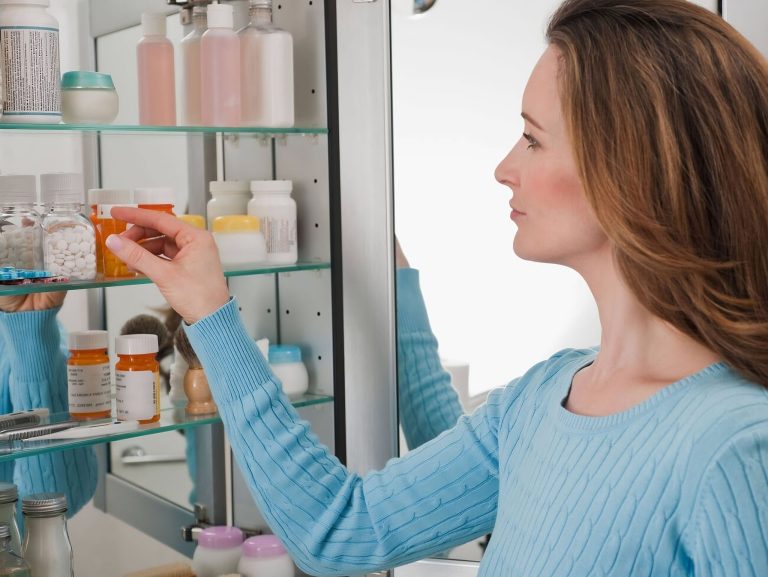
When it comes to building your preparedness arsenal, one essential component to prioritize is stocking up on over-the-counter (OTC) medications. Disaster events can disrupt the availability of prescription medicines, making it crucial to have a reliable supply of OTC drugs.

These medications, which should be included in your survival medicine cabinet, effectively address a wide range of common medical issues. They provide relief from pain, manage symptoms of respiratory and intestinal infections, alleviate allergies, and tackle various other ailments. By understanding which OTC medications to stockpile, you can ensure your readiness for potential disaster scenarios.

OTC medications, the essential components of a survival medicine cabinet, encompass a wide range of drugs that address common medical issues. They provide essential relief from pain caused by injuries, alleviate symptoms associated with respiratory and intestinal infections, manage allergies, and tackle various other ailments.

It is worth noting that many OTC drugs were once obtainable only through prescriptions, but now they are accessible to the general public. This unique opportunity allows prepared citizens to stockpile these crucial therapies for a multitude of problems in their survival medicine cabinet.

Considering the complexity involved in manufacturing pharmaceuticals, the production of these drugs would be nearly impossible following a collapse. Even aspirin, the oldest manufactured drug, may not be recognizable or available in such circumstances. Therefore, it is wise (and cost-effective) to accumulate certain medications in your survival medicine cabinet to prepare for potential disaster settings.

In your survival medicine cabinet, it’s important to have a variety of essential over-the-counter (OTC) medications. Let’s explore some of the key options.

How to stockpile your survival medicine cabinet

Aspirin, 325 mg: If you already have ibuprofen and acetaminophen in your medical storage, it’s still worth considering adding aspirin to your survival medicine cabinet. Aspirin has been trusted since the late 19th century as a pain reliever, fever reducer, and anti-inflammatory. It also possesses blood-thinning properties. Additionally, aspirin is beneficial for older individuals with coronary artery disease and a history of heart attack or stroke. In the case of a suspected heart attack, chewing an entire adult aspirin can provide immediate assistance.

It’s interesting to note that the active ingredient in aspirin can also be obtained by chewing on a cut strip or a tea made of the underbark of a willow, aspen, or poplar tree. To address pain, fever, and inflammation, take two adult aspirin (325 mg) every four hours.

For coronary artery disease and as an anticoagulant, a daily dose of one baby aspirin (81 mg) is recommended. In survival settings, higher doses may be appropriate to replace stronger blood-thinning drugs like Coumadin (warfarin), although further research is needed to determine the exact amount. It’s important to watch for stomach upset and exercise caution in individuals with kidney and liver disease.

Acetaminophen 325 mg (Tylenol): Among the popular pain relievers and fever reducers, acetaminophen is a must-have in your survival medicine cabinet. While it’s not an anti-inflammatory, this drug is excellent for treating pain and fevers. It’s particularly suitable for children when taken in lower doses. Tylenol is available in regular (325 mg) and extra strength (650 mg) formulations. For adults, the recommended dosage is one to two tablets every four hours.

Ibuprofen 200 mg (Motrin, Advil): As another popular pain reliever, anti-inflammatory, and fever reducer, ibuprofen is an essential medication to stockpile. Its versatility in addressing various problems makes it a valuable addition to your survival medicine cabinet. Ibuprofen effectively eases pain from strains, sprains, arthritis, and traumatic injuries. Additionally, it helps reduce inflammation in the affected area and lowers fevers caused by infections.

However, be cautious of potential stomach upset, and individuals with kidney and liver disease should use it with care. The recommended dosage for ibuprofen is one or two tablets (200 mg) every four hours, three tablets every six hours, or four tablets every eight hours (up to a maximum of 3,200 mg within 24 hours).

Pepto-Bismol (Bismuth sub-salicylate) 262 mg: This versatile OTC drug, Pepto-Bismol, is an important addition to your survival medicine cabinet. It effectively addresses various problems, including heartburn, indigestion, nausea, gas, and diarrhea. It is particularly considered the drug of choice for traveler’s diarrhea.

Keep in mind that it may cause black-colored bowel movements. The dosing regimen may vary, but a common recommendation is to take two regular-strength tablets (524 mg) orally every 30 to 60 minutes. Do not exceed eight doses of regular Pepto-Bismol within 24 hours, and the total therapy should not exceed two days.

Loperamide (Imodium) 2 mg: Given the high likelihood of food and water contamination issues in the aftermath of a disaster, loperamide is an essential medication to include in your survival medicine cabinet as an anti-diarrheal. By slowing down intestinal motility, it helps prevent water loss and dehydration. Surprisingly, dehydration resulting from diarrheal disease caused more deaths during the Civil War than bullets or shrapnel.

The usual dosage is two tablets (4 mg) after the first loose bowel movement, followed by one tablet (2 mg) after each subsequent loose bowel movement. The maximum intake within 24 hours should not exceed four tablets (8 mg). Additionally, consider stocking rehydration salts, a vital mix of electrolytes that can be added to water to restore balance.

Laxatives/Stool Softeners: In your survival medicine cabinet, it’s important to include options for addressing constipation caused by long-shelf-life foods. These binding foods may necessitate the use of stool softeners and laxatives. There are various types available that work in different ways to aid in evacuation. While laxatives and stool softeners have similar objectives, they function differently.

Laxatives help stimulate bowel movements, while stool softeners like docusate (Colace, Senokot) moisten and soften the stool. While all stool softeners have a laxative effect, not all laxatives have a softening effect on the stool. Examples of the latter include mineral oil, bisacodyl (Dulcolax), and glycerin. Most of these medications are intended for short-term use and should only be used when necessary.

Omeprazole 20-40 mg (Prilosec) or other antacids: When consuming unfamiliar food during a survival situation, issues with stomach acid can arise. To address heartburn, queasiness, and stomach upset, antacids are a valuable addition to your survival medicine cabinet. The recommended starting dosage for omeprazole is 20 mg once a day before a meal.

There are alternative options available, such as cimetidine (Tagamet), famotidine (Pepcid), and others. If you have stocked ranitidine (Zantac), be aware that older versions have been linked to certain cancers. However, the current version is the same as Pepcid.

Calcium carbonate (Tums) or magnesium sulfate (Maalox) in solid forms are also suitable for stockpiling. Rolaids is an OTC medication that combines calcium and magnesium, and it is effective for acid reflux and ulcer disease.

Meclizine 12.5, 25, 50 mg (Bonine, Antivert): Nausea and vomiting often accompany diarrheal disease, making meclizine an essential medication to have on hand. This medication helps prevent nausea and vomiting and is commonly used to prevent motion sickness.

Additionally, meclizine aids in alleviating dizziness and can act as a sedative. It may have potential uses as a sleep aid or anti-anxiety medication as well. For motion sickness, take one 25 mg tablet an hour before boarding, or take 50-100 mg daily in divided doses for dizziness, anxiety, or sleep.

Pseudoephedrine 30 mg, 60 mg (Sudafed): Pseudoephedrine is an effective treatment for nasal or sinus congestion caused by respiratory allergies and infections. It also provides relief from ear congestion resulting from otitis media and other ear inflammations. The recommended dosage is up to 60 mg every four to six hours.

Due to its association with the production of methamphetamine, Sudafed is typically obtained by requesting it from a pharmacist. Pseudoephedrine is also present in various anti-allergy medications, where it is combined with other ingredients. These combination medications may have brand names ending in “-D,” such as Claritin-D, Zyrtec-D, and Mucinex-D.

Diphenhydramine 25 mg, 50 mg (Benadryl): As an antihistamine, diphenhydramine is effective in alleviating itching, rashes, nasal congestion, and other symptoms of allergic reactions. It can also help dry nasal passages, although it may cause dehydration in some individuals.

At higher doses of 50 mg, it serves as an effective sleep aid. The recommended dosage is 25 mg every six hours for mild reactions and 50 mg every six hours for severe reactions or sleep.

neosporin to stop the pain and desinfect the wound

Antibiotic Ointment (Neosporin, Bacitracin, Bactroban): When we find ourselves in situations where we must rely on our own resources, engaging in activities such as wood chopping and other tasks can expose us to the risk of injury. When these injuries break the skin, the risk of infection and subsequent serious illness increases.

Antibiotic ointments are applied to the site of the injury to prevent infection. However, it’s important to note that triple antibiotic ointment is not sufficient for curing deep infections; oral or intravenous antibiotics are required in such cases. Immediate application of the ointment after an injury significantly reduces the risk of infection. Apply the ointment three to four times a day.

Hydrocortisone cream (1%): Hydrocortisone cream is a mild steroid that effectively treats various forms of skin inflammation, including dermatitis, which can cause redness, flakiness, itching, and thickening of the skin. Its versatility makes it a suitable option for allergic dermatitis, eczema, diaper rash, and other similar conditions. Apply the cream to the affected area three to four times a day.

Clotrimazole, Miconazole cream/powder (Lotrimin, Monistat) (1-2%): Fungal infections can be bacterial, but they can also be caused by fungus. Common examples of this would be athlete’s foot (tinea pedis), vaginal infections (monilia), ringworm, and jock itch (tinea cruris).

Clotrimazole and Miconazole are examples of anti-fungal medications that would be useful to treat these conditions, which will be just as common off the grid as they are now, if not more. Apply the cream or powder twice a day for external infections. Although most anti-fungal vaginal creams are applied internally once daily, be sure to use as directed on the packaging, as they may come in different strengths. In some, the whole treatment course is over in one day; in others, three days or a week.

Multivitamins: In survival settings, the lack of access to a good variety of food may lead to dietary deficiencies, not just in calories but in vitamins and minerals. Vitamin C deficiency, for example, leads to scurvy.

To prevent these issues, you should have plenty of multivitamins in your survival medicine cabinet. Despite the recommendation on the bottle, you won’t have to take these on a daily basis, many multivitamins give you more than you need if taken daily, and you’ll just excrete what your body can’t absorb.

Insulin: Ensuring access to insulin is absolutely essential for individuals with Type I diabetes. In many states, basic forms of insulin (such as NPH and regular) can be obtained without a prescription. To maintain its potency, it is recommended to store insulin in a cool environment, ideally refrigerated between 36 degrees F to 46 degrees F. Freezing should be avoided. Sealed vials of insulin generally remain effective for about a year.

Remember, for greater comfort, it is advisable to warm refrigerated insulin slightly after dosing but before injecting. If refrigeration is not feasible, keep insulin vials between 59 degrees F to 86 degrees F, and they should retain their potency for approximately 28 days. As part of your preparedness strategy, always ensure you have extra vials of insulin stored in the refrigerator within your survival medicine cabinet.

Antibiotics: Antibiotics typically require a prescription in the United States; however, in long-term survival scenarios, certain veterinary equivalents used in the aquarium and avian pet trades may serve as potential options. It is important to note that antibiotics are primarily effective against bacterial infections and have limited or no impact on viral illnesses. While considering the inclusion of antibiotics in your emergency medicine kit, exercise caution and, if feasible, seek professional medical advice.

Concluding

The good news is that you can probably obtain a significant amount of all of the above drugs for a reasonable amount of money. To retain full potency, these medications should be obtained in pill or capsule form; avoid the liquid versions of any of these medicines if at all possible.

When storing, remember that medications should be stored in cool, dry, dark places easy to access but away from children. A medicine stored at 90 degrees will lose potency much faster than one stored at 50 degrees. In addition, your survival medicine cabinet should include OTC supplies other than medicines. A good variety of bandages and dressings are necessary to deal with wounds and orthopedic injuries. Antiseptics such as povidone-iodine solution (Betadine), chlorhexidine (Hibiclens), Benzalkonium Chloride (BZK), and isopropyl alcohol will help prevent infections and save lives.

Over-the-counter drugs are just another weapon in the survival medicine cabinet; accumulate them as well as prescription drugs for chronic illnesses and other problems. Review medical histories with group members to get an idea of what might be necessary to keep them healthy.

Natural alternatives are also important, such as aloe gel for burns. Certainly, you’ll eventually run out of the commercially made products. Supplies to treat bleeding wounds or other trauma are also imperative to have available. With a good stockpile, you’ll have everything you need to keep it together health-wise, even if everything else falls apart.

This article has been written by James H. Redford MD for Prepper’s Will.

You may also want to check this:

Knowledge to survive any medical crisis situation during a major disaster

Surviving drought – How to obtain water from air!

A few survival foods everyone should learn how to make

The vital self-sufficiency lessons our great grand-fathers left us

Sound of Freedom | Survival Monkey Forums

0

Discussion in ‘Freedom and Liberty‘ started by Hanzo, Jul 5, 2023 at 1:36.


  1. Hanzo
    Monkey+++


    Our Independence Day family movie. Why has this movie been blocked for so long? It’s the REAL story of slavery in our current day. Everyone should watch it. You can even get free tickets at Angel.com/freedom. I happily paid for mine.


survivalmonkey SSL seal


survivalmonkey.com warrant canary

Well…

0

Looks like this is what I have to work with.

623_1502595411745.

625_1502595408486.

I believe it's a 3 phase 10 to 15 horse 460v only hollow drive shaft with submerged pump. It doesn't have a pecker head to rewire the phases for high or lower voltage.
Has anyone worked with pumps like this?
I work with a lot of 3 phase 480v horizontal direct driven centrifugal pumps, but nothing like this.

Hello from Northern New Mexico!

0

Hello and Happy Independence Day from Northern New Mexico!

Gear Review – TECSUN PL-368 all band RX

0

The radio:

cost – around $70 USD.
Covers LW, MW (AMBCB), FM and Sw 3-30 Mhz. Am FM, SSB (USB/LSB) has an audio filter.
Comes with wire antenna and rechargeable LiPO cell commonly used in Cell phones. Rechanges via a USB-Micro port. All digital. New style SDR radio.
Note – there are no long wave commercial services in the US or Canada. You can hear so-called UTEs like NDBs.

Short, blunt review – if you want this for listening to Shortwave, don’t waste your money. Suffers badly from AM broadcast blow by.

For AM reception, does well IF used with a loop antenna. Works well on FM.
The SW, USB/LSB and bandwidth filter works. IF you don’t get buried in local AM station bleed thru.

This is a same radio sold by Country Comm – don’t believe the hype.

If you live in the sticks – well away from commercial AM transmitters, this may work for you. I can copy CW and the audio filters make this work. I guess I should have known that for $70 bucks, you are not going to get much. Because you don’t.

Compared to my Sangean ATS-909, there is no comparison. The -909 is more expensive, but you do get what you pay for there.

Ping me if you have specific questions, I ‘ve had and used this for more than 6 moths.

Bottom line
Do not buy. No value for the SW listener.


How To Build A Basement Safe Room

0

In today’s uncertain climate, where home invasions, public unrest, and job-related travel pose significant risks, ensuring the safety of your family has become more crucial than ever. To address these concerns and find a practical solution, I made the decision to construct a basement safe room—a sanctuary that would provide an extra layer of security and peace of mind.

A safe room serves as a fortified space within your home, specifically designed to withstand potential threats. It offers a place of refuge where your loved ones can seek shelter in times of danger or uncertainty. By having a dedicated safe room, you demonstrate your commitment to their protection and provide reassurance that you have taken every possible measure to keep them safe.

Why Choose a Safe Room for Your Home?

The demand for safe rooms is on the rise, as more homeowners recognize their importance. Surprisingly, though, many individuals express a desire for a safe room but fail to allocate the necessary time and resources to bring this vision to life. However, it’s worth considering that a basement safe room not only provides protection for your family but also adds significant value and desirability to your home when it comes time to sell.

While my own basement safe room boasts a solid construction, it is essential to understand that its purpose extends beyond that of a bomb shelter or vault. Its primary function is to safeguard your loved ones and protect your valuable possessions from armed intruders with malicious intent. By investing in a safe room, you create a secure sanctuary that instills peace of mind.

It is worth noting that this article does not aim to teach you construction skills. However, it does offer valuable insights into the practical aspects involved in undertaking such a project. By gaining a comprehensive understanding of what building a basement safe room entails, you can make informed decisions that align with your family’s safety and security needs.

Opting for Masonry Construction: A Solid and Cost-Effective Choice

When it came to selecting a construction method, I decided to go with masonry construction due to its affordability and exceptional structural integrity. Hollow-core concrete blocks, available at most home-improvement stores, can be purchased for approximately $2 to $3 each, while 80-pound sacks of mortar mix typically retail for $9 each. Moreover, some stores offer discounts to members of the military and public safety agencies, potentially reducing your overall costs even further.

To begin the process, it is essential to calculate the number of blocks needed for each course (row) based on the dimensions of your room. Additionally, consider the requirement of a lintel, usually made of steel, to support the blocks above a doorframe. Streamline the process by arranging for the block and bags of mortar mix to be palletized and delivered directly to your construction site. This not only saves your energy for the crucial work at hand but also ensures a more efficient workflow.

Keeping the job site clean is crucial for maintaining safety, efficiency, and an organized workspace. Make sure to allocate extra time for periodic cleaning of the job site, including the mixer and tools. Neglecting to rinse out the mixer after each batch can lead to mortar residue adhering to the rotating drum, resulting in time-consuming cleaning complications.

By choosing masonry construction, you are not only benefitting from its cost-effectiveness but also ensuring a solid and durable structure. The combination of hollow-core concrete blocks and mortar mix provides stability and strength needed to withstand various environmental factors and the test of time.

Take advantage of the affordability and reliability offered by masonry construction. By adhering to proper construction techniques, ensuring a clean job site, and making smart material choices, you can achieve a successful construction project that meets your needs and provides a sturdy foundation for your space.

Exploring the Suitability of Masonry Construction for You

After embarking on a basement safe room construction project myself, I quickly realized that my masonry skills left much to be desired. This led me to make the decision to hire a professional with the necessary expertise to ensure the successful completion of the project while maintaining the utmost confidentiality. However, my involvement in the process allowed me to reacquaint myself with the basics of masonry construction and ultimately resulted in some cost savings.

It is important to note that masonry, like other construction trades, requires a certain level of physical stamina and strength. The task of lifting and mixing numerous sacks of mortar mix and handling blocks weighing half a ton or more can be physically demanding.

I personally experienced fatigue by the end of the third day of work. To gauge your own aptitude for masonry, you might consider purchasing a few blocks and a small bag of mortar mix to conduct a small-scale experiment. Using a scrap piece of plywood as a base, attempt to build a small wall. Take note of whether it is level and if the mortar joints appear uniform.

If you find yourself naturally inclined towards masonry and become more efficient and skilled at laying each block, it may indicate that you have the potential to undertake a larger project like building a basement safe room. However, if you find the learning curve to be too steep or the task too challenging, it may be best to seek out a professional mason with a proven track record.

Regardless of your decision, it is vital to prioritize the confidentiality of your project. Before presenting the opportunity to any potential mason, explicitly request that they maintain strict confidentiality, whether they secure the job or not. Confidentiality ensures that your basement safe room project remains discreet and protects the privacy and security of your loved ones.

When considering masonry as a construction method, take into account the physical demands involved and assess your own aptitude through small-scale experiments. By making an informed decision based on your capabilities and the level of discretion required, you can proceed with confidence, either through personal efforts or by engaging the services of a skilled mason.

Leveraging Your Existing Space for a Strong Foundation

bullet proof home banner0123

If your house has a basement, you’re in luck. Basements typically offer a solid starting point for constructing a basement safe room. The corners of basement walls, whether made of block or poured-in-place reinforced concrete, usually consist of right angles, providing the strongest part of the structure.

When I moved into my house, there was a 10×12-foot storage room occupying one corner of the basement. This layout allowed me to plan the construction of two block walls inside the framed walls, creating a rectangular block room.

However, if your house has a crawlspace but no basement, don’t worry. It is still possible to build a masonry block safe room. In this case, consulting a contractor or structural engineer is advisable to ensure that the floor joists can withstand the additional load.

When making your calculations, don’t forget to account for the anticipated weight of the room’s contents. If your house is built on a concrete slab, the extra weight shouldn’t pose a problem.

Effective Planning for Your Basement Safe Room

To visualize the footprint of your basement safe room, you can place tape on the floor to mark where you plan to build the walls. Generally, a larger basement safe room is preferable. In my basement, I had two existing stud walls, so I decided to construct the masonry walls inside them and secure them to the foundation using rebar (reinforcing bar).

I began by selecting the size of the blocks and determining the required quantity of blocks and sacks of mortar. It is wise to include some extras of both, as it is not uncommon to break some blocks or require more mortar than initially anticipated.

Standard hollow-core concrete blocks measuring 8x8x16 inches are widely available, and additional mortar is used with rebar in certain voids to reinforce the wall. To ensure optimal strength, I ordered a commercial, 2-inch steel door with a welded frame, which offers superior durability compared to knock-down frames.

For enhanced security and convenience, I opted for a pushbutton mechanical lockset, which eliminates the need to search for or fumble with keys. It is worth noting that a battery-operated lockset is not recommended, as it can fail at the most inconvenient times.

By leveraging the existing space in your home, you can establish a strong foundation for your basement safe room. Whether you have a basement or a crawlspace, careful planning, consultation with professionals if needed, and thoughtful consideration of the necessary materials and security features will ensure the successful construction of a secure and reliable safe room.

Commencing the Project with Safety Precautions

Before diving into the construction process, it is essential to prioritize safety. Portland cement, which serves as the active bonding ingredient in mortar mix and concrete, can be caustic and cause chemical burns. Therefore, it is crucial to wear gloves that provide adequate protection against direct contact with the cement.

Additionally, if you will be pouring a concrete floor, wearing waterproof boots is advisable. When handling bags of mortar mix and pouring them into a mixer, it is essential to avoid inhaling any cement dust, as it can harm the lungs. Safety glasses should be worn at all times to protect the eyes.

Maintaining a Smooth Workflow

To ensure a smooth workflow, effective communication between the mason and the assistant is crucial. Regular communication ensures that the mason has all the necessary materials and tools throughout the workday. It is helpful to stage several blocks near the mason so that they can be easily accessed and replaced as they are used.

Moreover, a continuous supply of mortar is essential to keep the job progressing smoothly. Setting up an electric mixer on a tarp in the driveway serves multiple purposes: it minimizes dust in the garage and provides adequate ventilation. Once each batch of mortar (consisting of one bag of mix and water) is ready, it is tilted into a wheelbarrow, shoveled into two 5-gallon buckets, and carried to the mason.

Mixing Mortar with Care

mixing mortar with care

Following the mixing instructions on the mortar sacks diligently is essential for achieving the right consistency. Adding too much water can result in a soupy batch, so it is advisable to add water gradually, a cup at a time, and observe the result before adding more.

It is important to note that temperature and humidity can affect the consistency of the mortar, so it is better to be conservative with the water. It is easier to add more water as needed during the process than to remove excess water. While the mortar sits, it may dry out.

To moisten it, you can dip a brush into a bucket of water, shake it into the mortar, and work the mix until it reaches the desired consistency. Using a brush offers more control compared to using a container.

By prioritizing safety measures and ensuring effective communication and efficient mortar mixing techniques, you can kick-start your construction project with a solid foundation. These precautions and practices not only contribute to a safer working environment but also help maintain the quality and consistency of the mortar throughout the construction process.

Starting and Finishing with the Door

Before embarking on laying the blocks, it is important to position the steel doorframe in place and secure it to ensure stability throughout the construction process. In my case, I used clamps to attach it to the existing wooden door frame.

Ensuring that the doorframe is square and plumb is crucial, and it is recommended to have the door open into the room for accessibility, even if there might be shelving or debris on the other side.

As blocks are added near the doorframe, reinforcing the frame with mortar using a trowel is essential. Wire anchors, which can be obtained where the door is purchased, are used to tie the doorframe to the masonry. Once the basement safe room is complete, installing a push button all-mechanical lock provides convenience and eliminates concerns about losing or fumbling with keys.

Starting with the First Course

Before commencing the block-laying process, it is necessary to check the surface on which the blocks will be placed for levelness, both horizontally and vertically. If the base is uneven, enough mortar should be used to compensate and ensure that the top of the first course is level.

The first course is of utmost importance, so it is advisable to take the time needed to get it right. The bed joint, which connects the long edges of the blocks (typically the top and bottom), and the head joint, which connects the ends, play a critical role in the structural integrity of the wall. To maintain a consistent level and straight courses, using a level that can check multiple blocks at once is helpful.

Additionally, a chalk line can serve as a guide for maintaining levelness and straightness. Allowing the first course to dry adequately is crucial to prevent the weight of the second course from displacing the mortar underneath. For added strength, staggering the blocks from one course to the next is recommended, ensuring that the joints between blocks are positioned above the center of the blocks below them. This may require cutting at least one block for each course.

During the block-laying process, mortar is applied beneath the blocks using a trowel, and they are securely positioned with gentle taps from a hammer. Checking for levelness and plumbness at each stage is important to maintain the structural integrity of the wall.

To protect the floor from dropped mortar, using rosin paper or a disposable tarp is advisable. For enhanced structural integrity, steel rebar rods can be used at corners and inside the blocks, spaced at regular intervals.

Drilling holes into the floor using a drill with a tungsten-carbide bit allows for the insertion of rebar, which can then be secured with high-quality epoxy. It is important to leave enough space between the top of the rebar and the ceiling to facilitate placing the blocks onto the rebar as the construction progresses. Mortar is used to fill the voids in the blocks where the rebar runs through.

As a final touch, a few days after completing the basement safe room, pouring granite aggregate into the voids that do not contain rebar can be considered. This addition of dense mass to the walls offers an efficient and cost-effective way to further reinforce the structure, as an alternative to using additional mortar.

By following these steps, from starting with the doorframe to completing the first course, you can ensure the proper foundation and construction of your basement safe room. These measures contribute to the strength and integrity of the structure, providing a secure space for you and your loved ones.

EC container 620px

Concluding

Undoubtedly, constructing a basement safe room may not be suitable for everyone. Nevertheless, I can attest to the immense peace of mind it brings. The presence of a secure enclosure, combined with the provisions we have diligently stored inside, allows me to sleep more soundly at night, regardless of my location. Knowing that I have provided my family with an additional vital means to endure challenging circumstances provides a deep sense of relief.

The mere knowledge that there exists a designated space within our home that prioritizes safety and protection brings a profound sense of tranquility. It serves as a sanctuary in times of uncertainty, offering a shield against potential dangers and instilling a comforting assurance in our collective well-being. With careful planning and consideration, we have created a refuge that stands as a testament to our commitment to safeguarding those we hold dear.

Furthermore, the stored provisions within the basement safe room serve as a vital lifeline during emergencies. By meticulously stocking essential supplies and resources, we have ensured that our loved ones are equipped to face adversity with resilience and preparedness. This comprehensive approach provides a comprehensive safety net, leaving no room for doubt or worry. It signifies our dedication to providing every critical opportunity for our family’s survival in the face of adversity.

While the decision to construct a basement safe room is a personal one, it cannot be denied that the peace of mind it imparts is immeasurable. The profound relief and reassurance it brings make an effort and investment worthwhile. By prioritizing the safety and security of our loved ones, we not only establish a physical barrier against potential threats but also foster a profound sense of comfort and tranquility that resonates throughout our daily lives.

Useful resources to check out:

Recommendations To Protect And Keep Seniors Safe In Their Homes

Knowledge to survive any medical crisis situation

Sexual Assault, Self-Protection Strategies For Women

How To Build The Invisible Root Cellar and use it as Safe Room

The Man Who Accidentally Killed The Most People In History

0

I totally stumbled upon this video and found it so interesting that I had to share it. Now, I didn’t fact check any of this, but it does go along with what I do know about the topic; however, I discovered that I actually knew very, very little. I never knew much about the scope of this, the studies, or how it affected my age group, affected public health of the entire world and certainly didn’t know that prop aircraft still use it: lead gasoline. It did make me ask the simple question upon completion of the video…what about the environmental and health impact of plastics?

Are those plastic bags that are so convenient to use at the grocery store degradable, or are they? How long to degrade or do they ever? And, what effect do they have if they do degrade? And, if they don’t, why are they still in common use? How has plastics affected our health? Are we indeed inadvertently killing our species and the world by our technology and what other technology are we so openly killing ourselves with? Perhaps, 5G, fluoride, chlorine, sugar substitutes…the list is long?

Anyway, I found this extremely interesting and hope you will also

The Man Who Accidentally Killed The Most People In History – YouTube


France paying the price for liberal open borders policies.

0

France, Great Britain, Germany, most European countries have had a very liberal open border policy for years. Taking in tens of thousands of "refugees". Mostly from middle eastern countries. Now they are seeing the consequences of thier "humanitarian" policies.
Is this a warning to the US?

France Deploys 45,000 Police on Fifth Night of Nationwide Riots France Deploys 45,000…

France paying the price for liberal open borders policies.

Not So Happy 4th of July

0

This pretty much sums up my feelings this Independence Day —my country has been hijacked by corrupt politicians who have trampled the Constitution

Second Amendment – Tx Federal Court vacates ATF’s new “Frame and Receiver ” Regulation

0


  1. BTPost
    Stumpy Old Fart,Deadman Walking, Snow Monkey
    Moderator

    Federal District Court in Texas vacated the ATF’s recent Regulation on What constitutes a Frame and Receiver in a scathing rebuke of recent ATF Rule making… Basically, in his 38 page ruling the Judge stated that if the Frame or Receiver in question is ,not capable of operating in a completed Firearm, at the time of inspection, it can’t be classed as a FireArm, PERIOD. He also took ATF to task for their assertion to the court, that since ATF has regulated “Parts and Assessories” in the past, that they have jurisdiction over them now. The Judge stated clearly in his ruling, that just because they got away with such regulations in the past, and never got called on it, does mean they can try and do so, now or in the future. The Administrative Procedures Act is still the Law of the Land, and ALL Executive Branch Actions must abide by that Law, PERIOD…. I am sure that DOJ will appeal this Ruling the the Federal Fifth Circuit Court of Appeals, and ask for an stay of this Ruling, while the case is under Appeal, however the Fifth Circuit is already hearing a few other 2nd Amendment Cases, and has shown in those cases, to not be sympathetic to such proposed Stays… Another Case to watch, coming out of Texas…


    stg58 and Srchdawg-again like this.

  2. stg58

    stg58
    Monkey+++
    Founding Member

    It seems a number of these cases are destined to end up with the SCOTUS, hopefully the reign in the ATF.


survivalmonkey SSL seal


survivalmonkey.com warrant canary