
The workshop construction techniques featured in the YoutTube video reminds me of the construction methods for building a plywood Mirror Class sailing dinghy. My dad and I built one together back when we were both much younger.
Air Force’s largest-ever mobility exercise to prove prowess in Pacific
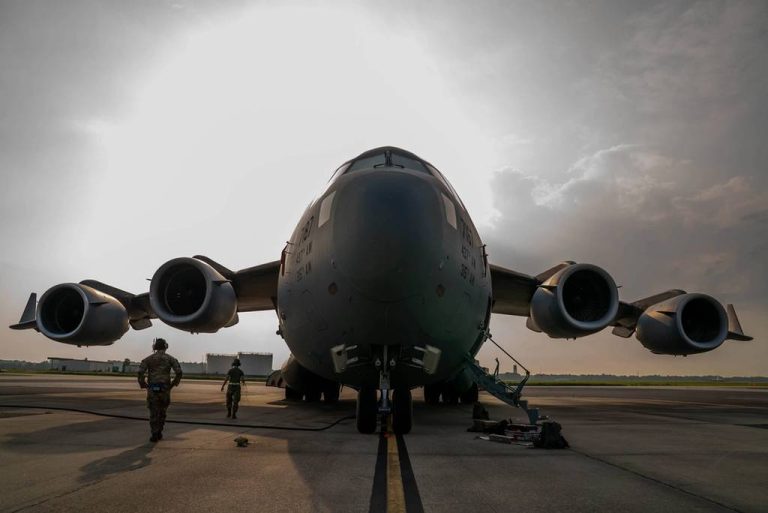
HONOLULU, Hawaii — Mobility Guardian 2023, the Air Force’s premier training exercise for its airlift and aerial refueling fleets, gets underway in the Pacific this week with an eye on potential conflict with China.
Now on its fourth iteration, this year’s Mobility Guardian is the largest to date at around 3,000 U.S. and allied airmen and 70 cargo and tanker planes. It’s the first time that Air Mobility Command has brought its marquee biennial event overseas.
The exercise aims to prove how smoothly the Air Force can dispatch personnel and cargo to the Pacific in a crisis, and how easily U.S. troops collaborate with their partners in the region. Also part of the event are America’s allies in the “Five Eyes” intelligence-sharing coalition — Australia, Canada, New Zealand and the United Kingdom — plus France and Japan.
“Historically, we’re used to focusing on [U.S. Central Command],” exercise planner Lt. Col. Jake Parker said. “This is a completely different [region] that has a completely different focus. It’s really shifting the way that we think through our tactics, techniques and procedures.”
Earlier in the week, aircrews and support staff from across the United States began their journeys to U.S.-run and allied bases in Hawaii, Guam, Australia and Japan, where they will serve as the backbone of several other military exercises across the region through July 21.
Mobility Guardian is largely unscripted on purpose, Parker said. That forces troops to think on their feet to navigate the vast Pacific, set up communications and other support services in regions they’ve never visited, and roll with the punches when things don’t go according to plan.
Logistical snags are already putting that flexibility to the test.
One bleary-eyed crew of nearly 50 airmen departed Joint Base Charleston, South Carolina, after midnight Thursday after weather delayed their outbound C-5 Galaxy for multiple hours. Then the team was waylaid in Honolulu when the crew that was scheduled to ferry them to Guam didn’t arrive at Joint Base Pearl Harbor-Hickam on time.
Once aircraft reach their final destinations, airmen plan to work from bare-bones tents and trailers like those set up at the edge of Andersen Air Force Base, Guam.
The Charleston-based airmen headed for Guam will act as a deployed wing staff, taking control of the airfield from a contingency response team already on the ground to set up a command post that can direct forces around the region on aeromedical evacuations, search and rescue missions and airdrops.
Mobility Guardian also gives airmen the chance to test out myriad other initiatives, from new teams that may help ensure continuity of communications, to command-and-control apps, to a real-time sleep study.
Participating airmen told Air Force Times they’re curious to see how ideas like the service’s new deployment model, known as AFFORGEN, play out in the real world.
“We’re supposed to go with generators and nothing, and set up initial comms,” Master Sgt. Justin Braden, a combat communications specialist, said aboard a C-17 Globemaster III in Charleston. “We’re getting to do more of what we’re supposed to be doing … when you go on deployment. I want more opportunities like this.”
Leaders have stressed they aren’t expecting perfection, and urge airmen to raise any issues that could help the Air Force improve after the exercise is done.
Have fun, they said, and show the world what the Air Force can do.
“I need the best and brightest,” 16th Airlift Squadron commander Lt. Col. Nicole Stenstad told airmen in a pre-deployment briefing in Charleston on Monday. “I need you to put your best foot forward.”
Rachel Cohen joined Air Force Times as senior reporter in March 2021. Her work has appeared in Air Force Magazine, Inside Defense, Inside Health Policy, the Frederick News-Post (Md.), the Washington Post, and others.
US and Philippines strengthen military ties in Cope Thunder exercise
Cope Thunder 23-2, a Pacific Air Forces-sponsored exercise, will take place from July 2 to 21. The exercise will focus on expeditionary operations and will include approximately 225 service members from the United States and the Philippines. The exercise will be held at Clark Air Base, Mactan Air Base, and other airfields around the Philippines.
Cope Thunder is a bilateral exercise that aims to improve the interoperability of the United States and the Philippines through fighter training. The exercise will allow the two countries to swap tactics, techniques, and procedures.
Cope Thunder was first held in 1976 in the Philippines. However, in 1992, it was moved to Eielson Air Force Base and overtime renamed Red Flag Alaska. This will mark the first time Cope Thunder has been held in the Philippines since 1990.
The exercise is a valuable opportunity for the United States and the Philippines to improve their military cooperation and exchange helpful tactics and will feature C-130 Hercules, A-10 Warthogs, and F-22 Raptors, taken from multiple participating units for the exercise.
The aircraft on display include, but are not limited to those, and showcased a Philippine Air Force FA-50 performing a touch-and-go on July 5. On the same day, a U.S. Air Force F-22 Raptor from the Hawaiian Raptors Squadron, which is made up of the 19th and 199th Fighter Squadrons, landed at Clark Air Base in the Philippines to participate in exercise Cope Thunder 23-2.
The overall goal of this exercise is to heighten our countries’ shared interests and strengthen the two nation’s military bonds. By working together and providing well-trained and equipped troops, the nation dissuades aggressors by demonstrating the military’s commitment to working together to ensure regional stability.
Georgina DiNardo is an editorial fellow for Military Times and Defense News and a recent graduate of American University, specializing in journalism, psychology, and photography in Washington, D.C.
How To Extend Your Growing Season

Embarking on the journey of growing your own food is a gratifying and essential experience for many. However, Mother Nature often likes to throw us a curve ball in the form of unpredictable weather conditions.
One of the greatest challenges faced by growers is the chilling embrace of cold temperatures during critical stages of the growing season. Picture this: pepper plants stubbornly refuse to bear fruit if the nighttime thermometer dips below the 60°F mark. And in the vast realm of climates, tomatoes demand a few extra weeks of warmth that nature may not generously provide.
But fret not! Regardless of your geographical location, a multitude of options await to shield your precious vegetables from the perils of frost and freezing temperatures. These options come in diverse shapes and sizes, each serving the noble purpose of preserving your crops’ survival.
Whether you opt for the towering grandeur of high tunnels, the humble embrace of low tunnels, the enchanting curvature of geodomes, or the practicality of cold frames, these season extension structures can be the ultimate game-changer between a bountiful harvest and a crop’s unfortunate demise.
Unveiling the Secrets of Season Extension Structures
The art of extending your growing season relies on a fundamental principle shared by all season extension structures: harnessing the power of sunlight to warm the air and soil in your garden. Unlike greenhouses that rely on supplemental heat sources like gas or electric-powered heaters, these structures operate solely on the energy of the sun.
Consequently, they offer a lower level of frost protection in frigid temperatures compared to heated greenhouses. As you embark on building your chosen structure, it is crucial to ensure its suitability for the specific crops and environmental conditions you are cultivating. After all, the structure needed to safeguard towering plants like corn or tomatoes will differ greatly from one designed to shelter low-growing produce such as lettuce and carrots.
Moreover, larger structures possess the advantage of capturing more heat, making them an excellent choice for colder regions.
Exploring the Array of Outbuildings
High Tunnels:
Among the mighty warriors of season extension structures, high tunnels stand tall. These spacious havens provide ample room for both work and the cultivation of larger crops. Typically measuring 10 to 12 feet in width and 16 to 20 feet in length, high tunnels can also be customized to fit larger or smaller dimensions.
These versatile structures can be fashioned in either hoop or Gothic designs. Hoops, resembling elegant semicircles, can be constructed using materials like PVC pipes or metal. In contrast, Gothic designs flaunt angular sides and can be built with sturdy wood or other less flexible materials. Whether you opt for hoops or Gothic, both designs are well-suited for cultivating plants.
However, take note that certain designs and construction materials may offer better resilience against challenging weather events such as wind or heavy snowfall. High tunnels are spacious enough to incorporate doors for convenient access.
To ensure proper ventilation, solar fans, roll-up sides, and opening doors are employed. In some cases, high tunnels are even constructed on rollers, facilitating their mobility across different areas and enabling various crops to be covered during different stages of the growing season.
Geodomes:
Geodomes are another formidable category of season extension structures, known for their ability to withstand gusty winds and heavy snowfall. These remarkable structures showcase the timeless beauty of domes and come in a wide array of sizes and designs.
Whether crafted from wood, metal, or a combination of both, geodomes offer durability and flexibility. For the covering, polycarbonate sheets or greenhouse-type plastics are commonly utilized. While a single door is the prevalent design feature, larger geodomes can accommodate multiple entrances. Ventilation is achieved through the integration of solar fans, windows, and doors.
Low Tunnels:
In the realm of season extension structures, low tunnels emerge as the compact counterparts of their towering kin, the high tunnels. Standing at heights ranging from 2 to 6 feet, low tunnels are available in both semicircle and Gothic designs. Some models even incorporate hinges, allowing them to be effortlessly lifted and placed over small raised garden beds.
For added versatility, certain portions of the tunnel can be pulled back or uncovered to facilitate ventilation and ease of tending to the garden bed. The world of low tunnel designs and construction materials is brimming with countless possibilities, ensuring a tailored fit for your specific needs.
Cold Frames:
Cold frames, the petite darlings of season extension structures, enchant with their minimalistic charm. These structures are often constructed using materials such as wood, old windows, or polycarbonate. Frames can take the shape of large boxes or resemble the entrances to outdoor crawlspaces or tornado shelters.
However, keep in mind that cold frames are best suited for smaller crops and find their perfect spot in compact areas like backyard gardens. Caution should be exercised when working near cold frames constructed with old windows, as broken glass can pose a danger. Additionally, it is advisable to keep pets and children away from them to prevent accidental breakage.
Unveiling the Versatility
When it comes to constructing season extension structures, the building materials required can be easily obtained from local hardware stores. These structures can be crafted using a variety of materials, including wood, plastic, glass, or different types of metal. In fact, some ingenious structures can even be assembled using repurposed items you may have lying around your house or workshop.
As mentioned earlier, cold frames often find their form by giving new life to old windows. Depending on the desired style, some of these structures can be more budget-friendly compared to those resembling traditional greenhouses.
To simplify the construction process, kits are available that provide all the necessary components. As for the covers, most season extension structures utilize either flexible plastic or rigid polycarbonate materials. Flexible plastics offer a range of features, such as varying thicknesses, light transmission ratings, and UV resistance.
Certain types are also compatible with PVC materials, commonly used for structural support, or feature anti-condensation properties. Larger greenhouse and gardening supply stores offer a wide selection of flexible plastic materials, which can vary in price.
Alternatively, you can find affordable clear film options at local hardware stores, although they often lack UV resistance and typically last for only one year. For more robust options, rigid polycarbonate sheets with air pockets between two walls can be obtained from reputable gardening suppliers.
These sheets are commonly used in the construction of Gothic-style structures or geodomes, and are available in various sizes, thicknesses, strength and durability levels, as well as light transmission ratings.

Beyond Protection: Added Benefits
Season extension structures provide more than just cold temperature protection. They also serve as a shield against early and late snowstorms, mitigating the impact of hail on your crops. Placing structures perpendicular to prevailing winds can effectively block storms that may cause damage to your plants.
Furthermore, the added protection helps reduce water loss, particularly in arid environments. Most structure types feature openings for ventilation and heat release. Even when these openings are in use, the majority of crops within the structure still benefit from protection.
Planting and Nurturing: Maximizing Growth Potential
Season extension structures prove especially valuable for nurturing young plants and seedlings, creating an optimal growing environment with warm temperatures, abundant sunlight, and reduced water loss. Hence, these structures are particularly advantageous for starting plants early in the growing season. In arid and/or windy environments, they also assist in minimizing water loss from the soil and plants, thereby reducing overall water consumption.
As temperatures rise in spring, ventilation systems can be opened to prevent overheating. However, it is important to remember that some plants may need time to acclimate to their new environment.
Gradually introduce ventilation by initially opening the structures for a few hours and then progressively increasing the duration as the spring growing season progresses. This gradual approach allows plants to adapt gradually and avoids potential shock from prolonged exposure to warmer weather during the early stages of growth.
Unlocking the Full Potential of Season Extension Structures
Larger season extension structures, such as high tunnels or geodomes, offer the versatility to support containers or raised beds within their spacious confines. Growers often opt for containers and raised beds as they provide the ability to segregate different types of plants, and the height can be adjusted for easier access and gardening convenience.
In some cases, containers are even equipped with wheels, allowing for seamless movement in and out of the structures. However, it is crucial to keep in mind the same advice regarding plant acclimation when transitioning containers in and out of structures.
Whether you choose to plant seeds directly into the soil or transplant seedlings and small plants, season extension structures provide a conducive environment for their growth.
Maintaining Optimal Conditions
While season extension structures are excellent for extending the growing season, it’s important to manage excess heat and light. Most designs incorporate features that facilitate the escape of excessive heat and hot air. This becomes especially crucial as some structures can become excessively hot and potentially damage plants if left closed and unattended.
For larger structures housing vegetable crops that prefer cooler temperatures, proper ventilation is essential on bright, sunny spring or fall days when temperatures reach 60 to 65 degrees Fahrenheit. If you have any questions or concerns, don’t hesitate to reach out to your local extension office or consult with gardening experts. They possess valuable knowledge and experience, likely offering solutions to any problems you may encounter.
Expanding Possibilities: Going the Extra Mile

In addition to the valuable information provided, it’s worth considering a few extra insights. Season extension structures open up new avenues for experimentation and innovation in your gardening endeavors. Here are a few ideas to take your plant plan to the next level:
Irrigation Systems: Incorporate efficient irrigation systems within your season extension structures to ensure consistent watering and moisture control for optimal plant growth. Options range from drip irrigation systems to automated sprinklers, tailored to suit the specific needs of your crops.
Vertical Gardening: Take advantage of the vertical space available within larger structures by implementing trellises, vertical planters, or hanging baskets. Vertical gardening maximizes your growing area and can be particularly beneficial for vining plants such as cucumbers, beans, or tomatoes.
Companion Planting: Explore the concept of companion planting within your season extension structures. By strategically pairing compatible plants, you can promote healthier growth, deter pests, and enhance overall productivity. Research companion planting charts or consult gardening resources to discover suitable plant combinations.
Soil Amendments: Enhance the fertility and structure of your soil by incorporating organic matter, such as compost or aged manure, before planting. These amendments enrich the soil with essential nutrients and improve its water-holding capacity, resulting in healthier plants and improved yields.
Remember, gardening is a continuous learning process, and the possibilities within your season extension structures are vast. Experiment, adapt, and enjoy the rewards of a thriving garden, nourished by your dedication and creativity.
 Additional resources:
Smart tips for gardening on dry soil
If you see this plant in your backyard, don’t touch it!
How to grow and maintain a drought-resistant garden
The #1 food of Americans during the Great Depression
Philadelphia Sues Primary Distributors of “Ghost Guns”, Polymer80, Inc. and JSD Supply

Not the first suit and certainly not the last..
This will increase the price of 80% parts as Polymer80 employs more lawyers to protect themselves.
Some salted, a few away when they were much cheaper.
Poly 80 already will not ship to 12 states & DC:
Shipment Not Available to: California, Connecticut, Delaware, District of Columbia, Hawaii, Illinois, Maryland, New Jersey, New York, Rhode Island, Washington, Colorado, and Massachusetts.
……………………
Prior suit:
On August 10, 2022, the Superior Court for the District of Columbia ruled that Polymer80 handgun frames, lower receivers, Buy, Build, Shoot kits and any comparable products are illegal to purchase and possess in the District of Columbia under District of Columbia law. Please be advised that different states, localities, and jurisdictions have different laws regarding the types of products sold by Polymer80, and such products may be unlawful in certain places. By using this website, or using or purchasing a Polymer80 product, you affirm that you have verified that you may possess, purchase, and use Polymer80 products under all applicable federal, state, and local laws.
…………………………………………………………..
City of Philadelphia Sues Primary Distributors of Ghost Guns, Polymer80, Inc. and JSD Supply | Law Department
Today, the City of Philadelphia announced that it has filed a lawsuit against defendants Polymer80, Inc. and JSD Supply, which are among the largest suppliers of ghost guns confiscated in Philadelphia. The City of Philadelphia Law Department filed with co-counsel Giffords Law Center to Prevent Gun Violence and the Hausfeld law firm. The lawsuit alleges that the named distributors have perpetuated the gun violence crisis and threatened the public’s right to health and safety by marketing, selling, and dispersing unserialized ghost gun kits into Philadelphia. Through this legal action, the City seeks to stop Polymer80Inc. and JSD Supply from continuing their negligent and illegal business practices, in addition to the payment of damages and the creation of an abatement fund to remediate the harms caused by the defendants due to the use of ghost guns in Philadelphia communities.
According to the lawsuit, Polymer80 Inc. and JSD Supply intentionally undermine federal and state firearms laws by designing, manufacturing, selling and providing ghost gun kits and parts to buyers who do not undergo a background check. Claiming that their products are not firearms, these distributors sell ghost gun kits that are used to assemble a functioning firearm with household tools to Philadelphia customers without following applicable firearm regulations. Ghost gun kits are also widely available for purchase without background checks at gun shows frequently held a short drive from Philadelphia’s city limits.
Because they are untraceable and do not require a background check for purchase, ghost guns have become commonly used by those who cannot legally acquire a firearm, including minors and people with a history of felonies. Sales of firearms by Polymer80 Inc. and JSD Supply are not properly recorded as required by law, so it is difficult to know how many ghost guns are on Philadelphia streets. In 2022 alone, the Philadelphia Police Department confiscated 575 ghost guns while conducting criminal investigations. As of the date of the filing of this lawsuit, 87 percent of the ghost guns recovered in criminal investigations in 2023 were manufactured by Polymer80.
Physiological issues in flight are going down, but still persist
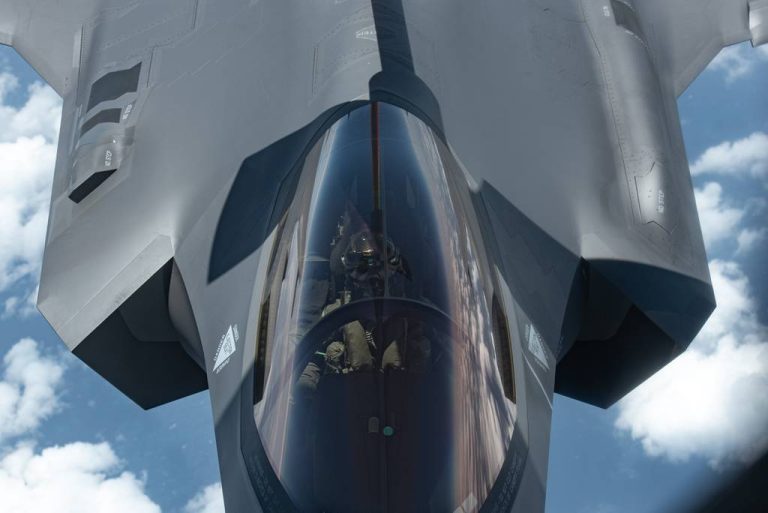
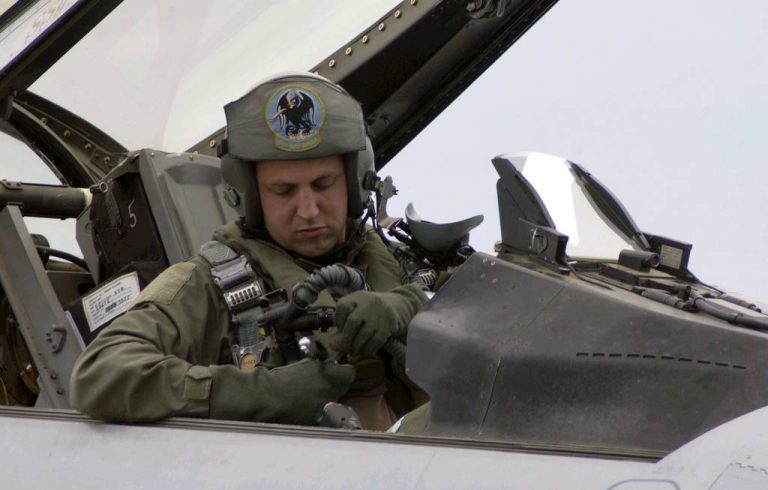
Five years after the U.S. military began to see a spike in reports of dangerous mental and physical effects experienced by troops in flight — particularly those in fighter and training jets — aviators are breathing easier.
Concerted efforts to curb incidents of hypoxia and other physiological episodes across the Air Force, Navy and Marine Corps cut the number of reported events from 376 in 2018 to 142 in 2022, or 62% in five years, Military Times has found.
Military Times requested data on all physiological episodes recorded by the Air Force, Navy and Marine Corps between fiscal 2017, when the military began sounding alarms about its latest PE crisis and fiscal 2022, the most recently completed fiscal year.
This is the most complete public accounting of physiological episodes in the three branches of the armed forces that own the vast majority of the Pentagon’s fixed-wing inventory, which is disproportionately affected by those incidents. The data also includes their rotary-wing and tiltrotor fleets, and covers the active duty, Guard and Reserve components.
The numbers show that the services — particularly the Navy and Marine Corps — have made significant strides to eradicate physiological episodes. But they also reveal major accidents that went previously unreported, and highlight airframes that continue to have problems without many answers.
“We’re trying to create that proactive safety mindset, on- and off-duty. … We continue to watch the trends,” Air Force safety chief Maj. Gen. Jeannie Leavitt, who also chairs the Pentagon’s Joint Safety Council, told Military Times.
A wide range of aircraft
Airmen, Marines and naval aviators reported 1,543 in-flight physiological episodes between 2017 and 2022, according to data provided to Military Times.
The Air Force’s T-6A training turboprop plane logged the most PEs in that span of time at 285 incidents, or nearly one-fifth of all episodes.
The Navy’s F/A-18E Super Hornet recorded the next-highest number at 134, followed by the Air Force’s F-16C Fighting Falcon (114) and the F/A-18C fighters (91) and the EA-18G Growler electronic attack planes (91) used by the Navy and Marine Corps.
Others, like the Air Force’s E-3 Sentry airborne target tracking planes, see an outsized number of physiological episodes compared to the number of jets in the fleet. The Sentries have logged 16 incidents in the past five years, despite having just 31 aircraft.
Most often, PEs involve signs of hypoxia, or a lack of oxygen in the bloodstream. Other instances range from spatial disorientation to unconsciousness caused by pulling Gs in flight, physical reactions to smoke in the cockpit, changes in air pressure and more.
At best, those symptoms are more uncomfortable than debilitating. At worst, they can render pilots confused or unconscious and can lead to deadly crashes.
In the six years Military Times studied, most physiological episodes — two-thirds of those listed in the past six years — were reported as hazards or as self-reported notes to flag potential issues. Those fell from a recent high of 253 in 2018 to 105 in 2021. They may be on the rise again, ticking up to 114 in 2022.
Leavitt attributes the recent increase in hazard reports to efforts to encourage troops to flag symptoms early and often. Those reports aren’t turning up new or unexpected ailments, she noted.
“If we have more reporting, that’s a good thing, because then we can get more information, more data and do a better job at root cause analysis,” she told Military Times.
About one-third of the physiological episodes were severe enough to be counted as official mishaps — though that count plummeted from 155 in 2017 to 28 in 2022. Mishaps can range from minor illnesses and injuries, to incidents causing millions of dollars in damages and dead pilots.
Most official mishaps were recorded as Class C and D incidents, costing between $25,000 and $600,000 or causing a nonfatal injury that could keep someone home from work. Those have declined from around 130 in 2017 to 17 in 2022.
Many of those events go unreported because they aren’t as extreme or public as a crash, or because no one died.
The most destructive and deadly instances, known as Class A and B mishaps, often come to light through official statements and news reports. Class A incidents result in a fatality or permanent disability or at least $2.5 million in damages; Class Bs cause permanent partial disability, the hospitalization of three or more personnel, or between $600,000 and $2.5 million in damages
Data provided to Military Times, however, showed physiological effects caused three Class A incidents that were never made public.
On March 21, 2019, G forces rendered a student pilot in the Oregon Air National Guard unconscious while performing basic maneuvers in an F-15C Eagle fighter jet. The pilot was able to land the aircraft and safely returned to Kingsley Field in southern Oregon, according to the 173rd Fighter Wing and the Air Force Safety Center.
The jet suffered at least $2.5 million in damages, but Air Education and Training Command opted not to launch an accident investigation board because it wasn’t destroyed, Safety Center spokesperson Keith Wright said.
A Marine Corps UH-1Y Super Huey utility helicopter suffered an undisclosed Class A mishap on Aug. 2, 2018. Maj. Mason Englehart, a spokesperson for the 3rd Marine Aircraft Wing, declined to provide details of the event because they are designated as “controlled unclassified information.”
Military Times also found that the Navy never publicly disclosed a Class A incident in an F/A-18F Super Hornet jet on Aug. 5, 2017. The service did not respond to a request for more information on the accident by press time.
Still, the services have managed to eliminate their worst PE-related accidents over the past six years. No Class A or B events were reported as a result of physiological episodes in 2022, military data shows.
They have steadily decreased from fiscal 2017, when five Class A mishaps were recorded across five airframes: a Navy EA-18G Growler electronic attack plane, an F-5N fighter used in air-to-air combat simulations, and an F/A-18F Super Hornet fighter jet; and a Marine Corps F/A-18C Hornet fighter and MV-22B Osprey tiltrotor aircraft.
That year marked a crisis point in the most recent spike of physiological episodes, affecting several aircraft fleets across the Air Force, Navy and Marine Corps.
The Navy acknowledged in June 2017 that four F/A-18 pilots had died from a lack of oxygen in the cockpit over the previous decade, after its instructors refused to fly in protest of similar issues with the T-45 Goshawk jets.
Air Force pilots also began flagging unusual symptoms more often, on a range of aircraft at different altitudes and speeds — particularly on the T-6 fleet used to teach basic flying skills, the A-10C “Warthog” ground attack plane and the F-35 Lightning II.
The Air Force and Navy temporarily grounded multiple aircraft fleets to investigate the problem, while Congress hauled service officials to Capitol Hill to testify on the matter. Both departments created “action teams” to spearhead their efforts to bring the numbers down.
In the Air Force, more than 400 physiological events between 2017 and 2022 involved “hypoxia-like” symptoms across seven airframes: the F-15, F-16, F-22 and F-35 fighter jets, the A-10 attack plane and the T-6 and T-38 trainer aircraft, according to data collected by the Air Force Physiological Episodes Action Team.
Those have fallen from a high of 135 in fiscal 2018 to 40 in 2022, the service said.
Five years after that spike, Air Force planes topped the list of airframes with the most reports of physiological episodes in fiscal 2022: the T-6A (42), F-16C (11), A-10C (9), T-38C (9) and F-35A (6). Hypoxia-related symptoms remain the most frequent issue, the service said.
Air Force incidents accounted for three-quarters of the three services’ physiological episodes last year. (Military Times could not calculate how frequently the problems arose because the services declined to provide the number of hours each airframe flew per year.)
For instance, the Pentagon’s F-35 Joint Strike Fighter fleet logged 44 physiological episodes over the six-year period analyzed by Military Times. Thirty-two of those occurred on Air Force jets, including six of the seven incidents reported in 2022.
Similarly, the Navy and Marine Corps version of the T-6 has reported fewer than 10 episodes each year since 2019. The Air Force’s T-6 fleet has averaged 40 per year in that same time.
One Air Force T-6 instructor pilot told Military Times the generation of experienced pilots who flew the plane during the spike have kept the issue at the forefront of emergency procedures.
“I don’t think anyone has reservations about the T-6,” he said. “If there’s an improvement to be made, it’s just being self-aware. Training does that.”
Non-fighter aircraft are often excluded from the public conversation about physiological episodes, but can rise near the top in annual data.
The Air Force’s KC-135R tanker had five reported incidents last year — the same as the Navy’s T-45C trainer, the EA-18G and F/A-18E jets — followed by the E-3 AWACS at four.
Other airframes outside the fighter, attack and trainer fleets that have led the Pentagon in physiological episodes in the past six years include the KC-135, variants of the Air Force’s C-130 cargo aircraft, as well as the Navy’s MH-60S Seahawk helicopter (33, 32 and 27 incidents, respectively).
Aviators on those platforms can suffer from reactions to smoke and fumes in the cabin, or from gas that is trapped in their sinuses while changing altitude. Those types of events become part of discussions around future system upgrades if caused by electronics fires, or in the medical community, the Air Force said.
“With some of the platforms … we have a lot of airplanes, and they fly pretty long sortie durations, so there’s more exposure time,” Leavitt said of larger airframes. “In some cases, there is the problem with aging fleets, but we need to have systems that proactively prevent those problems.”
The Air Force said it may account for an outsized share of the data because it owns more airframes than the Navy or Marine Corps.
“The Air Force has also fostered a culture of reporting even the smallest of symptoms to help us better understand PEs and their potential causes, which may appear to slow progress,” the service said. “Additionally, we are still working to develop sensors to monitor both the human and the aircraft breathing systems … to target specific areas for future improvements.”
The Department of the Navy attributes its success to a combination of improvements in how it records data on aircraft, more proactive maintenance, better education on the subject and new in-flight emergency procedures.
Physiological episode data provided by the military has fluctuated over time, though it’s unclear why.
In some instances, Military Times obtained different numbers of episodes per aircraft than those reported in previous studies by the National Commission on Military Aviation Safety and the Pentagon’s inspector general.
For example, the NCMAS report shows F-16 incidents rose from approximately 40 to 50 episodes between 2017 and 2018, while data given to Military Times includes 33 F-16 incidents in 2017 and 34 in 2018.
And when cases spiked in the T-6A in 2018, Military Times data showed that number rose to 94 episodes — fewer than the NCMAS chart, which showed at least 100 episodes, but more than a 2021 Pentagon inspector general report that listed 86 incidents.
PE numbers could change over time as a result of investigations into their causes, or because of differences in how the military reported its numbers to those who sought the information. The Air Force Safety Center did not answer a May 24 query on why those figures may differ.
Searching for answers
The services found explanations for the root causes of about 94% of reported PEs, the National Commission on Military Aviation Safety said in its sweeping 2020 report. But those answers haven’t always come easily, and plenty of questions remain.
No single cause is responsible for physiological episodes, the commission said.
“They are unpredictable and inconsistent, even when the same aviator is flying the same aircraft and executing the same maneuvers,” the commission wrote. “They also are not easily replicable by researchers trying to better understand what is happening to the individual inside the aircraft.”
Unexplained incidents could point to still-unknown problems with the aircraft themselves, or correlations between certain flight conditions and the human body’s reaction.
For example, 7 in 10 incidents logged by the Navy and Marine Corps over the past six years were classified as “physiologic events,” or those not caused by a known system failure.
As the Department of the Navy learned more about the problems at hand, the number of cases that couldn’t be attributed to a particular system failure fell from 166 across the two services in 2017 to 21 in 2022.
The Navy now believes hypoxia is not to blame for most breathing difficulties in flight.
“Hypoxia is certainly possible in very specific circumstances, but our increased understanding of both the aircraft systems and human physiological responses has led to the conclusion that hypoxia is not the main driver of” those incidents, the service said.
The Air Force continues to view most incidents through the lens of hypoxia. But those investigations don’t always lead to answers.
On Nov. 12, 2020, one experienced crew member on an Air Force RC-135W Rivet Joint out of Offutt AFB, Nebraska, was flying a training sortie when they noticed air was leaking out of the jet’s escape hatch.
“This isn’t abnormal, and I’ve seen/heard it before with no issues,” the airman said in an incident report that Military Times obtained via the Freedom of Information Act.
But within a few minutes, the airman was struggling to breathe and their vision had blurred, the report said. Their symptoms lifted once they turned to supplemental oxygen, and because no one else felt ill and the electronic signals reconnaissance jet was otherwise steady, the training flight continued.
The report said the debrief afterward didn’t mention any pressurization problems. Four days later, five airmen also felt hypoxic during a sortie on the same Rivet Joint.
“After investigation, there were no discrepancies in the pressurization system that would lead to hypoxia,” the report said. “[It] remains unknown if the member who submitted the [report] experienced hypoxia or some other physiological reaction that felt like hypoxia, and why that happened.”
Deep dives
Hundreds of items are part of the services’ checklists for driving down the number of cases, from tweaking maintenance procedures to ensuring an aviator’s gear fits correctly. To better understand the problem, the military is trying to crunch as much data as it can.
The services are pursuing new sensors and redesigned oxygen systems that can track the vital signs of fighter pilots and oxygen levels in the cockpit. And they’re trying to compile all of the information, including what aviators self-report, into a more accessible database that can uncover possible new trends and causes.
The Air Force says new aviators familiarize themselves with hypoxia symptoms through 50 hours of lessons on physiological episodes during initial flight training, plus a refresher course every five years.
Airmen learn to recognize those effects by sitting in a pressurized metal chamber that gradually sucks out the oxygen, and by trying to fly a simulator while wearing an oxygen-deprivation mask.
The services are also implementing a slew of material fixes. For instance:
- On the T-6A, all planes are slated to receive a new version of the Onboard Oxygen Generation System, one of multiple breathing devices used in military aviation, by the end of the year, the Air Force said. Now OBOGS should deliver a more consistent flow of oxygen-rich air to breathe, which it pulls from an aircraft’s engine compressor and purifies. If that’s not enough, pilots have supplemental oxygen onboard.
- On the F-16 and A-10, the Air Force is looking at redesigning onboard breathing systems to deliver oxygen-rich gas faster. In the meantime, airmen have to run the system before takeoff so they aren’t flying before it begins pumping out the best air.
- On the F-35A, the service is prioritizing training and response procedures while it runs more tests on how people respond to the newest breathing system in the inventory.
- On the F/A-18, the Navy has started upgrading its avionics, asked pilots to record air pressure data in the cockpit and keeps track of components that could soon fail. It’s also studied factors from dehydration to sleep that can spur odd symptoms.
The Air Force is developing a new oxygen mask with improved inhalation and exhalation valves for high fliers, and inspecting components that are supposed to make breathing easier but may fall short of new military standards.
Another boon to pilot safety is a Lockheed Martin-built tool known as the Automatic Ground Collision Avoidance System, or “Auto GCAS.” The software can detect when a distracted or unconscious pilot is in danger of crashing, and pulls the jet out of harm’s way until the pilot is able to fly.
Auto GCAS has saved the lives of 16 pilots in 12 F-16s and three F-22s since the Air Force began installing it onto jets in 2014, the Air Force Safety Center said May 25. The F-35A Lightning II fleet also received Auto GCAS in 2019.
The Air Force’s future F-15EX Eagle II fighter and T-7 Red Hawk training jet are expected to be delivered with a non-automatic version of anti-crash technology, the Safety Center said. The service could add in the autopilot later.
The Department of the Navy is looking into adding Auto GCAS to the F/A-18 fleet as well.
Next steps
Leavitt said the Joint Safety Council will be updated on the services’ efforts on physiological episodes at the group’s next meeting in June.
The council is a great venue for sharing ideas and best practices, Leavitt said, but it’s no silver bullet: “At the end of the day, the actual platforms have different oxygen systems.”
Analysts have warned that the military needs to think one step ahead of potential issues as aerospace technology continues to advance.
“For the next generation of aviators, aircraft will reach new levels of performance and pose increasing physiological challenges,” the NCMAS report said. “Keeping the aviator safe while performing at the highest levels requires a fuller knowledge of the human in high-performance flight in order to build both human and machine survival into the aircraft’s design.”
Leavitt said the Air Force wants to apply what it’s learned about breathing systems to future aircraft designs, particularly as it works with Boeing to build the T-7 trainer. If the team can test metrics like oxygen concentration levels up front, it may be able to create a jet that avoids physiological episodes altogether.
“We’re very much trying to incorporate lessons learned from other platforms — what works, what doesn’t, and identify potential issues before they become actual issues,” she said.
New Zealand’s military chief talks recruitment, drones and Ukraine

WELLINGTON, New Zealand — You fight with what you have, and the New Zealand Defence Force’s firepower is limited.
There are insufficient personnel to operate all the weapon systems in its inventory. Ships are mothballed, and although the first batch of new Bushmaster armored vehicles were delivered May 25 to Trentham Military Camp, Maj. Paul Napier of the Royal New Zealand Armoured Corps told Defense News that the Army lacks drivers.
“Recruits often do not have a driving license,” he said. New Zealand law requires those old enough to drive a vehicle to have at least nine month’s experience before the government issues a full license.
But training isn’t the only challenge. On May 7, 2018, then-Defence Minister Ron Mark told Defense News that the barracks he stayed in as a 20-year-old soldier still looked “exactly the damn same.”
“They were built for the Second World War, [and] we can’t ignore that forever,” he said.
Air Marshal Kevin Short, who began serving as chief of the New Zealand Defence Force in July 2018, discussed with Defense News several issues facing the military.
His military career began in January 1976 when he joined the Royal New Zealand Air Force as a navigator. Since then, he has flown more than 5,000 hours, mainly on the recently retired P-3K2 Orion.
As of June 2023, the force he leads has an end strength of 15,236. Regular forces include 4,268 in the Army, 2,390 in the Air Force and 2,068 in the Navy. There are 3,060 civilians serving the military, and reserve forces total 3,450.
In terms of materiel, the Army’s inventory includes 105mm light guns, eight-wheel drive New Zealand Light Armoured Vehicles armed with 25mm cannons, and the Javelin anti-armor missile.
The Air Force’s fleet includes four new P-8A Poseidon maritime patrol and reconnaissance aircraft; eight NH90 and eight SH-2G(I) Seasprite helicopters; five C-130H Hercules military transport aircraft; and two Boeing 757-2K2 freight/passenger transports.
And the Navy’s fleet includes the 568-foot Polar-class sustainment vessel HMNZS Aotearoa; the 430-foot Protector-fleet amphibious and military sealift vessel HMNZS Canterbury; and two 387-foot Anzac-class frigates (the HMNZS Te Kaha and the HMNZS Te Mana).
This interview, from June 30, was edited for length and clarity.
New Zealand’s weapon systems used to be similar to those of Australia, but that capability gap is widening. How does that affect the New Zealand Defence Force?
The NZDF seeks to be interoperable with the Australian Defence Force, our allies and partners. This is broader than simply having the same or similar equipment; it’s about cooperating and integrating across strategic engagement, capability development, training, personnel and readiness.
Recent capability purchases such as the P-8A and C130J, the fleet replenishment ship HMNZS Aotearoa, and the recently signed army-to-army Plan Anzac agreement are a few examples of how the NZDF has already, and will in the future, work alongside Australia and our other partners.
What are the benefits of Plan Anzac?
The plan aims to reinvigorate longstanding army-to-army cooperation with the Australian Army. As close neighbors and allies, we have a mutual commitment to support each other’s security, closely coordinate our efforts in the Pacific, and maintain a shared focus on the security and stability of our wider region.
This plan ensures our armies can continue to effectively contribute to that. The plan will balance the enduring characteristics of the Anzac relationship, such as close integration in capability, training and readiness, as well as retention of sovereign capability and capacity to act in support of independent joint force operations.
Is entry to the NZDF as open as it could be? What do recruiters tell you?
The New Zealand labor market is strong, and there is strong competition for young people. The defense recruiting organization continues to work hard to get enough recruits in the door to meet our targets, but we acknowledge that it is tough.
I believe entry criteria are appropriate, and I don’t think standards should be dropped. We need to be better at getting applicants in the door before they look at other options.
Does the Navy risk having another ship alongside due to too few sailors?
It is possible, but the government recently increased remuneration, which on top of NZDF and Navy initiatives may help to arrest the attrition rate. At the moment, the Navy has three vessels in care and custody due to crew limitations.
Should maritime interests and affairs take precedence over the Army?
All the domains are important — land, sea, air and information. The fact is that when we, for example, deploy to the Pacific, that could involve personnel and equipment from all three services: for example, a naval vessel carrying Army engineers and aviation assets in order to respond to an emergency situation resulting from a tropical cyclone.
The Air Force’s four P-8As became operational on July 1. Can they provide the same operational availability as the previous six Orions?
Yes. Four P-8A Poseidons were considered in the business case as a viable option due to improvements in aircraft reliability, and by using flight simulators to further reduce flying hours to train aircrew. This improvement in reliability and the shift in training capability allow the Royal New Zealand Air Force to better use the P-8A for operational outputs and match the operational outputs of the now-retired P-3K2 Orion fleet.
Australia recently grounded its NH90s again. Norway and Sweden appear unhappy with their NH90s. How does the Royal New Zealand Air Force feel about its NH90s?
The New Zealand experience is different to other nations, largely due to our focus on the wider maintenance, supply chain and operational support system around the platform. Our maintenance team includes NZDF military, civilian and Airbus contractor staff, and the Royal New Zealand Air Force has the highest availability rates across the NH90 user community globally.
In June 2020, five C-130J-30 aircraft were ordered for delivery from 2024. Is that going to plan?
Yes, the aircraft delivery is still on schedule.
What lessons translate to the NZDF from the war in Ukraine?
The war in Ukraine has illustrated the importance to the NZDF of maintaining relationships and interoperability with partners and likeminded nations, and continuing our high-quality training of our professional personnel so that we’re ready and able to support the international community’s efforts when we’re called on.
As a specific example, the war in Ukraine has served as a reminder to remain cognizant of and train for all aspects of combat. Our infantry training teams, who are deployed to the United Kingdom to instruct Ukraine’s armed forces trainees in basic soldiering skills, have also emphasized in the training they do and the importance of team cohesion on the battlefield.
Another lesson from the conflict, and previously the COVID-19 pandemic, has been the importance of supply chains to a country’s armed forces. The NZDF is going to look at its “just in time” approach, and adjust to a “just in case” approach.
Last year the government commissioned a review of its defense policy to look at its defense strategy and force design. This is still in process. The “Defence Assessment 2021″ document had described a more challenging strategic environment for New Zealand than in recent decades.
In January 2023, the public was invited to comment on the forthcoming defense review. What happened?
The online public survey has closed, with more than 8,500 responses received. A summary will be made available publicly at a later date.
What is the future for uncrewed systems with the NZDF?
There is a future for such technologies in the New Zealand Defence Force. The NZDF already uses uncrewed underwater survey technology and explosive ordnance disposal technology, and continues to explore opportunities to further de-risk maritime operations as underwater, surface and aerial uncrewed capabilities continue to mature.
Within the next 12 months, the New Zealand Army is expected to receive three unmanned aircraft systems designed to operate over varied distances in order to add to its existing UAS capabilities.
What’s top of mind for members of the NZDF? What are they telling you?
Personnel raise many and varied issues with me as I visit camps and bases. These issues can range from pay and allowances to other conditions of service, such as accommodation. They may also raise issues such as deployment opportunities. I am constantly listening, as are other senior officers in the NZDF, to the matters raised by personnel. We are nothing without our people, and our people are our most important asset in the New Zealand Defence Force.
Former Defence Minister Ron Marks wanted to improve NZDF accommodation. Where does that stand?
Some work has been done in the estate area, but we acknowledge much more has to be done. Housing redevelopment announcements were made by the minister of defense as part of the 2023 budget, [in which NZ$85 million (U.S. $52 million) went toward improving NZDF housing].
How is climate change shifting the balance between fighting wars and carrying out humanitarian assistance and disaster relief?
The ability to conduct humanitarian assistance and disaster relief operations is a result of our preparation for military operations such as combat. The NZDF is well aware that climate change-related emergencies are likely to be a greater part of our future activity — a conclusion that was referred to in the “Defence Assessment 2021″ document.
However, the main role of the Defence Force is to be prepared for combat operations, and this is unlikely to change.
Nick Lee-Frampton is the New Zealand correspondent for Defense News.

