L3Harris closes purchase of Aerojet Rocketdyne

0

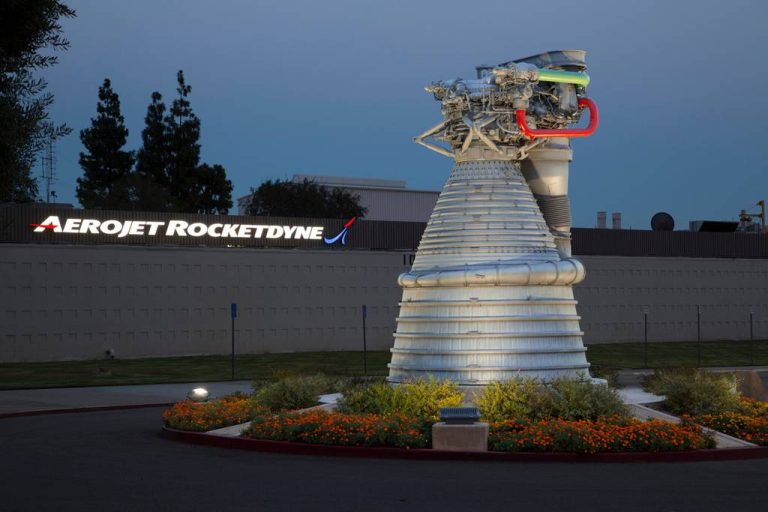
WASHINGTON — L3Harris on Friday announced it had completed its acquisition of Aerojet Rocketdyne, adding a company with broad expertise in building rocket engines and propulsion systems to its portfolio.

The $4.7 billion deal, which the companies first announced in December 2022, will give L3Harris more opportunities in the missile defense system, hypersonic, and advanced rocket engine markets, the company said in a Friday statement.

“I’m thrilled to welcome more than 5,000 employees to the L3Harris team today,” L3Harris chief executive Christopher Kubasik said. “With national security at the forefront, we’re combining our resources and expertise with Aerojet Rocketdyne’s propulsion and energetics capabilities to ensure that the Department of Defense and civil space customers can address critical mission needs globally.”

Ross Niebergall, who until now was vice president and chief technology officer at Aerojet Rocketdyne, will be the president of L3Harris’ new Aerojet Rocketdyne segment. The company said Niebergall will be responsible for the Aerojet division’s business strategy, financial performance, execution of programs and growth.

“Our customers demand a competitive environment that produces innovative, agile solutions,” Niebergall said. “We will expand on the strong Aerojet Rocketdyne heritage to enhance production and deliver on those expectations.”

By Friday morning, Aerojet Rocketdyne’s website had been redirected to L3Harris’ home page, and it is now known as Aerojet Rocketdyne, an L3Harris Technologies company. L3Harris’ other business segments are space and airborne systems, integrated mission systems, and communication systems.

Lockheed Martin’s previous attempt at acquiring Aerojet for $4.4 billion ran aground amid federal regulator’s antitrust concerns. The Federal Trade Commission sued to block that deal in January 2022, and the following month, Lockheed canceled plans to buy Aerojet.

In January 2023, a month after L3Harris announced its own acquisition plans, Sen. Elizabeth Warren raised concerns to the FTC. Earlier this month, she also asked the Defense Department to carefully review the deal for any potential conflicts.

The FTC on Wednesday told L3Harris it would not block the deal, and the company told investors in a letter that it would swiftly move to close its purchase of Aerojet.

Stephen Losey is the air warfare reporter for Defense News. He previously covered leadership and personnel issues at Air Force Times, and the Pentagon, special operations and air warfare at Military.com. He has traveled to the Middle East to cover U.S. Air Force operations.

Roadkill Cuisine – Eating Roadkill When Nothing Else Is Available

0

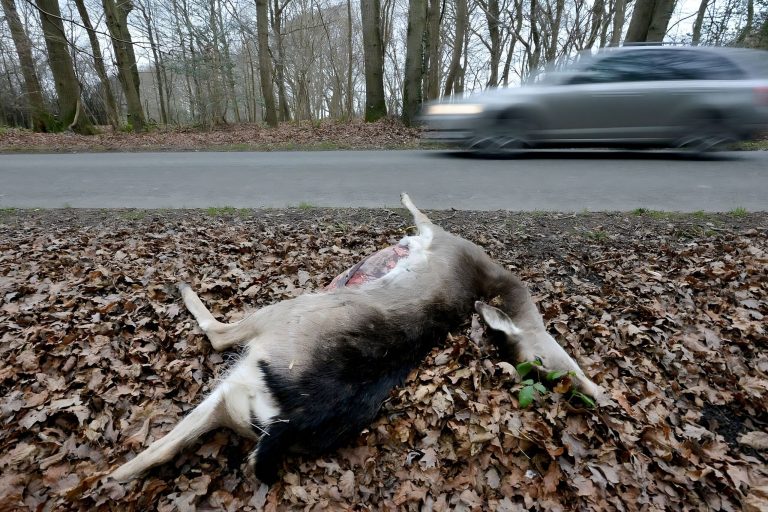
There are plenty of good reasons to pick up roadkill from the streets whenever possible. From a moral standpoint, it’s just not right to let an animal die for no reason and leave it to decay on the road when there are people in our country going hungry every night.

Looking at it economically, it can save you a lot of money to add roadkill meat to your diet alongside store-bought meat. It’s also a chance to overcome any food aversions you might have and try out some wild game you wouldn’t have had the chance to taste otherwise.

In any case, eating roadkill isn’t as taboo as some people in society make it out to be. Remember what your mother used to say, “Try it; you might like it!” Harvesting roadkill generally involves four steps: finding the roadkill, checking if it’s safe to eat, processing the meat by removing the skin, organs, and guts, and finally, cooking it right away or freezing it for later use.

Locating your next meal

Finding roadkill in America is actually quite easy. It’s a sad reality that each year, a staggering number of animals, approximately 360 million according to various Humane Society estimates, are killed by vehicles on the extensive network of highways and roads in the country. Another report from the Federal Highway Administration in 2008 estimated that one to two million large animals meet their end on our roads annually. These numbers highlight the significant impact of road accidents on wildlife.

As you travel, if you remain observant, you won’t have to search far to come across an animal that has lost its life on or near a roadway. Unfortunately, the issue of roadkill is prevalent and has an impact on various species throughout the country. It’s not uncommon to encounter small mammals, birds, reptiles, and even larger animals like deer and other wildlife that have fallen victim to vehicle collisions.

Given the frequency of roadkill incidents, it becomes apparent why the idea of harvesting roadkill for consumption has gained some attention. While the thought of eating roadkill may initially seem unappealing to many, it’s essential to consider the potential benefits of using this meat resourcefully and ethically.

It’s worth noting that while roadkill can provide a source of meat, there are certain precautions and guidelines to follow to ensure the meat is safe for consumption. Proper inspection and handling of roadkill are essential to avoid potential health risks.

Inspecting the soon to be meal

When finding roadkill, above all else, trust your instincts. Humans have a natural ability to discern whether food is safe to eat or not. Whether it’s the appearance, smell, or taste, you’ll know when something is off.

Think about encountering a decaying animal carcass while driving or walking—without any expert guidance, you instinctively understand that the meat on that animal has turned bad. We’ve all experienced opening a bag of spoiled chicken that’s past its expiration date, instantly detecting the foul smell.

Animals, too, rely on their senses to find food and avoid harmful substances. Humans possess a keen sense of smell for this very reason. So, if the meat smells bad, trust your nose—it will give you all the information you need.

However, even if the roadkill passes the smell test, thorough inspection is vital. Check the freshness of the meat and look for signs of internal injuries resulting from the impact that caused its death. Sometimes, vehicle strikes can lead to tainted meat, making it challenging to salvage edible parts.

You can also assess how long the animal has been dead by examining certain indicators. Rigor mortis can set in quickly, but it’s not the only factor to consider. Wild, warm-blooded animals with fur often harbor fleas, which prefer to feed on their hosts’ warm blood. After a few hours of the animal’s death, the fleas will likely move on. Additionally, check the eyes; a milky film forming over the eyeballs indicates decomposition has begun. Clear eyes suggest the animal hasn’t been dead for long.

Temperature plays a role too—the colder it is, the longer the animal can remain in the elements without rotting. Look for flies as well, as they appear when an animal starts to decompose. While flies may not always be avoidable, pay particular attention to certain animals, especially reptiles like turtles, iguanas, and snakes.

They can carry salmonella and should never be eaten raw. Generally, when it comes to harvesting roadkill, it’s best to cook the meat thoroughly to minimize any health risks from potential bacteria or diseases.

To reduce the risk of consuming tainted meat or getting sick, research the areas where you plan to harvest roadkill, identifying animals that might carry diseases. Inspect the animal’s carcass externally and internally, and ensure you cook the meat thoroughly before consuming it. By being cautious and taking appropriate measures, you can make the most out of roadkill harvesting while minimizing potential health hazards.

FLOY1 banner

Processing roadkill


As you venture into the process of processing roadkill, it’s crucial to understand that the inspection doesn’t truly end until you taste and digest the meat. The ultimate test of its safety lies in your palate and digestion. If it doesn’t taste right or leads to discomfort, it’s a clear sign that the animal may not be fit for consumption.

When it comes to processing roadkill, the steps involved are quite akin to preparing any other type of meat for consumption. Each person may have their own techniques, and I’ll share my approach, but feel free to adapt it to your preferences. The central objective is to ensure that the meat is clean, untainted, and seemingly free from infections.

Starting with removing the animal’s head, I usually make the cut just below the head for most animals, aiming to retain as much usable meat as possible. Snapping turtles, for example, boast some of the best cuts of meat on the neck, so salvaging as much as you can is essential.

For dealing with poisonous snakes, or any snake if you’re uncertain, it’s wise to make the cut approximately 6 inches below the head. This precaution ensures the removal of venom sacks. It’s vital to remember that both snakes and snapping turtles can still bite even after death. Therefore, exercise great care to avoid the business end of these creatures once the head is separated from the body. Notably, a snapping turtle’s body appears to remain somewhat alive for an hour or more after its death. On one occasion, I recall butchering an entire turtle, removing the shell, separating the different types of meat, and extracting all the guts and organs. Surprisingly, I could still hold the turtle’s separated heart in my hand and witness it beating for over 20 minutes until it finally stopped pulsating. Even the severed turtle head retained enough biting force to break a pencil when placed in its beak!

Poisonous snakes, once deceased, lose the ability to regulate venom delivery, making their bites potentially dangerous even after death. To address this, it’s recommended to place the head in a sharps disposal container and follow your community’s guidelines for proper disposal. Alternatively, secure the head in a jar with a screw-on lid and bury it several feet deep. This prevents curious pets from accessing it, but be cautious to ensure your pet stays away from the disposal site.

Continuing with the process, I proceed to cut off the lower portion of each animal’s feet, just at the joint. For smaller animals like squirrels and rabbits, I find it more convenient to make a small incision across the center of the backbone, providing enough space to get my fingers under the skin on each side. This technique facilitates peeling the skin and fur off easily. On the other hand, for larger animals, I prefer hanging them from their hind legs, allowing the skin to peel down effortlessly.

processing roadkill

For animals larger than rabbits, I cut the skin all the way around the anus before peeling it off. Once the skin is removed, I make a downward vertical incision with a sharp knife, starting from the animal’s neck and continuing through the center of the rib cage, down to the hind legs, and all the way to the anus. This exposes the small intestine, and I proceed to remove the animal’s guts, akin to cleaning out a fish. Care must be taken to avoid rupturing the bladder, bowels, bile ducts, or stomach, as this can spoil the meat. As a reminder, the inspection process remains ongoing throughout.

The heart and liver of most animals are edible, but it’s worth mentioning that acquiring a taste for them might take some time. If you’re curious, there’s no harm in trying. During processing, be sure to examine the liver and other organs for bile ducts or glands, making sure not to puncture them or disregard any ruptures caused by the vehicle impact. Bile can taint the meat and negatively affect the taste.

I’m not one to waste any part of the animal, so I usually compost all unused parts or utilize them as catfish bait. In survival situations or for practicing bushcrafting skills, the animal’s bones can be incredibly resourceful. You can create tools, fish hooks, and sewing needles from the bones, and the hides or pelts can be used for clothing or shelter.

Throughout the entire process, maintain a vigilant approach, ensuring safe handling and preparation. The inspection process is ongoing, guaranteeing the successful processing of roadkill while reducing potential health risks. Always remember to prioritize cleanliness, and you’ll make the most out of this unconventional food source.

Concluding

When faced with roadkill in a survival situation or choosing to eat it “at your own risk,” exercising utmost caution is vital. Taking several precautions can significantly lower the risk of falling ill from consuming potentially contaminated meat. Freezing the roadkill at temperatures of -4°F or lower for an extended period, typically four days or more, proves effective in eliminating potential tapeworms or other parasites that may be present in the meat. This method ensures a safer food source, reducing the risk of harmful infections.

Regardless of whether you decide to freeze the meat or consume it immediately, the importance of thorough cooking cannot be overstated. Cooking the roadkill at high temperatures is an essential step in eradicating any remaining harmful bacteria or pathogens. To guarantee safety, it is recommended to cook the meat to an internal temperature of at least 160°F before consuming it.

Moreover, when dealing with roadkill from animals known to carry specific diseases or parasites, it is wise to exercise additional caution. Conduct research to understand the common health risks associated with the specific species you encounter. This knowledge will prove valuable in identifying potential dangers and adopting appropriate measures.

Furthermore, while handling roadkill, maintain strict hygiene practices throughout the entire process. Wearing gloves and thoroughly washing hands with soap and water after handling the meat helps prevent contamination. It is crucial to avoid cross-contamination by keeping the roadkill separate from other foods during storage and preparation.

If you are uncertain about the condition of the roadkill or harbor any doubts about its safety, erring on the side of caution is imperative. Refrain from consuming the meat and prioritize finding alternative food sources, along with a clean water supply, to sustain yourself in survival situations. Proper planning and preparation can help you steer clear of unnecessary health risks associated with consuming questionable or contaminated meat.

Always bear in mind that consuming roadkill involves inherent risks, and it should only be considered as a last resort during extreme circumstances. By exercising caution, thoroughly inspecting the meat, employing freezing and cooking techniques, and ensuring diligent hygiene practices, you can effectively mitigate potential health hazards and make the most of this unconventional food source when needed.

the bestforever foodsthat never spoil v2Suggested resources for preppers:

Dog food as survival food?

The #1 food of Americans during the Great Depression

Survival Foods of the Native Americans

If you see this plant when foraging, don’t touch it!
What do you eat when you are home alone?

0

I cook most meals for my family, so when I am home alone, I am reluctant to cook. Sometimes I will. But most times, it is bachelor dinners for me.

For example, tonight was pistachios, a banana, yogurt and a cup of tea.

Natural Sequence Farming: An Australian Story

0

The featured You Tube media clip relates to Natural sequence farming Natural Sequence Farming Although the examples shown are on larger rural properties, the principles are also relevant to smaller acreages, just a matter of scale.

Natural Sequence Farming | Principles | Benefits | Criticism – CropForLife Agriculture

There is…

Natural Sequence Farming: An Australian Story

Software glitch during turbulence caused Air Force F-35 crash in Utah

0

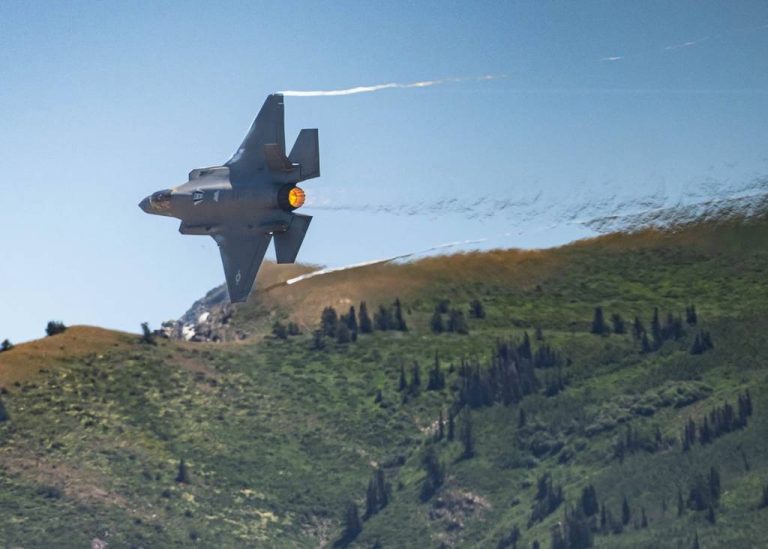
An F-35A Lightning II fighter crashed at Hill Air Force Base, Utah, last October when turbulent air confused its avionics, rendering the jet uncontrollable, an Air Force investigation has found.

The nonfatal crash marks the second time an Air Force F-35A has been destroyed in an accident since the jets began flying in 2012. Its loss cost the Air Force more than $166 million, the service said in a report released Thursday.

The accident unfolded just after 6 p.m. local time on Oct. 19, 2022, as a quartet of F-35As returned to Hill from an “uneventful” training sortie, the report said. The jet that crashed, assigned to Hill’s 421st Fighter Squadron, was approaching the base as the third aircraft in the four-ship formation.

As they prepared to land, the pilot felt a “slight rumbling” of turbulence from the wake of the aircraft in front of him, the report said. The bumpy air caused the F-35′s flight controls to register incorrect flight data, and the jet stopped responding to the pilot’s attempts at manual control.

The pilot tried to abort the landing and try again, but the jet responded by sharply banking to the left. Further attempts to right the aircraft failed, and the pilot safely ejected north of the base. His F-35 crashed near a runway at Hill.

The entire incident lasted less than 10 seconds, the report showed.

The aircraft “looked like a totally normal F-35 before obviously going out of control,” an F-35 test pilot who watched the accident from the ground told investigators. “I did see really large flight control surface movements — [stabilizers], trailing edge flaps, rudders all seem to be moving pretty rapidly.”

Investigators found that the pilot involved in the crash hadn’t followed turbulence procedures in effect that day. That requires airmen to fly farther apart, with at least 9,000 feet between landings.

However, the report noted that the F-35′s flight manual tells pilots to space out their landings by 3,000 feet, and doesn’t specify how far apart they should be in case of turbulence.

Simulations confirmed that the issue stemmed from the jet’s misinterpretation of the flight data, not the physical effects of turbulence itself.

“The F-35 enterprise has over 600,000 flight hours and this is the first known occurrence where wake turbulence had this impact on the air data system,” the report noted.

The Air Force and the F-35 Joint Program Office, which manages the fleets across the Air Force, Navy and Marine Corps, did not immediately say whether further analysis or software fixes are in the works to prevent the problem from happening again.

The F-35A is the Air Force’s most advanced stealth fighter for aerial reconnaissance, ground strike and air defense missions. The service plans to grow from about 375 to 432 F-35As in 2023, stationed at several bases in the U.S. and overseas.

Rachel Cohen joined Air Force Times as senior reporter in March 2021. Her work has appeared in Air Force Magazine, Inside Defense, Inside Health Policy, the Frederick News-Post (Md.), the Washington Post, and others.

Thunderstorm damage to Vance’s T-6 fleet will slow pilot training

0

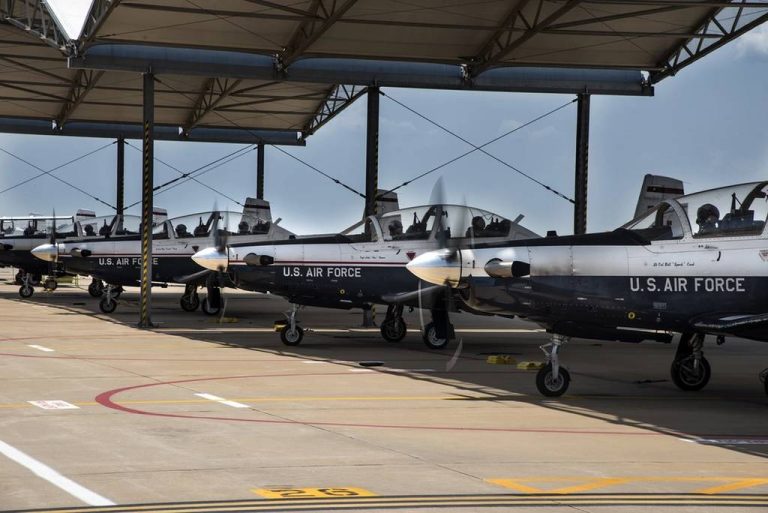
Vance Air Force Base in Oklahoma is inspecting its entire fleet of T-6 Texan II training aircraft for damage after a severe thunderstorm swept through on July 21, delaying undergraduate pilot training by at least two weeks.

It’s the latest hiccup in pilot training as the service pushes to graduate nearly 1,500 new aviators this fiscal year, hoping to chip away at a perennial pilot shortage.

The thunderstorm battered the T-6s with winds over 70 mph, blowing off their protective covers and prompting concerns about debris in the engines and other structural problems, the Air Force said.

At least 12 T-6s require intensive repairs before they can return to flight, base spokesperson Terri Schaefer said. Local leaders have opted to check the entire fleet of 99 Texan IIs for structural and mechanical damage as a safety precaution.

The 71st Flying Training Wing resumed flight operations on Sunday, two days after the storm, while Air Force mechanics and contractors continue inspecting aircraft. Schaefer said Vance expects to return to normal operations by Aug. 4.

T-6s were the only airframe affected at Vance, which also flies the T-1 Jayhawk and T-38 Talon trainers. It’s too early to tell how much it may cost to repair them.

It’s unclear what longer-term ripple effects the storm may have on the pilot training process, which requires classes of students to move on to their next aircraft before new airmen are allowed to start. More than 260 undergraduate students are currently assigned to Vance, Schaefer said.

The T-6 is the first military aircraft a new student touches as part of the undergraduate pilot training curriculum. Earning pilot’s wings in the T-6 takes about seven months, at which point a trainee is selected to continue on the fighter-bomber track or the mobility track.

Slowing or pausing T-6 flights can cause repercussions farther down that line.

“The pilot training pipeline has been impacted by this storm, and officials are discussing how to make up for the time lost to meet production numbers,” Vance spokesperson Tech. Sgt. James Bolinger said.

This isn’t the first time Mother Nature has intervened in pilot training.

In February 2016, a hailstorm tore through Laughlin AFB, Texas, pelting the training base with chunks of ice that caused enough damage to ground 80% of its aircraft. In October 2018, Hurricane Michael devastated Tyndall AFB, Florida, the Air Force’s sole training site for the F-22 Raptor fighter fleet. And several training installations were among those hit by Winter Storm Uri and other squalls in early 2021.

The Air Force is also working through delays elsewhere in the training pipeline. Earlier this year, the service projected a slowdown in T-38 engine repairs would hinder aircraft availability until at least September, among other issues related to staffing and the inventory’s age.

Rachel Cohen joined Air Force Times as senior reporter in March 2021. Her work has appeared in Air Force Magazine, Inside Defense, Inside Health Policy, the Frederick News-Post (Md.), the Washington Post, and others.

Northrop Grumman won’t bid on Air Force’s NGAD fighter

0

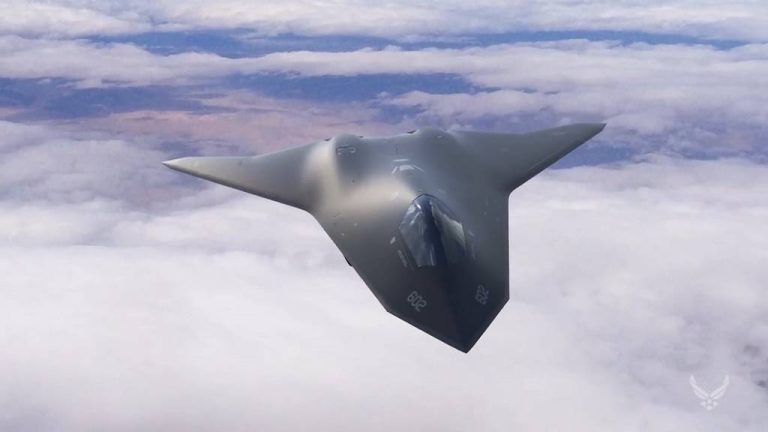
WASHINGTON — Northrop Grumman does not plan to bid on the Air Force’s sixth-generation Next Generation Air Dominance fighter program as a prime contractor, chief executive Kathy Warden said Thursday.

But Northrop Grumman is interested in serving as a supplier to other bidders on the Air Force NGAD program as part of its mission systems portfolio, Warden told analysts in an earnings call.

The Air Force in May announced it had sent industry a classified solicitation for an engineering and manufacturing development contract for NGAD, launching the process for selecting a company to build the advanced fighter system that will replace the F-22 Raptor.

In Thursday’s call, Warden said Northrop had previously been “quiet” about its plans for NGAD, but has now told the Air Force it does not plan to respond to the request for proposals as a prime.

“We are remaining disciplined in assessing the right programs to pursue,” Warden said. “And that’s ones where we feel we’re well positioned with mature offerings, and where the business deal reflects an appropriate balance of risk and reward for both the customer and the industrial base.”

Warden said Northrop Grumman might participate in the Navy’s separate NGAD program, which the service refers to as F/A-XX.

“We have other opportunities we are pursuing,” Warden said when asked about F/A-XX. “I won’t disclose at this point exactly what those are until a little more information comes out on other programs. But you could assume that if we feel we’re well-positioned, and the government is appropriately balancing risk and reward, that would be a program we would pursue.”

Dave Keffer, Northrop Grumman’s chief financial officer, also said testers in the second quarter successfully turned on the power for the B-21 Raider’s systems, and the stealth bomber is still on track for its first flight in 2023.

Keffer said Northrop expects the Air Force to award the first low-rate initial production contract on the B-21 after that first flight.

But Warden warned inflation and other macroeconomic factors remain a risk for the B-21. She said the Pentagon notified Northrop in the most recent quarter that it has allocated another $60 million for B-21 LRIP procurement in 2023 due to inflationary effects. The Air Force has $1.4 billion budgeted in 2023 for B-21 procurement, including advance procurement funds from the previous year.

In a previous earnings call in January, Warden warned inflation, supply chain disruptions and labor issues had raised the B-21′s cost estimates. And the company said then a loss of up to $1.2 billion on one or more of the expected five LRIP lots was “reasonably possible.”

On Thursday, Warden said the company is still not expecting to generate profit from the B-21′s LRIP.

Stephen Losey is the air warfare reporter for Defense News. He previously covered leadership and personnel issues at Air Force Times, and the Pentagon, special operations and air warfare at Military.com. He has traveled to the Middle East to cover U.S. Air Force operations.

Well the time has come….

0


  1. BTPost
    Stumpy Old Fart,Deadman Walking, Snow Monkey
    Moderator

    The time has finally arrived, that Bruce’s Trading Post is surrendering it’s Federal FireArms License to the Anchorage Office of the BATFE… The simple fact is it is time to wrap up many of my Business Affairs, and that includes the Trading Post based in Excursion Inlet, Alaska… I haven’t been to the place for over two years, except my brother took me up for a week last summer, after AlaskaChick had the Powerhouse burn down, clear to the Ground, with nothing but ashes left… It turns out that all the FFL Records for the Trading Post were stored in the Powerhouse, and are now ashes, themselves.. On Monday, I received a call from the nice lady Inspector from the Anchorage BATFE Office wanting to see if I was still in business, and wanting to schedule an Inspection… I told her that I had not conducted any FFL Business in over two years, that we had a fire, and all the Records were lost last summer, and that I have Terminal Metastasized Pancreatic Cancer, and have been in Hospice Care for the last six months.. She told me if I voluntarily Surrendered my Current License, there would be a simple set of two forms to Sign, since I had no Inventory, and no Records to turn in, due to the fire.. She eMailed me the two forms, and I will email them back this afternoon.. Quick, easy, no fuss no muss…
    So, after many decades, Bruce’s Trading Post is no longer an FFL.. The end of an Era.. AlaskaChick and I still have the Belgian Browning HiPower, her Dan Wesson Stainless .357 Mag Pistol Pack, our Ruger Old Army 44 Cal BP Pistol, and our two 50 Cal BP Hawkin Trade Rifles.. More than enough firepower for the time I have left on this Rock.. I does bring a tear to the eye, thinking about all the people I have meet and done business with over the years, clear back to the Custom Ammunition Biz I ran before we moved to Alaska, permanently…. Oh well, time moves on and so do I…


survivalmonkey SSL seal


survivalmonkey.com warrant canary

Food Grade Intermediate Bulk (liquid) Containers (IBC) Self Watering Raised Garden Beds

0

A novel way of recycling food grade IBCs

The Bite Sized Garden presenter has an interesting channel with other gardening projects and information.

https://www.youtube.com/@TheBiteSizedGarden/videos

DIY Rain Barrel Irrigation System

0

This Post features several media clips showing easily followed, step by step instructions for creating a rain barrel irrigation system, using mains electricity and solar electrical.