Our homes hold a special place in our hearts, offering peace, comfort, and a refuge from the chaotic outside world. It’s where we create memories with our families and find solace in tranquility. However, this sanctuary can be under threat from those with malicious motives, causing us great harm.
It’s easy to assume that such extreme violence could never happen to us, but the unfortunate truth is that home invasions and aggravated robberies happen every year, catching many victims by surprise. These incidents often end tragically for the home’s occupants.
To make your home safer, you need to prepare for the worst-case scenario and stack the odds in your favor. While the best security and self-defense plan is one you hope to never use, it’s crucial to be ready if faced with a life-or-death situation within your own walls.
So, make your home safer by implementing security measures and creating a defense strategy for your family. Being prepared is vital not just during disasters or widespread crises, but every single day of the year. Make your home a sanctuary where you can feel secure and protected, away from the dangers that lurk in the outside world.
Remember, these preparations aren’t just for disasters or crises; they will prove valuable every day of the year. Create an environment where you and your family can find comfort and security, shielded from the dangers that might loom outside.
Home Invasion
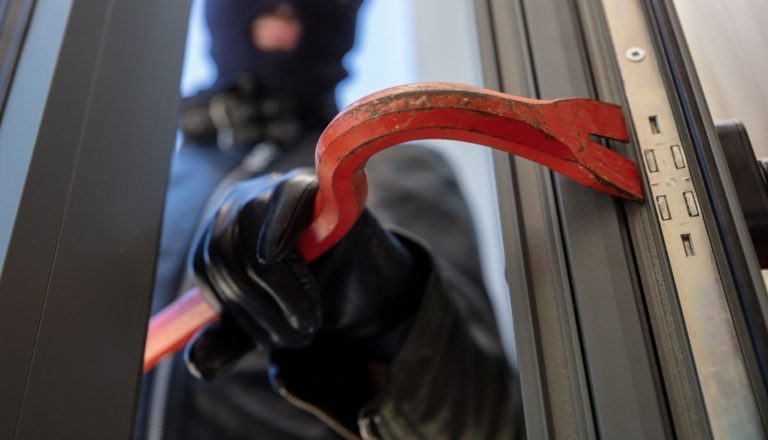
Home invasions, defined as illegal forceful entry into occupied private dwellings with violent intent, pose a grave threat to the safety and well-being of the home’s occupants. Unlike burglaries that primarily involve theft and avoid violence, home invasions are characterized by the extreme use of force, leading to assaults, rapes, kidnappings, and even homicides. These harrowing incidents place individuals and families at tremendous risk and can have devastating outcomes.
Despite their severity, statistics on home invasions in the United States are limited since the term “home invasion” is not recognized as a specific crime in most jurisdictions or under federal law. Instead, charges are typically filed based on the accompanying crimes during the incident, such as rape, murder, or assault. Consequently, the true scale of home invasions remains challenging to measure accurately.
During times of disaster, when panic and confusion often prevail, the risk of falling victim to a violent home invasion escalates significantly. Law enforcement resources may be stretched thin, providing criminals with an opportunity to act with impunity. In such circumstances, the ability to protect and defend oneself and one’s household becomes paramount.
Proper planning and preparation can make all the difference during such critical moments. Being adequately prepared to respond to a home invasion can be crucial in determining the outcome. Without proper readiness, individuals and families run the risk of becoming part of a distressing list of statistics, joining the unfortunate victims who have suffered the consequences of such heinous acts.
Therefore, taking proactive measures to enhance home security, learning self-defense techniques, and having a comprehensive emergency plan in place can significantly reduce the vulnerability to such threats. It is essential to stay informed about the risks and ensure that safety measures are in place to safeguard yourself and your loved ones in the face of potential danger.
Planning and preparation
Making your home safer should be a priority for you, and while no plan can offer absolute guarantees, proactive measures can go a long way in enhancing your security and peace of mind. As you delve into the process of fortifying your residence, keep in mind that careful planning and preparation are essential.
Start by conducting a comprehensive security assessment of your property. Walk around your home and look for any vulnerabilities in the exterior, such as weak points in windows, doors, or fences. Make a list of potential areas that may need reinforcement and prioritize your actions based on their level of risk.
One of the first steps you can take is to strengthen all exterior windows and doors. Consider installing high-quality locks and deadbolts on all entry points, and reinforce door frames with metal plates. Adding security film to windows can also make them more resistant to break-ins.
A security system is an invaluable investment in safeguarding your home. Research different options available in the market, and choose a system that suits your needs and budget. Modern security systems can come with features such as motion detectors, surveillance cameras, and even smart home integration for added convenience.
Don’t overlook the power of good lighting. Well-lit exteriors can deter potential intruders, making your home a less appealing target. Install motion-activated lights around the perimeter and entrances of your property to illuminate dark areas when someone approaches.
In addition to physical measures, having a well-thought-out emergency plan is crucial for your family’s safety. Sit down with your loved ones and discuss what to do in case of a home invasion or other emergencies. Practice escape routes and designate a safe room where family members can seek refuge until help arrives.
Consider getting to know your neighbors and forming a community watch group. Keeping an eye out for each other can create a stronger sense of security in your neighborhood.
As you progress with your preparations, remember to stay adaptable and responsive to changes in your environment. Regularly review and update your security measures as needed, and remain vigilant about potential risks.
By taking these steps to make your home safer, you can create a more secure and protected environment for you and your family. While it’s impossible to eliminate all risks, being proactive and prepared can make a significant difference in enhancing your home’s security and your overall peace of mind.

Layered security to make your home safer
When it comes to making your home safer, think of your defenses as layers of overlapping security, creating a comprehensive shield against potential threats. Regardless of whether you reside in a big city apartment or a house in a rural area, implementing a layered approach can bolster your home’s protection significantly.
Imagine the concept of soft body armor, where multiple layers of bullet-resistant material work together to absorb the impact of a bullet, rendering it ineffective. Similarly, employing a series of overlapping defenses in your home security plan enhances its effectiveness and covers potential gaps that a single defense might leave exposed.
Here are some examples of how you can implement layered security measures to make your home safer:
Doors: Reinforce your exterior entrances with heavy-duty metal or solid-core wood/composite doors. These sturdy doors act as a formidable barrier against forced entry attempts, making it harder for intruders to break in. Additionally, consider installing peepholes or smart doorbells with cameras to identify visitors before opening the door, adding an extra layer of security.
Windows: Upgrade to impact-resistant or laminated windows that remain intact when shattered. These windows offer increased protection against break-ins and safeguard your home against potential forced entry. For added security, consider installing window bars or grilles on ground-level windows to deter unauthorized access.
Hardened Hardware: Enhance your door security by installing high-quality deadbolts and reinforced strike plates. Safety bars on sliding doors provide extra fortification. Use longer mounting screws to secure door frames firmly, making them more resistant to kicking or prying.
Security Cameras: Set up a closed-circuit TV camera system around your property to monitor and record activities. Visible cameras act as a deterrent, while hidden cameras can help capture crucial evidence if a break-in occurs. Consider investing in cameras with night vision capabilities for 24/7 surveillance.
Alarm System: Install a comprehensive electronic alarm system with door and window sensors, motion detectors, and glass break sensors. Exterior and interior sirens, coupled with high-output LED indicator lights, draw attention to potential threats and discourage intruders from proceeding.
High-Output LED Lights: Illuminate your home’s exterior with high-lumen LED floodlights to deter intruders and improve visibility at night. Motion-activated lights near entry points and dark areas add an extra layer of security by alerting you to approaching movement.
Landscaping: Trim trees, bushes, and vegetation to remove potential hiding spots for intruders. Well-maintained landscaping reduces the risk of ambush and prevents burglars from using overgrown areas for cover.
Perimeter Alarms: Set up an early-warning system that detects approaching vehicles, people, or other threats before they reach your home. This gives you more time to prepare and respond appropriately.
Fencing: Choose a well-designed fence that doesn’t provide hiding places and is difficult to bypass or climb. A sturdy fence acts as a physical barrier and deters unauthorized entry.
Safe Room: Designate a secure area in your home as a safe room where your family can seek refuge during emergencies. Reinforce this room with additional security measures, such as reinforced doors, lockable windows, and communication tools. Stock it with emergency supplies and have a communication plan in place to contact authorities if needed.
Creating a Comprehensive Plan

Each security measure, when employed individually, might seem vulnerable, but when integrated into a comprehensive plan with overlapping layers of defense, they become a formidable force. This layered approach strengthens your home’s security, making it a less appealing target for criminals and significantly raising the difficulty level for potential intruders to overcome.
While no security plan can guarantee absolute safety, employing these measures together significantly shifts the odds in your favor. By denying criminals the element of surprise, you gain crucial time to call for help or prepare yourself to face any unavoidable threats.
However, it’s essential to recognize that no amount of planning or preparation can compensate for careless actions or lapses in judgment. Even with expensive security hardware, leaving a spare key in an obvious place undermines your efforts.
Hardware is just one aspect; the software, encompassing good decision-making, situational awareness, and the right mindset, is paramount. Maintaining situational awareness helps you stay focused on potential threats, guiding your actions and decisions to minimize risks and make your home safer.
A comprehensive security plan that combines hardware and software measures will significantly improve your home’s safety. Integrating these layers of defense and maintaining vigilance will create a more secure environment for you and your family. Remember that a well-thought-out plan, coupled with the right mindset, plays a crucial role in enhancing your home’s security and deterring potential threats.
Concluding

The path to making your home safer involves a multifaceted approach that encompasses various layers of security. By understanding the concept of overlapping defenses and adopting a comprehensive plan, you can significantly enhance your home’s safety. Each security measure plays a crucial role in fortifying your home against potential threats, from reinforcing doors and windows to investing in advanced security systems and cameras.
Additionally, maintaining situational awareness and making wise decisions are integral components of a successful security strategy. Combining hardware measures with the right mindset ensures that you are better prepared to face any challenges that may arise.
While no security plan can offer absolute guarantees, implementing a well-thought-out and integrated approach can shift the odds in your favor. Creating a secure environment for your family requires vigilance, planning, and a proactive mindset.
Remember that a comprehensive security plan goes beyond just installing physical barriers; it includes being aware of potential risks and taking the necessary steps to mitigate them. By combining both hardware and software measures, you can make your home safer and foster a sense of security and comfort for you and your loved ones.
Prioritize preparedness, stay informed about potential threats, and be proactive in your efforts to safeguard your home—the place where peace, comfort, and cherished memories reside.
Suggested prepping learning:
Seven Key Elements Your Home Defense Plan Needs
Must-Have Knowledge to survive any medical emergency
Pros And Cons of Various Firearms For Home Defense
Time-tested lessons to protect your home against intruders