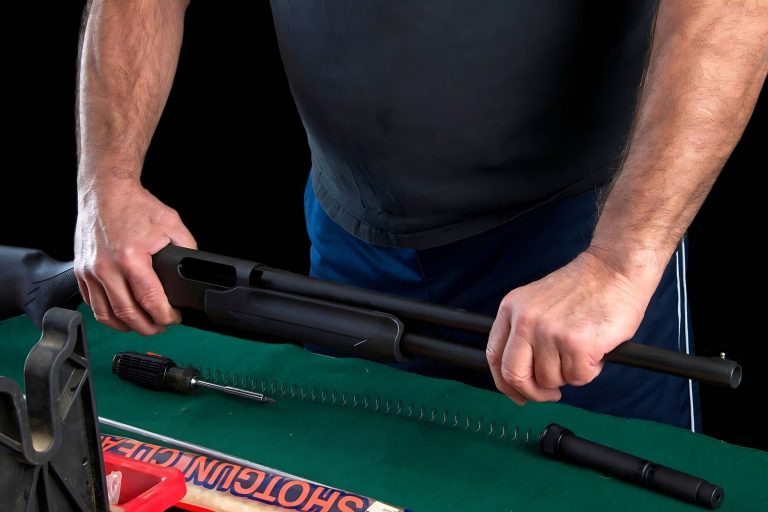
It’s evident that purchasing firearms can be quite expensive, and it seems the costs increase every year. This fact alone should serve as a strong reason to emphasize regular maintenance for these guns. Moreover, a clean and well-kept firearm tends to perform better and shoot more accurately compared to a dirty one.
However, I’m just like most shooters — I’d much rather spend time shooting a gun than cleaning it. Still, just like how I needed to clean out the barn stalls when I was a kid, neglecting the cleaning of your firearms comes with consequences. These might not be as unpleasant as the barn situation, but the outcomes of such negligence are equally significant.
When I was a young child growing up on our tiny family farm, which was probably not much bigger than some city parks, I used to think I was perhaps the poorest kid to ever exist. That feeling stuck with me until I met the woman who would become my wife.
Surprisingly, I realized that her family was even less fortunate than mine. Now, I’ve moved past the worries from those early days, but the important life lessons they taught me have stayed with me. One of the most significant lessons was understanding that if I didn’t take good care of the few things I possessed, there might come a time when I wouldn’t have enough money to replace them.
The problems of a dirty gun
When you pull the trigger of a firearm and the firing pin hits the primer of the cartridge, it triggers a series of actions beyond just propelling the bullet down the barrel or the shot charge forward. Because the process of combustion is never completely efficient, it leaves behind various types of residue such as soot, ash, partially burned and unburned powder.
Additionally, there are often particles of lead and copper introduced. While a significant portion of this debris is expelled along with the bullet, a notable amount remains lodged within the barrel and the inner workings of the firearm. Most shooters understand that when this buildup becomes substantial, it can impact how well the gun functions.
However, it’s crucial to also acknowledge that a lot of this residue can absorb moisture from the air due to its hydroscopic nature. Like how flies are attracted to decaying flesh, this residue can draw in moisture from the atmosphere, creating the ideal conditions for rust and corrosion to develop.
The optimal time to clean your gun is shortly after you’ve fired it and before it’s fully adjusted to the surrounding conditions. Barrels that are still warm from recent shooting are much easier to clean compared to cold ones. Whether you choose to clean your gun immediately after shooting or wait a bit, it’s essential to do so as promptly as possible.
Even during the intervals between firing, it’s a wise practice to periodically wipe down the external surfaces using a lightly oiled cloth or a gun cloth infused with silicon. This helps eliminate fingerprints and other forms of contamination.
Cleaning rods & chemicals
When considering bore cleaning, it’s natural to focus heavily on the kind of solvents and chemicals to use, but that’s just one aspect that shooters need to think about. The tools you pick for the job are just as crucial as the actual chemicals.
There are essentially two schools of thought when it comes to a cleaning rod. Some shooters prefer a rigid-style rod, while others lean toward a flexible-cable style, like those from Otis Technology. I find both these systems effective. The kits offered by Otis have the advantage of being incredibly compact, roughly the size of a ripe peach, and contain nearly everything required to adequately clean your gun.
Inside the zippered nylon pouch, you’ll discover a flexible metal cable with durable protective plastic covering, solvent, oil, patches, and a variety of cleaning tips and brushes. With their compactness and comprehensiveness, these kits are an excellent choice for field use or at home.
It’s always best to clean your gun from the breach end of the firearm. This minimizes the chance of damaging the muzzle area, which is crucial for accuracy. Unfortunately, cleaning some semi-automatics and pump-action firearms this way isn’t possible unless the barrel is removable. In such cases, instead of using a rigid cleaning rod inserted from the muzzle, I prefer a cable-style cleaning system.
At one point, most rigid cleaning rods came in a three-piece design, often made of aluminum. This design is still available, but it has lost some popularity. Debris can collect where the sections screw together, which can then work against the gun bore.
Moreover, aluminum is prone to bending, causing the rod to contact the rifling inside the bore. While this type of rod might be convenient for field use, a better option would be either a one-piece rod resistant to bending or a flexible cable-style rod.
Modern one-piece cleaning rods come in various materials like steel, brass, or even graphite. Personally, I prefer graphite rods over other materials because I believe they’re less likely to damage the bore compared to steel rods.
Despite protective coatings on steel rods, these coatings can wear off over time, leading to steel-on-steel abrasion. Brass rods, like aluminum ones, can bend easily and develop scratches that harbor grit and contamination due to the material’s softness.
When using a rigid-style cleaning rod, a couple of additional things should be kept in mind. First, the rod diameter should match the bore it’s used on, and second, using a bore guide is highly recommended. The bore guide is a simple tool that usually fits in the gun’s action or sometimes on the cleaning rod itself. It helps align the cleaning rod with the bore’s center axis, limiting its contact with the barrel’s rifling.
Choosing a bore cleaner might present a variety of options. To keep it simple, though, I can assure you that there are no bad bore cleaners on the market today. While some might be more effective than others, in my opinion, they’re all excellent products that you can’t go wrong with. A new trend is the foaming style cleaners, which work well on stubborn fouling.
The reliable Hoppe’s #9 is a favorite of many shooters and has a long history of use. However, if you’re dealing with copper or lead buildup, look for a product specifically designed for that purpose. Follow the manufacturer’s instructions carefully and use these chemicals in a well-ventilated area due to the sometimes-generated toxic fumes.
Selecting brushes to clean your gun
When it comes to maintaining your firearm, a crucial aspect is ensuring that you clean your gun properly. Regular cleaning not only extends its lifespan but also preserves its accuracy and reliability, making it an essential practice for responsible gun ownership.
Choosing a reliable cleaning rod and selecting the appropriate solvent are important steps. However, the type of bore-cleaning brush you use is equally significant. There are three main types of brushes to consider. In cases where the bore is heavily fouled, leaded, or rusted, a more aggressive cleaning approach may be necessary.
For such situations, a brush with stainless-steel bristles could be considered. It’s important to exercise caution, though. Stainless steel brushes should only be utilized when absolutely required, and their use should be moderate and careful. Excessive or forceful use can lead to accelerated wear on the barrel.
One of the most commonly used bore brushes is the bronze brush. It effectively produces clean results and has a reasonable lifespan. However, if you’re using a bore cleaner intended to remove copper-jacket fouling, it could potentially damage a bronze brush. In such instances, opting for a nylon brush is a prudent choice. Nylon brushes are highly resistant to chemical effects while still providing satisfactory performance.
A misconception some shooters have is that using an oversized brush forced into a smaller bore will result in better cleaning compared to using a brush that’s appropriately sized for the bore diameter. In reality, an oversized brush can hinder cleaning efficiency, as the bristles tend to bend backward, making it challenging to access the narrow grooves and lands of the rifling.
Keep in mind that brushes have a limited lifespan and should be replaced when signs of wear become evident. An unconventional approach I sometimes take with worn brushes is to repurpose them as bore-cleaning swabs. By wrapping a solvent-soaked cleaning patch around the worn brush, the bristles securely hold the patch in place. This method proves more effective than using standard manufacturer-produced swabs, as I can easily remove the patch after cleaning. Traditional swabs, on the other hand, might accumulate grit and contamination, potentially harming the bore.
By ensuring you regularly clean your gun and making informed choices about your cleaning tools, you contribute to the overall longevity and performance of your firearm. Practicing proper cleaning techniques not only maintains your firearm’s functionality but also demonstrates your commitment to safe and responsible firearm ownership.

The problem of copper fouling
Copper jacketed bullets, combined with high velocities, contribute to the occurrence of copper bore fouling in rifles and pistols. As the bullet moves along the barrel, the rifling cuts deep into the bullet’s jacket, a necessary action to impart the proper spin on the bullets. However, this process often results in the retention of copper deposits within the bore.
Eradicating copper deposits can prove to be a challenging and tenacious task. Regular and frequent cleaning can help prevent excessive buildup, but there are times when you need a solvent specially designed to eliminate this type of residue. Failure to address and remove these deposits can lead to two main consequences.
Firstly, your shooting accuracy will gradually decline, and secondly, as the deposits accumulate, their removal becomes increasingly difficult. While rough bores are particularly susceptible to copper or lead buildup, all types of bores can eventually become prone to collecting such materials. Therefore, it’s crucial to ensure you clean your gun regularly to mitigate the potential issues associated with copper fouling.
After the bore is clean
Achieving clean patches usually requires multiple brushings and the use of solvent-soaked cleaning patches. Once the patches start appearing clean, I proceed by running a single patch soaked in oil and then a second dry patch to eliminate excess chemicals. Following these steps, I then shift my focus to other parts of the firearm.
Clearly, there isn’t enough space here to detail the complete breakdown procedures for all firearm types. However, it’s not always essential to fully disassemble the firearm after every firing. In some cases, a more limited cleaning regimen may suffice.
After each shooting session, I typically grab a can of WD-40 or a similar spray oil and apply a liberal amount to the exposed metal mechanisms that might have collected residual debris from firing. This action helps dislodge loose contaminants.
Nevertheless, caution is necessary to prevent oil from coming into contact with wood surfaces, as it could seep into the unfinished areas beneath the metal and infiltrate the wood grain. While gun oil effectively guards metal against rust and corrosion, it can negatively impact wood. Allowing oil to penetrate the wood’s grain can lead to stock rot.
Following the use of spray oil to remove loose debris, I use cotton swabs to tackle stubborn fouling and eliminate excess oil. Subsequently, I apply a light layer of grease using my finger on necessary wear surfaces. These include hinge points on break-open style firearms and areas with metal-on-metal movement.
After reassembling the gun, I opt to take a slightly oiled rag and gently wipe down the outer surfaces to remove excess lubricants and solvent. I maintain such a rag under my workbench, stored in a sealed container designated for this purpose. Ensuring you clean your gun systematically and attentively safeguards its performance and longevity.
Wipe after you clean your gun
The oils naturally present in your skin can corrode the finish of your firearms over time. This highlights the importance of periodically wiping down your guns with a cloth that’s lightly soaked in oil or one that’s impregnated with silicon. However, even more detrimental to a gun’s finish are substances like citrus acid or blood.
This explains why you’ll never find an orange in my hunting lunch. A small, inadvertent transfer of juice from your hands to the firearm can potentially eat through the bluing. Enjoy those oranges safely at home, far removed from your firearms. However, the temptation to bring one along on a hunt or to the firing range should always be resisted.
Furthermore, if you’re fortunate enough to succeed in hunting, it’s crucial to prevent any blood from coming into contact with your firearms. Similar to citric acid, blood can also have severe consequences for your gun’s finish if it comes into contact with it. To safeguard your firearm’s appearance and condition, it’s essential to clean your gun and maintain distance from corrosive substances like citric acid and blood.
Shotgun cleaning

The procedures utilized for cleaning shotguns aren’t notably distinct from those employed for cleaning rifles or handguns. However, although you don’t need to address the issue of copper jacket material getting trapped in the lands and grooves of rifling, you’ll likely encounter a different challenge – plastic buildup within the bore due to wads. Most of the time, using an effective solvent and a wire brush will eliminate this buildup, although it may take several passes.
Shotguns do have a couple of unique areas that require specific attention. For shotguns with a screw-in choke system, it’s essential to remove the choke and clean and oil the threads after each shooting session. Additionally, special consideration should be given to the chamber. When plastic shotshells are fired, there seems to be some form of chemical reaction occurring.
Although I’m not a chemist and can’t explain the exact why or how, it’s been my observation that this type of shotshell usage increases the potential for rust and corrosion to develop inside the chamber. Due to this, I make sure to allocate extra care to this region, thoroughly cleaning the gun and promptly applying an even coat of oil after each firing. Taking these measures ensures that your shotgun remains in good condition and performs reliably over time.
Black powder firearms
 Firearms with black finishes present distinct cleaning challenges due to the corrosive properties of black powder. The potent corrosiveness of black powder makes it vital to pay special attention to cleaning black powder firearms. To mitigate this corrosive risk, one effective option is transitioning to non-corrosive or less-corrosive black powder substitutes like Alliant’s Black MZ, Blackhorn 209, or Pyrodex.
For those who opt to continue using traditional black powder, there are two prevailing strategies for effective cleaning. Some individuals prefer using dedicated solvents designed for this purpose, such as Birchwood Casey #77 Black Powder Solvent.
Conversely, other shooters rely on the time-tested technique of subjecting the firearm parts to a thorough hot soapy water bath. When employing the latter method, the stock is typically separated from the barreled action, followed by removing parts that might have been exposed to the corrosive nature of the powder, like the nipple and potentially the clean-out screw.
A sink is often utilized for this type of cleaning. The process entails filling the sink with hot water and liquid soap, submerging one end of the barrel in the solution. Utilizing cleaning tools like brushes and patches on a cleaning rod, the barrel is meticulously cleansed to remove any contaminants. The loose metal parts also undergo the same procedure.
However, it’s crucial to recognize that subjecting metal to water is exposing it to a corrosive element. Therefore, after completing the water and soap bath, it’s imperative to thoroughly dry all metal surfaces and adequately apply gun oil and/or a rust-inhibiting substance to prevent corrosion.
Effectively addressing the cleaning challenges posed by black powder firearms ensures their longevity and reliable performance over time.
Concluding
Engaging in firearm cleaning might not be the most enjoyable task, but once you grasp its significance, you’ll find yourself doing it more frequently. Regular cleaning enhances shooting accuracy and ensures safer operation of the firearm. Moreover, maintaining your firearms is akin to keeping your car well-maintained. Just like with your vehicle, this process is aimed at prolonging the lifespan and preserving the value of your valuable investment.
Suggested prepping learning:
Turning the lady in your life into a reliable female shooter
Time tested lessons to protect your home against intruders
The Best Folding Guns You Can Get
Must-Have Knowledge to survive any medical emergency