Peanut Butter | Survival Monkey Forums

0

I have seen powered peanut butter for some time and finally decided to try it. A 16 oz jar cost about $5. The 16 oz jar will make 37 servings. I compared it to a jar of Jif that I had in the cupboard. The PB2 was healthier, less sodium, calories and fat. To make PB2 all you need to do is add water.
Traditional
2 Tbsp: 190 calories
Calories from fat: 130
Saturated fat: 3 grams

PB2
2 Tbsp: 45 calories
Calories from fat: 13
Saturated fat: 0 grams

I made up some PB2 then went to the experts. The kids tried the Jif then the PB2. One really loved the PB2, said it tasted better almost sweeter. The other thought they were both good and didn’t care. I personally thought the PB2 tasted fresher,more like the natural peanut butters you would buy, less the oils.

Here is a link to the PB2 website with the nutritional information. It is easy to make- just add water and I know all the ingredients.
Bell Plantation – Nutritional Facts

I tried to make variations. I do not own cooking oil because I always sub applesauce. This was not good but I will be trying coconut oil and other things besides water. Planters used to have peanut butter that had raisins and granola in it and I think I can replicate it using PB2.

DSCN1355.JPG

DSCN1356.JPG


How To Make Your Own MREs

0

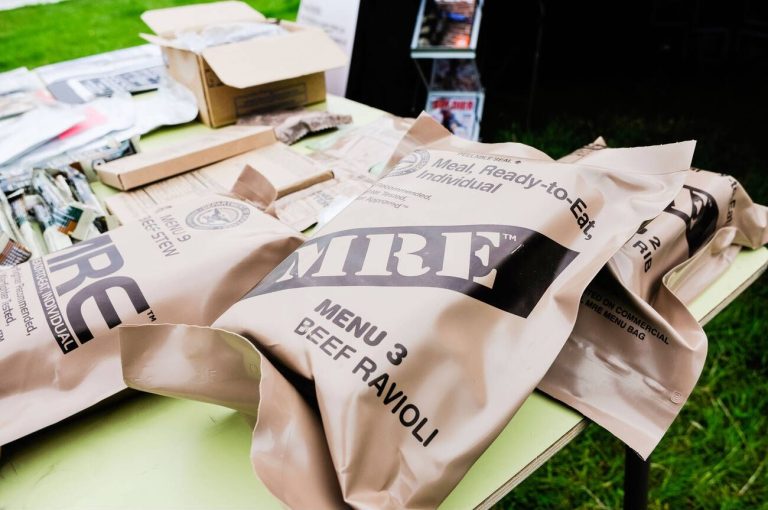
In the unpredictable world we live in, being prepared for any situation is not just a choice but a necessity. For preppers and survivalists, having a reliable food supply is paramount, and that’s where MREs (Meals Ready-to-Eat) come into play.

These compact, nutrient-dense meal kits are designed to provide sustenance in the most challenging conditions, whether you’re navigating through a natural disaster, embarking on a backcountry adventure, or preparing for long-term self-sufficiency. But while commercially available MREs are convenient, creating your own offers a level of customization and assurance that pre-packaged meals simply can’t match.

In this guide, we’ll walk you through the process of making your own MREs, tailored to your dietary preferences and survival needs, ensuring you’re well-prepared for whatever comes your way.

What Is An MRE?

Meals Ready-to-Eat, commonly known as MREs, are essential for anyone focused on preparedness and survival. Designed to provide maximum convenience and nutrition, MREs offer several key benefits that make them indispensable for preppers and survivalists. Let’s delve deeper into the fundamental aspects of MREs, exploring why they are so highly valued in emergency and survival scenarios.

Lightweight Is The Name Of The Game

One of the most significant advantages of MREs is their lightweight nature. Each meal is designed to be as compact and light as possible, making it easy to transport multiple meals without being weighed down. This feature is especially crucial for survivalists who may need to carry their food supplies on foot, whether evacuating from a disaster area or trekking through the wilderness. The lightweight design ensures that you can carry sufficient food without compromising mobility or energy.

MREs Are Shelf Stable

MREs are engineered to be shelf stable, meaning they can be stored for long periods without refrigeration. This attribute is achieved through advanced packaging techniques and preservatives that keep the food safe and edible for years. The ability to store MREs for such extended durations makes them an ideal choice for long-term emergency preparedness. Whether you are facing natural disasters, power outages, or other emergencies, having a stockpile of MREs ensures you have access to reliable, nutritious meals whenever needed.

MREs Have A High Caloric Content

Each MRE is packed with high caloric content to provide the energy necessary for demanding physical activities and survival situations. On average, a single MRE contains between 1,200 and 1,500 calories, offering a balanced mix of carbohydrates, proteins, and fats. This high energy content is crucial for maintaining strength and endurance when other food sources are unavailable. The carefully calculated nutritional composition of MREs helps sustain your body during strenuous activities, ensuring you remain energized and alert.

Little to No Preparation is needed for MREs

MREs are designed for ease of use, requiring little to no preparation. In a survival situation, time and resources can be extremely limited, making it impractical to cook elaborate meals. MREs eliminate this concern by providing fully cooked meals that can be eaten straight from the package. Some MREs even include self-heating elements, allowing you to enjoy a hot meal without needing an external heat source. This convenience is invaluable in emergency situations where every moment counts.

MREs do not require tools to be used

Another key benefit of MREs is that they do not require any special tools or equipment. Everything you need to enjoy a meal is included in the package, from utensils to napkins. This self-contained approach ensures that you can eat your meal under any circumstances, whether you’re hunkered down in a shelter or on the move. The absence of the need for additional tools simplifies meal preparation and consumption, making MREs a practical and efficient food solution.

Foods to Include in Your MRE

Creating your own MREs allows you to customize your emergency food supply to suit your tastes and dietary needs. Many of the items you might consider including are likely already in your pantry. Here’s a detailed guide to selecting the best foods for your homemade MREs, ensuring they provide nutrition, energy, and variety.

Main Courses

Canned Meats: Tuna, chicken, beef stew, and SPAM are excellent choices for protein and have long shelf lives.

Dehydrated Meals: Commercially available dehydrated meals designed for camping and survival situations. Look for options that only require water for preparation.

Instant Pasta or Rice Dishes: Options like instant mac and cheese, ramen noodles, and rice pouches are lightweight and easy to prepare.

Side Dishes

Canned Vegetables and Beans: Green beans, corn, baked beans, and chickpeas are nutritious and filling.

Instant Mashed Potatoes: Lightweight and easy to prepare with water.

Dehydrated or Freeze-Dried Vegetables: Peas, carrots, and other veggies that can be rehydrated quickly.

Snacks and Small Meals

Jerky and Meat Sticks: Beef jerky, turkey jerky, and other dried meat products are high in protein and easy to carry.

Nuts and Seeds: Almonds, peanuts, sunflower seeds, and trail mix provide healthy fats and energy.

Crackers and Hardtack: These can be eaten on their own or with spreads.

Peanut Butter or Nut Butter Packs: Convenient single-serving packs for a quick protein boost.

Breakfast Items

Instant Oatmeal: Easy to prepare with hot water and available in various flavors.

Granola Bars and Protein Bars: Provide quick energy and are easy to pack.

Dry Cereal: Choose cereals that can be eaten dry or with shelf-stable milk alternatives.

Fruits

Dried Fruits: Raisins, apricots, apple slices, and banana chips offer vitamins and natural sugars.

Canned Fruit: Pineapple, peaches, and mixed fruit in single-serving cans or cups.

Dairy and Alternatives

Shelf-Stable Milk or Milk Powder: For use in cereals or drinking.

Cheese Spreads: Packaged cheese spreads or cheese sticks that don’t require refrigeration.

Drinks

Instant Coffee and Tea Bags: For a caffeine boost and morale.

Electrolyte Drink Mixes: Powdered mixes that can be added to water for hydration.

Hot Cocoa Mix: For a comforting and calorie-dense drink.

Condiments and Extras

Salt, Pepper, and Seasoning Packets: To add flavor to your meals.

Honey and Sugar Packets: For sweetening and energy.

Hot Sauce: Small packets of hot sauce for flavor variety.

Desserts

Chocolate Bars and Candy: High-energy treats that boost morale.

Pudding Cups: Shelf-stable options for a sweet treat.

Hygiene and Accessories

Wet Wipes and Napkins: For cleanliness and convenience.

Plastic Utensils: Forks, spoons, and knives that can be included in each MRE.

By including a variety of these items in your homemade MREs, you can ensure that each meal is balanced, nutritious, and satisfying. Tailoring your MREs to your preferences not only enhances their practicality but also makes them more enjoyable to consume during challenging situations.

Foods to Include in Your MRE for Diabetics

foods to include in your mre for diabetics

When creating MREs (Meals Ready-to-Eat) for diabetics, it’s essential to focus on foods that help maintain stable blood sugar levels while still providing the necessary nutrition and energy. Here’s a detailed guide to selecting diabetic-friendly foods for your homemade MREs:

Main Courses

Canned Meats: Tuna, chicken, salmon, and low-sodium SPAM provide lean protein options.

Dehydrated Meals: Look for low-carb, low-sodium dehydrated meals. Opt for those that include vegetables and lean proteins.

Instant Lentil or Bean Soups: Choose soups that are low in sodium and free from added sugars.

Side Dishes

Canned Vegetables: Green beans, spinach, and tomatoes are good options. Look for low-sodium varieties.

Dehydrated or Freeze-Dried Vegetables: Carrots, broccoli, and bell peppers that can be rehydrated.

Instant Mashed Cauliflower: A low-carb alternative to traditional mashed potatoes.

Snacks and Small Meals

Jerky and Meat Sticks: Choose low-sodium and no-sugar-added varieties of beef, turkey, or chicken jerky.

Nuts and Seeds: Almonds, walnuts, chia seeds, and sunflower seeds are excellent sources of healthy fats and protein.

Cheese Crisps and Parmesan Whisps: These are low-carb and high in protein.

Breakfast Items

Instant Oatmeal: Opt for unsweetened, plain oatmeal that can be flavored with cinnamon or a small amount of fruit.

Protein Bars: Look for bars that are specifically designed for diabetics, with low carbs and high protein.

Chia Seed Pudding: Made with unsweetened almond milk and a touch of vanilla extract.

Fruits

Dried Fruits: Opt for low-glycemic options like dried apricots, in small portions, without added sugars.

Canned Fruit: Select fruits packed in water or their own juice rather than syrup. Options like peaches or pears are good choices.

Dairy and Alternatives

Shelf-Stable Milk or Almond Milk: Unsweetened varieties are best.

Cheese Spreads and Sticks: Low-carb cheese options that don’t require refrigeration.

LostWayscastiron

Drinks

Instant Coffee and Tea Bags: Unsweetened options for a caffeine boost.

Electrolyte Drink Mixes: Sugar-free varieties that can be added to water for hydration.

Herbal Tea: A variety of caffeine-free options for flavor and relaxation.

Condiments and Extras

Salt, Pepper, and Seasoning Packets: Choose no-sodium or low-sodium options.

Sugar Substitutes: Packets of stevia or other sugar substitutes for sweetening.

Vinegar Packs: Small packets of balsamic or apple cider vinegar for flavor enhancement.

Desserts

Dark Chocolate: Look for 70% cacao or higher to keep sugar content low.

Sugar-Free Gelatin: Ready-to-eat cups of sugar-free gelatin for a low-calorie treat.

Hygiene and Accessories

Wet Wipes and Napkins: For cleanliness and convenience.

Plastic Utensils: Forks, spoons, and knives that can be included in each MRE.

By carefully selecting these foods, you can create diabetic-friendly MREs that are nutritious, balanced, and help manage blood sugar levels effectively. Tailoring your MREs to specific dietary needs ensures they are practical and safe for consumption during any emergency situation.

How To Assemble Your Own MREs

how to assemble your own mres

Creating your own MREs (Meals Ready-to-Eat) allows you to tailor your emergency food supplies to your specific dietary needs and preferences. Assembling your own MREs is not only cost-effective but also ensures that you know exactly what ingredients are included, providing greater peace of mind. Here’s a step-by-step guide on how to assemble your own MREs.

Step 1: Plan Your Meals

Start by planning what you want to include in each MRE. Consider a balanced mix of main courses, side dishes, snacks, and drinks to ensure each meal is nutritious and satisfying. Aim for a variety of flavors and textures to keep your meals enjoyable.

Step 2: Gather Your Supplies

1. Food Items (examples provide above)

2. Packaging Materials

Mylar Bags: Durable and can be sealed to keep contents fresh.

Vacuum Sealer: To remove air and seal the mylar bags.

Oxygen Absorbers: To extend shelf life by removing oxygen from the package.

Labels: For noting contents and expiration dates.

Plastic Utensils: Forks, spoons, knives, and napkins.

Wet Wipes: For hygiene purposes.

survivalstockpileStep 3: Assemble Each MRE

1. Main Course Preparation:

Select a main course and package it in a mylar bag if it isn’t already in a suitable container.

Include a small packet of seasoning if desired.

2. Add Side Dishes:

Choose one or two side dishes that complement the main course.

Pack these in separate mylar bags or use vacuum-sealed pouches.

3. Include Snacks and Breakfast Items:

Add a variety of snacks to keep energy levels up throughout the day.

Include a breakfast item for the next morning.

4. Pack Fruits and Drinks:

Include dried or canned fruits for a sweet addition.

Add drink mixes for hydration and variety.

5. Add Condiments and Extras:

Include necessary condiments and utensils.

Add a napkin and wet wipe for cleanliness.

Step 4: Seal and Store

1. Pack the MRE:

Place all selected items into a larger mylar bag or vacuum seal bag.

Add an oxygen absorber before sealing.

2. Seal the Bag:

Use a vacuum sealer to remove excess air and seal the bag securely.

Ensure the seal is airtight to maintain freshness and extend shelf life.

3. Label the Package:

Clearly label each MRE with its contents and the date it was assembled.

Include any important nutritional information or dietary notes.

Step 5: Store Your MREs

Store your assembled MREs in a cool, dry place away from direct sunlight. Proper storage is crucial to maintaining the quality and shelf life of your homemade MREs. Regularly check your stock and rotate out older meals to ensure you always have fresh supplies on hand.

Tips for Success

Variety is Key: Mix up the contents of your MREs to avoid meal fatigue.

Portion Control: Ensure each MRE contains enough calories and nutrients for a full meal.

Regular Checks: Periodically inspect your MREs for any signs of spoilage or damage.

Customize: Tailor your MREs to specific dietary needs, such as low-sodium or diabetic-friendly options.

Concluding

Creating your own MREs at home is a practical and empowering way to ensure you and your loved ones are prepared for any emergency or survival situation. By assembling MREs tailored to your specific dietary needs and preferences, you gain control over the quality and variety of your food supply. This personalized approach not only provides peace of mind but also enhances the nutritional value and enjoyment of your meals during challenging times.

Suggested resources for preppers:

What you need to know about MREs

The #1 food of Americans during the Great Depression

Survival Foods of the Native Americans

If you see this plant when foraging, don’t touch it!

Time to get on to figure your life / world out .

0

I stand for the truth ,and stand for looking out for the young ,, I have none of mine ,, but Im a 4H leader of many.

And worse , while we were distracted
:Trump Shooting – A Closer Look – What we Know and What We Don't

Even MORE!!!

Trump Shooting – A Closer Look – What we Know and What We Don't

I think I now completely understand how women’s makeup works

0

Saw a random ad, and was not really paying attention to it. It was a woman doing something to her face. Then I heard her say, “There is no reason you should use any other foundation.” Then DING! A thought popped into my mind. I know… dangerous.

I was wondering if painters would call foundation primer.

And then DING DING! Another thought popped into my mind. I now think I totally understand the process of makeup. Oh, this is deep. Sanding, priming, and painting. As many coats of each as needed.

Tell me how I am wrong.


Monstera

0

Just found out monstera has fruit that tastes like a mix between pineapple, banana and mango. Or so I am told.

Here are the munitions Navy jets used for first time against Houthis

0

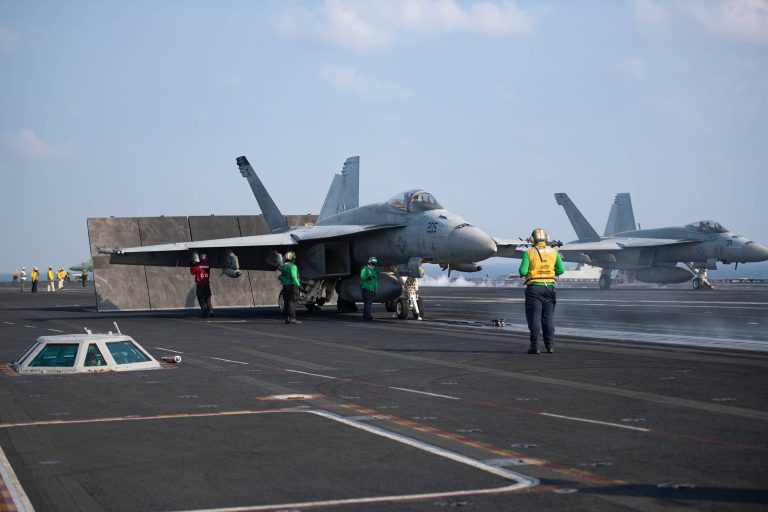
Navy fighter jets from Carrier Air Wing 3, embarked aboard the aircraft carrier Dwight D. Eisenhower, employed several weapons in combat for the first time during their recently completed deployment to the Middle East, where they battled Houthi attacks and struck targets held by the Iran-backed group in Yemen.

Navy F/A-18 Super Hornets from Strike Fighter Squadron 105 became the first squadron in the Navy to shoot off the AIM-9X infrared-seeking missile in combat.

The milestone came as the squadron, known as the “Gunslingers,” took out a Houthi one-way-attack air drones targeting civilian merchant ships, according to the Navy.

The squadron also led the first strikes against Houthi facilities in Yemen in January. These missions allowed the squadron to launch an Advanced Anti-Radiation Guided Missile, or AARGM, for the first time from an F/A-18E Super Hornet. The air-to-ground missile is used to suppress or destroy enemy air defenses.

The squadron also successfully employed the Joint Standoff Weapon-C Variant for the first time in combat, the Navy said. It is the Navy’s first air-to-ground network-enabled weapon that can be used against stationary land and moving maritime targets.

“Our families and friends that loved us, supported us, and sacrificed daily to enable our team to execute continuous combat operations are the true heroes,” Cmdr. Travis “Sweet T” Amerine, commanding officer of the Gunslingers, said in a Navy news release. “For nine months straight, the entire Gunslinger family, those deployed and those back home, banded together to fight evil and save innocent lives. I could not be more proud nor more humbled to have been a witness to them all.”

Additionally, an F/A-18 Super Hornet pilot from Strike Fighter Squadron 32 was piloted by the first American woman to engage and kill an air-to-air contact, taking down a Houthi air drone targeting civilian merchant vessels.

Other firsts for Carrier Air Wing 3 include Electronic Attack Squadron 130 becoming the first E/A-18G Growler squadron in the Navy to secure an air-to-air kill, as well as the first to fire off an Advanced Anti-Radiation Guided Missile in combat.

“I can’t remember the last time the Navy had a more challenging deployment with a combination of multiple extensions, severely limited opportunities for R&R, and true combat,” Cmdr. Carl Ellsworth, the commanding officer of Electronic Attack Squadron 130, said in a Navy news release. “…not just for aviators, but the crew of the whole strike group as well, in the most kinetic action at sea since World War II.”

The crew of the Ike earned the Combat Action Ribbon – or the CAR – for their actions during the deployment to the Middle East. The award is for sailors and Marines who actively participated in ground or surface action, and has rarely been issued since the 1991 Gulf War.

Secretary of the Navy Carlos Del Toro also approved the Air Medal for those with the “Strike/Flight” designation for conducting sustained aerial operations in the region.

The aircraft carrier Theodore Roosevelt arrived in the Middle East this month to swap spots with the Ike and “to deter aggression, promote regional stability, and protect the free flow of commerce in the region,” according to U.S. Central Command.

B-1 bomber crash report blasts crew mistakes, culture of ‘complacency’

0

The crew of a B-1B Lancer that crashed at Ellsworth Air Force Base in South Dakota in January failed to properly manage the bomber’s airspeed and angle of approach while landing, a scathing accident investigation board report found.

The investigation, which Air Force Global Strike Command released Thursday, also found that poor weather conditions, a lack of discipline, poor resource management and communication, and “an organizational culture that tolerated decaying airmanship skills” were among the other factors contributing to the Jan. 4 crash.

The report, signed by accident investigation board president Col. Erick Lord, criticized the 34th Bomb Squadron’s alleged lack of effective supervision of flying operations, and the 28th Operations Support Squadron’s alleged failure to communicate airfield and weather conditions, which “all speak to culture and leadership issues.” Investigators also said they found “unsatisfactory levels of basic airmanship” at the 34th.

“Many failures leading to this mishap were not a one-time occurrence or an aberration,” the report concluded. “The mishap occurred due to numerous factors, including a culture of noncompliance, widespread deviation from established policy and procedure, and several organizational influences and preconditions.”

Global Strike said the chain of command will take the appropriate corrective actions to address the problems highlighted in the report.

The four members of the bomber’s air crew ejected during the crash; two sustained injuries and were treated and released from a medical facility.

Fire engulfed the $451 million B-1 bomber, which was assigned to the 28th Bomb Wing at Ellsworth, and it was a total loss.

The B-1 bomber was one of two that took part in a routine training flight that began the afternoon of Jan. 4. Winds were calm when the pair of bombers took off, but during the roughly 90-minute flight, the weather worsened and dense fog began rolling across the airfield. The bombers cut their training flights short and headed back to the base.

The first bomber landed safely. But the fog left the crew of the doomed B-1 with low visibility as it approached the airfield, the report said, and the winds rapidly shifted during the flight’s final minute, speeding the bomber up. The pilot reduced the engine throttle three times to cut the bomber’s airspeed and stay on the right angle.

But when the wind stabilized, the report said the pilot didn’t dial the throttle back up to return the bomber to the right airspeed. The bomber dropped below its intended glide path and “became thrust deficient,” but the air crew didn’t realize the bomber’s vertical velocity had dropped before it became unrecoverable.

Four seconds before the crash, the instructor pilot on board called out “climb, climb, climb,” and then two seconds later repeated “climb.” The report said the data suggests that after the instructor’s final call to climb, the pilot hit the afterburners and pulled the control stick back, but by that point the bomber “was unrecoverable and out of control.”

The bomber first hit the ground about 100 feet shy of the runway overrun, and the crew compartment lost power and went dark. The crew then ejected. The bomber skidded for about 5,000 feet across the runway, veering to the left, before coming to a flaming halt in an infield between two runways.

The report found that the main cause of the crash was the crew’s lack of an effective “composite crosscheck,” a practice which brings together various instruments to keep track of how the aircraft is performing in a low-visibility environment. Had an effective crosscheck been performed, investigators found, the crew should have been able to tell the plane’s speed was dropping dangerously.

“The [mishap crew] succumbed to complacency and fixation, while the [mishap instructor pilot] was ineffective in his crew leadership and instructor supervision duties,” the report concluded.

Poor weather conditions – including icing conditions during the descent phase – and a lack of awareness of airfield conditions substantially contributed to the crash, investigators found.

The report said investigators did not find any maintenance issues contributed to the crash.

The loss of the bomber represented another blow to an already dwindling B-1 fleet, which now numbers 44.

The B-1, a conventional bomber that is not nuclear-capable, was flown extremely hard during the wars in Iraq and Afghanistan, and the fleet has suffered from serious maintenance problems as a result.

The Air Force retired 17 of the oldest and most worn-out B-1s in 2021 in an attempt to free up resources to maintain healthier planes, leaving it with 45. The service hopes to keep flying them, along with the B-2 Spirit and B-52 Stratofortress, until the B-21 Raider comes online. At some point in the 2030s, the Air Force plans to retire all its B-1s and B-2s.

Ellsworth halted B-1 operations the day after the crash and closed its runway for a month. Some Ellsworth B-1s were sent to Dyess Air Force Base in Texas during the investigation.

During that period, Ellsworth B-1s that had temporarily relocated to Dyess took part in strikes against Iran-linked targets in Iraq and Syria after drone strikes killed three U.S. troops and wounded dozens more.

Stephen Losey is the air warfare reporter for Defense News. He previously covered leadership and personnel issues at Air Force Times, and the Pentagon, special operations and air warfare at Military.com. He has traveled to the Middle East to cover U.S. Air Force operations.

Unlocking Academic Success: The Ultimate Guide to Assignment Help Services

0

In today’s demanding academic environment, students often face a multitude of challenges, from tight deadlines to complex assignments. Balancing these academic demands with personal responsibilities can be overwhelming. This is where assignment help services come in, offering valuable support and expertise to help students excel. In this guide, we will explore how assignment help services can unlock your academic success.

What Are Assignment Help Services?

are professional platforms that provide students with assistance in completing their academic tasks. These services employ experts across various fields who can help with a wide range of assignments, including essays, research papers, case studies, and more. The goal is to provide high-quality, customized support to ensure that students can meet their academic goals.

Benefits of Assignment Help Services

  1. Expert Guidance: One of the most significant advantages of assignment help services is access to assignment expert knowledge. These services connect students with professionals who have deep expertise in their subject areas, offering guidance that can significantly enhance the quality of their work.
  2. Time Management: Juggling multiple assignments and deadlines can be stressful. Assignment help services can take on some of this workload, allowing students to manage their time more effectively and focus on other important tasks.
  3. Improved Grades: With expert assistance, students can produce high-quality assignments that meet academic standards. This often leads to better grades and a stronger academic record.
  4. Plagiarism-Free Work: Reputable assignment help services prioritize originality. They use advanced plagiarism detection tools to ensure that all work is unique and free from copied content, safeguarding students’ academic integrity.

  5. Stress Reduction: Knowing that you have professional support can alleviate the stress associated with tight deadlines and complex assignments. This can lead to improved mental health and a more positive academic experience.

How to Choose the Right Assignment Help Service

  1. Check Credentials: Ensure that the service employs qualified experts with relevant academic backgrounds and experience.
  2. Read Reviews: Look for reviews and testimonials from other students to gauge the reliability and quality of the service.
  3. Evaluate Communication: Choose a service that offers clear and responsive communication, ensuring that you can easily discuss your needs and get updates on your assignments.
  4. Assess Pricing: While cost is a factor, prioritize value over the cheapest option. Look for services that offer a good balance of quality and affordability.
  5. Privacy and Confidentiality: Ensure that the service has strict privacy policies to protect your personal and academic information.

Making the Most of Assignment Help Services

  1. Be Clear About Your Requirements: Provide detailed instructions and any relevant materials to ensure that the experts understand your needs fully.
  2. Set Realistic Deadlines: Give the service enough time to produce high-quality work by setting realistic deadlines.
  3. Review the Work: Always review the completed assignments to ensure they meet your expectations and academic standards. Use the opportunity to learn from the expert’s approach and improve your own skills.

Conclusion
Assignment help services can be a valuable resource for students striving to achieve academic success. By providing expert guidance, improving time management, and reducing stress, these services