The Civil War era was marked by its profound challenges and hardships, which extended beyond the battlefields to impact the lives of civilians as well.
Without modern medical advancements, many individuals turned to nature’s healing powers.
Drawing from the wisdom of the past, let’s delve deeper into the world of natural remedies prevalent during the Civil War era.
Willow Bark for Pain Relief
As the cannons roared and soldiers faced minor and severe injuries, willow bark emerged as a potent remedy for pain relief. This natural analgesic contained salicin, a compound similar to the active ingredient found in aspirin.
Soldiers chewed on willow bark or brewed it into teas to alleviate headaches, muscle aches, and discomfort. The efficacy of this simple remedy showcased the power of plants to ease suffering.
Slippery Elm for Digestive Distress
With unsanitary conditions prevailing on and off the battlefield, digestive problems were rampant.
Slippery elm offered relief as a gruel.
Derived from the inner bark of the slippery elm tree, this gruel was consumed to ease symptoms of diarrhea, heartburn, and gastritis.
Its gentle nature and effectiveness made it a go-to remedy for those battling digestive distress, both on the battlefield and afterward.
Echinacea for Immune Support
For centuries, Native American tribes possessed a profound understanding of the remarkable immune-boosting properties inherent in echinacea. This vibrant flowering plant gained popularity during the Civil War era for its ability to fortify the body’s defenses against illnesses.
Echinacea was consumed in teas or tinctures to alleviate symptoms of colds, flu, and infection. Its enduring reputation as an immune-supporting herb continues to this day. My advice would be to cultivate your own echinacea flowers at home.
This way, you’ll have a constant and accessible supply of their immune-boosting benefits right at your fingertips. You can find here high-quality, NON-GMO echinacea seeds packaged in US.
The Devil’s Walking Stick for Treating Infection and Pain
While many plants were used to treat infection and pain during the Civil War, the Devil’s Walking Stick seemed the most effective and easiest to obtain. Devil’s Walking Stick, a prominent member of the ginseng family, is renowned for its ability to grow up to a height of 30 feet on occasion.
Abundant across much of North America, the Devil’s Walking Stick was a popular treatment during the Civil War. Tincture brewed from the berries of this plant is known to ease the pain from a toothache and help with rheumatic pain. Furthermore, Devil’s Walking Stick has been shown to inhibit the growth and spread of some types of infections, specifically staph infections.
Calendula Salve for Wound Healing
In the absence of modern wound care treatments, soldiers often faced the risk of infection from battle injuries.
Calendula, or marigold, emerged as a vital natural remedy for wound healing.
Its anti-inflammatory and antiseptic properties make it an ideal ingredient for creating healing salves. Calendula salves were applied to wounds, burns, and skin irritations, promoting faster healing and minimizing infection risk. Get heirloom, non-GMO seeds that have been packaged in the US, and have 2-Year lifetime from here.
Ginger for Nausea and Motion Sickness
The challenges of wartime travel often led to nausea and motion sickness, making long journeys even more arduous.
With its natural anti-nausea properties, ginger emerged as a comforting and reliable remedy to combat these discomforts.
Soldiers and civilians relied on ginger tea or chewed ginger root to ease queasiness and settle their stomachs during journeys. Today, ginger is still a staple for treating an upset stomach and is found in many common medications.
Mustard Plasters for Congestion
Respiratory ailments were a common concern during the Civil War, and mustard plasters were a popular natural remedy to alleviate congestion. A mixture of mustard powder and flour was applied to a cloth and placed on the chest.
This remedy caused the skin to redden and brought relief by stimulating blood circulation and helping to clear congestion.
Cabbage Leaves for Arthritis
For centuries, the use of cabbage in treating arthritis pain has been well-documented.
Cabbage is renowned for its remarkable anti-inflammatory properties. Therefore, cabbage proves to be exceptionally beneficial in treating arthritis pain and providing relief from joint discomfort.
One popular treatment method is to create a cabbage leaf wrap and apply it to the affected joint.
Sage for Sore Throats
Sage held a special place as a reliable remedy during the Civil War era.
It was often turned to for its ability to provide comfort and relief, particularly for sore throats. Creating a sage gargle was a common practice – a simple method that involved steeping dried sage leaves in hot water.
This concoction was cherished for its effectiveness in reducing inflammation and soothing the discomfort that accompanied a sore throat. This humble remedy, born from the wisdom of the time, played a valuable role in alleviating the everyday ailments of that era.
Witch Hazel for Skin Irritations
Witch hazel, a plant known for its potent astringent and anti-inflammatory qualities, had long been a favored remedy for soothing an array of skin irritations and discomforts. An infusion of witch hazel leaves or bark was applied topically to alleviate itching, inflammation, and minor wounds.
The Civil War era’s reliance on natural remedies underscores the enduring wisdom of utilizing nature’s offerings for health and well-being. From willow bark to ginger and beyond, these remedies provided relief and comfort in times of immense hardship.
The natural remedies utilized during the Civil War era reflect the resourcefulness and practicality of a time when medical options were limited—the creative treatments of this period aimed to alleviate common health issues faced by soldiers and civilians alike.
While modern medicine has made significant strides since then, these historical remedies remind us of the enduring power of nature in providing relief and healing. They also offer a window into the past, showing how people creatively used the resources available to care for their well-being.
Despite a constantly evolving world that has come a long way since the Civil War, these remedies serve as a testament to the age-old relationship between humans and our natural environment and remind us how truly blessed we are to live on this planet.

Preventive medicine is going to be a 4 part series. After reading about NO and what is happening down there, I started to look at some things that could be done to decrease health risks. My original idea was that these would be items falling under the responsibility of a person with medical training. I soon discovered that most of this stuff was something that should be monitored by everyone. In otherwords, this affects you. Make it your job to take care of yourself.
Healthy Lifestyle: Start by getting some exercise. Getting in shape now will help your adjustment to a post disaster lifestyle that much easier. Running, swimming, biking, or walking are all good choices for cardiovascular workouts. Do what your body is capable of, and what you enjoy. Start small and work up to a goal you have set. Weights are not only for strength, but also for endurance. You don’t have to lift a lot, but enough that you feel some resistance. Stretching will improve flexibility and reduce the chance of injury.
Annual physical/dental/eye exam: You only get one body, so take care of it. Look at it this way, if you skip exams, and find something that could have been cured after the SHTF, you are going to feel real stupid. Get your immunizations up to date, and make sure that the rest of your family is doing the same.
Insurance: I’m sure that some of you are grumbling at me that you would do all of the above, but lack of insurance is keeping you from doing so. We all have choices to make, and please do not feel that I am judging you for the ones that you have made. I too have gone without insurance when I could not afford it, and was lucky that I had it when I really needed it. I look at it this way, it is expensive to pay for insurance upfront, but it can be more expensive to try and get it when you really need it. If you can’t afford it at this time, please take advantage of free health fairs that are in your area.
Diet: Eat some fuit and veggies with everymeal. They contain vitamins that your body needs and are good sources of fiber. Stay away from fast food, it is expensive anyways. Try and strive for a balanced diet with good portion control. Nothing worse than eating very healthy and still gaining weight because you are eating too much. Moderation is a good thing, including alcohol. No more than 2 drinks a night should be your goal. And stop smoking, it is only going to kill you.
While all of the above is pre disaster, what follows are steps that must be implemented after the SHTF.
Personal Hygiene: Shower as often as possible, minimum of once a week. If unable to do so, then hit the majors (face, armpits, groin, and feet). Brush your teeth at least 2 times a day, even if you have no toothpaste. Make sure you wash your hands after going to the bathroom and before handling or eating food. Take care of your feet as well. Trim your nails, keep your feet clean and dry, and always wear shoes when outdoors. Change your sox when they are wet. Make sure that both your sox and shoes fit and are in good repair.
Individual Protective Measures: Clothing needs to be worn properly. To combat bugs, long sleeves should be down and pants should be fit into the tops of boots. I know it can be hot, but loose clothing with long sleeves and pants, not shorts, can also protect against over exposure to the sun. Make sure that it is the right gear for the right time of year. Hats with a 360 degree brim should be worn in the sun, gloves worn to protect the hands, boots to protect the feet, rain gear when its wet…you get the idea. Insect repellant should be used when available. Sunscreen should also be used. This will cut down on sunburns which can lead to dehydration, and protects against skin cancer.
Finally, laundry. I do not have a method of dealing with this. I’ve never used a wash board, nor any other manual method. I’ve seen some on line, but I do not know how well some of these may work. Something should be added to your supplies to deal with this problem. Dirty clothing does not protect as well as it could. Dirty bed linen is a haven for bugs. Dirty towels are not healthy for use in a kitchen and are disgusting to try and dry off with. You get the picture. If some one has a method for solving this problem, please post it below.
I’ll post the next one as soon as I can.
phishi
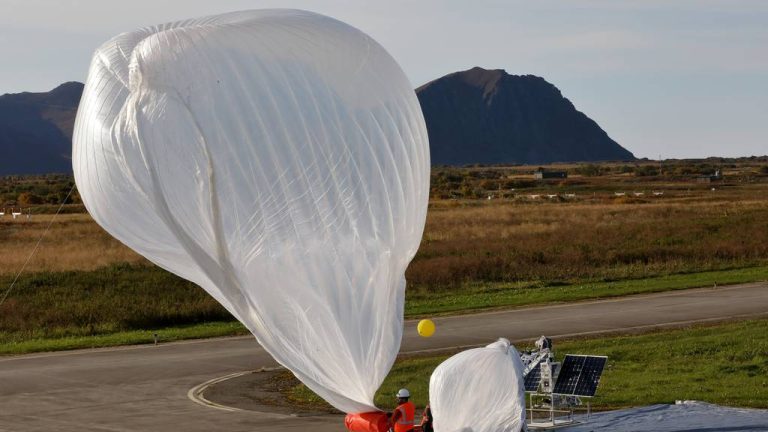
WASHINGTON — The U.S. Army has for years experimented with high-altitude balloons and long-endurance, fixed-wing, solar-powered platforms capable of operating in the stratosphere. Now the service is pursuing prototyping efforts that could lead to programs of record, including one able to deploy launched effects.
The Army has come a long way from experimenting in the desert of White Sands Missile Range, New Mexico, in 2020, according to Space and Missile Defense Command chief Lt. Gen. Daniel Karbler, who observed that testing firsthand. Balloons have found their way into operational exercises with units, and the Army is in the process of developing requirements for eventual approval in order to progress programs for a series of high-altitude capabilities.
The Army Requirements Oversight Council in December greenlighted the pursuit of high-altitude balloons and fixed-wing, solar-powered platforms along with payloads capable of deep sensing, per an abbreviated capabilities development document, according to Col. Dave Mulack, Army Space and Missile Defense Command’s space and high-altitude capabilities manager.
Next, the service will seek requirements approval for four other different payloads. The council has not yet validated a navigation warfare payload, Mulack told Defense News in a recent interview, but it’s going through the process. Navigation warfare sensors help spot, locate and identify possible interference with position, navigation and timing reception.
Another three payloads will follow, potentially giving high-altitude platforms assured positioning, navigation and timing; network extension; and launched effects capability, Mulack added. He did not provide details regarding planned or completed experimentation for launching other sensor-equipped unmanned aircraft from high-altitude platforms.
For the deep-sensing capability, “think [intelligence, surveillance and reconnaissance] payloads [in the] stratosphere that provide the capability to extend into longer, deeper areas to provide situational understanding,” Mulack said.
The Army has tested a deep-sensing capability through theater-level exercises in the Indo-Pacific Command and European Command areas of operations with a focus on pairing the right sensor or payload with the right high-altitude platform — whether that is a small, medium or large balloon, or a fixed-wing, solar-powered platform flying between 60,000 and 100,000 feet.
The Army’s multidomain task forces are involved in the experimentations. For example, the group in Europe used three high-altitude balloons as targeting sensors in the 2021 exercise Thunder Cloud in Norway. The Pacific-based task force experimented with a deep-sensing, high-altitude capability at even greater ranges in naval exercises like Vanguard in 2023.
The Army’s newly formed space, cyber and special operations triad is also experimenting with the capability, Karbler noted.
But these high-altitude platforms and payloads are “not meant to replace any other type of sensor,” Mulack stressed; rather, they will supplement existing capabilities. These capabilities can easily deploy with smaller units, providing troops with well-beyond-line-of-sight sensing rapidly and inexpensively. One high-altitude balloon, for example, can fit inside a backpack. Balloons can range in size from a small sport utility vehicle when inflated to around the size of two buses.
As the Army continues to develop these capabilities, it is testing how to recover payloads from high-altitude platforms. Balloons are “an attritable platform” — disposable to a certain degree — but the Army would like to recover payloads that include more exquisite technology, Mulack said. The payload community is working on this, he added.
The bench is deep with industry members developing high-altitude platforms, Mulack noted. There are at least half a dozen companies in the space for balloons. And while Airbus’ fixed-wing, solar-powered Zephyr aircraft gets most of the attention because it broke the world record for flight duration (64 days) and will attempt to break that record soon, there are another half a dozen companies with fixed wing, solar-powered capabilities.
Additionally, the Army is working on mission-planning software to deploy high-altitude balloons, taking advantage of work performed outside of the defense sector, such as weather modeling for the stratosphere.
“Based on latitude and season of the year, we know generally what the stratospheric weather conditions are,” Mulack said, “and mission planning for balloons has matured to the point where we’re getting close to station-keeping” — the ability to prevent drifting.
Jen Judson is an award-winning journalist covering land warfare for Defense News. She has also worked for Politico and Inside Defense. She holds a Master of Science degree in journalism from Boston University and a Bachelor of Arts degree from Kenyon College.

WASHINGTON — A new multidomain surveillance radar from General Atomics Aeronautical Systems, dubbed Eagle Eye, aims to increase the U.S. Army’s ability to track and shoot down even small drones.
Mike Shortsleeve, vice president of Defense Department strategic development at the firm, said in a Monday interview at the Association of the U.S. Army’s conference in Washington that Gray Eagle 25M drones are now in production with Eagle Eye, a synthetic aperture radar.
A fact sheet from General Atomics said Eagle Eye’s synthetic aperture radar can spot targets up to 50 miles away at high resolution, or up to 125 miles when conducting maritime surveillance.
Recent conflicts, such as the Russian invasion of Ukraine and the daysold fighting between Israel and Hamas, show the growing importance of small drones in war, Shortsleeve said. Hamas in part used small, explosive-laden drones to take the Israeli military by surprise, Forbes reported.
The threat from drones is likely to increase, according to Shortsleeve, as technical advancements such as artificial intelligence and machine learning increase their capabilities and as the costs of such systems come down.
That is where General Atomics sees its Eagle Eye-equipped Gray Eagles — working hand-in-hand with other systems that could do the actual shooting down of enemy drones — benefiting the Army, Shortsleeve said.
For example, he added, it would be prohibitively expensive for a Gray Eagle to track and shoot down a small enemy drone with a multimillion-dollar missile. But the Gray Eagle can identify the target, track it and hand that target off to another counter-drone platform that could down an enemy UAV with a less expensive weapon, such as a cannon or directed-energy weapon.
In a May test, he said, the Eagle Eye was able to track and identify a small fixed-wing drone made out of balsa wood — much smaller than forces in the field would likely encounter from an enemy. A subsequent test used the radar to target and then shoot down a drone, General Atomics said.
Shortsleeve said Eagle Eye would be able to spot targets in the air, at sea and on the ground.
General Atomics expects to deliver the first tranche of 12 Eagle Eye-equipped Gray Eagle 25Ms to the Army National Guard in the second half of 2026, Shortsleeve said. Another six to 12 will follow for the active duty Army, he said. General Atomics plans to continue producing Gray Eagles with the new radars until the service decides to stop buying them or wants to put a different radar on the new Gray Eagle drones, he added.
The 25M variant of the Gray Eagle also includes open-architecture aircraft and ground systems, a better engine, advanced data links, and improved range, the company said.
General Atomics has been evolving the technology at the core of Eagle Eye for years, but work on the program dramatically accelerated in the last five years, Shortsleeve said.
And loitering munitions of the kind that have gotten considerable use in Ukraine could also be targeted by the Eagle Eye radar, he said.
Some foreign nations have expressed interest in Eagle Eye-equipped drones, Shortsleeve noted, but he declined to identify the countries.
It would be possible to adapt this radar to other platforms beside the Gray Eagle, he said. But in years to come, he added, the Army is only going to need more capabilities to counter small drones in combat.
“The proliferation [of small drones] in combat operations is growing exponentially,” Shortsleeve said. In the future, “it’s going to be undeniable that [unmanned aerial systems] are going to be all over the battlespace, in any large-scale combat operations.”
Stephen Losey is the air warfare reporter for Defense News. He previously covered leadership and personnel issues at Air Force Times, and the Pentagon, special operations and air warfare at Military.com. He has traveled to the Middle East to cover U.S. Air Force operations.
You’re the kind of person who’s always organized and ready for whatever life throws your way. You’ve planned meticulously for all sorts of scenarios, but none could have prepared you for the sudden fire. Your trusty bug-out bag (BOB) in the car’s trunk went up in flames alongside everything else when your overheated vehicle turned into an inferno.
Escaping the blaze was a narrow call, and now you find yourself alone in the harshest possible predicament: no water, no food, and no help. You’re on your own, and your stomach’s grumbling loudly.
It might not be immediately obvious, but you’re literally surrounded by the potential for sustenance, as long as you’re willing to broaden your definition of what qualifies as food. While on day three, a lizard might still seem like just a lizard, fast forward to day nine, and that very lizard could start resembling a mouthwatering porterhouse steak.
In this dire situation, your survival hinges on adaptability and resourcefulness—your ability to find food in any environment. Be it foraging for edible plants, setting traps for small game, or even trying your hand at fishing if you’re near water, your potential to feed yourself becomes crucial despite the harsh circumstances.
Furthermore, it’s crucial to stay informed and exercise caution regarding the various edible resources available in your surroundings. Not everything that seems harmless is safe to consume. So, having knowledge about what’s edible and what’s not is vital for your survival. Remember, finding food in any environment is possible when you know where to look and what to look for.
As the days go by and your hunger intensifies, your perception of what constitutes a meal will shift. You’ll become attuned to the rhythms of nature, learning to identify edible plants, insects, and signs of potential prey. In these challenging circumstances, your adaptability remains your most valuable asset. To find food in any environment isn’t just a catchphrase; it’s your lifeline. Embrace your inner hunter-gatherer, adapt, and overcome.
So, as your stomach continues to rumble, and your situation grows increasingly dire, remember these key phrases: “find food in any environment.” They’re not just slogans; they’re your mantras for survival. Be resourceful, improvise, and maintain your resilience. By doing so, you’ll emerge from this trial stronger and wiser than ever before. Your ability to discover sustenance in the most unexpected places is a testament to the indomitable human spirit.
When I think about our ability to find food in any environment, I’m reminded of a camping trip I took with my friends. We ventured deep into the wilderness, miles away from the convenience of grocery stores and fast-food restaurants. It was an adventure meant to test our survival skills, and it did just that.
As we set up camp, the chirping of insects and the rustling of leaves in the nearby underbrush filled the air. Birds soared overhead, and we could hear the distant gurgling of a clear stream. We were surrounded by nature’s abundance, but the challenge lay in knowing where to find food in any environment.
During our trip, one of my friends decided to set up snares to catch small game like rabbits or squirrels. It was a classic survival tactic we had learned from books and documentaries. However, after several days of checking the snares with no luck, we began to feel the pangs of hunger.
It was during this time that my younger sister, who was not part of the original survival challenge but had joined us out of curiosity, made an observation. She pointed to a patch of wild berries growing nearby and asked, “Why don’t you try those berries? Aren’t they food?” Her words echoed with simplicity and a profound truth.
In that moment, it struck me that our narrow focus on catching meat had blinded us to the abundance of edible resources around us. We had been so fixated on the idea of trapping animals that we had overlooked the readily available sustenance in the form of berries, nuts, and edible plants. Those berries were indeed food, as were many other resources in our vicinity.
This experience made me reflect on the importance of adapting and broadening our perspective when it comes to survival. The lesson here is that nature often provides us with food in unexpected places. So, as you explore the great outdoors or face the challenges of survival, remember that sustenance can be found in the most unlikely environments. Embrace the idea that, sometimes, what you need is right in front of you, waiting to nourish and sustain you in your time of need.
In situations where constructing traps or using tools isn’t an option, the key to survival lies in simplicity. The focus should shift to creatures that are easy to capture, ensuring you gain more calories from food than you expend in the process.
Consider your environment carefully. Sometimes, nature provides abundant and effortless sources of nourishment, such as insects like ants, termites, or grasshoppers. These small critters can often be gathered without the need for elaborate trapping methods.
Similarly, aquatic environments, like lakes and streams, can harbor fish and shellfish that are readily accessible with basic fishing techniques or makeshift nets crafted from natural materials.
For those in wooded areas, foraging for edible plants like wild berries, mushrooms, or edible roots is an effective strategy. These natural resources can significantly supplement your diet without requiring excessive energy expenditure.
In a survival scenario, the key is to be mindful of where you allocate your energy. Prioritize food sources that provide sustenance with minimal effort, ensuring you don’t deplete valuable resources. Your choice of approach often depends on the specific environment and the resources it offers.
So, remember, finding food in any environment means embracing simplicity as your ally. Seek out easy-to-obtain food sources that align with your surroundings and respect any local laws and regulations. Survival involves making wise choices, conserving energy, and adapting to the conditions you face.

Inland regions with high, dry terrain offer unique opportunities for sustenance. Open fields teem with grasshoppers and crickets, both of which are not only edible but also rich sources of protein.
In the forest, beneath the carpet of fallen leaves and amid the undergrowth, you can uncover earthworms and slugs with ease. Don’t forget to explore decaying logs, stones, branches, and anything resting on the ground; these can be hiding spots for termites, ants, and grubs. Insects, being the most abundant lifeforms on Earth, make for straightforward catches.
You’ll find worms to be another excellent protein source. Once gathered, give them a soak in clean water to let them clean themselves before your feast.
While you’re on your quest for survival, you might stumble upon small frogs and salamanders. Both are viable options as food sources, though it’s important to note that certain salamander species can be toxic. A rule of thumb is to avoid those with bright colors, as they’re more likely to be harmful. It might not sound appetizing to some, but these critters are consumed regularly by people around the world. Eating worms and crickets won’t necessarily help you gain weight, but they will undoubtedly keep you alive.
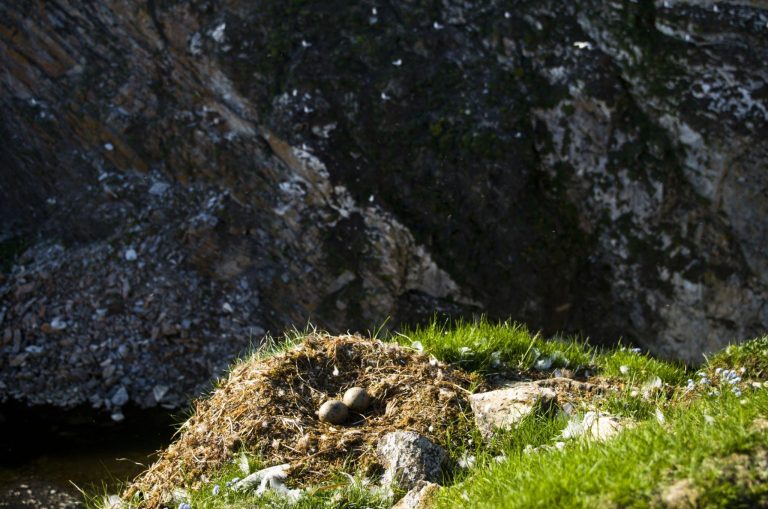
Additionally, keep an eye out for bird eggs and baby birds in nests. Many forest-dwelling birds construct nests in elevated, hard-to-reach spots to evade predators. However, with careful observation, you might discover some nests at a more accessible height.
In nature’s vast pantry, you’ll find a variety of options for sustenance. The key is to adapt to your environment, explore all available resources, and remain cautious when dealing with potentially toxic species. When survival is the goal, you’ll discover that nature provides ample means to find food in any environment and keep you nourished and alive.

Where there is water, there is undoubtedly food to be found. An environment blessed with water is the perfect scenario for survival, allowing you to find food in any environment.
Freshwater habitats, including ponds, small lakes, streams, and marshes, offer a rich variety of edibles. Here, you can uncover both mature frogs and tadpoles, along with the possibility of encountering fresh water mollusks like snails and mussels.
Rivers, streams, and lakes in North America often boast plentiful river snails or freshwater periwinkles. These aquatic treasures can be found in the shallows, particularly in areas with sandy or muddy bottoms.
Low-hanging bushes can yield bird eggs and even baby birds, while turtles and snakes might cross your path. Exercise caution, though, especially with snakes—unless you can confidently distinguish between harmless and venomous species, it’s wise to avoid them. Snapping turtles and, in some regions, box turtles are additional considerations; the latter, in particular, may ingest poisonous mushrooms, accumulating a potentially lethal toxin in their flesh that cooking cannot neutralize. Streams are also abundant sources of sustenance, offering crayfish and small fish, readily harvested from shallow pools.
If you happen to find yourself near the ocean, your food options expand even further. Saltwater environments harbor a wealth of shellfish, including snails, clams, mussels, bivalves, barnacles, periwinkles, chitons, and sea urchins. Coastal areas often feature ground-nesting birds, presenting another opportunity for sustenance. Tidal pools are excellent hunting grounds for various saltwater snails, small crabs, and sea urchins, while mussels cling to rocks. In these marine settings, virtually every finned fish can serve as a potential meal.
In the lush and watery embrace of wetlands, you’ll discover a diverse array of food sources. It’s essential to adapt to your environment, recognize the riches it offers, and remain cautious, particularly when dealing with potentially dangerous creatures. When it comes to survival, aquatic environments hold the promise of helping you find food in any environment, ensuring your nourishment and sustenance.
 In the unforgiving desert, sourcing food can be both challenging and perilous. The arid desert environment is home to creatures that have evolved to protect themselves from becoming prey, including humans. In such a harsh setting, it becomes essential to find food in any environment.
Insects emerge as an excellent choice in desert survival. Lizards also present themselves as potential food sources. Many lizards can be spotted sunning themselves on rocks, making them accessible targets. However, the same rocks can hide venomous snakes, so extreme caution is required.
Despite the challenges, edibles like scorpions and other creatures can be discovered beneath rocks and within the desert terrain. Should you encounter a scorpion, immobilize it with a stick and, using your knife or a sharp rock, carefully remove the tail and stinger, as these are the dangerous components. Afterward, peel away the shells and cook the scorpion over an open flame.
In desert regions, adaptation and resourcefulness are vital. Beyond insects, lizards, and scorpions, there are additional survival options to consider. For instance, desert-dwelling rodents like the kangaroo rat can be found foraging for seeds and vegetation during the night, and if you come across their tracks or burrows, they might lead you to a potential meal.
Additionally, certain desert plants, like the prickly pear cactus, can provide nourishment. The cactus pads are edible when properly prepared, and the fruits offer hydration and a source of sustenance.
In the relentless desert, where survival is a formidable challenge, mastering the art of foraging and understanding the local wildlife becomes paramount. It’s an environment where knowing how to find food in any environment can be the key to enduring the harsh conditions and thriving against all odds

So, you’ve successfully caught your dinner in the wilderness. Now, the question arises: How do you turn your catch into a meal? If you’re carrying your pack, chances are you have a valuable piece of equipment – aluminum foil. This versatile material can be shaped into a makeshift bowl, effectively becoming your cooking pot. However, if you don’t have foil on hand, the world around you might just offer alternatives. Look for discarded items like old beer cans or tin cans, which, with a bit of creativity, can serve as cooking vessels. Failing that, seek out a thin rock that can be repurposed as a frying pan.
In the realm of edible survival fare, insects like grasshoppers, crickets, scorpions, ants, and termites are fair game when consumed raw. However, for creatures such as frogs, shellfish, fin fish, and bird eggs, it’s crucial to cook them before consumption.
Once you return to your makeshift camp with your gathered provisions, it’s time for a thorough inspection. Shellfish, such as mussels, should have closed shells. Discard any with open shells, as they may not be safe to eat. The closed ones can be placed in your makeshift aluminum foil bowl or on a flat rock at the edge of your fire. As they cook, their shells will pop open, signaling they are ready to eat.
When it comes to reptiles, amphibians, and fish, you’ll need to clean them before cooking. Skewer them on sticks and cook them over the fire to ensure they’re properly cooked. Turtles, on the other hand, can be nestled in the hot coals and cooked right in their shells. For bird eggs, simply crack them open and cook them on a flat rock. Earthworms and grubs can be consumed raw or incorporated with other wild edibles to create a hearty soup.
Survival cooking demands resourcefulness and adaptability, making the most of what’s available in your environment. With the right knowledge and ingenuity, you can find food in any environment and turn your catch into a nourishing meal, even in the most challenging of circumstances.
While the fare you’ve prepared may not earn any Michelin stars, it serves its most crucial purpose: keeping you alive during an emergency. In these dire circumstances, it’s vital to have taken precautions before your expedition. Informing someone of your whereabouts and expected return time, along with carrying a well-equipped survival pack that includes some provisions, can significantly reduce the likelihood of resorting to earthworms and scorpions for sustenance.
If you’ve followed these essential steps, chances are you won’t find yourself in the unenviable position of having to dine on these less-than-appetizing options. However, if fate takes an unexpected turn and you do find yourself in such a predicament, it’s crucial to remain composed and remember that, in virtually any environment, nourishment surrounds you.
In times of crisis, it’s your resourcefulness and adaptability that will determine your survival. Understanding that you can find food in any environment is a powerful mindset. With the right knowledge and a clear head, you can transform the most unconventional of meals into a lifeline, ensuring you endure and overcome whatever challenges nature throws your way.
Suggested resources for preppers:
Harvesting and canning wild greens
The #1 food of Americans during the Great Depression
Survival Foods of the Native Americans
If you see this plant when foraging, don’t touch it!

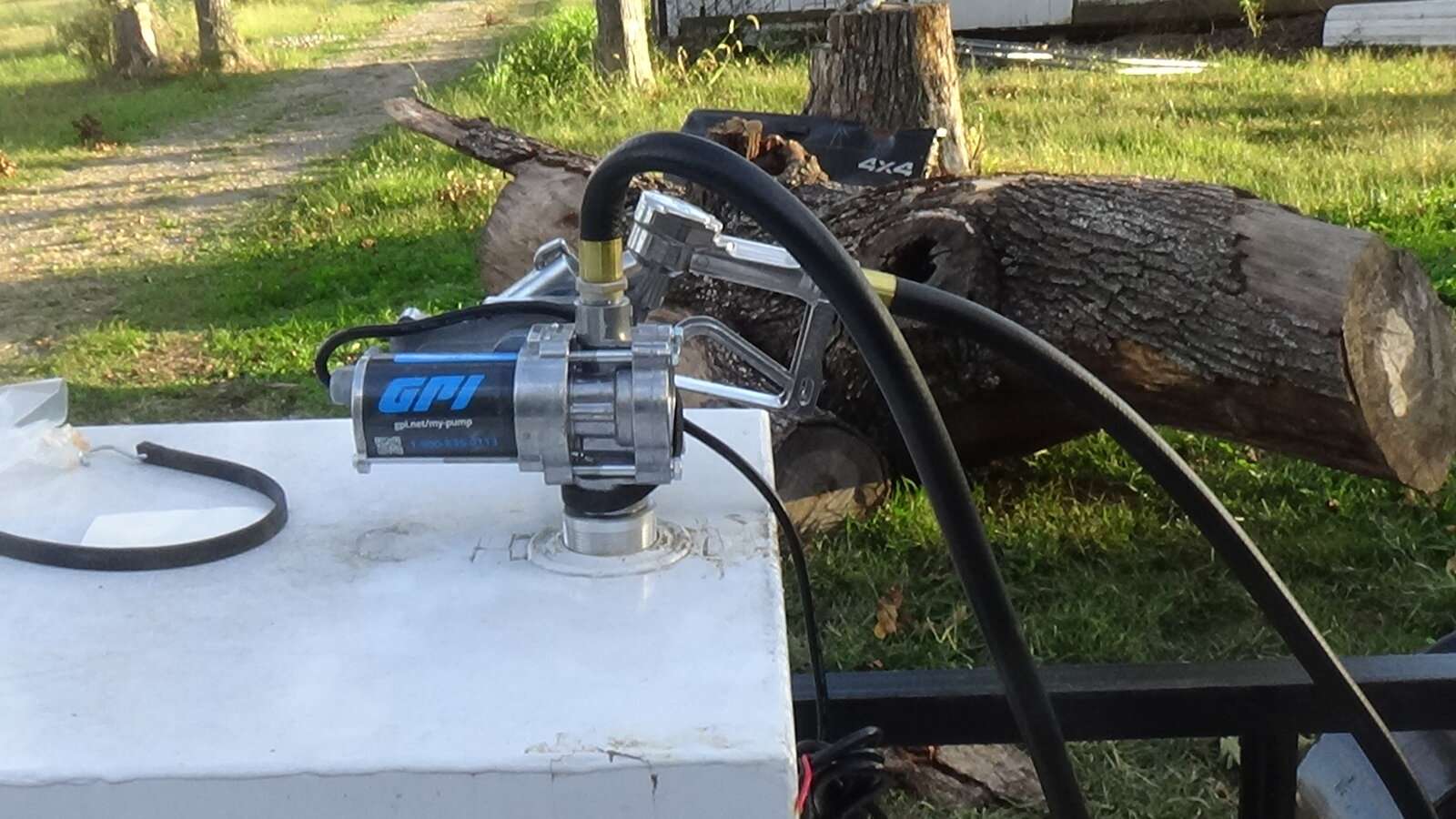
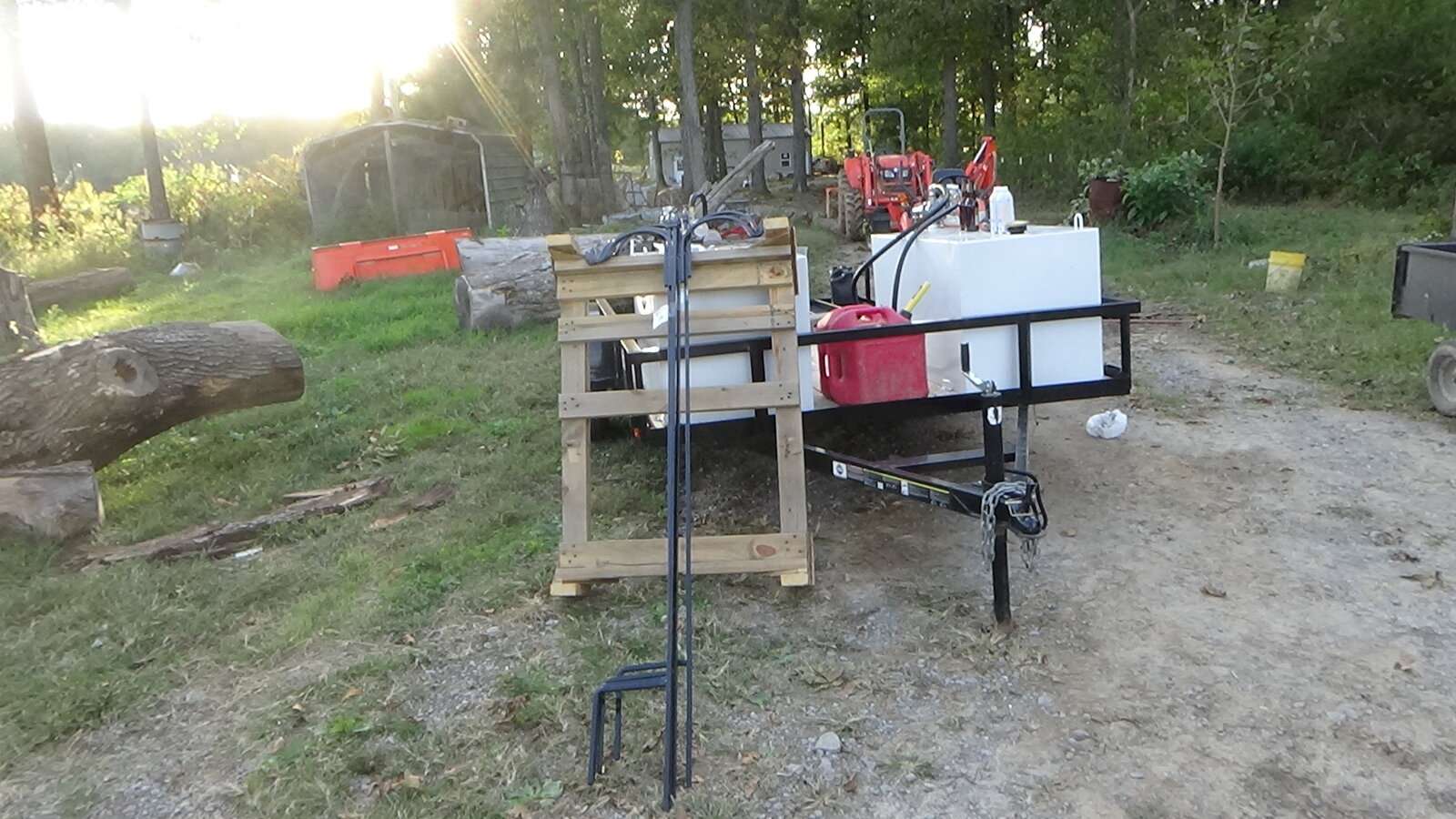
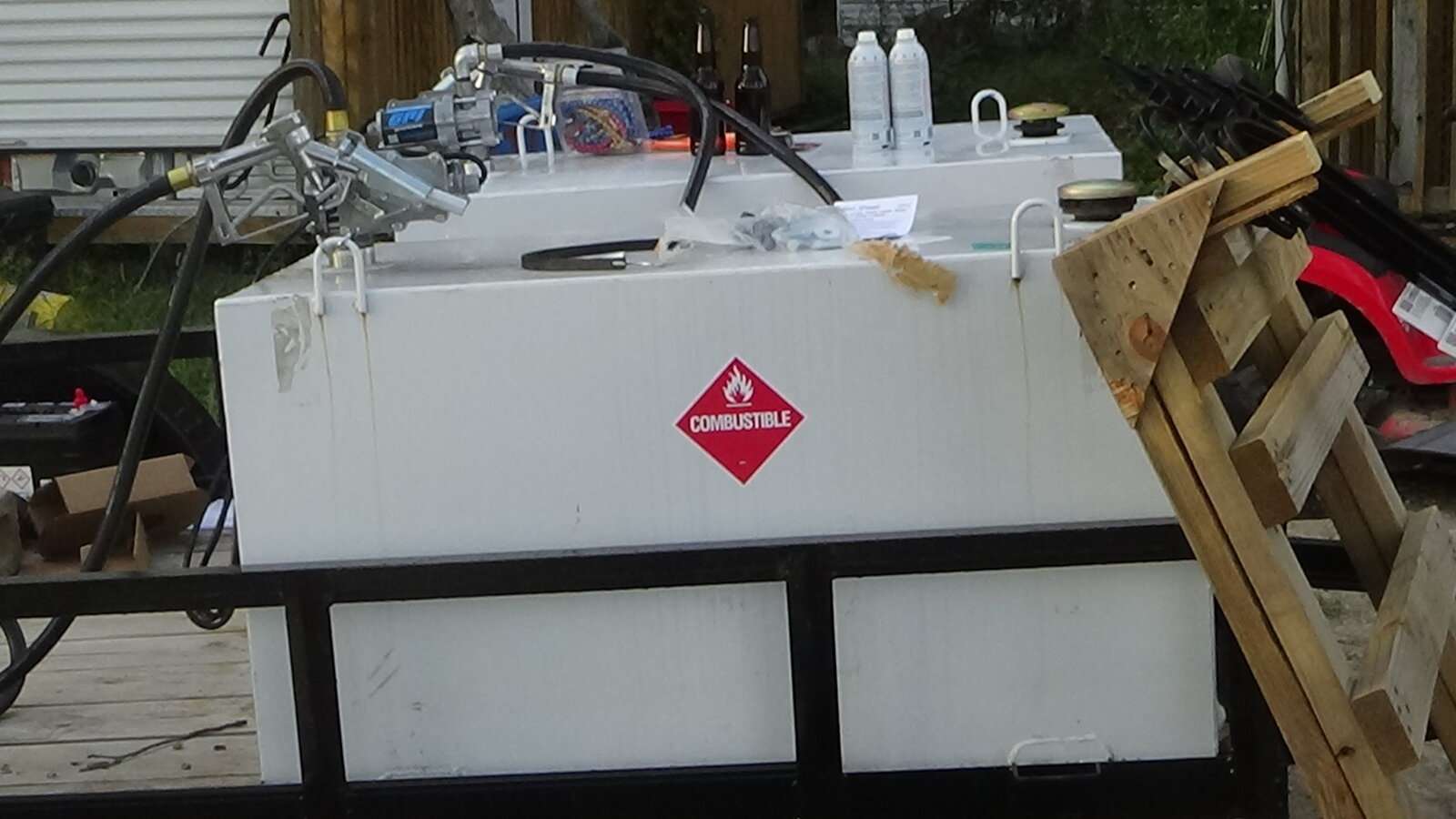
Turned a little 12′ trailer into a mobile fuel dump today and swapped the 3500# axle and springs out for a 5000# axle and springs.
I have had very good luck with the GPI 12V 8gpm pumps. Grabbed a 110AH deep cycle battery to mount on the trailer instead of messing with a truck plug in.
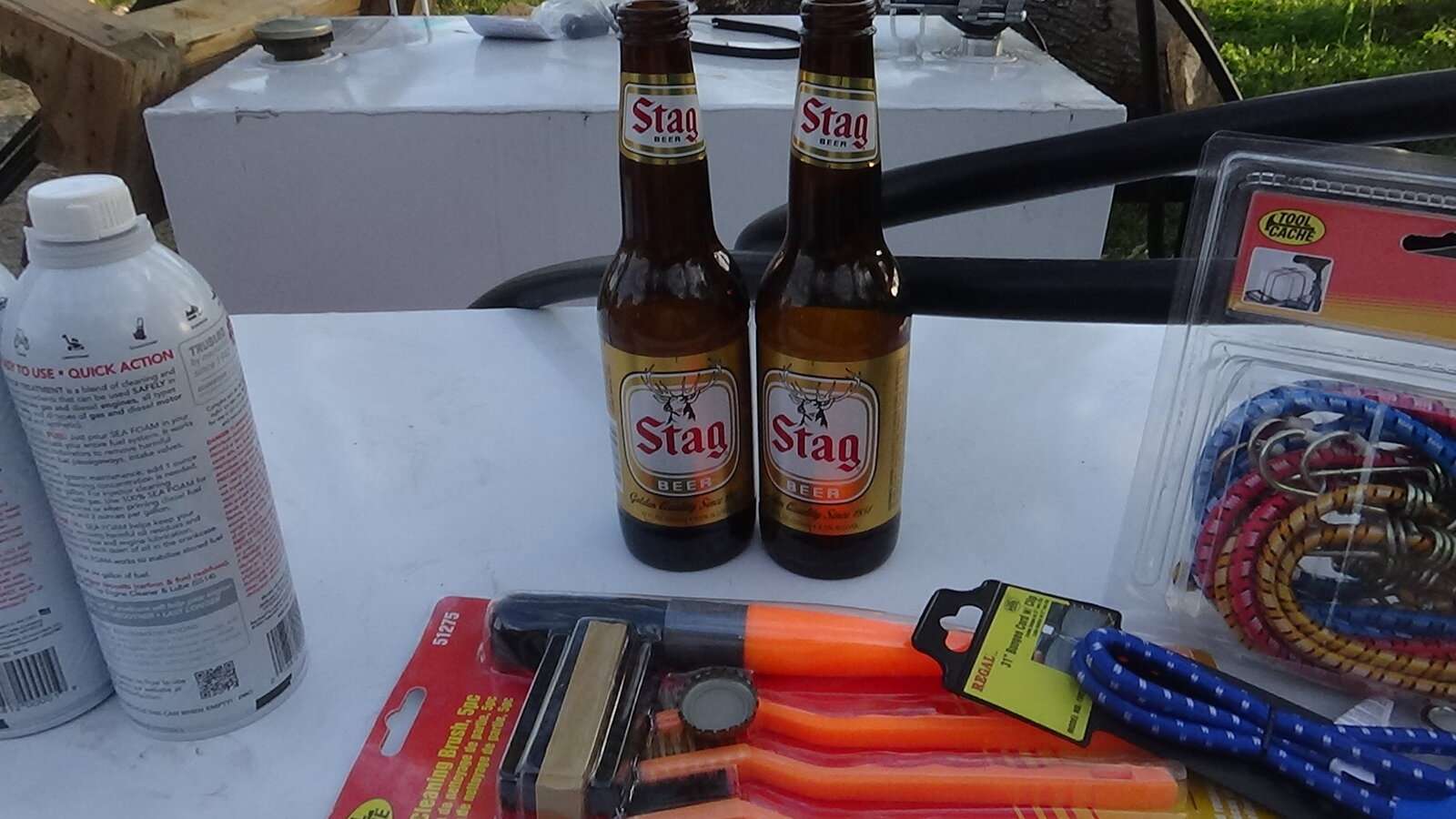
Bolting the new tanks down only requires 2 beers 
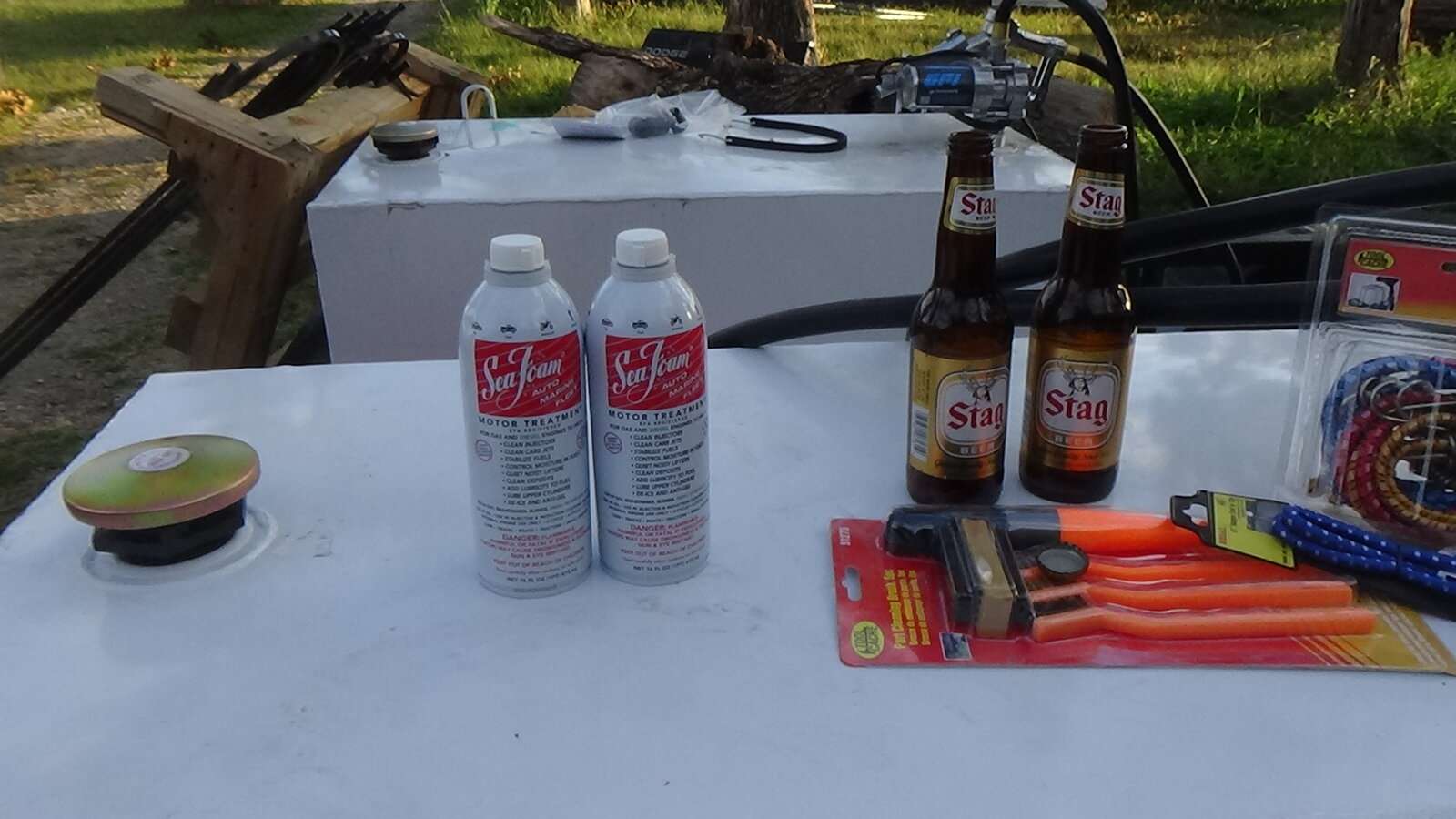
I put a can of seafoam per 100 gallons of diesel. The engines seem to like it. And a 14oz bottle of stabilizer on top of that. I only run real diesel not that palm oil garbage.
Found some hook hangers hangers while getting the new tanks and pumps today, marked down from $34.99 to $7.99 I like them to hang my bug zappers and and camp lanterns on.
Need to get more combustible placards supposed to have one side, front and back on each tank and the hardware bags of the two tanks had exactly 1 placard.
Securely bolted to the trailer floor. When I find my stash of eye bolts I will add a couple nylon straps over the top. Room between the tanks to securely hold six 5 gallon cube gas cans. Going to bolt my 55 gallon drum floor mounts and over the top of the barrel clamps behind each tank and keep a drum of oil on one side and hydraulic on the other other side. And that leaves room for my big metal job box on the end on one side and generator and air compressor on the other side. And brings the total weight on the trailer to around 3800 pounds with 2000ish of that being on the front in the transfer tanks. Pretty well balanced load.
Normally I would use just use one of the dual axle trailers with a pair of 5000 or 6500 pound axles and springs. But I have this little 12′ that doesn’t get much use…. And thought Heyyyyyyyyyyyy. It won’t get much road time the FS I get the Diesel from is only 4.5 miles West of me. So the trailer will only leave the farm for 9 mile round trips when the tanks are dry. SO a single 5k axle is more than sufficient. The two new tanks bring my truck and trailer diesel reserve up to 450 gallons and 1000 gallons in the bulk fixed tank. I only keep 250 gallons of gas in a gravity tank on a stand. Only a couple of generators left that run on gas and Mrs Kraps Truck and My Junk F150. Everything else runs on diesel or propane now.
Looks to me like adding another 200 gallons of diesel reserve and filling them asap is a wise move at this time.
They got complacent .
There was no trouble during the Trump years ,, and then Bedumb gave away billions of dollars of our military’s arms and equipment to 1 terrorists group ,, and now 6 billion dollars to another terrorists group . If you fund them ,, instead of condemn them ,,, this is what you get.
I believe Isreal will take care of business. Where they need to go ,, is to Iran.
If you’re surprised how Isreal just got hit ,,, will you be just as surprised when we get hit ??
You shouldn’t be ,,, it’s coming .

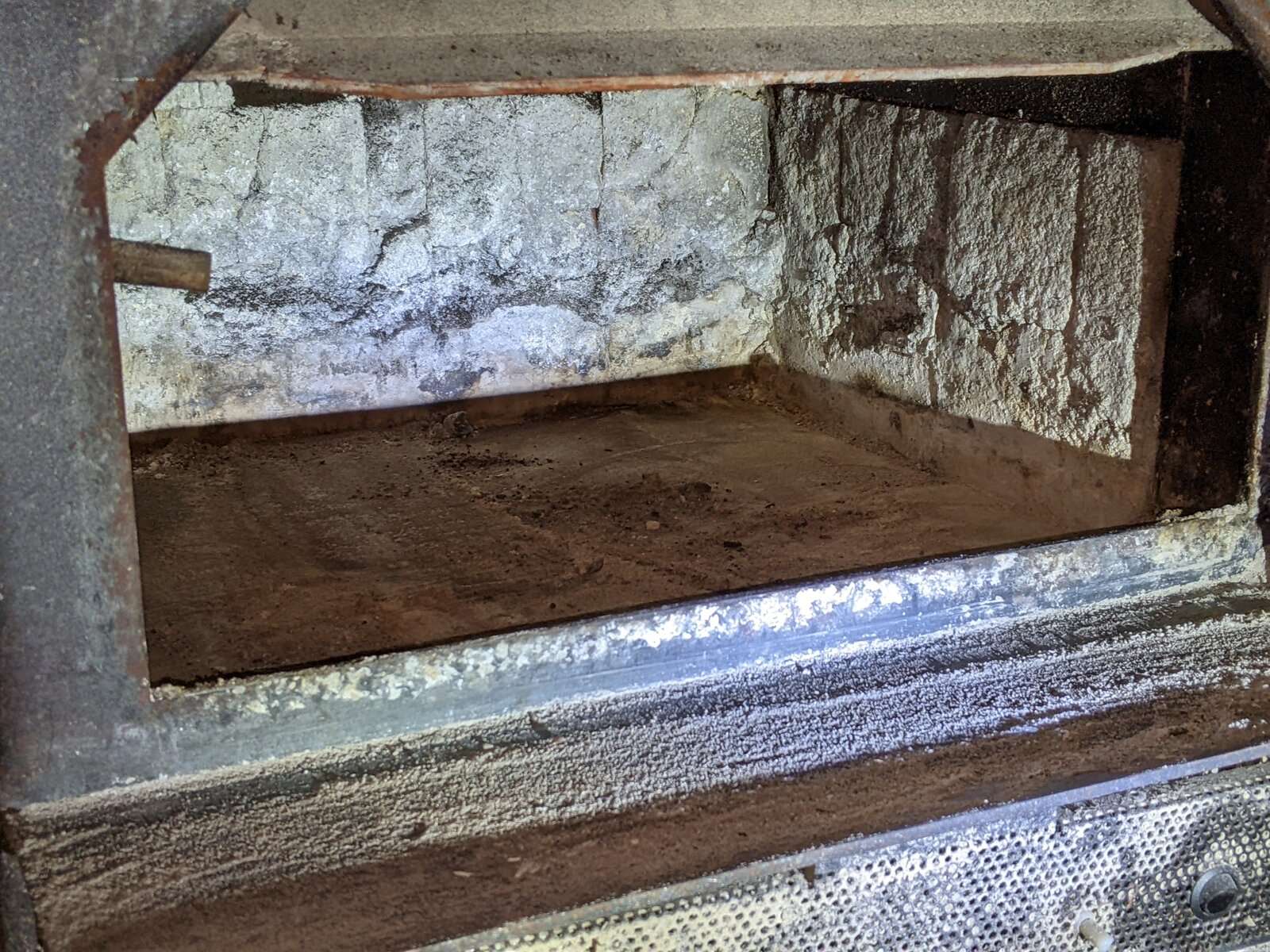
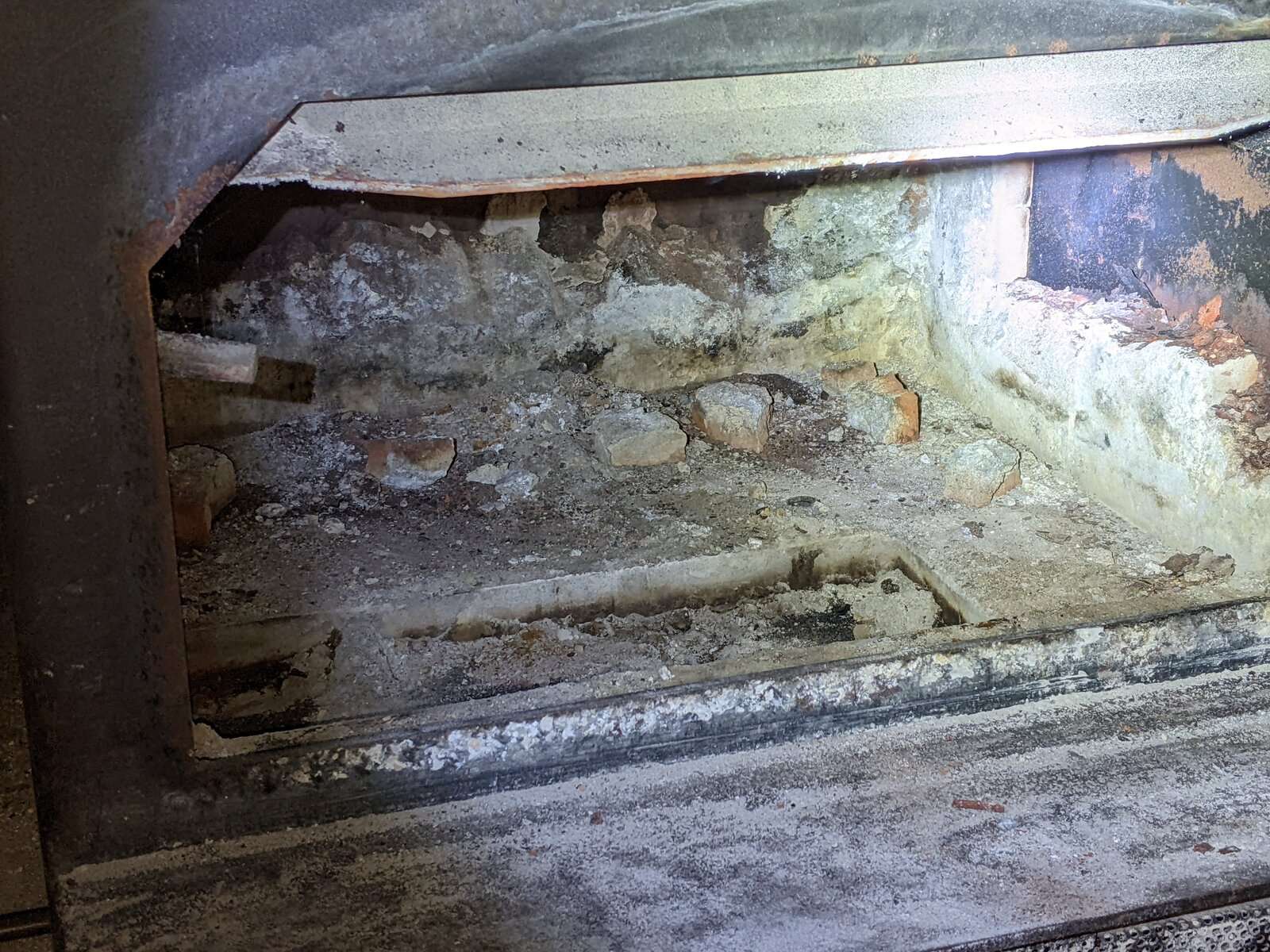
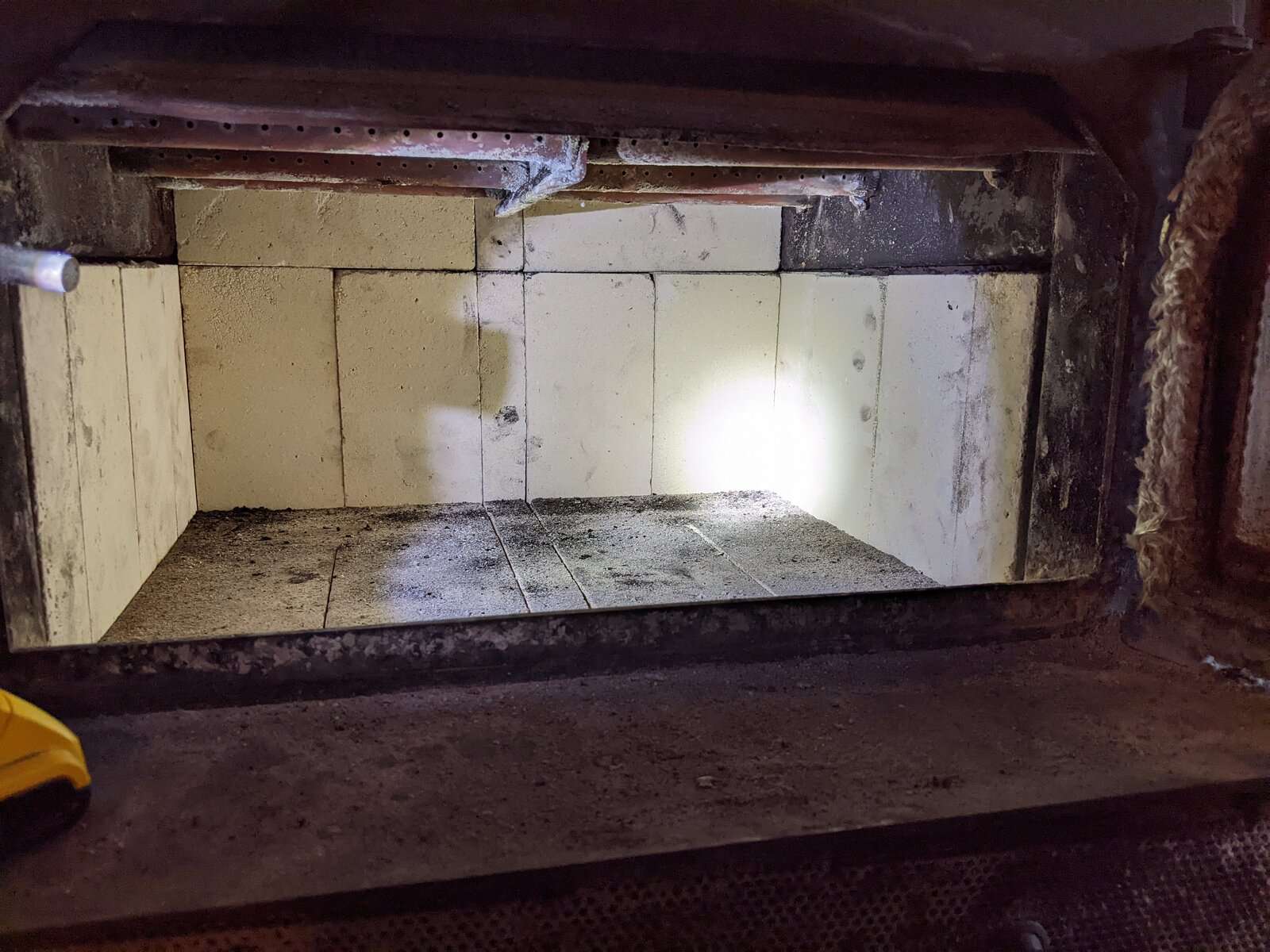
Actually think I got more than my fair share of use out of the originals. Mr. Fireplace dude wanted 550 bucks per fireplace insert to rebrick. I spent 100 bucks on firebricks and about 5 hours of my time .. to do two inserts. I think i saved myself enough money to buy myself a new firearm.