Ursa Major to 3D print solid rocket motor cases

0

WASHINGTON — Propulsion firm Ursa Major announced a 3D printing-based approach to designing and manufacturing solid rocket motors it hopes will lead to faster and cheaper production.

The strategy, which the Colorado-based company calls Lynx, will first involve using a single 3D printer to make motor cases and subcomponents for smaller systems, founder and chief executive Joe Laurienti said in an interview with Defense News.

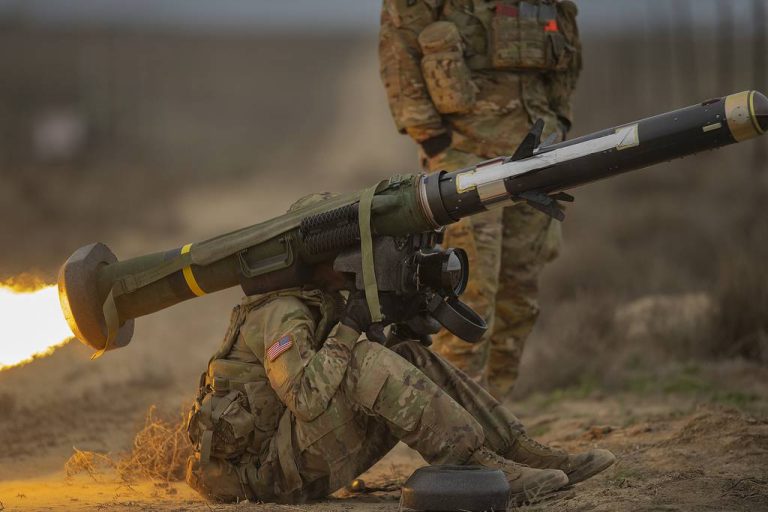
In time, he said, Ursa Major hopes that increasing the use of additive manufacturing will transform the solid rocket motor production process, and grow the nation’s ability to replenish its depleted stocks of weapons such as the Javelin, Stinger, and Guided Multiple Launch Rocket System, or GMRLS.

The defense industry as well has been strained by the limited production pipeline for solid rocket motors in recent years, and multiple firms have repositioned themselves in attempts to open up new avenues.

Ursa Major began working on the Lynx approach about two years ago, Laurienti said, seeing it as a way to offer something new to the solid rocket motor industry. Until now, the industry has primarily used additive manufacturing for prototyping, not propulsion.

“We didn’t want to enter the [solid rocket motor] space just to be another entrant,” Laurienti said. “We knew we had to take a really nuanced look at the industry — where are the bottlenecks, where are the needs?”

This approach also allows Ursa Major to rapidly switch production to another solid rocket motor model without extensive retooling or added costs, the company said.

“The two headaches we really saw were flexibility around systems, [and] the ability to not have to stand up a factory for replenishment of a depleted arsenal,” Laurienti said. “We wanted the ability to be very flexible. [Lynx] can work on Javelin one day, and GMLRS the next day, and the AMRAAM [the AIM-120 Advanced Medium Range Air-to-Air Missile] that third day, and it doesn’t really mind.”

Laurienti said Ursa Major’s 3D-printed design for these cases will allow some components to be fabricated together in one piece, as opposed to the traditional method where different parts would be made separately and then attached together. This will reduce the number of parts required, increase automation, and lower the overall cost, he said.

“If you’re pulling a dozen parts, and five or 10 manual processes out of each motor, [the cost reduction] is pretty dramatic,” he said.

Slashing production time

Lynx can 3D print about 50 small engine cases, up to 2 ½ inches in diameter, in three days, Laurienti said. Traditional manufacturing processes might take about a month, he said.

Ursa Major’s Lynx printer would be able to create objects up to 22 inches wide, he said. And the company has developed several metallic alloys it can use in 3D printing, including high-strength nickel alloys, as well as titanium and aluminum.

While Ursa Major isn’t working on the Javelin, GMLRS or Stinger programs now, Laurienti said the company believes a 3D printing strategy could help close those vital programs’ production gaps. The need to replenish those weapons has become even more acute as the United States has provided thousands of those munitions to Ukraine to fight against Russia’s invasion since 2022.

Laurienti said Ursa Major already is under contract to use Lynx on one system, but could not yet say what that system is. The company plans to announce that first system by the end of this year, and a second in early 2024.

By the end of 2024, he said, Ursa Major could be using Lynx to create parts for as many as four systems. And Laurienti also wants to have three Lynx 3D printing cells a year from now.

“It’s going to depend on how quickly we can get them up and running,” he said.

Stephen Losey is the air warfare reporter for Defense News. He previously covered leadership and personnel issues at Air Force Times, and the Pentagon, special operations and air warfare at Military.com. He has traveled to the Middle East to cover U.S. Air Force operations.

Portable, Non Refrigerated Food List

0

“Cold fried chicken” Nyet! Can make for sick or dead Comrade…

Chicken breast in a foil pack Da!

I’m a fan of so-called food bars –
make them yourself for the savings. Or buy commercial foil-packed bars.

Instant noodles & rice both require cooking to be…eatable.
That said, the folks at Tasty Bites (and Unka Ben) sell cooked rice in a pouch. You can cold-soak minute rice for the same effect and lower cost (shudder)

Speaking of pouched Chow, there is a ton of offering from Pace and Prego (both are a Campbell’s sub-brand)
They are better heated in microwave or water bath, but in a pinch…use defroster setting in Das Auto and set the pouch over the vent – it works pretty good.

Apple sauce – good. There are multiple “GoGo” brand ‘stuff in a squeeze pouch’ that are both tasty and contain real food. They offer a yogurt line as well. I use these myself and so can vouch for them being eatable.
(Pro tip, the empty pouches can be washed and used to hold dish washing soap or people washing soap)

Pita bread = tortillas = Naan = Chow

The folks at Bridgford sells a line of sandwich in a pouch (very MRE-Like) that can be heated just by leaving them in the window/sunshine to heat. Not bad, but more bread than filling.

Pop-tarts (ick, but popular)

Cheeze-whiz (death in a can) isn’t necessary. Any hard, wax covered cheese is a better choice, to include Baby Bell snak sized cheese.

Taking nuts? Make GORP with raisins – or dried canberries – .peanuts, cashews, almonds, sunflower seeds and raisins. .

Dried figs, dried apples, dried… well, just about everything these days.

I now carry freeze-dry coffee with the creamer and sugar in a sachet. You can dump this in a water bottle, shake and have your caffeine fix…

Any number of dry mixes (low to zero calorie) make water more palatable. (products like Mio also make a coffee flavor with caffeine that is not too bad) There are any number of ‘water drops’ to flavor water as well.

Somewhere on the board here, I’ve posted a fairly long list of no-cook Chow for if/when one must beat feet.


Rawles | Survival Monkey Forums

0

Years ago I communicated with Rawles on FAL Files good guy and I check in on his SurvivalBlog often.
One of the first interviews he has given in a long time.

We seem to agree on con-man-don and old joe.

Rawles didn’t vote in the last election either; in fact, he hasn’t voted for 15 years “because of the privacy issues involved in registering”. He probably would have voted for Trump in 2020, but now doesn’t trust him. “I don’t like his associations and business connections.” “Epstein!” Lily clarifies. Neither will vote next year.

Inside the American Redoubt


DIY Smoke Bombs and Fuses

0

Useful for concealment, diversion, or communication

Basic recipe

  • I cup salt peter
  • 1 TBSP baking soda
  • 1 TBSP sugar
  • Crayons

Made from paper towel rolls

You can also use a soda can

Five ways to make a fuse

Gear Review – CCW: 511 Skyweight Utility Chest Pack

0

Hey kids, I hope this is OK to post.

I have been running the 511 Skyweight Utility Chest Pack for my rucking and riding to get faster access to my pistol when carrying a full sized back pack, that preclude waist or shoulder holsters.

It came out last January at SHOT Show and I have to say for what I want it to do, it works great.


Krav Maga for 69 yo in case the Zombies come?

0

Hey Monkies

With all of the shit going down in the world today, I have been watching and noticing that there is a shit load of combative attacks(sucker punches, random, targeted…)

I am very good on the pistol front, but under the Tuler distance(21ft) I have no current experience in hand to hand, and feel that is a very big hole in my defenses.

I am considering take Krav Maga at a local gym that KM is 90% of what they teach along with BJJ.

I am good on cardio as I have been biking 3200+miles this year to date, plus 3000+ rucking miles with 30lbs for each of the last 3 years.

I started lifting weights and taking supplements to stop bone and muscle loss(that old age shit).

If you were in my situation, which Marshal arts would you take at this age?


Movement And Tactics For Your Survival Group – Part II – Ambushes and Raids

0

Welcome back, fellow survival enthusiasts! In the initial segment of our tactical exploration, we navigated through indispensable strategies such as recon patrols and security measures, equipping you with the knowledge to fortify your preparedness against potential threats. The journey continues, and as promised, we now embark on the second chapter of our tactical odyssey.

In this installment, our laser-focused lens turns towards the art of ambushes and raids—strategies that hold pivotal roles in both defensive and strategic initiatives. Building upon the foundational insights from our earlier discussions, we are about to unravel the intricacies of these tactical maneuvers, providing you with a comprehensive understanding that seamlessly extends our exploration.

So, settle in and stay tuned as we delve deeper into the realm of survival tactics. The stage is set for a closer examination of ambushes and raids, unveiling the nuanced strategies that can make all the difference in the face of adversity. Get ready for an insightful journey that continues to sculpt your understanding of the art of survival.

Ambushes

According to military manuals, an ambush is characterized as a surprise assault against a moving or temporarily halted enemy. In our context, envision facing looters or raiders. These strategic surprise attacks can be executed on various terrains, such as roads, trails, or city streets—anywhere the group anticipates the movement of potential threats.

Concealment is paramount for the success of an ambush, demanding meticulous camouflage to ensure that the attackers remain undetected until the opportune moment.

The choice of ambush location in relation to the terrain holds significant weight. Once initiated, the ambush must unfold with unrelenting force and the entirety of firepower at the group’s disposal, emphasizing the conservation of ammunition.

Success is often discerned swiftly, with a lack of return fire signaling triumph. Comprehensive observation of the kill zone is essential, although challenging terrain may pose limitations, necessitating strategic positioning by the ambush leader.

Essential Components for a Successful Ambush:

Undetected Initiation: The ambush must remain concealed until the opportune moment.

Maximum Accurate Firepower: The assault should be launched with the utmost accuracy and force.

Complete Surprise: The enemy should be caught entirely off guard.

Terrain Alignment: The chosen terrain should strategically support the ambush position.

Security Measures: Adequate security should be in place to safeguard the ambush site.

Furthermore, the ambush plan should encompass left, right, and rear security, with all members familiarizing themselves with the withdrawal route and a designated rally point. In a survival scenario, the ambush team is advised to confiscate all weapons, ammunition, and equipment from those ambushed. While it might be less likely to encounter a reaction force of looters or raiders, maintaining security during the weapon and equipment collection process is crucial.

Training for ambush scenarios is best conducted under the guidance of ex-military combat arms members through paintball exercises. The rationale here is clear—if you can’t execute it with paintballs, mastering the same maneuver with live ammunition remains doubtful.

Historically, ambushes have taken the form of either single-point or area ambushes, where multiple ambushes are strategically placed on different trails or roads in the same vicinity. Communication, ideally through radios, plays a crucial role. In the absence of such technology, group leaders must maintain control and devise signals to prompt necessary actions. The initiation of the ambush is typically signaled by gunfire, prompting all members to unleash their firepower into the kill zone.

While one hopes for some semblance of order post-disaster, past world and national histories provide a less-than-confident outlook. The unpredictability of human behavior underscores the importance of meticulous training and preparation for potential ambush scenarios.

Training for ambush scenarios becomes not only advisable but imperative during an SHTF (Shit Hits The Fan) event. In the chaos and uncertainty of a survival situation, the likelihood of encountering hostile forces, such as looters or raiders, significantly increases.

Ambushes serve as a strategic response to potential threats, ensuring the group’s safety by preemptively neutralizing or deterring adversaries. The reasons for being ambushed in such scenarios are multifaceted and often stem from the desperate pursuit of resources, territory, or power in a post-disaster landscape.

TLW banner2

Reasons for Being Ambushed During SHTF Events:

Resource Scarcity: Ambushes may occur due to competition for scarce resources such as food, water, and supplies. Desperation can drive individuals or groups to resort to aggressive tactics to secure vital necessities.

Territorial Disputes: Control over specific territories becomes crucial during survival situations. Ambushes may be initiated by groups seeking dominance over strategic locations, creating potential flashpoints of conflict.

Power Struggles: In the absence of established authorities, power vacuums emerge, leading to rival factions vying for control. Ambushes may serve as a means to eliminate or weaken competing groups in the quest for dominance.

Opportunistic Attacks: Individuals or groups with malicious intent may seize opportunities presented by vulnerable targets, launching ambushes to exploit the chaos and lack of organized defenses.

Information Gathering: Ambushes may be orchestrated based on intelligence gathered about the movement, resources, or vulnerabilities of other groups. Information becomes a valuable commodity in a survival scenario.

Training for Ambushes During SHTF Events:

Conducting training exercises for ambush scenarios is paramount during SHTF events for several reasons:

Realistic Preparedness: Ambush training equips group members with practical skills to respond effectively to potential threats. It fosters an understanding of ambush dynamics, enhancing the group’s overall readiness.

Communication and Coordination: Training scenarios facilitate the development of communication protocols and coordinated responses, crucial for successful ambush operations. It ensures that every member understands their role in the event of an attack.

Terrain Familiarity: Ambush training involves familiarizing the group with different terrains and practicing maneuvers accordingly. This prepares them for varied environmental conditions, enhancing adaptability during real-life situations.

Decision-Making Skills: Training helps group leaders and members hone their decision-making skills under pressure. The ability to make quick, informed choices is invaluable during an ambush situation.

Equipment Familiarization: Ambush training allows group members to become proficient in the use of their equipment, ensuring that firearms, camouflage, and other gear are utilized effectively during an actual ambush.

In essence, training for ambushes serves as a proactive measure, enhancing the group’s survival capabilities and minimizing vulnerabilities during SHTF events. The chaotic nature of such scenarios demands a strategic approach, and ambush training becomes an integral component of comprehensive preparedness.

References for further reading:

“The Things They Carried” by Tim O’Brien

“U.S. Army Guerrilla Warfare Handbook” by Department of the Army

Raids

requirements for a successful raid

Raids, deeply ingrained in the annals of human history, represent one of the most ancient tactics employed by diverse entities ranging from individuals and tribes to entire nations. This tactical approach, tracing its roots back to the era when humanity dwelled in caves, has been a consistent thread woven through the fabric of civilizations.

Raids, as a strategic maneuver, have served multifaceted purposes over time, encompassing the destruction, occupation, or pillaging of specific sites. In the context of a prolonged survival scenario, the specter of looters and raiders executing raids on survival locations looms ominously.

When confronted with the grim reality of diminishing resources, survival groups may find themselves compelled to resort to raids upon discovering areas with available food and water, owned by others. The desperation and ruthlessness exhibited by individuals and groups in life-threatening situations underscore the harsh and unpredictable nature of a post-disaster world.

Requirements for a Successful Raid:

Knowledge of the Raid Location: A comprehensive understanding of the target location is imperative for the success of a raid.

Strategic Tactical Plan: The formulation of a well-thought-out tactical plan is critical to the effectiveness of a raid.

Undetected Arrival: The raiding force must execute a covert approach to the location, ensuring that their presence remains undetected.

Surprise Element and Firepower: The success of a raid hinges on the element of surprise and the deployment of maximum firepower when initiating the attack.

Training for raids emerges as a pivotal aspect of group preparedness, and practical exercises using paintball simulations prove to be effective in honing the skills required for such tactical maneuvers. During the preparatory phase for potential disasters, allocating specific training days becomes essential, dedicating half of the day to raid and ambush exercises and the other half to patrol training.

A comprehensive approach involves both daylight and nighttime training sessions to ensure adaptability to various scenarios, with a particular focus on urban environments where these tactics may find heightened relevance.

Surviving in a tactical and strategic manner, especially in the face of armed and trained adversaries, demands a level of preparedness that transcends our current way of life. In the stark reality of a prolonged survival situation, groups may find themselves compelled to adopt raiding tactics to secure essential resources.

Survivalist Benefits of Learning These Tactics:

Defeating Unorganized Threats: These tactics underscore the vulnerability of unorganized armed mobs, lacking dispersion and control, when faced with organized groups. Historical evidence, including contemporary conflicts in Syria and Iraq, reinforces the importance of training in such scenarios.

Facing Trained and Armed Groups: As societal structures crumble over time, survival groups may encounter trained and armed adversaries, including ex-military personnel, preppers, and criminal entities such as drug cartels and street gangs.

Long-term Survival Dynamics: In the protracted aftermath of a disaster, the distinction between raiders and looters blurs, emphasizing the necessity for groups to adapt to evolving circumstances.

In urban areas, criminal organizations may emerge as formidable forces, posing a threat to all citizens, whether prepared or not. As food and water become scarcer, these groups may transition from looters to raiders, employing recon patrols to identify vulnerable targets. Ultimately, the groups best equipped with training, weaponry, and a survival mindset stand a better chance against these evolving threats.

banner sos

Survivalist Strategies When Leaving a Survival Location:

Dispersion and Cover: Leaving a survival location demands good dispersion between group members, with the rest of the group providing cover from within the location.

Observation Before Departure: Before departure, binoculars and scopes should be employed to detect potential ambushes. Any movement in the vicinity should be treated with suspicion, with rifles equipped with scopes maintaining vigilant observation.

Siege Mentality: Constant threats may lead to a siege mentality, restricting group members from venturing outside the survival location. This, however, jeopardizes the group’s access to essential resources, necessitating a decision on either defending the location or raiding to secure supplies.

Decision-making on Raiding: If raiding becomes a consideration, critical factors such as the fortification of the target site, the group’s ability to breach those fortifications, the armament of the occupants, and the group’s capacity to execute the raid must be carefully weighed.

Decisions in these circumstances are arduous, shaped by factors that may force groups to either remain and defend or embark on an uncertain journey to a new location. As government control and law enforcement collapse, the unforeseen future becomes the stark reality, compelling groups to navigate uncharted territories in their quest for survival.

References for further reading:

“Raid!: The Untold Story of Patton’s Secret Mission” by Richard Baron

“Raider: The True Story of the Legendary Soldier Who Performed More POW Raids than Any Other American in History” by Charles W. Sasser and Craig Roberts

Concluding

concluding on ambushes and raids

The intricacies of ambushes and raids unfold as vital components in the repertoire of survival tactics, drawing from historical precedents and military wisdom. From the silent precision of an ambush to the calculated maneuvers of a raid, these strategies underscore the harsh reality of navigating a post-disaster world. The art of ambushing demands meticulous planning, undetectable execution, and an unrelenting commitment to firepower, echoing the importance of preparation and stealth in the face of potential threats.

Simultaneously, the concept of raids, deeply embedded in human history, emerges as a timeless tactic employed by individuals, tribes, and nations alike. As survival groups confront dwindling resources and evolving threats, the necessity of raids becomes a stark reality. The training and adaptability of groups, especially in urban settings, play a pivotal role in their ability to navigate these challenges.

These tactical maneuvers, while rooted in survivalist necessities, transcend mere confrontations. They become profound lessons in organization, adaptability, and strategic thinking. Whether facing unorganized threats or armed adversaries, the groups best equipped with training, a survival mindset, and a cohesive strategy stand a better chance of securing their survival in the unpredictable landscape of a post-disaster world.

In the ongoing narrative of survival, where the distinction between looters and raiders blurs, the learning curve involves not just mastering these tactical maneuvers but also understanding the ever-shifting dynamics of human behavior and societal breakdowns.

As we delve deeper into the complexities of urban survival and the evolving threats that characterize it, the journey toward preparedness takes on a new dimension—one that demands not only physical prowess but also a keen understanding of the human condition in times of crisis. The ability to navigate these challenges with resilience, adaptability, and strategic acumen will ultimately define the success of survival groups in an unforeseen and unpredictable future.

You may also want to check these:

Detailed Strategies For Surviving An Ambush

Learn how to Safeguard your Home against Looters

10 Strategies For Communication Security – Don’t Betray Yourself When SHTF

How I Got My Own Backyard Fortress For Under $400
M1 carbine project, oh its weird

0

I tried the 7″x1.25″ 9mm k baffel silencer on the carbine.
It made a nice bang, definitely sounds like a gun shot, but I can’t use the sights.
Nothing like the 30 cal rebel sos.
But that’s what you get when you fire a 30cal bullet through a silencer that’s been punched out to about 10mm to allow passage of a 9mm bullet.
Forget about design and materials. The 3 main things that effect how loud a silencer is are the silencer internal hole diameter, internal volume and internal surface area.


Last edited: Oct 22, 2020

Lockheed will deliver advanced TPY-4 radar to Air Force for evaluation

0

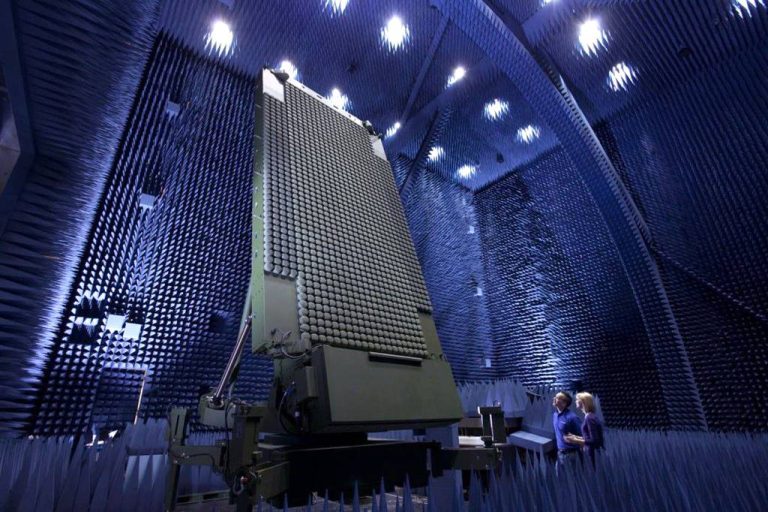
SYRACUSE, N.Y. — Lockheed Martin is preparing to send the U.S. Air Force its advanced TPY-4 radar for further evaluation, following months of internal testing and tweaks at company facilities in rural New York.

The software-defined sensor, capable of detecting and tracking everything from small drones to jets to ballistic missiles, is slated to replace the decades-old TPS-75 radar as part of the Three-Dimensional Expeditionary Long Range Radar effort, or 3DELRR.

The Air Force picked Lockheed’s technology last year, beating out an offering from Northrop Grumman. The service at the time cited production and sustainment costs as well as overall capability in its decision-making.

“One thing that’s great about the TPY-4, as an example, is it’s a software-defined radar upfront,” Steve Allen, Lockheed’s program director for ground-based air surveillance, told reporters during a Nov. 2 tour of the company’s test range and assembly lines. “When we have changes of targets, or what we’re looking for, it becomes a lot of ‘how do we change our software?’”

Allen said he expects the TPY-4 to be pushed to its limits once it’s handed off at Eglin Air Force Base in Florida, with the service determined to discover “what this thing can really, really do.” Testing is expected to begin in the summer.

The TPY-4 features an active electronically scanned array, often shortened to AESA, and is available in both fixed and mobile variants. The many pucks or nodules on its face allow for multitasking and digital reprogramming.

Lockheed announced the successful production of the first TPY-4 in May 2022. At least three were being worked on during the November tour.

International interest in the TPY-4 is strong, according to company leaders. The Norwegian military is awaiting a delivery after signing a contract months ago. Others are queueing — or at least window-shopping.

“There’s been a lot of countries that are very, very interested,” Allen said. “They’re waiting for the Air Force to, kind of, get through their process to say, ‘OK, we’re comfortable with the maturity level,’ before they take the next step.”

Lockheed is the world’s largest defense contractor when ranked by defense-related revenue, earning more than $63 billion in 2022, according to Defense News Top 100 analysis.

Colin Demarest is a reporter at C4ISRNET, where he covers military networks, cyber and IT. Colin previously covered the Department of Energy and its National Nuclear Security Administration — namely Cold War cleanup and nuclear weapons development — for a daily newspaper in South Carolina. Colin is also an award-winning photographer.

General Atomics fires back at critics of MQ-9 drone after downing

0

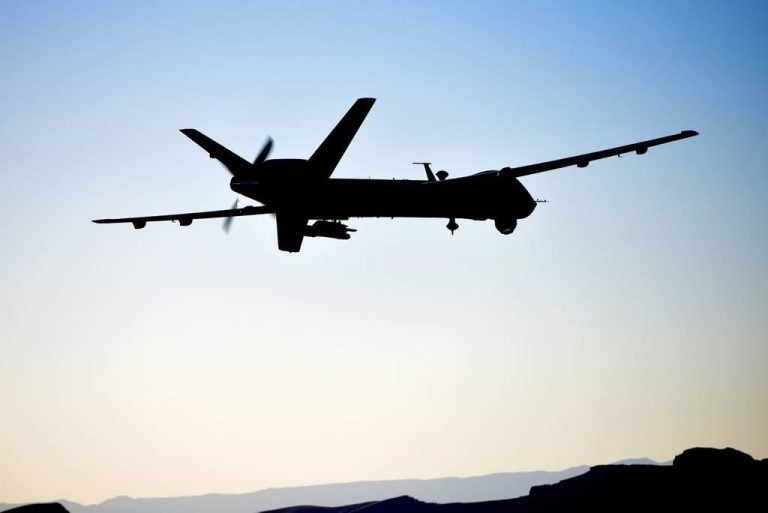
DUBAI, United Arab Emirates — The fate of the MQ-9 Reaper has once again entered public debate after senior U.S. defense officials confirmed Houthi militants had downed one of the drones over international waters off the coast of Yemen on Nov. 8.

In recent years, experts have questioned the sustainability of flying such expensive aircraft in contested environments, where less costly countermeasures are able to target them.

For example, in 2021, now-retired acting Air Force Secretary John Roth sought to curtail procurement of the General Atomics Aeronautical Systems-made drone in the fiscal 2022 budget.

Earlier this month, Brandon Tseng, the president of drone and software firm Shield AI, said the MQ-9 is “too expensive and too slow to regenerate to continue operating within range of surface to air missiles.”

“MQ-9 is a great aircraft, I’ve used it. But for the future fight, it’s role needs to be re-defined to quarterbacking intelligent teams of attritable aircraft,” he wrote on LinkedIn. “And this doesn’t just apply to MQ-9; it includes MQ-4, MQ-1, P-8, SH-60, etc.”

And an article from earlier this year on the U.S. Military Academy’s Modern War Institute website noted “the MQ-9 Reaper may not be survivable in an environment characterized by large-scale combat operations.”

“There is a decision to be made,” wrote Liam Collins, who served as a defense adviser to Ukraine from 2016 to 2018. “Should the US military field more survivable UAVs — ones capable of conducting defensive maneuvers — or invest in smaller ones that it does not mind losing?”

The article was in response to a March 2023 incident that saw a Russian fighter jet force down a U.S. Reaper over the Black Sea, after initially damaging its propeller. The interception ultimately “resulted in a crash and complete loss” of the aircraft, Air Force Gen. James Hecker, commander of U.S. Air Forces Europe and Africa, said in a statement.

And in July, among other recent reports Russia was harassing MQ-9 drones, a Russian jet fired flares at a Reaper involved in a counterterrorism mission over Syria, damaging its propeller.

Asked about the acquisition process for building — and replacing — these systems, an official with General Atomics Aeronautical Systems said that, “with a hot production line, we can build one in three to eight months.”

“But combat loss and attrition are built into the [U.S. Air Force] order scheme. Some amount of loss is expected,” C. Mark Brinkley, senior director of communications with the firm, told Defense News at the Dubai Airshow this week.

The war in Ukraine has shown that successful battlefield outcomes are possible by using large quantities of low-tech and cheap weapons, rather than relying on fewer, more expensive drones.

But Brinkley pushed back at this assessment.

“There are companies out there that want you to believe you can replace the capability of a Reaper or [MQ-9B] SeaGuardian with a 100-pound stomp rocket that can carry 25 pounds for 10 hours. The only catch is they would need a billion dollars to invent some magical artificial intelligence to make them relevant,” he said. “Even if that AI existed today and you could swarm 50 of them together, your payload and endurance would be 25% of the MQ-9B. So don’t tell me that’s the future.”

To increase the Reaper’s survivability, Brinkley recommended the integration of air-to-air missiles and an early warning radar to “radically change the situation” and reduce harassment opportunities.

This echoed a similar recommendation made by retired Air Force Maj. Gen. Lawrence Stutzriem, who advised the Pentagon to fund the integration of a self-protection capability on the Reaper — something the department has yet to do.

Dave Alexander, the president of General Atomics Aeronautical Systems, offered two ways to respond to the Reaper’s vulnerabilities in contested areas.

“You either complain about it,” he told Defense News at the show, “or do something about it.”

Elisabeth Gosselin-Malo is a Europe correspondent for Defense News. She covers a wide range of topics related to military procurement and international security, and specializes in reporting on the aviation sector. She is based in Milan, Italy.