How To Wash Your Laundry When The Power Goes Out

0

Survival hinges on essential aspects often overlooked in traditional guides, with sanitation playing a pivotal role. Dirty laundry is a common concern, and while washing machines have become a staple for cleaning clothes, the knowledge of how our ancestors tackled this task has faded away.

During my journeys through third-world countries, I delved into the daily lives of those in impoverished districts. Witnessing firsthand their reliance on hot water, soap, and manual labor to wash clothes, I observed people utilizing streams and rocks to maintain cleanliness. This experience not only offered a glimpse into minimalist survival but also prompted contemplation on how modern individuals would cope if electricity suddenly became scarce.

In a survival scenario, a washing machine may not be the most critical item, yet it undoubtedly simplifies the laundry process. With most survival guides neglecting this aspect, it became apparent that exploring alternative methods for laundry during unforeseen power outages is a valuable endeavor. This article aims to shed light on practical approaches to washing clothes when faced with unexpected challenges.

Choosing and Cleaning Survival Fabrics

Are you wondering about the fabrics you should use in your survival gear? Picking the right ones can make your life easier down the road. Different fabrics have various cleaning abilities, and some stains are tougher to get rid of. When it comes to survival gear, many people lean towards cotton, wool, and other natural materials.

These fabrics are often considered superior, even though they might not be as tough as polyesters. In less affluent countries, you’ll find a lot of polyester clothes because they can withstand rough treatment, including being washed with stones.

To avoid headaches with delicate fabrics, always check the label before purchasing your “survival clothes.” Natural fabrics like cotton and wool are comfortable and breathable, but they may not last as long as synthetic materials. Skip clothes that require dry cleaning—finding an open dry cleaner during a crisis is unlikely.

Cleaning Without Soap? No Problem!

A common question is, “What if I have no soap or can’t find soap plants?” Don’t worry; you can still wash your laundry with just water and a rock. In situations where resources are scarce, this simple method can do wonders. Agitate the clothes, squeeze them until the water gets dirty, and, if there are stains, use small stones to gently rub them out.

When looking for stones, find smooth ones with a surface like fine pumice. Be cautious while rubbing out stains—too much force can damage the fabric. Although this method works, don’t expect your clothes to be as clean as if you used a regular Laundromat.

While the clothes are still wet, hang them in a sunny spot with the stains exposed to the sun. This is a temporary solution until you can get your hands on some soap. It’s a

Here are a few methods to wash your laundry when there is no electricity:

Bucket Washing:

Bucket washing is a straightforward and efficient method for cleaning clothes without electricity. Begin by filling a large bucket with an adequate amount of water to fully submerge your clothes. Add an appropriate measure of detergent, considering the size of the load. Immerse the clothes in the soapy water and agitate them by hand for a thorough clean. Allow the clothes to soak, facilitating the loosening of dirt and stains. After soaking, drain the soapy water, refill the bucket with clean water, and rinse the clothes thoroughly. Once rinsed, wring out the excess water, and hang the clothes to dry. This method is simple, requiring minimal equipment, making it an excellent option for off-grid laundry. The versatility of bucket washing makes it an ideal choice for various settings, from camping trips to emergency situations.

Plunger Washer:

The plunger washer serves as a makeshift washing machine that can be easily assembled with a clean, new plunger and a sturdy container. Fill the container with water and detergent, placing the clothes inside. Insert the plunger and use it as an agitator by plunging up and down, mimicking the motion of a traditional washing machine. This method effectively cleans clothes and is particularly useful for small loads. After the washing cycle, drain the soapy water, refill the container with clean water, and repeat the process for rinsing. The plunger washer is a resourceful solution for those looking to replicate the washing machine experience without electricity. It’s portable and convenient, making it suitable for various off-grid scenarios.

Rubbing Board Technique:

The rubbing board technique involves using a washboard or creating a makeshift one using a smooth, sturdy surface. Apply soap to the clothes and rub them against the washboard to remove dirt and stains effectively. This method is particularly suitable for heavily soiled items. The textured surface of the washboard helps agitate the fabric, providing a thorough clean. After rubbing, rinse the clothes in clean water to remove soap residue. The rubbing board technique is a manual but efficient approach to washing clothes, reminiscent of methods used by our ancestors before the advent of modern washing machines. It’s a hands-on approach that allows for precise control over the cleaning process.

blackout

Stream or River Washing:

If you find yourself near a natural water source like a stream or river, take advantage of the flowing water to aid in washing clothes. Wet the clothes thoroughly, apply soap, and rub the fabric together to remove dirt. The current of the water assists in the cleaning process. Once the clothes are soaped and agitated, rinse them in the flowing water until all soap is removed. This method is not only effective but also allows you to conserve water, as the stream or river carries away the soapy residue. It’s a practical option for those in outdoor or survival scenarios where natural water sources are available. Stream or river washing provides a refreshing and sustainable approach to off-grid laundry, connecting you with nature while ensuring cleanliness.

Off-Grid Washing Machine:

For a more sophisticated off-grid solution, consider creating a DIY washing machine. To build this simple apparatus, you’ll need a large bucket with a lid, a smaller container with a tight-fitting lid, a plunger, and a drill. Drill several holes in the bottom of the smaller container to allow water to circulate. Place the smaller container inside the larger one, securing the plunger through the lids. Add water, detergent, and clothes to the larger container. Use the plunger to agitate the clothes, simulating the washing machine cycle. Drain the soapy water, refill with clean water for rinsing, and repeat the process until your clothes are clean. This off-grid washing machine provides a more automated alternative for those who prefer a hands-free approach to laundry without relying on electricity. The ingenuity of this solution makes it an interesting and effective choice for off-grid living or emergency situations.

Solar Bag Washing:

Harnessing the power of the sun, solar bag washing is an eco-friendly and efficient way to clean your clothes off-grid. Start by filling a large, dark-colored bag with water and adding a suitable amount of detergent. Place your clothes into the bag and seal it securely. Leave the bag in direct sunlight for several hours, allowing the heat to warm the water and facilitate the cleaning process. The solar heat, combined with the detergent, helps break down stains and grime. After sufficient exposure, agitate the bag to ensure thorough cleaning. Once done, open the bag, drain the soapy water, and rinse the clothes in clean water. Solar bag washing is a sustainable option, utilizing natural resources to meet your laundry needs, making it an ideal choice for camping or situations where electricity is unavailable.

Treadle-Powered Washing Machine:

treadle powered washing machine

For a more mechanically assisted off-grid laundry solution, consider a treadle-powered washing machine. This DIY device incorporates foot pedals to drive the washing mechanism. To create this contraption, fashion a wooden frame with a basin for water, a washboard, and a drainage system. Attach foot pedals to the frame, connecting them to an agitator inside the basin. To use, fill the basin with water and detergent, place the clothes inside, and start pedaling. The foot-powered agitation simulates the action of a traditional washing machine. After washing, drain the soapy water, refill with clean water for rinsing, and pedal again to complete the process. The treadle-powered washing machine offers a hands-free, energy-efficient alternative for off-grid laundry, allowing you to maintain cleanliness without relying on electricity.

Concluding

Mastering the art of off-grid laundry is a valuable skill, especially in survival scenarios where access to modern conveniences is limited. Choosing the right fabrics for your survival gear sets the foundation for easier maintenance and durability. While natural materials like cotton and wool offer comfort and breathability, synthetic options like polyester prove more resilient to rugged abuse.

Understanding that soap might not always be readily available, the alternative method of washing clothes with water and a rock demonstrates resourcefulness. By agitating the clothes and carefully using stones to tackle stains, you can achieve a level of cleanliness that, while not equivalent to a Laundromat wash, serves as a practical solution in challenging circumstances.

Remember, off-grid laundry requires adaptability and creativity. Whether it’s using the power of the sun to dry clothes or improvising a washing machine with simple tools, these techniques ensure that cleanliness remains achievable even when traditional methods are out of reach. By embracing these strategies, you not only enhance your self-reliance skills but also gain a deeper appreciation for resourceful practices that our ancestors relied on for centuries.

ss power your home optimised

Suggested resources for preppers and off-gridders:

The latest innovation in solar pannels – 3D technology

Solar Power Requirements For An Off-Grid Home

Find Out What’s the Closest Nuclear Bunker to Your Home 

How To Prepare Your Off-grid Home To Survive A Wildfire

Water collection and use in Texas

0

I’m sure your dad would have things to say about the topic that you are enquiring about.

One may query whether it is possible, whether it is practicable, and whether it is legal to do so. It would be sensible to do your due diligence and discover what the legal and code compliance requirements are, in the jurisdiction where the water harvesting, storage and reticulation systems are to be installed and operated.

This reference may give you a starting point for further research. StackPath ( I have no relationship with Pioneer Water Tanks of any kind and I don’t vouch for the accuracy of the information provided in the reference cited….you would be well advised to get specific guidance from your county’s local authority.)

You may not be able to use common piping for both owner rain harvested water, and local reticulated water supply by local government, or commercial water supply vendors. Consult the local regulatory oracles on what is , and what is not permissible.

You may possibly have to have separate pipe lines, with separate faucets for each type of water supply.

A possible solution (though check for compliance) may be to use the vendor supplied water to top up the water tank on an as required basis until rain harvesting replenishes the water tanks sufficiently. :unsure:
Just be aware, that some water supply vendors may levy charges for actual quantity of water supplied, and a separate charge covering a portion of the costs of maintaining the infrastructure for supplying the water. Reducing the usage of reticulated water may save some money, but it may not reduce the charges levied for defraying the infrastructure costs of providing the water, even if little water was actually used. Checking meters is a cost that is incurred to the vendor, even if the meter hasn’t clicked over more than 1 gallon.

I hope that my reply is food for thought, even if it eludes definitive answers. Cheers and best wishes from Chell.


Shemagh vs gamcha | Survival Monkey Forums

0

Both the shemagh and the gamcha are cotton. The shemagh aka keffiyeh is a scarf. Think bandana on steroids. Keffiyeh – Wikipedia, the free encyclopedia

The gamcha is basically a thin bath towel. Gamucha – Wikipedia, the free encyclopedia

I have and like both. But like the gamcha better. It is at least twice the size of a shemagh, but folds down smaller. It is much longer so you can do more things with it than a shemagh, besides dry your body. It is big enough to use for clothing (lava lava), a scarf, a light weight sheet, a belt, etc. Long enough to use a cordage, a hammock chair (I have not tested this so cannot attest to the strength), etc. I think it is too short to use as a hammock though.

I also have a wool version of the gamcha. It is a shawl and not a bath towel. But very thin and light and in Hawaii, is enough for a lightweight blanket on most nights. And on colder nights, gives an added layer. I have stayed warm during our winter nights with the very thin shawl and a Kifaru woobie. Or with a thin wool blanket. Many times just by itself. I folds down to not too much larger than the shemagh, if I recall correctly. Maybe a bit bigger. Will do a comparison another day.


Germany to supply Ukraine with IRIS-T systems in $1.4 billion package

0

PARIS – Germany will provide Ukraine with an additional four IRIS-T SLM medium-range air defense systems as part of a military aid package worth more than €1.3 billion ($1.4 billion), the German Defence Ministry said in a statement Thursday. The systems will be supplied from 2025.

The package also includes drones and drone-defense systems, demining vehicles, satellite communications, electronic warfare equipment, directional anti-tank mines and artillery shells, aimed at addressing acute needs of the Ukrainian armed forces, according to the ministry.

Germany has become the biggest supplier of military aid to Ukraine behind the U.S., after initial reluctance to provide arms. German Defence Minister Boris Pistorius earlier this month confirmed plans to boost the country’s military support for Ukraine, in response to media reports the government is seeking to double the aid to €8 billion in 2024.

IRIS-T systems and a second Patriot tracking radar handed over in October will reach Ukraine this year, once Ukrainian personnel have completed their training, the ministry said.

Pistorius announced the support on Nov. 22 in a video conference with the Ukraine Defense Contact Group, the 17th meeting in the so-called Ramstein format, and said Germany will stand with Ukraine “now and for the long term,” according to the ministry.

In addition to short-term aid, the contact group discussed the long-term capability development of the Ukrainian armed forces. Germany and France will lead a “capability coalition,” bringing together more than 20 countries to establish the Capability Coalition Ground Based Air Defense, the ministry said.

Germany will also support other future capability coalitions, and further steps would be discussed at the next meeting on this topic, expected to take place in Berlin in December.

The German government stands ready make a “significant contribution” to modernizing and upgrading the Ukrainian armed forces, according to the statement.

“The Ukrainian armed forces must be made so strong that they can defeat Russian aggression today and deter any attempt at a further attack tomorrow,’’ the ministry said.

Pistorius pointed out during the support meeting that Germany has made an “enormous contribution” since the start of the war, with Ukraine “massively strengthened” in the area of air defense through the delivery of Patriot and IRIS-T systems, as well as almost 50 Gepard anti-aircraft guns.

U.S. Defense Secretary Lloyd Austin in September urged allies to “dig deep” and provide more air defense systems for Ukraine, to help the country fend of barrages of Russian missiles.

Rudy Ruitenberg is a Europe correspondent for Defense News. He started his career at Bloomberg News and has experience reporting on technology, commodity markets and politics.

Netherlands wants to join Europe’s OCCAR joint armament project

0

PARIS – The Netherlands wants to join Europe’s Organisation for Joint Armament Co-Operation, as it seeks to be a driver of European defense cooperation and better position its industry, the Dutch Defense Ministry said on Thursday.

Joining the group, known by its French acronym OCCAR, is an important step towards stronger European defense cooperation and to properly position the Dutch defense industry, according to the ministry. Both are “badly needed due to the war in Ukraine and the tightness in the defense market,’’ the ministry said.

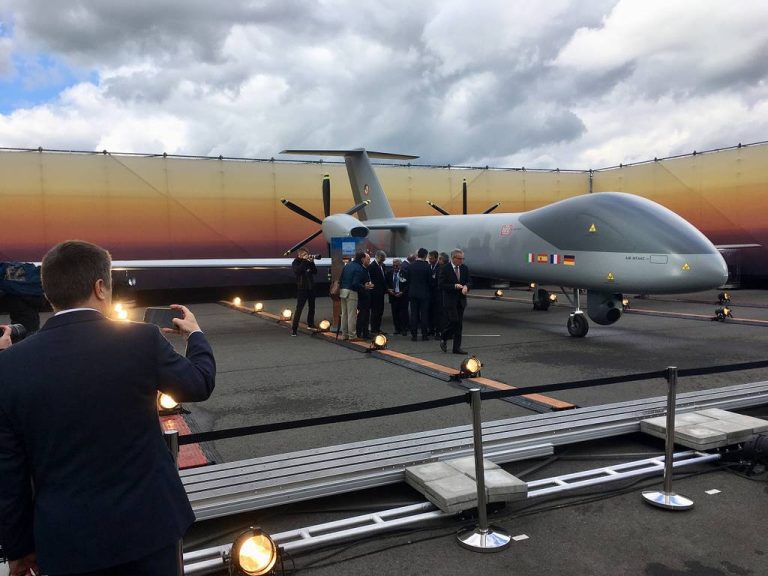
OCCAR is a European organization that manages defense-equipment projects, with an operational budget of about €6 billion ($6.5 billion) and a portfolio of 17 projects including the A400M air lifter, the FREMM multi-mission frigate and the Eurodrone. The group was founded in 2001 by France, the U.K., Germany and Italy, with Spain and Belgium joining several years later.

“The Russian war in Ukraine and increasing threats and conflicts globally underscore the importance of a strong European industrial base,’’ the Dutch ministry said.

The government “wants the Netherlands to play a leading role in driving European defense cooperation,” the ministry said.”Membership in OCCAR fits within that ambition.”

The Netherlands has boosted defense spending following Russia’s invasion of Ukraine in February, with the budget for defense rising to €15 billion in 2023 from around €12 billion in 2022, and more than €21 billion budgeted for 2024.

The countries in OCCAR work together to lower costs and increase efficiency in the development and acquisition of new weapon systems, and joining will allow the Netherlands to remain close to key European partners, and accelerate the implementation of equipment projects, the ministry said.

Membership will also allow Dutch defense companies to more easily participate in projects managed by the group, as well as compete for European projects, even if the Netherlands does not participate itself.

Dutch Defence Minister Kajsa Ollongren informed parliament of the intention to join. The intention will be assessed by the OCCAR members, and actual accession for the Netherlands will go through a parliamentary treaty procedure, according to the ministry.

Rudy Ruitenberg is a Europe correspondent for Defense News. He started his career at Bloomberg News and has experience reporting on technology, commodity markets and politics.

Five Reasons Why Most Preppers Won’t Survive A SHTF Event

0

In the world of prepping, where individuals strive to be self-sufficient in the face of unforeseen disasters, there exists a common misconception that thorough preparation guarantees survival. However, the reality is far more complex, as evidenced by the startling fact that many preppers may find themselves ill-equipped to weather a SHTF (Sh*t Hits The Fan) event successfully.

Not all preppers are created equal. Despite diligent preparation, a significant number may find their survival strategies lacking when confronted with a genuine emergency scenario. In this article, we will explore five critical reasons why the majority of preppers might falter when confronted with a genuine survival scenario.

1. Their families are a liability

The prevalent misconception among preppers revolves around the assumption that they can handle every aspect of a crisis independently, inadvertently sidelining the significance of integrating their families into their survival plans.

It’s not just about having a well-stocked pantry or a secure location; it’s about fostering a collective effort where each member of the household is not only aware but also trained and prepared to contribute to the overall well-being. Ignoring this dynamic can lead to internal strife, compromised defenses, and a diminished likelihood of survival. Recognizing the importance of a united family front is paramount.

Moreover, it’s essential to acknowledge that communication is a linchpin in family preparedness. Each family member should have a reliable means of contacting one another, even in the absence of conventional communication channels. Whether through designated walkie-talkies, emergency radios, or alternative communication apps, having a communication plan ensures that everyone stays connected during the chaos of a disaster. This proactive approach reduces uncertainty and facilitates coordinated responses.

Many preppers fail to consider the emotional toll a survival scenario can take on their families. Children, in particular, may struggle to cope with the abrupt shift from normalcy to crisis mode. Including them in survival drills and discussions can help mitigate the psychological impact and foster a sense of security within the family unit.

Additionally, establishing various meeting points becomes crucial. In a disaster where standard transportation and communication methods may be compromised, having predetermined meeting places provides a reliable framework for family members to reunite. This strategic planning ensures that, even in the face of chaos, families can come together efficiently, pooling their resources and strengths to enhance their overall chances of survival.

2. They don’t have an exit plan

While some preppers adopt a staunch “bugging in” stance, intending to ride out the storm within the safety of their well-stocked fortresses, they often neglect a crucial aspect – having a comprehensive exit plan.

Natural disasters are notorious for their unpredictability, capable of displacing entire communities and rendering pre-established shelters obsolete. Without an adaptable evacuation strategy, preppers risk losing the fruits of their labor. A well-thought-out plan not only ensures adaptability but also guarantees the preservation of resources in unpredictable circumstances.

Consider, for instance, the challenges posed by a rapidly spreading wildfire or a flood. Such scenarios necessitate not only a secure shelter but also a well-charted route to safety. This requires preppers to invest time in surveying their local terrain, understanding potential escape routes, and coordinating with fellow community members to enhance the chances of a successful evacuation.

In terms of relocation options when a natural disaster forces preppers to evacuate, several possibilities can be explored:

Families and Friends: Reaching out to trusted family members or friends who live in less affected areas can provide a secure and familiar refuge. Establishing these connections in advance and having agreements in place can facilitate a smoother transition during times of crisis.

National Parks and Public Land Domain: National parks and public lands, if strategically located, can serve as temporary safe havens. Preppers should research and identify parks that are less prone to the specific types of natural disasters common in their region. However, it’s crucial to respect and adhere to any regulations governing these areas.

Community Centers and Emergency Shelters: Local community centers and designated emergency shelters can provide immediate refuge during a crisis. Being aware of the locations of these facilities and the services they offer can be crucial for preppers seeking a temporary haven.

Remote Cabins or Retreats: Some preppers invest in remote cabins or retreats situated in less populated and disaster-prone areas. These properties, if properly stocked and fortified, can be viable options for relocation during an evacuation.

Renting Temporary Housing: Exploring the option of renting temporary housing in a nearby town or city that is less affected by the disaster can offer a practical solution. Having financial resources allocated for such contingencies is crucial for preppers.

Campgrounds and RV Parks: Campgrounds and RV parks can provide a makeshift but functional solution for temporary shelter. Preppers with mobile homes or trailers can consider these locations as they often offer basic amenities and a sense of community.

While FEMA camps are often considered a last resort due to concerns about overcrowding and limited resources, having knowledge of their locations and procedures can be useful in extreme situations. It’s essential to keep in mind that the suitability of each option depends on the nature of the disaster, the prepper’s specific circumstances, and the resources available to them.

As with any aspect of prepping, thorough research and preparation are key to successfully navigating the challenges of evacuation and relocation during a natural disaster.

Medical banner

3. They are lone wolves

The lone wolf mentality, pervasive among preppers, assumes that individual skills will suffice in any survival scenario. While commendable, this stance overlooks the diversity of skill sets and perspectives a group can provide. Building a network of trustworthy companions significantly enhances the chances of survival. A collective effort brings a range of skills and resources to the table, mitigating the vulnerabilities associated with relying solely on one’s capabilities.

Moreover, the psychological benefits of companionship during a crisis cannot be overstated. Loneliness and isolation can lead to heightened stress levels, impairing decision-making abilities. A well-rounded group provides not only additional skill sets but also emotional support, creating a more resilient and adaptable team in the face of adversity.

4. They don’t plan for the most dangerous element of survival scenarios: humans.

In the midst of a SHTF event, survival often hinges on navigating the unpredictable terrain of human behavior. Preppers who place unwavering trust in the inherent kindness of others may find themselves in perilous situations.

When disaster strikes, priorities shift, and neighbors may become adversaries, prioritizing their families’ well-being over communal harmony. Recognizing and preparing for the potential dangers posed by other humans is crucial for ensuring personal safety and security during times of crisis.

Consider the psychological phenomenon known as the “bystander effect,” where individuals are less likely to offer assistance in a crisis when others are present. This effect can be amplified during a large-scale disaster, emphasizing the importance of self-reliance and caution when interacting with fellow survivors. Developing strategies to navigate human dynamics, such as conflict resolution and negotiation skills, becomes just as essential as mastering wilderness survival techniques.

5. They don’t know their environment

they don’t know their environment

Understanding and adapting to the local environment is a fundamental aspect of effective prepping. Unfortunately, many preppers overlook the significance of comprehensive environmental knowledge. Familiarity with local resources, potential hazards, and strategic locations can be the difference between success and failure in a survival situation. Those who have taken the time to study and understand their surroundings will have a distinct advantage in the scramble for essentials.

Consider the diversity of environments that preppers may find themselves in – from urban settings to rural landscapes, each presenting unique challenges and opportunities. Knowing where to find potable water sources, edible plants, and potential shelter locations specific to the region can be the key to sustained survival. In fact, understanding local wildlife behavior and potential hazards, such as poisonous plants or dangerous animals, adds an additional layer of preparedness.

As previously emphasized, the human factor significantly influences the likelihood of survival within a given environment, particularly in densely populated areas. In scenarios where resources are limited, individuals will invariably compete for the same necessities, potentially escalating into conflicts that necessitate proactive self-defense measures. In situations of desperation, one must employ every available means to protect oneself.

In the context of scarce resources, the environment becomes akin to a highly competitive landscape, demanding a strategic approach for individuals to secure their needs. In such circumstances, the adage “it’s a dog-eat-dog world” aptly captures the competitive nature of resource acquisition. To navigate this complex environment successfully, it is imperative to embody an assertive yet prudent demeanor.

For those who may not possess the inclination or ability to assert dominance (become the “Alpha”), developing the proficiency to maintain a low profile becomes paramount. Acquiring the skills to discreetly obtain essential resources without drawing unnecessary attention is a valuable asset. In essence, the capacity to operate clandestinely and protect one’s interests in a discreet manner can be as crucial as possessing obvious defensive capabilities.

Concluding

ss power your home optimised

The journey of a prepper extends far beyond accumulating supplies and building fortifications. To truly thrive in the face of a SHTF event, one must address the human, environmental, and social aspects of survival.

By recognizing the limitations of a solo approach, developing comprehensive plans, fostering community ties, acknowledging the unpredictable nature of human behavior, and intimately knowing one’s environment, preppers can significantly increase their chances of not just surviving but thriving in the tumultuous aftermath of a disaster.

Other Useful Resources:

Planning To Evacuate The City When The SHTF

Find Out What’s the Closest Nuclear Bunker to Your Home

Learn how to Safeguard your Home against Looters

Knowledge to survive any medical crisis situation during a major disaster

Israel and Hamas truce idiocy

0

Discussion in ‘General Discussion‘ started by johnbb, Nov 24, 2023 at 10:29.


  1. johnbb
    Monkey+++


    I can remember my time in Vietnam when we seemed to have one truce after another for some idiot reason. All it did was allow the NVA to regroup and repair the Ho Chi Minh trail and bring down more supplies. Truce would end and the NVA fought just as hard. Hamas has not renounced their intention to destroy Israel all you are doing is placate the left and allowing Hamas to regroup. Wars are not won with truces


    Hanzo likes this.


survivalmonkey SSL seal


survivalmonkey.com warrant canary

Prayer request

0

My cousins husband a fellow Vietnam vet AF fighter pilot battled throat cancer and won but has been diagnosed with a different cancer and been given 6 months to a year. Come to find out pilots and ground crews have a much higher rate of all types of cancer, My cousin Sue and her husband Art have been together since high school, nicest guy you could ever meet. I'm praying he can beat this one too.

What are the benefits of a trampoline for kids?

0

Trampolines are a great way for kids to get exercise and have fun at the same time. When looking for a trampoline for kids, it’s important to consider safety first.

Here are some things to keep in mind:

Size: Make sure the trampoline is an appropriate size for your child and the space you have available.

Safety net: A safety net around the trampoline can prevent falls and injuries.

Padding: Look for a trampoline with thick padding around the edges to protect against injury.

Weight limit: Make sure the trampoline can support the weight of your child and any friends who may use it.

Quality: Choose a trampoline made from high-quality materials that will withstand use and weather.

Overall, trampolines can be a lot of fun for kids, but it’s important to make sure they’re safe and used properly to avoid accidents or injuries.

Is a trampoline a good idea for kids?
Yes, a trampoline can be a good idea for kids as it provides them with a fun and engaging outdoor activity. Additionally, bouncing on a trampoline can be a great form of exercise, promoting physical fitness and cardiovascular health. However, it is important to ensure proper safety measures are in place, such as adult supervision, safety nets, and padding, to prevent accidents and injuries. If you want to exercise your kids and want to buy a trampoline, you can buy Relife Sports 48 Inch jump trampoline with handle for rebounder workout, this trampoline can keep the body healthy and is suitable for kids and adults. Moreover, this trampoline is relatively quiet and can help you achieve your fitness goals.

What are the benefits of a trampoline for kids?

Trampolines can provide several benefits for kids. Here are a few:

Physical exercise
Trampolining is a fun way for kids to engage in physical activity and exercise. Jumping on a trampoline helps improve cardiovascular health, strengthens muscles, and enhances motor skills.

Balance and coordination
Jumping on a trampoline requires coordination and balance. As kids bounce and maneuver, they develop better spatial awareness, balance, and coordination skills.

Bone strength
Regular trampoline use can contribute to the development of strong bones. The repeated jumping motion helps increase bone density, which is particularly beneficial for growing children.

Core strength
The act of bouncing on a trampoline engages the core muscles, including the abdominal and back muscles. This helps strengthen the core, leading to better posture, stability, and overall strength.

Lymphatic system stimulation
Jumping on a trampoline stimulates the lymphatic system, which plays a vital role in removing toxins from the body. This can help boost the immune system and promote overall wellness.

Social interaction
Trampolines often encourage social interaction and play among kids. Whether it’s jumping together or taking turns, trampolines provide opportunities for children to interact, bond, and have fun with their peers.

While trampolines offer many benefits, it’s important to prioritize safety. Adult supervision, proper safety equipment, and adherence to trampoline usage guidelines are crucial to ensure a safe and enjoyable experience for kids.


Happy Thanks Giving from the World Bank Investment Committee

0

Here's a little good news for all y'all turkey eating consumers that need something to be thankful for: The Turkey Stock Market is expected to trade at 7360.17 points by the end of this quarter, according to Trading Economics global macro models and analysts expectations. Looking forward, we estimate it to trade at 6058.87 in 12 months time.
Bet it never occurred to you that a traditional holiday meal not only has the support of the world bank and stock exchange, numerous small investors,…

Happy Thanks Giving from the World Bank Investment Committee