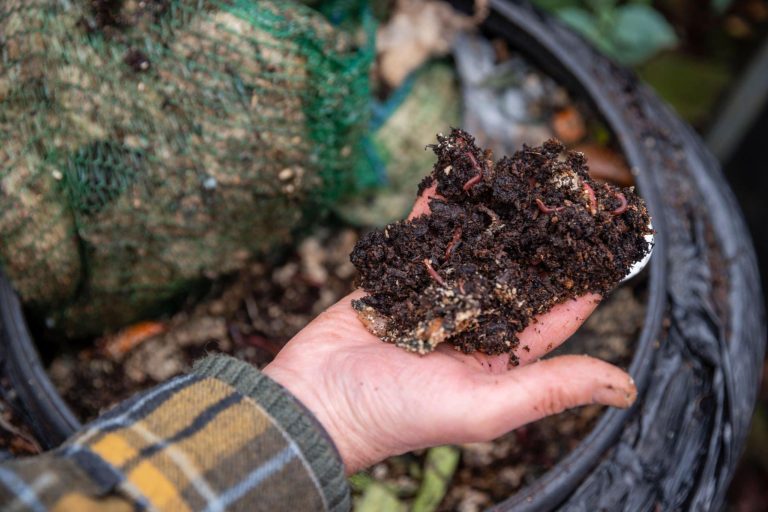
Engaging in worm farming might seem deceptively simple, but don’t underestimate the challenge of giving each of those slippery little creatures a distinct brand! Alright, perhaps “farming” isn’t the most accurate term; we’re actually delving into the world of composting, more specifically known as vermicomposting.
In the natural order of things, the perpetual cycle of recycling breaks down any formerly living material into essential nutrients for plants. However, if you leave your pile of leaves and grass clippings to their own devices, it could take years for them to fully compost.
Enter the earthworms, a segmented classification of worms, ready to turbocharge the process. By introducing organic matter to these underground allies, you can witness the magic unfold, turning your kitchen scraps, paper products, and other organic waste into nutrient-rich compost in as little as three months.
Vermicomposting, the technical term for employing worms in the composting process, results in the creation of vermicompost or vermicast. Think of these castings, colloquially known as worm poop, as the black gold of organic gardening. Harvesting this nutrient-rich material provides an eco-friendly alternative to chemical fertilizers, offering a potent boost to plant and flower growth while fortifying their immune systems.
Adding a personal touch to your vermicomposting adventure, consider creating a cozy, sustainable habitat for your earthy collaborators. Optimal conditions for worm productivity involve maintaining a balanced mix of greens and browns, ensuring a comfortable temperature, and perhaps even playing some soothing tunes for your subterranean workforce. Remember, happy worms mean flourishing gardens!
Choosing the Right Worms for the Job
Embarking on a journey of worm-driven composting requires a strategic selection of worm species, rather than a haphazard gathering of whatever crawlers happen to reside in your backyard. Achieving top-notch castings demands worms that not only thrive in container living but also excel at processing organic waste. Forget about simply digging up any garden-variety worm; the results are likely to be less than stellar.
For those venturing into the world of vermicomposting, it’s advisable to procure worms from a seasoned supplier rather than relying on the local bait shop. Find a reliable source at findworms.com to ensure you’re getting worms that are well-suited for the task.
Enter the star of the vermicomposting show: the red wiggler, scientifically known as Eisenia fetida. This particular worm species stands out as the go-to choice for worm farming enthusiasts. Unlike their solitary earthworm counterparts that dwell in permanent burrows, red wigglers are communal creatures, randomly navigating through the litter layer of topsoil. One of their noteworthy traits is their aversion to light, reducing the likelihood of escape and making them ideal for container-based composting setups.
What makes red wigglers truly remarkable is their impressive reproductive rate and voracious appetite. These diligent workers can consume over half their body weight in organic debris every day, ensuring a rapid and efficient conversion of your kitchen scraps and other waste into nutrient-rich castings. Choosing the right worms sets the stage for a successful vermicomposting venture, promoting both environmental sustainability and thriving gardens.
Deciding Between DIY and Ready-Made Worm Farms
When it comes to worm farming, the choice between building your own bin and purchasing a pre-designed farm is a pivotal decision. While constructing a worm-composting bin from scratch isn’t overly complicated, ensuring it caters to your worms’ specific needs is paramount.
Consider factors like providing ample room for drainage and incorporating enough ventilation holes to maintain optimal airflow. Redworms, known for their occasional escapades, may attempt to crawl out, so keeping a light on over them or opting for a bin with a secure lid can help keep them content underground.
For those inclined towards convenience and efficiency, “buying the farm” is a compelling recommendation. Commercial vermiculture bins, such as the Hungry Bin and the Worm Factory, are meticulously designed with food waste recycling in mind.
These bins typically feature multiple tiers, allowing for easy enticement of worms to an upper tray with food, facilitating the harvesting of worm castings from a lower tray. An added perk is the presence of a bottom spout, enabling the collection of leachate—an incredibly potent liquid fertilizer.
An attractive feature of these ready-made worm farms is their minimal odor when lids are securely in place, prompting many worm enthusiasts to position their bins indoors for temperature stability. However, if an outdoor location is preferred, ensure the composters are sheltered in a covered, shady, and well-ventilated area. Direct exposure to sun, rain, or freezing temperatures should be avoided to safeguard the well-being of your worm workforce.
Whether you opt for a DIY approach or choose a commercial solution, creating an ideal habitat for your worms is the key to a successful and odor-free vermicomposting experience.
Mastering Worm Care: 3 Vital Steps for a Thriving Worm Farming

Caring for your worms is a responsibility that comes with the territory of extracting them from their natural habitat. To ensure their health and survival in the artificial environment of a vermicomposting system, focusing on key aspects like food management, bedding, temperature, and moisture is crucial.
Bedding: Think of bedding as the luxurious “worm dirt” where your wriggly companions call home. Begin with a newspaper page foundation and layer 4 to 6 inches of bedding material, choosing from options like coconut coir, peat moss, or fine mulch. Coconut coir, derived from coconut husks, stands out as an excellent choice due to its moisture-retaining abilities and effective air circulation. Disturbing the bedding excessively can hinder breeding and feeding, so strive to keep intrusions to a minimum for optimal results.
Moisture: Unlike humans, redworms lack lungs and absorb oxygen through their delicate skin. Maintaining the right moisture level is essential for their survival. Perform the “squeeze test” on the bedding from time to time – if a few drops of water emerge and the bedding retains a firm ball shape after release, you’ve hit the moisture sweet spot. When adding food rich in moisture, such as fruit, you may find that additional water is unnecessary.
Feed: Understanding the dietary preferences of red wigglers is key to their well-being. These surface feeders focus on the top 3 to 5 inches of material in your bin. Start by introducing their favorites, like melon rinds placed with the juicy part facing down. Enhance their diet with a handful of sand for digestive aid and another handful of crushed eggshells for calcium to support reproduction.
Maintain a balanced diet for your worms, consisting of approximately half kitchen scraps and half fiber, such as paper or crushed leaves. Offer fruit and vegetable peelings, coffee grounds, and tea bags. A bit of chopping facilitates decomposition. Remember not to overfeed, avoiding items like meat, bones, white flour, sugar, salt, vinegar, juice, preservatives, oils, or dairy products.
Worms are not fans of heated or partially composted food, so wait until the previous feeding is nearly consumed before introducing new food to the fresh section of the container, covering it with additional bedding material. Mastering these three key elements ensures a harmonious and thriving vermicomposting experience for both you and your earthy companions.
Unlocking the Potential of Leachate and Worm Tea in Vermicomposting
The essence of worm farming lies in reaping the rewards of nature’s alchemy – the prized byproducts known as leachate and castings – to nourish your garden. As the composting process unfolds, gravity takes charge, guiding moisture through the worm-rich soil and collecting nutrient-rich particles, or leachate, in the bottom tray.
To harvest this liquid gold, position a container beneath the spigot, and with a simple turn of the valve, let the nutrient-laden liquid flow.
Post-collection, a transformative step awaits. Dilute the concentrated leachate with an equal part of water, then perform a gentle pour from one container to another, introducing precious oxygen into the mix. This concoction becomes a natural liquid fertilizer, ready to grace your plants with its nourishing benefits when used for watering or spraying.
However, a word of caution is in order. Opinions diverge on the utilization of leachate due to its potential drawbacks. While it can serve as an effective liquid fertilizer, there’s a caveat – under specific circumstances, leachate may harbor toxic anaerobic microbes, posing risks to both plants and consumers. For those inclined to err on the side of caution, an alternative approach is brewing up a batch of worm tea.
Worm tea, a favored elixir among vermicompost enthusiasts, is a carefully crafted liquid fertilizer derived from the castings. By steeping the castings in water and aerating the mixture, you create a potent brew that sidesteps concerns associated with leachate.
This nutrient-rich tea offers a safe and effective alternative for nourishing your plants, ensuring their well-being without the potential pitfalls associated with certain forms of leachate. Embrace the versatility of nature’s elixirs, tailoring your approach based on your preferences and the well-being of your green companions.
Harvest Time

As the culmination of months of diligent worm farming approaches, the anticipation of harvesting soil-enriching castings brimming with live microorganisms, plant growth hormones, and essential nutrients takes center stage. These castings stand as a testament to the vermicomposting process, often likened to premium slow-release fertilizers for their ability to sustain life in the soil and gradually release nutrients over the long term.
As harvest time nears, a strategic addition comes into play. Introduce another layer to your worm bin, especially if it’s a homemade one. Lay a piece of window screen, tailored to fit the bin with worm-passable holes, over the existing bed. Follow this with a generous infusion of fresh bedding and food in the newly added top layer.
The allure of the fresh provisions will beckon the worms upward, creating an opportune moment for the impending harvest. After a few months of diligent worm activity, simply lift out the top layer to reveal the treasure trove of castings in the bottom layer.
To bestow an immediate boost upon your plants, consider the wonders of worm compost tea. Blend 1 cup of castings with a gallon of dechlorinated water (achieved by letting tap water sit overnight). To stimulate microbial growth, add molasses to the mix, then aerate the concoction using an aquarium pump. The resulting solution, a potent elixir, should be utilized within 12 hours as a root drench or foliar spray, infusing your plants with vitality.
Vermicomposting has surged in popularity, offering a wealth of information through workshops, blogs, books, videos, websites, and e-newsletters. This abundant knowledge base reflects the growing enthusiasm for harnessing the power of worms to cultivate nutrient-rich castings, elevating the art of gardening to new heights.
Mastering the Art of Worm Farming: 10 Essential Tips for Success
Embarking on the journey of worm farming demands a keen understanding of the delicate ecosystem you’re nurturing. To ensure the survival and prosperity of your earthy companions, consider these ten indispensable tips:
- Create a Home Away from Home: As custodian of your worms, providing a suitable environment becomes your responsibility, given they’re no longer in their natural habitat.
- Optimal Drainage and Ventilation: Guarantee the well-being of your wriggly workforce by ensuring your worm farm boasts excellent drainage and ventilation.
- Shelter is Key: Always provide shelter for your composting comrades, shielding them from the harsh elements.
- Dodge Extreme Conditions: Protect your worms from direct sunlight, rain, and freezing temperatures, preserving their comfort and vitality.
- Premium Bedding Choices: Elevate their living quarters with top-notch bedding such as coconut coir, peat moss, or fine mulch, ensuring a cozy and conducive environment.
- Respect Their Space: Minimize disruptions to their abode by refraining from disturbing the bedding excessively; let them work their composting magic in peace.
- Maintain Optimal Moisture: Strike the right balance by providing adequate moisture, keeping your worms consistently damp for optimal health.
- Feed with Precision: Kickstart their dining experience with melon rinds, placed facing down, accompanied by a generous helping of sand and crushed eggshells for a balanced diet.
- Balanced Diet: Maintain a harmonious diet by feeding them a mix of half kitchen scraps and half fiber, such as paper or crushed leaves, ensuring a well-rounded nutritional intake.
- Practice Moderation: Exercise restraint in feeding; avoid overfeeding by waiting until their food is nearly consumed before introducing a fresh supply, allowing for a healthier composting cycle.
These ten fundamental tips serve as the cornerstone for successful worm farming, empowering you to foster a thriving ecosystem that benefits both your worms and the environment they inhabit.
A Guide to Supercharging Red Wigglers for Fishing
When it comes to live bait, nightcrawlers are a perennial favorite among anglers, but their elusive nature and susceptibility to quick demise underwater make them a challenging choice for cultivation. Enter the red wiggler – a resilient alternative with a longer underwater lifespan and a persistent wriggling allure on your fishing hook.
While red wigglers may lack the size of nightcrawlers, you can overcome this limitation and enhance their appeal as fishing bait by providing them with a nutrient-packed worm superfood.

Here’s a recipe to supersize your red wigglers for a more enticing fishing experience:
Worm-Fattening Recipe:
- 1 cup agricultural lime, bone meal, or powdered oyster shell
- 1 cup wheat flour or corn flour
- 2 cups bran meal or wheat meal
- 4 cups alfalfa meal or pellets
- 5 cups chicken layer pellets or crumbles
- 1 cup powdered milk
By incorporating this specially crafted superfood into their diet, you’ll witness your red wigglers undergoing a transformation, growing plumper and more robust. This nutrient-rich regimen not only enhances their size but also contributes to their overall health, ensuring they remain lively on the hook for an extended period.
Elevate your fishing game by taking the initiative to fatten up your red wigglers with this specially formulated superfood, turning them into irresistible bait that will undoubtedly attract the attention of even the most elusive fish.
Concluding
In the art of vermicomposting and worm farming, these expertly crafted tips and insights serve as a roadmap to success. Whether building or buying your farm, nurturing the ideal environment, or maximizing harvests, the journey becomes a harmonious dance with nature. From the careful selection of worm varieties to the cultivation of nutrient-rich castings, every step is a testament to our stewardship of these humble yet vital creatures.
As we embrace the delicate balance of moisture, bedding, and nutrition, we unlock the transformative potential of worm composting, fostering thriving gardens and sustainable practices.
Additional resources:
A few compost recipes for all your gardening needs
If you see this plant in your backyard, don’t touch it!
Smart tips for gardening on dry soil
The #1 food of Americans during the Great Depression