Guess who is paying for this

0

"The Justice Department has reached a deal to pay approximately $100 million to 100 women and girls who were sexually assaulted by former national women's gymnastics team doctor Larry Nassar."

We the tax payer will pay this—Justice Department should have their budget reduced 100 million better yet cut the staff by 100 million $$$

The Best Gardening Methods For Preppers – Part II

0

In the first part of our article on gardening methods for preppers and survivalists, we covered the world of underground gardening, discussing the secrets of root cellar gardening and underground greenhouses. We explored how these innovative techniques harness the natural properties of the earth to create stable and controlled environments for growing fresh produce year-round, even in the most challenging conditions.

Building on this foundation, we now turn our attention to advanced gardening techniques that push the boundaries of traditional soil-based cultivation. Hydroponics and aeroponics offer preppers and survivalists efficient and space-saving alternatives to conventional gardening methods, allowing for high yields in limited spaces and resource-constrained environments.

In this second part, we’ll explore the principles of hydroponic and aeroponic gardening, uncovering their advantages, challenges, and practical applications for resilient food production. From nutrient-rich water solutions to suspended plant roots and misting systems, and towering gardens, we’ll get into the cutting-edge technologies and innovative practices that are revolutionizing the way we grow food in the modern age.

Gardening methods for preppers

Hydroponics

Hydroponics, a method of growing plants without soil, has gained significant popularity in recent years due to its efficiency, versatility, and ability to produce high yields in limited space. By providing plants with a nutrient-rich water solution directly to their root systems, hydroponic systems offer preppers and survivalists a sustainable and space-saving alternative to traditional soil-based gardening.

Types of Hydroponic Systems:

Deep Water Culture (DWC): In DWC systems, plants are suspended in a reservoir filled with a nutrient solution, allowing their roots to grow freely in the oxygenated water. Air stones or pumps are used to provide oxygen to the roots, promoting healthy growth and preventing root rot. DWC systems are simple to set up and ideal for growing leafy greens, herbs, and certain fruiting crops.

Nutrient Film Technique (NFT): NFT systems utilize a continuous flow of nutrient solution that flows along a shallow, sloped channel, allowing plant roots to absorb nutrients while remaining exposed to air. The nutrient solution is recirculated through the system, minimizing water waste and nutrient runoff. NFT systems are well-suited for growing fast-growing crops like lettuce, strawberries, and herbs.

Ebb and Flow (Flood and Drain): Ebb and flow systems intermittently flood plant roots with a nutrient solution before draining it back into a reservoir. This cycle of flooding and draining ensures that roots receive ample oxygen while maintaining optimal moisture levels. Ebb and flow systems are versatile and can accommodate a wide range of plants, including vegetables, fruits, and flowers.

Drip System: Drip systems deliver a controlled amount of nutrient solution directly to the base of each plant through a network of tubing and emitters. This precise delivery method conserves water and nutrients while providing plants with the essential elements they need for growth. Drip systems are customizable and adaptable to various plant types and growing environments.

Aeroponics: Aeroponic systems suspend plant roots in the air and mist them with a nutrient solution at regular intervals. This allows for maximum oxygen exposure to the roots, promoting rapid growth and nutrient uptake. Aeroponic systems are highly efficient and space-saving, making them ideal for vertical gardening and urban agriculture.

frontbookbnr1

Advantages of Hydroponic Systems:

Water Efficiency: Hydroponic systems use significantly less water than traditional soil-based gardening, as water is recirculated within the system and not lost to evaporation or runoff.

Space Optimization: Hydroponic systems can be designed to maximize vertical space, making them ideal for urban environments, small yards, or indoor gardening setups.

Faster Growth Rates: Plants grown hydroponically often exhibit faster growth rates and higher yields compared to soil-grown plants, thanks to the direct access to water, nutrients, and oxygen.

Year-Round Production: With controlled indoor environments, hydroponic systems enable year-round production of fresh produce regardless of external weather conditions or seasonal limitations.

Reduced Pest and Disease Pressure: Soil-borne pests and diseases are minimized in hydroponic systems, reducing the need for chemical pesticides and fungicides and promoting a healthier growing environment.

Considerations for Hydroponic Gardening:

Nutrient Management: Maintaining the proper balance of nutrients in the water solution is essential for plant health and productivity. Regular monitoring and adjustment of nutrient levels are necessary to prevent deficiencies or toxicities.

pH Regulation: pH levels in hydroponic systems must be carefully monitored and adjusted to ensure optimal nutrient uptake by plant roots. Most plants thrive in slightly acidic to neutral pH ranges (5.5-6.5).

Lighting Requirements: Supplemental lighting may be necessary for hydroponic systems, especially in indoor or low-light environments. LED grow lights are commonly used to provide the necessary light spectrum for photosynthesis and plant growth.

System Maintenance: Regular cleaning and maintenance of hydroponic systems are essential to prevent algae growth, clogging, and nutrient imbalances. Cleaning schedules, reservoir checks, and system inspections should be performed routinely to ensure optimal performance.

Aeroponics

growing salad with aeroponics

Aeroponics represents a cutting-edge approach to plant cultivation, pushing the boundaries of traditional gardening by suspending plant roots in the air and delivering nutrients directly through a fine mist. This innovative method offers preppers and survivalists a space-efficient, water-saving, and highly productive alternative to soil-based and hydroponic gardening systems.

How Aeroponics Works:

In aeroponic systems, plants are grown in a soilless environment, with their roots suspended in a chamber or growing medium. A nutrient-rich water solution is then sprayed or misted onto the roots at regular intervals using high-pressure misters or atomizers. This precise delivery method ensures that plant roots receive oxygen, moisture, and nutrients in optimal proportions, promoting rapid growth and healthy development.

Types of Aeroponic Systems:

Low-Pressure Aeroponics: Low-pressure aeroponic systems utilize simple misting nozzles or spray heads to deliver nutrient solution to plant roots. These systems are easy to set up and operate, making them suitable for beginners and small-scale growers.

High-Pressure Aeroponics: High-pressure aeroponic systems use specialized misting equipment to generate fine droplets of nutrient solution at high pressure. This results in a more uniform and efficient delivery of nutrients to plant roots, promoting faster growth and higher yields. High-pressure systems are often used in commercial aeroponic operations and advanced gardening setups.

Advantages of Aeroponic Systems:

Water Efficiency: Aeroponic systems use significantly less water than traditional soil-based gardening and even some hydroponic systems. By delivering nutrients directly to plant roots in a mist form, aeroponics minimizes water waste and maximizes resource efficiency.

Space Optimization: Aeroponic systems can be designed to maximize vertical space, making them ideal for urban environments, small yards, or indoor gardening setups. With suspended plant roots and misting equipment, aeroponic gardens can thrive in confined spaces, allowing for high-density planting and increased productivity.

Rapid Growth Rates: Plants grown aeroponically often exhibit faster growth rates and higher yields compared to soil-based and hydroponic systems. The direct access to oxygen, moisture, and nutrients promotes vigorous root development and nutrient uptake, leading to accelerated plant growth and abundant harvests.

Root Health and Disease Resistance: Aeroponic systems provide optimal conditions for root health and disease resistance, as plant roots are exposed to oxygen-rich mist and nutrient solution. This promotes robust root development and minimizes the risk of soil-borne pests and diseases commonly encountered in traditional gardening.

Year-Round Production: With controlled indoor environments, aeroponic systems enable year-round production of fresh produce regardless of external weather conditions or seasonal limitations. By providing plants with the ideal growing conditions, aeroponics ensures a continuous supply of nutritious food for preppers and survivalists.

Considerations for Aeroponic Gardening:

Misting Frequency and Duration: Proper timing and duration of misting cycles are crucial for plant health and productivity in aeroponic systems. Monitor humidity levels, root moisture, and plant growth to adjust misting settings accordingly and prevent over- or under-watering.

Nutrient Solution Management: Maintaining the correct balance of nutrients in the water solution is essential for plant growth and development in aeroponic systems. Regular monitoring and adjustment of nutrient levels are necessary to prevent deficiencies or toxicities and promote healthy plant growth.

Root Zone Temperature: Monitoring and controlling root zone temperature are critical for optimizing nutrient uptake and plant growth in aeroponic systems. Maintain root temperatures within the ideal range for the specific plant species being grown, typically between 65°F and 75°F (18°C to 24°C).

System Design and Maintenance: Proper design and maintenance of aeroponic systems are essential to ensure optimal performance and long-term viability. Regular cleaning, inspection, and calibration of misting equipment, reservoirs, and nutrient delivery systems are necessary to prevent clogging, algae growth, and nutrient imbalances.

The innovative technologies and principles of aeroponic gardening help preppers, and survivalists cultivate a reliable source of fresh produce year-round, maximizing space, conserving resources, and enhancing self-sufficiency in any situation. With careful planning and implementation, aeroponic systems offer a sustainable and resilient solution for resilient food production in an ever-changing world.

Tower Gardening

tower gardening on a balcony

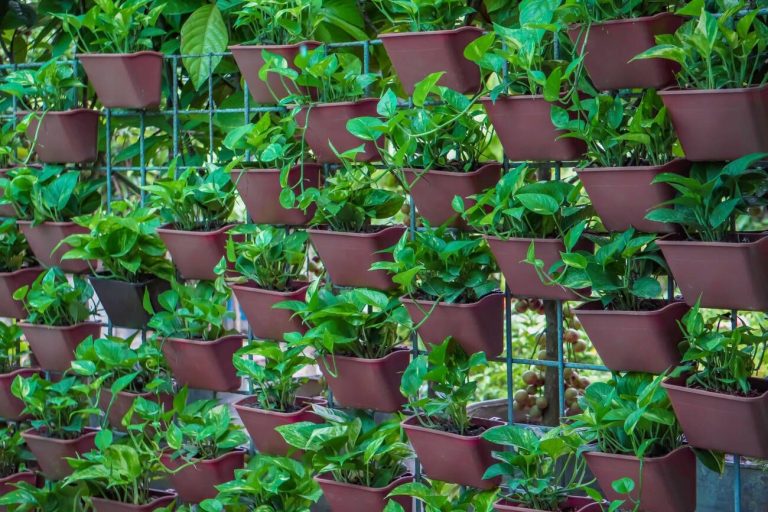
Tower gardening is a vertical gardening technique that maximizes space efficiency by stacking multiple growing levels vertically, resembling a tower. This innovative approach allows preppers and survivalists to cultivate a wide variety of plants in a compact footprint, making it ideal for urban environments, small yards, or indoor gardening setups. Tower gardens utilize soilless growing media and nutrient-rich water solutions to provide plants with everything they need for healthy growth and abundant harvests.

How Tower Gardening Works:

Tower gardens consist of vertical towers or columns with multiple planting levels, each equipped with growing cups or pockets to hold plants. Nutrient-rich water is circulated through the tower, either through a recirculating system or a drip irrigation setup, delivering essential nutrients directly to the roots of each plant. This continuous flow of water ensures optimal hydration and nutrient uptake, promoting vigorous growth and abundant yields.

Advantages of Tower Gardening:

Space Optimization: Tower gardening maximizes growing space by utilizing vertical space, allowing growers to cultivate a large number of plants in a small footprint. This makes it ideal for urban environments, balconies, patios, and indoor spaces with limited square footage.

Versatility: Tower gardens can accommodate a wide variety of plants, including leafy greens, herbs, vegetables, fruits, and even flowers. Growers have the flexibility to experiment with different plant varieties and growing techniques, adapting the tower garden to suit their preferences and needs.

Water Efficiency: Tower gardening is inherently water-efficient, as water is recirculated within the system and not lost to evaporation or runoff. This makes it a sustainable option for water-conscious gardeners and those seeking to minimize water usage in their gardens.

Year-Round Production: With controlled indoor environments, tower gardens enable year-round production of fresh produce regardless of external weather conditions or seasonal limitations. By providing plants with the ideal growing conditions, tower gardening ensures a continuous supply of nutritious food for preppers and survivalists.

Easy Maintenance: Tower gardens are relatively low-maintenance compared to traditional soil-based gardening, as there is no need for weeding, tilling, or heavy lifting. Routine maintenance tasks include monitoring nutrient levels, checking water pH, and pruning plants as needed to promote healthy growth.

Considerations for Tower Gardening:

pocketgardenbnr1

Lighting Requirements: Adequate lighting is essential for successful tower gardening, especially in indoor or low-light environments. Supplemental lighting may be necessary to provide plants with the optimal light spectrum for photosynthesis and growth. LED grow lights are commonly used to provide the necessary light intensity and spectrum for plant growth in tower gardens.

Nutrient Management: Monitoring and maintaining nutrient levels in the water solution are crucial for plant health and productivity in tower gardens. Regular testing and adjustment of nutrient concentrations are necessary to prevent deficiencies or toxicities and promote balanced plant growth.

Air Circulation: Good air circulation is essential for preventing mold, mildew, and other fungal diseases in tower gardens, especially in humid environments. Positioning fans or installing ventilation systems can help promote airflow and reduce the risk of disease.

Pest Control: While tower gardens are less susceptible to soil-borne pests and diseases compared to traditional gardens, they may still attract pests such as aphids, mites, or whiteflies. Implementing pest prevention measures such as companion planting, beneficial insects, or organic pest control products can help keep pests at bay.

Vertical gardening techniques and principles of tower gardening help you save growing space when it comes to your garden and help you grow your own food in any type of environment, both indoors and outdoors.

Concluding

So, we’ve explored hydroponics, aeroponics, and tower gardening as innovative methods for cultivating food. These techniques offer efficient, space-saving, and productive solutions for preppers and survivalists, enabling year-round production of fresh produce regardless of space constraints or environmental challenges.

Hydroponics provides soilless cultivation with precise nutrient delivery, maximizing resource efficiency and promoting rapid plant growth. Aeroponics suspends roots in the air and misting them with nutrient-rich solutions, offering water-saving technology and fast growth rates. Tower gardening optimizes vertical space, allowing for diverse plant cultivation in compact footprints.

Useful resources you may like:

What you should know about Guerilla Gardening

A DIY Project to Generate Clean Water Anywhere

How to conserve garden soil moisture during the summer months

The vital self-sufficiency lessons our great grand-fathers left us

Cheap home made generator | Survival Monkey Forums

0

I did this a few years ago. Results were mediocre.
Here’s what I found.

Get a recent high amp alternator. It will have a built in voltage regulator – I found one on ebay. Ford. Paid $30 delivered.

Most alternators connections are not straightforward. Mine had a + terminal – body was ground and 3 pins. I had to play around with the connecting various pins together until it put out current.

A lawnmower engine, despite being rated “4.5” hp. is too weak . As soon as you put a load on it, the resistance developed within the alternator will stall the engine. Honestly, I think all of these ratings on lawnmowers are lies. After all, who’s going to put their $100 lawnmower on a dynamometer?

Z: As far as your 39cc 2 strokers – don’t know. How much torque do they produce?

I didn’t read the whole post, but maybe there’s something there about throttle regulation? Mine was “manual”. Not very efficient. I never figured out how to make it automatic.

Most used (even lightly) lawnmowers have bent shafts. This leads to belt slap. My belt ran hot after even a few minutes. I don’t have much hope that it would work long term.

All in all, it was a fun learning experience for me and my kids. I suppose I’d do things differently, but IMO, it’s not really worth it – at least on the scale of a car alternator. For $269 I picked up a chicom generator at Big Lots that works just fine.

If you really want to make a powerhouse, HarborFreight has a 10,000 watt unpowered head with AC output that they sell for $299. If you can scrounge a 20hp tractor engine, you’ll have a very nice rig cheap.


Self Reliance as the path to survival and saving money

0

I was in chat the other day talking to one of the folks here about what I refer to as self reliance. Its the plan I use for both being prepaired in case things ever go belly up as well as to save money and seperate my self as much as I can from big brother. This basicly means supplying as many of your own needs as possible. Like a garden for veggies, an orchard for fruit, some animals for your meat, some means of power generation and water source so you dont have to rely on others being there to provide it for you and you dont have to pay others for doing so. The member I was talking to mentioned that a lot of folks liveing in the city cant afford to go out and jump into a farm in order to be able to do these things for them selves. So I thought I would post some of the things I mentioned to him and expand on them a bit here.

If you live in the city you can still do a lot of this for your self or at the very least be set so you COULD if needed. Even in an apartment, though a LOT more can be done with a house even with a small yard.

MEAT;

Rabbits can easily be kept in small cages even in an apartment and can also be allowed to run loose and trained to use a litter box if you want though this would make them a bit more of a pet and possibly harder to make use of them or thier offspring. Rabbits have litters of about 5 to 8 bunnies normaly though with good stock 12 to 14 per litter isnt unusual and they can produce a litter every 6 weeks or so. They can be bred at about 4 months old and for 4 or 5 years at least. Decent stock can also be gotten for about $10 per rabbit or less if you look around a bit. So wouldnt be a big deal to keep say 3 does and a buck in cages even in an apartment let alone in hutches in the back yard at a house. You can breed them reagularly if you want or just a couple times a year (they do physicly HAVE to breed from time to time or die) and sell the bunnies at a month to 6 weeks old iether for pets or to snake owners as snake food, even to friends who want them for friers. But if needed you can have 15 to 30 bunnies in about 4 months that are ready to iether eat or breed and another 30 from the original stock every 6 weeks there after. Inbreeding for a generation or 2 especialy with at least one parent different is also no problem with them so you could breed a dozen does at a time 4 or 5 months after you first breed the 3 or 4 you had to start with. Makes for a good ongoing source of meat and while pellets may be better they can make it fine just on grass and weeds.

Goats, they come in a lot of different sizes includeing minatures that are about the size of a beagle, even these guys can put out up to 1/2 gallon or a bit more of milk each day. A full sized goat can put out a gallon or a little more each day. They also generaly have twins each year and mature in about 1 year. Goats are pretty quiet and contrary to what a lot think dont smell bad if given a bit of room to move around so they are not in thier own waste all the time. The males do get a bit smelly when in rut but not as bad as most farm animals. They can live off your lawn and save you from mowing or off a bit of hay. They make good meat also, very similar to deer however if you dont want the gamey taste to be as strong it is good to get corn to feed them for about a month before you butcher and also its good to give them a bit of corn when milking them, but they will do fine and can be eaten well or milked with out it, it just wont be quite as high of quality. They can be easily kept in a mid size yard or even samll yard especialy if given some hay or corn and the small one I understand can even be house trained. Its also less messy in the yard than a dog since they poop little beads.

There are 2 meat sources and a milk source pretty easy to keep in the city and the rabbits few if any areas have rules about, goats can generaly get around the regulations as they can be had in all sizes.

FRUIT AND VEGGIES;

First off, the poop pelets from the meat you are raising makes awsome fertilizer for the plants.

If you live in an appartment you have to get a bit more creative on this on. Most appartments have a patio, balconey or something. You can grow tomatoes and some other stuff in 5 gallon buckets there and if you have 6 buckets with a tomato plant in each, this can make quite a few tomatoes. If you look around and find them they have new hybrid or whatever fruit trees for kiwi, lemon, orange, and I think apple and some others that were bread to be grown as house plants and still produse fruit. Now another thing you can do for a bigger garden spot if you are in an appartment is called eavsment farming. The power and/or phone companies in mosth areas own a kind of alley between properties where the main lines run and they have to hire people to go through and trim back trees and cut out brush every few years and it costs them a lot of money. I have known a number of folks who have worked it out with the utility companies that they would garden in that 10 to 20 foot wide area a block long or however long and so they have a place to grow a garden and the utility company is thrilled to let them because they have to keep it in plants that only get a few feet tall and dont interfear with thier lines and if in a nice area they dont have to mow it.

If you are in a house, even a small garden can be made to produce a considerable amount of food with things like green beans, peas, tomatoes, and cucumbers to name a few items that produce a lot in smaller areas. At my farm we have a 50’X50′ garden and without even trying to maximize that space at all we generaly have a lot of stuff to can beyond what we can eat, in most areas a back yard would be at least around that size.


WATER;

Codes and ordenances may be a bit of an issue here if you dont keep it on the QT but if you choose to you can even just put a couple of large plastic tanks (500 gallon at least) in the basement or a shed out back or beside the house, then run the down spouts from the house to these or at least have the materials to do so if needed and keep them full, you would also want a diverter switch where you could allow the water to runn out to the ground if these are full. You would be surprised how much rain hits your roof. If 1 inch of rain falls and your house is say 50’x50′ and you run that into a tank that is 5’x5′ square it would raise the level in there by 50″, just over 4 foot deep, thats 100 cubic feet of water and IIRC there is something like 4 or 5 gallon of water to a cubic foot, so about maybe 500 gallons of water off the roof of a house with 2500 sq.ft. house with only 1 inch of rain. Thats a helpful amount if the faucet quits working. Beyond that you could look into a driven well if you can locate water shallow under your yard, and put an old fashon type hand pump on it over a flower bed to apear as a decoration.

There are more things that can also be done even in the city with limited to no land. I will try to mention more later as I remember them. If you can come up with any ideas please add them, and if you have any questions feel free to ask.


70 maps of the US – over time by politics to trade.

0

I found my time spent here of interest.

70 maps that explain America – Vox

funn-est? Map #32

Your off grid system design

0

I don’t have a system, but I have a plan… Totally Grid Independent

10 KW Generac propane genset
10KW Solar array with 10KW battery backup, thus the genset.
20 acre isolated wooded property with a live stream, creek or spring
Existing 20GPM well and 5000 gallon storage tank
Existing septic system or peculation test and mantle approved for said system


Argentina inks deal to buy 24 F-16 jets from Denmark

0

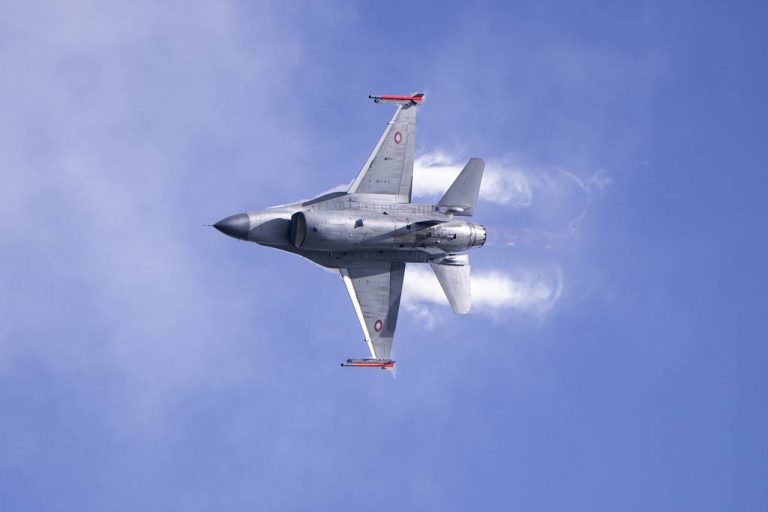
SAO PAULO —The Argentine government has completed the purchase of 24 F-16 fighter jets from Denmark, Argentina’s president and defense minister announced Tuesday during a live broadcast.

The deal for the Block 15 aircraft was finalized during Defense Minister Luis Petri’s visit to Denmark, alongside the chief of the General Staff of the Argentine Air Force, Maj. Gen. Fernando Luis Mengo, and a government delegation.

The contract, which is worth $320 million, also includes reconnaissance pods and training armaments, such as AIM-9X and AIM-120 missiles. The U.S. government previously approved the aircraft transaction.

“You are moving the country forward, you are taking Argentina out of decades of decline and are carrying the flags of freedom to all corners of the world, and this is also felt here in Denmark,” the minister said during the broadcast. “As of today, Argentines once again have forces from the sky to protect us, under the leadership of President [Javier] Milei and with the support of allies like Denmark and the United States.”

Danish Defence Minister Troels Lund Poulsen described the sale is part of a restructuring of his country’s Air Force, which is replacing its fighters with F-35s, in addition to donating some of the equipment to Ukraine. Ukraine is currently fighting off a Russian invasion.

“In close cooperation with our allies, we have donated 19 F-16s to Ukraine’s fight for freedom, and now we have sold 24 aircraft to Argentina in a good process that has created valuable ties between our two countries,” he said.

Pedro Pligher is a Latin America correspondent for Defense News. He has reported on politics, economics and the Brazilian small arms industry.

Air Force to get a head start on GPS, target tracking efforts

0

The Air Force is using new authority from Congress to get a head start on two development efforts yet to be approved as part of a formal budget cycle.

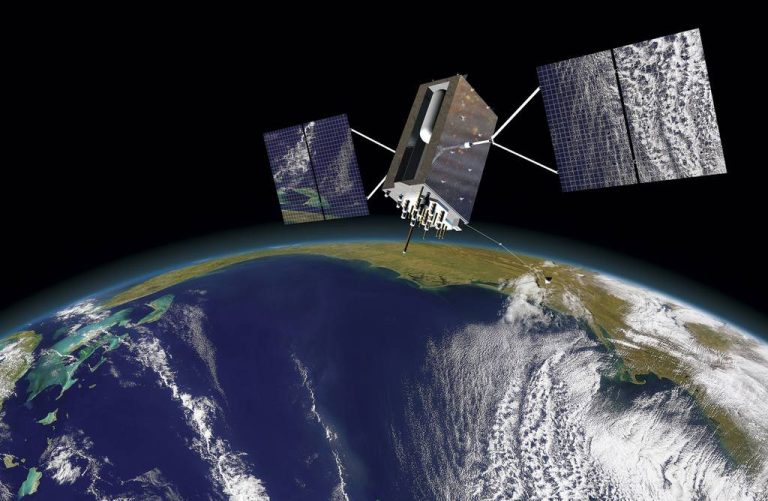
Details on the programs are classified, but one is a Space Force initiative to improve the resilience of GPS satellites and the second is an Air Force effort related to developing a battle management system for moving target indication, or tracking mobile targets from air and space, the Air Force said in an April 16 press release.

“This initiative will leverage the success of rapid acquisition authority, marking a pivotal moment in advancing national security objectives with unprecedented speed and efficiency,” Air Force Secretary Frank Kendall said in the press release. “Quick Start will kickstart efforts intended to develop solutions to emerging problems, ensuring rapid progress from concept to implementation.”

Lawmakers approved the authority known as Quick Start in the Fiscal 2024 National Defense Authorization Act in December. Kendall championed the effort, floating the idea early last year before submitting a legislative proposal last April.

Quick Start allows the military services to get started on some programs before Congress has approved them — a prolonged annual process that often leaves high-need capabilities in limbo. Air Force officials have said the tool will allow the service to respond to new threats and take advantage of emerging technologies in real time.

While the Air Force is the first to use the authority, it’s available to each of the military services. And although there are no restrictions on how many programs can use the acquisition tool, the FY24 NDAA places a $100 million funding cap on the Defense Department’s annual Quick Start usage.

The law also requires that programs selected as part of Quick Start transition into a formal acquisition program or pathway within a year unless, at the discretion of the service secretary, a one-time extension is required. The two Air Force and Space Force programs selected for Quick Start are expected to be included in the service’s fiscal 2026 budget request, which the Pentagon won’t unveil until early next year.

While details on the initial efforts are classified, GPS resiliency and moving target indication are two priority efforts for the Air Force and Space Force.

In February, the Space Force reached out to the private sector seeking options for building a less expensive GPS satellite that can operate with the existing constellation, which includes 31 satellites. The newest of those spacecraft are built by Lockheed Martin.

Cordell DeLaPena, the program executive officer at Space Systems Command who oversees GPS development, said the Space Force is actively engaging with the private sector to understand how smaller GPS satellites or alternative technology could improve the military’s positioning, navigation and timing capabilities.

“We’re very interested in what the commercial market can bring,” he told reporters April 11 at the Space Symposium in Colorado Springs, Colo. “It’s going to be a gamechanger.”

The Air Force and Space Force have been working together to craft an architecture for moving target indication that uses both aircraft and satellites. The goal is to provide persistent surveillance to commanders on the ground.

Courtney Albon is C4ISRNET’s space and emerging technology reporter. She has covered the U.S. military since 2012, with a focus on the Air Force and Space Force. She has reported on some of the Defense Department’s most significant acquisition, budget and policy challenges.

Optical Illusions Painted | Survival Monkey Forums

0

The Definitive List of Best Exam Dumps in 2024

0

Understanding the risks of using best exam dumps for study preparation
When preparing for examinations, students often seek shortcuts to enhance their study efficiency. Among these, the allure of using the best exam dumps is particularly strong, promising direct access to potential examination questions and answers. However, this approach carries significant risks that can undermine the very success candidates hope to achieve. Firstly, the reliability of these materials is frequently questionable. There is no guarantee that the information provided is accurate or reflective of the actual exam content, leading to a false sense of preparedness. Furthermore, reliance on exam dumps discourages genuine understanding and mastery of the subject matter, skills that are not only vital for passing exams but also for professional competence.

FOR LATEST Dumps TRY Now >>>>> Exam Dumps

Reputable Dumps OF 2024 >>>>> Exam Dumps

Enjoy Premium Dumps >>>>> PDF Dumps

Moreover, the use of such resources often contravenes the ethical guidelines set forth by educational institutions and certifying bodies. Engaging with best pdf Dumps can result in severe repercussions, including disqualification from examinations or tarnishing one’s academic and professional reputation. It’s crucial to consider the long-term implications of using shortcuts in educational pursuits. Opting for legitimate study materials and dedicating oneself to thorough preparation is not only the safer route but also the one that truly prepares individuals for both examinations and their future careers.

For More Free Updates >>>>> https://validitdumps.com/

Try Free Demo NOW >>>>> https://examlabsdumps.com/