How many F-35s to buy? Draft defense bills disagree

0

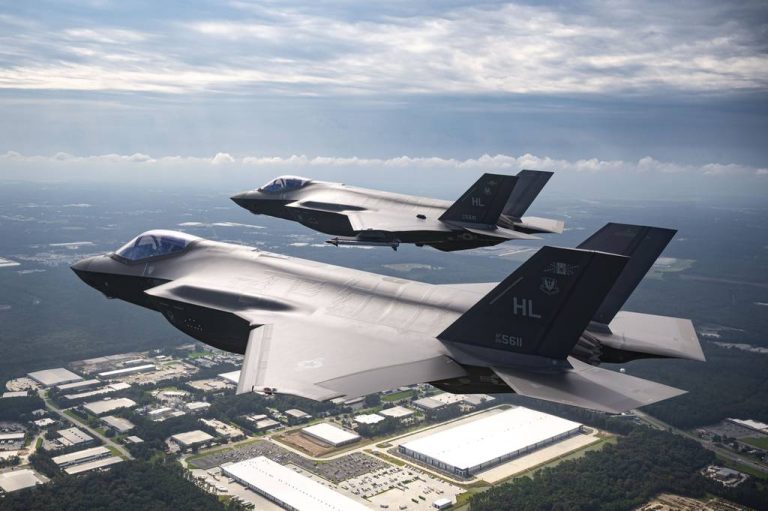
The Senate’s proposed National Defense Authorization Act would leave the military’s planned purchases of 68 F-35 Joint Strike Fighters in fiscal 2025 unchanged.

The chamber’s draft NDAA, which members of the Senate Armed Services Committee unveiled Friday, represents the latest of three different approaches lawmakers are taking to F-35 purchases for next year, which must be reconciled at some point.

The Air Force’s FY25 budget proposal requested money to buy 42 F-35As, and the Navy and Marine Corps budgets would buy 13 F-35Bs and 13 F-35Cs.

The House’s version of the NDAA would drastically slash F-35 purchases, cutting the initial order down to 58. That bill, which the House narrowly approved Friday, would then bar the Pentagon from accepting delivery of 10 of those remaining jets until it shows problems with the F-35 are fixed.

But the House’s proposed defense appropriations bill, a separate piece of legislation, would add eight more F-35s — two F-35A and six F-35C jets — for a total of 76 new fighters in FY25.

House Armed Services Committee staffers said members of the panel “have grown frustrated with the F-35 program,” most recently with the delayed Technology Refresh 3 upgrades. The TR-3 hardware and software upgrades, which will give the F-35 better displays, computer memory and processing power, are now about a year overdue, and the military has refused to accept delivery of the newest jets since July 2023.

This led the committee to propose cutting F-35 purchases in the House NDAA and reinvesting the roughly $1 billion that would save to ensure the jets work properly.

The Senate NDAA would also grant the Air Force’s request to retire 56 A-10 Warthog attack planes, 65 older F-15C and F-15D Eagle fighters, and 11 F-16 Fighting Falcons. But it would block the service’s effort to retire 26 F-15Es and 32 F-22 Raptors.

The House NDAA likewise would allow the A-10, F-15C, F-15D and F-16 requirements, while blocking the retirement of the F-22s and temporarily pausing the F-15E retirements.

The Air Force said those older Block 20 F-22s are not combat-capable and would cost too much to prepare for a fight. The service therefore wants to retire them to free up money for other priorities.

And the Senate NDAA would require the Air Force to hold onto 16 E-3 Sentry airborne warning and control system aircraft until they can be replaced by the Boeing-made E-7, or until the service can retire the E-3s without causing a capability gap.

The Senate NDAA would also add money for the Air Force to buy five more HH-60W combat rescue helicopters, while reducing funding for the Survivable Airborne Operations Center “doomsday plane” and the VC-25B Air Force One due to contract delays. A program to expand the C-40 VIP transportation aircraft fleet would also have its funding cut.

The Senate draft also calls on the Air Force to submit an annual report on its tactical fighter force structure, and for the Air Force and Navy to jointly conduct a study on the military’s future air superiority mission in the 2030s and 2040s. The two services are working on their own future fighter aircraft they each call Next Generation Air Dominance, which could start to come online beginning in the 2030s.

Stephen Losey is the air warfare reporter for Defense News. He previously covered leadership and personnel issues at Air Force Times, and the Pentagon, special operations and air warfare at Military.com. He has traveled to the Middle East to cover U.S. Air Force operations.

Changes | Survival Monkey Forums

0

With the changes happening in my life there are a lot of things to think about, plan out and prepare for. Moving away from my farm was never even remotely in my plans. Of course meeting someone falling in love and getting married again was nowhere in my thoughts or plans either.

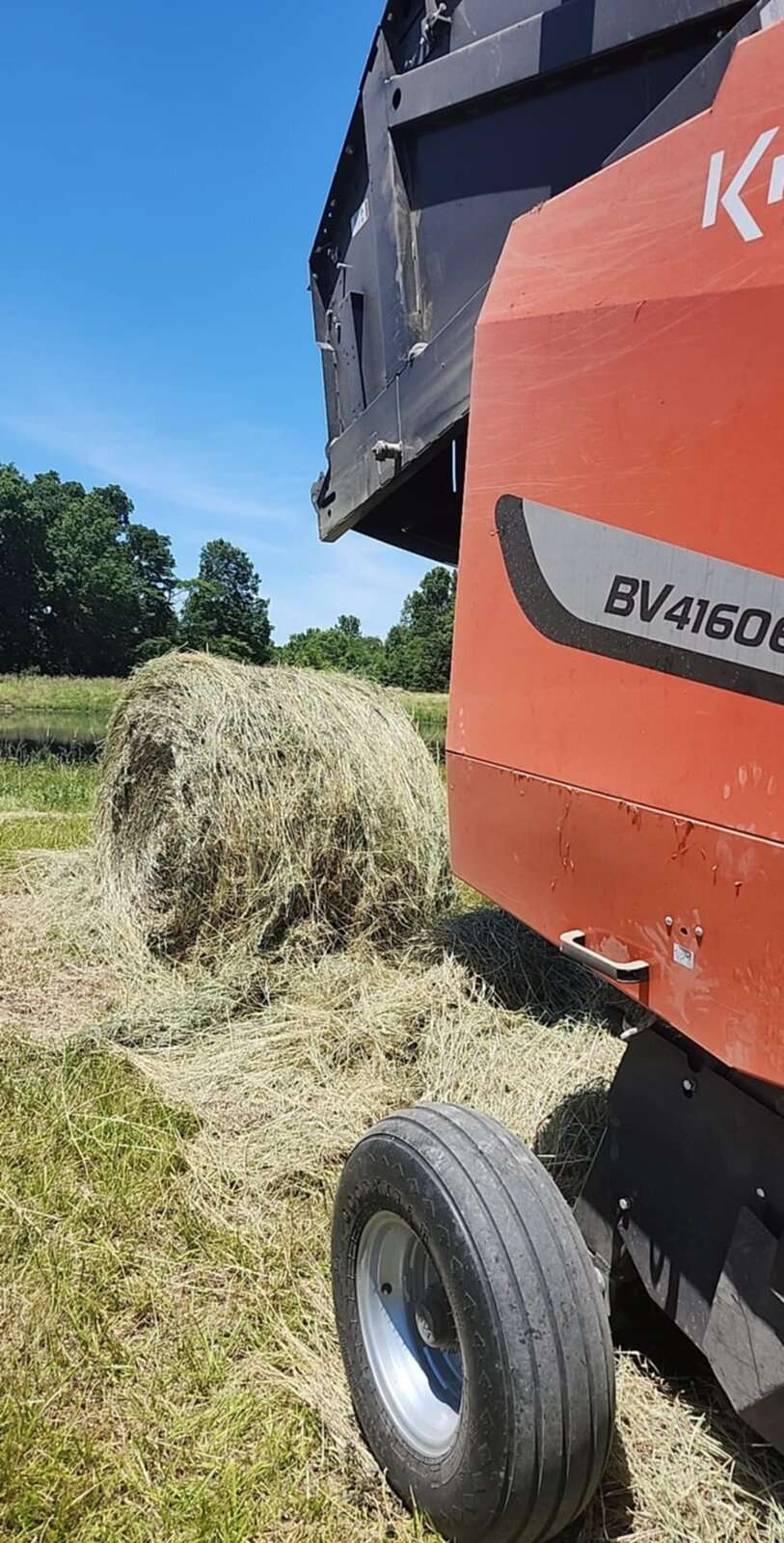
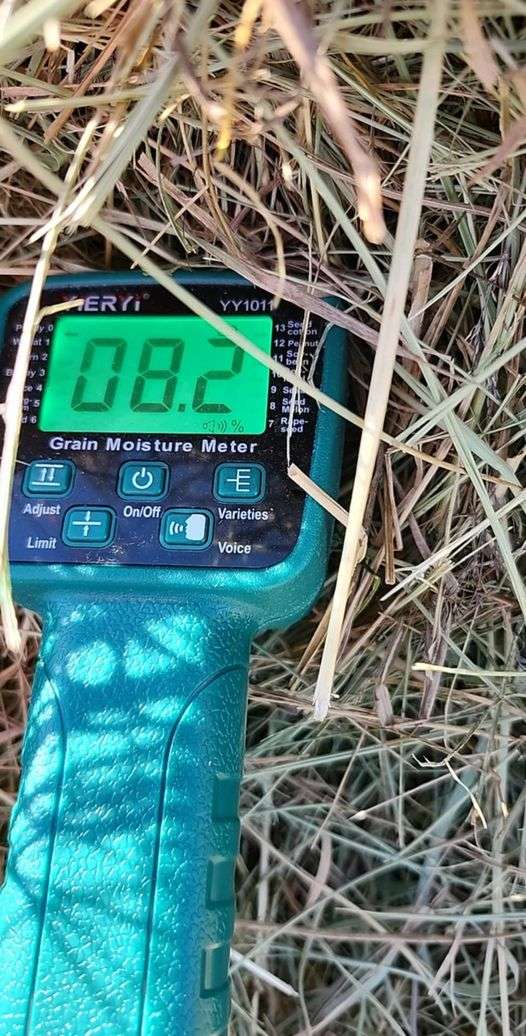
The big question my friends ask is if I am going to sell the 60 acres of the farm that I kept. Nope I am going to sell it. I/ Now WE need it and want to keep for a lot of reasons. One of the big reasons is that it is 40 acres of HAY Land after I sold all of the cattle last week. Anything resembling hay land in TN is EXPENSIVE and we have horses, mules and Mammoth Jack donks to feed. Dana spends a small fortune on Hay every year. The Place in IL will save her/us a small fortune in hay every year. And not long before we met I had just bought a new baler, 10 wheel rake, 6 basket tedder and mower conditioner. My plan was to get rid of the livestock and convert everything to hay and selling hay. I only have 10 acres in orchard grass/red clover this year but am going to pull the cross fencing and plant orchard grass/Alfalfa on the 30 acres of pasture. Yeah a lot of the bales look like crap LOL, took a while to get the baler twine wrapping fine tuned to get a good wrap on the bales and the pressure set to making real dense 4×5 1200 pound bales. Ended up with 90 bales off of 10 acres when I finally got the dry spell to do it. That clover and grass was so thick and we were wet for so long…………… Best yield I have gotten in the 16 years that has been a hay field like a huge yield. Getting rid of the cattle was a huge change but one that had to happen and well there is as much or more money in the hay as there was in the cattle and a whole lot less work.

baler.

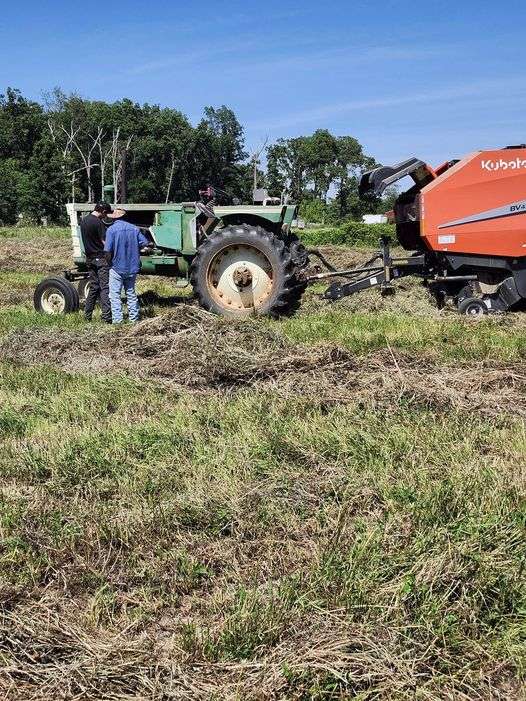
I finally had to call in after hours help on Saturday to figure out the wrapping problem and the Service Manager and Senior Field Mechanic appeared and took about two hours to get the glitch in the balers computer figured out and fixed. Made perfect bales thereafter. And they sat in the shade and watched………….. drinking my beer until the baling was finished LOL. Advised that if we were not friends that I would have had to wait until Monday morning. Always a good practice to have good friends that are mechanics, Doctors and lawyers :)
448462286_8036977286323710_7051305223032633113_n.

448465073_8027672910587481_6196190174457678833_n.

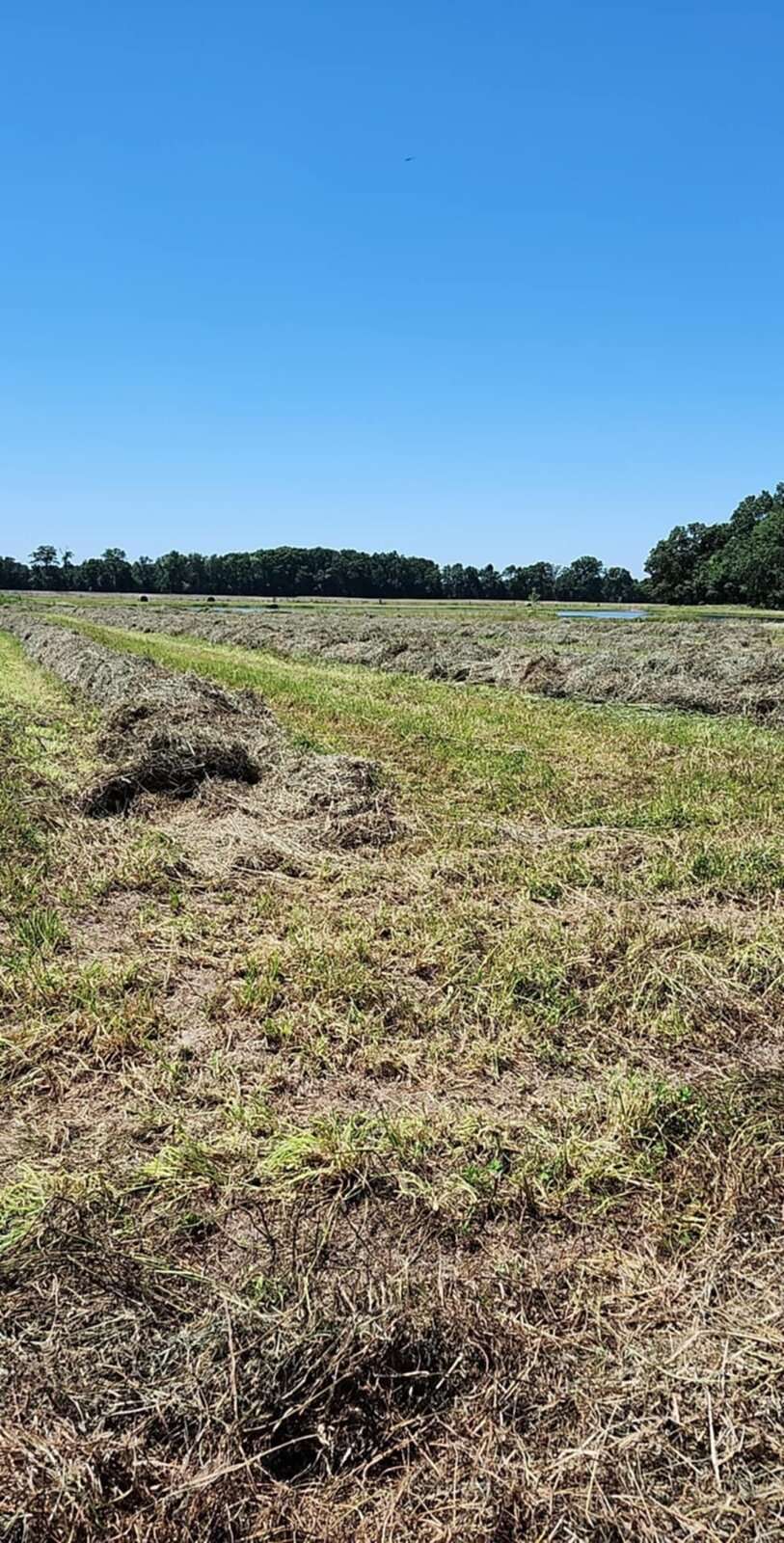
I like BIG Windrows and I cannot Lie LOL
windrow 2024.

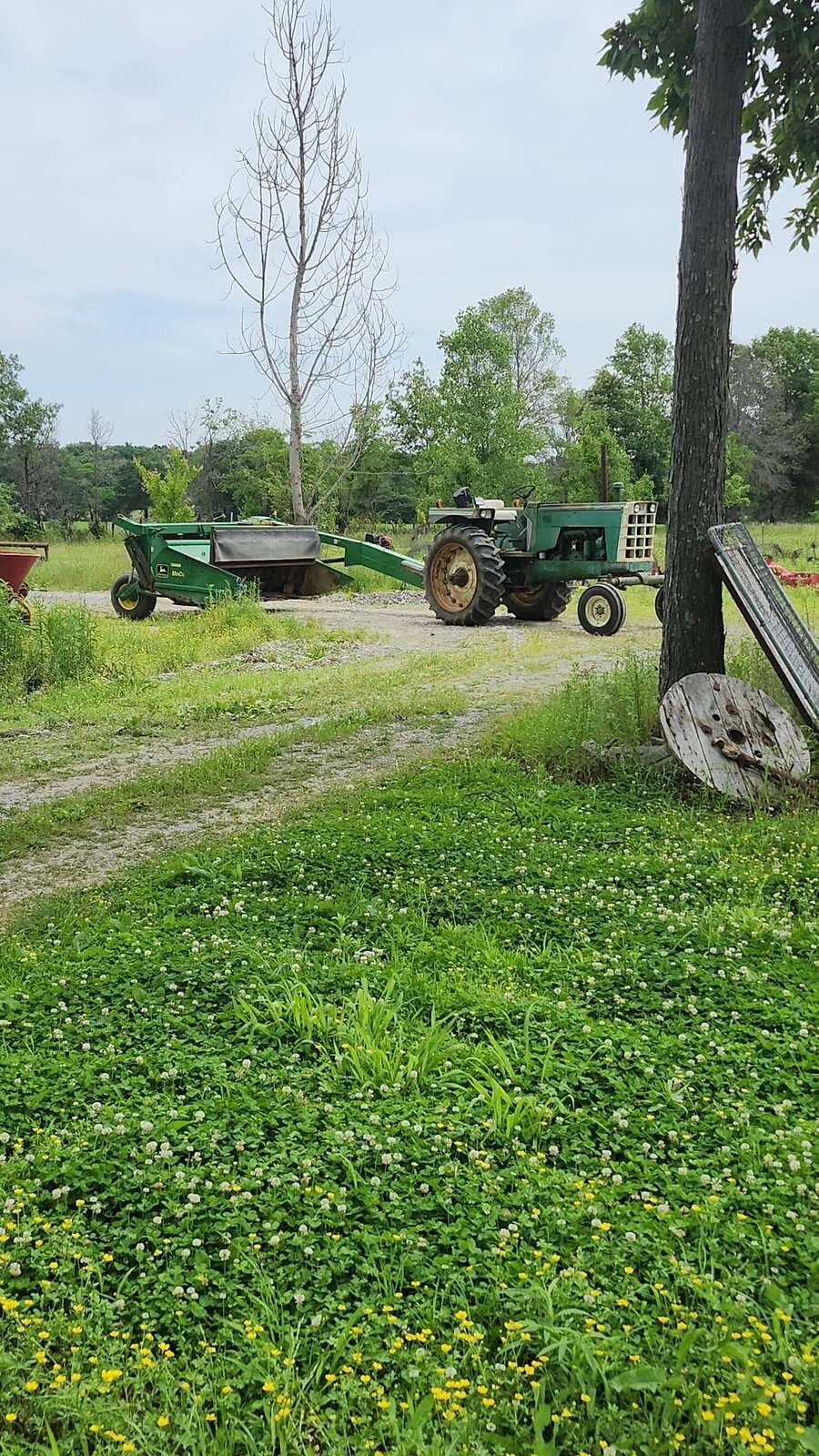
The only new piece of hay equipment that was not new was the John Junk Mower Conditioner. It was in great shape and $7500 for it was to good of a deal to pass up. I am going to have to paint it Oliver Green and white though and pretend it is not johnny Junky :) I will give it credit though it mows great and the rollers do a fine job crushing the hay for a fast dry down time.
441923275_7923241801030593_9097871567414418079_n.

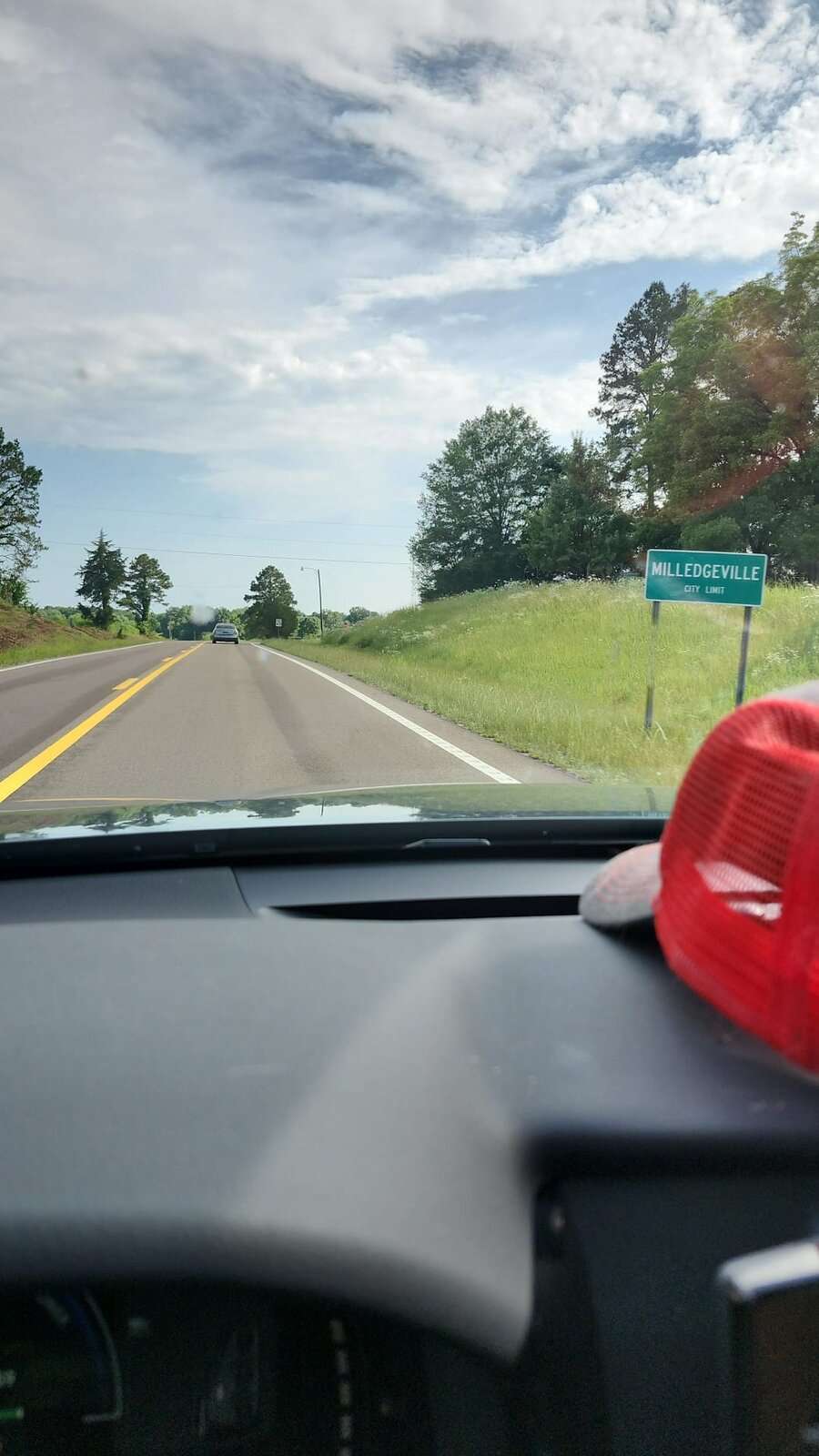
So I started moving things to TN last week
441521826_7934022986619141_6412416701769016808_n.

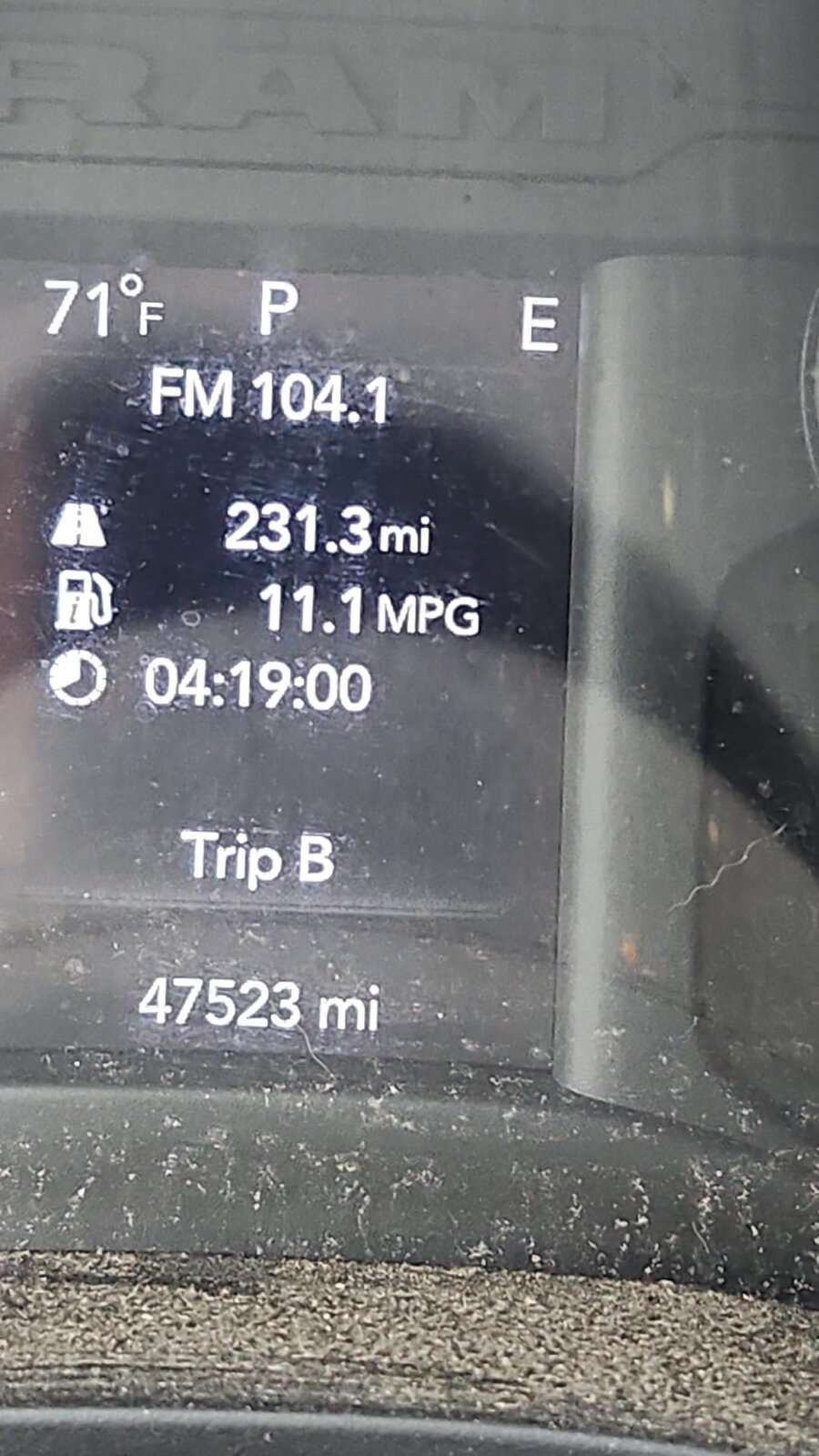
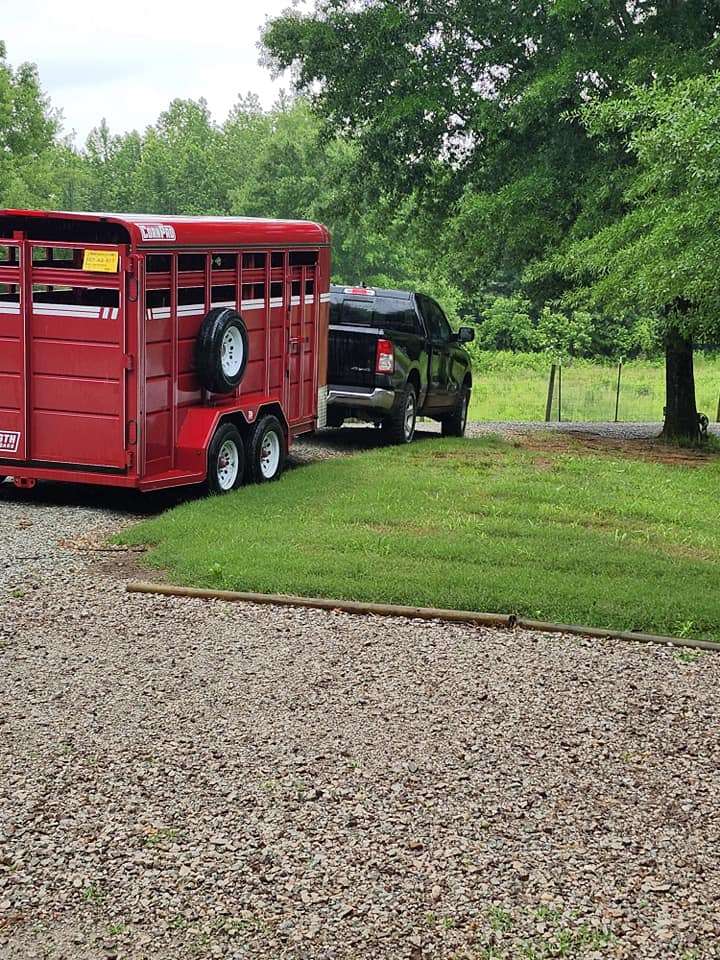
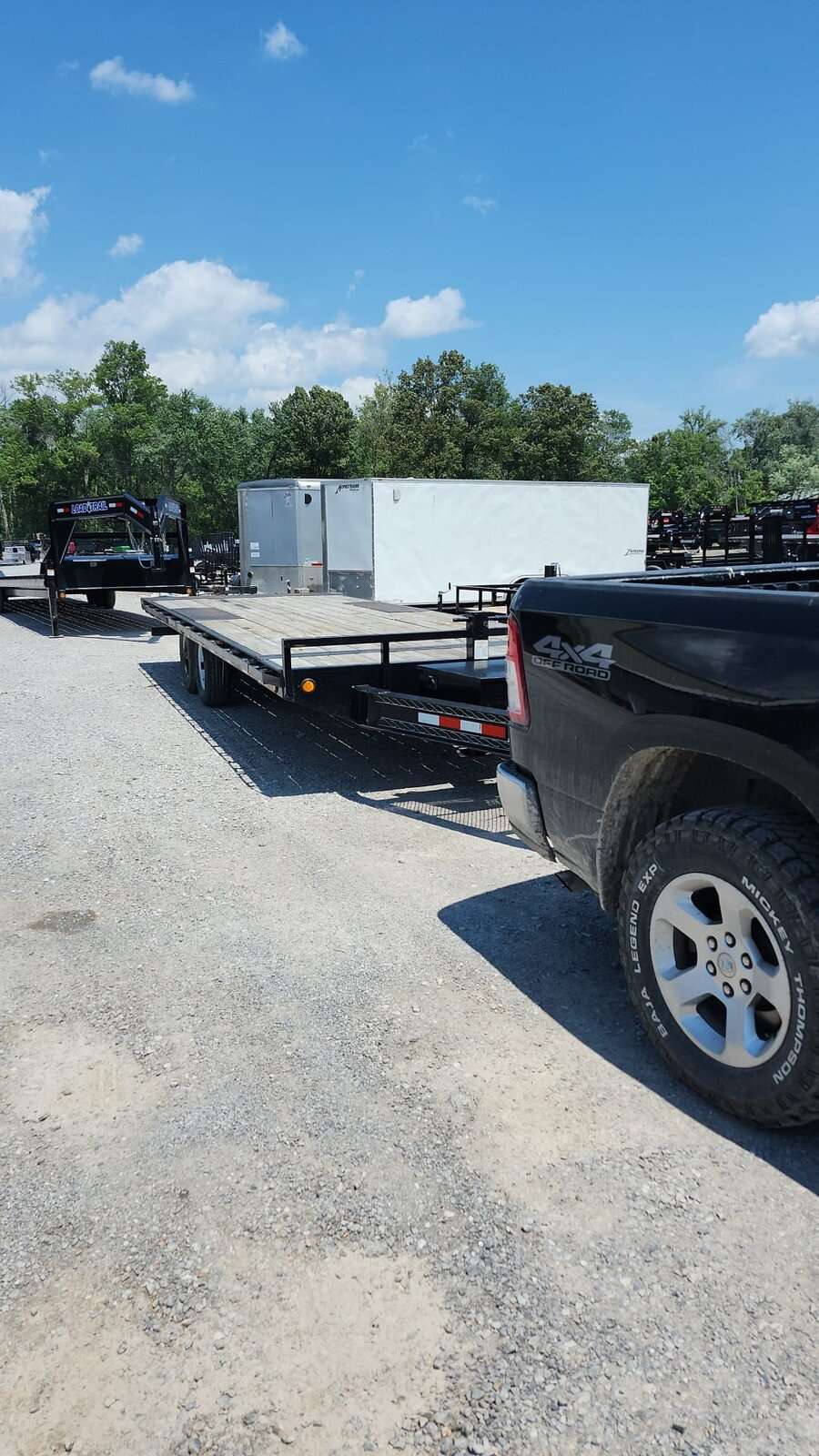
Far less than impressed with the Black Ram 1500s MPG pulling a trailer with only a couple of tons in the trailer. I need Red back from the shop LOL Da Big super modified Red averages 21-22mpg pulling a trailer with 6 tons on it! Of course the price of diesel vs gas makes it not as worthwhile as it sounds LOL

441873821_7982285711792868_4900648471674092901_n.

Two load to TN down and who knows how many more to go :)
447523387_7982535611767878_4273288351732508784_n.

I figured I needed to move the more expensive stuff first. Like there are no more guns or ammo left at the farm in IL. Just my side pieces and the truck rifle. All of the Milwaukee, Dewalt, Snap On and old craftsman tools are here in TN now. My cheap harbor freight and box store brand tools can stay North.

I have to do the hard part next and pick and choose what else to bring South. Dana doesn’t have as much stuff as I have but her set up is smaller and different and doesn’t have room for all of my stuff + her stuff. I bought the deck over tilt trailer for moving tractors and hay around, But I can get the 20′ shipping containers winched on to it and move them down here. And leave the three 40′ High Cubes North. I put a 24,000 pound winch on the trailer so can drag the containers on without breaking a sweat.
441624537_7917332198288220_4292696500287261148_n.

Oliver, Ac7060 and they hay equipment are going to stay North. The M5660, Box blades, bush hogs and a few other implements and the new BX23 are coming SOUTH I guess the old BX22E and the BX25D can stay North locked up in the machine shed with the other tractors and new baler.

The thought is to consolidate all of tools and use one 20′ container as a tool shed and the other 20′ container as a big insulated and climate controlled pantry and get another minislplit heat pump to keep it 50 degrees year round. LOL We both have considerable food hoards. Anyway those two containers will free up a lot of garage space and empty spare bedroom and 10×18 walk in closet/pantry of food and tools. The 10×14 walk in closet actually holds all of her and my guns and ammo, Tight but it works.

She is going to retire in 5 years and we are going to revisit where we want to live after she retires. My place is 4x bigger and has the better resources and set up. Her place is nice and well not in Illinois. I have a offer of $1.2 million for my place and that sort of complicates things in my decision making. I could buy a real good chunk of that expensive TN rolling and flat hay land with that money and avoid the capital gains taxes in doing so. But I have invested 16 years, time, money and a whole lot of me into my place. The only thing I don’t like about my place is the fact that it is in Illinois LOL. My new car talks to me and when I CROSS the state line going into IL it says “Welcome back to the Communist Peoples State of Illinois!” When I come back to TN and cross the TN State line it says “Welcome Back To America!!!”

Kind of glad that I kept the box truck! It will come in real handy for moving my boxes of stuff. I also kept the older F150 and my now aging Charger can use them to look like somone is parked and still living there, Can watch the new camera system on the computer from TN, and the generator will kick on and charge the battery bank up as needed keeping the LED Lights and Radios on. I will still go back 3-5 days per Month to Mow and keep things up and in good repair.

And will spend a lot of my time there over the next six weeks picking and choosing what will come South. We share the same moral/ethical beliefs on pretty much everything. A big one is Living Together outside of being married. It is one thing to come and spend 2-3 nights and stay in the spare bedroom. It is another thing to share a bed and bedroom and me move in and live here without us being married. So much for Christians having the market corned on morality :)

5 Months ago if someone told me I would be where I am at today……….. We would have to chat about the drugs they were using :)

Not exactly a easy endeavor for me to move from there to here and a lot to do there to get stuff sorted and under lock key and camera. Bright side is I am not moving the entire Farm AGAIN! And it is only 236 miles from my barn to hers. :) The funniest thing is how and where we met …… A SOLO Prepper, Homestead and Offgrid FB group that turned out to be a singles booty call and meat market group. Our first conversation was in a thread called “Barriers to this meeting thing” A thread I started outlining the challenges of two people being fairly equal and well established with their own places that each is heavily vested in. ANd our first conversation was about IT WON’T WORK and then we speculated as to whether we would catch STDs by just being in that FB group. LOL it was not the kind of group either of us thought we were joining or what it was billed as being. Can you believe the Moderators of group KICKED ME OUT of the group!!!! And Dana left it like 10 minutes after that. We obviously kept in touch and started visiting each other at our respective places a couple of Months ago and here we are going to get married and making it work.

I pretty much come down here to visit since she very often works 6 days per week. Me being retired just makes that the most practical solution to the distance barrier. And we get to spend considerably more quality time together. Unless she has a 2-3 day weekend and can spend more time North. And no disrespect to Dee intended but I have never met a woman like Dana that I have almost everything in common with and we think so much alike. I literally have never been as happy in life as I am right now.

ANd when I got back from Henderson a bit ago Poo and Una went at it hard. Una ran out the door and attacked Poo………….. Una got her ass handed to her and laid down on her side in submission with Poo’s teeth around her neck. Una FInally made Poo mad and Poo popped open that can of asswhoop on her. Una should have just left it alone. Poo would never have challenged her for the alpha spot here. Up North on Poo’s home turf sure but here nope. As usual in a fight Poo didn’t get a scratch and Una has punctures and rips from muzzle to tail..gROWING UP FROM PUP TO 8 YEARS old fighting coyotes that want to kill and eat Poo makes her a hardcore combat vet with a lot of experience. Una never stood a chance, she just didn’t know it until today. All of that full pit crushing power and weighing 20 pounds more than Poo means nothing if Una can’t even get a bite in on Poo. Not sure what Dana is going to think when she gets home and sees all of the new scars Una is going to have. I guess in the long run one of them had to be the dominate alpha over both of our packs since they are going to merge into one big pack. Dana’s 100+ pound male dogs are even submitting to Poo now. That will make merging the two packs a whole lot easier.


How To Raise Free-Range Geese And Ducks

0

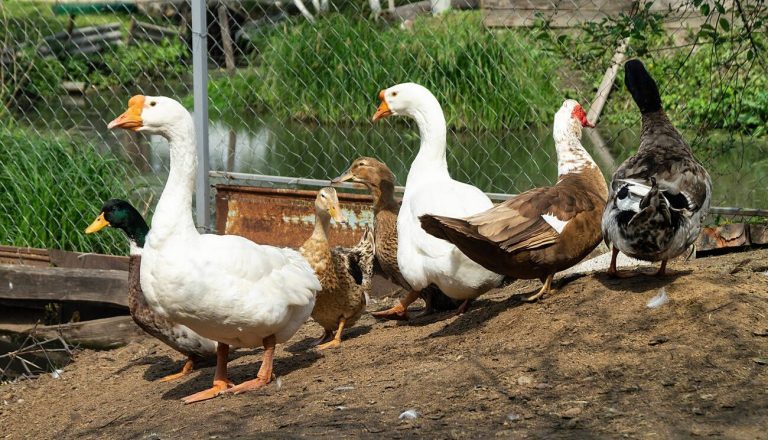
When thinking about raising livestock on grass, sheep, cattle, and other ruminants might be the first to come to mind. However, we’ve discovered that pasturing waterfowl is both a gratifying and economical venture. Watching geese enthusiastically tackle pesky weeds can make you wish you had introduced them to pasture much sooner!

On our small farm, we raise chickens, ducks, and geese. Given their tendency to be quite messy, providing them with an outdoor environment is the best solution. Although our methods for pasturing chickens differ from those for waterfowl, both types of poultry thrive with access to fresh, chemical-free greens. These birds not only help aerate the soil but also consume a significant number of insects and contribute to soil fertility with their droppings.

Geese and ducks are perfect for free-range farming

Geese are exceptionally effective at weed control and are predominantly herbivores. They can derive most of their nutritional needs from grass and other leafy plants, making it possible, at least theoretically, to raise them almost entirely on high-quality pasture. To enhance their diet, we supplement with fermented high-protein feed.

It’s delightful to watch goslings enjoy their grass meals. We start offering them chopped grass and chick-sized grit just two days after hatching. Both goslings and mature geese eagerly consume chicory, dandelions, burdock, plantain, and many other common pasture plants. If you need a section of fence cleared, simply let your geese graze around it.

Ducks, being omnivores, have a slightly different role. They do enjoy the occasional bite of greenery, but their true talent lies in pest control. Ducks are excellent at clearing bugs from pastures and gardens. Because they love young lettuce, peas, and other tender greens, it’s best to let them loose in garden plots infested with pests like Japanese beetles and slugs only after the plants are mature enough to withstand some nibbling.

Ducks have a particular fondness for grubs and larvae, making them perfect for dealing with cutworm or cabbage worm infestations in cruciferous crops. Muscovy ducks, in particular, will also eat frogs, voles, and mice, helping to control these populations as well. They excel at reducing the fly population in pastures and have a natural drive to chase and consume insects, a trait evident even in ducklings. No other waterfowl are as relentless in pursuing and devouring bugs as the Muscovy duck.

Housing and fencing recommendations

On our farm, we use similar housing and fencing for waterfowl and chickens when they are on pasture, including low tractors, hoop tractors, and portable netting. Tractors serve as mobile coops, with low tractors being about 2 feet high and hoop tractors tall enough for people to walk into.

We start our young birds in low tractors and transition them to hoop tractors as they grow and join the main flock with access to pasture. Unlike ducks and geese, which generally stay put in low tractors, chickens often jump out and can be challenging to round up.

Most ducks are content with poultry netting, but geese pose a different challenge. They tend to fly into the netting and get entangled. If the netting is electrified, this can result in severe injury or even death. We experienced such an incident where a goose got caught, and although it survived, we now only use non-electrified netting to avoid this risk.

Another key difference between pastured waterfowl and chickens is their nighttime behavior. Waterfowl stay alert through the night, while young chickens sleeping in low tractors are vulnerable to predators. Raccoons, for instance, can reach through 1-by-2-inch cage wire and harm the birds. To protect our poultry, we recommend using hardware cloth fencing on the bottom 2 feet of any tractors used for housing them on pasture, as it offers better protection against predators.

Protecting your waterfowl from predators

On our farm, we face threats from various predators, including raptors like hawks and owls, canids such as coyotes, foxes, and dogs, and smaller predators like opossums and raccoons.

To safeguard our pastured waterfowl at night, we use a predator-proof enclosure, typically a wire-wrapped tractor secured with carabiners to thwart animals with dexterous paws. Given our area’s susceptibility to high winds, we also stake down the tractors for additional security. We’ve found that two 8-inch stakes at the front and back of each tractor are effective even in the strongest gusts. Although staking adds a few minutes to the process of moving the tractors, it is crucial for the safety of our birds in windy conditions.

Alternatively, you can herd waterfowl from their pasture to a coop each evening, using long sticks if necessary to guide them.

Geese are reputed to be good protectors of other poultry, like chickens. Running geese with ducks seems to deter aerial predators, as we’ve seen juvenile hawks reconsider attacking when a gander spreads its wings threateningly. However, I don’t recommend relying on geese as guardian animals. Although they may alert you to the presence of predators, even adult geese are vulnerable to canids.

At best, geese can deter smaller predators. Expecting them to fend off a fox is unrealistic; you’ll likely find only feathers, indicating the fox prevailed. Without livestock guardian dogs to ward off coyotes, foxes, and stray dogs, we opt for the most secure protection for our birds.

ssry svp in article v2.1

Best Free-Range Breeds

The best way to determine the right waterfowl for your needs is to experiment with different breeds. We have hatched and raised various geese and ducks, including Chinese and Pilgrim geese, as well as Indian Runner, Muscovy, and Pekin ducks. Each breed comes with its own set of benefits and challenges.

Chinese geese are perhaps the most efficient at weed control, earning them the nickname “weeder geese.” These elegant, swanlike birds are also the most affectionate geese we’ve raised. Their long necks allow them to reach into tight spots, and they effectively cleared our pastures of grasses. Despite their reputation for good egg production, we didn’t observe this trait in our flock. However, we eventually decided to switch breeds after noticing that our Chinese geese were bullying other poultry on the farm.

Next, we tried Pilgrim geese. This autosexing breed is generally known for being more docile and gentler with other poultry compared to Chinese geese. Our Pilgrims, while less aggressive, occasionally picked on each other and the ducks, with the ganders being the primary instigators. These geese prefer grass but also enjoy clover, chickweed, plantain, and other pasture plants. In just a few weeks, four Pilgrims can trim a section of grass as neatly as a lawnmower.

Indian Runner ducks are excellent for pasture-based operations. They are quick to respond to perceived threats, easy to herd, and do not fly. When used with a coop and netting or fencing, these smart ducks quickly learn to return to the coop at dusk, often putting themselves to bed. Pasturing them with docile geese has helped us reduce aerial predation.

Muscovy ducks are perhaps the best breed for pasturing. These diligent foragers love hunting mosquitoes and flies and will also catch small amphibians and rodents. Muscovies are strong fliers, so you’ll need either a tractor setup or be prepared to clip their wings to keep them within the poultry netting.

Pekin ducks are large, calm, and easily available, making them ideal for beginners. Their docile nature can be a disadvantage unless your setup protects them from both aerial and ground predators. Additionally, our Pekins seemed prone to bumblefoot, a foot infection. However, their rapid growth rate makes them an excellent choice for meat production.

Experimenting with these different breeds will help you find the right fit for your specific needs and circumstances. Each breed offers unique characteristics that can be advantageous depending on your farm’s environment and your specific goals.

Other recommendations for raising free-range geese and ducks

Provide Ample Space

Ensure your geese and ducks have enough room to roam. Overcrowding can lead to health problems and increased aggression. Aim for at least 2-3 square feet per bird in the coop and 10-25 square feet per bird in the pasture.

Rotational Grazing

Implement a rotational grazing system to prevent overgrazing and allow pasture plants to recover. This can help maintain a healthy environment and provide continuous fresh forage for your birds.

Diverse Forage

Plant a variety of grasses, legumes, and other pasture plants to offer a balanced diet. Species such as clover, ryegrass, and chicory are excellent choices. This diversity can improve the nutritional intake and health of your waterfowl.

Pond or Water Source

Geese and ducks thrive when they have access to water for swimming. A natural pond or a man-made water source can provide them with the opportunity to exhibit natural behaviors, such as foraging for aquatic plants and insects.

Shade and Shelter

Provide areas of shade and shelter to protect your birds from extreme weather conditions. Shade structures or natural tree cover can help keep them cool in the summer, while windbreaks or covered shelters can offer protection in the winter.

Predator Control

predator control for your geese and ducks

In addition to secure housing, consider employing livestock guardian dogs or electric fencing to deter predators. Regularly inspect and maintain your fencing to ensure there are no gaps or weaknesses.

Health Monitoring

Regularly check your birds for signs of illness or injury. Keep an eye out for common issues such as bumblefoot, parasites, and respiratory infections. Early detection and treatment can prevent more serious health problems.

Nutrition Supplementation

While free-ranging provides many nutrients, supplementing their diet with a high-quality poultry feed can ensure they receive all necessary vitamins and minerals. Fermented feed can also improve gut health and nutrient absorption.

Regular Cleaning

Maintain clean living conditions by regularly cleaning coops, waterers, and feeders. This helps prevent the buildup of harmful bacteria and parasites.

Social Interaction

Geese and ducks are social animals. Keep them in groups to ensure they have companionship. Mixing species, such as running geese with ducks, can also provide mutual benefits, like enhanced predator deterrence.

pocketfarm1Environmental Enrichment

Provide enrichment activities to keep your birds stimulated. This can include scatter feeding, placing objects like logs or tires for them to explore, or introducing small piles of leaves or straw to rummage through.

Record Keeping

Keep detailed records of your flock’s health, egg production, and any issues that arise. This can help you track patterns and make informed decisions about their care.

Breeding Practices

If you plan to hatch your own birds, select breeds and individuals that exhibit desirable traits such as hardiness, good foraging ability, and temperament. Manage breeding to avoid overpopulation and inbreeding.

Engage with local farming communities or online forums for advice and support. Experienced farmers can provide valuable insights and troubleshooting tips.

Concluding

Raising free-range geese and ducks can be a highly rewarding experience, offering numerous benefits for both the birds and the farmer. By experimenting with different breeds, providing ample space and diverse forage, and ensuring robust predator control and health monitoring, you can create a thriving environment for your waterfowl. Incorporating practices like rotational grazing, access to water, and environmental enrichment further enhances their well-being. With careful management and a commitment to their care, your geese and ducks will not only contribute to a sustainable farming system but also bring joy and satisfaction to your farming endeavors.

Additional resources:

Smart tips for gardening on dry soil

If you see this plant in your backyard, don’t touch it!

Tips for preparing gardening soil in winter

The #1 food of Americans during the Great Depression
Fallkniven TK4 and Kydex

0

The tactical folks might not like the TK4. Not a one handed opener. But it is a fantastic knife!

Normally, I carry it in my pocket. My buddy is a maestro of kydex. He made all kinds of stuff out of kydex for himself and his sons. When we were talking story in the backyard, he was showing my some of the sheaths he made. They were on his person or his sons'.

And he kindly offered to make for me. So I handed him the knife I had with me in my pocket and he took it home and quickly…

Fallkniven TK4 and Kydex

Anybody Detecting?

0

A friend got me started metal detecting about three months ago. I bought an Equinox 600 off Amaizon and dove head first into the sport. I came back from the beach yesterday with my treasures: a pull top, an old chunk of iron that I could not identify and a quarter. As I sat on the couch it dawned on me that this thing, which is USB rechatgable, could be used to find a buried cache. Of course with frigging headphones on you would need a couple of buddies to cover your six post SHTF, but a…

Anybody Detecting?

Federal, CCI & Remington ammo manufactures are owned by Non-USA Companies

0

Glad I am a reloader..
……………………………….
Vista Outdoor – Wikipedia

Vista Outdoor is the parent company to many ammunition makers, including Federal, CCI, and Remington. In October 2023, the company announced that its firearms and ammunition business will be sold off to Czech company Czechoslovak Group for a value of $1.91 billion, pending regulatory approval.Vista’s sale to CSG has been protested by senators J. D. Vance, John Kennedy, representative Clay Higgins and National Sheriffs’ Association.
Added:
The Czechs also own Fiocchi which has a plant in the USA.

It remains to be seen what Olin is really doing with the ammo business.
Olin Corporation – Wikipedia
Olin announced the sale of its brass division in October 2007 to Global Brass and Copper, an affiliate of KPS Capital Partners, for $400 million. The sale included all of Olin’s worldwide metals operations, including the A.J. Oster metals service centers. It sold a plant in East Alton in 2007, and moved production of centerfire ammunition to Oxford, Mississippi in 2010 from East Alton.


Crazy Uncle Joe

0

Apparently, Joe Biden is unfit to stand trial, but is fit to be President! Thank GOD that he isn't really running the country…or maybe his is..either way it's scary! And how about that Special Prosecutor? He's special alright, and not in a good way! I wonder if he wrote his report with a crayon?

Ka-Bar Dozier. | Survival Monkey Forums

0

  1. AgentPickle
  2. Hanzo
  3. Coyote Ridge
  4. Coyote Ridge
  5. Coyote Ridge
  6. Coyote Ridge
  7. Motomom34
  8. Grandpa Patch
  9. Shinzo
  10. Fatum1965
  11. 3M-TA3
  12. Seacowboys
  13. TailorMadeHell
  14. Brokor
  15. Brokor
  16. HK_User
  17. Hanzo
  18. Elessar
  19. Hanzo
  20. Hanzo


survivalmonkey SSL seal


survivalmonkey.com warrant canary

Want feedback on idea | Survival Monkey Forums

0

  1. So I have some nice land, 10 acres of open field, near the ocean, about 1 million acres of forest in the back yard, about 2.5 hours from both Seattle and Portland. Deep water well, 5,000 gallon water storage, septic systems, solar arrays, etc.
    When I lived in the big city I always wanted a fallback location or rally spot where I could flee to in an event and resupply myself and exchange information and resources with others. Even stay there a few days while I develop a plan. A place me and my loved ones could regroup far outside the city. Now I have that spot and I want to share it with like minded people who are in big cities. A place they can go to in an SHTF event, a rally spot of sorts that has plenty of clean drinking water and place to stay and camp for a few days on private property for members only. I want to offer it as a service for people that need an initial rally spot. Thoughts?


survivalmonkey SSL seal


survivalmonkey.com warrant canary

US Air Force eyes regular CCA overhauls

0

The Air Force’s aircraft fleet is replete with fighters, bombers, tankers and other aircraft that are still flying after decades or even generations.

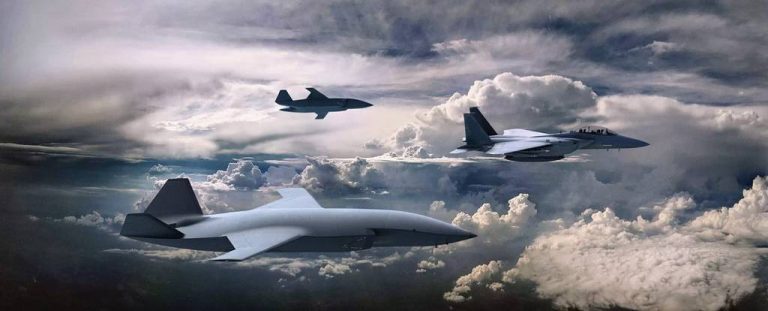
But the service’s planned collaborative combat aircraft — drones that will fly alongside crewed fighters — probably won’t last even a single generation before they need to be replaced or heavily overhauled, Chief of Staff Gen. David Allvin said Thursday.

Allvin, speaking at the Air and Space Forces Association in Arlington, Virginia, said planning from the start to regularly replace CCAs is the best way to keep their missions simple and costs down, so the service can field them in significant numbers.

“I don’t want a set of collaborative combat aircraft that’s going to last for 25 to 30 years,” Allvin said. “If it’s going to last 25 or 30 years, then it’s gotta do everything but make you toast in the morning.”

Making CCAs into complex, multi-mission aircraft will inevitably drive up the cost, Allvin said, meaning the Air Force could only buy a limited number of them. ‘

Air Force officials have regularly talked about the need for CCAs to augment its crewed fighters and provide what they call “affordable mass.” A smaller fleet of more expensive drone wingmen, as Allvin is trying to avoid, would make achieving that affordable mass goal harder to reach.

Allvin instead envisions technology advancing quickly enough that after a decade, a class of CCAs might be outdated and ready to be replaced – or heavily updated with new technologies.

“That CCA won’t be as relevant — but it might be adaptable, and that’s why we’re building in the modularity,” Allvin said.

Air Force Secretary Frank Kendall has told the service to plan for a CCA fleet of about 1,000 drones to fly alongside the F-35A Joint Strike Fighter and the service’s planned Next Generation Air Dominance fighter. The missions CCAs would carry out will likely vary and include strike operations, gathering intelligence and reconnaissance, conducting electronic warfare, and serving as decoys.

Kendall also made affordability a requirement for the CCA program, and has said each drone must cost a fraction of an F-35′s price tag.

In April, the Air Force announced it had selected Anduril and General Atomics to further develop designs for their CCA concepts, and then build production-representative test aircraft.

At Thursday’s event, Allvin noted the financial stresses the Air Force is facing, including inflation and limited budgets.

“All of those pressures are coming to bear against us, and we do have to ask the fundamental question: What does an effective Air Force look like in the future and how much of that is dependent on external resources?” Allvin said.

But when asked if the service will be able to produce NGAD as it has planned, Allvin did not explicitly commit to the sixth-generation fighter.

“We’re going to have to make those choices, make those decisions across the landscape,” Allvin said. “That’s going to probably play out in the next couple of years.”

Stephen Losey is the air warfare reporter for Defense News. He previously covered leadership and personnel issues at Air Force Times, and the Pentagon, special operations and air warfare at Military.com. He has traveled to the Middle East to cover U.S. Air Force operations.