How To Create A Proper Winter Shelter

0

Finding the right words to describe the bone-chilling cold that could freeze a man to death on a cold winter night is often difficult. I believe we can all agree that this type of cold is dangerous enough that if you are caught off guard and unprepared, it can be fatal.

Dealing with Mother Nature

Mother Nature will warn you of rising wind chills and dropping temperatures if you learn to speak her language. These indicate that you should abandon whatever task you are working on and seek shelter immediately to avoid succumbing to winter’s wrath.

When your body temperature drops to dangerous levels, one of the most hazardous things that can happen is that your mind begins to numb. In these circumstances, you may become so irrational that logical thought is no longer possible, and you may become disoriented, lethargic, and fall into an icy sleep from which you will not awaken.

When discussing survival winter shelter, keep in mind that the term “survival” does not always imply “the proverbial crap hitting the fan.” Instead, it is sometimes used to refer to simply staying alive.

With all of this country’s wealth, prosperity, and seemingly limitless resources, it’s easy to believe that no American would ever sleep cold, hungry, or without a proper roof over their head.

According to the 2019 Annual Homeless Assessment Report from the U.S. Department of Housing and Urban Development, there are approximately 764,000 homeless people in the United States, accounting for 0.18 percent of the population. Furthermore, according to the same HUD report, more than 142,000 of the homeless in the United States are children on any given night.

Throughout our history, our citizens have had to rely on more primitive means of protection from the elements because a more permanent structure was not an option.

Living without adequate shelter is a real part of the American experience that can afflict any of us without warning, from the pioneers who braved the brutally cold winters on their slow migration westward to those who lost everything during the Great Depression and the victims of Hurricane Ian’s destruction.

I mention this only to emphasize that, regardless of how they lost their home, the homeless must meet their immediate need for shelter if they are to survive. It is not unthinkable that anyone, for whatever reason, could find themselves in a situation where they needed to find or build a survival shelter.

In the end, it all comes down to maintaining the body’s core temperature at 98.6 degrees F, which is essential for survival. That is why, as soon as you realize you are in trouble, you must find or build an insulated winter shelter.

The basics of shelter building

To maximize effectiveness and safety, any type of winter shelter, whether it is a permanent structure, a tent, or a temporary survival shelter, should meet five basic criteria.

The shelter should:

1. Protect against natural elements and other threats

The winter shelter must protect against the elements and, to some extent, other outside threats. Avoiding the effects of the sun, wind, rain, snow, and other natural elements on your health is critical for survival, especially in cold environments.

Predator threats, both animal and human, can be mitigated by choosing wise locations and employing appropriate construction materials, camouflage techniques, and other techniques.

2. Be free of natural and man-made hazards

Natural hazards, such as a large, overhanging dead tree branch known as a “widow-maker,” that could damage your shelter and injure you if it falls must be avoided. Avalanches, mudslides, floods, and rock falls can all endanger your shelter.

If you are in a high-human-threat situation, your shelter should ideally provide both protection from small-arms fire (cover) and concealment from anyone who may wish to harm you.

svmd longbanner1

3. Ensure a stable platform and construction

Your winter shelter needs to be stable and strong enough to withstand snow loads and severe weather. Wind, heavy rain and snow can all put a strain on survival shelters and jeopardize their structural integrity. If your shelter isn’t going to last, neither will you.

Assemble your framework on a solid foundation and reinforce it with cordage, wire, or other means to increase the shelter’s stability.

This is especially important if the shelter you choose is in a damaged structure, such as the rubble of a building or an abandoned home. In these cases, unseen structural damage could cause a further collapse of the dwelling, rendering it unfit for occupancy.

4. Retain heat

The retention of heat is another critical factor to consider. You should insulate the outside of your survival winter shelter with whatever materials you have on hand.

After constructing the framework, try to cover it with a nonporous layer, such as a tarp, trash bags, or even large leaves layered like shingles. Then, build up your outer shell with leaves and debris or even snow, which is an excellent insulator and will provide the most warmth and heat retention.

If you are building your shelter in a city, follow the same rules that apply to the space and materials of your shelter. Keep in mind that a smaller space is easier to keep warm.

5. Provide adequate ventilation

Ventilation is a feature that is frequently overlooked when building shelters. If you don’t have a way to constantly circulate fresh air into your winter shelter, you can easily die from carbon dioxide poisoning.

This is exacerbated when you burn fuel for heat or cooking inside your shelter because it emits carbon monoxide, which is odorless and invisible and can kill you quickly if present in sufficient concentrations.

Always make a ventilation hole at the top of your shelter and a fresh air entry point, which should be near the shelter’s entrance. Both holes are required to maintain a constant flow of fresh air inside your survival shelter.

The rule states that you must first meet the need for shelter. The structure is then refined and improved to ensure it continues to meet your needs.

Natural shelters

natural winter shelter

When time is of the essence, or if you simply want a relatively safe place to base yourself while searching for or building a more efficient winter shelter, natural shelters such as caves or rock overhangs may be your best option.

They are the simplest to build and can be customized by erecting walls of rocks, logs, or branches across the open sides. Large, hollow logs can be cleaned or dug out, then adorned with a poncho, tarp, or pine boughs draped across the opening.

One thing to keep in mind is that natural shelters may already be occupied by snakes, rats, bats, bears, mountain lions, coyotes, or other animals who will be reluctant to give up their home for you. Disease from decaying carcasses or animal scat is another source of concern among animal residents.

Winter shelter tips

The type of shelter you seek or build will be related to the crisis you are preparing for. Here are a few more shelter tips to add to your survival toolbox in case you ever need to seek shelter from the elements in order to survive.

Fire – If you don’t know how to make a fire, survival scenarios can be deadly. Fire warms your body and shelter, cooks your food, and warms ice and snow, allowing you to stay hydrated with safe water.

nwlwbnrRetention of heat – Maintain a low silhouette and reduce your living space to improve heat retention.

Emergency blankets – Mylar blankets can be found for a few dollars in the camping section of any big box store. When folded, they are quite small and can be used to waterproof a makeshift shelter’s roof or sides or as a blanket to wrap yourself in. Their reflective material returns up to 90% of your body heat to you.

Location – Avoid valley floors and the moist ground when looking for shelter in the wilderness. Find higher ground to avoid water and slush runoff, but avoid open hilltops because the wind chill will be much higher than anywhere else. Also, stay clear of mudslides and avalanche paths.

Build your winter shelter near firewood, water, and signaling opportunities, if available.

Wherever you choose to live, divide your space into four sections: where you sleep, where you eat, where you clean yourself, and where you relieve yourself. Make sure your latrine is downhill from your camp and as far away from where you eat and get your water as possible.

Snow insulation – Apply snow to the roof and walls of the shelter to create a thermal barrier.

Vehicle winter shelter – If you use your car for shelter, consider parking somewhere with security and some relative safety (for example, in the parking lot of a big box store that is open 24/7).

This way, you can take advantage of the security that most of these facilities offer, as well as free drinking water and clean public restrooms.

A final suggestion

a final suggestion

If you find yourself in a situation where living in the elements isn’t as temporary as you’d like, adopting a healthy stray dog as a companion is one of the best options available to protect your campsite and keep yourself warm. You can’t look behind your own back constantly, and the dog will be there to alert you when danger approaches.

If you can find someone you trust (which is more difficult than it sounds), it is beneficial to stick together so that while one of you is sleeping, the other is awake and on the lookout for potential threats.

Recommended resources:

Securing the best wood for fire and shelter

The #1 food of Americans during the Great Depression

Planning a shelter in the wild

How To Build The Invisible Root Cellar

Health Benefits of Raw Cacao

0

Raw cocoa has the highest antioxidant value of all the natural foods in the world!

The official scientific name of the cocoa tree is Theobroma Cacao. “Theobroma” is Latin for “food of the gods”. Cacao is pronounced “ka-COW”. The words “cacao” and the more commonly used term “cocoa” both refer to the cacao bean, the seed of the Theobroma Cacao fruit.

Health Benefits of Cocoa
CACAO: THE SUPERFOOD
Cocoa beans/Cacao is one of the most nutrient rich and complex foods known to man. Cacao is considered by some experts to be #1 antioxidant food and to have #1 source of magnesium of any food.
FOUND IN CACAO Nutrients and Minerals Found in Cacao
Magnesium, Iron, Chromium, Anandamide “The Bliss Chemical”, Theobromine, Antioxidant Flavonoids, Manganese, Zinc, Copper, Omega 6 Fatty Acids, Phenethylamine (PEA), Tryptophan, Serotonin, Endorphins, Sulfur, Calcium, Potassium, N-acylethanolamines, Oleic Acid, Heart-Healthy Monounsaturated Fat, MAO Inhibitors.
Historically, cocoa has been used to treat everything from kidney disorders and liver disease to depression and tickly coughs, but scientists now believe the antioxidants in it could also help prevent cancers and heart disease, and increase blood flow to the brain, fighting dementia into the bargain.
BENEFITS OF CACAO Nutrients and Minerals in Cacao provide the following:
Reduces Appetite and Helps in Weight Loss
Helps with Cardiovascular Health
Dilates Bloods Vessels and Reduces Blood Clotting
Assists in Regulating Heartbeat and Blood Pressure
Lowers LDL Cholesterol
Reduces the Risk of Stroke and Risk of Heart Attacks
Helps to Protect from Environmental and Metabolic Toxins
Acts as an Anti-Depressant and Balances the Mood
Balances the Brain Chemistry
Builds Strong Bones
Helps to Reduce PMS Systems and Regulate it
Helps to Increase Focus and Alertness
Builds Strong Nails and Hair
Detoxifies the Liver
Helps with Healthy Pancreas Functioning
Balances Blood Sugar
Helps to Fight Cavities
Builds a Stress Defense Shield
Facilitates Anti-Aging and Rejuvenation

Disclaimer: The FDA has not evaluated these statements, and they are not intended to be a substitute for medical advice or to diagnose, treat, cure or prevent any disease.
******************************************************************************************************************************************

Raw Cacao Nibs
Many people consider eating chocolate a “guilty pleasure.” But the reputation of chocolate as a junk food should more accurately be attributed to the harmful effects of commercial processing and refining techniques, and the other ingredients commonly added, most notably white sugar. All chocolate is made from the cacao (cocoa) bean, and cacao beans in their natural, unprocessed, unadulterated state are rich in nutrients and beneficial to health.
Our cacao nibs are Ecuadorian Arriba Nacional, a well-fermented cacao with lots of delicate high notes.
Cacao beans are protected by a paper-thin shell, which you remove before eating. When the shell is removed, the bean often breaks into small pieces, called nibs. Nibs are our most popular cacao product because they shares all the nutritional benefits of the whole bean with the added convenience of having the shell removed for you.
Excellent with lucuma, vanilla powder, agave nectar, yacon syrup and coconut oil.
________________________________________
Why Unprocessed Chocolate is Good for You
Antioxidants: Cacao has more antioxidant flavonoids than any food tested so far, including blueberries, red wine, and black and green teas. In fact, it has up to four times the quantity of antioxidants found in green tea. Health benefits of these antioxidants include:
• Promote cardiovascular health – Help dilate bloods vessels, reduce blood clotting, improve circulation, help regulate heartbeat and blood pressure, lower LDL cholesterol, and reduce the risk of stroke and heart attacks.
• Protect from environmental and metabolic toxins – Help repair and resist damage caused by free radicals, and may reduce risk of certain cancers.
Neurotransmitters: By increasing the levels of specific neurotransmitters in our brains, cacao promotes positive outlook, facilitates rejuvenation and simply helps us feel good.
• Serotonin – Cacao raises the level of serotonin in the brain; thus acts as an anti-depressant, helps reduce PMS symptoms, and promotes a sense of well-being.
• Endorphins – Cacao stimulates the secretion of endorphins, producing a pleasurable sensation similar to the “runner’s high” a jogger feels after running several miles.
• Phenylethylamine – Found in chocolate, phenylethylamine is also created within the brain and released when we are in love. Acts as mild mood elevator and anti-depressant, and helps increase focus and alertness.
• Anandamide – Anandamide is known as the “bliss chemical” because it is released by the brain when we are feeling great. Cacao contains both N-acylethanolamines, believed to temporarily increase the levels of anandamide in the brain, and enzyme inhibitors that slow its breakdown. Promotes relaxation, and helps us feel good longer.
Essential Minerals: Cacao beans are rich in a number of essential minerals, including magnesium, sulfur, calcium, iron, zinc, copper, potassium and manganese.
• Magnesium – Cacao seems to be the #1 source of magnesium of any food. Magnesium balances brain chemistry, builds strong bones, and helps regulate heartbeat and blood pressure. Magnesium deficiency, present in 80% of Americans, is linked with PMT, hypertension, heart disease, diabetes and joint problems.
• Sulfur – Cacao is high in the beauty mineral sulfur. Sulfur builds strong nails and hair, promotes beautiful skin, detoxifies the liver, and supports healthy pancreas functioning.
Essential fats: There is a misperception that chocolate is fattening. In truth, the fats in cocoa butter are healthy fats. Cacao contains oleic acid, a heart-healthy monounsaturated fat, also found in olive oil, that may raise good cholesterol. Also, substances found in cacao are known to help reduce appetite.
Important note- To fully benefit from chocolate’s wide array of nutrients, eat chocolate that is as close to its natural state as possible. Whole cacao beans and nibs are best. You lose many of the health benefits when you eat commercially produced chocolate.
________________________________________
Cacao: Its History and Use From the Time of the Aztecs to Today
The cacao tree has been cultivated in Mexico and Central and South America for thousands of years, and it has been so highly valued that some Native peoples once used its seed, or bean, as currency. The Aztecs believed cacao to be of divine origin, and both they and the Mayans used the roasted bean in the famous beverage Chocolatl, together with vanilla and other flavorings.
In the early 16th century, Columbus brought sacks of cacao back to Europe, but he did not realize its economic value. Then, in 1519, Cortez brought cacao back to Spain, and it was soon made into a luxury drink for the upper classes. By the 17th and early 18th centuries, chocolate was considered a cure for many illnesses, as well as a catalyst for provoking passion, although it was still too expensive for the general populace. Finally, in the 18th century, chocolate houses were established in London, making chocolate available to a broader spectrum of society, and their popularity quickly surpassed that of the coffee houses.
Today cacao is planted on over 43,000 square miles worldwide. Forty percent of production is from Cote d’Ivoire, while Ghana and Indonesia produce about 15% each, and Brazil, Nigeria, and Cameroon provide smaller quantities.
How Cacao is Harvested
Cacao beans are harvested today in much the same way as they were by the Aztecs. After the pods ripen, which takes 5 to 6 months, they are removed from the tree and carefully cut open with a machete, and the cacao beans are extracted.
After harvesting, the beans are placed on banana leaves in large wooden boxes and left to ferment for several days. During fermentation, complex chemical changes take place. The bitterness of the bean is reduced and the rich chocolate flavor begins to develop. The beans are dried after fermentation, and during this drying process, the brown color develops and further flavor development occurs.
The Different Varieties of Cacao
There are three main cultivar groups of cacao beans grown today:
• The Criollo group, which was used by the Maya, is the most rare and expensive of the three. Only 10 to 15% of cacao trees are Criollo, and they are small and difficult to grow. The chocolate made from the Criollo bean has a delicate and complex array of flavors. Often referred to as the “King of Cacao,” Criollo is highly prized and is used by many of the new “micro chocolate makers.”
• The Forastero group makes up about 70% of the cacao grown today. Forastero trees are easier to grow and significantly hardier than Criollo, resulting in more affordable beans. Well-prepared Forastero is what most of us are used to eating in chocolate.
• Trinitario is a hybrid of Criollo and Forastero, and it makes up about 20% of the cacao beans produced today.
Our cacao beans and nibs are Ecuadorian Arriba Nacional, a well-fermented Criollo with lots of delicate high notes. The Nacional is the type of cocoa bean that gave Criollo its reputation. It has a tangy berry note integrated with a delicate chocolate flavor.
Different Kinds of Chocolate
Many types of chocolate are made from the cacao bean:
• Chocolate liquor is made from roasted, ground cacao nibs (the meat of the cacao bean)
• Cocoa butter is the fat of the cacao bean, and is solid at room temperature
• Cocoa powder is made by separating most of the cocoa butter from the liquor
• Unsweetened chocolate is pure chocolate liquor, containing about 50% cocoa butter
• Bittersweet chocolate contains at least 35% liquor, along with cocoa butter, sugar and vanilla
• Semisweet chocolate contains the same ingredients as bittersweet but has a greater sugar content
• Milk chocolate has only about 10% chocolate liquor, and also contains about 12% milk solids
• White chocolate does not contain any chocolate liquor; it gets its flavor from cocoa butter

Using Cacao Beans and Nibs at Home
If you are using whole beans, simply crunch them between your fingers to loosen and remove the peel. You can use the beans whole or grind them in a spice mill/coffee grinder or food processor. Then add them to smoothies, teas, desserts, raw food bars or any dish that calls for the delicious flavor of chocolate. They are especially good when used in recipes with our vanilla beans. Here are some more detailed suggestions for enjoying the exquisite flavor of cacao:
1. Try eating them straight, a tablespoon at a time. Chew thoroughly and experience the taste extravaganza of raw (or roasted) chocolate.
2. Sprinkle on yogurt, granola, desserts, etc.
3. Make a delicious chocolate shake with dairy or nut milk, coconut oil, a frozen banana, agave nectar, and cacao beans.
4. Add agave nectar, yacon sweetener, or honey to the raw cacao nibs and chew!
5. Freeze cacao nibs with sweeteners (agave nectar or honey is fantastic). Eat cold.
6. Blend powdered cacao into herbal teas with the Peruvian superfood maca.
7. Add cacao nibs to ice creams for the healthiest chocolate chip ice cream in the world.
8. Create a raw chocolate bar! Blend the following raw ingredients together: cacao, agave nectar, carob powder, maca, coconut oil, and cashews. Pour into a mold and freeze. Eat cold and experience the truth about the food of the gods!
9. Grind whole beans or nibs into a powder and combine with coconut oil to make a chocolate sauce. Use in cookies, brownies or other raw or baked desserts.
10. If you have a Champion juicer, you can make unsweetened baker’s chocolate by running the nibs or unpeeled whole beans through it. To make a “liquor” run the powder through the Champion several more times until it separates into powder and liquid.
11. Make a scrumptious chocolate nut fudge. In a food processor or blender, start with your favorite nut (cashews or almonds are particularly good) and add coconut oil, agave nectar or honey, coconut flakes, cacao beans, vanilla, and a pinch of salt.
Cacao nibs keep well in cool, dry conditions.
2) Cacao Beans

What’s healthy is the cacao bean, minimally processed. This amazing, hedonistic bean is one of the world’s longest-revered foods (think ‘time of the Aztecs’ old) and has in recent years been shown to be a veritable powerhouse of cognitive enhancement, mood and bliss-enhancement (thanks in part to the Theobromine in cacao), antioxidants, flavonoids, catechins and many other brain & body-enhancing elements. In fact, chocolate has been very recently cited by some top health professionals and researchers to be THE single most exciting health food, and as more research continues to pour in, the more true this appears to be.

If you want the real stuff, the best bet is to either use 100% organic non-alkalized cocoa powder from a high-quality maker who minimally processes the cocoa to ensure that the health properties are retained, or, second best, choose only high cacao percentage dark chocolate bars (typically at least 75% cacao content or higher, but we suggest 85% or higher), also from a high-quality provider.

Here at BrainReady, we’ve found it easiest to just mix a large spoonful of 100% organic cocoa powder with a bit of espresso, organic unsweetened soy milk and some cinnamon, even a sprinkle of cayenne red pepper…yes, cayenne pepper!) in the morning (and sometimes again in the afternoon) to make a drink not unlike what the ancient Aztecs used to make: it’s one tasty, brain & body-fueling drink that gives you your pure cacao bean dose without the sugars and milk fat, you get your protein from the soy milk, brain-enhancing (and blood sugar-stabilizing) cinnamon, a little brain-enhancing caffeine from the espresso and theobromine (plus more) from the chocolate, and a digestion, brain-enhancing and respiratory-enhancing kick from the cayenne pepper. No sweetener needed (sweet is overrated these days…but we’ll save that topic for another BrainReady feature).
All that in one tasty drink that really gets you going!
In summary, yes: chocolate is a brain health food. Or more specifically, the cacao bean is a true brain health and body health food. And worth considering adding to your diet (barring any allergies to chocolate or contraindications, of course).

Cocoa – The Super Healthy Fruit
You may be surprised to learn that cocoa is actually a FRUIT – and even more surprised to learn that it is actually one of the most healthy fruits commonly eaten by man!
Recent research studies have shown a link between cocoa and cardiovascular health, with reduced risk of blood clots, strokes, and heart attacks.
Cornell University food scientists discovered that cocoa powder has nearly twice the antioxidants of red wine, and up to three times the antioxidants found in green tea.
Raw cocoa has the highest antioxidant value of all the natural foods in the world!

The ORAC score per 100 grams of unprocessed raw cacao is 28,000, compared to 18,500 for Acai Berries, 1,540 for Strawberries, and only 1,260 for raw Spinach. The ORAC score for a typical manufactured Dark Chocolate is an impressive 13,120 – although one unique, organic, and non-roasted brand of Dark Chocolate has a much higher ORAC score. But for Milk Chocolate the ORAC score is much lower at 6,740.
Cocoa also appears to have anti-aging and anti-inflammatory properties. And cocoa is a good source of the minerals magnesium, sulphur, calcium, iron, zinc, copper, potassium, and manganese; plus some of the B Vitamins.
When heart problems occur, magnesium is the most likely mineral to be missing in the person’s diet.
Cocoa has a high content of the “beauty” mineral, sulfur. Sulfur helps build strong nails and hair, promotes healthy and beautiful skin, helps detoxify the liver, and supports healthy functioning of the pancreas.
Fresh cocoa beans are super-rich in the type of bioflavonoid called flavanols which are strong antioxidants that help maintain healthy blood flow and blood pressure. The heart-healthy flavanols in cocoa, especially the epicatechins, prevent fatty substances in the bloodstream from oxidizing and then clogging the arteries.
Flavanols help make blood platelets less likely to stick together and cause blood clots, heart attacks, and strokes – without the negative side effects associated with the use of aspirin (ASA) and other pharmaceutical blood-thinners.
Cocoa beans contain 10,000 milligrams (10 grams) of flavanol antioxidants per 100 grams – or an amazing 10% antioxidant concentration level! When it comes to supplying your body with effective antioxidants, no other natural food can even come close. No exotic super-fruit like Acai berries, no high-antioxidant fruits like prunes or blueberries, and no vegetables. The antioxidants in cocoa are easily absorbed by the human body, and are more stable and long-lasting than those in any other foods.
Cocoa also contains the amino acid Tryptophan which makes the neurotransmitter known as serotonin, which promotes positive feelings and helps keep us from feeling depressed. Cocoa contains the neurotransmitters dopamine, and phenylethylamine (PEA), and contains anandamide and MAO Inhibitors – which make this heart-healthy food a healthy food for the brain too.
Phenylethylamine (PEA) helps promote mental alertness and the ability to concentrate. The PEA in healthy chocolate can be of help to students taking tests, and to senior citizens who want to retain the mental capacity of a younger person and postpone the onset of dementia.
Studies have indicated that consuming dark chocolate produced an increased sensitivity to insulin (which indicates a protective effect against diabetes).
While you may have believed that cocoa and chocolate were “bad for you”, the truth is that THE RIGHT KIND OF CHOCOLATE provides many health benefits that make it not only “good for you” but better for your body than most of the fruits and vegetables your mother made you eat when you were a child.
Eating a healthy dark chocolate provides a sweet, sensual, sin-free pleasure, as well as some significant health benefits. A heart-felt gift of healthy dark chocolate to a loved one offers a heart-warming, delightfully delicious treat, as well as a super heart-healthy food that promotes a longer and healthier life.
If the pharmaceutical industry managed to produce a patented product that offered all the health benefits of cocoa, they would likely proclaim it a “miracle drug”! But since cocoa is widely available, is relatively inexpensive, and does not require you to pay for a doctor’s prescription nor pay fees to a dispensing pharmacy, you are not likely to hear many members of the medical establishment recommending chocolate for its many health benefits.
You may also be surprised to learn that dark chocolate can help you lose weight! Because it has appetite-suppressant properties, cocoa is often added to weight loss products to help control hunger.
While you may have been told that chocolate is “fattening”, the truth is that the fats found in cocoa butter are actually healthy fats! Cacao contains oleic acid, a heart-healthy monounsaturated fat which is also found in olive oil and is believed to raise the level of the “good cholesterol” known as HDL cholesterol (the acronym HDL stands for “High Density Lipid”).
Healthy chocolate can be of great benefit to tobacco smokers – but not just because they need lots of the antioxidants which neutralize the free radicals generated by the toxic compounds in tobacco smoke. A recent study in Switzerland indicated that dark chocolate may help prevent hardening of the arteries.
A 2006 clinical study by Swiss researchers found that within minutes of consuming dark chocolate, their test group of 20 smokers experienced a significant improvement in the function of the endothelial cells which line the artery walls. Smoking tobacco has long been linked to hardening of the arteries and an increase in the production of clot-forming platelets in the blood.
Raw cocoa beans contain over 300 chemically identifiable compounds. This makes cocoa one of the most complex food substances on Earth!
Click here to learn more about the many Health Benefits of chocolate.
How Chocolate Is Made
Chocolate really does grow on trees! Cocoa beans come from the fruit of the cacao tree which grows in tropical rain forests in South America, Africa, and Malaysia. The official scientific name of the cocoa tree is Theobroma Cacao. “Theobroma” is Latin for “food of the gods”. Cacao is pronounced “ka-COW”. The words “cacao” and the more commonly used term “cocoa” both refer to the cacao bean, the seed of the Theobroma Cacao fruit.

The main producers and exporters of cacao beans are the West African countries of Cote d’Ivoire or “Ivory Coast” (40%); and Ghana, which until 1957 was the British colony known as the “Gold Coast” (15%). Indonesia also produces about 15%. Brazil, Nigeria, and Cameroon also grow cacao in lesser quantities.
Strictly speaking, cocoa or cacao is a nut, the seed of a fruit, but is most commonly called cocoa beans, cocoa seeds, cocoa nuts, chocolate seeds, or chocolate beans. Commercial cocoa growers and processors refer to the dried cocoa beans as cocoa nibs. The term cacao often refers to the beans before they are fermented and dried.
All of these terms refer to the dried fruit or nuts of the cacao tree, and here we will use the most popular term cocoa beans to refer to the fermented and dried bean that is used to make cocoa powder and dark chocolate.
The cacao pods take five to six months to ripen. In the typical cacao plantation, the growers harvest the pods from the cacao tree at the time of perfect ripeness, then remove the cacao beans from the pods (about 45 beans per pod) by cutting the pods open with a machete knife.
The beans are then covered with banana leaves and left for about five days to ferment, which reduces the bitterness and develops an enhanced chocolate flavor. When they have reached the proper level of fermentation, the beans are then left to dry in the sun, where the brown color and the chocolate flavor intensifies. Then the now-finished cocoa beans are shipped to the cocoa buyers and processors.
Cocoa butter is a fatty substance that comes from the fruit of the cacao tree, though some is also found inside the cocoa bean and is usually removed by pressing the beans to ensure the best cocoa flavor. Cocoa butter is often used in making chocolate, but the dark brown chocolate color and the chocolate flavor and the greatest health benefits come from the cocoa bean, not from the light-colored cocoa butter.
ABC News reported in 2005 that the average American consumes 11.5 pounds of chocolate each year. That would likely be chocolate bars and various types of chocolate candy, which are mostly sugar and fat. Chocolate consumption represents one percent of the American diet, yet most Americans have never tasted “real” chocolate – natural cocoa or the cacao bean in its raw form.
You could sprinkle crushed cocoa beans or cocoa nibs onto whipped cream, ice cream, puddings, or other desserts for a natural chocolate flavor from these original “chocolate chips”. The crushed raw cocoa beans or nibs look a lot like coarse-ground coffee beans and taste like unsweetened dark chocolate – because all real chocolate is made from cocoa/cacao beans.
From Cocoa Bean to Cocoa Liquor to Baking Chocolate
Chocolate is manufactured from cocoa mass, the base product produced by processing the cocoa/cacao beans or nibs by fermenting and then roasting them to produce a liquid called chocolate liquor, which is very “thick” or viscous. You might expect the cocoa mass to be solid or a kind of powder, but it is a thick liquid or paste because cacao beans are nuts, and all nuts contain fat – in this case the fat known as cocoa butter, which has a very high viscosity at room temperature, like soft butter made from dairy cream.
The chocolate liquor can be molded and hardened into the bitter chocolate known as unsweetened baking chocolate. Most people would not like to eat this chocolate because it is quite bitter in taste. Those who acquire a taste for it are able to eat this kind of sugar-free dark chocolate which is more healthy than other forms of chocolate.
From Cocoa Liquor to Cocoa Cake to Cocoa Powder
The chocolate liquor can be machine pressed under great pressure to squeeze out most of the the fats known as cocoa butter and leave a flattened dry material called cocoa cake, also known as “cocoa solids”. This cocoa cake can then be broken up or finely ground to produce a natural and unsweetened cocoa powder, which is used by chocolate manufacturers.
At their local grocery store, consumers can also buy a cocoa powder known as Hershey’s or Fry’s, or other cocoa powders from other makers.
A much healthier organic cocoa powder made from raw cacao beans which have not been fermented, roasted, or processed with high heat can be ordered online in a 16 oz. package. This raw cacao provides a much higher level (over 3 times higher) of antioxidant flavanols (i.e. has a much higher ORAC score = 95,500 per 100 grams) than other cocoa powders made from cacao beans which have been fermented and roasted.
This antioxidant-rich cocoa powder can be used to make a healthy hot chocolate and other hot or cold chocolate drinks, mixed with agave nectar to make a healthy chocolate syrup, or used with organic virgin coconut oil to bake healthy brownies and cookies and cakes. Click here to learn about raw organic cocoa powder.
From Cocoa Powder to Dark Chocolate
To make a solid dark chocolate from the cocoa powder, a chocolate manufacturer will add some cocoa butter (the natural fat from the cocoa fruit) and some kind of sugar, usually refined white cane sugar. A dark chocolate can be “bittersweet” or “semisweet” or “sweetened”, depending on how much sugar is added to the cocoa powder and cocao butter.
Since the viscous cocoa butter melts to a liquid at about 90 degrees Fahrenheit, it provides that “melt in the mouth” creamy texture. After Christopher Columbus introduced chocolate (dried cacao beans) from the newly-discovered Americas to Queen Isabella of Spain, Europeans soon started adding sugar cane (also from the Americas) to the chocolate drink to sweeten the taste. They also experimented with adding flavorful New World spices like vanilla and cinnamon.

It is well known that refined sugar is a cause or a contributing or aggravating factor with respect to many medical conditions, including: heart disease, osteoporosis, obesity, insulin and blood sugar disorders like diabetes, mood disorders, immune system disorders, leukemia, inflammatory conditions, dental cavities, yeast infections, and depletion of essential nutrients. Sugar-laden chocolate candies and syrups are more of a health risk than a health food.
A study reported in the Journal of Hypertension in August, 2005 found that test subjects with high blood pressure who were given 3.5 ounces of dark chocolate daily for 15 days received these measurable health benefits:
(1) a drop in LDL cholesterol (the “bad” cholesterol);
(2) a drop in blood pressure, both systolic and diastolic, which compared to the results of healthy changes in diet usually recommended for patients with hypertension;
(3) an increased sensitivity to insulin (which indicates a protective effect against diabetes).

In the same study, test subjects with hypertension who were given 3.5 ounces of white chocolate for 15 days received NONE of the above health benefits.
[Journal of Hypertension, 2005, August; 23(8):1453-1459.]

Cocoa butter is a fat that is found naturally in cocoa beans. The cocoa butter consists of 34% stearic acid, 34% oleic acid, 25% palmitic acid, and 7% other fatty acids.
A bittersweet dark chocolate bar contains about 70% chocolate liquor; while a semisweet dark chocolate contains about 60%. Note that this chocolate or cocoa “liquor” does NOT refer to alcohol, but is a term used by cocoa processors to describe the viscous liquid made from roasted cacao beans.
Next to raw and unprocessed organic cocoa, organic dark chocolate is the healthiest form of chocolate – especially when it contains more of the nutritious cocoa mass and less of the fattening cocoa butter and sugar. The dark chocolate is “healthier” when it is unsweetened or bittersweet dark chocolate. Any sweetened dark chocolate is a little less “healthy” when it is sweetened with refined white sugar (sucrose) instead of raw cane sugar or dehydrated cane juice.
Dutch Chocolate
Cocoa powder usually has a slightly bitter and acidic taste. In the 19th century Dutch chocolate makers learned that they could treat the cocoa powder with alkaline salts to reduce the bitter taste – a process now known as the “Dutching process”.
Dutch cocoa provides less antioxidants than natural cocoa because the alkali process destroys some of the flavanols (the powerful antioxidants found in cocoa). You can tell a cocoa or chocolate is Dutch Chocolate when the label indicates “Dutch process” or “alkali added” or “European style”.

While you may have heard that chocolate is “bad for you”, it is not the natural raw cocoa that is unhealthy, but the other ingredients in the kinds of manufactured chocolate made from refined sugar combined with various kinds of cheap animal fats like lard, or cheap and unhealthy hydrogenated vegetable oils.
When healthy and high-quality natural ingredients are used, it is possible to make a truly “healthy chocolate” from organically-grown, unprocessed, unroasted, raw cocoa/cacao beans that has no pesticide residue and little loss of the natural nutrients.
Next to organic raw cocoa/cacao beans or cocoa powder, unsweetened and dairy-free dark chocolate is the healthiest chocolate; while the LEAST healthy chocolate is milk chocolate which includes dairy products and milk fats, refined sugar, and possibly hydrogenated oils or lard.

Remember, so-called “white chocolate” is not really a “chocolate” – and certainly not a “healthy chocolate”. It is “white” because it does NOT contain any of the dark brown cocoa powder found in dark chocolate and milk chocolate, and provides none of the healthy flavanols. It is not made from the cocoa bean or nib, but from the fatty cocoa butter extracted from the “fruit” part of the cacao plant.

How Healthy Is Dark Chocolate? What Are the Health Benefits?
“The beverage of the gods was Ambrosia; that of man is chocolate. Both increase the length of life in a prodigious manner.”
– Louis Lewin, M.D., in Phantastica

In general, the healthiest kinds of chocolate (in order) are:
1. raw, organic, unprocessed cacao beans (called “nibs”) or cocoa mass;
2. organic and unroasted cocoa powder not treated with alkalis;
3. organic dark chocolate with the highest percentage of cocoa liquor or cocoa powder and the lowest percentage of refined sugar (bitter or semi-sweet dark chocolate).

The Kuna people drink a lot of cocoa, and they don’t have high blood pressure or diabetes …except for those who move to the mainland and start drinking flavanol-poor commercial cocoa. Hollenberg also fed cocoa with flavanols or cocoa without flavanols to a split study group in the United States, and discovered that flavanols in cocoa seemed to improve blood flow throughout the body.
Even when a chocolate product is made from organic cacao beans or nibs, this does not necessarily mean the finished product will have the same health benefits as the raw cocoa, if the way it is processed by the manufacturer has reduced the nutrient value of the cocoa beans, or if the addition of milk products limits the ability of the body to absorb all the natural antioxidants.
Also note that the CAFFEINE in the cacao fruit is found mainly in the shell or membrane which encloses the cacao beans. Most suppliers of cheaper cocoa powder grind up this outer membrane along with the beans, which helps to increase the yield and lower their cost of producing cocoa mass. But when the membrane is removed before shipping the raw cacao beans or grinding them into cocoa powder, the chocolate made from those more expensive beans will be of higher quality and essentially free of caffeine.
A List of Healthy Substances Found in Raw Chocolate (Theobroma Cacao)
Many of the natural chemical compounds in raw cocoa or cacao beans and in organic dark chocolate have been discussed in scientific literature as being pharmacologically significant to health. Here is a partial list of these active substances in natural organic chocolate (and more are discussed below).
• Anandamide (a neurotransmitter known as “the bliss chemical”)
• Arginine (nature’s aphrodisiac)
• Dopamine (a neurotransmitter)
• Epicatechins (antioxidants)
• Magnesium (for healthy heart function)
• Serotonin (anti-stress neurotransmitter)
• Tryptophan (anti-depressant amino acid)
• Phenylethylamine (PEA) (controls the ability to focus attention and stay alert)
• Polyphenols (antioxidants)
• Histamine
• Tyramine
• Salsolinol
Magnesium – the Mineral Your Heart Needs
Is dark chocolate good for your heart? Research by Dr. Bernard Jensen indicates that the heart muscle requires these two minerals more than any other minerals: Magnesium and Potassium. In the heart muscle Magnesium is concentrated eighteen times greater than in the bloodstream. Magnesium helps regulate blood pressure and the heartbeat.
The overall strength and vigor of the heart muscle and its ability to pump effectively is enhanced by the presence of Magnesium, and this important mineral also decreases blood coagulation and thus can lower blood pressure.
Magnesium also balances brain chemistry, and helps build strong bones.
When heart problems occur, Magnesium is the most likely mineral to be missing in the person’s diet.
Eighty percent of Americans are deficient in Magnesium. This deficiency is linked to hypertension, heart disease, diabetes, joint problems, and PMT.
Cocoa beans and organic dark chocolate are the #1 best food sources of this heart-supporting mineral, Magnesium. Can you see how a guilt-free daily dose of Magnesium-rich healthy chocolate could actually help lower your risk of heart disease?
Anti-Depressant Properties of Cocoa and Healthy Dark Chocolate
Cocoa is a potent source of serotonin, dopamine, and phenylethylamine. These are three well-studied neurotransmitters which help alleviate depression and are associated with feelings of well-being.
Cocoa contains monoamine oxidase inhibitors (MAO Inhibitors) which help improve our mood because they allow serotonin and dopamine to remain in the bloodstream longer without being broken down.
Cocoa also contains anandamide which stimulates blissful feelings. Cocoa also contains B vitamins, which are associated with brain health.
Vascular Health Promoting Properties of Cocoa and Healthy Dark Chocolate
Nitric Oxide (NO)
One research study discovered that a substance in cocoa helps the body process nitric oxide (a chemical compound designated as NO, where N = 1 Nitrogen atom, and O = 1 Oxygen atom). Nitric oxide or NO is a critical component in healthy blood flow and blood pressure control.
Vascular diseases, including Erectile Dysfunction (ED) which is common in men over age 40, are connected to the inability of an artery to make the simple but fundamental chemical called nitric oxide (NO). It appears that flavanols help reverse that problem. Thus eating healthy chocolate might help men over 40 to enjoy a more active sex life without having to rely on expensive drugs like Viagra™ or Celebrex™ or those many herbal concoctions which are touted in millions of unwanted emails.
Another research study showed that a type of bioflavonoid called flavanols in cocoa prevent fatty substances in the bloodstream from oxidizing and then clogging the arteries. Flavanols also make blood platelets less likely to stick together and cause blood clots.
Researchers are excited by the potential of flavanols to ward off vascular disease, which can cause hypertension (high blood pressure), heart attacks, strokes, diabetes, and even dementia.
Antioxidant Properties of Cocoa and Healthy Dark Chocolate
Scientists have known for years that cocoa/cacao contains significant antioxidants, but no one knew just how rich they were in comparison to those found in two other healthy foods – red wine and green tea.
According to research cited in The New York Times, fresh cocoa beans are super-rich in the type of flavonoid called flavanols (not flavOnols) which are very strong antioxidants. Cocoa/cacao beans contain 10,000 milligrams (10 grams) of flavanol antioxidants per 100 grams – or an amazing 10% antioxidant concentration level!
Recent research has demonstrated that the antioxidants found in cacao beans are highly stable and easily available to the human metabolism. Of all known foods, cacao is also the ONLY food which does NOT lose its Oxygen Radical Absorption Capacity (ORAC) over significant periods of time. This makes cocoa both the most POTENT source of antioxidants and a source of the most USABLE antioxidants found in any natural food.
Antioxidants help neutralize free radicals and keep them from damaging the DNA and mitochondria of the body’s cells, which is a major cause of many degenerative diseases, cancer tumors, heart disease, and premature aging. Cells with damaged DNA cannot reproduce healthy new cells, but will reproduce damaged or malignant cells.
Cornell University food scientists discovered that cocoa powder has nearly twice the antioxidants of red wine, and up to three times the antioxidants found in green tea.
Their findings were published in an article entitled “Cocoa Has More Phenolic Phytochemicals and a Higher Antioxidant Capacity than Teas and Red Wine”, published in the American Chemical Society’s Journal of Agriculture and Food Chemistry, a peer-reviewed publication.
The Cornell researchers, led by Chang Y. Lee, chairman of the Department of Food Science and Technology at Cornell University’s New York State Agricultural Experiment Station in Geneva, NY, state the reason that cocoa leads the other drinks is its high content of antioxidant compounds called phenolic phytochemicals, or flavonoids.
A class of flavonoids known as flavanols or flavan-3-ols includes: catechin, epicatechin, and epigallocatechin. All three are found naturally in the cocoa bean. (Note that flavanols are NOT the same as another very similar-sounding class of flavonoids known as flavonols, which includes: myricetin, quercetin and kaempferol.)
The Cornell researchers discovered 611 milligrams of the phenolic compound gallic acid equivalents (GAE) and 564 milligrams of the flavonoid epicatechin equivalents (ECE) in a single serving of cocoa. Examining a glass of red wine, the researchers found 340 milligrams of GAE and 163 milligrams of ECE. In a cup of green tea, they found 165 milligrams of GAE and 47 milligrams of ECE.
By comparison, 1.5 ounces of dark chocolate delivers as many antioxidants as five ounces of red wine.
That makes cocoa one of the richest sources of antioxidants in any food!
Compare the raw cocoa bean’s 10,000 milligrams of flavanols per 100 grams to other forms of commercial chocolate…
Processed cocoa powder (defatted and roasted cocoa beans treated with potassium carbonate) and chocolate candy range in flavanol content from the more common concentration of 500 milligrams of flavanols per 100 grams of normal chocolate bars, to a concentration of 5,000 milligrams (5 grams) of flavanols per 100 grams of Cocoapro cocoa powder from the Mars Corporation.
Neither comes close to the high concentration of flavanol antioxidants in raw cocoa/cacao beans – 10 grams of flavanols per 100 grams.
ORAC Score – A Measure of Antioxidant Quality
The current standard for testing and measuring the antioxidant properties of various foods is called the ORAC Score. ORAC is an abbreviation for “Oxygen Radical Absorption Capacity” – which is a measure of the amount of free radicals that can be neutralized by a certain mass of a food substance (usually cited as “per gram” or “per 100 grams” of the food substance).
The higher the ORAC score, the higher the concentration of antioxidants present in the food. (Source: US Department of Agriculture / Journal of the American Chemical Society.)
Free radicals are molecules that are missing one or more electrons and are therefore chemically imbalanced with a positive electrical charge. They are created in several kinds of chemical reactions which take place in our bodies, such as when we burn energy by working our muscles. To balance their charge, these radical molecules will seek to attract or “steal” electrons from other molecules – including the molecules which make up the DNA in your body’s cells which is the blueprint for producing new cells, and the mitochondria in your cells which create the energy to sustain the cells.
Cells with damaged mitochondria are weak and have lower energy and less resistance to disease. When the DNA of a cell is damaged by the action of free radicals, the result is the creation of imperfect new cells – or even malignant new cells which form tumors and cancers.
Free radicals are the cause of most degenerative diseases, premature aging, and the creation of cancer cells.
Antioxidants are molecules which have one or more extra electrons and are chemically imbalanced with a negative electrical charge, so they can attract and “donate” an electron to a positively-charged free radical molecule, which balances its electrical charge and thus neutralizes it. So that “thieving” radical molecule which is now electrically balanced no longer needs to “steal” electrons from the molecules which form our body’s cells.
Thus the more antioxidant molecules we have in our body, the more free radicals are neutralized, and the less damage is done to our cells. By preventing the damage to our DNA and mitochondria, antioxidants can stop and even reverse the aging process, and help prevent all kinds of degenerative diseases and cancers.
The ORAC value rates the capacity of the substance to prevent oxidation, i.e. its effectiveness as an antioxidant. It might help to compare the oxidation of molecules in our body to the oxidation of iron in an automobile – which we call “rusting”. Oxidized or “rusted” iron becomes brittle and weak, and eventually breaks down into a reddish-brown dust known as iron oxide. You could say that our bodies are “rusting out” from oxidation by free radicals! Ashes to ashes, and rust to dust!
But our bodies can be protected from this rusting by the antioxidants we get from eating natural foods which have a high ORAC value. Many natural foods have been supplying human bodies with those protective antioxidants since we first evolved, but the problem today is that we are not eating many natural foods! We consume far too many processed foods and junk foods which have had the protective antioxidants proocessed out of them! So we suffer more and more from many diseases such as cancer and heart disease, which were relatively rare problems for our ancestors who were eating nothing but whole foods fresh from the farm.
It’s very difficult today to avoid eating processed foods with inferior nutritional value, but we can at least try to eat enough whole foods (like cocoa or high-antioxidant fruits) or health supplements that supply us with enough antioxidants to protect us from degenerative diseases and the ravages of aging. We don’t have to grow old before our time, or suffer painful ailments, or die from horrible diseases that could have been prevented.
While the general public may be aware that they need to eat more raw fruits to get a good supply of antioxidants, the fruits most commonly eaten by North Americans are fairly low on the ORAC scale. Cantaloupe, banana, apple, apricot, peach, pear, and watermelon all have an ORAC score of less than 251 per 100 grams. No wonder the average North American is not getting enough antioxidants in his or her daily diet.
Even milk chocolate with its ORAC score of 6,740 provides significantly more antioxidants per gram than most of the commonly consumed fruits and vegetables – and more than even the top scoring fruits like prunes (5,770), pomegranate (3,307), blueberries (2,400) and blackberries (2,036).
The daily diet of the average North American only scores 1,000 to 1,500 on the ORAC scale. Nutrition experts tell us that it should be at least 3,000 to 5,000 ORAC. Some say it should be even more than 5,000.
Eating healthy chocolate, with its super-high ORAC value, can be an efficient and enjoyable way to boost your daily dose of antioxidants and reduce the ravages of free radicals.
Be careful not to assume that ALL organic chocolate or dark chocolate products (or any processed food product) are “healthy” just because they claim to contain ingredients which are known to have a high ORAC score. It does NOT necessarily mean that the finished product you are consuming will have a high ORAC score too.
There are several factors that can affect the actual ORAC score of a finished food product such as dark chocolate:

(1) how it is processed (excessive heat can destroy flavanols and reduce the amount of available antioxidants, which lowers the ORAC value),
(2) how much of the high ORAC ingredients are actually in the product,
(3) how some ingredients affect the ORAC score of other ingredients (e.g. adding milk to cocoa lowers its effective ORAC score to a little more than half because dairy products tend to block the absorption of the antioxidant flavanols in the cocoa).
Table of ORAC Values for Common Foods
Here is a comparison of the ORAC score per 100 grams for some common foods known to have a high antioxidant level, listed in descending order.
• Unprocessed Raw Cacao – ORAC 28,000
• Acai Berries* – ORAC 18,500
• Dark Chocolate – ORAC 13,120
• Milk Chocolate – ORAC 6,740
• Prunes – 5,770
• Wolfberry Juice – 3,472
• Pomegranates – 3,307
• Raisins – 2,830
• Blueberries – 2,400
• Blackberries – 2,036
• Garlic – 1,939
• Kale – 1,770
• Cranberries – 1,750
• Strawberries – 1,540
• Tahitian Noni Juice – 1,506
• Raw Spinach – 1,260
• Raspberries – 1,220
• Brussels Sprouts – 980
• Plums – 949
• Alfalfa Sprouts – 930
• Steamed Spinach – 909
• Broccoli – 890
• Beets – 840
• Avocado – 782
• Oranges – 750
• Red Grapes – 739
• Red Bell Pepper – 710
• Cherries – 670
• Pink Grapefruit – 495
• Kidney Beans – 460
• Onion – 450
• Corn – 400
• Cauliflower – 385
• Frozen Peas – 375
• Potato – 300
• Cabbage – 295
• Banana – 210
• Carrot – 200
• Apple – 207
• Tomato – 195
• Peach – 170
• Lima Beans – 136
• Pear – 110
(*ORAC for Acai as determined by Brunswick Laboratories, USA.)
This will be important new information for millions of children and teenagers who hate the taste of brussel sprouts or broccoli. Now they can advise Mom that dark chocolate is a much healthier alternate source of antioxidants!
When comparing the antixodidant value (ORAC value) of foods you may actually be eating on a regular basis, another consideration is antioxidant value per calorie. What foods provide a healthy source of antioxidants without also providing too many calories from carbs and fats? Dark chocolate, in spite of the sweetener added to overcome the bitterness of raw cocoa, is actually one of the better providers of antioxidants per calorie!
One hundred grams of healthy dark chocolate (more than you would normally eat) provides 13,120 ORAC units of antioxidants and 552 calories of energy – which works out to 24 ORAC units per calorie.
That gives dark chocolate a better ORAC/calorie ratio than brussels sprouts (23), beets (20), plums (17), oranges (16), cauliflower (15), cherries (13), onions (12), cabbage (12), red grapes (10), tomato (9), head lettuce (9), string beans (6), potato (5), frozen peas (5), corn (5), carrot (5), apple (4), tofu (3), baked beans (3), pear (2), banana (2), or lima beans (1). In other words, if you are looking to increase your antioxidant intake from natural fruits and vegetables while consuming the least calories, eating a healthy dark chocolate is actually a lower-calorie source than all the common foods in this list!
And the ORAC per calorie ratio for dark chocolate (24) is about the SAME as two of the top antioxidant fruits – prunes (24) and raspberries (25). So it’s not necessary to worry about getting too many calories when consuming healthy dark chocolate as`a supplemental source of antioxidants, because you don’t need to eat very much dark chocolate`to absorb more antioxidants than you would get from many common fruits`and vegetables!
Prunes or chocolate? You can choose the chocolate!
Methylxanthines in Cocoa: Theobromine and Caffeine
Cocoa/cacao can substantially increase a person’s energy level, since it contains two stimulating methylxanthines – a significant amount of theobromine and a small amount of caffeine.
Theobromine in Cocoa and Chocolate
Theobromine comprises between 1% and 2% of the cocoa bean. Its properties are: stimulating the central nervous system, relaxing smooth muscles, and dilating blood vessels. Compared to the other methylxanthine molecule, caffeine, the theobromine has about one-quarter the stimulating power.
Theobromine also acts as a mild diuretic (increases the rate of urination) and has been used as a medical drug in cases where a heart attack had resulted in too high an accumulation of body fluid. Theobromine is also a cardiac stimulant and has been used to treat high blood pressure.
One of the reasons why dogs should not eat cocoa or chocolate is because this food can cause cardiac arrest in dogs, since they simply lack the enzymes necessary to metabolize quantities of theobromine in excess of 100 to 150 mg per kilogram of the dog’s body weight. The smaller the dog, the less cocoa or chocolate it would take to cause death.
Dogs LIKE to eat chocolate and will gorge themselves on all the chocolate they find, so do NOT leave chocolate candies or baking chocolate or chocolate chips where your pet dog can get at them! And do not feed chocolate candies to your dog, which just trains your dog to like the food that can kill your pet! Even the type of garden mulch which is made from shredded cocoa hulls (and can attract some dogs who will eat it) could contain enough theobromine to harm or kill a dog.
Caffeine in Cocoa and Chocolate
It generally agreed that cocoa and chocolate are poor sources of caffeine, though estimates of how much caffeine is present in cocoa may differ, depending on the source of the opinion. (Note that cocoa made from cacao beans which had the surrounding membrane removed before processing will contain almost no caffeine.) Various researchers have made the following estimates of the caffeine content in cocoa and chocolate…
• A cup of hot chocolate usually contains about 4 to 5 milligrams of caffeine, which is about 5% of the caffeine found in a cup of regular perked coffee. Some types of high-quality organic cocoa powder which have the outer membrane removed from the bean will contain almost no caffeine, for most of the caffeine is found in this membrane (which is usually ground up with the whole bean to make a cheaper form of cocoa powder).
• A cup of coffee may contain 50 to 175 milligrams of caffeine, a cup of tea may contain 25 to 100 milligrams, and a cup of cocoa beverage may contain zero to 25 milligrams of caffeine.
• A 1.4 ounce piece of chocolate (40 grams) contains about the same amount of caffeine as one cup of decaffeinated coffee.
• 800 grams of milk chocolate (a lot of chocolate!) contains the equivalent amount of caffeine found in a cup of regular coffee.
• A 50 gram piece of dark chocolate (the size of an average chocolate bar) will yield between 10 and 60 milligrams of caffeine; while an average 5-ounce cup of coffee can yield up to 175 milligrams of caffeine. (According to the Chocolate Information Center.)
An interesting experiment in the medical field of Homeopathy showed that a decoction of ground, roasted cocoa beans in boiling water produced an excitement of the nervous system similar to that caused by black coffee, and an excited state of circulation, demonstrated by an accelerated pulse. Yet when the same decoction was made with unroasted cocoa beans, neither effect was noticeable.
Can Chocolate Help You Be Happy?
We have all heard how chocolate can be a “comfort food” to help us cope with stress and depression and general unhappiness. There might actually be some connection between chocolate and happiness, when we look at certain chemicals which are found naturally in the cocoa/cacao bean and which can affect parts of the brain.
Phenylethylamine (PEA) in Cocoa
PEA is a chemical found in cocoa/cacao beans which increases the activity of neurotransmitters (brain chemicals) in certain areas of the brain which control the ability to focus attention and stay alert. Elevated PEA levels occur naturally when we are captivated by a movie or good book, or are wholly focused on a project or task – when we lose track of time and are not consciously unaware of what is happening around us.
PEA is found in higher levels in the brains of happy people. Cocoa or dark chocolate has been found to contain up to 2.2 percent PEA (phenylethylamine).
Anandamide (The Bliss Chemical) in Cocoa
Anandamide (or n-arachidonoylethanolamine) is a neurotransmitter which has been isolated in cocoa in quantities which are significant enough to affect the brain. Anandamide is a cannabinoid naturally found in the human brain. Anandamide is a lipid (a fat) known as “the bliss chemical” because it is released when we are feeling good. (Anandamide is the English spelling; anandamine is the French spelling.)
It is true that anandamide has a similar effect to the compound THC in cannabis (marijuana), but it acts in a different way; acts only on certain groups of brain cells and not the whole brain; and thus creates blissful feelings with much less intensity.
Monoamine Oxidase Inhibitors (MAO Inhibitors) in Cocoa/Cacao
These rare MAO inhibitors actually produce favorable results when consumed, by allowing more serotonin and other neurotransmitters such as anandamide, dopamine and others to circulate in the brain. According to Dr. Gabriel Cousens, MAO inhibitors facilitate anti-aging and rejuvenation.
MAO inhibitors make one feel younger when they allow more neurotransmitters to remain in the bloodstream. A primary phenomenon that differentiates children from adults is the level of neurotransmitters in the blood and bodies of children. In general, as one lives longer and longer the level of neurotransmitters decreases. This leads to less creativity, less joy, more physical rigidity – and more rapid aging!
Cocoa, with its supply of MAO inhibitors, helps keep plenty of neurotransmitters in circulation, and thus helps prevent this unhappy phenomenon from occurring. “Think young – you’ll have more fun!”
Now that you have learned how cocoa contains PEA, Anandamide, and MAO Inhibitors, and learned about the happy effects these chemicals can produce, can you see how real chocolate might deserve to be called “the happiest food”?
Chocolate Myths
“Chocolate is a divine, celestial drink, the sweat of the stars, the vital seed, divine nectar, the drink of the gods, panacea and universal medicine.”
– Geronimo Piperni
Chocolate as an Aphrodisiac
The peoples of Central American in the pre-Columbian era often spoke in metaphors composed of words or phrases which had a hidden meaning when uttered in sequence. This is common in many languages, including English. One of these ancient metaphors was yollotl, eztli, meaning “heart, blood,” – a phrase which referred to cocoa. Chocolate is the heart’s “blood” due to its magnesium, antioxidants, love chemicals and esoteric properties. Chocolate truly is “food for the heart”.
Chocolate is a symbol of sensuality, pleasure, and sexuality. Some writers have claimed that 50 per cent of women actually prefer chocolate to sex! That percentage might even rise if the women were offered real chocolate in the form of organic cocoa!
Chocolate is a favorite gift from a lover to the beloved one. Chocolates are always given as love offerings. A box of chocolates is one of the most popular gifts for Valentine’s Day.
Cocoa, because it is natural and unadulterated, has an even stronger love energy than manufactured chocolate candy. In ancient Aztec wedding ceremonies, the bride and groom would exchange five cacao beans with each other.
Chocolate Misconceptions and Misinformation

Recommended Daily Allowance (USRDA) of 3,000 ORAC from fruits and vegetables.
Yet few North Americans ever eat enough fresh fruits and vegetables to obtain even the recommended minimum daily amount of antioxidants because they eat far too many processed foods.
The daily diet of the average North American only scores 1,000 to 1,500 on the ORAC scale.

People have achieved rapid weight loss by eating the cacao 20 minutes before a meal as it appetite.


Uncle Evans: A Modern Political Dystopian Novella

0

Texas Hill Country. June.

Kyle sat in his bed with his laptop open. The morning sun shone in through the window. Dust motes drifted in the light, and a video played on the laptop.

“The nation remains shocked and devastated after the brutal, politically motivated executions of peaceful protestors in North Carolina.” The anchorman spoke earnestly into the camera. The video kept playing, but it jumped to another newsman, on another channel, in another city. This one said, “Shocked and devastated, that is how our nation feels as it mourns the peaceful activists brutally executed in North Carolina.” Another jump, this time to an anchorwoman in San Diego. “The brutal, politically motivated execution of peaceful activists in North Carolina has left our nation shocked and devastated.” Another jump, this time to Denver. “All Coloradoans remain shocked and devastated after the brutal and politically motivated executions of peaceful activists in North Carolina.”

The video Kyle watched was a collection of news footage taken from local stations across the country, all edited together into one long set. There were different commentators in different cities, but they all said the same thing practically verbatim. Kyle took a deep sigh. In this digital age, it was not as if it wouldn’t be noticed that all the news personalities were saying the exact same thing with the exact same words. KOMO 5 News in Seattle was only a click away from Fox 10 in Phoenix. Kyle didn’t know what the word Orwellian meant, but he knew wrong when he saw it. Disgusted and upset, Kyle kept watching.

Boston: “These peaceful protestors were shot executions style, likely by right-wing neo-fascists.”

Salt Lake City: “It was likely right-wing neo-fascists who shot the peaceful protestors, execution style.”

Tampa: “It was here outside this otherwise tranquil suburban neighborhood that the peaceful protestors were shot, execution style. Authorities suspect ultra-right-wing neo-fascism to be linked to these brutal crimes.”

Cleveland: “The peaceful protestors were outside this suburban neighborhood when they were shot, execution style. The murderers are believed to have ties to right-wing neo-fascism.”

The edited video kept going, kept jumping around to different commentators, on different channels, in different cities, all saying slight variations of the same thing.

“These executions of peaceful political activists are truly a threat to our democracy.”

“Political leaders around the country say that these political executions truly threaten our democracy.”

“Jane, I feel that these executions of peaceful political activists are a true threat to our democracy.”

“When peaceful political activists are executed in the streets, well Dan, I think we all agree that that is truly a threat to our democracy.”

“It is all so tiresome,” Kyle muttered aloud, and he closed his laptop. He could smell his uncle cooking breakfast downstairs. He went through the morning routine of getting up and getting moving. On the way downstairs he took a detour into his uncle’s office. He admired the weapons in the ready rack for a moment, but what he really came in to look at was the decorated paddle hanging on the wall, the one that addressed Uncle Evans as, “Frankenstein.” He looked it over for some clue as to how that nickname came to be. He found none. Disappointed, but only a little, he headed down for breakfast. It was bacon and eggs. Again. And again, his uncle sat at the table sipping his chai tea. The scene didn’t feel repetitive. It felt comfortable. And it felt distant from the chaos and violence taking place around the country and on the screens of electronic devices. Kyle sat down with a plate.

“I wanna show you something,” he said to his uncle. He pulled out his phone and played the same video for his uncle. His uncle didn’t seem moved at all.

“Yeah, that’s been going on for a while now. Just a few big companies own all those local affiliates. They feed them all the same talking points.”

“It is creepy,” Kyle said, and immediately after saying that he regretted his word choice. “Creepy,” made him sound like a kid, and no 16-year-old wants to sound like a kid, especially to his wise, old, combat-hardened uncle.

Evans sipped at his chai tea and said, “You want creepy? When you wake up tomorrow, see if that video is still up or if it’s been pulled off the internet.” He set down the glass cup and added a heaping spoonful of raw sugar to the tea. “But we’ve got more important problems to solve. Think you can get the trailer hooked back up to the truck? We need to go down the road and pick up a skid steer from one of our neighbors. I’ve got some yard work in the back I need to get done.”

“Sure,” Kyle said.

“Think you can do it on your own? Remember how I showed you to do it?”

“Yeah, I guess. Maybe.”

“Well, give it your best shot. I’ll get the dishes and then meet you outside.” Kyle finished his breakfast, took the truck keys off the hook on the wall, then went to work connecting the truck to the trailer. Evans went to work on the dishes and watched his nephew through the kitchen window. He was proud of his nephew. The city kid’s handling of the truck and trailer wasn’t skillful, but he’d get there. It was just a matter of practice, and with practice would come confidence. And they had all summer. Maybe more, if his sister and Keith moved out here like they planned.

Evans moved slowly as he cleared away the dishes. His mind was on the “executions” of last night. The PVD was better armed, better equipped, and better organized than ever before. Their efforts had been coordinated with the federal authorities. That was obvious to anybody willing to pay attention. Those efforts were further coordinated with the media and with the tech platforms that killed all the national feeds on order. The end result was a bunch of Americans lying dead on some street, and nobody would know for sure who they were. And the “executioners” were just middle-class tax-paying Americans who wound up on the wrong side of the revolution. When they went out to defend their homes, they had no idea that they would be the villains in this narrative. They didn’t understand the nation was different now. Their world was different now. They were the bad guys. It didn’t matter how much they paid in taxes, or how many soccer games they coached, or when and how and where they might have served their nation in the past. It didn’t matter that the PVD fired first. It didn’t matter that they were just trying to defend their homes and families. They were the villains now. Cut and dried. Simple as that.

Evans kept a small radio in the kitchen, tuned to an oldies station. Not what somebody Kyle’s age would consider oldies, but oldies to an already old man like Evans. A song came on, Silver Springs by Fleetwood Mac. Music can stir up emotions, and this song certainly stirred emotions in Evans. None of them were good. The muscles in his face tightened and his jaw set. He ground his teeth. Without being conscious of his actions, Evans reached over and shut off the radio and then went outside to help Kyle. He left the sink full of dirty dishes, something quite out of character.

“We’re not going far, just towards the back end of the development,” Evan said. Kyle nodded. They drove downhill from Evans’ place, away from the entrance to the community. They dipped down, went up another hill, then down the hill and up another. There was no shortage of hills. They rose and fell in all directions. Each hill had three, maybe four homes on it. Kyle had the window down. It was early enough in the morning that the air was still cool.

“The houses were built closer together near the front of the development. Out here, the plots of land got bigger and the houses farther apart,” Evans explained. “Out in the very back of the development, they didn’t even build houses. They just sold land.”

“What are we doing again?” Kyle asked.

“Our neighbor George is building a house out here. We’re going to borrow his skid steer. I need to do some digging.”

They reached the top of the next hill and the paved road ended at a dirt track. The dirt track ended at the decent beginnings of a house that would someday be best described as palatial. The foundation was laid and suggested a home of 6,000 square feet or more. Two swimming pools were underway, along with a pair of tennis courts. Stacks of building materials were scattered about the site, as were various pieces of machinery and big steel gang boxes for tools. Nestled close against this aspiring mansion was a rather uninspiring camping trailer. A lean-to had been built against the trailer and it housed a couple of old motorcycles in various states of disrepair. The door to the camper opened and a man with a rifle came out.

“George, put that fucking rifle away,” Evans yelled from the truck.

The man with the rifle squinted. When he recognized Uncle Evans he smiled, set the rifle back in his camper, and gestured obscenely with both hands.

“Park it here for now,” Uncle Evans said, and he climbed out of the truck.

“It is good to see you today,” the man who had the rifle said, grinning. “But I think your calendar is wrong. Asshole day is tomorrow my friend.”

Evans smiled. “George, this is my nephew Kyle. He’s helping me out. Kyle, this is George Jimenez.”

Kyle reached out and shook George’s hand. Evans nodded in approvement. George looked to be in his late twenties and had dark hair, grey eyes, and skin that might be a little on the pale side if not for the Texas sun. He stood maybe 5′ 9”. His face was kind. His smile was easy.

“George is building a house for his family.”

“My extended family, not my own family,” George corrected. “And I’m not really building. I oversee the building. I do the scheduling, the contractors…” George waved a hand towards the future mansion. “But it is slowly going. These days, it is hard to find the proper materials. When you do, they are not cheap. Slow going.”

“Money should be no object for a rich man like you.”

“I am not rich. The family and the business are rich. I am just like you; another poor, dumb-shit Texan.”

Evans turned to Kyle, “Don’t let him bullshit you. George’s family owns their own construction company back in Columbia. They’re loaded. The part about him being a Texas dumb-shit is true though. He went to school here in the states, but only because his dad bought his way in.”

“This is true,” George said. “But now I am here in Texas. The family wanted a house in Texas so, I’ll get the house built. But it is slow going as I said. No proper materials. No proper workers. When I find the proper workers, they are all too busy. Very slow.”

“Why do you want a house in Texas?” Kyle asked.

“To tell you the truth, the family is very rich, but this can be a bad thing. Colombia can be a dangerous country. Not like before, with the FARC and the cartels, and the Cubans coming in too. But who can say what the future will hold? The family wanted a place in Texas to go to, to be safe. And to protect the money. Real estate in the United States is always safe. Only these days…” George looked at Evans. “Only these days the United States maybe not so safe. Maybe you need to get a house in Colombia you can go to.”

“I’m not buying any house your family built.”

George grinned. “We’ll build one especially for you. It will fall down right on your stupid head.”

Evans grinned too and Kyle found himself grinning at the two older men’s banter.

George addressed Kyle next. “But your uncle, he should not go to Colombia. His Spanish is not so good.”

“My Spanish is better than your Spanish,” Evans protested.

“Your uncle is wrong,” George said to Kyle. “He doesn’t speak Spanish. He speaks Mexican. Or Texas-Mexican. I don’t know which, but it is not good.”

“It was good enough the two years I lived in Mexico,” Evans protested. George waved a hand dismissively.

“You didn’t live in Mexico. You lived on a base with the other Americans.”

“I didn’t know you lived in Mexico,” Kyle said to his uncle. “I thought you were in the Middle East.”

“I was everywhere,” Uncle Evans said. “Uncle Sam can send you a lot of places in thirty years.”

George said, “Too bad they didn’t send you to into the real Mexico. Maybe somebody would have kidnapped you. Although they’d be pretty upset when they found out you were just another dumb-ass Texan with no money. They’d probably pay you to go away.”

They laughed. George spoke directly to Kyle again. “I make fun, but I like talking to your uncle. We can insult each other and he does not get upset. With some Americans, I cannot do this. They are very sensitive.”

“What the hell was the rifle for?” Evans asked.

George cursed in Spanish and then said. “Yes. That bitch dog was out here last night. Running loose. No leash. Barking. Dog tried to bite me. Lori, she came up on her little electric car. She screamed at me. I told her, ‘your dog comes here again, I’m going to shoot it.’ That made her even madder. She said she would call the police. She said she would call immigration.”

“Great,” Uncle Evans said. George smiled and waved a hand again dismissively.

“Joke is on her. I have a US passport. Dual citizen. She can call the police as much as she wants.”

“I’d still be careful,” Evans said. “If she calls the cops, she’ll probably tell them you have a gun or you tried to rape her or something. She’s vindictive. She called the cops and the fire department on us the other day.”

“Yes, John told me about that. She is vindictive,” George agreed. “So, you ready to borrow my machine?”

“Yes. But before we load it up, what’s going on with the bikes?” Evans asked. He pointed to the lean-to.

“Yes,” George said, and he nearly bounced with excitement. “John welded up some cargo racks for the back. Custom. So, I’m one step closer. I found a couple of old Bultaco’s down at Elmendorf that would be good for parts. John was going to take me down to get them, but his truck is not running.”

“John needs to fix that Dodge’s driveshaft,” Evans said. Then he explained, “George has got some grand plans. He’s going to take that old motorcycle and tour all of South America.”

“It’s a Bultaco. Spanish. The best. While the house gets built I’m customizing the bike and saving up money for the trip. Make this Bultaco a little better here. Make it a little bit better there. Then…” George made a slipping gesture with his hand. “Then take a year and travel around South America. See things. Eat. Drink. Fall in love. Fall out of love. Maybe take two years. Then, time to get serious and into the family business.”

“Sounds like fun,” Kyle said.

“Sounds like an adventure. Just be careful. South America can be dangerous,” Evans added.

“Everywhere is dangerous. South America is dangerous. Mexico is dangerous. But the United States is dangerous now. Texas is dangerous too. Dangerous and getting more dangerous. It is dangerous because most of you Americans don’t know how good you have it. You took it all for granted.” George pointed at Kyle. “That’s why I like men like your uncle. The veteran men. They’ve traveled all over the world. They know how bad things can be. They know how good things can be too. They don’t take these things for granted.”

“What about you, Kyle? You up for a little adventure?” Uncle Evans asked. “You ever ridden a motorcycle?”

Kyle looked from his uncle to George, to the motorcycle under the lean-to. He wasn’t quite sure if his uncle was serious. He said, “No. I’ve never driven a motorcycle.” The older men laughed.

“First lesson, you don’t drive motorcycles.”

“I meant ride,” Kyle said. Evans turned to George.

“Doesn’t look like you’re doing much building today. You want to give a motorcycle class? Teach this kid how to ride.”

George smiled. “How much you paying?”

“How about I don’t beat your ass in front of my nephew?”

George smiled. “You’re a powerful salesman, for a Texan.”]

“Make sure he wears a helmet and don’t go too damned fast,” Evans said out the truck window. He had the skid steer loaded onto the trailer. George and Kyle stood on either side of the Bultaco. Both waved. Kyle was all smiles. He looked like he was in heaven. That made Evans smile. He drove back to his place with the skid steer and left the other two to the lesson. He had a hole to dig.

When Uncle Evans came back a couple of hours later, Kyle and George were sitting on old crates in front of the camper, drinking cans of pop. The Bultaco stood on its kickstand nearby. Kyle and George were both covered with dust, but Kyle’s big smile shone brightly.

“He’s a natural,” George said. “Get him a motorcycle of his own. When I go down south he can come along.”

“Good,” Evans said. Then he addressed Kyle, “Sounds like you know how to ride now. You have fun?” His nephew’s smile seemed to grow by a foot at each end.

“It was great. It was. I want a bike of my own.”

“Well, you better clear that with your parents first. I’m not getting you a motorcycle without your mom’s say so. She’d probably kill me just for these lessons today. That reminds me. You better call her tonight.”

George gestured towards the truck. The skid steer wasn’t on the trailer. “You didn’t get all your holes dug?”

“I got one more to dig,” Evans answered. “Let me hang onto it for another day or two.”

“No problem.”

“And thanks for the riding lessons.” Uncle Evans said. He turned to his nephew, but Kyle didn’t need any prompting.

“Yeah, thanks for the time on the bike,” he echoed.

When they got back to the house, Kyle saw the pile of scrap metal by the barn was gone and so was the storage tank. The stack of rusting barbed wire bales was still there.

“Where’d the tank go?” Kyle asked his uncle.

“Don’t worry about it,” Evans said. “Call your mom. I’ll make us some dinner.”

“You want to watch the riots after?”

“Sure, if they are on. But I need to take care of something in the barn first. I’ll meet you up in the office after I’m done.”

The barn wasn’t really a barn. It was a detached garage full of tools, boxes, random parts… the typical American clutter. It smelled of sawdust and machine oil. Evans unfolded a stepstool and took a cardboard box off a plywood shelf mounted high on the wall. He set the box on a workbench between a drill press and a belt sander. He opened the box and rooted through its contents. He found the first thing he was looking for right away. It looked like a big baby’s bib, only it was camouflage and covered with various pouches. He set that aside then dug deeper in the box and found the other thing he was looking for. He took out what looked like a big metal flashlight and set it next to the camouflage bib. The flashlight-thing was well used. Its surface was covered with small dents, and scratches, and worn down to bare metal. A yellow sticker on the flashlight-thing was almost completely rubbed away but two words were still readable, “Laser Radiation.”

Evans put the box back on its shelf, then he opened a cabinet beneath the workbench. Inside were two five-gallon metal containers labeled, “Transmission Fluid.” What he needed was behind those containers.

Evans spent a long time looking at those two metal buckets. When he was ready, he gently, ever so gently, moved the containers out of the way. He moved them one at a time, more gingerly than if they were eggs. With the transmission fluid out of the way, he took a mechanical tower out of the cabinet and set it beside the bib and flashlight-thing. The tower was painted the same color as desert sand. That done, he sat down, took a deep breath, and carefully considered the buckets of transmission fluid again.

While Evans worked in the barn, Kyle went back up into the office and turned on the computer. The monitors came to life with their electric glows. Kyle wanted to check the streams, but first, he wanted to know more about what happened in Raleigh the night before. His fingers typed away. The information the internet issued forth was not reassuring.

First off, the incident the night before was uniformly referred to as the Raleigh-Durham Executions. They weren’t called the Raleigh Murders, or the Raleigh Shooting, or the Peaceful Raleigh Protest that happened to go a little sideways. They were called the Raleigh-Durham Executions by each and every mainstream outlet Kyle checked. And there was no use of the qualifiers “alleged” or “allegedly.” These were executions. Period. End of Sentence. Consensus was achieved. The science was settled. The debate was over. “Their uniformity is a dead giveaway,” he could hear his uncle saying. Kyle searched further.

Who were the Raleigh Executioners? That was easy enough to find out. Their booking photos were all over the internet; middle-class, middle-aged faces. Men and women. Sad and scared. Shocked and disbelieving. They looked like ordinary, law-abiding people who just learned out of the blue that they’d been sentenced to death. And they had. Their names and ages were published along with their booking photos, but there was more. Their addresses were also put out on the internet and not just by the fringe elements on the web, but by the big three-letter media outlets. Their addresses were published. The names of their employers were published. The names and photos of their spouses. The names of their children and where they went to school. What banks they used. Even their IRS records were accessible with just a few clicks and keystrokes.

What could not be found on the internet was who the executed were. The media outlets that were so forthcoming, so detailed about the identities of the villains were vague about who the victims were. Words like, “multiple victims,” or “many victims” were used. But a specific number of victims was never given. Kyle watched an exchange from a press conference earlier that day. A blue-suited government lawyer spoke to a crowd of reporters.

“One of the executioners we arrested is Thomas Ramon. Mr. Ramon works at Greenhills Middle School where he teaches science and coaches girls soccer. He has two daughters, Tracy and Gia, and they both attend the same school. From electronic devices we seized at his residence, we were able to link Mr. Ramon to anti-establishment and conspiracy-theory internet movements, as well as fascist right-wing white supremacist movements that communicate via the dark web.

“The weapon Mr. Ramos used to commit these fascistic executions was purchased at Superior Pawn, located at 612 Wharf Avenue, Raleigh Durham. The owner of Superior Pawn is Crispin Hoskins. He leases the property from Gilman Commercial Equities and Investments. Their contact information will be made available on our webpage. He also took out several business loans from a variety of lending institutions. We will post their information on the website as well.

“A stockpile of arms, ammunition, food and anti-government literature was seized from Mr. Ramon’s house. Also seized were a powerful telescope and two sets of binoculars that could have been used to spy on government facilities. We believe he was able to purchase and stockpile these war supplies through the extra money he made coaching and the money his wife Joanne made working at Shade Hill Mortgage and Trust located in Greenhill North Carolina. We believe he also hid some of his income to avoid taxes. In the interest of transparency, and in coordination with the IRS, we’ve made his tax records available to the public.”

“Can you tell us how many victims there were?” A reporter asked.

“I’m sorry, but we don’t comment on active investigations,” The spokesman with a straight face.

Kyle drifted through the internet, moving away from the Raleigh-Durham Executions and toward tonight’s activities. Most of the major cities held candlelight vigils for the nameless and numberless victims of the Raleigh-Durham Executions. Streamers moved through the crowds and past the candle arrangements. Kyle thought those all looked too choreographed, too slick, and the logistics too carefully planned to be authentic. Kyle surged some more. The sun was setting on the West Coast. Kyle found a live-stream out of Portland. Some protestor-looking kids had overdosed on the street. The paramedics were trying to get to the kids, but more protestors were shouting them down and chasing them off. They threw trash. A barefoot woman with a fistful of crystals and prayer beads sat over one of the overdose victims, trying to open his charkas and release the negative energy. The kid’s lips were blue. Somebody heaved a chunk of concrete into the paramedic’s ambulance. The windshield cracked and the ambulance drove away.

“Anything happening,” Uncle Evans asked. He came into the room with a box of stuff and set it down next to the computer desk. There was a slight chemical smell in the air. Kyle felt the inside of his nostrils burn. He sneezed. Then sneezed again. Uncle Evans left to go wash his hands. When he came back into the office he said, “Why don’t you shut that computer down.”

Kyle took one last look at the computer and shut it down. Uncle Evans took the mechanical tower out of the desk and set it on the desk beside the computer.

“What’s that?” Kyle asked.

“Salvage from one of my trips overseas. It’s a camera system that mounts on the roof of a vehicle. We used it to find bombs on the sides of the roads. It has a regular camera, a thermal camera, and night vision. It has a pretty powerful zoom, at least for its time. It has a spotlight and an infrared light built into it. It all works off a remote control. You can pan, tilt, pivot, zoom in and out, everything.”

“Where does the video go?” Kyle asked.

“It routed into its own monitor, but we can run it wireless into the computer monitors,” Uncle Evans said. He gestured towards the monitor array on the computer desk. “We’re going to mount this onto the roof of the house. It will give us a view of the neighborhood at least as far down as Lori’s house.

Kyle looked the big tower over. He wiped some light tan dust off an edge. “It’s pretty big. It looks pretty old,” he said.

“It was state of the art over a decade ago. It ain’t pretty or small, but it will work. We’ll have to fiddle around with it though. It is meant to run off vehicle power but I want to wire it into the house.”

“Worried about the riots and the PVD?” Kyle asked.

“Not exactly,” Uncle Evans said. “I’ve been meaning to do this for a long time. Now I’ve got the motivation.”

Kyle looked into the box, reached in, and pulled out the flashlight-looking-thing. “What’s this?” Kyle asked.

“That’s called a dazzler.”

“What is a dazzler?”

“It is a powerful laser pointer. We used them overseas to get people’s attention. Mostly to keep them driving through our roadblocks or crashing into our convoys.”

“Did it work?” Kyle asked.

Evans shrugged. “Sometimes it did. Sometimes it didn’t. If the dazzler didn’t work then we usually went to guns. A lot of people got shot for no other reason than they were bad drivers. But that was a long time ago. Anyway, we’re going to mount this onto the tower along with the cameras and lights.”

“You know how to do that?” Kyle asked.

“I can figure out the mechanical part. The electrical part, I’m not so sure about. Same with the tower itself. It was designed to run off vehicle power, but I want to wire it into the house. I could probably figure it out myself, but we’ve only got one of these and I don’t want to fry any components because I crossed the wrong wires or didn’t do the math right. I’ve got a friend down the street who used to be an electrical engineer. We’ll take it by him for a look.”

Kyle ran his hands over the camera tower. “It shouldn’t be too hard to add the laser and wire it all up. I took a robotics class for a year back in California back when I was in junior high.”

“Did you like it?” Uncle Evans asked. Kyle thought about that.

“I did like it. I should have stuck with it. I could have gotten more out of it.”

“Skills,” Uncle Evans repeated. “You can’t have too many.”

“Yeah,” Kyle agreed. He looked back into the box. “And what is this thing?” He pulled the camouflage bib with all of its attached pouches out of the box.

“That is called a RACK,” Uncle Evans. “RACK stands for Ranger Assault Carrying Kit. I traded a Ranger for it a long time ago. I can’t remember what I gave him for it. Anyways, these pouches here are for all the stuff you might need in an emergency: magazines for that carbine, water, a first aid kit, flashlight, knife, everything.

Kyle looked over the vintage piece of military surplus appreciatively. Uncle Evans went on.

“We’re going to keep the RACK in here, by the rifles. It is the best place for it. If we need it, we’ll know right where it is.”

Evans froze, reached into his pocket, and pulled out his old-man phone. He looked at the screen and asked, “Was anything happening with the protests?”

“Nothing really. Candlelight vigils for the Raleigh-Durham Executions,” Kyle said. He immediately regretted saying “Raleigh-Durham Executions.”

“Turn the computers back on. Look for a feed from Oklahoma City. Something is going down there.”
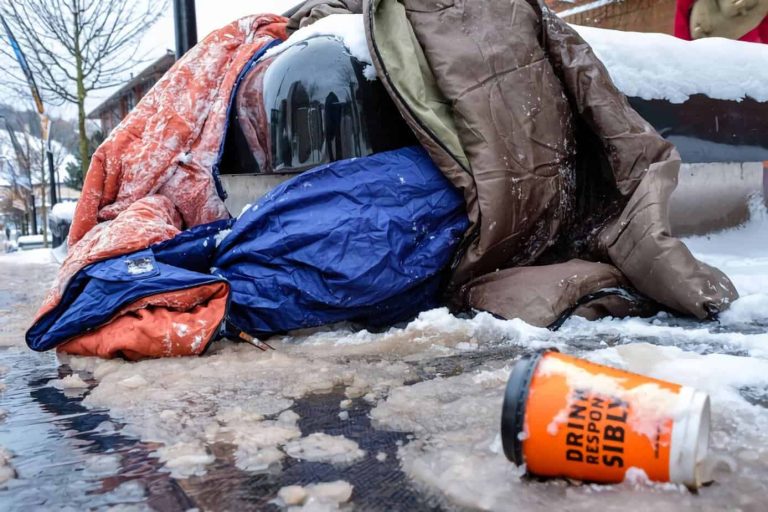
 

Financing a bug out retreat

0

I’m just a middle class guy. I don’t have lots of discretionary cash lying around, so I don’t think I would be able to purchase a bug out retreat with cash

Do people finance their bug out retreats? Do you get a mortgage on them?

What are the pros and cons of doing this? If SHTF, would the bank simply come and take it if you don’t own it outright?


Do Boffins have a sense of humor?

0

I would say – yes
The Best Science Hoaxes, Spoofs, and Nerd Jokes (500k subs celebration) – YouTube

This should provide a good laugh or two as it pokes fun at the pretentious language often used in published science papers – among other memes.

Enjoy

BAR SIGNS

0

Post your best bar sign

Stingray spyware

0

Stingray spyware

Make a Mann Box (For those who are losing their mind, or their EDC stuff)

0

A nice woodwork project to impress your mates.

Pelosi’s home broken into husband assaulted

0

I bet that Worthless Elite Fuckhead Paul wished he had a Gun!

The MSM is reporting the attacker busted into the house shouting “Where’s Nancy, Where’s Nancy”
if they are to be believed, then this attack was supposed to be against her! WHERE WAS THE SECURITY?????

Gotta say, somebody didn’t do jack squat intel gathering to know Nancy’s travel habits or if she was even home, or any of that, something super easy to do! If this was a random “Aw, Shit, I’m gonna go kill that elite lying Bitch and her worthless cuck husband” he surely failed! Stupidity at it’s finest!


The Ever-Increasing Need For Water And Water Storage

0

Water is so vital to life that most people will die in three days or less if they do not have it. The human body contains between 50 and 75 percent water, depending on age and gender. Despite this, many of us take water for granted.

According to the most recent medical statistics, roughly three-quarters of Americans are frequently dehydrated, which is surprising given our country’s widespread availability of clean water.

The tragedy is that for many people around the world, getting clean water is a full-time job, making it a scarce resource greater in value than gold.

Climate change and water scarcity

Over the last few decades, we’ve seen an increase in volatile weather patterns and changes in our global water supply. While some areas may see an increase in flooding, others may see an increase in drought.

Freshwater supplies to downstream communities are frequently impacted as glaciers continue to melt. Climate change may result in less water available for agriculture and less energy available for cities and ecosystems worldwide.

Many scientists believe that there is a link between climate change and water scarcity. Climate change may be the most significant compounding factor of existing infectious diseases.

Climate change will affect soil moisture, which will affect harvest size, even as increased heat reduces the nutritional value of foods, including wheat and rice protein content.

The specific effects of global climate change in any given location will range from drought to desertification to rising seawater, which will cause massive flooding.

The growing population and water availability

Water pollution is on the rise around the world, from pesticides to untreated human wastewater. Many groundwater sources are also becoming more contaminated as industrial chemicals leach into underground aquifers.

High levels of pollution can make people sick right away and cause massive illness outbreaks. Their effects can also be long-lasting and go unnoticed for years, in which case the damage to our environment and health has already been done.

The human population has more than doubled in the last 50 years, as has the strain on the planet’s resources as a result of industrialization and increased world hunger.

We just reached 8 billion people on this planet, and more and more people are moving to cities, resulting in megacities that dwarf New York and London, some with peri-urban slums where people live in close proximity to livestock.

Meanwhile, population growth in general, as well as people’s land-use decisions, has resulted in increased encroachment on open spaces and ecosystem disruption. Because people tend to cluster around water sources, the world’s population growth has put a strain on its water basins, reducing the planet’s availability of fresh water.

Agriculture and natural disasters

Over 70% of the world’s freshwater supply is used by agriculture, but 60% of it is wasted due to faulty irrigation systems, ineffective water application methods, and the cultivation of crops that are too thirsty for their environments.

As a result, water dries out the world’s rivers, lakes, and underground aquifers, putting some countries at risk of running out of water resources. Add to that the high levels of pollution caused by fertilizers and pesticides, and it’s clear that more harm to our environment and society is on the way.

Although not always a cause of long-term water scarcity, natural disasters have a negative impact on communities in the short term, often resulting in increased disease transmission and pollution.

There are numerous examples throughout history of how a lack of freshwater has destroyed civilizations and communities, but Hurricane Maria’s devastation in Puerto Rico stands out and shows us how natural disasters can devastate local freshwater supplies.

World War Water Banner1

Furthermore, hurricanes aren’t the only destructive force capable of causing a water crisis. In 2010, Haiti experienced one of the world’s worst earthquakes, killing over 92,000 civilians. A cholera outbreak caused by unsanitary water conditions killed nearly 10,000 people.

This is due, in part, to the 890,000 Haitians who were displaced as a result of the disaster, which put to the limit an already strained freshwater infrastructure. This adds to the evidence that human migration and displacement exacerbate the scarcity of fresh water.

The need to store freshwater

the need to store freshwater

Many Americans may place storing fresh water at the bottom of their daily priority list. Nothing is a priority in many disasters until we don’t have it.

But what if there is no Armageddon-style event, and the problem is subtle, gradual, and causing collateral damage?

Many California farmers went out of business as a result of the state’s six-year drought that began in 2011 and wreaked havoc on its ecosystem. In turn, the world food industry suffered a significant economic blow as a result of California’s drought conditions, raising food industry prices globally, all because water was scarce in one state.

However, disasters and water scarcity are as diverse as the regions they affect. We can plan ahead for how easily and in what quantities we should store water because we should have a good idea of what disasters may affect us based on where we live.

Whether it’s a power outage that lasts several weeks or toxic contamination, such as high levels of lead in Flint, Michigan’s water supply, every American can and should find a reason to keep emergency water on hand.

Water storage options

We can store fresh water in our homes in a variety of ways, depending on our budgets, ingenuity, and knowledge of storage and filtration principles.

The Centers for Disease Control and Prevention recommends that people drink at least one gallon of water per day (CDC). Everyone should think about his or her basic needs, and if we tracked every drop, we’d be surprised at how much water we consume each day.

Aside from drinking water, most of us should consider activities like hand washing, sanitation, cooking, bathing, and laundry. Water storage should also be considered realistically, depending on where we live.

I believe that there could be various water storage considerations depending on where you live. If you live in a desert with no streams and must store every drop of water you have, that is a different consideration than if you live in a rural area with a nearby stream and the ability to filter that water.

This is an example of acknowledging your surroundings in terms of adequate and safe water storage.

Water storage for children, the elderly, and pregnant women should also be increased. It’s also important to remember that our pets require water and should be taken into account when creating a daily water usage plan. Based on your needs analysis, keep at least two weeks’ worth of drinkable water.

Water should be stored in water-specific containers, such as buckets or bladders designed specifically for water storage. They should also be made of food-grade materials. You certainly wouldn’t want something that contained chemicals or other potentially harmful or unpleasant ingredients or odors.

There are several food-grade options to consider for properly storing our water, each with advantages and disadvantages.

Stackable water containers

stackable water containers

The majority of these water containers are made of heavy-duty, dark plastic (typically blue) and can be stacked on top of one another to save space. Each container, which usually has a spigot and a handle to transport and dispense water, has a 5- to 7-gallon capacity.

The most stackable containers can be found in almost any department store’s camping section and cost between $15 and $30 per piece.

However, be careful not to stack them excessively since overstacking can cause containers at the bottom to crack under the weight.

Collapsible water containers

The obvious advantage of a collapsible water container is its storage capacity. They, like stackable containers, are usually equipped with a spigot and a handle.

The materials used in the containers are not as rigid as those used in more permanent water containers because they are collapsible. While most hold 3 to 5 gallons, owners should avoid overfilling them because the increased pressure can cause them to rupture over time.

2-liter soda bottles

Two-liter soda bottles are an excellent way to store water on the cheap.

If you live in the city or a small apartment, 2-liter soda bottles can be collected, thoroughly washed, filled with water, and stored in a closet or food pantry with relative ease. The plastic in the 2-liter soda bottle is also more durable than most milk jugs we buy at our local grocery stores.

Bladders

bannerlost1

Most water bladders for home use are large, can fit inside sinks or bathtubs, and can hold a large amount of water. Many bathtub water bladders can hold up to 100 gallons of water and come with siphoning kits.

The disadvantage is twofold:

For starters, it takes over an entire bathtub until it is drained, so hopefully, families have more than one bathtub or shower.

Second, once filled, don’t plan on moving the bladder until the water has been drained, as a full bathtub bladder can weigh more than 100 pounds.

There are heavy-duty water bladders on the market that can be stored outside, but the tradeoff of losing the material’s integrity due to heat or potentially puncturing it should be considered.

If you want to try this option, I recommend getting one WaterBob for each bathtub. These are the best bladders out there, and they will come in handy during an emergency.

Heavy duty barrels

A 55-gallon blue barrel made of rigid, food-grade plastic can store enough water for an individual for nearly two months. For example, I have the barrel from Augason Farms that comes equipped with everything you need, including a water treatment option. I keep it full of water at all times, just in case.

If you have a large family, you can either add more blue barrels or spend the money on an upgraded version of a heavy-duty water container that holds hundreds of gallons.

Just make sure that once you’ve chosen your heavy-duty water containment site, you stick a fork in it and call it done because it will be impossible to move once it’s filled.

Rain barrels

Some stored water is not safe to drink unless properly filtered and purified, but it can be used for non-potable purposes such as plant irrigation. Using barrels to collect rainwater is an excellent way to collect non-consumable water.

Storing water long-term

storing water long term

Keep your water in a dark and cool place to keep light from reaching it. This keeps the water as fresh as possible because water degrades much faster when it warms up than when it is kept cool.

Temperature is the most important factor in long-term water storage. Water should always be stored in a cool, dry place. Under a stairwell or in a closet would work, but the basement is usually the ideal storage location. Water should never be stored in an attic or a garage where it can easily heat due to rising temperatures.

The Centers for Disease Control and Prevention (CDC) and FEMA (Federal Emergency Management Agency) both recommend that non-commercially bottled water be replaced every six months.

Additionally, check the expiration date on purchased water to ensure that the product is safe for you and your loved ones.

Long-term water storage isn’t just for lone survivalists and apocalyptic preppers. It all comes down to promoting common sense, which each of us should practice.

Even though the water in our homes is generally safe, there could be times when a water main breaks or water becomes contaminated, so people should keep water on hand. We can all see the writing on the wall when it comes to the Earth’s freshwater supply becoming increasingly scarce.

I believe there are some indicators that people should be on the lookout for and use as a reminder to stock up on supplies for themselves and their families. I believe it is prudent for people to have water on hand for any eventuality.

Stagnant thinking is similar to stagnant water. It leads nowhere but to diseased thoughts.

If the human race is to stay ahead of the world’s water crisis, it will require personal sacrifice to ensure our long-term water storage needs for ourselves and our loved ones are met.

the bestforever foodsthat never spoil v2It will also take flexible and forward-thinking conservation efforts from all of us to ensure that others around the world have access to safe drinking water.

Other Useful Resources:

Drinking Water Survival Myths You Should Know

How to obtain water from the air

Decontamination Procedures and Sterilization of Water

Knowledge to survive any medical crisis situation during a major disaster