Perrenial crops are an essential part of a self sufficiency garden…the initial establishment and occasional maintenance are well rewarded long term.
US prepares to open new training site for foreign F-35 pilots

A new F-35 training site under construction in northwest Arkansas is preparing to welcome fighter pilots from around the world this fall.
Ebbing Air National Guard Base will become the latest U.S.-based site dedicated to training foreign pilots across the global F-35 Joint Strike Fighter enterprise, which now encompasses more than 3,500 jets in 18 countries.
RELATED
The new hub will allow more instructor pilots from the U.S. — the largest member of the F-35 coalition at more than 2,400 jets — to share their expertise with a rotating cast of nations who have less operational experience with one of the world’s most advanced fighters or lack the resources to host a multinational school of their own.
Learning from the U.S. can make the international coalition sharper in combat, Col. David Skalicky, who oversees the project as commander of the 33rd Fighter Wing at Florida’s Eglin Air Force Base, told Air Force Times. Military officials argue that familiarity can prove crucial if the countries must go to war together.
“This is really about increasing the capability and capacity of our allies and partners,” he said.
Poland is slated to arrive as the first foreign F-35 user on campus in September, followed by Finland, Germany, Switzerland and Singapore in the years ahead.
They’ll learn from the new 85th Fighter Group and 57th Fighter Squadron, expected to open at Ebbing July 2, an Air Force spokesperson said.
F-35 pilots from Italy, Norway, Denmark and the Netherlands already train at Arizona’s Luke Air Force Base; Belgium is slated to begin lessons there as well. But Luke lacks the resources and room to welcome students from more than a dozen other countries, spurring the international coalition to look for another site where foreign pilots can learn from the Americans.
The U.S. Air Force tapped Ebbing to host the foreign training mission in March 2023 after a fierce, yearslong lobbying effort by Michigan’s congressional delegation to bring the jets to Selfridge ANGB north of Detroit.
Typically, foreign militaries learn from U.S. pilots at bases that are already operating the same aircraft. Not so for Ebbing, at which F-35 training will become the only on-site flying mission.
The base will build new F-35 pilots from scratch, with students who have already qualified to fly fighters but are getting their first taste of the fifth-generation plane itself, Skalicky said.
As many as 36 jets will arrive on base, including 24 F-35s. Ebbing will also host up to 12 F-16s as part of a Singaporean training unit that is transferring from Luke, said Col. Adam Rice, an Air Education and Training Command official tasked with coordinating the project’s progress.
The Air Force expects about four pilots will graduate from Ebbing in 2025 before growing to about three dozen graduates each year through the end of the decade, Rice said.
Trainees will start their seven-month Joint Strike Fighter journey at Eglin — the Air Force’s closest active duty F-35 site — where they’ll be exposed to the F-35′s controls and tactics in classroom lessons and simulated sorties. The program will be split between Eglin and Ebbing until the new location finishes building a simulator facility of its own.
In Florida, they’ll jump from virtual takeoffs and landings to one-on-one aerial dogfights and multi-jet offensives, Skalicky said.
“We usually progress from that point into surface attack [and] suppression of enemy air defense, as well as some higher mission sets like offensive counter-air, escorting strikers … or being part of a strike package,” he said.
After about three months, students will trek more than 700 miles to Ebbing for the second half of the course, when they’ll take to the skies to practice what they’ve learned.
Rice said the project is working to expand the existing training airspace at Ebbing. The site may bring in low-cost threat emitters, or hardware that replicates surface-to-air missile systems so pilots can learn to evade enemy air defenses.
Air Education and Training Command boss Lt. Gen. Brian Robinson “has promised ‘first-class’ training, not ‘world-class’ training, at Ebbing,” Rice said. “It won’t be a training space like Nellis, for instance, but it will be good-quality training for the [foreign military sales] customers.”
Some who graduate will head back to their home countries, where they’ll join their first F-35 units. Others will return to Eglin for further training to become instructor pilots in order to build their own domestic training pipelines, Skalicky said.
To transform the Air National Guard base of about 1,000 troops and civilian employees and an MQ-9 drone wing into a top-tier training range for high-tech fighters, the Air Force is embarking on a $850 million project that is expected to finish by the end of 2028.
Because the clock is ticking for troops to arrive at Ebbing, the Air Force plans to first host classes in an array of trailers and tension-fabric shelters on base. Those temporary facilities will tide over the training enterprise for a few years as the service renovates existing spaces like maintenance shops, while building Joint Strike Fighter-specific facilities for simulators and storage.
Singapore, whose forces will be permanently stationed at Ebbing, is bringing the F-35B, the vertical takeoff-and-landing version of the jet also flown by the U.S. Marine Corps. Because the Air Force’s variant doesn’t have the same capability, the service has to find other instructor pilots to help the Singaporeans, and ensure the flightline is reinforced with special concrete that can withstand the jet’s forces, Rice said.
In September, airmen from Eglin will hold a training exercise at Ebbing to wring out any issues at the site before foreign countries begin arriving later that month, Skalicky said.
But there’s still plenty of work ahead for the complicated project, which requires Air Force officials to weave the wants and needs of multiple countries into a cohesive training ground while navigating erratic congressional funding and a volatile construction market.
“Post-COVID, we’ve had challenges with supply and demand, construction, laborers, you name it. We’re still experiencing that across the enterprise,” said Col. George Nichols, deputy director of facility engineering at the Air Force Civil Engineer Center.
“[I’ve] been doing this for 23 years, and this is one of the most complex beddowns that we’ve done,” he said.
Rachel Cohen is the editor of Air Force Times. She joined the publication as its senior reporter in March 2021. Her work has appeared in the Washington Post, the Frederick News-Post (Md.), Air and Space Forces Magazine, Inside Defense, Inside Health Policy and elsewhere.
Making Fire Cider – A Traditional Remedy With Many Health Benefits
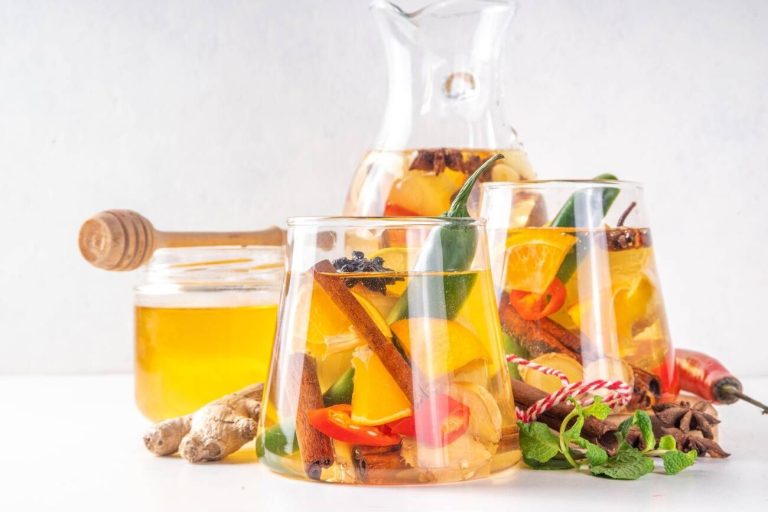
Apple cider vinegar is one of the most widely used health products globally. It’s affordable, easy to store, and highly versatile, earning it the nickname “liquid gold.” From every corner of the world where apples are cultivated, you’ll find a variety of cider vinegar recipes and remedies that have been passed down through generations.
Despite its long history and numerous anecdotal endorsements, the scientific community has largely overlooked simple home remedies like apple cider vinegar. However, this trend is beginning to shift as an increasing number of reputable studies highlight the potential health benefits of apple cider vinegar. Notably, its effects on diabetes management, infection treatment, and weight loss appear particularly promising.
Backed up by science
Research has shown that apple cider vinegar can help regulate blood sugar levels. In one study, individuals with Type 2 diabetes who did not take insulin experienced lower blood glucose levels the morning after consuming 2 tablespoons of apple cider vinegar before bedtime. Another study demonstrated that people with insulin resistance who drank a mixture of apple cider vinegar and water before a high-carbohydrate meal had lower blood sugar levels afterward compared to those who did not consume the vinegar mixture.
Carol Johnston, a professor in the nutrition program at Arizona State University, has been researching the effects of acetic acid, a key component of vinegar, on blood glucose levels since 2004. Her findings suggest that vinegar can lower blood sugar levels in individuals with Type 2 diabetes, those who are prediabetic, and even in healthy individuals.
The American Diabetes Association published findings in its journal, Diabetes Care, indicating that vinegar can significantly improve post-meal insulin sensitivity in insulin-resistant individuals. The journal suggested that more research is needed to evaluate vinegar’s potential as a treatment for diabetes.
Additionally, recent studies have confirmed apple cider vinegar’s ability to combat infections. One study highlighted its antimicrobial properties against E. coli, Staphylococcus aureus, and Candida albicans. Published in Scientific Reports, the study emphasized the importance of alternative antimicrobials in the face of increasing antibiotic resistance. The researchers found that various dilutions of apple cider vinegar showed promising antimicrobial effects with potential clinical applications.
Apple cider vinegar has also been shown to aid in weight loss. Acetic acid, the main component of cider vinegar, can promote a feeling of fullness. In one study involving 175 obese participants, daily consumption of 1 to 2 tablespoons of apple cider vinegar resulted in reduced belly fat and an average weight loss of 2 to 3 pounds over three months.
Another study, reported in Bioscience, Biotechnology, and Biochemistry, found that overweight individuals who consumed beverages with either 15 milliliters or 30 milliliters of vinegar daily experienced significant reductions in body weight, BMI, visceral fat area, waist circumference, and serum triglyceride levels compared to a placebo group. While apple cider vinegar is not a miracle solution for weight loss, it can be a helpful addition to a healthy diet and exercise regimen.
It all started in the 80s
In the early 1980s, my students and I at the California School of Herbal Studies created a winter health formula using apple cider vinegar. This concoction, known as “fire cider,” has since gained popularity worldwide as I shared it through my travels and teachings.
Over time, the original recipe has evolved with each new batch, as people tweaked the herbs and increased the honey content. Some have added fresh grated turmeric for its anti-inflammatory properties, echinacea for immune support, or fresh lemon slices for a boost of vitamin C. Today, many variations of fire cider are widely used. Here, you’ll find the original recipe along with two other popular versions favored by homesteaders.
A word of advice
When making your own fire cider, opt for the highest quality apple cider vinegar you can find. Commercially available cider vinegars are typically filtered and pasteurized, processes that remove or deactivate many of the beneficial components such as probiotics, enzymes, and various nutrients. Instead, choose raw (unpasteurized) and unfiltered cider vinegar.
For even better quality, select an organic variety to avoid chemical contaminants. Though raw, unfiltered, organic apple cider vinegar may be more expensive than the standard grocery store options, the extra cost is justified by its superior health benefits. You can find it at farmers markets, natural food stores, and even some conventional grocery stores.
Original Fire Cider Recipe
This is one of my favorite and most well-known recipes. The ingredients are affordable and commonly found in most kitchens, and the recipe itself is simple and enjoyable to make. When made with the perfect balance of sweet, spicy, sour, and pungent flavors, homemade fire cider tastes absolutely delicious. You can take a small shot glass daily as a tonic or take teaspoonfuls throughout the day if you feel a cold coming on.
 Ingredients:
– 1/2 cup grated fresh horseradish root
– 1/2 cup chopped onion
– 1/4 cup chopped garlic
– 1/4 cup grated fresh ginger
– Cayenne pepper, dried or fresh chopped, to taste
– Raw apple cider vinegar, to cover
– Honey, to taste
Directions:
- In a half-gallon mason jar, add the horseradish, onion, garlic, ginger, and pepper.
- Pour in enough vinegar to cover the other ingredients by 3 to 4 inches.
- Seal the jar with a tight-fitting glass or plastic lid, and set it aside in a warm place.
- Shake the jar every day to aid in maceration.
- After 3 to 4 weeks, strain out the herbs and reserve the liquid.
- Warm the honey so it mixes well, then add it to the vinegar to taste, balancing the fiery ingredients.
- Bottle, label, and enjoy!
Fire cider will keep for several months unrefrigerated if stored in a cool pantry, but it’s best kept in the fridge.
Garden Fire Cider Recipe
As summer transitions into fall, I head out to the garden to harvest everything I can before the first hard frost arrives. These final days of abundance are steeped in tradition as I fill my pantry with herbal remedies like elderberry syrup, rose hip honey, and, of course, fire cider. The recipe below is inspired by what I can gather from my garden or easily find at the farmers market, resulting in a locally sourced blend of spicy goodness. Use this recipe as a starting point to create your own version of fire cider with locally available ingredients. Ensure the apple cider vinegar you use has at least 5 percent acidity.
Ingredients:
– 1/2 cup grated fresh horseradish root
– 1 cup minced onion
– 1/2 cup minced garlic (about 15 cloves)
– 1/2 cup fresh elderberries
– 1/4-inch piece fresh cayenne pepper, or 1/2 teaspoon cayenne pepper flakes, to taste
– 3 tablespoons minced fresh thyme
– 3 tablespoons minced fresh oregano
– 9 fresh nasturtium flowers
– 1/4 cup raw honey, or to taste
– Raw, unfiltered apple cider vinegar to cover (about 2 cups)
Directions:
- In a 1-quart jar, combine the horseradish, onion, garlic, elderberries, pepper, and herbs.
- Add the honey.
- Fill the jar with enough vinegar to cover all the ingredients. Stir well to remove any air bubbles.
- Cover the jar with a glass or plastic lid. If using a metal lid, place parchment or waxed paper between the lid and the jar to prevent corrosion from the vinegar.
- Set the jar aside for 2 to 3 weeks. For the first few days, shake the jar well once per day.
- Strain the vinegar into a clean jar.
- Refrigerate and use within a year.
Spiced Citrus Fire Cider Recipe

Here is another recipe I’ve learned from my sister-in-law.
Ingredients:
– 1/2 cup grated fresh horseradish root
– 1/2 cup chopped onion
– 1/4 cup chopped garlic
– 1/4 cup grated fresh ginger
– 1/4 cup grated fresh turmeric root
– 2 fresh jalapeño peppers, chopped
– Zest and juice of 1 lemon
– Zest and juice of 1 orange
– 2 cinnamon sticks
– 1 tablespoon black peppercorns
– 2 sprigs fresh rosemary
– Raw, unfiltered apple cider vinegar to cover (about 2 cups)
– 1/4 cup raw honey, or to taste
 Directions:
- In a 1-quart jar, combine the horseradish, onion, garlic, ginger, turmeric, jalapeños, lemon zest and juice, orange zest and juice, cinnamon sticks, black peppercorns, and rosemary.
- Pour in enough apple cider vinegar to cover the ingredients by about 2 inches.
- Stir well to remove any air bubbles, and seal the jar with a plastic or glass lid. If using a metal lid, place parchment or wax paper between the lid and the jar to prevent corrosion.
- Store the jar in a cool, dark place for 3 to 4 weeks, shaking daily to help with maceration.
- After 3 to 4 weeks, strain out the solids and transfer the liquid to a clean jar.
- Warm the honey slightly to make it easier to mix, then add it to the vinegar mixture and stir until well combined.
- Store the finished fire cider in the refrigerator and use it within a year.
Enjoy these homemade fire cider recipes as a daily tonic or whenever you need an extra health boost!
Concluding
Fire cider is a versatile and potent herbal remedy that has stood the test of time, evolving with each new generation and adaptation. Its blend of spicy, sweet, and pungent flavors not only makes it a delicious addition to your wellness routine but also offers numerous health benefits, from boosting immunity to aiding digestion and combating infections.
By using high-quality, raw, and organic apple cider vinegar and incorporating fresh, locally sourced ingredients, you can create your own personalized version of fire cider that reflects the bounty of your garden or farmer’s market.
As you experiment with different recipes and ingredients, you’ll not only be preserving a valuable tradition but also enriching your health with nature’s gifts. Whether you take it daily as a tonic or reach for it at the first sign of a cold, fire cider is a powerful and natural ally in your journey to wellness.
Useful resources to check out:
How To Build The Invisible Root Cellar
The basics of making fruit wine – Step by step guide
The vital self-sufficiency lessons our great grand-fathers left us
Smart ways to preserve and enjoy and your apple harvest
When will China have a sixth-gen fighter jet?

CHRISTCHURCH, New Zealand — Despite China’s notorious secrecy surrounding all things defense, there are indications it is making progress on a sixth-generation fighter.
Perhaps the clearest admission came from a WeChat social media post by Aviation Industry Corporation of China in January 2019. In an interview discussing sixth-gen fighters, Wang Haifeng, the chief designer at AVIC subsidiary Chengdu Aerospace Corp., said preparations were underway to research a combat aircraft that would be ready to “protect the sea and sky” by 2035.
At the time, Wang mentioned elements like manned-unmanned teaming, the use of artificial intelligence, as well as improved stealth and omnidirectional sensors.
In 2022, the head of U.S. Air Combat Command said those efforts are “on track.”
“By and large, they see it [sixth-gen fighter technology] greatly the way we see it in terms of an exponential reduction in signature and exponential acceleration in processing power and sensing, and the ability to iterate in terms of open-mission systems, to be able to essentially reprogram at the speed of relevance,” Gen. Mark Kelly said.
Fast forward to the present, and Rick Joe, who has written extensively about the Chinese military, considers the sixth-gen efforts a program of record, noting that “indicators since 2019 in the semiofficial space have only increased.” Examples include AVIC artwork depicting generic next-gen fighter configurations, academic papers, and statements from military and industry officials. In addition, satellite imagery of a tailless fighter-like airframe was seen at Chengdu Aerospace facilities in October 2021.
Joe told Defense News that demonstrator testbeds, possibly subscale versions, have already flown.
For lack of an official name, he referred to the mysterious fighter as the J-XD. “I fully expect the J-XD to have some subsystems (like engines), which will be less capable than a U.S. equivalent initially, simply because there are some domains where they are still catching up, albeit with significant closing of gaps over the past few decades.”
Joe noted that sixth-gen fighters are typically expected to include aerodynamic design and control; radiofrequency materials; flight control software; sensing technologies; data-linking and combat-management systems; weapons; and the integration of collaborative combat aircraft, or complementary drones.
“I see them as playing in the general ballpark of other nations pursuing a sixth-gen capability,” Joe said.
But when Defense News asked Brendan Mulvaney, the director of the U.S. Air Force’s China Aerospace Studies Institute, whether China currently has the capability to develop these advanced fighters, the response was slightly less optimistic for Beijing.
“Today? No. Twenty years from now? Absolutely. And we’ve seen this time and time again. We’re getting better at not … underestimating what the Chinese system is capable of when it sets its mind to it,” Mulvaney said.
The official said mastering jet engines has been China’s bane, but it is getting better. “At the end of the day, that’s just science. I tell people that physics works the same in Berlin as it does in Beijing. So if you put enough time and effort … you can make a good aerospace engine, especially for the military side.”
Working with drones
Mulvaney said China has described its future fighter as unmanned, but he believes the design is more likely optionally manned, as it depends on how quickly industry can develop AI systems, alongside other requisite technologies. “You don’t have to have a man [in it] and you potentially let it go off on its own, or it could serve as a loyal wingman.”
China’s drone manufacturers are ambitious, but it’s not entirely clear where that technology stands in terms of complementing a future sixth-gen fighter. Notably, Joe said, Chinese-made combat drones and collaborative combat aircraft that have appeared at air shows are “likely not representative of actual in-development [unmanned combat aerial vehicles] intended for the [People’s Liberation Army], which are almost certainly more ambitious in scope.”
He also said it’s fair to assume various sophisticated combat drones “are in advanced development/testing or even limited trial service.”
An in terms of trialing manned-unmanned teaming, China’s existing J-20 fighter could contribute, as the country developed a twin-seat version where a backseat operator can control drones. However, this variant is currently a technology demonstrator.
If the Chengdu Aerospace chief designer’s predictions of a sixth-gen fighter being operational in 2035 hold true, Joe said a maiden flight would need to take place at least five years before then, and thus a prototype would need to be ready around 2028. He expressed confidence this is possible, although Mulvaney predicted it will probably take China “until the late 2030s, if not the early 2040s,” to reveal a meaningful design.
Gordon Arthur is an Asia correspondent for Defense News. After a 20-year stint working in Hong Kong, he now resides in New Zealand. He has attended military exercises and defense exhibitions in about 20 countries around the Asia-Pacific region.
North Cascades | Survival Monkey Forums



Mountain apples | Survival Monkey Forums

Kitchen Tricks, Food Hacks and Cooking Tips
Fast kitchen tricks, food hacks and cooking tips:
A Few Creole Healing Herbs You Should Try – Part II
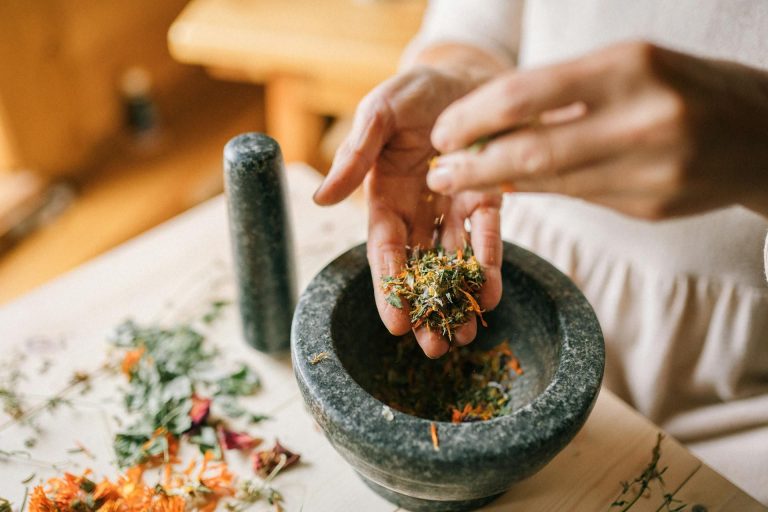
Welcome back to our exploration of Creole healing herbs! In the first part of this article, we looked at the fascinating world of traditional Creole medicine, discussing the historical significance and usage of herbs like Groundsel Bush (Manglier), Elderberry (Sureau), and Lizard’s Tail (Herbe à Malo). These plants have been cherished for their medicinal properties and continue to be integral to natural healing practices within Creole communities.
In this second part, we will continue our journey by examining more remarkable herbs, starting with the Bitter Melon (Mexicain).
More Creole healing herbs worth trying:
Bitter Melon (Mexicain)
Bitter Melon, known as Mexicain in Creole tradition, is a powerful medicinal plant with a long history of use in traditional medicine. This plant is particularly valued for its ability to regulate blood sugar levels and treat digestive issues. Here, we explore the characteristics, habitat, identification, and traditional uses of Bitter Melon.
Description and Habitat
Bitter Melon (Momordica charantia) is a tropical and subtropical vine that belongs to the gourd family. The plant is characterized by its deeply lobed leaves and bright yellow flowers. It produces distinctive green fruit with a bumpy, warty surface that turns orange-yellow as it ripens. The fruit has a bitter taste, which is where the plant gets its common name.
Bitter Melon thrives in warm climates and is commonly found in tropical regions around the world, including Asia, Africa, the Caribbean, and South America. It is often cultivated in gardens and small farms, where it climbs trellises and fences.
Identification
Identifying Bitter Melon involves noting several key features:
- Leaves: Deeply lobed, dark green, and arranged alternately on the vine.
- Flowers: Bright yellow, five-petaled, and grow singly or in small clusters.
- Fruit: Green with a bumpy, warty surface, turning orange-yellow when ripe; the flesh is bitter.
- Height: As a vine, it can spread extensively, climbing structures with its tendrils.
- Habitat: Thrives in warm, tropical climates and is often cultivated in gardens.
Traditional Uses
In Creole herbal medicine, Bitter Melon is prized for its wide range of health benefits. The fruit, leaves, and seeds are used in various preparations to treat different ailments.
- Tea: The leaves and fruit are commonly brewed into a tea. This herbal tea is used to lower blood sugar levels, treat digestive issues, and detoxify the body.
- Juice: Fresh Bitter Melon juice is consumed to help manage diabetes, boost the immune system, and improve skin health.
- Poultice: The leaves can be crushed and applied as a poultice to treat wounds, burns, and skin infections.
Preparation and Dosage
To prepare Bitter Melon tea, follow these traditional steps:
- Harvest: Collect fresh Bitter Melon leaves and fruit, ensuring they are free from contaminants.
- Clean: Rinse the plant material thoroughly to remove any dirt or insects.
- Slice: Cut the fruit into small pieces, and chop the leaves.
- Boil: Place a handful of leaves and fruit pieces into a pot of water and bring to a boil.
- Simmer: Reduce the heat and let the mixture simmer for about 15-20 minutes.
- Strain: Strain the liquid to remove the plant material.
- Consume: Drink the tea while it is warm, typically one to two times a day, especially before meals to help manage blood sugar levels.
Cautions
Bitter Melon is generally safe when used in traditional amounts, but excessive consumption can lead to gastrointestinal issues such as abdominal pain and diarrhea. Pregnant or nursing women, as well as individuals with underlying health conditions, particularly those taking medication for diabetes, should consult a healthcare provider before using Bitter Melon or any other herbal remedy.
Red Bay (Petit Laurier)

Red Bay, known as Petit Laurier in Creole tradition, is a versatile and revered herb with numerous medicinal properties. This plant is particularly valued for its ability to treat respiratory issues and digestive problems. Here, we explore the characteristics, habitat, identification, and traditional uses of Red Bay.
Description and Habitat
Red Bay (Persea borbonia) is an evergreen tree that can grow up to 65 feet tall. It has smooth, reddish-brown bark and leathery, aromatic leaves that are dark green on top and lighter underneath. The leaves are lance-shaped and can be up to 6 inches long. In the spring, Red Bay produces small, white to yellowish-green flowers, which are followed by dark blue to black drupes (berries) in the fall.
Red Bay thrives in coastal regions and is commonly found in the southeastern United States, particularly in swamps, along rivers, and in other wetland areas. It is also found in the Caribbean and Central America.
Identification
Identifying Red Bay involves noting several key features:
- Leaves: Lance-shaped, leathery, dark green on top, lighter underneath, and aromatic when crushed.
- Flowers: Small, white to yellowish-green, growing in clusters.
- Bark: Smooth, reddish-brown.
- Fruit: Dark blue to black drupes (berries) that appear in the fall.
- Height: Can grow up to 65 feet tall.
- Habitat: Thrives in coastal regions, swamps, along rivers, and wetland areas.
Traditional Uses
In Creole herbal medicine, Red Bay is valued for its wide range of health benefits. Various parts of the plant, including the leaves and bark, are used in different preparations to treat a variety of ailments.
- Tea: The leaves are often brewed into a tea. This herbal tea is used to treat colds, flu, respiratory issues, and digestive problems. It is also believed to have calming effects and can be used as a mild sedative.
- Poultice: Crushed leaves can be applied as a poultice to treat wounds, reduce inflammation, and relieve pain from insect bites and stings.
- Aromatherapy: The leaves can be used in aromatherapy to alleviate congestion and promote relaxation.

Preparation and Dosage
To prepare Red Bay tea, follow these traditional steps:
- Harvest: Collect fresh Red Bay leaves, ensuring they are free from contaminants.
- Clean: Rinse the leaves thoroughly to remove any dirt or insects.
- Boil: Place a handful of leaves into a pot of water and bring to a boil.
- Simmer: Reduce the heat and let the mixture simmer for about 10-15 minutes.
- Strain: Strain the liquid to remove the leaves.
- Consume: Drink the tea while it is warm, typically one to three times a day, depending on the severity of the symptoms.
Cautions
While Red Bay is generally considered safe when used in traditional amounts, it is important to approach any herbal remedy with caution. Pregnant or nursing women, as well as individuals with underlying health conditions, should consult a healthcare provider before using Red Bay or any other herbal medicine.
Lemongrass (Fever Grass)
Description and Habitat
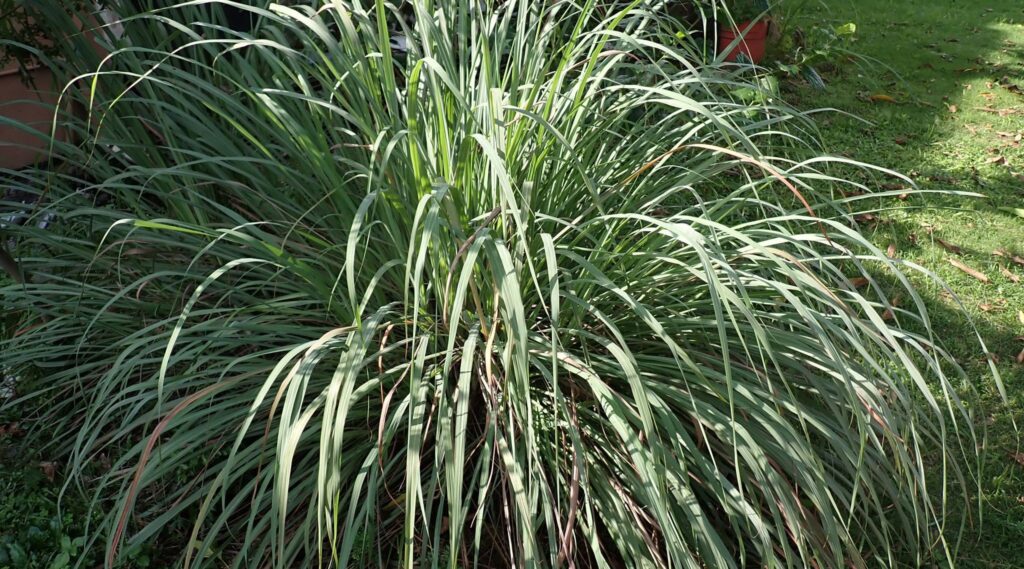
Lemongrass (Cymbopogon citratus), known as Fever Grass in Creole tradition, is a tall, perennial grass with a strong citrus aroma. It can grow up to 4 feet tall and has long, slender, green leaves that can be rough to the touch.
Lemongrass thrives in tropical and subtropical climates and is commonly found in gardens and cultivated in pots. It is native to Southeast Asia but is widely grown in the Caribbean and other parts of the world.
Identification
- Leaves: Long, slender, green, and aromatic with a rough texture.
- Height: Can grow up to 4 feet tall.
- Habitat: Thrives in tropical and subtropical climates, often cultivated in gardens and pots.
Traditional Uses
- Tea: Lemongrass is often brewed into a tea to reduce fever, relieve colds, and aid digestion. It is also used as a calming tea to reduce anxiety and promote sleep.
- Poultice: The leaves can be crushed and applied as a poultice to treat headaches and muscle pain.
- Infusion: An infusion of lemongrass can be used as a general tonic to boost the immune system and improve overall health.
Preparation and Dosage
Tea:
- Harvest: Collect fresh lemongrass leaves, ensuring they are free from contaminants.
- Clean: Rinse the leaves thoroughly to remove any dirt or insects.
- Chop: Cut the leaves into small pieces to release their essential oils.
- Boil: Place a handful of chopped leaves into a pot of water and bring to a boil.
- Simmer: Reduce the heat and let the mixture simmer for about 10-15 minutes.
- Strain: Strain the liquid to remove the leaves.
- Consume: Drink the tea while it is warm, typically one to three times a day, especially to reduce fever or aid digestion.
Poultice:
- Harvest: Collect fresh lemongrass leaves.
- Clean: Rinse the leaves thoroughly.
- Crush: Crush the leaves to release their essential oils.
- Apply: Apply the crushed leaves directly to the affected area and cover with a clean cloth.
- Hold: Leave the poultice in place for about 30 minutes to relieve pain or treat headaches.
Cautions:
Pregnant or nursing women should consult a healthcare provider before using lemongrass, as it may stimulate menstrual flow and could potentially lead to miscarriage. Some individuals may be allergic to lemongrass; discontinue use if any signs of an allergic reaction occur, such as rash, itching, or swelling. Lemongrass oil can cause skin irritation in some people; always perform a patch test before applying it to a large area.
Bay Leaf (Bois d’Inde)
Description and Habitat
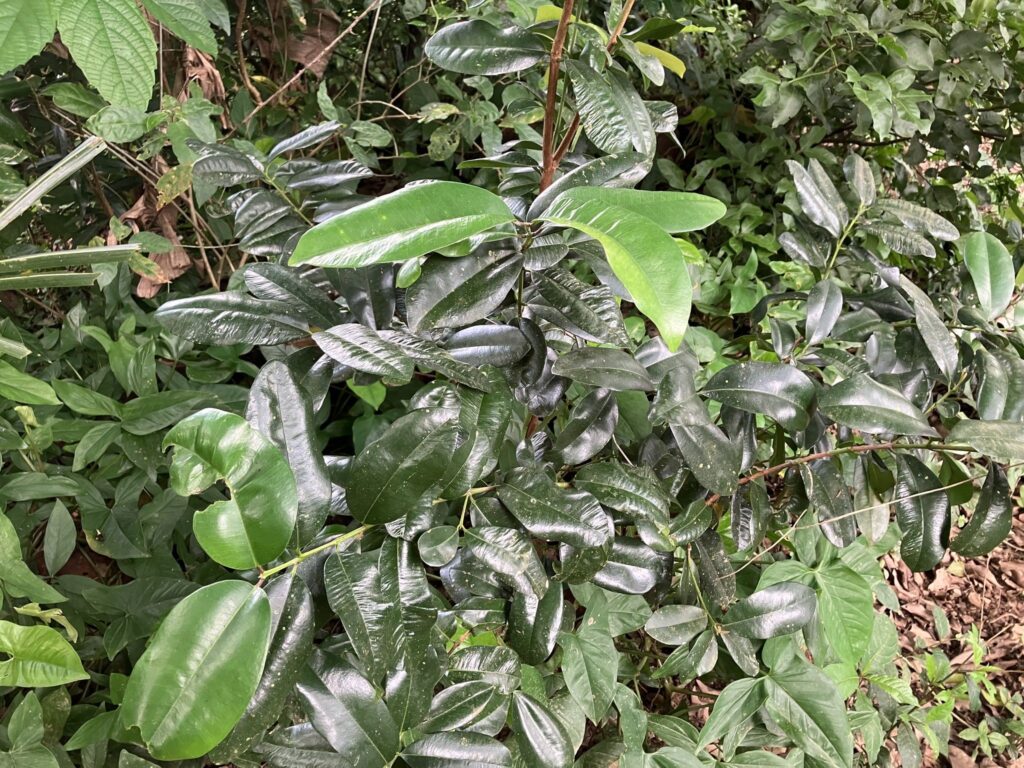
Bay Leaf (Pimenta racemosa), known as Bois d’Inde in Creole culture, is an evergreen tree that can grow up to 30 feet tall. It has smooth, gray bark and aromatic, glossy green leaves. The tree produces small, white flowers that develop into dark berries.
Bay Leaf is native to the Caribbean and Central America, thriving in tropical climates and often found in forests and cultivated in gardens.
Identification
- Leaves: Aromatic, glossy green, and oval-shaped.
- Flowers: Small, white, growing in clusters.
- Bark: Smooth, gray.
- Height: Can grow up to 30 feet tall.
- Habitat: Thrives in tropical climates, found in forests and gardens.
Traditional Uses
- Tea: Bay leaves are brewed into a tea to relieve colds, flu, and digestive issues. The tea is also used to reduce inflammation and improve respiratory health.
- Aromatherapy: The leaves are used in aromatherapy to alleviate congestion and promote relaxation.
- Poultice: Crushed leaves can be applied as a poultice to treat wounds and reduce inflammation.
Preparation and Dosage
Tea:
- Harvest: Collect fresh or dried bay leaves.
- Clean: Rinse the fresh leaves thoroughly.
- Boil: Place a few bay leaves into a pot of water and bring to a boil.
- Simmer: Reduce the heat and let the mixture simmer for about 10 minutes.
- Strain: Strain the liquid to remove the leaves.
- Consume: Drink the tea while it is warm, typically one to two times a day to relieve colds or digestive issues.
Aromatherapy:
- Harvest: Collect fresh bay leaves.
- Clean: Rinse the leaves thoroughly.
- Crush: Crush a few leaves to release their aromatic oils.
- Inhale: Place the crushed leaves in a bowl of hot water and inhale the steam to alleviate congestion.
Poultice:
- Harvest: Collect fresh bay leaves.
- Clean: Rinse the leaves thoroughly.
- Crush: Crush the leaves to release their essential oils.
- Apply: Apply the crushed leaves directly to the affected area and cover with a clean cloth.
- Hold: Leave the poultice in place for about 30 minutes to reduce inflammation.
Cautions:
Pregnant or nursing women should consult a healthcare provider before using bay leaves, especially in large quantities. Consuming whole bay leaves can be dangerous, as they can cause gastrointestinal blockages; always remove bay leaves from food or tea before consumption. Bay leaves can interact with certain medications, such as those for diabetes and blood pressure; consult a healthcare provider if you are taking any medication.
Guaco (Mikania glomerata)
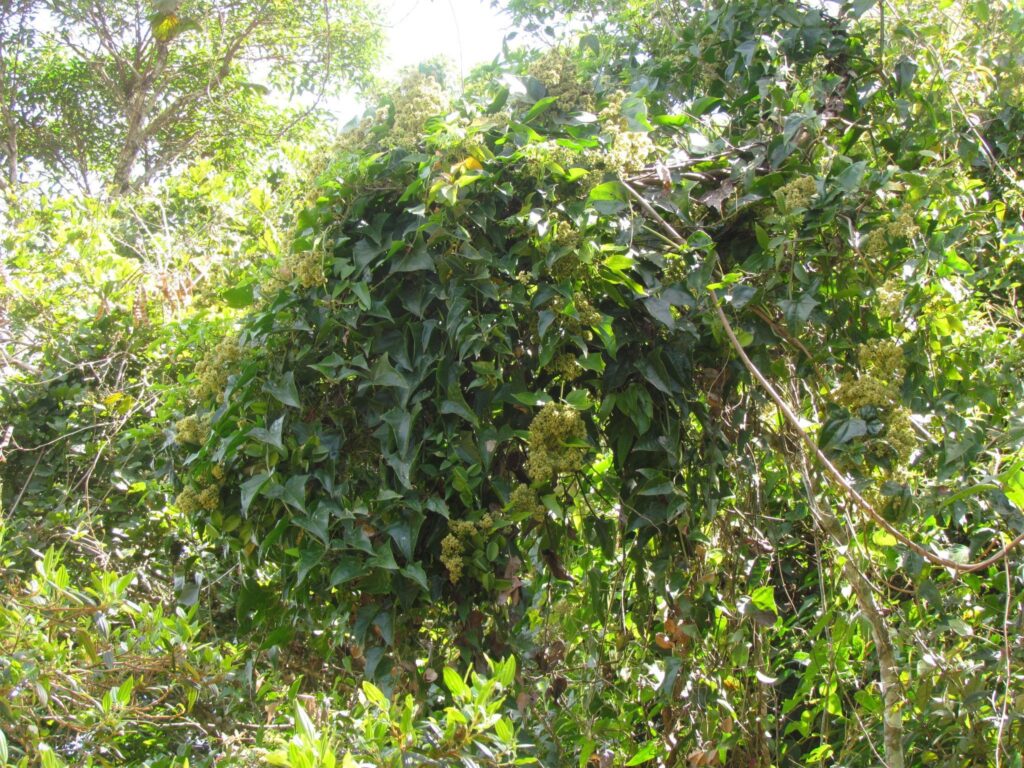
Description and Habitat
Guaco (Mikania glomerata) is a climbing vine with heart-shaped leaves and small white or greenish flowers. It is native to South America and the Caribbean, thriving in tropical and subtropical climates.
Identification
- Leaves: Heart-shaped, green, and slightly hairy.
- Flowers: Small, white or greenish, growing in clusters.
- Height: As a vine, it climbs on other plants or structures.
- Habitat: Thrives in tropical and subtropical climates.
Traditional Uses
- Tea: Guaco leaves are brewed into a tea to treat respiratory issues such as asthma, bronchitis, and coughs. The tea is also used to reduce fever and inflammation.
- Syrup: A syrup made from Guaco is used as an expectorant to help clear mucus from the respiratory tract.
- Poultice: Crushed leaves can be applied as a poultice to treat snake bites and other wounds.
Preparation and Dosage
Tea:
- Harvest: Collect fresh Guaco leaves.
- Clean: Rinse the leaves thoroughly to remove any dirt or insects.
- Boil: Place a handful of leaves into a pot of water and bring to a boil.
- Simmer: Reduce the heat and let the mixture simmer for about 15 minutes.
- Strain: Strain the liquid to remove the leaves.
- Consume: Drink the tea while it is warm, typically one to three times a day to treat respiratory issues or reduce fever.
Syrup:
- Harvest: Collect fresh Guaco leaves.
- Clean: Rinse the leaves thoroughly.
- Boil: Place the leaves in a pot with water and bring to a boil.
- Simmer: Reduce the heat and let the mixture simmer until it thickens.
- Strain: Strain the liquid to remove the leaves.
- Sweeten: Add honey or another natural sweetener.
- Consume: Take 1-2 tablespoons of syrup daily as an expectorant.
Poultice:
- Harvest: Collect fresh Guaco leaves.
- Clean: Rinse the leaves thoroughly.
- Crush: Crush the leaves to release their essential oils.
- Apply: Apply the crushed leaves directly to the affected area and cover with a clean cloth.
- Hold: Leave the poultice in place for about 30 minutes to treat snake bites or wounds.
Cautions:
Pregnant or nursing women should avoid using Guaco without consulting a healthcare provider, as its safety in these conditions has not been well studied.
Anamu (Guinea Hen Weed)
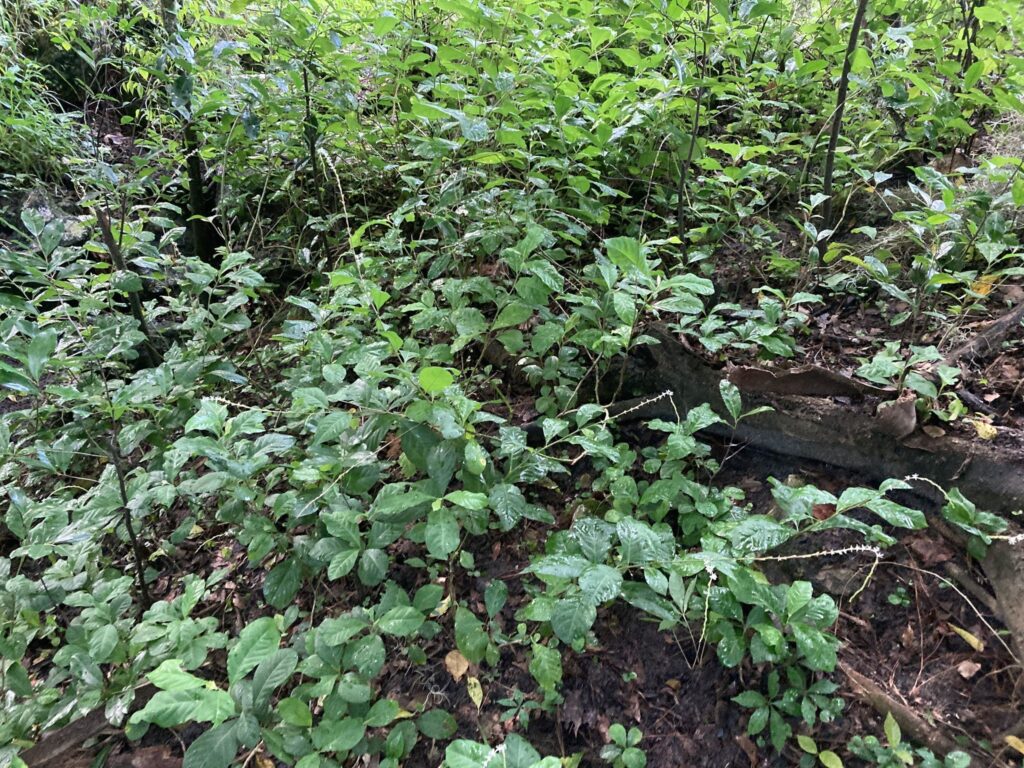
Description and Habitat
Anamu (Petiveria alliacea), known as Guinea Hen Weed, is a perennial herb with a strong garlic-like smell. It grows up to 3 feet tall and has long, lance-shaped leaves and small greenish-white flowers.
Anamu thrives in tropical climates and is found in the Caribbean, Central and South America, and parts of Africa.
Identification
- Leaves: Long, lance-shaped, and green with a strong garlic-like smell.
- Flowers: Small, greenish-white, growing in spikes.
- Height: Can grow up to 3 feet tall.
- Habitat: Thrives in tropical climates, found in forests and gardens.
Traditional Uses
- Tea: Anamu leaves are brewed into a tea to boost the immune system, reduce inflammation, and relieve pain. The tea is also used to treat colds, flu, and respiratory issues.
- Poultice: Crushed leaves are applied as a poultice to treat infections, wounds, and skin conditions.
- Infusion: An infusion of Anamu can be used as a general tonic to promote overall health and well-being.
Preparation and Dosage
Tea:
- Harvest: Collect fresh Anamu leaves.
- Clean: Rinse the leaves thoroughly to remove any dirt or insects.
- Boil: Place a handful of leaves into a pot of water and bring to a boil.
- Simmer: Reduce the heat and let the mixture simmer for about 10-15 minutes.
- Strain: Strain the liquid to remove the leaves.
- Consume: Drink the tea while it is warm, typically one to two times a day to boost the immune system or relieve pain.
 Poultice:
- Harvest: Collect fresh Anamu leaves.
- Clean: Rinse the leaves thoroughly.
- Crush: Crush the leaves to release their essential oils.
- Apply: Apply the crushed leaves directly to the affected area and cover with a clean cloth.
- Hold: Leave the poultice in place for about 30 minutes to treat infections or skin conditions.
Infusion:
- Harvest: Collect fresh Anamu leaves.
- Clean: Rinse the leaves thoroughly.
- Boil: Place the leaves in a pot of water and bring to a boil.
- Simmer: Reduce the heat and let the mixture simmer for about 10 minutes.
- Strain: Strain the liquid to remove the leaves.
- Consume: Drink the infusion while it is warm, typically one to two times a day as a general tonic.
Cautions:
Pregnant or nursing women should avoid using Anamu without consulting a healthcare provider, as its safety in these conditions has not been well studied. Some individuals may experience allergic reactions to Anamu; discontinue use if any signs of an allergic reaction occur, such as rash, itching, or swelling. Anamu may interact with certain medications or medical conditions; consult a healthcare provider if you are taking any medication or have any health concerns before using Anamu.
Concluding
These Creole healing herbs represent a rich tapestry of natural remedies deeply rooted in cultural wisdom and traditional practices. Each herb offers unique medicinal properties that have been harnessed for generations to treat various ailments and promote well-being.
While these herbs continue to play a vital role in Creole medicine, it is essential to approach their use with respect and caution, especially concerning potential allergies, interactions with medications, and specific health conditions.
Embracing these herbs not only honors ancestral knowledge but also underscores the enduring relevance of natural remedies in fostering health and vitality within communities. As we continue to explore and appreciate the therapeutic potential of Creole healing herbs, we preserve and celebrate their contributions to holistic health practices worldwide.
Useful resources to check out:
The five best herbal antibiotics you should use
Knowledge to survive any medical crisis situation during a major disaster
Top five plants for urban foraging
A few survival food recipes everyone needs to learn