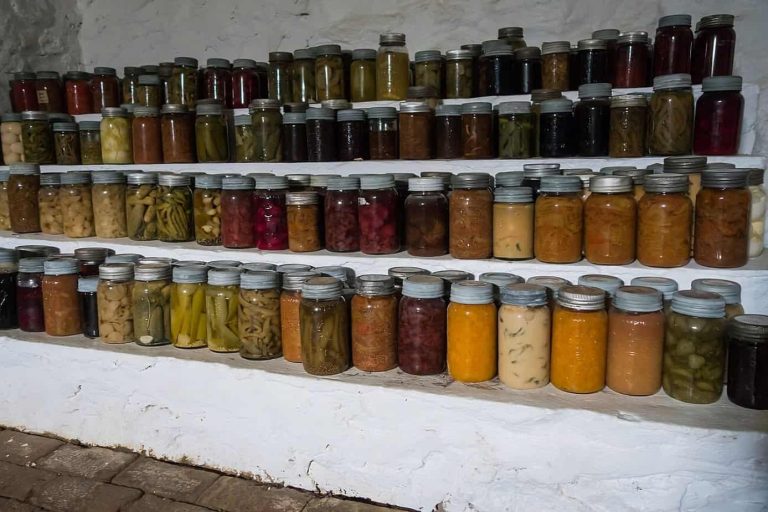
When my husband and I decided to create a food storage plan for the long run, we initially focused on stocking up on white rice. We calculated the amount of rice we would need if it was the only food we had to consume for a whole year, and then purchased that quantity. However, I would not recommend this approach to others. Not only did we end up with an excessive amount of rice, but we also failed to consider the importance of a well-rounded diet.
In hindsight, relying on a single food item for extended periods of time can lead to an unbalanced nutritional intake. Therefore, it is crucial to develop a comprehensive food storage plan that includes a diverse range of items. By incorporating a variety of foods, you can ensure that your family’s dietary needs are met and prevent appetite fatigue.
In short, a food storage plan should be about strategic planning and foresight. Rather than solely relying on one type of food, focus on building a well-rounded and diverse food storage plan to provide proper nutrition for your family in the long term.
Storing protein
When it comes to planning for emergencies or disasters, having a reliable and well-thought-out food storage plan is crucial. One of the key components of any food storage plan is protein. Meats, beans, nuts, and other sources of protein provide essential nutrients and are easy to include in any food storage plan.
If you’re specifically looking to store meat, there are several options available to you. Meat remains the number one preference for many preppers and survivalists, so let’s take a closer look at some of the best ways to store it.
One common way to store meat is by freezing it. When properly sealed with a vacuum sealer, meat can last up to three to five years in the freezer. This makes it an affordable and effective short-term storage option. However, if the power goes out for an extended period, you’ll need to either cook and eat the meat quickly or preserve it by drying or canning.
Drying meat into jerky or smoking and curing it are great options if you’re looking for a longer-term solution. These preservation methods can help extend the shelf life of your meat, providing you with a reliable source of protein for months to come.
Alternatively, commercially canned meats are a convenient option that can last up to five years on average. Canned meats such as chicken, tuna, salmon, and other seafood, as well as bacon, beef, pork, and SPAM, are readily available in most grocery stores. However, it’s important to check the labels and taste test before stocking up on large quantities.
Home-canned meats are another shelf-stable option that can last up to two years when stored correctly. Canning your own meat allows you to control the quality of the ingredients, ensuring that you’re storing meat that’s free from preservatives and additives.
Finally, freeze-dried meats are an expensive but long-lasting option that can maintain their flavor and texture for up to 25 years. With chicken, beef, sausage, and ham available in freeze-dried form, they’re a versatile addition to any food storage plan.
Storing vegetables, grains and herbs
When it comes to planning your food storage, it’s important to include a variety of vegetables, grains, and herbs. These foods not only provide important nutrients but can also add flavor and variety to meals.
One option for storing vegetables is commercially canned vegetables, which can be found at most grocery stores. These canned vegetables, such as potatoes, carrots, beans, peas, asparagus, and spinach, typically have a shelf life of around three years.
Another option for storing vegetables is to can them at home. This is a great way to preserve a garden harvest or create specialized mixtures of vegetables. When you can your own vegetables, you have control over the salt content and can ensure that the vegetables are canned properly for long-term storage. Just remember that unless you are pickling your vegetables, they will need to be canned with a pressure canner.
Frozen vegetables are another option for long-term storage. They can be frozen for nine to twelve months, and even longer if packaged with a vacuum sealer. This is a great option if you have a surplus of fresh vegetables that you want to store for later use.
Dehydrating fresh vegetables until they are brittle is another great way to store them for the long term. These dehydrated vegetables can be reconstituted as a side dish and are great in soups and stews. They can last for up to twenty years when stored properly.
Lastly, freeze-dried vegetables are a great option for long-term storage as they have a shelf life of up to twenty-five years. Freeze-drying is a process where the vegetables are flash-frozen and then put into a vacuum chamber to remove the moisture. This process preserves the flavor and texture of the vegetables, making them a great option for adding to meals. Freeze-dried vegetables are available in a variety of options such as corn, cauliflower, and asparagus.
In summary, including a variety of vegetables in your food storage plan is important for a well-rounded diet. Consider using commercially canned vegetables, home-canned vegetables, frozen vegetables, dehydrated vegetables, and freeze-dried vegetables to add variety and nutrition to your food storage plan.

Storing grains
Storing grains is an essential part of any long-term food storage plan. As grains provide the body with essential carbohydrates and energy, they serve as the foundation for many meals. Therefore, it is important to store grains in a way that ensures their long-term freshness and nutrition.
One of the easiest ways to store grains is to purchase them in canned form. A wide variety of grains are available from most food storage suppliers already packed in #10 cans or buckets. This is a great option for those who want to have a variety of grains in their food storage without the hassle of repackaging.
If you have the time and resources, purchasing grains in bulk can be a cost-effective way to store grains. While bulk grains need to be repackaged for optimum shelf life, the money saved by buying in bulk can make it a worthwhile endeavor. Just be sure to store them in a cool, dry place, away from moisture and pests.
Growing your own grains can be a rewarding experience and a way to ensure a fresh and steady supply of grains. However, this option requires land, specialized equipment, and knowledge of farming practices. If you don’t have the resources to grow your own grains, you may be able to partner with others in your community who have the land and equipment to do so.
In addition to these options, it’s important to remember that grains should be rotated in your food storage plan. Over time, the quality of stored grains can degrade, leading to a loss of nutrition and taste. Therefore, it’s recommended to regularly check the expiration dates and condition of your stored grains, and to consume and replace them on a regular basis.
By including a variety of grains in your food storage plan, and storing them properly, you can ensure a reliable source of essential nutrients and energy for you and your family in times of need.
Storing herbs and seasonings

When it comes to food storage plans, herbs are an important ingredient to consider as they add a burst of flavor to any dish. While fresh herbs may be preferred, they are not always readily available, especially during the off-season. This is where dried herbs come in handy as they are easily accessible and have a decent shelf life of one to two years. You can find them in the baking aisle of most grocery stores, stored in little bottles or sachets.
However, if you want to take your herb game to the next level and have access to flavors that are close to fresh herbs, you might want to consider freeze-dried herbs. These herbs are not as common as dried herbs, but they have some advantages over them. For starters, they have a flavor that is close to fresh herbs, and they can last for up to 25 years if stored properly.
One company that sells seasonings and freeze-dried herbs with an impressive shelf life is Litehouse. Their freeze-dried herbs collection is packed in glass jars and keep really well, with their fresh taste. Although they may be slightly more expensive than their dried counterparts, the quality and flavor of freeze-dried herbs make them well worth the investment in your food storage plan.
Storing sweets
Sugar and other sweeteners are an essential part of any food storage plan, and it is essential to know how to store them properly to ensure their freshness and longevity. Whether you are storing granulated white sugar, powdered sugar, honey, or other sweeteners, make sure to keep them away from moisture and store them in airtight or vacuum-sealed containers, if possible.
Sugar
Sugar is an essential ingredient in many recipes and is a key component of any food storage plan. Granulated white sugar has an indefinite storage life as long as it is kept away from moisture. This type of sugar can be purchased in varying package sizes from grocery stores or warehouse stores and is also available canned from food storage companies. However, if you decide to transfer your sugar from the bags to another container, be cautious not to add oxygen absorbers, as this can turn your sugar crystals into a brick-like form.
Powdered sugar, on the other hand, must also be stored away from moisture and kept in a rodent-proof container. Although it does not need to be airtight, it still has an indefinite shelf life. Brown sugar comes in varying grades and can stay soft longer with more expensive brands like C&H which I highly recommend. If stored in an airtight container, brown sugar can be kept for up to a year and still be soft. If your brown sugar does harden, simply warm it to soften it back up and use it while warm before it rehardens.
Honey
Honey is another sweetener that needs to be stored with care. It is best kept in a container with a tight-fitting lid. Honey will crystallize over time, but it can be re-softened by warming it slightly and stirring it. To make this process easier and to prevent mess when using honey, store it in containers no larger than 5 to 7 pounds.
Other sweeteners
Other sweeteners can also be included in your food storage plan. Syrups, including corn syrup, maple syrup, and pancake syrup, have a long shelf life and can add flavor and variety to your sweets.
Molasses is another sweetener with an indefinite shelf life and can be used to make brown sugar from white sugar or dark corn syrup from light corn syrup.
Candies, including hard candies and chocolates, can be stored vacuum sealed in a jar to preserve freshness, or frozen to extend their shelf life. Drink mixes are another source of sugar in your food storage plan and can also help make treated water more palatable.
Storing oils

When it comes to creating a food storage plan, many people overlook the importance of including oils in their provisions. In fact, oils are a vital component of a healthy and balanced diet, and can be stored for much longer than the commonly cited six-month shelf life.
If you, like me, have hesitated to store oil because of concerns about it going rancid, fear not. With the proper storage techniques, oils can last for up to five years, making them a smart and economical choice for any food storage plan.
One key factor in properly storing oils is choosing the right type of oil. Liquid oils like olive, canola, and vegetable oil are great for cooking and baking, while solid oils like coconut oil, lard, and shortening have their own unique uses.
When purchasing oil for your food storage, it’s important to opt for smaller, airtight containers. This is especially crucial for older oil, which can go rancid more quickly after opening. By selecting containers that are easy to use within a month or two of opening, you can help ensure that your oil stays fresh and usable.
It’s also important to store your oil in a cool, dark place. Exposure to light, heat, and air can all contribute to oil spoilage, so it’s best to keep your oil in a location that’s protected from these elements.
By following these simple tips, you can include a variety of healthy and flavorful oils in your food storage plan, ensuring that you have the ingredients you need to cook and bake delicious meals for years to come. So don’t overlook the importance of oils when planning your food storage – with the right approach, they can be a valuable addition to your provisions.
Concluding
 Having a well-planned and properly executed food storage plan can provide peace of mind in times of emergency or crisis. By considering factors such as shelf life, storage conditions, and rotating stock, you can ensure that your stored food remains safe and nutritious for as long as possible. Whether you are storing pantry staples or more specialized items, such as oils or sweeteners, following best practices for food storage can help you build a comprehensive and reliable food supply for you and your family.
Suggested resources for preppers:
Harvesting and canning wild greens
The #1 food of Americans during the Great Depression
Survival Foods of the Native Americans
If you see this plant when foraging, don’t touch it!