Any Pencil Writers? Rohtring 600

0

Wife loves writing her notes with a pencil. I last took notes with a pencil when I was in school. Think that was right around the time schools were invented. For work, I like the permanence of a pen.

Wife has been complaining about her mechanical pencils breaking on her constantly. So I ponied up to buy her what I thought was a really good mechanical pencil… the Rohtring 600 0.7mm in SB. The Rohtring is all stainless steel so it is a tiny bit heavier in the hand than most mechanical pencils. But that makes it feel good. She prefers the 0.7mm and likes a darker line. So 0.7 mm in SB.

I bought one for myself too and I am likeying it! First time using 0.7 and I really enjoy how it writes. The slightly added friction from the 0.7 vs 0.5 and the slightly softer SB lead helps me to write a tiny bit neater.

Wifee is enjoying hers too. I haven’t heard her complain about it yet. I think the Rohtring will last a long long time. Also think it is robust enough for field notes.

You folks use pencils for notes? What do you use?


F-35 upgrades slip to 2024, drawing lawmaker’s ire

0

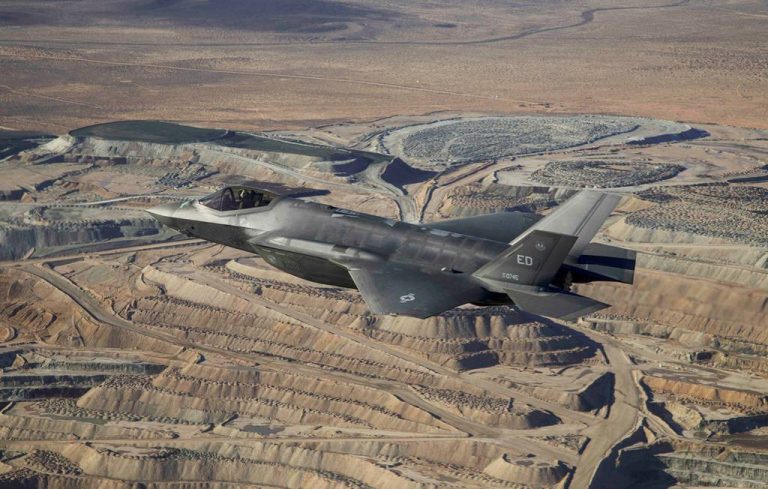
WASHINGTON — The F-35 Joint Strike Fighter will receive a slate of important hardware and software upgrades known as Technology Refresh 3 a year later than originally expected, the three-star general in charge of the program told lawmakers Wednesday.

Lt. Gen. Michael Schmidt, the F-35′s program executive officer, said in a House Armed Services subcommittee hearing March 30 that the Joint Program Office now estimates TR-3 — which is intended to load the F-35 with improved displays, computer memory and processing power — will arrive in April 2024.

That would be a year later than the original due date of this April for TR-3, tactical air and land forces subcommittee chairman Rep. Rob Wittman, R-Virginia, said.

The “F-35 is currently planning to achieve full operational capability status after the full TR-3 and Block 4 capabilities of the aircraft are fielded in 2028 — 27 years after the program began,” Wittman said. “That is by any measure unacceptable.”

Schmidt said Lockheed Martin, the F-35′s primary manufacturer, believes TR3 will arrive this December, and he suggested the actual arrival of TR-3 could fall in the “window” between those two dates.

The F-35 needs the TR-3 improvements, which will allow the fighter to store and process more data as well as run advanced software, before it can receive a modernization known as Block 4, which will include new sensors, the ability to carry more long-range precision weapons, more powerful data fusion, increased interoperability with other platforms and advanced electronic warfare capabilities.

Wittman criticized the F-35 program for delays and for TR-3 running about $700 million over budget, saying “the program has to do better.”

The delayed delivery of TR-3 is starting to hit already-existing fighter squadrons that are retiring older legacy fighters, Wittman said. Those squadrons won’t receive F-35As with the capabilities they need in time to avoid gaps in aircraft after their older aircraft are retired.

“We currently are paying for a great capability, but we’re currently only getting a good capability fielded,” Wittman said, quoting an unnamed Air Force official as saying.

Schmidt acknowledged to lawmakers that “We are behind.”

Driving up costs

The hardware’s development lagged and initial production was slow, Schmidt said, but the hardware has now matured to the point where it is proving reliable and passing flight safety requirements.

Schmidt said software integration also proved to be a challenge, and got off to a late start.

The Government Accountability Office in 2022 said that the greater-than-expected complexity of TR-3 was driving up the costs of the Block 4 modernization effort.

The Air Force conducted the first test flight of an F-35 with some TR-3 capabilities at Edwards Air Force Base in California on Jan. 6, and Schmidt said it has now flown 25 times.

The next software drop will come in about a month, Schmidt said, and will be a critical update that “unleashes most of the tactical capabilities in there,” so the military can do more thorough flight tests.

Stephen Losey is the air warfare reporter for Defense News. He previously covered leadership and personnel issues at Air Force Times, and the Pentagon, special operations and air warfare at Military.com. He has traveled to the Middle East to cover U.S. Air Force operations.

US Air Force drops Lockheed hypersonic missile after failed tests

0

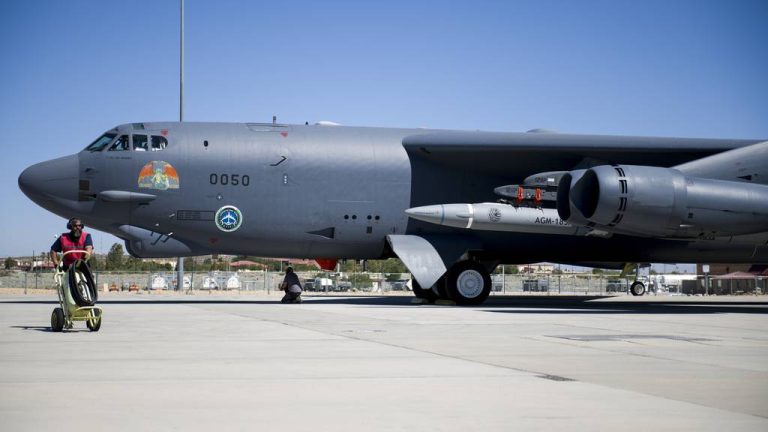
WASHINGTON — The U.S. Air Force isn’t going to buy the hypersonic AGM-183A Air-launched Rapid Response Weapon after the prototyping phase ends, following problems during testing, the service’s acquisition chief told lawmakers Wednesday.

But the service will still finish the ARRW program’s last two all-up round test flights to collect data to help with future hypersonic programs, Andrew Hunter told the House Tactical Air and Land Forces Subcommittee in written testimony.

“While the Air Force does not currently intend to pursue follow-on procurement of ARRW once the prototyping program concludes, there is inherent benefit to completing the all-up round test flights to garner the learning and test data that will help inform future hypersonic programs,” Hunter wrote.

Hunter sounded the death knell for Lockheed Martin’s ARRW program a day after Air Force Secretary Frank Kendall said in another hearing that a March test had failed.

The Air Force on Friday said it had conducted a second test launch of a fully operational prototype ARRW on March 13. But the service did not describe the test as successful, instead saying it met several objectives. After a previous test launch in December, the Air Force had released a statement that said all objectives were met.

Kendall told the House Appropriations Committee’s defense panel on Tuesday that the March 13 ARRW test was “not a success” and that the program has “struggled a little bit in its testing process.”

Kendall said Tuesday that the Air Force still wants to carry out two more ARRW tests with its remaining prototypes. But he told lawmakers that the service is more committed to its other major hypersonic weapon program, the Hypersonic Attack Cruise Missile.

Hunter did not address the ARRW program in the verbal testimony he delivered to lawmakers, nor did lawmakers ask him about it.

Hypersonic weapons can travel at speeds greater than Mach 5 and are highly maneuverable, which makes them difficult to track and shoot down. China and Russia have invested considerable resources in developing these weapons for their militaries, and several U.S. lawmakers have expressed concern that the country is not doing enough to field its own hypersonic capabilities.

Kendall said Tuesday that the Dec. 9 test of an operational prototype ARRW was “a very successful flight” and a step forward for the program.

Kendall has long expressed skepticism on the ARRW program, as it has faced delays and failed tests. The program also suffered a string of three test failures in 2021. And in March 2022, after Congress passed a fiscal 2022 spending bill that struck plans to buy ARRW missiles that year and instead funded more research and development, Kendall said “ARRW still has to prove itself.”

Stephen Losey is the air warfare reporter for Defense News. He previously covered leadership and personnel issues at Air Force Times, and the Pentagon, special operations and air warfare at Military.com. He has traveled to the Middle East to cover U.S. Air Force operations.

Being fit vs healthy. Great article

0

Great article in Sports Medicine mag about how elite athletes can be unhealthy

Abstract
While the words “fit” and “healthy” are often used synonymously in everyday language, the terms have entirely separate meanings. Fitness describes the ability to perform a given exercise task, and health explains a person’s state of well-being, where physiological systems work in harmony. Although we typically view athletes as fit and healthy, they often are not. The global term we place on unhealthy athletes is the overtraining syndrome. In this current opinion, we propose that two primary drivers may contribute to the development of the overtraining syndrome, namely high training intensity and the modern-day highly processed, high glycemic diet. Both factors elicit a sympathetic response through the hypothalamic-pituitary-adrenal axis, in turn driving systemic reactive oxygen species production, inflammation, and a metabolic substrate imbalance towards carbohydrate and away from fat oxidation, manifesting in an array of symptoms often labeled as the overtraining syndrome. Ultimately, these symptoms reveal an unhealthy athlete. We argue that practitioners, scientists, and athletes may work towards health and alleviate overtraining syndrome by lowering training intensity and removing processed and/or high glycemic foods from the diet, which together enhance fat oxidation rates. Athletes should be fit and healthy.

Read more here
Sports Medicine – Open


Pieces of cloth and fresh bread

0

I have always believed pieces of cloth are of tremendous value. So much utility in a simple item.

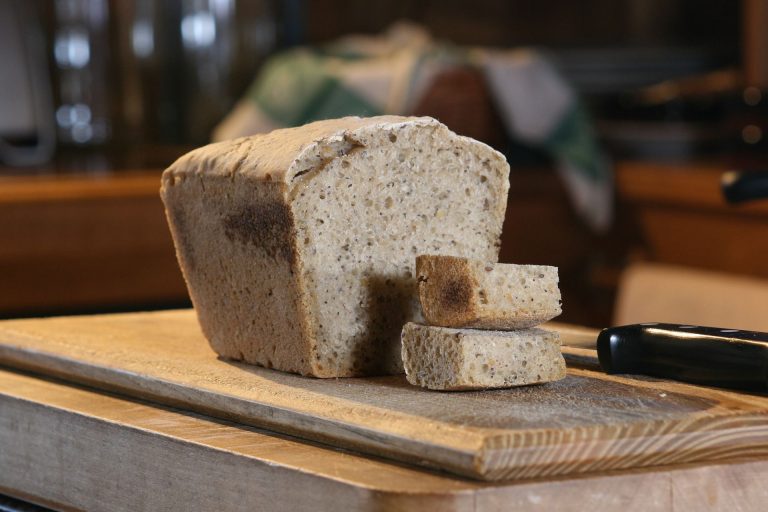
Found out one of my neighbors bakes and sells fresh bread. @Alanaana, Lana is on 12th. I went and picked up a jalapeño cheddar loaf and an artesian bread loaf today. First time buying from her and found out I am getting naked bread (no container).

Not a problem, I always have clean cloth in a zip lock in my truck. In this case it was a bandana and a tenugui (like a Japanese utility and wash cloth, also used to wrap your head before putting the helmet on). Wrapped them up and brought them home. Still warm and the uneaten bits are still wrapped on the counter.

My bag also has a wool kerchief, bandana, and sometimes a gamcha. I have used these handy pieces of cloth for all kinds of stuff like to wrap things, to make a carrier, a belt, to tie something, clean, dry off, wrap veggies, stay warm, cool off, even wore the gamcha instead of pants.

What uses do you find for our handy cloths, be it bandana, shemaugh, towel, etc.

Wifee is a big fan of Hitchhikers Guide to the Universe… towel…

Share your uses and and pictures.


How To Make Perfect Whole Wheat Bread

0

Many people find the idea of making bread daunting, fearing fallen loaves, doughy centers, or bread that stubbornly refuses to rise. Others who have been making bread for a while may struggle with achieving a consistent texture or avoiding a hole in the middle of their loaves.

However, creating a perfect wholegrain loaf is not an impossible feat. Bread making is both an art and a science, with flours and doughs reacting in normal and predictable ways. By learning the science behind bread making, individuals can ease into perfecting the art of creating beautiful bread. Here are some tips gleaned from years of experimentation to demystify the yeast loaf, followed by troubleshooting tips for perplexing problems and some excellent recipes.

Above all, remember two things: yeast is alive, and the dough is your friend.

Proofing the yeast

To ensure the vigor of your yeast and encourage its growth, proofing is a reliable method. Begin by measuring the recommended amounts of water, yeast, and honey for the recipe. Pour the water into a bowl and test its temperature with a thermometer or your hand; it should feel pleasantly warm, around 100°, akin to your body temperature, which is optimal for yeast growth and multiplication.

When yeast multiplies, it releases carbon dioxide gas, which gets trapped in the loaf, causing it to rise. Sprinkle the yeast over the warm water and let it sit for a few minutes, then gently stir it to dissolve completely. Add honey to feed the yeast and dissolve it as well.

Allow the mixture to sit in a warm place until it becomes frothy, typically around 10 minutes. By following these steps, you will provide your yeast with a solid foundation for growth.

Making dough

Gluten is responsible for binding the dough and creating little pockets that trap carbon dioxide. Wheat contains the most gluten, with hard wheats having more gluten than soft wheats. Soft wheat is utilized to make pastry flour since it lacks sufficient gluten to become tough. When seeking flour for bread making, search for those labeled as “bread flour,” which are made from high-gluten wheat.

If you cannot locate whole wheat bread flour, or if your bread recipe requires a high proportion of low-gluten grains such as rye, you may add gluten flour, a highly refined product, in a ratio of one tablespoon per cup to increase the gluten content. Although this refined gluten flour is not necessary for baking bread, it can cause your bread to rise higher.

Add the flour to your dough gradually, one cup at a time, and beat it thoroughly. Continue adding half a cup of flour at a time until the dough develops strands between the spoon and the bowl, indicating gluten strands. Once the dough forms a ball and separates from the sides of the bowl, it is ready for kneading.

Kneading

cabbage banner 250Prepare your counter by sprinkling a layer of flour, and keep your flour close by in case you require more. Transfer the dough onto the floured surface.

To knead, use the heels of your hands to push the dough, then fold it over at the crease. Rotate the dough by a quarter turn and repeat. Remember to treat the dough as your friend. Knead it vigorously and joyfully, and it will respond in kind. Do not beat, pummel, or mistreat it in any way.

Once you have kneaded the dough for 5 to 15 minutes and it is ready to rise, it will have a smooth, satiny stretch and spring back with great life from any impression. Place the dough in a clean, oiled bowl, with the oiled surface facing up, cover it with a cloth, and leave it in a warm, draft-free area to rise.

The baking

Once the dough has doubled in size, it is ready to be shaped into loaves. However, if you prefer a finer texture or are short on time, allowing the dough to rise again could be beneficial. To release the air from the risen dough, vigorously slap it with the flat of your hand and let it rest for a minute or two. If you plan on letting it rise again, cover it and place it in a warm area.

To shape the loaves, turn the dough out onto a smooth surface, and either allow the oil from the dough to coat the surface or use flour to prevent sticking. Divide the dough into two or more parts and work each into the desired shape. For easy removal, lightly oil the loaf pans before placing the shaped dough inside. Cover the loaves and let them rise again in a warm location until the dough has doubled in size and feels soft and pliable when poked gently.

Preheat your oven before baking and note the original size of the dough. After the specified baking time, check the crust’s color and tap the bottom of a loaf to see if it sounds hollow. If it does, the loaf is done. If not, place it back in the pan and bake for an additional 7 to 10 minutes. If necessary, cover the loaf with foil to prevent excessive browning.

Adding salt or not?

To include salt or not in your bread is a matter of personal preference. For sourdough bread, omitting salt has no noticeable impact on flavor or rising. However, for sweet dough bread like oatmeal bread, removing all salt results in large holes in the center of the loaves. This effect may be due to the altitude; for instance, at 5000′ elevation, this happens, while at 1000′ elevation, the bread rises fine without salt.

Therefore, it’s recommended that you experiment to find the right amount of salt to suit your taste and rising preferences. If you’re on a salt-free diet and dislike the holes in your bread, try reducing the rising time.

Baking problems

baking problems

If your bread molds or sours quickly (within two days or less), storing it in the refrigerator or using a preservative like salt or vinegar can help. For example, add 1/2 to 1 teaspoon of salt per loaf (if you omitted salt), or 1 teaspoon of mild vinegar (such as rice vinegar) per loaf to the wet ingredients.

If the texture of your bread is uneven, with bigger air bubbles towards the top of the loaf and denser bread at the bottom, it’s likely that you need to knead the dough longer. Kneading wholegrain doughs for at least 7 to 10 minutes, until the dough is springy and smooth and does not stick to your hands or the board, can help to fully develop the gluten and trap air bubbles throughout the dough.

If there are big holes in the center of your loaf, adjusting the ratio of sweetener in your recipe and checking your salt levels may help. If your dough sticks to your hands when kneading, try beating the dough well before adding all of the flour or kneading with cool hands and a firm stroke.

If your loaves are flat-topped, it may be because the dough was allowed to rise too much before baking. To test if your dough is ready to bake, poke it gently with a fingertip – it should be springy and lively with a small depression remaining where you touched it. If a deep dimple forms, your dough may be over-risen.

Now, let’s move on to some bread recipes:

Beginner’s Whole Wheat Bread Recipe

This versatile bread is perfect for sandwiches, toasting, or serving with sweet or savory toppings. The recipe makes two loaves, so you’ll have plenty to enjoy and share.

Ingredients:

  • 3 cups warm water
  • 1 tablespoon honey
  • 1 tablespoon dry yeast
  • 1/4 cup oil
  • 1/4 cup honey
  • 1 teaspoon salt
  • 6-7 cups whole wheat flour

Instructions:

  1. In a large bowl, dissolve the yeast and 1 tablespoon honey in the warm water. Let it sit until the mixture is foamy, which should take about 5 minutes.
  2. Add the oil, 1/4 cup honey, salt, and enough flour to make a thick batter or thin dough. Beat the mixture vigorously until the dough forms long, elastic strands.
  3. Gradually add more flour, 1/2 cup at a time, until the dough becomes too stiff to stir. Turn it out onto a floured surface and knead for at least 7 minutes, adding more flour as necessary, until it becomes smooth and springy.
  4. Place the dough in an oiled bowl, turning it so that the oiled side is facing up. Cover the bowl and let the dough rise in a warm spot until it doubles in size.
  5. Punch down the dough and let it rise again for a second time, if desired. Then, shape the dough into two loaves and place them in lightly oiled pans.
  6. Cover the pans and let the dough rise again until it doubles in size. Preheat the oven to 350°F.
  7. Bake the loaves in the preheated oven for 40-45 minutes, or until they are golden brown and sound hollow when tapped on the bottom. Let the bread cool before slicing and serving. Enjoy!

Oatmeal bread

This bread has a lovely texture and a sweet flavor due to the oatmeal. If you want more tender oats, use hotter soaking water; for chewy oats, use cooler. Makes two loaves.

Ingredients:

  • 2 cups old-fashioned rolled oats
  • 2 cups hot tap water (120-130°F)
  • 3/4 cup lukewarm water
  • 1 Tbsp. dry yeast
  • 1 tsp. honey
  • 1/4 cup oil
  • 2 Tbsp. honey
  • 2 Tbsp. molasses
  • 1 tsp. salt
  • 2 Tbsp. gluten flour (optional)
  • about 5 cups whole wheat bread flour

Instructions:

  1. In a large mixing bowl, combine the oats and hot water. Let soak for 10 minutes.
  2. In a two-cup measure, dissolve the yeast and honey in the lukewarm water. Let sit for 10 minutes or until it foams up.
  3. Add the oil, honey, molasses, and salt to the oat mixture. Stir in the proofed yeast.
  4. Mix the gluten flour with the first two cups of bread flour. Gradually beat the flour into the oat mixture until the dough begins to form strands.
  5. Add more bread flour 1/2 cup at a time until the dough becomes too stiff to stir.
  6. Turn the dough out onto a floured board and knead for at least seven minutes, adding more flour as needed to prevent sticking. The dough should be slightly sticky.
  7. Place the dough in an oiled bowl, turn to coat all sides, cover, and let rise until doubled in size.
  8. Turn the dough out and form it into two loaves. Place them in two oiled 5×9-inch loaf pans and let rise until doubled in size.
  9. Preheat the oven to 350°F and bake the loaves until golden brown on top and sound hollow when tapped on the bottom (about 35 to 40 minutes).
  10. Remove the loaves from the pans and cool on a wire rack. Once thoroughly cooled, they can be stored in an airtight container or wrapped and frozen.

Two loaves of bread with a delightful texture and sweet flavor are achieved thanks to the use of oatmeal. Adjust the texture of the oats to your preference by using hotter water for more tender oats, or cooler water for chewier oats.

bake bread without yelectricity

Sesame bread

This hearty sesame bread is a perfect complement to Mediterranean or Middle Eastern cuisine. Makes one ring-shaped loaf.

Ingredients:

  • 1 tablespoon yeast
  • 1 1/4 cups lukewarm water
  • 1 teaspoon honey
  • 1 egg
  • 2 tablespoons oil
  • 1 teaspoon dark sesame oil
  • 1/2 teaspoon salt
  • 4 to 5 cups whole wheat bread flour
  • 1 egg yolk
  • 2 tablespoons raw sesame seeds

Instructions:

  1. Proof the yeast with honey in warm water. When the yeast foams, add the egg, oil, dark sesame oil, and salt.
  2. Beat in two cups of the whole wheat bread flour, and continue beating vigorously until the batter is smooth and elastic.
  3. Add more flour, 1/2 cup at a time, until the dough is stiff enough to knead.
  4. Turn the dough out onto a lightly floured board and knead until it is very elastic and smooth, about five to seven minutes, adding flour to the board as necessary to keep the dough from sticking.
  5. Place the dough in an oiled bowl, turning once so the oiled surface is on top. Cover the bowl and set it in a warm place to rise until doubled in size, about an hour.
  6. Punch down the dough and let it rest in the bowl for a minute. Knead a few times and form it into a smooth ball.
  7. Working your fingers through the center of the ball, pull and work the dough into a ring.
  8. Place the ring in an oiled pan that leaves room for the dough to expand. Cover the ring and let it rise until doubled in size.
  9. Preheat the oven to 375°F.
  10. Brush the top of the ring gently with beaten egg yolk. Sprinkle the top of the ring with a layer of raw sesame seeds.
  11. Bake for about 50 minutes, or until the ring is golden-brown on top and sounds hollow when removed from the pan and tapped on the bottom.

A final word

Whole wheat bread is a nutritious and delicious choice for those looking for a healthier option than white bread. It is made from flour that contains the bran, germ, and endosperm of the wheat grain, which provides more fiber, vitamins, and minerals. Whole wheat bread can also be customized to suit different tastes and preferences, with various additions like nuts, seeds, or dried fruits.

Additionally, it can be baked in different shapes and sizes, from a traditional loaf to rolls, bagels, or even pizza crusts. By incorporating whole wheat bread into your diet, you can enjoy a satisfying and wholesome staple food that provides numerous health benefits.

Useful resources you may like:

The Basics Of Baking

A DIY Project to Generate Clean Water Anywhere

How To Make Bannock Or Indian Bread, The Food Of Mountain Men

The vital self-sufficiency lessons our great grand-fathers left us

How are the ponds and lake doing?

0

The dams, spillways and overflow pipes have been test with two big rains now. The first he 8″ deluge of 48 hours. And this one 5.5″ in over about 36 hours. That 8 Rain had things at their limits and showed me some improvements to make, another inch of rain in that down pour might have been a problem or the emergency spillways might have handled it. LOL we are not going to find out when the rare 10″ down pour happens. I dug the emergency spillways out another foot deeper into the hard packed virgin clay. So 6′ wide and 3′ deep now will move A LOT of water out.

The 8″ rain a stick got caught across the pipe and the bean and corn trash got hung up on it and started building up in front of the big pond pipe. The water briefly was going over the emergency over flow and was only 5″ from the top of the dam. Way to close to going over the dam for my taste. I caught the blockage pretty early on and got it cleared and things flowing correctly again. It didn’t take long for the water to recede back to 18″ below the dam top. Since this video I put some pig post with a strip of field fence a couple feet in front of the pipe intake. It will catch bigger stuff like the stick that got across the pipe but allow the little stuff that will go through the pipe past.

The little pond dam settled more than I expected on the south side and put the discharge below the lake water line. It is working but not as well as I would like. The pressure from the water on the lake side restricts the flow out of the little pond into the lake. It does not help that my laser shoot of where the water line of the lake on the back of the little pond dam was way off. Like it is 3′ higher on the back of the dam than I shot. Pretty much withing 2-3 inches on the waterline shoot every place else. I should have shot it two more times at shorter distances from two different angles from each side of the lake at the other water line flags. Would have caught the malfunction by doing that. I am thinking one of the dogs might have bumped the laser and got it a little bit off level. LOL a 1/8 of inch off level at the laser = feet off at 1000 feet away at the laser sensor.

Not the end of the world or a total disaster but something that needs corrected. I am thinking and leaning toward digging the 15″ pipe out completely and letting a 2 feet of water run out of the little pond through the trench and sticking a 36″ pipe in and having the little pond and lake connected via the pipe with 18″-20″ of standing water in the pipe. Little pond if basically just a 16′ Deep big hole in the ground if I put the 35″ pipe in and leveled it with the lake water line it would be a 14′ deep hole in the ground, at present there is only 12″ difference between the little pond water line and the lake water line. Doing the 36″ pipe would just make it a land bridge instead of a dam. The core of the mistake though is I did not Compact 1/3 of the little pond dam nearly as well as I should have when building it. That allowed for way to much settling on the lake side of the dam, thus bowing the overflow pipe well below the lake water line. On the bright side the settling took care of the compacting I failed to do and it is totally solid now and 2/3s of the width from base to top I did compact real tight. Pretty much no settling where I did it right. I leveled the 1/3 that settled off with other 2/3s with a mix of good clay and 3″ rock and compacted it to make a very solid top. It has remained level with no more settling on the 1/3. Anyway a 36″ pipe would remove the need for the emergency over slow side spillway and water and fish could just free flow through the much larger pipe and I still have a bridge to easily get back and forth from side to side there. LOL we know the little pond dam is strong enough that the semi with 26 ton loads of rip rap and 3″ rock can go back and forth across it and not give even a little bit 5 loads of 3″ and 3 loads of rip rap have came across. Driver said the first trip made his butthole pucker a little bit but had full confidence in my work after the first transit across it. It also handled the combine and the grain trucks that we would never over load with 70,000 pounds of grain in the trailers :)

A lot of folks asked me to start making more videos and dropping them on the Youtube channel so I have been. I think the videos suck myself but hey what the heck I can suck in front of the whole world ;)


Israeli F-35 jets join Red Flag exercise for first time

0

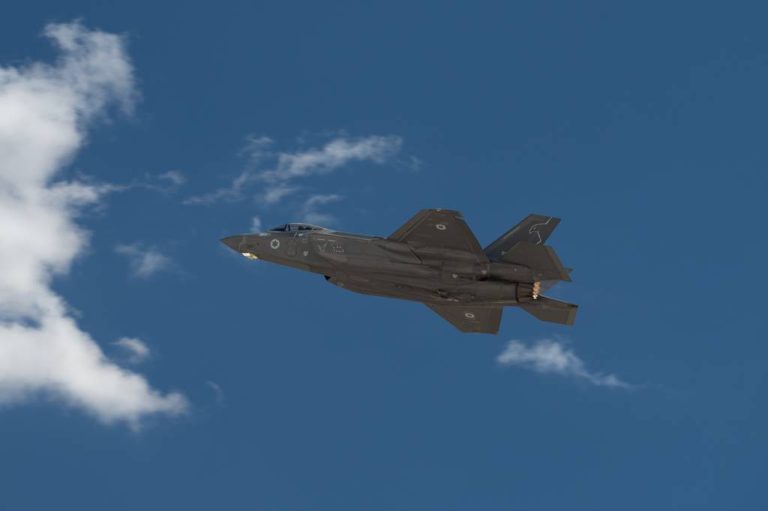
JERUSALEM — Israel for the first time sent F-35I Adir fighter jets to the American-led Red Flag exercise in Nevada, which ran March 12-24.

The training comes amid tension between Israel and Iran as well as the former’s procurement of KC-46A tanker aircraft. The U.S. and Israel have engaged in several recent high profile joint drills, including Juniper Oak, which began in late January. Israel called that event the largest-ever U.S.-Israel drill.

U.S. Air Force Col. Jared Hutchinson, who leads the 414th Combat Training Squadron, said Red Flag provided operators with realistic and relevant training in an integrated warfighting environment.

“The only way to get at realistic elements is training with those you may go into combat with, and Israel is one of our closest allies, so we need to be ready for that,” he added.

During Red Flag, about 100 aircraft flew out of Nellis Air Force Base, Nevada. Israel committed seven F-35s, representing nearly a quarter of its Joint Strike Fighter fleet. Israel will have 50 of the advanced jets by 2024.

Exercise participants confronted simulated air defenses as well as static and mobile targets. There were “a wide-range of training drills, including long-range aerial scenarios, achieving aerial superiority in the region, joint aerial strikes, area defense, interception of enemy aircraft, low-altitude flights and flights in areas abundant with anti-aircraft equipment,” according to a statement by the Israel Defense Forces.

The IDF noted that the U.S.-led exercise strengthens “operational cooperation between the two militaries as key partners committed to maintaining security in the Middle East.”

For his part, Hutchinson said these events help the U.S. learn “how other countries develop tactics, techniques [and] procedures, and we can learn from them as they learn from us.” The F-35s, he added, specifically participated in drills involving the suppression of air defenses and trained to neutralize simulated threats.

“We are training to [a] generalized Russian-based threat; a lot of the Russian-based threats are in these other nations in the [U.S. Central Command] area of responsibility,” Hutchinson said.

Red Flag doesn’t focus on adversaries in U.S. Central Command’s area of responsibility — some of which are Israel’s neighbors — but Syria, for example, uses defense systems of Soviet or Russian origin, such as the S-200 missile system.

Three iterations

Red Flag is held three times a year in Nevada, and each iteration includes different scenarios and focus areas. The January event was three weeks long and included the British and Australian air forces, with a focus on China as a potential threat. It was open to all Five Eyes members — an intelligence-sharing group made up of the U.S., the U.K., Australia, New Zealand and Canada.

The most recent iteration was open to an “expanded roster of international allies and partners.”

The third Red Flag, scheduled for August as a U.S.-only drill, will also focus on the Indo-Pacific region.

Israel has attended 11 Red Flag events since 1978, according to a U.S. Air Force statement. This year was the first time Israel participating in Red Flag since 2016, the service noted.

Israel received its first F-35s in 2016, and used them in combat for the first time in 2018. The Jewish state has trained alongside American and Italian forces with the aircraft in the last few years, but it hasn’t sent the jets so far abroad as it did this month.

Israel also sent Boeing 707 tanker aircraft to Red Flag this month. The F-35s were refueled by U.S. KC-135s, according to the IDF.

Hutchinson said this month’s Red Flag drill involved several military units that brought together about 2,100 personnel, including the 20th Fighter Wing out of South Carolina with F-16 jets; elements of the New Jersey Air National Guard that fly F-16s; F-35As and members of the 34th Fighter Squadron from Hill Air Force Base, Utah; and U.S. Navy E-18 Growlers electronic warfare aircraft from Whidbey Island, Washington.

The U.S. Marine Corps brought F-18C and F-18D aircraft from Miramar, Florida, while E-3 airborne warning and control system aircraft were flown in from Tinker Air Force Base. There were also rescue assets from the 106th Rescue Wing out of New York and HC-130 planes, along with a tanker task force’s KC-135s and KC-46s.

Hutchinson said unmanned aircraft did not participate.

The training occurred at Nellis’ Nevada Test and Training Range, which includes 12,000 square miles of airspace and 2.9 million acres of land as well as about 2,000 target sets that aircraft can train against.

“This is the home of the only professional bad-guy aggressor squadron, the 64th, that fly F-16s and the 65th that fly F-35s, and air defense that simulates using enemy surface-to-air [missiles], and [an] information aggressor that will aggress the cyber environment,” Hutchinson said. He added that the airborne aggressor in this case replicated Russian fighters and surface-to-air missiles.

Israeli participants were present for almost two weeks, which included 10 training days. Hutchinson said 50-75 sorties were flown in each 90-minute drill, equating to about 150 sorties per day. Israel’s older tanker aircraft participated, even as the country seeks to take delivery of the modern KC-46s.

Asked about the use of the older tanker aircraft, Hutchinson said they “performed exceptionally well” in this month’s exercise, and that “every organization is on a cycle to upgrade the support assets so they have the reliability to execute when the time comes.”

Seth J. Frantzman is the Israel correspondent for Defense News. He has covered conflict in the Mideast since 2010 for different publications. He has experience covering the international coalition against the Islamic State group in Iraq and Syria, and he is a co-founder and executive director of the Middle East Center for Reporting and Analysis.

Filson Journeyman Backpack

0

I thought I had posted a review of this before, but my search did not turn anything up. In any event, I have had it for a couple of years now, so will review it here.

It is my non-tactical grey man pack that I have used for about everything during that time. Hiking, beach, travel, work, tai chi…

The waxed canvas keeps stuff inside protected and dry. It is rugged. I have had all kinds of stuff scuff it. No problem.

Positives

Simple
Non-tactical
Grey man
Has a laptop/water bladder…

Filson Journeyman Backpack

EDC

0

What is your EDC?

My base layer. Reading glasses, phone, earphones, knife, flashlight, SAK, pen and notebook.

If I leave the house, then wallet, cash, bandana, and task related stuff.