MSN
Duh. I was a city employee once and even plowed snow. City officials are often the dumbest dumbest human beings alive. EV plow trucks for Pete’s sake! Lol.
E-Power


First T-7 trainer lands at Edwards Air Force Base for test flights

WASHINGTON — The U.S. Air Force’s first T-7A Red Hawk trainer aircraft on Wednesday landed at Edwards Air Force Base in California, where it will soon start more intensive flight testing.
The T-7 took off Tuesday from Boeing’s St. Louis, Missouri, facility, where it was built, to begin the 1,400-mile trip to Edwards, the service said.
Its Air Force and Boeing pilots stopped at Vance Air Force Base in Oklahoma and Kirtland Air Force Base in New Mexico later that day for refueling and to rest for the night. On Wednesday, they continued onto Luke Air Force Base in Arizona for another stop before arriving at Edwards.
“The ferry to Edwards marks a major milestone for the T-7 program as we enter developmental flight test to find out just what this aircraft can do,” T-7 program manager Col. Kirt Cassell said in a statement. “I’ve challenged the collective team to keep up the momentum and teamwork as we still have a long way to go.”
Boeing said in a separate statement that the T-7′s first test flights at Edwards, after the Air Force’s test pilots become familiar with the plane, will involve measuring aerodynamic “flutter.”
The service said further tests will measure the T-7′s other flying qualities and how much load the trainer can bear in flight. Two more Red Hawks are expected to arrive at Edwards over the next few months for further testing.
“Like most test programs, we’ll have discovery and we’ll overcome it quickly,” Cassell said in Boeing’s statement. “This is the right team to go after any challenges we find.”
The Air Force plans to buy 351 T-7s, a jet trainer designed to emulate fifth-generation fighters and allow the service to train new fighter and bomber pilots. They are intended to replace the service’s aging fleet of 504 T-38 Talon trainers, which have been in service for decades and can’t replicate the flying style of newer fighters such as the F-22 and F-35A.
In 2018, Boeing received a $9.2 billion contract from the Air Force to produce T-7s as well as provide 46 simulators and related support.
The T-7 that flew to Edwards this week, known as APT 2, is the first Boeing delivered to the service. It is a production-representative aircraft, but is specifically set up for test flights and evaluation.
In an October interview with Defense News, Cassell said the service hoped to conduct the ferrying flights as early as Oct. 26, though he cautioned that would depend on factors, such as weather.
The Air Force said Thursday that it conducted test pilot training as well as aircraft testing before this week’s departure.
The T-7 program has experienced delays due to several issues, such as a potentially dangerous escape system and faulty flight control software. The T-7 is now expected to reach initial operational capability in spring 2027, years later than the original goal of 2024.
Stephen Losey is the air warfare reporter for Defense News. He previously covered leadership and personnel issues at Air Force Times, and the Pentagon, special operations and air warfare at Military.com. He has traveled to the Middle East to cover U.S. Air Force operations.
Unleashing the Power of Bopsiz Electric Bike: A Game-Changer in Sustainable Commuting
In a world dominated by fast-paced lifestyles, the Bopsiz Electric Bike emerges as a beacon of sustainable commuting. With an eco-friendly design and cutting-edge technology, this two-wheeled marvel is revolutionizing the way we navigate our daily lives.
Embracing Innovation: Bopsiz Electric Bike Features
Sleek Design for Urban Warriors
Bopsiz Electric Bike boasts a sleek and modern design, perfect for urban warriors seeking style and substance in their daily commute. The aerodynamic frame not only turns heads but also enhances the overall riding experience.
Eco-Conscious Engineering
With climate change at the forefront of global concerns, the Bopsiz Electric Bike proudly stands as a testament to eco-conscious engineering. Its electric motor not only reduces carbon emissions but also offers a quiet and smooth ride, ensuring you arrive at your destination with a clear conscience.
Smart Connectivity for the Tech-Savvy
Stay connected on the go with Bopsiz’s smart connectivity features. From GPS navigation to seamless integration with your smartphone, this electric bike keeps you in control, making your commute not just efficient but also tech-savvy.
A Few Reasons Why Adding Honey To Your Preps Is A Must

Whether you love the great outdoors or you’re building a self-sufficient homestead, it’s crucial to fill your bag or pantry with essential items that keep you going. Raw honey, a time-tested favorite since the days of the pharaohs, is a must-have for your readiness strategy. Packed with vitamins, minerals, antioxidants, and antimicrobial powers, honey is a versatile addition that supports your health and well-being.
Plus, if you want to treat yourself a little, this golden elixir also doubles as a natural skincare helper. So, don’t forget to consider adding honey to your preps—it’s a sweet way to boost your preparedness.
Nutritional Supplement
Keeping honey in your kitchen isn’t just about a sweet indulgence—it’s an essential nutritional powerhouse. Unlike the somewhat dull processed sugar lacking in health benefits, honey, often referred to as “food for the gods,” is a treasure trove of naturally occurring vitamins B1, B2, B3, B5, B6, and vitamin C. It doesn’t stop there—this golden goodness also delivers vital minerals such as iron, calcium, potassium, and magnesium, among others.
And here’s the kicker: adding honey to your preps isn’t just about the taste; it’s a smart move for your health. Plus, honey brings along flavonoids that work as natural anti-inflammatories, perfect for times of physical stress. So, don’t forget to consider adding honey to your preps—it’s a sweet way to boost your nutritional intake.
Did you know that honey is sweeter than sugar?
Using honey isn’t just a practical choice—it’s a delightful experience for your taste buds. Don’t underestimate the joy of savoring this heavenly food. Making it a part of your daily meals is as easy as trying out different recipes. Here’s a handy tip: honey is way sweeter than sugar, so you can use about a quarter less honey to achieve the same level of sweetness.
When you’re experimenting with a new recipe, start by substituting only half of the sugar with honey, and then adjust to your liking. Keep in mind that the richer the flavor of your honey, the more it will shine in the final dish. Baked goods, on the other hand, might brown faster and unevenly with honey, so lower the oven temperature by at least 25°F and add ½ teaspoon of baking soda for every cup of honey to slow down and even out the browning.
Also, consider reducing the amount of liquids by about ¼ cup for each cup of honey, though it’s not a strict rule. So, when you’re adding honey to your preps, remember it’s not just about utility—it’s about enhancing the simple pleasures of eating.
Choosing the right honey
Choosing the right honey is key to unlocking its full benefits. Raw honey is a treasure trove, boasting pollen, yeast, vitamins, minerals, and antioxidants that team up for both medicinal and nutritional perks. This mix gives raw honey a natural cloudy look, a sign of its quality. Whether it’s liquid, creamed, or crystallized, all forms of raw honey are suitable for medicinal uses. When picking out honey, keep an eye out for the label that proudly says “raw, unfiltered.”
On the flip side, commercial honey often undergoes pasteurization and filtration to achieve a clear and visually appealing product. While it may come in liquid, creamed, or crystallized forms, this type of honey lacks medicinal value and is not recommended for any medicinal purposes.
Now, there’s also comb honey, straight from the hive with raw honey tucked within the cells. It carries the same medicinal qualities as any other form of raw honey. Beekeepers might include a piece of comb in a jar of raw honey or sell the comb separately.
Quick note: Hold off on giving honey to children under 1 year old due to the potential presence of Clostridium botulinum, which can lead to botulism—a rare but serious nervous system disorder in infants. However, adults, children over 1 year old, and pregnant or lactating women can safely enjoy the goodness of honey. So, when adding honey to your preps, make sure you choose wisely for maximum benefits.
Adding honey to your preps provides an energy boost
Boosting your energy levels is another compelling reason to have honey in your toolkit. While the natural vitamins and minerals in honey are reason enough, its quick energy delivery during intense physical activity is a game-changer.
When people reach for sugar or high fructose corn syrup for a rapid energy kick, honey steps in with a unique approach. It balances blood-glucose levels by offering fast-acting glucose for immediate use and slow-absorbing fructose for sustained fuel. With a lower glycemic index (55) compared to table sugar (68), honey becomes a more suitable choice, especially for those with diabetes—though a bit of caution is advised, especially in emergency situations.
When you’re in the midst of energy-draining activities or carrying a hefty load, make sure to have lightweight honey pouches at the ready. Pour your desired amount into snack-sized zip-top bags before your activity. When that energy boost is needed, just snip off a small corner and squeeze the honey into your mouth or a water bottle for an instant energy lift. Keep in mind that warmer water makes honey dissolve more easily, but a bit of vigorous shaking will do the trick even with the most stubborn honeys in cold liquids.
For a convenient on-the-go option, consider transporting honey in the honeycomb itself. You can pack the entire block and nibble on small amounts as needed. Alternatively, stash bite-sized honeycomb pieces in zip-top bags or small plastic containers, swapping them out for energy gummies one or two at a time. So, when you’re gearing up for an energy boost, make sure you are adding honey to your preps—it’s a versatile and natural way to keep your energy levels up.

Adding honey to your preps as Medicine
The nutritional value of honey is undeniable, but its medicinal prowess is what truly makes it a must-have. In the days of pioneers, the antimicrobial and anti-inflammatory powers of honey were common knowledge, and today, as interest in alternative treatments for everyday ailments grows, these properties are making a comeback.
Modern science is even joining the party, with research confirming honey’s healing effects on everything from burns to inflamed gums to infected wounds.
When it comes to treating deep wounds and burns, especially in situations where infection or immediate medical attention is uncertain, honey takes the spotlight. Thanks to its low pH and high sugar content, honey not only hinders but can prevent the growth of various bacteria species. It also extracts moisture from the wound environment, dehydrating any existing bacteria.
Most honey types even produce hydrogen peroxide—the same chemical you find in that little brown bottle in your medicine cabinet—through the action of enzymes when it contacts wound fluids (except for Manuka honey). The antimicrobial effects of honey are so potent that it keeps sterile wounds sterile and gradually sterilizes infected wounds over time.
Now, when it comes to selecting honey for serious burns and wounds, choose wisely. Manuka honey from New Zealand is the top pick, known for its high efficacy and ability to combat antibiotic-resistant bacteria like MRSA.
While it might be a bit pricey and challenging to find in local stores, online sources offer various selections with differing levels of antimicrobial potency. Just make sure to grab Manuka honey with a UMF or MGO rating, indicating its antibacterial strength—the higher the rating, the more effective.
But honey’s healing powers aren’t limited to extreme conditions. For common cold symptoms like coughs and sore throats, a tablespoon or two of raw, unfiltered honey can provide relief throughout the day. When it comes to soothing coughs, buckwheat honey is a star performer, often rivaling or surpassing common cough suppressants and antihistamines.
For ailments like vomiting and diarrhea caused by bacteria, honey, especially Manuka or Tualang honey, can be a potent remedy. The dosage may vary, but it’s crucial to consume the honey raw and undiluted for the best chances of a speedy recovery.
Luckily, you don’t need the highest-priced honey for less severe conditions. Most varieties of raw, unfiltered honey—whether clover, wildflower, or others—work well for sore throats, infected gums, minor wounds and burns, insect bites (providing almost instant relief), poison ivy, and many other conditions due to their anti-inflammatory qualities.
Regardless of severity or condition, the application is generally the same. For internal issues, take 1 or 2 tablespoons (adjust for children) at least twice daily, more if needed. Even adding a generous dollop of honey to hot tea can do the trick. For external troubles, apply honey directly to the affected site—dab, smear, or pour—and cover it with a non-absorbent material to keep it in place, away from clothing, and hidden from hungry bugs. Change dressings at least twice daily, more often for severe wounds.
Note: If your condition is serious or life-threatening, don’t hesitate to seek medical care. This information is for informational purposes only and is not intended to replace professional medical services. So, when adding honey to your preps, consider its multifaceted uses—it’s not just a sweetener but a versatile remedy for various conditions.
Honey is great for skin care

Once you’ve filled your belly and tended to your wounds, indulge yourself with whatever honey is left. Honey’s soothing, anti-inflammatory, and moisture-attracting properties work wonders for cracked fingers, chapped lips, and wind-burnt skin. Apply a thin layer to the affected area, cover with bandages if needed, and leave it overnight if possible. When it’s time to remove it, a warm water rinse should do the trick. If you have larger areas in need of care, pour ½ to 1 cup of honey into warm water and soak. For an extra touch, add powdered oats to maximize the skin-soothing qualities of both.
While raw honey isn’t a cure-all or a magical solution, its ability to heal, comfort, and nourish earns it a nearly sacred spot in any preparedness plan. As research uncovers the validity of “old-fashioned” honey uses, it’s likely that modern medicine will continue incorporating this liquid gold into everyday practices, beyond just burn- and wound-care centers.
In the meantime, keep some honey stashed away and give it a try whenever you feel under the weather or just need a little pick-me-up. If a small dab doesn’t do the trick, why not try a bigger one? Adding honey to your preps isn’t just about practicality; it’s about embracing a natural remedy with a sweet touch.
Concluding
In conclusion, honey emerges as an indispensable addition to any prepper’s stockpile, proving its worth on multiple fronts. Beyond its delectable taste, honey showcases a remarkable array of nutritional, medicinal, and practical benefits.
From providing essential vitamins and minerals to serving as a potent antibacterial agent for wound care, honey’s versatility shines through. Its energy-boosting properties, coupled with its ability to soothe various ailments, make it a valuable asset for both sustenance and well-being.
As a natural sweetener, skincare aid, and trusted remedy for an array of conditions, honey transcends its culinary role, earning its place as a multifaceted and enduring ally in the preparedness toolkit.
So, when considering your preps, don’t forget to add honey—it’s not just a sweet treat; it’s a golden elixir of health, nourishment, and resilience.
 Other Useful Resources:
Is your first aid kit outdated? – Here’s what you need to know!
These plants can save your life when medical care is not available
Wilderness First Aid Basics every prepper should know
Surviving dehydration – How to obtain water from air!
Netherlands sends five F-16s to Romania to train Ukrainian pilots
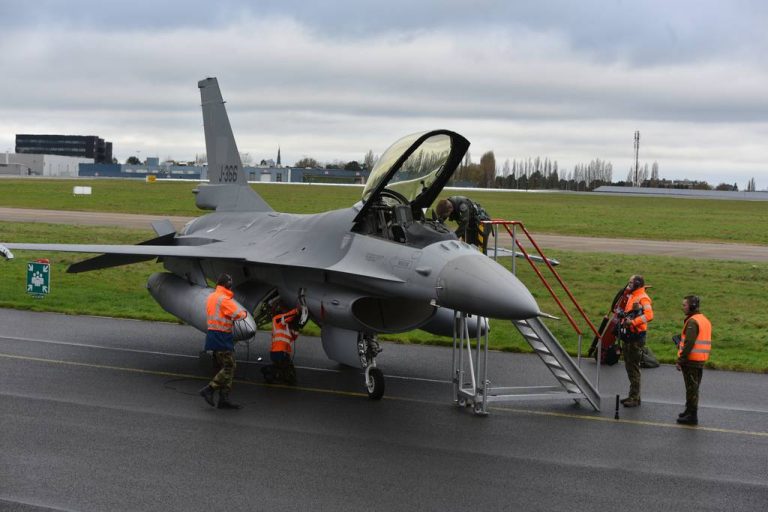
PARIS — The Netherlands has stationed five F-16 jets in Romania to start training Ukrainian pilots, the Dutch Defence Ministry said.
Romanian and Ukrainian pilots will use the aircraft, which arrived at Fetesti Air Base in southeast Romania on Tuesday, at the European F-16 training center, the ministry explained. The training center will be officially opened “in the near future,” the ministry added.
The Netherlands and Denmark are in charge of coordinating European efforts to provide Ukraine with F-16 capabilities, and the U.S. defense company Lockheed Martin will provide training support and help maintain the aircraft.
The Dutch government has said it will make 12-18 F-16s available for training purposes, with the aircraft remaining the property of the Netherlands and solely flying in NATO airspace.
F-16 instructors will use those jets in a refresher course. They will then train Romanian and Ukrainian pilots.
The Netherlands has also set a goal of teaching Ukrainian personnel how to maintain F-16s. The Dutch government said in August that training had already begun in the U.K. and Denmark. The U.S. confirmed it started training Ukrainian military pilots on the F-16 in October.
The Dutch government in August also promised to provide Ukraine with F-16s, but insisted a number of conditions are met, including that enough Ukrainians are trained to operate the jet and that infrastructure at Ukrainian airfields is made suitable to operate the fighter.
The Netherlands is buying a total of 52 F-35 jets to replace its fleet of F-16s, with the planned last flight of the latter in 2024. The Netherlands in June 2022 ordered an additional six F-35s, with 33 of the aircraft delivered and operational as of September 2023.
The Netherlands said that, as of Nov. 3, it has supplied €2.1 billion (U.S. $2.3 billion) in military aid to Ukraine amid its fight against a Russian invasion.
Rudy Ruitenberg is a Europe correspondent for Defense News. He started his career at Bloomberg News and has experience reporting on technology, commodity markets and politics.
US Air Force may remove 105mm cannon from AC-130 gunship
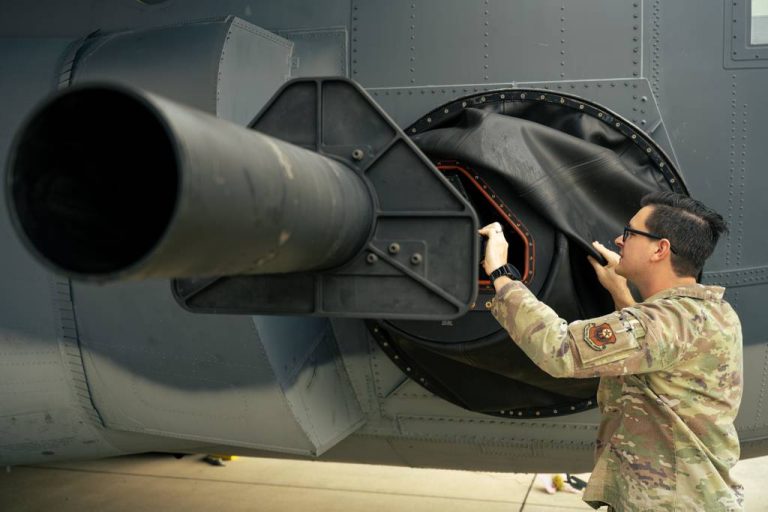
WASHINGTON — The days of the AC-130J Ghostrider’s hefty 105mm cannon may be numbered.
U.S. Air Force Special Operations Command confirmed to Defense News it is considering removing this howitzer-sized weapon, used to carry out punishing strikes on ground targets, from the aircraft as early as 2026. The idea comes as the service rethinks how it will use the heavily armed gunship following the end of the Afghanistan War and amid a greater focus on America’s top adversary, China.
The changes could amount to a major shift in how the Air Force’s famed gunship would support special operations forces and the military writ large in a sophisticated war against an advanced adversary such as China.
The command is also eyeing other changes to the Ghostrider, including the addition of small cruise missiles for standoff strikes; an advanced active electronically scanned array radar for improved tracking of ground targets; and a series of communications and networking upgrades to better tie into the joint force’s command-and-control networks.
“To field operational concepts and technologies relevant in the current and future strategic competition environments, AFSOC is currently assessing the capabilities of the AC-130J Ghostrider,” the command said in a statement to Defense News. “The goal of this review is to enhance the lethality, versatility and adaptability of the AC-130J in a wide range of operational scenarios while ensuring it remains a vital asset within AFSOC.”
The service hasn’t made a final decision on the fate of the 105mm cannon and what — if anything — would replace it, an Air Force official told Defense News on the condition of anonymity in order to speak candidly. AFSOC is using research and development funding to conduct an analysis through 2025.
The official noted the command now does not have the procurement funds to remove the cannon and to either patch up the hole or replace the weapon, meaning the gun wouldn’t get pulled off until 2026 at the earliest.
“In a scenario where you’re not able to just have free rein and fly over a friendly location for three hours, how do we beat our adversaries at that game?” the official said. “If they take away our ability to loiter for extended periods of time, what’s our counter-punch?”
A spokesperson for the House Armed Services Committee’s majority staff declined to comment on the potential gunship changes under consideration.
A source in the gunship community, who spoke to Defense News on condition of anonymity because he was not authorized to talk to the press, said AFSOC has all but decided to remove the 105mm cannon.
“It’s a fait accompli,” he said.
The source added that removing the massive cannon from the plane’s left side would create an imbalance in the aircraft’s center of gravity, among other structural issues. The price tag to remove the weapon and fix the airframe across the fleet would likely be in the millions of dollars, he explained.
“When you cut a hole in that airplane, it’s a major structural intrusion,” he said. “You can’t just yank the gun out of it and fly around with that hole. You’ve got to redesign the fuselage where it was cut out.”
John Venable, a former F-16 pilot and senior defense fellow at the Heritage Foundation think tank, told Defense News the AC-130J would not survive a war against China and that the command is right to rethink its mission. However, he added, the command should leave the 105mm gun in place on a portion of the fleet to conduct missions in permissive environments like the Middle East.
“This is a significant move,” Venable said. “In a high-intensity fight where you’ve got air-to-air threats and long-range [surface-to-air missiles], it would be relegated to a position — much like the [E-8] JSTARS, much like the [E-3 Sentry] AWACS — to where it would be almost combat ineffective in its current role. We will still need AC-130s to fly top cover in Africa; the same thing with our troops in Syria.”
But while the Air Force’s efforts to retire the A-10 Warthog aircraft led to years of conflict with lawmakers until recently, Venable doubts the service will run into similar opposition on Capitol Hill over potential AC-130 changes.
AFSOC has ruled out replacing the cannon with a high-energy laser currently undergoing tests and once considered for the AC-130J.
Another Air Force official, speaking on the condition of anonymity in order to talk freely, explained that placing a laser where the 105mm gun is now yields so much air turbulence that it would upset the laser’s beam. And that official threw cold water on the idea of an AC-130J one day going into battle armed with a laser.
The laser research has “been quite a lengthy program,” the official noted. “Our intent with [the airborne high-energy laser] right now is to continue and finish the demonstration for [the Office of the Secretary of Defense], and we will see if we are able to actually pick it up as a weapon system. Right now, it doesn’t look like we might. We just don’t know; the decision has not been made yet. But in short, the laser can’t go in where the 105[mm cannon] is.”
Rethinking the ‘Angel of Death’
The AC-130J is the fourth and latest version of the gunship series sometimes nicknamed the “Angel of Death” for its withering amount of firepower. The aircraft first saw action during the Vietnam War. And the U.S. military frequently used AC-130s during the wars in Iraq and Afghanistan, particularly on close air support missions and major operations such as the battles of Fallujah.
The Ghostrider started to arrive at AFSOC in 2016, and it reached initial operating capability the following year. It is a heavily modified version of the Lockheed Martin-made C-130J, outfitted with twin cannons — a 30mm cannon that can fire up to 200 rounds per minute alongside the 105mm weapon — and the ability to carry precision-guided munitions such as the AGM-176 Griffin, AGM-114 Hellfire, GBU-39 Small Diameter Bomb and GBU-69 Small Glide Munition.
Former AFSOC head Lt. Gen. Bradley Heithold pushed for the AC-130J to have the 105mm cannon alongside the 30mm weapon, telling reporters in a 2015 conversation: “I want two guns.”
Both cannons are mounted on the left of the AC-130J, and the aircraft is typically meant to fly in counterclockwise loops over the target area — sometimes for hours — as its gunners pound enemy positions.
But the Pentagon has been slowly dialing back the scope it originally planned for the Ghostrider, each of which cost $165 million. AFSOC originally wants a fleet of 37 Ghostriders to replace the now-retired AC-130H Spectre, AC-130U Spooky and AC-130W Stinger II aircraft, but last year cut off procurement at 30.
AFSOC said it isn’t planning to further reduce the number of AC-130Js.
Former AFSOC head Lt. Gen. Jim Slife — the nominee to be the service’s next vice chief of staff — ordered the command to look at whether the 105mm cannon should be removed from the Ghostrider as part of the fiscal 2023 program objective memorandum. His successor, Lt. Gen. Tony Bauernfeind, has continued this review.
The first Air Force official said a combination of factors led to a reconsideration of the Ghostrider’s role.
“What does the future fight look like?” the Air Force official said. “Do we need the 105[mm cannon]? … We don’t want to pigeonhole ourselves in strictly special operations. That’s where our expertise lies, [but] we also want to expand capabilities and offer something up to the joint force as well.”
Tight budgets also played a role, he said, although AFSOC is still figuring out what the potential costs or savings a change to the weapon might yield.
If small cruise missiles are added to the AC-130J, the official said, the crew could eject them from the gunship’s ramp to be launched — potentially as palletized munitions, in which a container of multiple cruise missiles is slid out of a cargo plane and then fired in a barrage. Or, the official added, the missiles could be mounted and launched from the Ghostrider’s wings.
AFSOC said these cruise missiles would allow strikes on both fixed and mobile targets, and allow the AC-130J to engage enemies from a safer distance. AFSOC has not yet decided which specific missiles might fill this role.
The active electronically scanned array radar under consideration for the AC-130J would be more sensitive, scan faster and have greater resistance to jamming, while also allowing the aircraft to better discriminate between targets, AFSOC said. It would also support multiple missions such as air-to-air search, air-to-ground targeting, mapping of the ground, and weather detection.
And the adaptive mission networking advancements that might be added to the AC-130J would let it better share critical information with other friendly aircraft or forces, as well as receive real-time updates on the battlefield.
The potential removal of the 105mm weapon also comes after 17 gunships in the fleet received upgraded cannons. Engineers from the Naval Surface Warfare Center designed and developed that latest version, dubbed GAU-XX, and delivered the weapons in January 2022.
The first Air Force official said the AC-130J’s focus isn’t entirely shifting to standoff strike capability, and it will still be able to provide close air support, even without a 105mm cannon.
“Close air support is what we’ve always done since our beginnings, and it’s something that we will continue to do,” he said. “Our guys on the ground anticipate and expect us to … provide the same high level of support that we’ve always provided them. It’s not shifting focus from one to another, but it’s expanding capabilities.”
Stephen Losey is the air warfare reporter for Defense News. He previously covered leadership and personnel issues at Air Force Times, and the Pentagon, special operations and air warfare at Military.com. He has traveled to the Middle East to cover U.S. Air Force operations.
Lockheed to upgrade Chilean Air Force’s F-16 jets
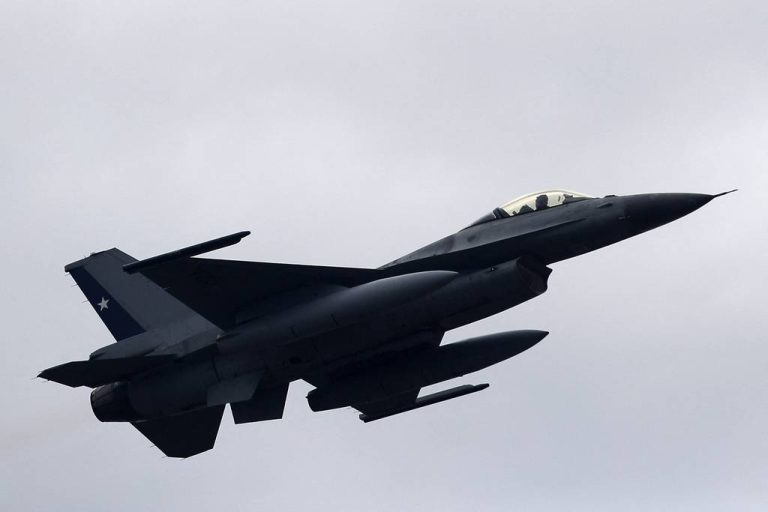
SANTIAGO, Chile — Lockheed Martin will upgrade 36 operational F-16 fighter jets with the Chilean Air Force under a $177 million contract, the Pentagon announced.
The deal, unveiled Oct. 31, will see those F-16AM/BM Block 15/20 MLU aircraft modified to the M6.6 standard. Lockheed told Defense News the program will provide an advanced identification friend or foe capability and the Link 16 tactical communications system.
The upgrade work is to take place in Fort Worth, Texas, and Greenville, South Carolina, as well as at Chilean Air Force maintenance workshops at Santiago and Antofagasta, according to the Pentagon and Chilean military sources. Lockheed will complete the project by Nov. 30, 2032, the department’s announcement added.
The upgraded aircraft are expected to operate until the early 2040s, the sources told Defense News on the condition of anonymity due to the sensitivity of the topic. They added that the contract is simply the start of this upgrade program and that more spending and deals are likely.
Previous plans involved installation of active electronically scanned array radars, but that’s no longer the case because the current analogue radars on board the jets are now supplemented by situational and targeting data, provided in real time by E-3D Sentry airborne warning and control aircraft acquired from the U.K. in 2022.
In 2019, the Chilean Air Force requested funding to launch the F-16 upgrade program the next year. At the same time, the U.S. State Department was working on authorization for the export of related systems and parts to Chile. But the Chilean government denied the funding on technical and financial grounds, instead calling for the service to to request money in the 2021 national budget.
The State Department in 2020 approved related sales, but the Chilean government postponed the project amid the COVID-19 pandemic.
Chile ordered a total of 36 F-16 MLU jets from the Netherlands in two separate batches of 18 each in 2005 and 2009. Chile received the last aircraft in 2011. All the jets are serviceable, but two airframes are used for training technicians and ground crews.
José Higuera is a Latin America correspondent for Defense News.
How To Survive Winter’s Fury

Snow can be a lovely part of winter, but when there’s too much, it can become dangerous. Light snow can quickly turn into a powerful blizzard. Unlike other types of storms in the United States, snow also brings the risk of extreme cold.
Snow poses multiple dangers. First, there’s the damp cold. When moisture mixes with low temperatures, it can lead to hypothermia. Snow can also restrict or even completely block your movement. If you get stuck in a car far from help during a snowstorm, it could be life-threatening.
Even the sheer weight of snow makes it very hazardous. With 20 pounds of pressure per cubic foot, a significant amount of snow can have enough force to crush cars, houses, and even people.
Winter’s Fury threats
While many places in the U.S. experience heavy snow, a few locations really stand out. The snowiest area in the country is the Cascade Mountains in Washington State. The south side of Mount Rainier holds the record with 671 inches of snow in a single season, which increases the risk of avalanches.
Across the United States, various regions have their distinct weather patterns, but few are as striking as Nor’easters. These are large cyclonic storms that typically form within 100 miles of the East Coast. They are known for their consistent and strong winds that push them inland. Nor’easters can affect the New England and Mid-Atlantic areas, and they result from the collision of cold arctic air with the warmer Gulf Stream, creating conditions for severe weather.
Nor’easters can form at different times, but they are most common between September and April when the weather cools down. This makes it possible for Nor’easters to coincide with snowfalls. These storms can bring flooding, hurricane-force winds, and blizzard conditions, making them highly diverse in the challenges they pose. Occasionally, tornadoes can also develop within these phenomena, making Nor’easters one of the most dangerous storms in the United States.
If you live in a snowy area, it’s a good idea to prepare your home for the cold. Here are some steps to ensure you are ready for winter weather:
- Add extra insulation to your attic.
- Ensure that all your doors and windows are properly sealed to keep out the cold.
- Consider installing stormproof windows for extra insulation and protection.
- Maintain your fireplace in good working condition and have an adequate supply of firewood.
- Keep an emergency generator on hand, especially if you live in an area prone to heavy snow, to meet backup power needs.
Shelter Solutions for Winter’s Fury
Facing the wrath of winter’s fury without proper preparation can lead to tragic consequences. Whether you reside in a snow-prone area or one that rarely sees snowfall, it’s crucial to anticipate the worst while hoping for the best. Even regions unaccustomed to snowfall can quickly become paralyzed by even moderate amounts of it. Local governments are often ill-equipped to handle such situations, resulting in power outages and freezing temperatures, creating a perilous situation. The key to survival is careful planning.
After stocking up on essentials for coping with winter’s fury, your next step is to hunker down and stay put. Prolonged exposure to the cold and snow must be avoided at all costs. Designate a warm room in your home as a central sleeping area, particularly if you have family members with you, as it can help conserve heat. Stay updated with weather forecasts and emergency alerts. Engaging in activities like playing board games may seem trivial but can significantly reduce stress and improve your state of mind. Carefully manage your food and supplies, as you might be stranded for days or even weeks, depending on the weather. Remember that harsh winter weather in 2013 witnessed a series of successive winter storms in many regions. Prepare for at least a week of indoor confinement, and possibly more if you have the space.
In the unfortunate event of being stranded outdoors, the priority is to seek shelter as swiftly as possible. Digging into the snow to create a small snow cave might seem counterintuitive, but it can provide protection from the biting wind and offer some warmth. Once it becomes safe, make every effort to reach a permanent shelter to ride out the storm.
If you find yourself trapped in your vehicle, the best course of action is to stay put. Keep doors and windows closed to retain heat. Run the car’s engine for short intervals to raise the interior temperature, and, if the snow is heavy, step out briefly to clear the windshield and lights. However, avoid prolonged exposure to the harsh outdoor conditions and return to the vehicle promptly. Those living in regions accustomed to heavy snow should also equip their personal vehicles with a scaled-down version of the aforementioned emergency kit.
Winter injuries are a genuine concern. Each year, numerous individuals report injuries resulting from slips on icy surfaces and even puncture wounds caused by ice. If you sustain an injury, cover the wound and seek immediate medical attention. In the case of puncture-style wounds, even if caused by ice, leave the object in the wound and seek prompt medical treatment.

While snow is notorious for creating hazardous conditions, ice can be an even deadlier manifestation of winter’s fury. Often invisible, it has led to numerous car accidents and severe falls. With this in mind, let’s delve into the various dangers of ice and how to effectively address them.
-
Avoiding Ice Dams
For residents in frigid regions of the U.S., having ice accumulating on the roof of your home or business is a common occurrence, known as an ice dam. When a thaw commences, a significant portion of this ice may break loose and fall to the ground. Being underneath falling ice can be, at best, a painful experience and, at worst, a lethal one. The most effective approach to dealing with an ice dam is to use a metal rake or shovel to break the ice free and allow it to safely descend. The best preventative measure against ice dams is to insulate your attic and ceiling to prevent warm air from triggering the melt and subsequent ice buildup.
-
Protecting Trees
In the right conditions, a tree can become entirely encased in ice, creating a visually striking but potentially harmful situation. Ice accumulation can harm the tree and pose a danger to those in proximity if the ice starts to fall. The key to safeguarding trees during an ice storm is occasionally braving the elements and gently shaking the tree’s limbs to dislodge any ice buildup. The frequency of this action depends on the severity of the storm, with safety always being the top priority. Avoid this task if the conditions outside are too perilous.
-
Ensuring Safe Power Supply
The accumulation of ice on power lines is akin to a ticking time bomb, counting down to a power outage at your home. The weight of the ice on these lines can often cause damage and, in some cases, disconnect them from their sources. If you notice ice accumulating on power lines, it is imperative to contact your utility company promptly. Should you come across a downed power line, do not approach it. Move away from it and immediately alert the authorities to the hazard.
Driving Safely Through Winter’s Fury: Avoiding Winter Driving Dangers
Winter’s fury often unleashes the treacherous menace known as black ice, which lurks on the road, appearing deceptively like a mere wet surface when, in reality, it’s a perilous sheet of ice. When driving in cold, wet conditions, exercise caution and provide yourself with the two most crucial elements: time and distance. Avoid rushing and leave more space between your vehicle and others than you typically would. Equipping your car with the right tires and chains, when necessary, can make the difference between a safe journey home and the laborious task of extricating your vehicle from a snowbank you’ve skidded into.
Avoiding Roadside Tragedy

Setting out on the road during the winter months takes on a gravity that other seasons do not carry. Snow and ice present an array of dangers, and drivers must be well-prepared before embarking on their journeys along the highways and byways.
Being equipped with an emergency kit and the knowledge of how to use it can be your shield against a potential tragedy. A well-considered winter vehicle kit should include the following items:
First-Aid Kit: Opt for a preassembled first-aid kit, such as those available from Adventure Medical Kits, and ensure it includes any prescription medications. Keep a vigilant eye on expiration dates and rotate items as necessary.
Extra Warm Clothes: Pack additional cold-weather clothing, including boots, in case you need to leave your vehicle.
Emergency Rations: Consider MRE-style meals as emergency food; they are easy to store and provide essential calories.
Stay Hydrated: Despite the snow, water remains crucial. Avoid eating snow, as it can lower your body temperature. If you’re stranded in a rural area, help may be distant.
Shovel: A compact, folding military-style shovel can be a vital tool if you become stuck in the snow, helping you break free.
Flashlight: A reliable, high-quality flashlight, like the SureFire G2x, is indispensable in all seasons. Many accidents and issues occur in the dark, and light is your lifeline.
Ice-Melt Pellets: A reasonably sized bag of ice-melt pellets or salt, or even cat litter, can be a savior when your tires lose traction due to ice. These items can help your tires regain grip and get you moving.
Tire Chains: In many regions across the country, having chains on your tires is mandatory for driving in specific areas. Even if not required, having chains on hand is a wise precaution in case the weather takes a turn for the worse.
Backup Phone Charger: A compact backup phone charger is now a common and space-saving item. In the event of being stranded, maintaining communication is imperative, and a dead cell phone battery can easily be avoided.
Mastering Winter Driving in the Face of Winter’s Fury

As we journey toward our destinations, it’s vital to adapt our driving techniques to align with the formidable challenges that winter’s fury can bring. Treacherous roads and limited visibility necessitate adjustments, as ignoring them could lead to dire consequences. Here are some tried-and-true tips for winter driving:
Adjust Your Speed: Tailor your speed to match the current road conditions. Even if there’s a hint of ice, err on the side of caution and reduce your speed.
Increase Following Distance: Allow extra room, not only for braking but also between your vehicle and others on the road.
Exercise Caution on Overpasses and Bridges: Be especially careful when driving over overpasses and bridges, as these areas tend to ice over before other parts of the road.
Clear Your Entire Windshield: Resist the temptation to scrape only a small, 6-by-6-inch porthole directly in front of the steering wheel. This limited view is insufficient for detecting potential hazards. Take the time to clear your entire windshield for a full field of vision.
Avoid Passing Snowplows: The Wisconsin Department of Transportation provides a compelling reason for refraining from passing snowplows: “Snowplows have wing plow blades that can extend anywhere between 2 and 10 feet beyond the width of the truck. This wing plow blade is often not visible due to the snow cloud kicked up by the snowplow. These wing plows can weigh as much as a compact car.”
Remember, when you confront winter’s fury on the road, your safety and that of others depend on prudent, weather-appropriate driving practices.

When you find yourself spinning on the icy road, it’s imperative to maintain your composure and refrain from abruptly slamming on the brakes. Many vehicles come equipped with anti-lock brakes (ABS), which tend to perform poorly on ice, frequently locking up regardless of their make or design.
Maintain Control: If your wheels become locked and you start sliding, regaining control can be challenging. However, it’s crucial to turn into the direction of the slide, doing so with gentleness and precision. Over-steering can exacerbate the situation, potentially causing you to spin in the opposite direction. Once you’ve successfully stopped the slide, ensure you are clear of any impending danger and resume your journey. If you become stuck and unable to move, call for assistance and, if it’s safe, retreat into your vehicle. Ensure that the exhaust pipe remains free of snow, and run the car sparingly to conserve fuel. A blocked exhaust pipe can lead to the accumulation of carbon monoxide inside the vehicle, which can be life-threatening.
Safe Exit: If you collide with an object, strive to remain calm. Wait until other vehicles around you have come to a halt before exiting your car. Assess the extent of damage and call for help if necessary. In the event that your vehicle overturns, orient yourself and gradually release your seatbelt before exiting. This is a situation where a seatbelt cutter or window-breaking tool can be invaluable. Such tools allow you to safely cut through a seatbelt and shatter car glass if necessary, facilitating your escape.
Preparation for Survival: Lastly, it’s vital to emphasize that prevention is your greatest ally. By ensuring your vehicle is winterized, you can mitigate many of the frustrations associated with winter driving. This includes checking your tires for adequate tread, adjusting your oil changes to suit the prevailing temperatures, testing your battery, and ensuring your anti-freeze is a 50/50 mix to prevent a frozen radiator. The watchwords for facing winter roads are preparation and education. Take your time and maintain heightened awareness. These actions will help you steer clear of potential dangers and reach your destination safely in the face of winter’s fury.
Concluding

You may not have the power to change the weather, and weather forecasting can sometimes feel uncertain, but waiting until a storm is about to hit is not a wise approach. It’s important to be proactive and prepared for any snowstorm that nature might throw your way.
Being prepared in advance is the key to dealing with winter weather effectively. Unpredictable weather patterns make it essential to have a well-thought-out plan and the necessary resources ready.
Recommended resources:
Securing the best wood for fire and shelter
The #1 food of Americans during the Great Depression
How to build a proper winter shelter
How To Build The Invisible Root Cellar
warnings about this site…
when I click on this site I'm getting warnings about the site may not be legit or clock or expired certificate??? anyone else?