
I’ve been retired for almost a quarter century but I still get a kick out of the “new” stuff that pops up in my feed.
The description of the barracks as I read through the latest Marine Corps Order on unaccompanied housing sounds like it could just as well be in the 200 area of Montford Point or in the WWIi era barracks at Fort Pickett or Camp Lejeune.
What all these barracks had in common was that they were traditional squad bay layout. Montford Point was the only one where the head was in a separate building at the end of the Company Street. Fun in the winter! This one is a National Historic Site now. A head. How about that.
Imagine running down the street in the pre-dawn darkness in a towel and flip flops…in January.
The divider is wider in the 200 Area, but the layout is the same. (I remember, because I slept on top of one of those dividers while on two-man guard duty. Falling off could be dangerous) Sinks are on the other side of the low wall. No mirrors, you should be able to shave your face without one, or use the little metal one in your shaving kit.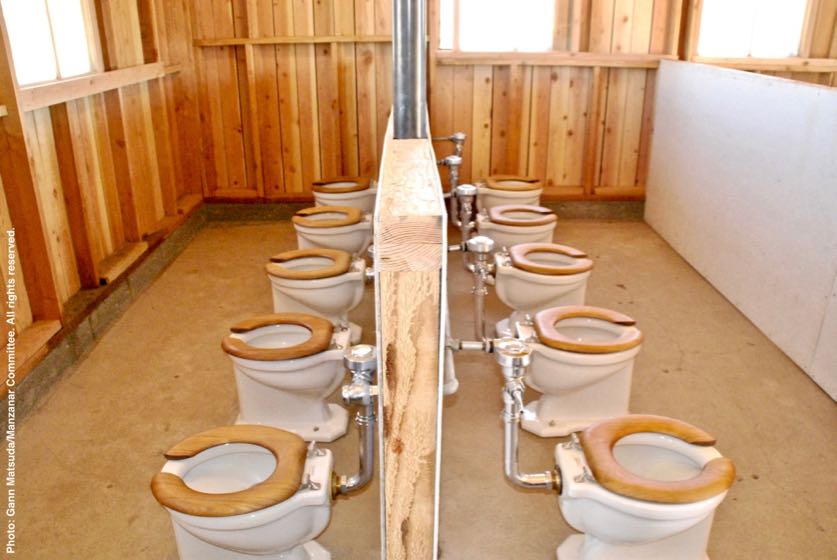
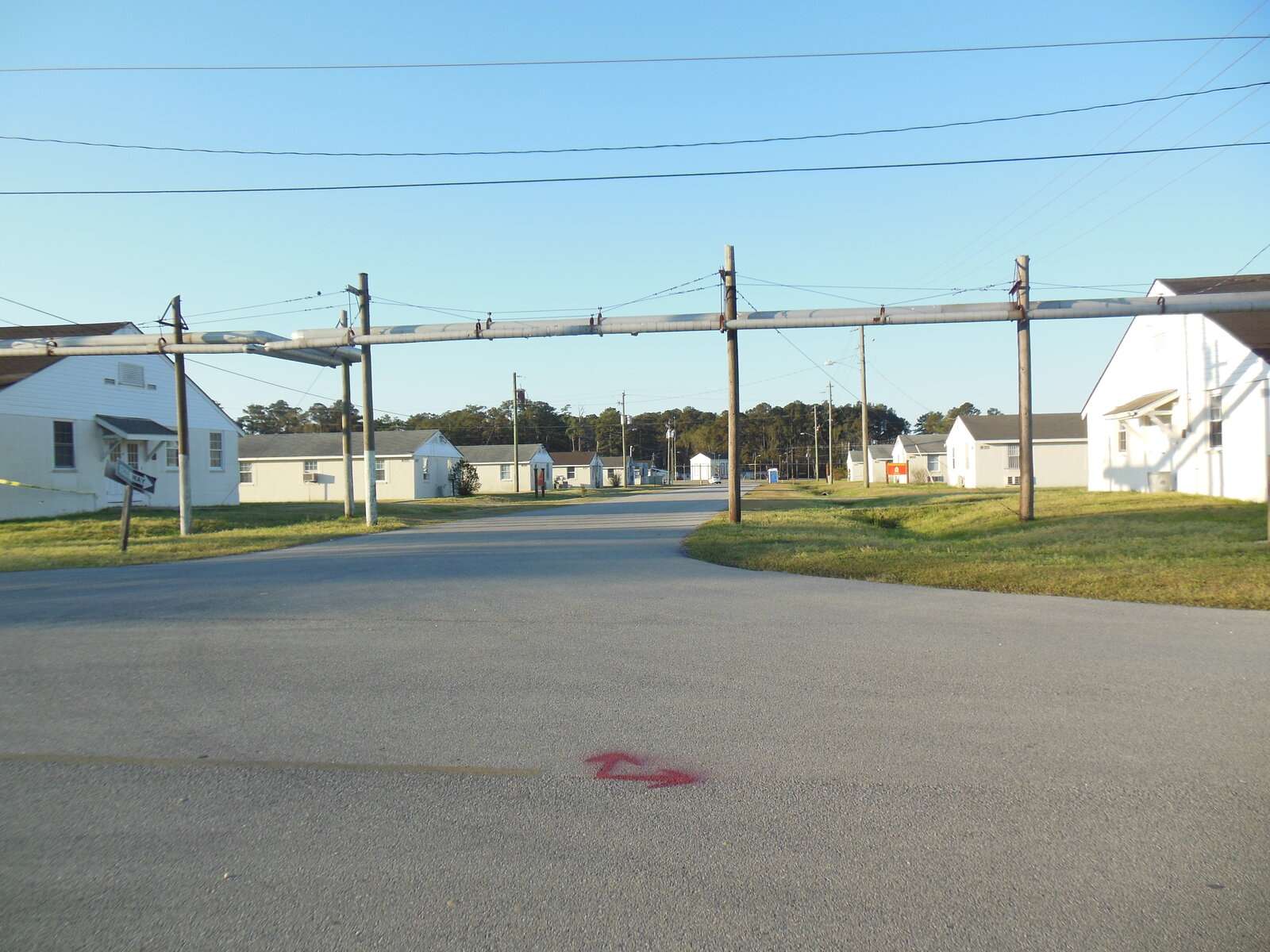
Looking down the Company Street aboard Montford Point. Camp Geiger had the same layout. My barracks at the end of Company Street C is nothing but grass now, but I’ll never forget it. It was the closest to a mess hall as I ever managed to live.
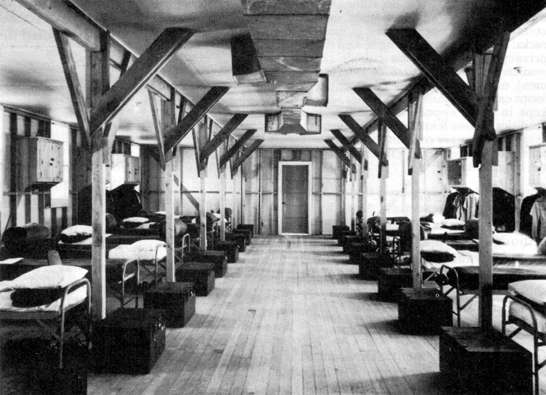
The only three man rooms were for Sergeant’s and there were usually only two to four of them. Everybody else got a perfectly functional rack, wall locker and foot locker. You tied your laundry bag to the end of the rack and a towel and wash cloth that you never used had your name stamped on it. Your shoes and boots were lined up neatly under your rack, which was made, unless you were sleeping in it.
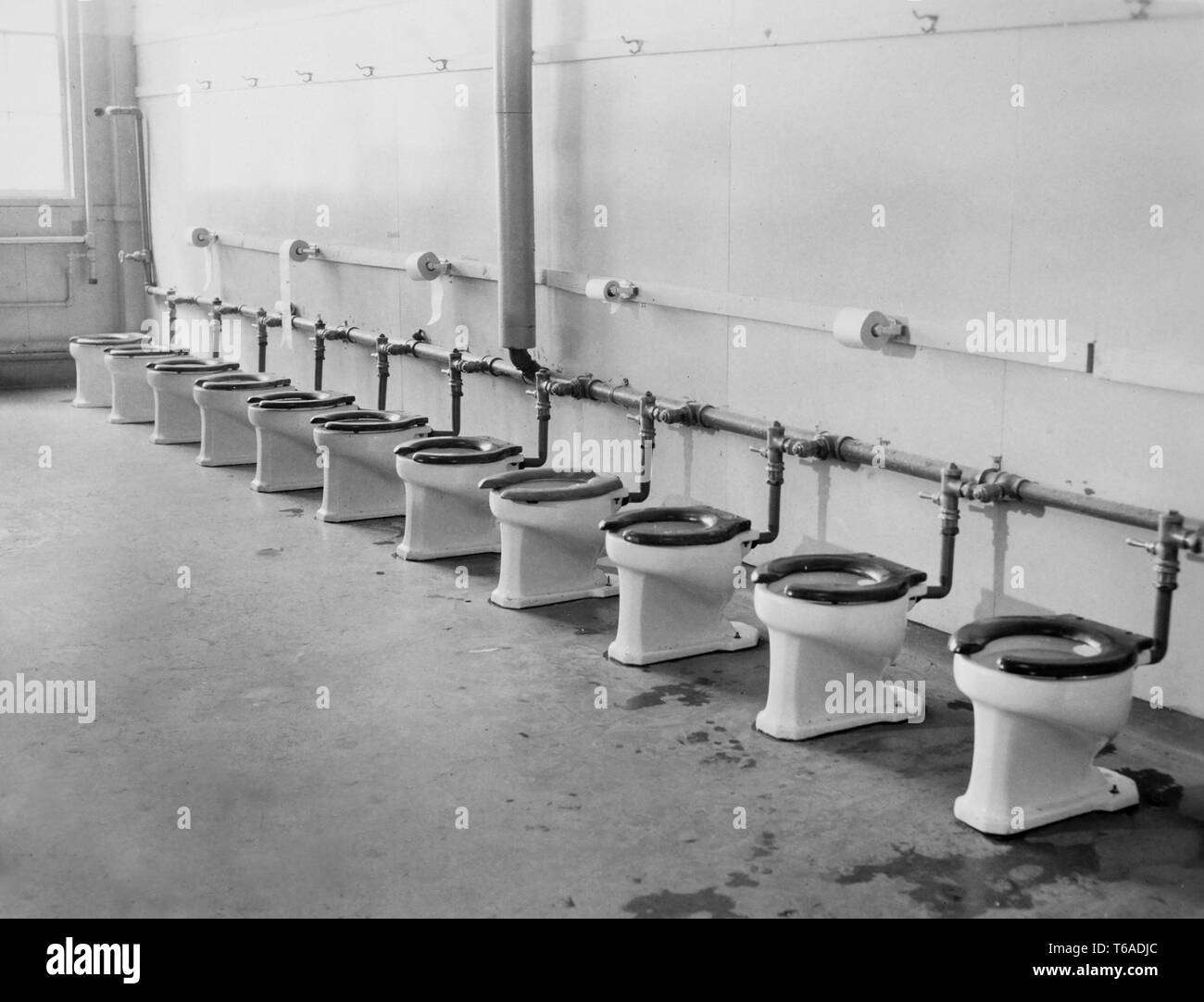
WWII ‘A’ barracks. Looks the same stick for stick at bases and camps all over the country. I was a Sergeant when I lived in these barracks at Fort Pickett. I was attached to Second Tank Battalion to keep their guns moving. These were originally coal heated, and had unbreakable polished metal mirrors in the head.
We had strict segregation. No, not like that. We had the NCO’s in a separate area from the non-rates. At Pickett NCO’s lived upstairs, at Lejeune and Montford Point there was a barrier of wall lockers and a sheet for a door. You had to have permission to enter NCO Country and when your business was done you got out. We had few discipline problems in the barracks. If we did they didn’t last long.
Common areas are spotless and well maintained.
They keep morale high, because the alternative to communal showers and a row of undivided shitters is helmet and wash cloth and a slit trench. Washing machines and dryers are heaven compared to a wash tub, scrub brush and clothes line.
The TV room is where you meet to socialize. It’s spotless too, because you and the fellow residents keep it that way. You even mow the grass and paint the rocks outside. The Police Sergeant takes care of assignments to these duties and makes sure you have all the tools you need.
Meals are served three times a day. After morning, noon, and evening formations you’ll march to chow so nobody misses a meal.
And with all that luxury you still get paid every two weeks. I remember I used to make $412 a month.
That’s before taxes. I didn’t know what to do with all that money, so I took Dad’s advice and enjoyed travel, good food and good drink with good company. Never brought home anything I didn’t intend to and for many years never owned more stuff than would fit in my sea bag.
We had little privacy in the squad bay, and if somebody was upset everybody would see it and after poking fun at the poor soul for a bit, would band together to find a solution. If anybody had a drinking problem we all knew about it and would join them at the club to keep them out of trouble.
We had comaraderie. It was more important to those of us who had always lived in squad bays than any bit of privacy. It seemed perfectly natural to us to share a newspaper while sitting on adjacent shitters, or pass around a roll of toilet paper.

Years later, when we came back to the States and got assigned rooms we had stuff we never had to deal with, or had quickly dealt with in the squad bay. Hygiene issues, drugs, depression, suicide, theft, and unauthorized absence.
This new order sounds a lot like something the Company Gunny might say. He’d keep it short, and memorable. In the end it would have exactly the same impact.
“We never promised you a rose garden.”
Semper Fi
